
رویداد های اخیر
کشورهای عضو بریکس از امارت اسلامی خواستند ممنوعیتهای آموزشی دختران را بردارند
کشورهای عضو سازمان بریکس همچنین گفتهاند که باید «اقدامهای مشهود و ملموس» بیشتری از سوی امارت اسلامی در افغانستان انجام شوند تا اطمینان حاصل شود که خاک این کشور از سوی ترورستان استفاده نمیشود.

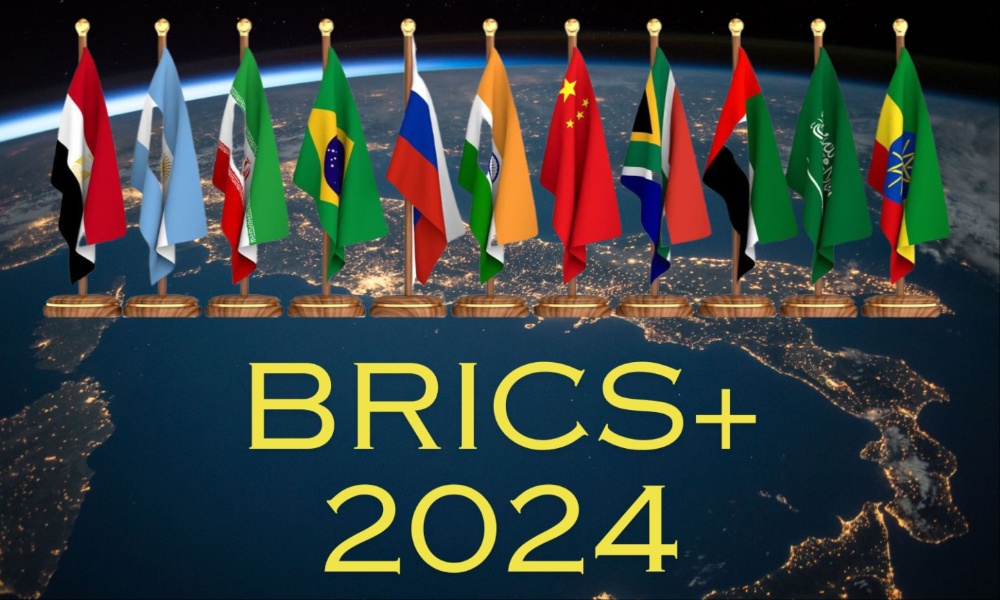
کشورهای عضو سازمان بریکس روز گذشته (چهارشنبه، ۲عقرب) در نشست کازان روسیه در یک بیانیه مشترک گفتهاند که حل و فصل مسالمتآمیز بحران جاری در افغانستان ضروری است و از امارت اسلامی خواستهاند که ممنوعیتهای آموزشی و تحصیلی دختران و زنان را بردارند.
در این بیانیه روی رعایت حقوقبشر، حفظ حقوق اساسی تمام شهروندان افغانستان از جمله زنان، دختران و اقلیتهای قومی از سوی امارت اسلامی نیز تاکید شده است.
کشورهای عضو سازمان بریکس همچنین گفتهاند که باید «اقدامهای مشهود و ملموس» بیشتری از سوی امارت اسلامی در افغانستان انجام شوند تا اطمینان حاصل شود که خاک این کشور از سوی ترورستان استفاده نمیشود.
در بیانیه مشترک این کشورها آمده است که آنان از افغانستان عاری از گروههای «ترورستان، مستقل و متحد حمایت میکنند و از امارت اسلامی خواسته شده که در این زمینه اقدامهای فوری و ملموسی انجام دهند.
این کشورها همچنین به نقش موثر نشستهای منطقهای با اشتراک کشورهای همسایه افغانستان اشاره کرده و از تلاشهای این کشورها برای تسهیل روند حل و فصل بحران در کشور استقبال کردند.
کشورهای عضو بریکس در این بیانیه گفتهاند که معتقدند مشارکت کشورهای همسایه در روند حل بحران افغانستان میتواند به تثبیت امنیت و ثبات در منطقه کمک کند.
این درحالیست که نشست سه روزه سازمان بریکس بیحضور نماینده امارت اسلامی در شهر کازان روسیه با حضور سران کشورهای عضو این سازمان از جمله چین، هند، روسیه، ترکیه، افریقای جنوبی، برزیل، ایران، مصر و اتیوپی و با اشتراک سرمنشی ملل متحد از روز سهشنبه هفته جاری به اینسو آغاز به کار کرد و امروز (پنجشنبه، ۳عقرب) پایان خواهد یافت.

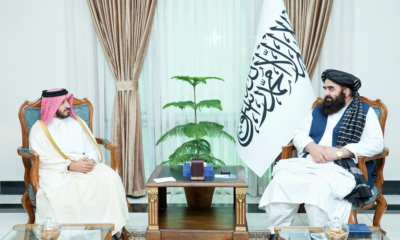



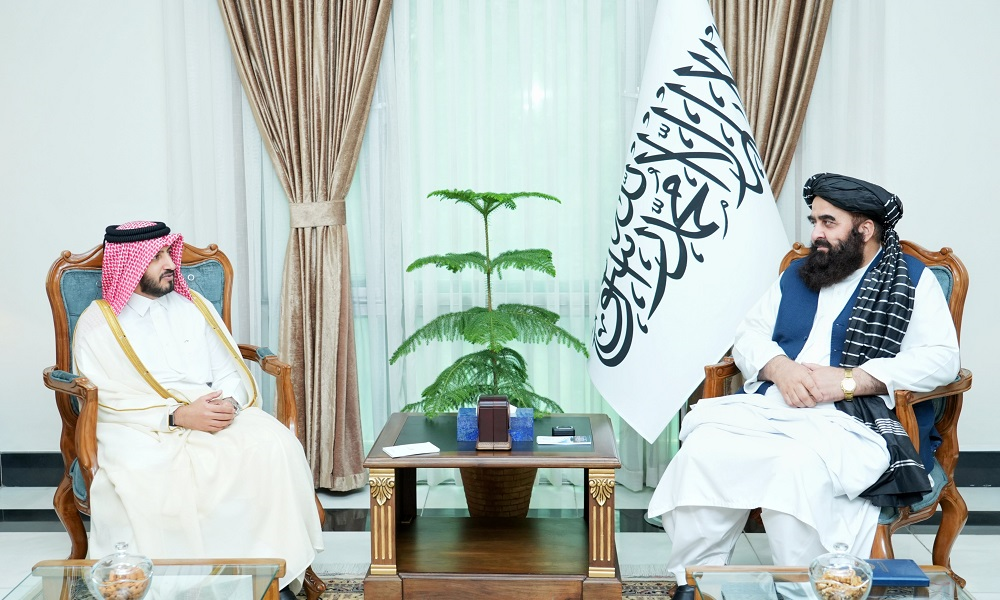
امیرخان متقی، وزیر امور خارجه امارت اسلامی افغانستان، در کابل با مردف القاشوطی، سفیر قطر در کابل، دیدار کرده و درباره گسترش روابط دوجانبه و تقویت تعامل افغانستان با جامعه جهانی گفتگو کرده است.
وزارت امور خارجه گفته که در این دیدار، تلاشها و همکاریهای قطر برای تسهیل روابط امارت اسلامی با جامعه جهانی بررسی شده است.
به گفته این وزارت، آقای متقی روابط افغانستان با جامعه جهانی را رو به گسترش خوانده و از تلاشهای قطر در این زمینه قدردانی کرده است.
در همین حال، سفیر قطر بر تعهد کشورش به ادامه این تلاشها تأکید کرده و پیشرفتهای بهدستآمده در این زمینه را امیدوارکننده دانسته است.
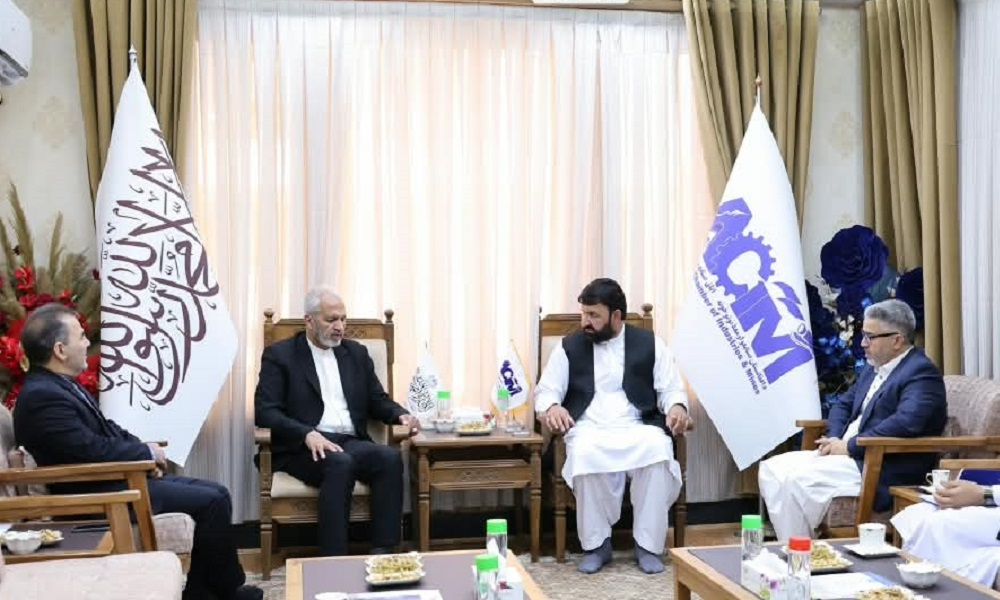
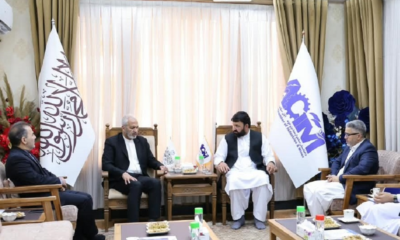
علیرضا بیکدلی، سفیر ایران در کابل، با شماری از مسئولان اتاق صنایع و معادن افغانستان دیدار کرده و درباره گسترش روابط اقتصادی، سرمایهگذاری مشترک و تقویت همکاریها در بخشهای صنعت و معادن گفتگو کرده است.
اتاق معادن و صنایع افغانستان گفته است که در این دیدار، خان محمد خان، معاون صنعت اتاق صنایع و معادن افغانستان، با اشاره به فرصتهای موجود در بخش صنعت و معادن کشور، از سرمایهگذاران ایرانی خواست تا در این بخشها سرمایهگذاری عملی کنند.
او گفت که با فراهمشدن زمینههای مناسب برای رشد صنعت و پروسس مواد خام معدنی در افغانستان، فرصتهای بیشتری برای همکاریهای اقتصادی و سرمایهگذاری مشترک با کشورهای منطقه، بهویژه ایران، وجود دارد.
در همین حال، علیرضا بیکدلی، سفیر ایران در کابل، از افزایش علاقهمندی سرمایهگذاران ایرانی برای فعالیت در بخشهای مختلف اقتصادی و تولیدی افغانستان خبر داد و بر تمایل کشورش به گسترش روابط اقتصادی و همکاریهای دوجانبه تأکید کرد.
در پایان این دیدار، سفیر ایران از مسئولان اتاق صنایع و معادن افغانستان دعوت کرد تا در نمایشگاه معادن که قرار است در ایران برگزار شود، اشتراک کنند.
رویداد های اخیر
وزارت اطلاعات و فرهنگ: نشرات رادیو بیبیسی در افغانستان به دلیل «تخطیهای مکرر» متوقف شد
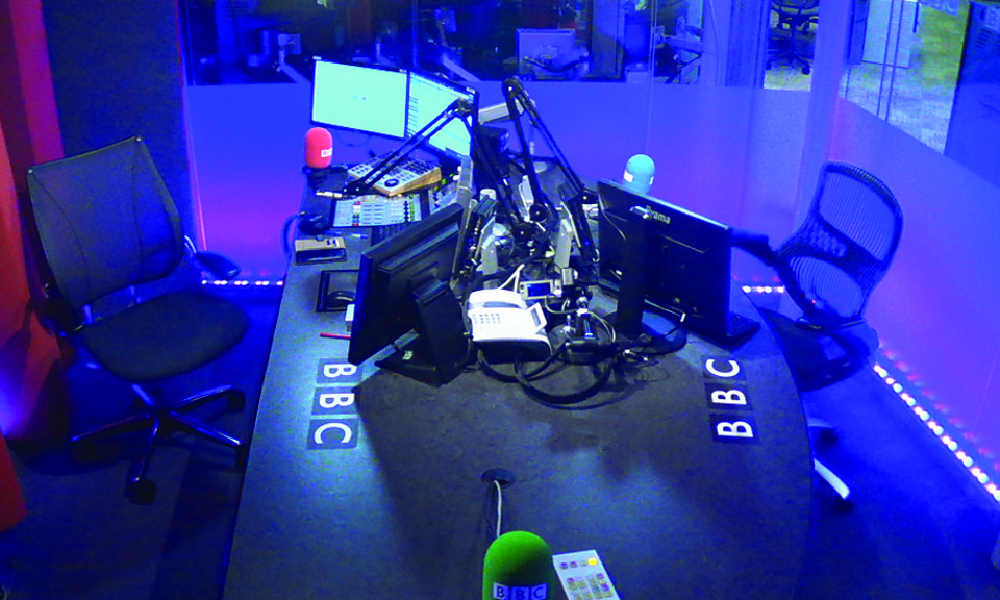
صفی الله رائد، رئیس نظارت بر رسانهها در وزارت اطلاعات و فرهنگ، میگوید که نشرات رادیو بیبیسی در افغانستان به دلیل «تخطیهای مکرر» متوقف شد.
سخنگوی بیبیسی نیز متوقف شدن نشرات رادیویی این رسانه را در سراسر افغانستان تأیید کرده و گفته است که برای حل این موضوع با مقامهای امارت اسلامی در تماس است.

تحول: هشدار از احتمال گسترش ناامنیها در پاکستان

څار: افغانستان کې د امریکايي پوځي اډو د حضور په اړه انديښنې

امیرخان متقی و سفیر قطر بر تقویت روابط افغانستان با جامعه جهانی تأکید کردند

تأکید افغانستان و ایران بر گسترش همکاریهای صنعتی و معدنی

وزارت اطلاعات و فرهنگ: نشرات رادیو بیبیسی در افغانستان به دلیل «تخطیهای مکرر» متوقف شد

لیگ قهرمانان افغانستان؛ سرخپوشان خوافی ۲-۰ آرمان افسی را شکست داد

بازیهای آسیایی در جاپان آغاز شد؛ افغانستان با ۳۴ ورزشکار حضور دارد

افغانستان و هند برای تقویت تولید و تأمین تجهیزات طبی و ادویه وارد گفتگو شدند

سنگ تهداب شهرک صنعتی ۲۲ هزار جریبی در بلخ گذاشته شد

لیگ قهرمانان افغانستان؛ ابومسلم فراه و آریانا خوست به تساوی بدون گول رسیدند
تحول: هشدار از احتمال گسترش ناامنیها در پاکستان
څار: افغانستان کې د امریکايي پوځي اډو د حضور په اړه انديښنې

تحول: انتقاد کابل از سیاست اسلامآباد در قبال افغانستان

څار: استقرار اردوی پاکستان در خیبر پختونخوا

اتحادیه اروپا بر ادامه کمکهای بشردوستانه به مهاجرین بازگشته افغان تأکید کرد
-
 رویداد های اخیر3 روز ago
مقام ایرانی از دوستی افغانستان ستایش کرد؛ رفتار پاکستان را «منافقانه» خواند
-
 تجارت4 روز ago
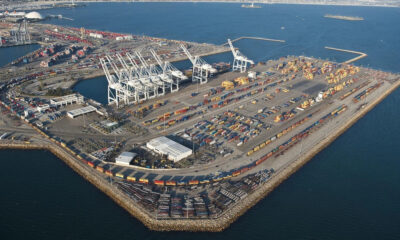
ایران بیش از ۱۱۰ هکتار زمین در بندر چابهار به فعالیتهای اقتصادی افغانستان اختصاص داد
-
 جهان5 روز ago
تلاش تازه واشنگتن برای پایان جنگ اوکراین؛ نمایندگان ترمپ با مقامهای کییف دیدار میکنند
-
 ورزش4 روز ago
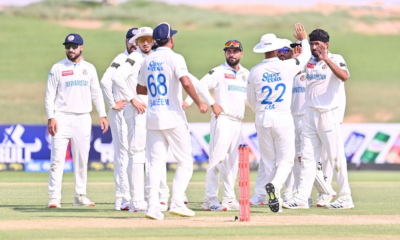
بنگلهدیش در روز نخست دیدار تست برابر افغانستان به ۳۱۷ دوش با از دست دادن ۸ ویکت رسید
-
 رویداد های اخیر4 روز ago
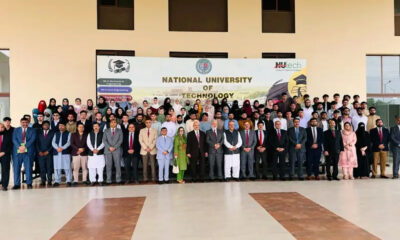
پاکستان برای محصلین و داکتران افغان دستورالعمل تازه صادر کرد
-
 اخبار ساحوی5 روز ago
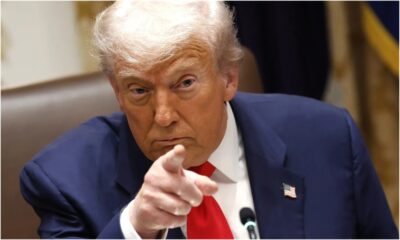
ترمپ: امریکا پیش از انتخابات میاندورهای به ایران حمله نخواهد کرد
-

 جهان3 روز ago
کشتهشدن ۱۴ تن در دو رویداد جداگانه تیراندازی در امریکا
-
 صحت3 روز ago
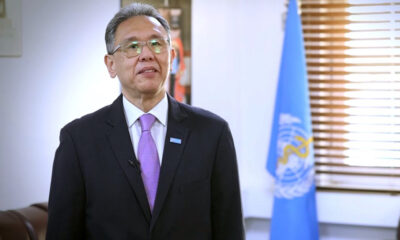
سازمان جهانی صحت خواستار افزایش حمایت از سلامت روان در افغانستان شد