
رویداد های اخیر
کمک ۱۵۰ ملیون دالر از سوی بانک جهانی به وزارت صحت افغانستان

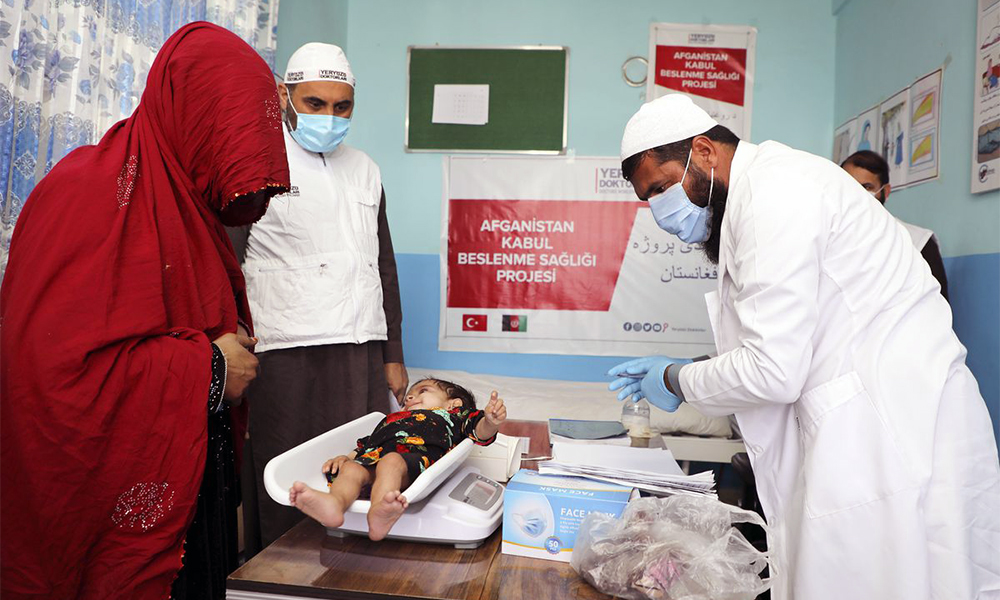
وزارت صحت عامه افغانستان میگوید که بانک جهانی ۱۵۰ میلیون دالر به این وزارت اخیرا به منظور ادامه فعالیتهای صحی کمک نموده است.
این وزارت میگوید که این کمک بر اساس تفاهم نامه نشست جنوا که به تاریخ ۷ فبروری در کشور سویس برگذار شده بود و در آن داکتر قلندر عباد، سرپرست وزارت صحت عامه و هیئت هراه شان اشتراک نموده بودند از سوی بانک جهانی صورت گرفته است.
وزارت صحت عامه میگوید که قرار است مقدار این پول برای مراقبتهای اولیه صحی در ۳۴ ولایت از جمله پرداخت معاشات و آموزش کارکنان صحی، تهیه دوا، تجهیزات طبی، مبارزه با امراض ساری و تقویت نظارت بر ارایه خدمات صحی به مصرف برسد.
در نشست جنوا نمایندهگان کشورهای جرمنی، بریتانیا، سویس و نهادهای ای سی آر سی و سازمان صحی جهان اشتراک داشتند.



رویداد های اخیر
چهار عضو یک خانواده در حمله هوایی در گرمسیر هلمند جان باختند
بر اساس گزارشهای محلی، این خانواده اصالتاً از ولایت غزنی بوده و در منطقهٔ صفار یک رستوران کوچک داشته است.
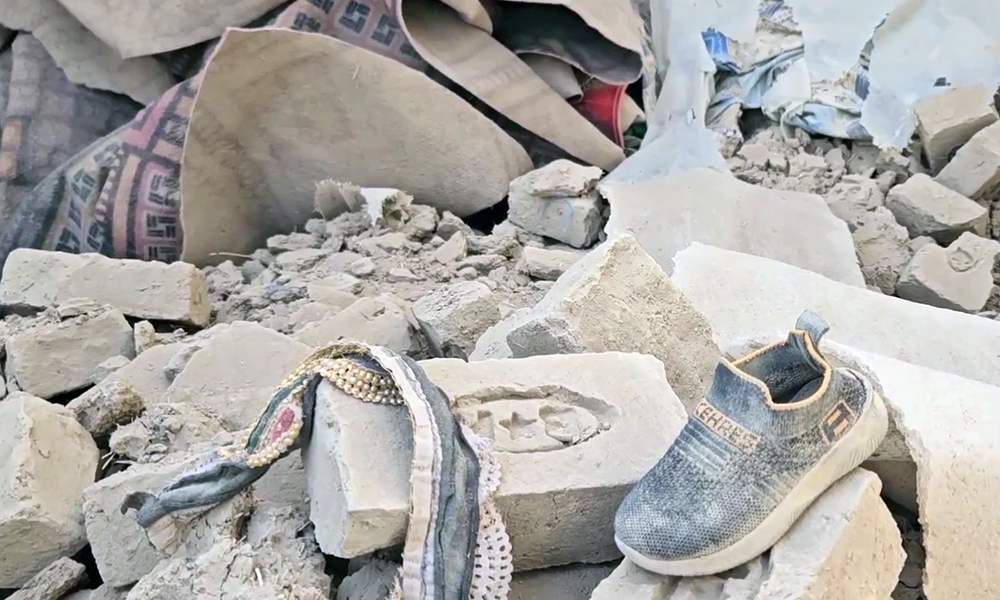
در پی حمله هوایی رژیم نظامی پاکستان در منطقهٔ صفار ولسوالی گرمسیر ولایت هلمند، چهار عضو یک خانواده «شهید» و هفت تن دیگر زخمی شدهاند.
رویداد های اخیر
بازدید سرپرست یوناما از مرز اسلامقلعه؛ تمرکز بر حمایت از عودتکنندگان
ملل متحد پیش از این یک پلان پاسخدهی به ارزش ۵۲۹ میلیون دالر راهاندازی کرده که هدف آن حمایت از حدود ۲.۷ میلیون افغان عودتکننده از ایران و پاکستان تا پایان سال ۲۰۲۶ است.
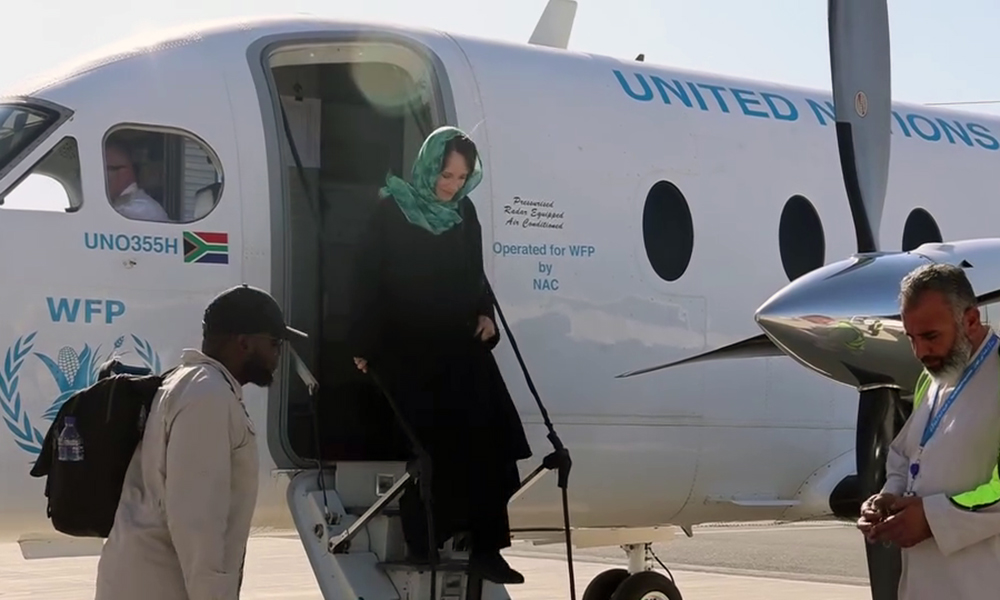
جورجیت گانیون، سرپرست یوناما، از مناطق غربی افغانستان، از جمله مرز اسلامقلعه، بازدید کرد تا از نزدیک روند حمایتهای ملل متحد از میلیونها افغان عودتکننده از ایران و پاکستان را بررسی کند.
ملل متحد پیش از این یک پلان پاسخدهی به ارزش ۵۲۹ میلیون دالر راهاندازی کرده که هدف آن حمایت از حدود ۲.۷ میلیون افغان عودتکننده از ایران و پاکستان تا پایان سال ۲۰۲۶ است.
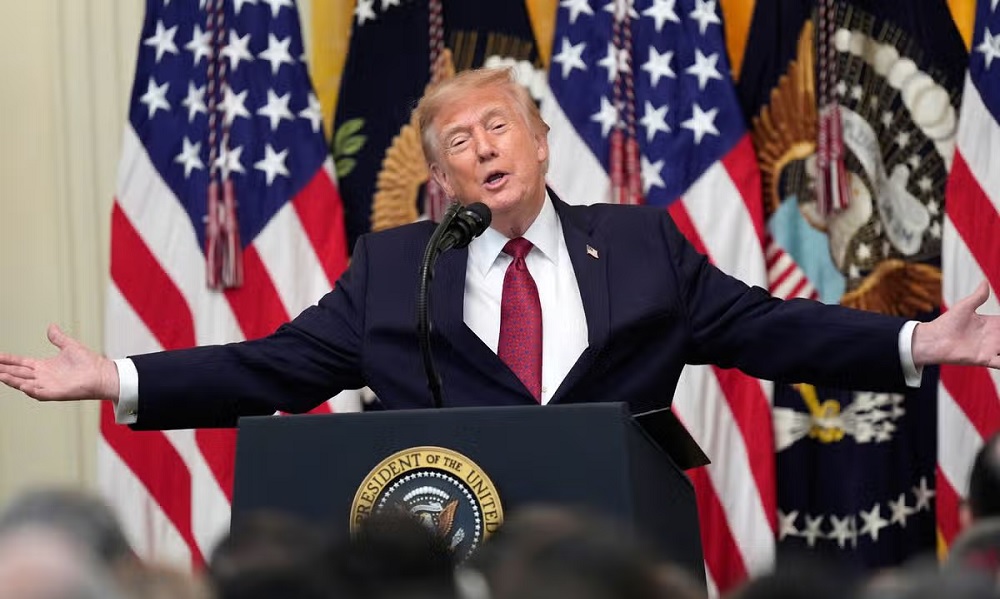
دونالد ترمپ، رئیسجمهور امریکا، خروج نیروهای امریکایی از عراق را با خروج این نیروها از افغانستان در سال ۲۰۲۱ مقایسه کرده و گفته است که امریکا در افغانستان تجهیزات نظامی زیادی را جا گذاشت، اما در زمان خروج از عراق، نیروهای امریکایی تمام تجهیزات خود را با خود بردند.
ترمپ روز چهارشنبه در مراسمی در قصر سفید، به خروج نیروها و تجهیزات ائتلاف به رهبری امریکا از پایگاه هوایی اربیل در شمال عراق اشاره کرد؛ اقدامی که به مأموریت نظامی امریکا علیه داعش در عراق پایان داد.
او گفت: «گفتم کمی بیشتر زمان بگذارید و همهچیز را با خود ببرید. اگر یادتان باشد، ما تمام تجهیزات را در افغانستان جا گذاشتیم؛ همهچیز آنجا ماند.»
ترمپ افزود: «گفتم میخواهم حتی یک پیچ هم جا نماند. اگر پیچی روی زمین افتاده، آن را بردارید. اگر خیمهای ترپالی داریم، آن را هم با خود ببرید. ما همهچیز را بردیم..»
رئیسجمهور امریکا همچنین به حمله در آگست ۲۰۲۱ در میدان هوایی کابل اشاره کرد که در آن ۱۳ سرباز امریکایی کشته شدند.
ترمپ گفت که در سالهای گذشته با خانوادههای سربازان امریکایی کشتهشده در این حمله آشنا شده و همچنین از نظامیانی یاد کرد که در این حمله بهشدت زخمی شدند.
او گفت: «آنچه برای آنان و فرزندانشان اتفاق افتاد، هرگز نباید اجازه داده میشد اتفاق بیافتد.»
ترمپ افزود که ۴۸ نظامی امریکایی بهشدت زخمی شدند، اما به گفته او، «هرگز از آنان یاد نمیشود.»
ترمپ خروج امریکا از عراق را پایان یک حضور نظامی پرهزینه خواند و گفت که برای این مأموریت هدف مشخصی تعیین کرده بود و به قوماندانان دستور داده بود آن را تکمیل کنند، بدون اینکه حضور امریکا در عراق به یک مأموریت دائمی تبدیل شود.
اردوی امریکا روز چهارشنبه اعلام کرد که نیروها و تجهیزات این کشور خروج منظم خود از پایگاه هوایی اربیل را تکمیل کردهاند و با این اقدام، عملیات «عزم راسخ» در عراق رسماً پایان یافته است.
این عملیات در سال ۲۰۱۴، پس از تصرف بخشهای گستردهای از عراق و سوریه توسط داعش، با هدف مبارزه با این گروه آغاز شد. امریکا همچنان عملیات ضد داعش در سوریه را از مقر خود در اردن ادامه میدهد.
ترمپ گفت امریکا برای مبارزه با داعش وارد عراق شده بود و این گروه دیگر قلمرو مشخصی را در اختیار ندارد.

چهار عضو یک خانواده در حمله هوایی در گرمسیر هلمند جان باختند

بازدید سرپرست یوناما از مرز اسلامقلعه؛ تمرکز بر حمایت از عودتکنندگان

راشد خان و عظمتالله عمرزی جایگاه نخست خود را در رتبهبندی کریکت پنجاه آوره حفظ کردند

ترمپ: برخلاف افغانستان، از عراق همه تجهیزات امریکا خارج شد

افغانستان و بلاروس بر گسترش همکاریهای صنعتی و تجاری تأکید کردند

یونیسف: ۲۰ میلیون کودک در جریان یک سال با سوءاستفاده جنسی آنلاین روبهرو شدهاند

تلویزیون آریانا حق انحصاری پخش مسابقات تیم ملی کریکت افغانستان را بهدست آورد

شرکت سعودی توافقهای بزرگ نفت و گاز در افغانستان امضا کرد

عایشه وهاب بهعنوان نخستین فرد افغانتبار در کانگرس امریکا سوگند یاد کرد

پیروزی عمر ځواک و طوفان هرات در لیگ قهرمانان افغانستان روشن

تحول: بهبودی در روابط افغانستان و چین

څار: د سیمې او نړۍ له هېوادونو سره د اړيکو په پراختیا ټینګار

تحول: غیابت نماینده افغانستان در مجمع عمومی سازمان ملل

څار: د افغانستان او امریکا جګړې ارزونه

څار: تصویر افغانستان در مجمع عمومی سازمان ملل متحد
-
 رویداد های اخیر4 روز ago
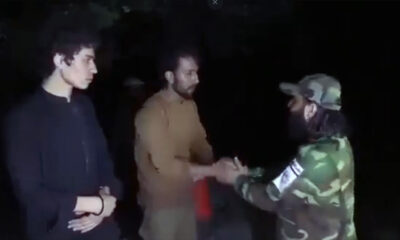
وزارت دفاع افغانستان: ۲۸ نفر در عملیات نورستان کشته و ۳۲ نفر بازداشت شدند
-

 ورزش5 روز ago
لیگ قهرمانان افغانستان؛ عمر ځواک هرات، طوفان هرات را ۰-۱ شکست داد
-
 جهان4 روز ago
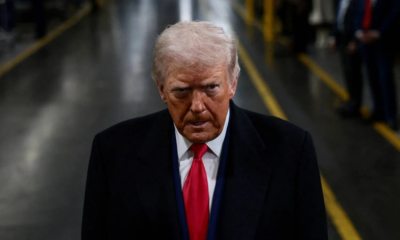
ترمپ پیشنهاد ایران برای بازگشایی تنگه هرمز و پایان درگیریها را رد کرد
-
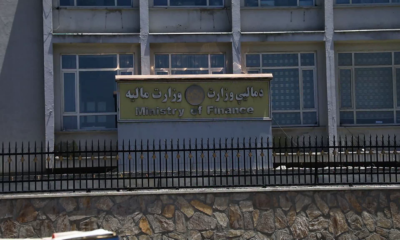
 تجارت3 روز ago
وزارت مالیه تعرفه گمرکی شماری از کالاهای وارداتی را افزایش داد
-
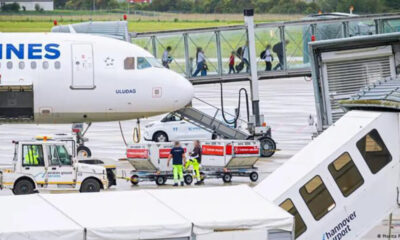
 رویداد های اخیر4 روز ago
نزدیک به ۵۰۰ افغان در آلمان در معرض اخراج قرار دارند
-
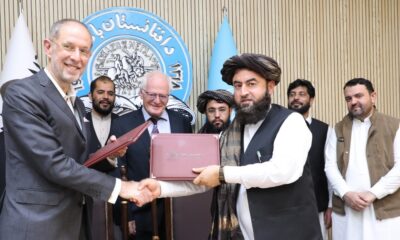
 رویداد های اخیر4 روز ago
امضای تفاهمنامه همکاری میان د افغانستان بانک و مؤسسه بینالمللی بنیاد اعتباری افغانستان
-
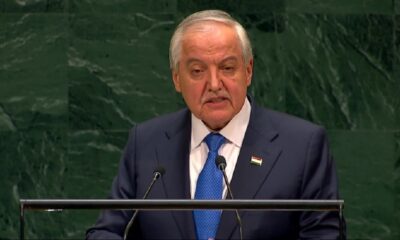
 رویداد های اخیر4 روز ago
تأکید تاجیکستان بر حمایت از صلح و ثبات در افغانستان
-
 اخبار ساحوی4 روز ago
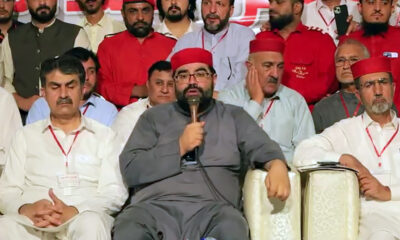
ایمل ولی خان: حمله در دیآیخان نشانه ناکامی دولت در تأمین امنیت است