
Latest News
Torkham port opened to Afghan returnees from Pakistan

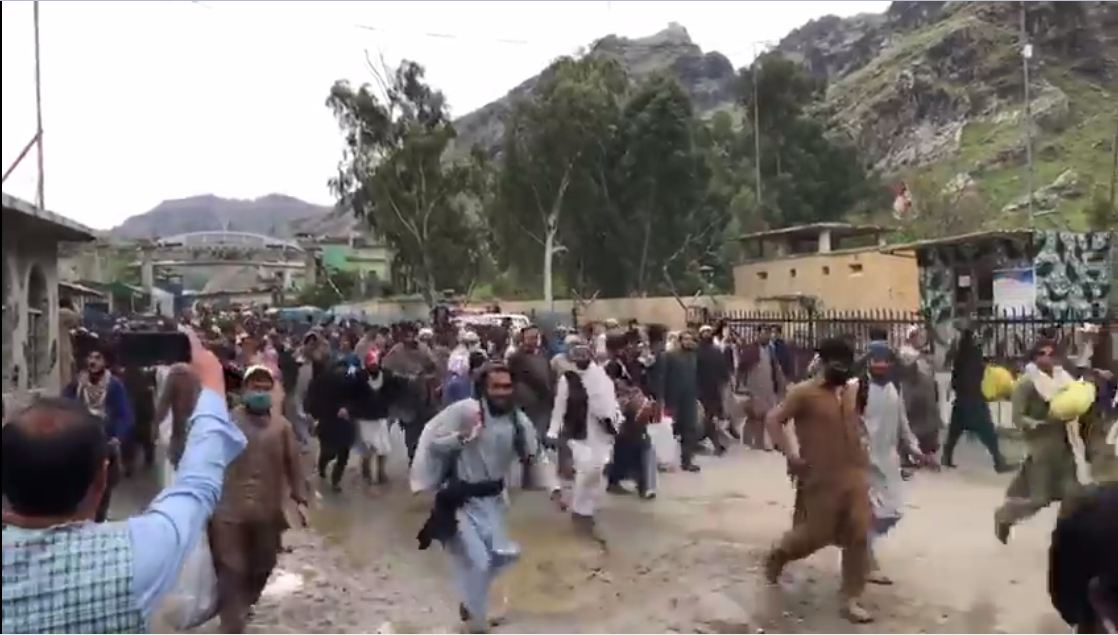
 The Nangarhar Governor previously had emphasized that all of the returnees coming back through Torkham port would be quarantined for two weeks in Torkham Camp, but now it is reported that the returnees are allowed to enter Afghanistan after only a 24-hour stay at the camp.
It is to be mentioned that the Nangarhar Governor, Shah Mahmoud Miakhil, has built a camp in Torkham to quarantine the passengers, but now he has said that the refugees will be free to go after 24 hours of stay at the camp.
The governor has added that he had previously been serious because he wanted to make sure that all the passengers take proper tests for the virus.
A security source, who tends to remain unanimous, said that due to the enormous number of passengers, they were unable to quarantine the returnees for two weeks long, so they let them go prematurely.
Torkham is said to be open to the returnees until this Wednesday.
Based on the information, Pakistani officials are allowing only 1,000 passengers to enter Afghanistan daily.
This comes as 20,000 Afghan returnees are reported to have gathered on the other side of the border to enter Afghanistan.
The main concerns are that if these passengers are traveling to Nangarhar and then to other provinces without any standard testing, the risk of the COVID-19 outbreak will grow beyond imagination in Afghanistan.
The COVID-19 was first in Afghanistan from Iran through Herat, and now the entry of returnees in homage numbers from Torkham will increase the danger of the outbreak to a higher level.



Latest News
UNESCO warns Afghanistan risks losing an entire generation of professionals as girls’ education ban continues
An estimated 2.4 million girls in Afghanistan are currently excluded from secondary education, while no girls enrolled in universities in 2026.
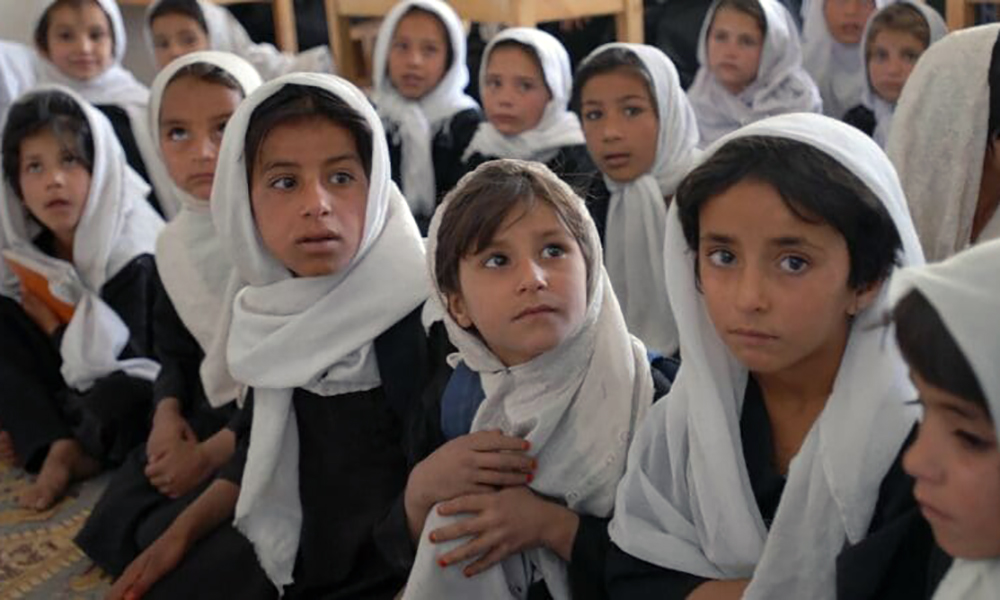
The United Nations Educational, Scientific and Cultural Organization (UNESCO) has warned that continued restrictions on girls’ and women’s education in Afghanistan could deprive the country of an entire generation of skilled professionals, particularly in education, healthcare and other essential sectors.
Hoda Jaberian, UNESCO’s Education in Emergencies Programme Coordinator, said Afghanistan cannot afford to lose another generation of learners, stressing the urgent need to restore access to education for girls and women.
According to a United Nations report published in November, an estimated 2.4 million girls in Afghanistan are currently excluded from secondary education, while no girls enrolled in universities in 2026.
Since the Islamic Emirate of Afghanistan returned to power in 2021, girls have been barred from attending secondary schools beyond Grade Six. Restrictions were further expanded in December 2022, when women were prohibited from attending universities, followed by a ban on women’s education at medical institutions in December 2024.
Jaberian emphasized that the immediate priority must be reopening schools to girls and allowing women to return to the formal education system, noting that alternative learning opportunities cannot replace regular schooling.
She also called for greater support for teachers, improved educational materials, stronger teaching standards and better data collection and planning to strengthen Afghanistan’s education system.
UNESCO warns that prolonged restrictions could have serious consequences for Afghanistan’s future, limiting the country’s ability to train the teachers, doctors and other qualified professionals needed for national development.
Latest News
Afghan embassy in Kuwait discusses situation of Afghan prisoners with Kuwaiti officials
During the meeting, both sides held constructive discussions on the condition of Afghan prisoners in Kuwait.
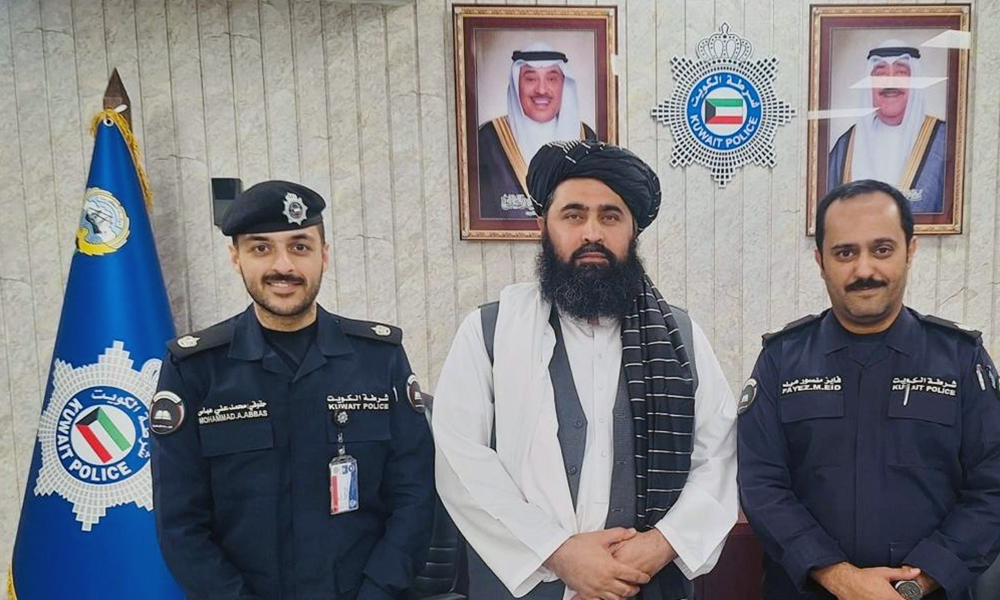
The acting head of Afghanistan’s Embassy in Kuwait, Mohammad Shafiq Khatib, has met with senior Kuwaiti officials to discuss the situation of Afghan nationals held in Kuwaiti prisons.
According to a statement from the Afghan Embassy in Kuwait, Khatib met with Abu Fahad Mansour Fayez Al-Barrak, Deputy Director of Kuwait’s Prisoners Affairs Department, and Ali Abbas, an official responsible for legal affairs.
During the meeting, both sides held constructive discussions on the condition of Afghan prisoners in Kuwait.
The embassy did not provide further details about the specific issues raised or any agreements reached during the meeting.
The meeting comes as part of diplomatic engagement between Afghanistan and Kuwait on matters concerning Afghan nationals and their welfare abroad.
Latest News
Ancient treasures unearthed at Kabul’s historic Bala Hissar
The fortress suffered extensive damage during centuries of conflict, particularly the Second Anglo-Afghan War in 1879.
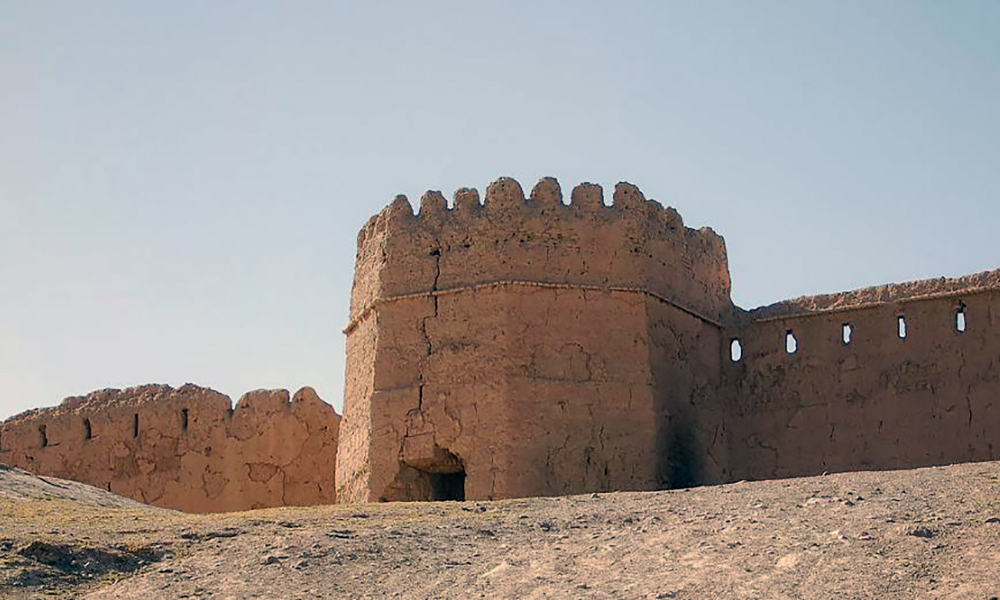
Archaeologists excavating Kabul’s historic Bala Hissar fortress have uncovered remarkable remains, including a Mughal-era palace, evidence of ancient Buddhist monasteries and a mysterious star-shaped pool, offering fresh insight into more than 2,000 years of Afghanistan’s history.
The discoveries include palace ruins featuring wall paintings, bathing facilities and what is believed to be a royal throne. Researchers also found Buddhist sculptures and monastery-related structures, pointing to Kabul’s importance as a religious and cultural centre before the Islamic period.
Other artefacts include ancient coins, Islamic ceramics, oil lamps and pottery, revealing how communities lived across different periods. Excavations are underway in five areas, with one trench reaching approximately 11 metres below ground.
Bala Hissar served as a royal residence, administrative centre and military stronghold, including during the Mughal era after Emperor Babur captured Kabul in 1504.
The fortress suffered extensive damage during centuries of conflict, particularly the Second Anglo-Afghan War in 1879.
The Aga Khan Trust for Culture has led conservation and archaeological work at the site since 2018, using modern technologies such as ground-penetrating radar and 3D laser scanning.
Large sections remain unexplored, and archaeologists believe further excavations could reveal more about Afghanistan’s rich cultural, religious and military heritage.

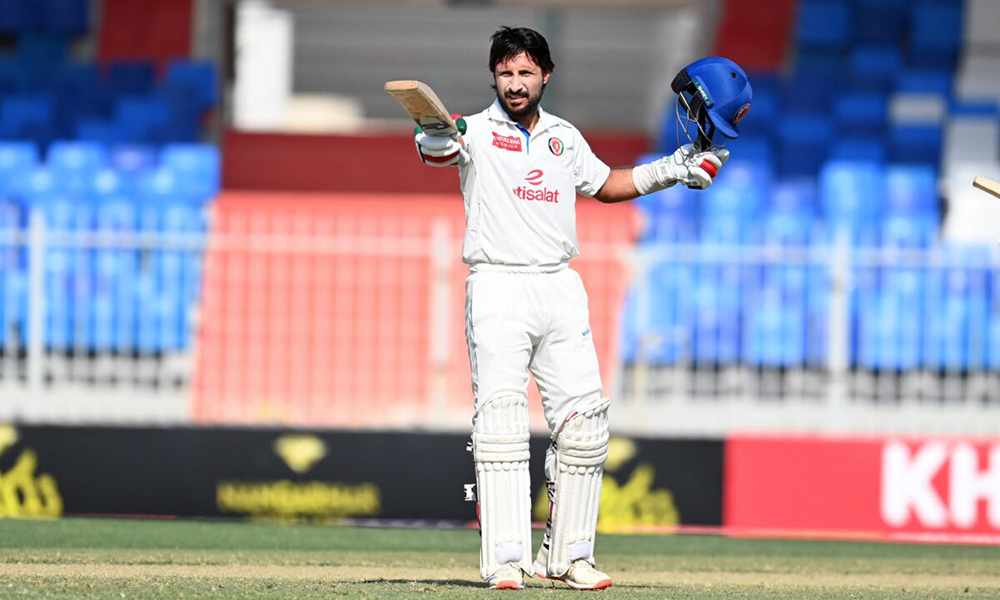
Historic first for Rahmat Shah after ICC rankings update
UNESCO warns Afghanistan risks losing an entire generation of professionals as girls’ education ban continues
Afghan embassy in Kuwait discusses situation of Afghan prisoners with Kuwaiti officials
Ancient treasures unearthed at Kabul’s historic Bala Hissar
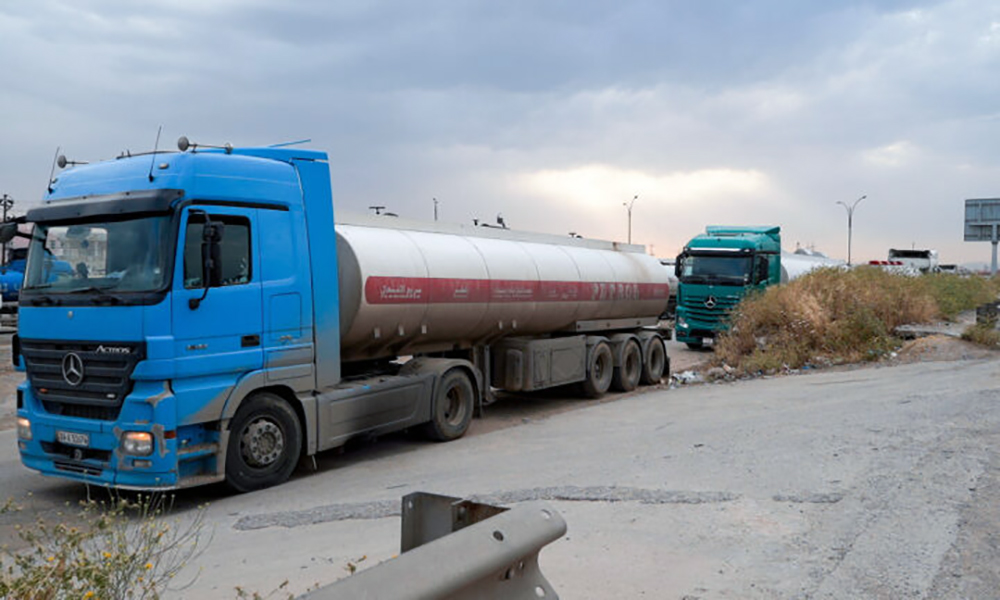
Iraqi intelligence report alleges oil smuggling network supplying Afghanistan and Turkey through Iran

Afghanistan finish runners-up after 6-0 defeat to Brazil in futsal final

Trump says US may strike Iran’s ‘Pickaxe Mountain’ nuclear facility

Afghan futsal coach: Brazil tournament is first step towards new goals and World Cup

Violent protests spread across Europe as Albanian PM blames ‘foreign hand’

Rubio heads to Central Asia while other US officials hit foreign policy hot spots

Tahawol: Efforts to halt deportation of Afghan refugees from US discussed
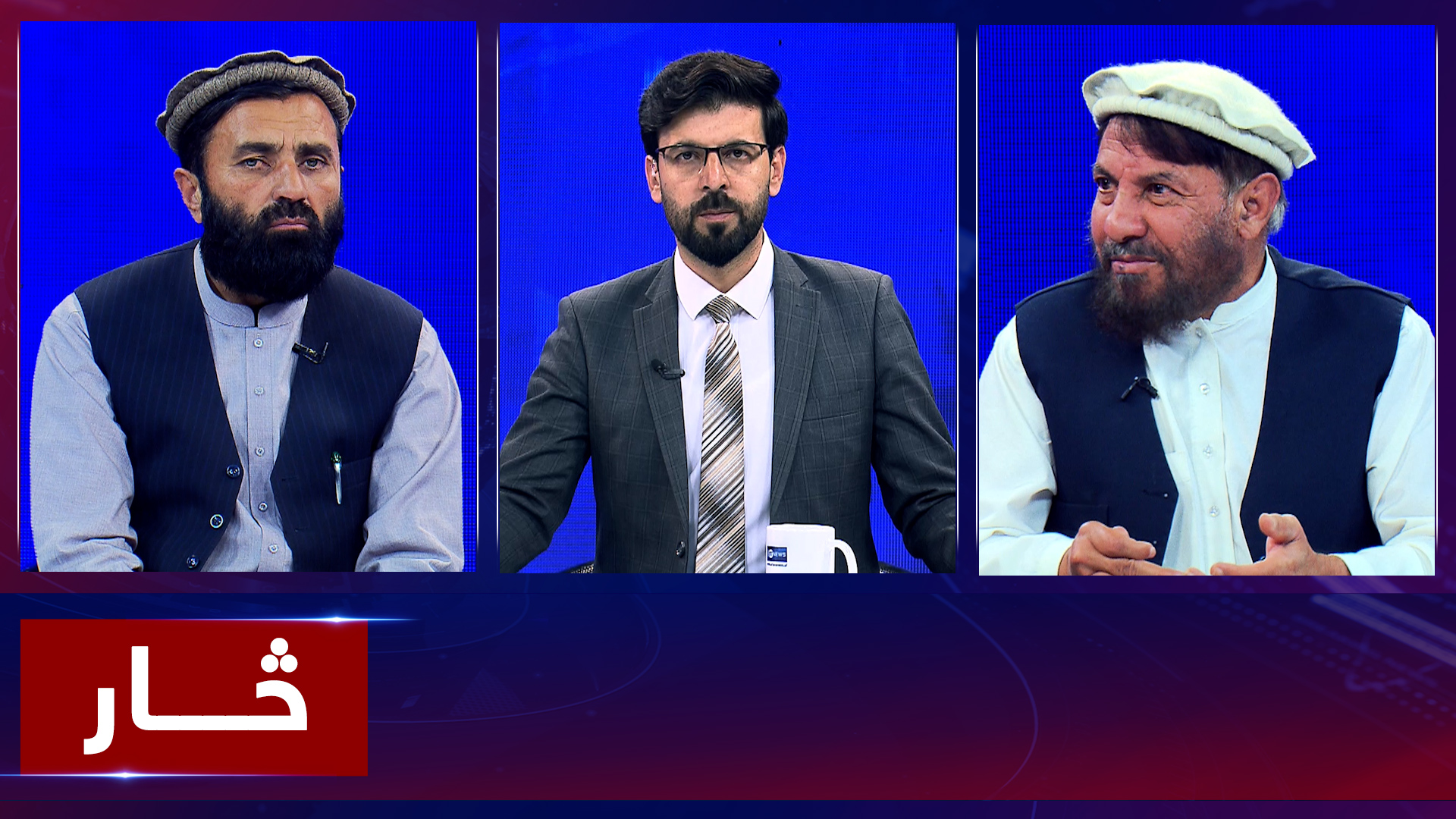
Saar: Russia’s stance on Afghanistan discussed

Trump says further US attacks on Iran ‘highly unlikely’ as peace talks gain momentum
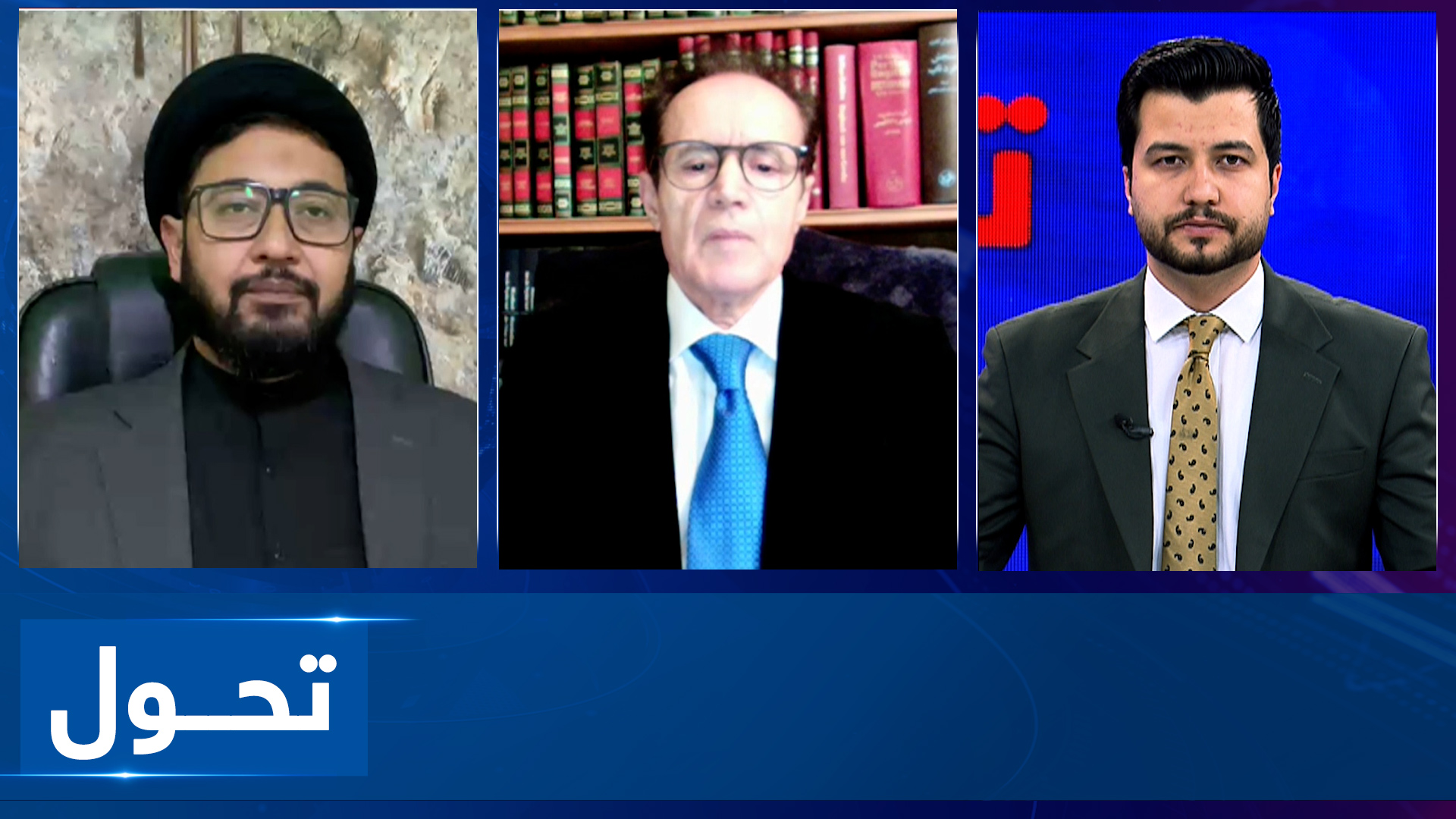
Tahawol: Geopolitical developments in the Middle East
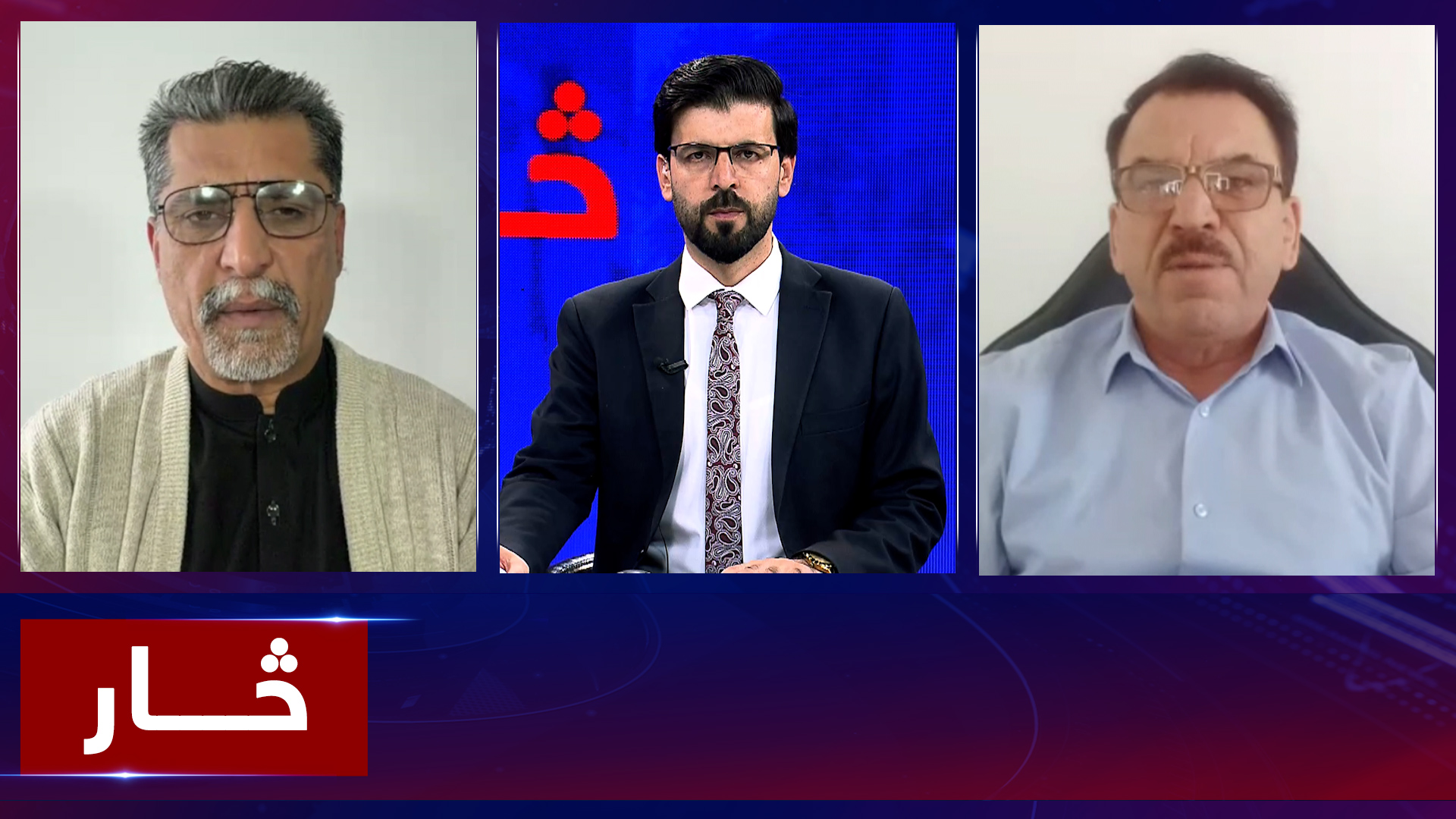
Saar: EU’s engagement with Afghanistan
-
 Regional5 days ago
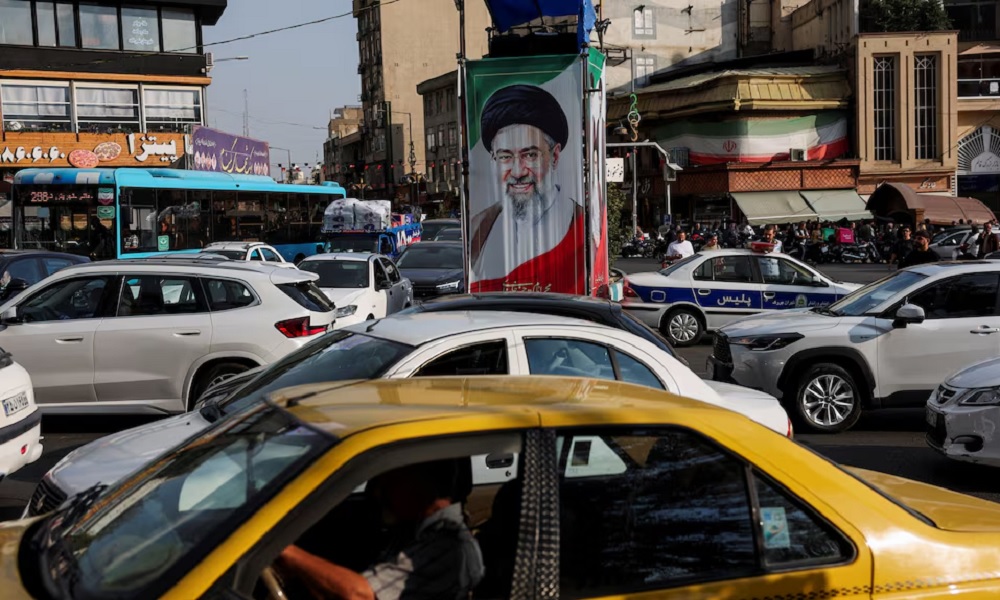
Iran sent nuclear proposal to the US via Qatar, senior Iranian official tells Reuters
-
 Sport3 days ago
Afghanistan’s record partnership highlights fourth day of Test against Zimbabwe
-
 World3 days ago
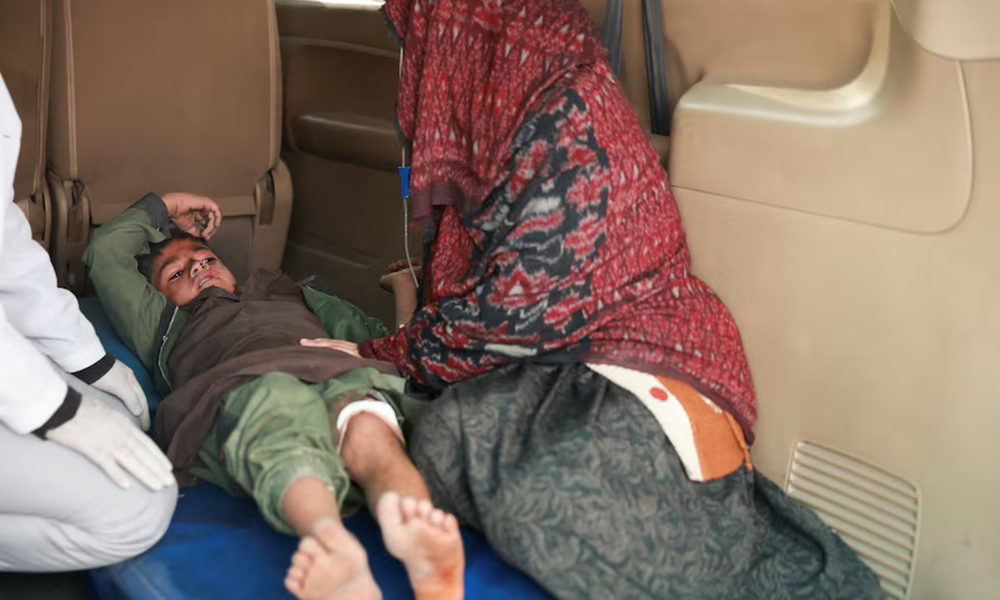
Houthi-run health ministry says airstrikes kill 33 near Yemen capital
-
 Sport5 days ago
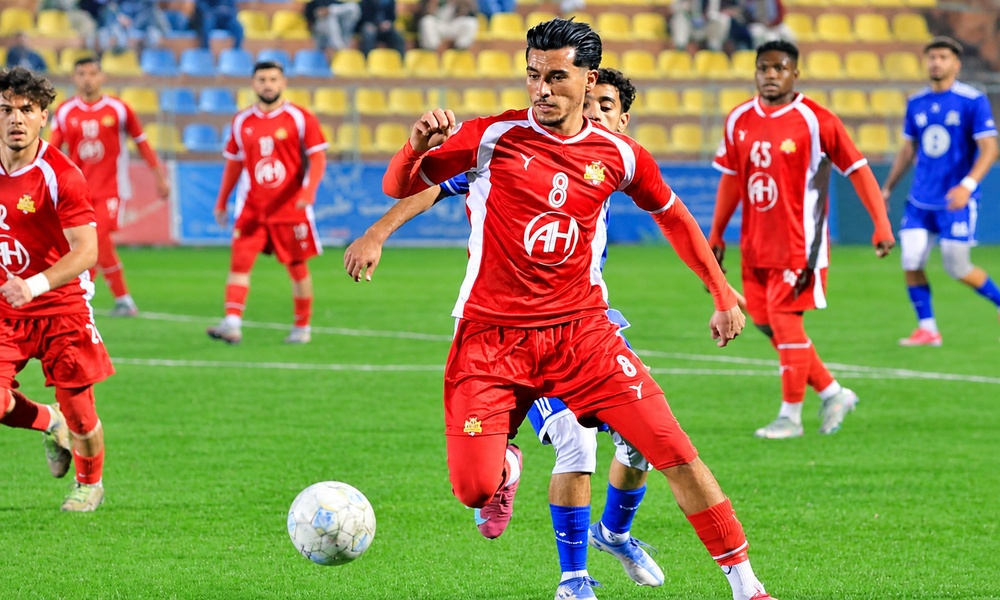
Abu Muslim Farah claim convincing 3-0 win over Omar Zawak in ACL
-
 Regional4 days ago
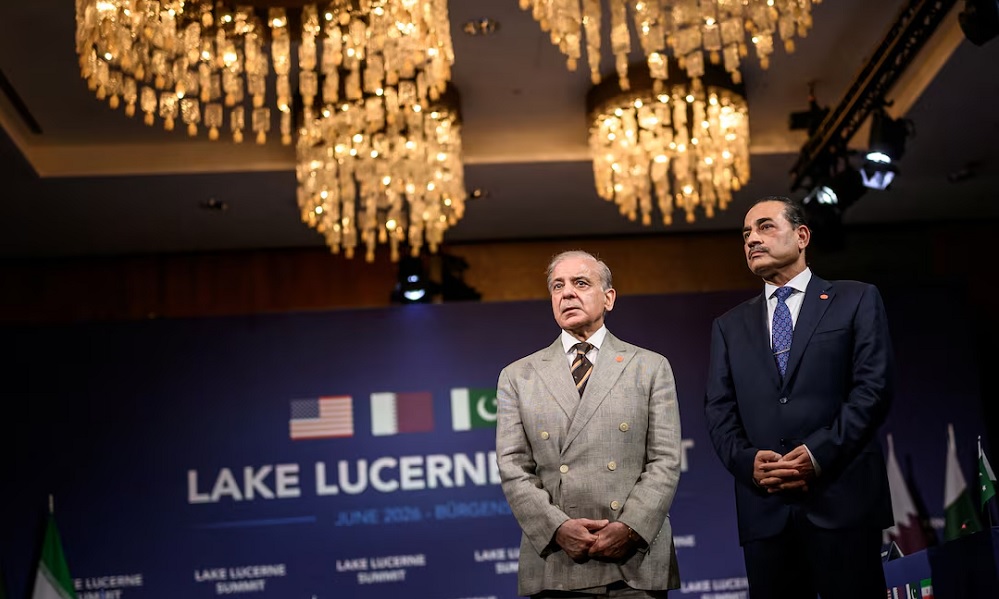
Pakistan’s leaders dread US Democrats’ win but its households are praying for it
-
 Sport4 days ago
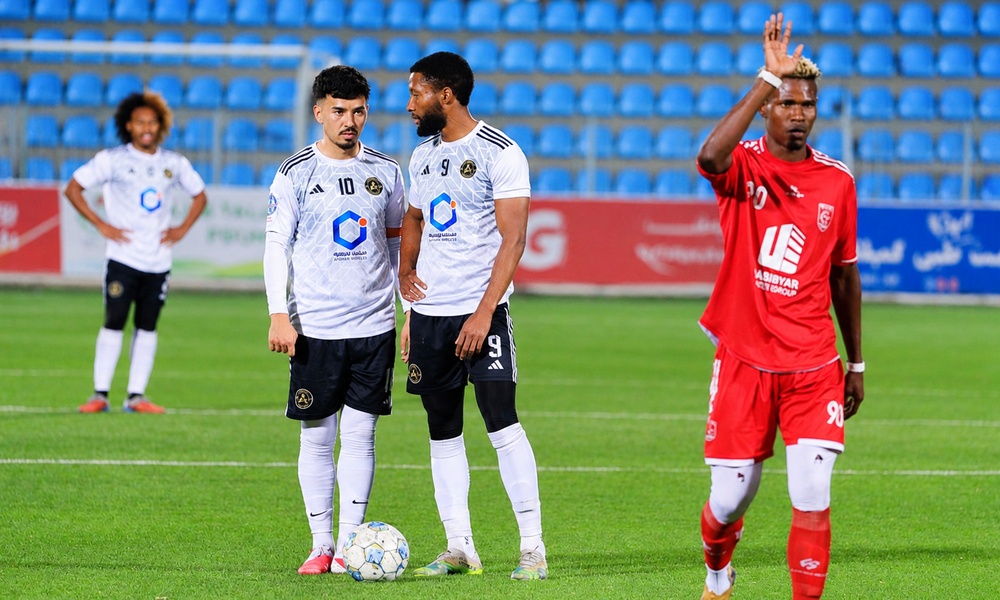
Toofan Herat defeat Arman FC 2–0 in Afghanistan Champions League
-
 Sport3 days ago
Afghanistan thrash Senegal 6-0 to reach Dakar Youth Olympics futsal semi-finals
-
 Sport2 days ago
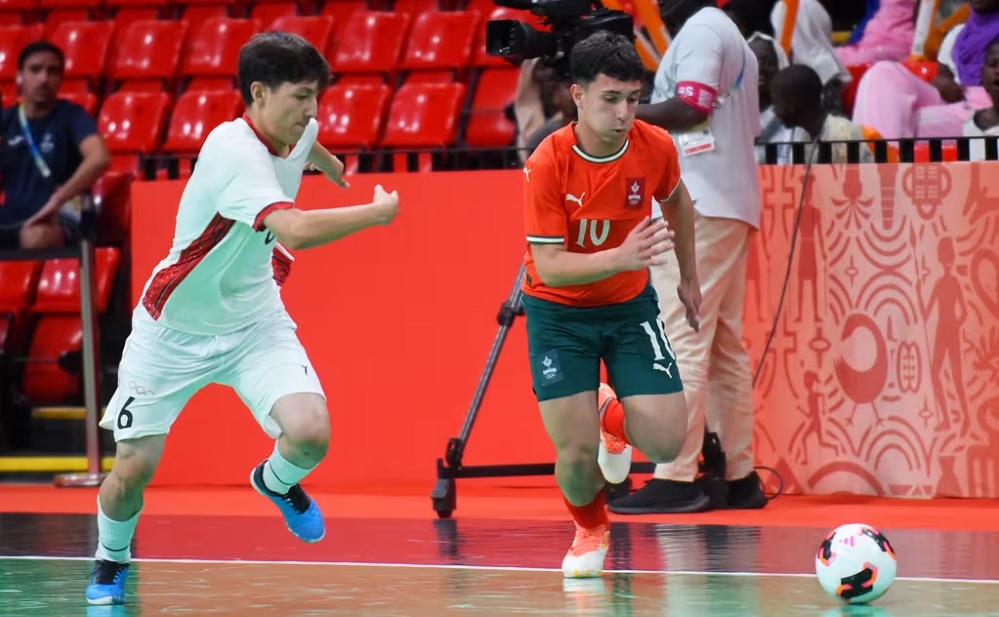
Portugal beat Afghanistan 2-0 in Dakar Youth Olympics futsal semi-finals