
Latest News
Is the Government-Taliban talk deadlocked again?

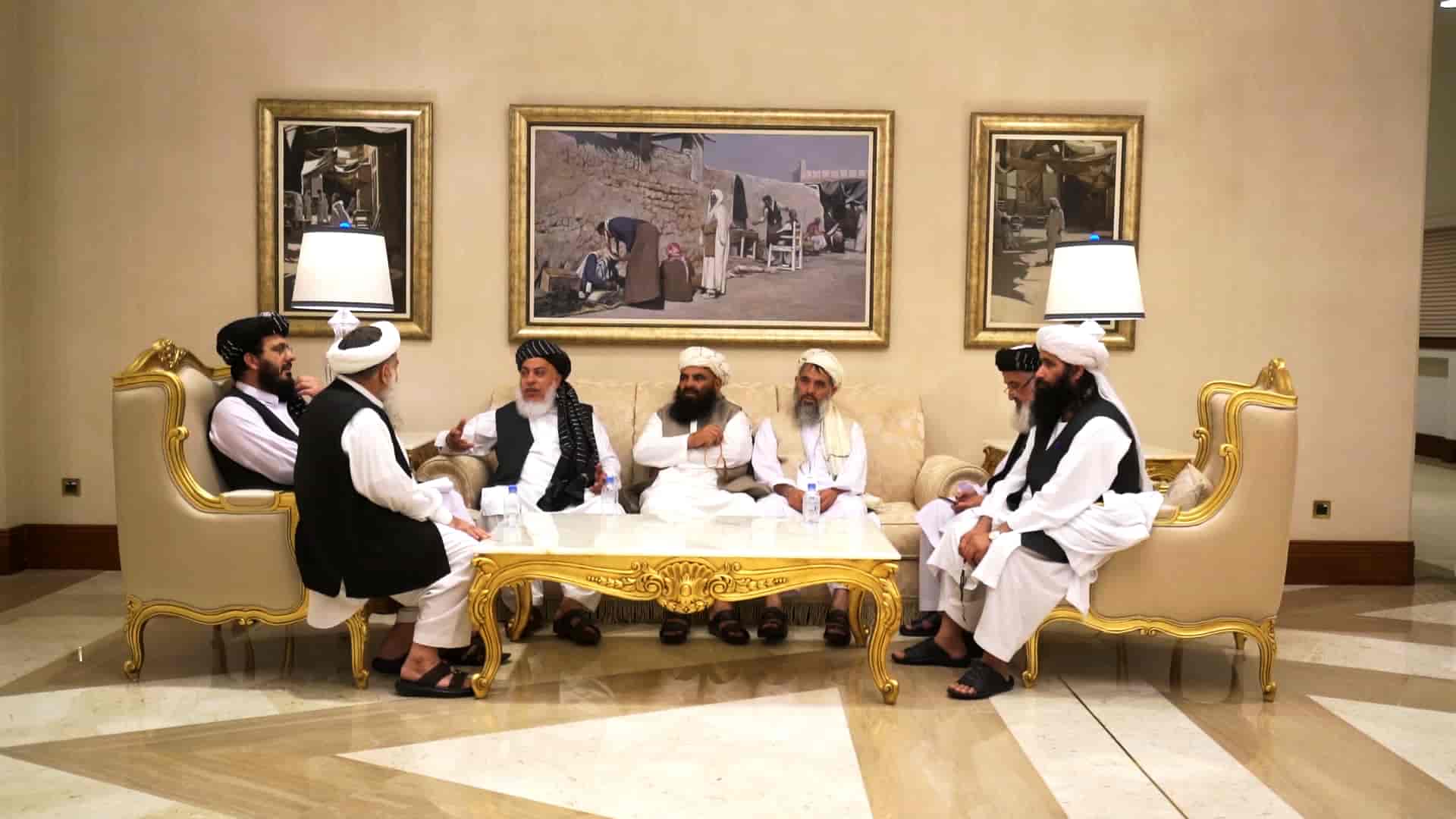
 The Taliban spokesman has said the group has no contact with the Afghan government after the disputes over the prisoner releases. But a member of the government’s focal point said that efforts were underway to resume talks with the Taliban to start the Intra-Afghan talks.
Aminuddin Mozaffari, a member of the government’s focal point, said: “It has not been seriously hung up. Efforts are being made to resume these contacts resolving some differences.”
After disagreements between the government and the Taliban over the releases of the prisoners, sources now report that the contact between the Taliban and the government has been cut off, the contacts which were mediated by the United States and Qatar.
Reportedly the Afghan government has released 71 more prisoners of the Taliban, however, bringing the total number of the released prisoners to 432 to date. The Taliban has also released 61 prisoners of the government.
On the other hand, more than 20 security forces have been killed in very recent Taliban attacks in Logar, Sar-e-Pul, and other parts of the country.
This comes as, in the course of efforts for war and peace, some media outlets have developed a supportive plan to maintain and back the freedom of expression at all levels of the peace bringing process.
“The plan has three stages, all emphasizing the protection of the freedom of expression in the whole process of the peace talks,” said Najib Sharifi, CEO of the Committee to Protect Journalists.
The main dispute arose when the Taliban demanded the release of 15 senior members of the group followed by the government’s refusal noting that the at least five of the wanted had been involved in serious crimes and deadly attacks, including the ones in Shah Shahid, Zanbaq Roundabout, Intercontinental Hotel, to name a few.

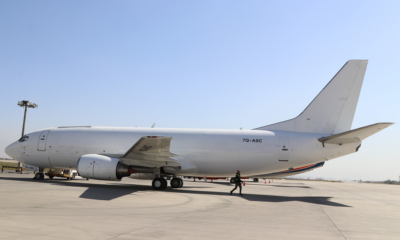






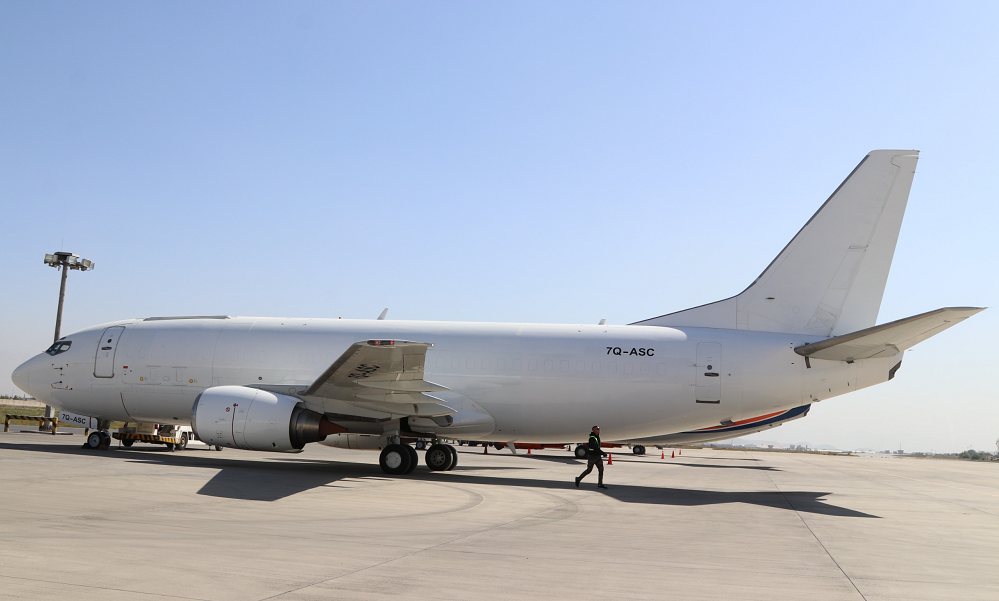
A Boeing 737-300 cargo aircraft operated by Ariana Afghan Airlines arrived at Kabul International Airport on Monday.
According to the airline, the aircraft will be used to transport commercial goods on international routes and has a capacity of around 17 metric tons of cargo per flight.
Ariana said it has signed a one-year contract with UAE-based Air Charter Express to operate the cargo aircraft.
Bakht-ur-Rahman Sharafat, head of Ariana Afghan Airlines, said the company is working to expand its air cargo network, to boost Afghan exports and to strengthen the country’s air transportation capacity.
He said the new cargo service will give Afghan traders an opportunity to transport their products to international markets more quickly, safely and at competitive rates.
Ariana said it aims to provide reliable and competitive air cargo services while strengthening Afghanistan’s connections with regional and international markets.
Latest News
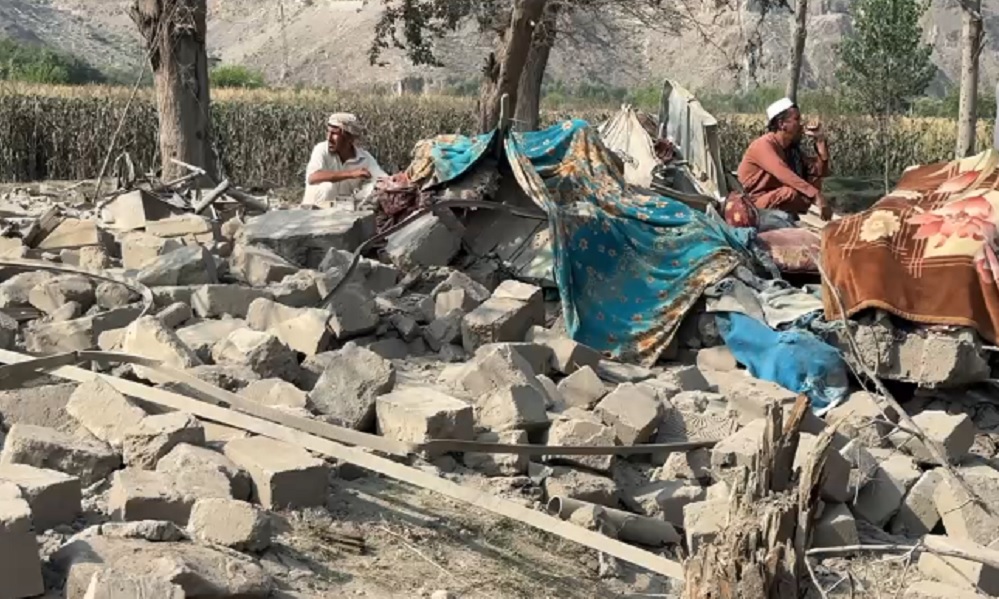
Afghanistan vows ‘appropriate response’ after Pakistani airstrikes in Kunar, Paktika
The Islamic Emirate spokesperson condemned the reported airstrikes, describing them as a continuation of what he called “crimes” against Afghan civilians.



Afghanistan to face Japan and Nepal in Asian Games cricket group stage

Four-day polio vaccination campaign begins across Afghanistan

Humanoid robot sales tally hit 7,000 globally last year

Ariana Afghan Airlines Boeing 737-300 cargo plane arrives in Kabul

Iran and US trade threats after Houthi attacks escalate regional conflict

Four mediators struggle to secure lasting Pakistan-Afghanistan ceasefire

Afghanistan’s trade diversification challenges Pakistan

Saudi energy group signs major Afghanistan deals covering gas exploration and pipeline plans

ATN secures exclusive rights to broadcast T20I series in India across Afghanistan

Afghanistan squad announced for three-match T20I series against India

Tahawol: Impact of middle East war on Afghanistan

Saar: Pakistan blames Afghanistan for deadly attack

Tahawol: Kabul’s warning over any threat from Pakistan discussed

Debate on Afghanistan and New Investment Opportunities

Tahawol: Reasons behind Qatari, Turkish security officials’ Kabul visit discussed
-

 Latest News4 days ago
Five years out of school: Amnesty raises alarm over Afghan girls’ education
-
 Latest News4 days ago
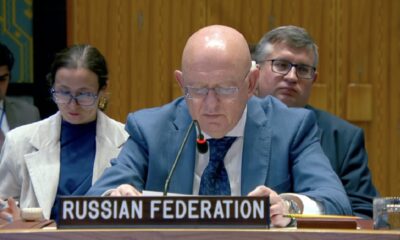
Russia urges dialogue and economic support for Afghanistan, warns against excessive pressure
-

 Sport5 days ago
ACL: Ariana Khost win, Aino Mina and Khurasan Faryab draw
-
 Latest News3 days ago
Afghanistan seeks stronger ties with Saudi Arabia, dialogue with Pakistan: Mujahid
-
 Latest News5 days ago
Karzai strongly condemns attempted attack on Mecca
-
 Regional4 days ago
US officials met Iran-backed Houthis in Oman over the weekend
-
 Latest News5 days ago
Sirajuddin Haqqani meets Turkish intelligence chief
-

 Tahawol5 days ago
Tahawol: Afghanistan’s readiness for US relations discussed