
Latest News
Defense chief says he is not sure if peace talks with Taliban will yield results


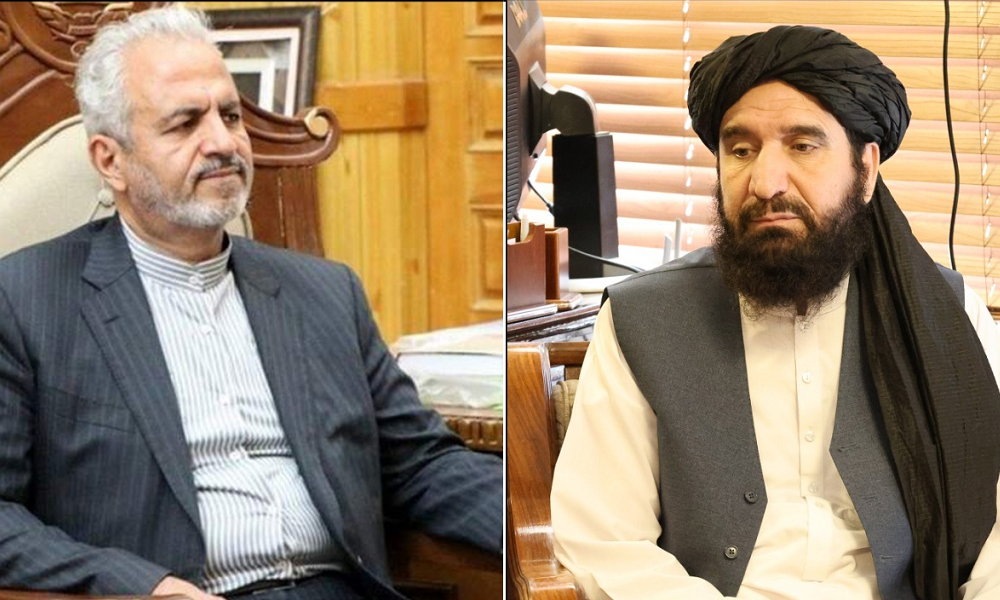
Asadullah Khalid, nominated defense minister, said Tuesday that he is not sure if the peace negotiations will yield any results as it was clear the Taliban had no intention of reducing violence.
Highlighting the security strategy to lawmakers in the Wolesi Jirga (Lower House of Parliament) for a vote of confidence, Khalid stated that it is clear the Taliban have no intention of reducing violence or of bringing peace to the country.
Khalid claimed that the Taliban operation centers are still active in parts of Pakistan and are funded and equipped from there.
Acting Defense Minister stated: “The enemy has no intention for the sake of peace and reduction in violence, and we did not see their willingness [for peace]. I am not sure that the negotiations will yield a result, but I do not mean to oppose the peace talks, and the Afghan National Army (ANA) backs the real peace, and there is no guardian to protect the peace except the army.”
Nominee ministers for Justice and Higher Education also presented their plans to the Lower House of Parliament (Wolesi Jirga) for votes of confidence on Tuesday.

The nominee for the Ministry of Justice, Fazel Ahmad Manawi stated that justice was not being carried out for the people due to the laws of the country not being implemented. He said it was necessary to take practical steps to institutionalize the law.
“Unfortunately, most people even at the highest levels of government are not aware of the law; and this has challenged justice among the people, and more efforts must be made to enforce the law,” Manawi added.
Abbas Basir, the nominee for Higher Education, emphasized the fundamental changes in the education sector, stating that the teaching methods are outdated and do not meet the needs of society.
“The Fields of study must be organized according to the labor market, and I will do my best on the quality of education, and the teaching methods are outdated and ineffective, and it is the teacher-centered education that must be changed.”

Latest News
Afghan embassy in Kuwait discusses situation of Afghan prisoners with Kuwaiti officials
During the meeting, both sides held constructive discussions on the condition of Afghan prisoners in Kuwait.
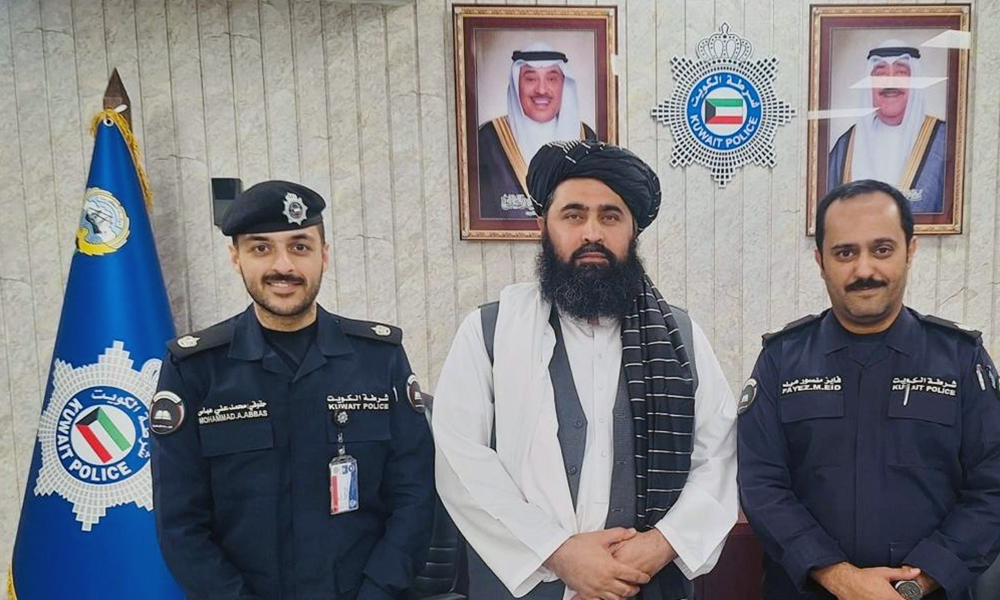
The acting head of Afghanistan’s Embassy in Kuwait, Mohammad Shafiq Khatib, has met with senior Kuwaiti officials to discuss the situation of Afghan nationals held in Kuwaiti prisons.
According to a statement from the Afghan Embassy in Kuwait, Khatib met with Abu Fahad Mansour Fayez Al-Barrak, Deputy Director of Kuwait’s Prisoners Affairs Department, and Ali Abbas, an official responsible for legal affairs.
During the meeting, both sides held constructive discussions on the condition of Afghan prisoners in Kuwait.
The embassy did not provide further details about the specific issues raised or any agreements reached during the meeting.
The meeting comes as part of diplomatic engagement between Afghanistan and Kuwait on matters concerning Afghan nationals and their welfare abroad.
Latest News
Ancient treasures unearthed at Kabul’s historic Bala Hissar
The fortress suffered extensive damage during centuries of conflict, particularly the Second Anglo-Afghan War in 1879.
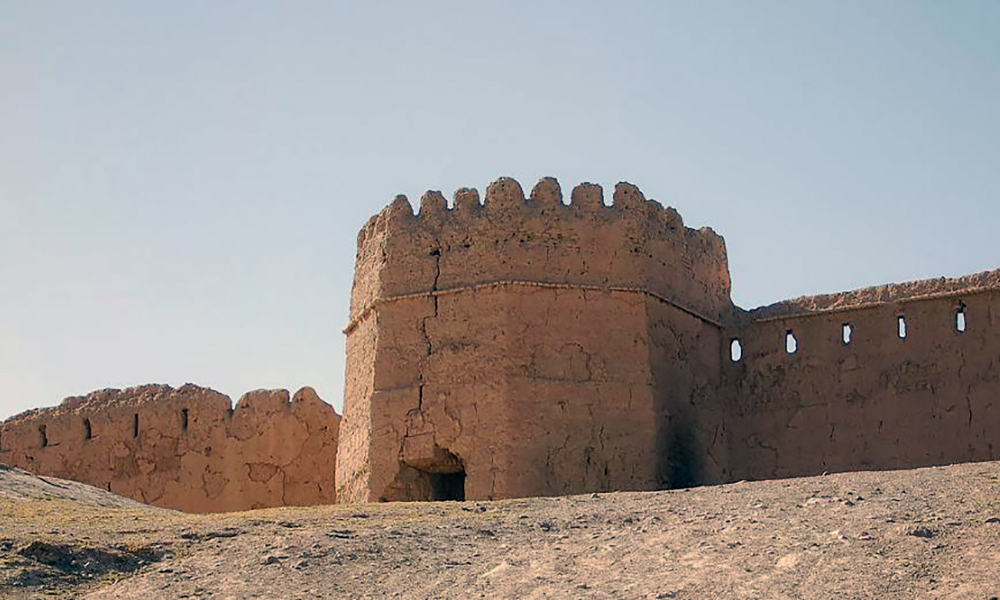
Archaeologists excavating Kabul’s historic Bala Hissar fortress have uncovered remarkable remains, including a Mughal-era palace, evidence of ancient Buddhist monasteries and a mysterious star-shaped pool, offering fresh insight into more than 2,000 years of Afghanistan’s history.
The discoveries include palace ruins featuring wall paintings, bathing facilities and what is believed to be a royal throne. Researchers also found Buddhist sculptures and monastery-related structures, pointing to Kabul’s importance as a religious and cultural centre before the Islamic period.
Other artefacts include ancient coins, Islamic ceramics, oil lamps and pottery, revealing how communities lived across different periods. Excavations are underway in five areas, with one trench reaching approximately 11 metres below ground.
Bala Hissar served as a royal residence, administrative centre and military stronghold, including during the Mughal era after Emperor Babur captured Kabul in 1504.
The fortress suffered extensive damage during centuries of conflict, particularly the Second Anglo-Afghan War in 1879.
The Aga Khan Trust for Culture has led conservation and archaeological work at the site since 2018, using modern technologies such as ground-penetrating radar and 3D laser scanning.
Large sections remain unexplored, and archaeologists believe further excavations could reveal more about Afghanistan’s rich cultural, religious and military heritage.
Latest News
Haqqani visits four Afghan provinces, meets local officials and residents
During his visit to Paktia, Haqqani met with tribal elders in Gardez-e-Sher district and attended a condolence gathering for a deceased family member.
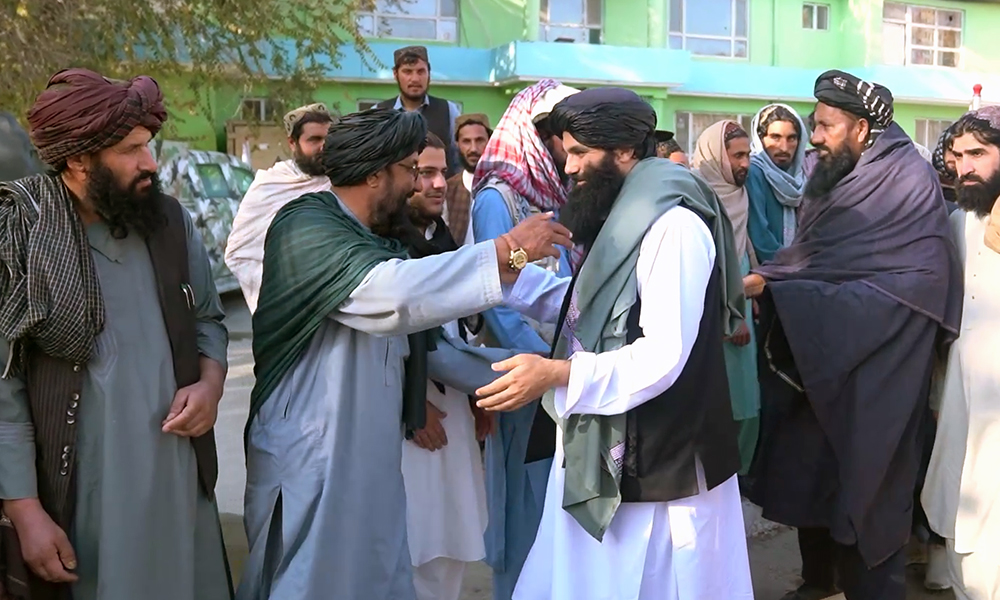
Interior Minister Sirajuddin Haqqani has visited Ghazni, Paktika, Paktia and Maidan Wardak provinces, meeting with local officials, religious scholars, tribal elders, security members and residents to discuss security, governance and community concerns.
According to a statement released by the ministry, Haqqani listened to residents’ concerns, reviewed the activities of local authorities and discussed administrative and security challenges during his visits.
In Ghazni, Haqqani attended a graduation ceremony at Noor-ul-Madaris Madrasa in Shilgar district, where more than 400 students received graduation certificates from various departments.
He also visited an elementary school in Behbud village of Gilan district, where he reviewed the learning environment and discussed plans for constructing a school building and providing assistance to students.
During another visit, he inspected the Shaheed Muslim Orphanage in Janda area and received information about the children’s education and welfare.
In Paktika, Haqqani met with local residents, tribal elders and security members in Khairkot district, emphasizing reconstruction and national development.
He said the period of war and bloodshed had ended and that Afghanistan should now focus on rebuilding and progress. He also described reconstruction as a shared responsibility between the government and the public.
At the Paktika provincial governor’s office, Haqqani met civilian and security officials to discuss the province’s overall situation, administrative affairs, security challenges and public service needs.
He also met separately with people with disabilities, listened to their concerns and assured them of cooperation and support.
During his visit to Paktia, Haqqani met with tribal elders in Gardez-e-Sher district and attended a condolence gathering for a deceased family member.
His final stop was Maidan Wardak province, where he visited the Tang-e Valley and attended another condolence gathering before returning to Kabul.
The four-province tour focused on engagement with local communities, reviewing provincial affairs and discussing reconstruction, governance and public concerns.

Afghan embassy in Kuwait discusses situation of Afghan prisoners with Kuwaiti officials
Ancient treasures unearthed at Kabul’s historic Bala Hissar
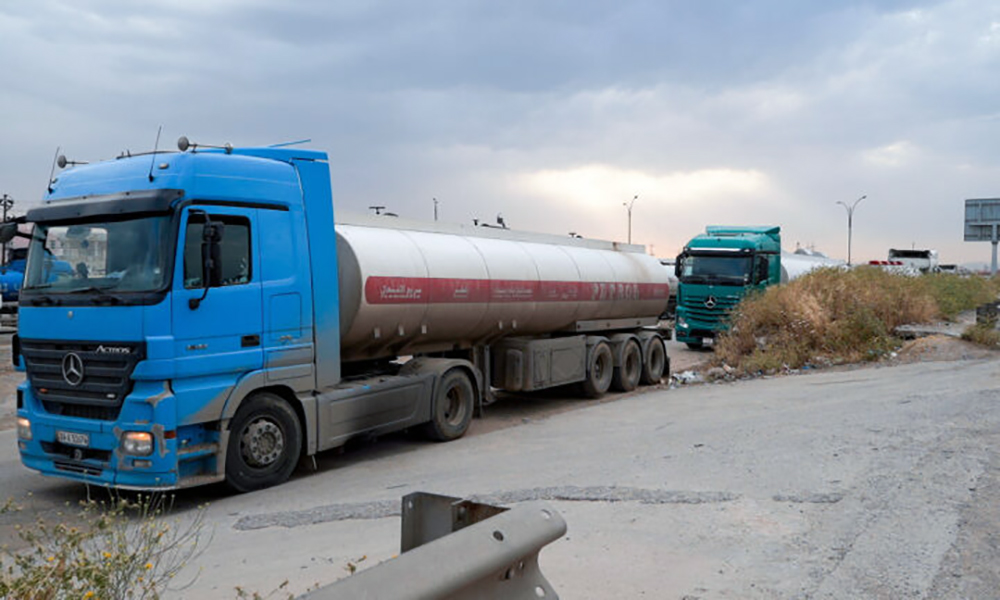
Iraqi intelligence report alleges oil smuggling network supplying Afghanistan and Turkey through Iran
Haqqani visits four Afghan provinces, meets local officials and residents

Tahawol: Efforts to halt deportation of Afghan refugees from US discussed

Afghanistan finish runners-up after 6-0 defeat to Brazil in futsal final

Trump says US may strike Iran’s ‘Pickaxe Mountain’ nuclear facility

Afghan futsal coach: Brazil tournament is first step towards new goals and World Cup

Violent protests spread across Europe as Albanian PM blames ‘foreign hand’

Rubio heads to Central Asia while other US officials hit foreign policy hot spots
Tahawol: Efforts to halt deportation of Afghan refugees from US discussed
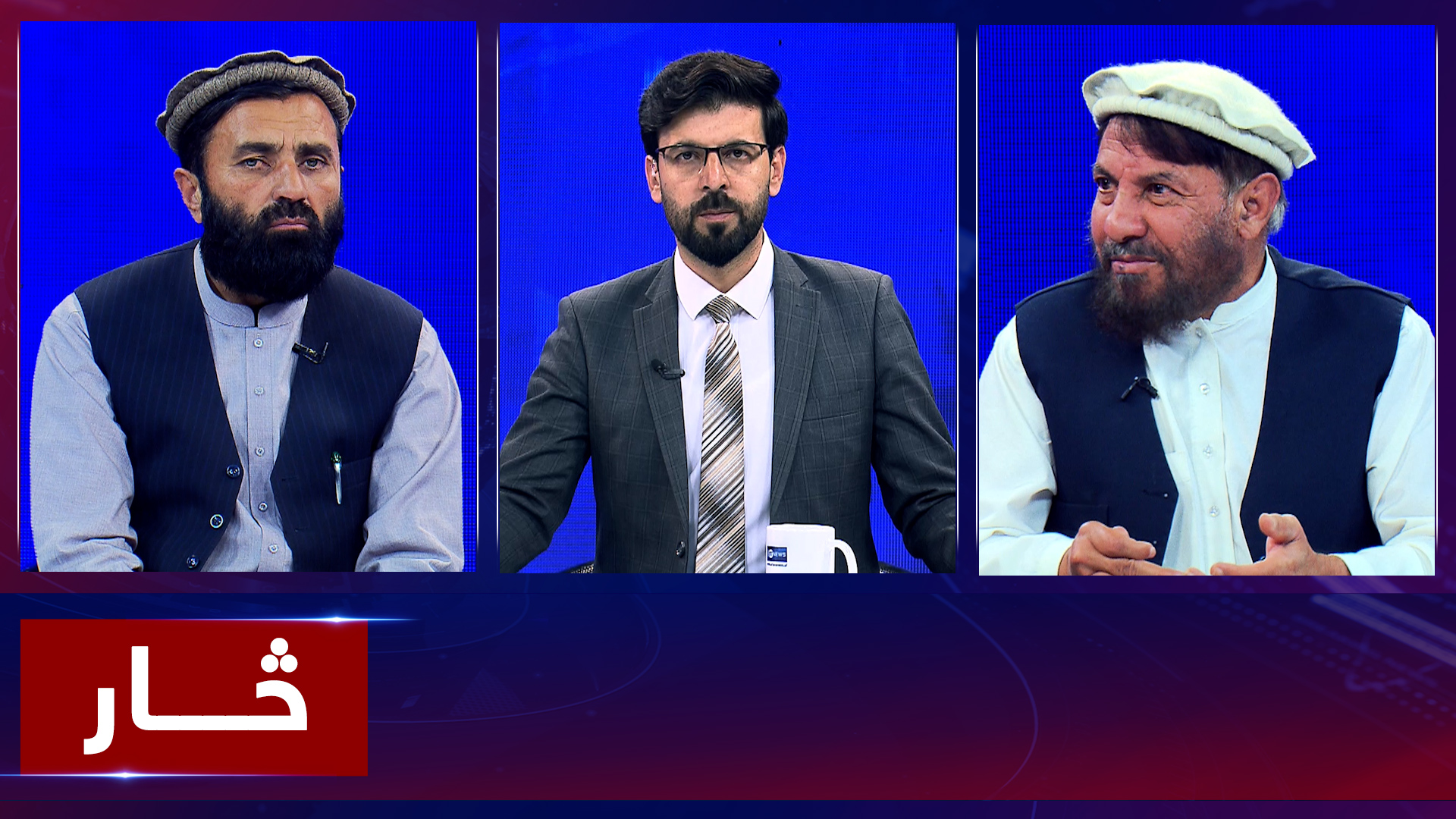
Saar: Russia’s stance on Afghanistan discussed

Trump says further US attacks on Iran ‘highly unlikely’ as peace talks gain momentum
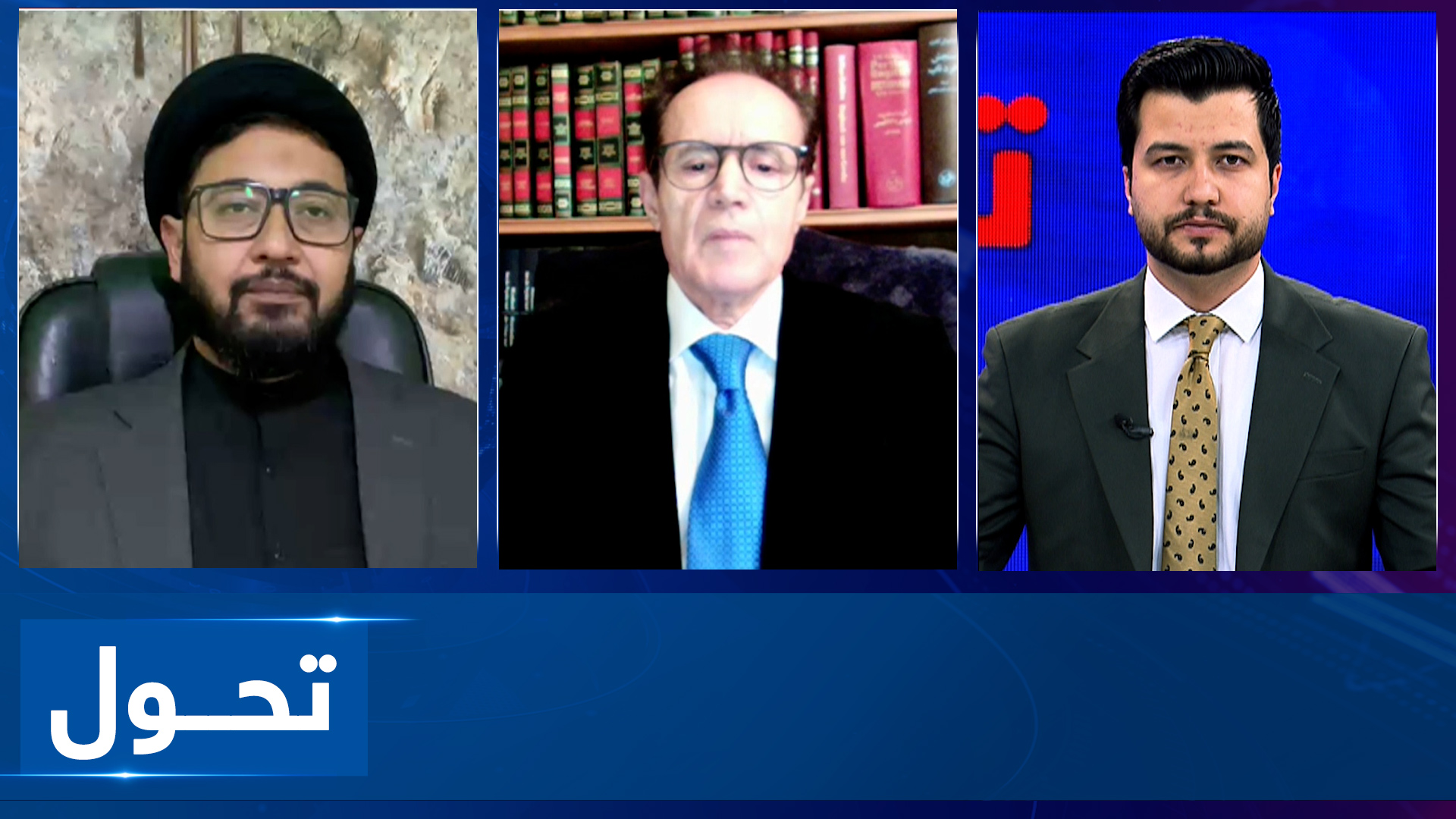
Tahawol: Geopolitical developments in the Middle East
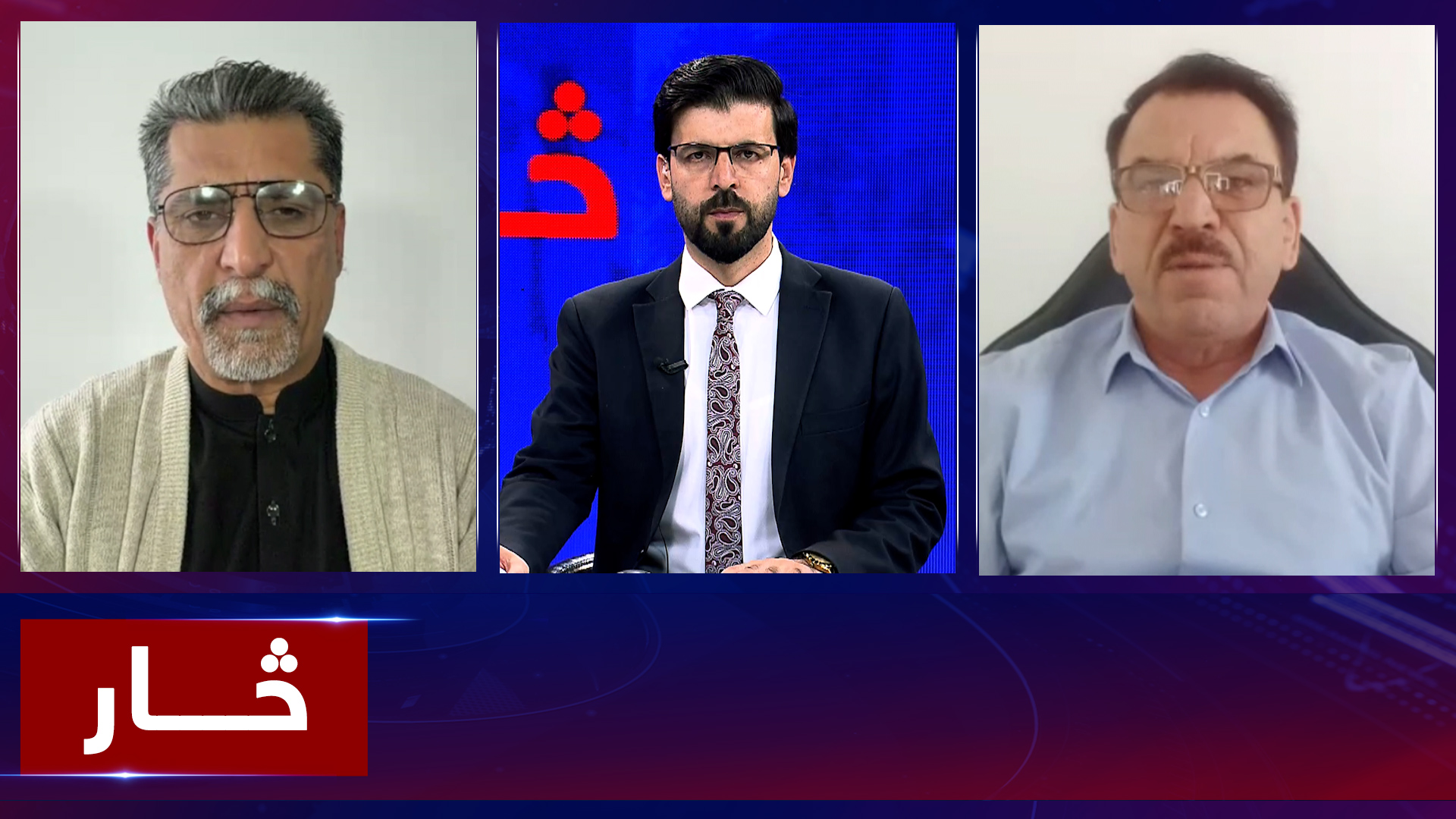
Saar: EU’s engagement with Afghanistan
-
 Regional5 days ago
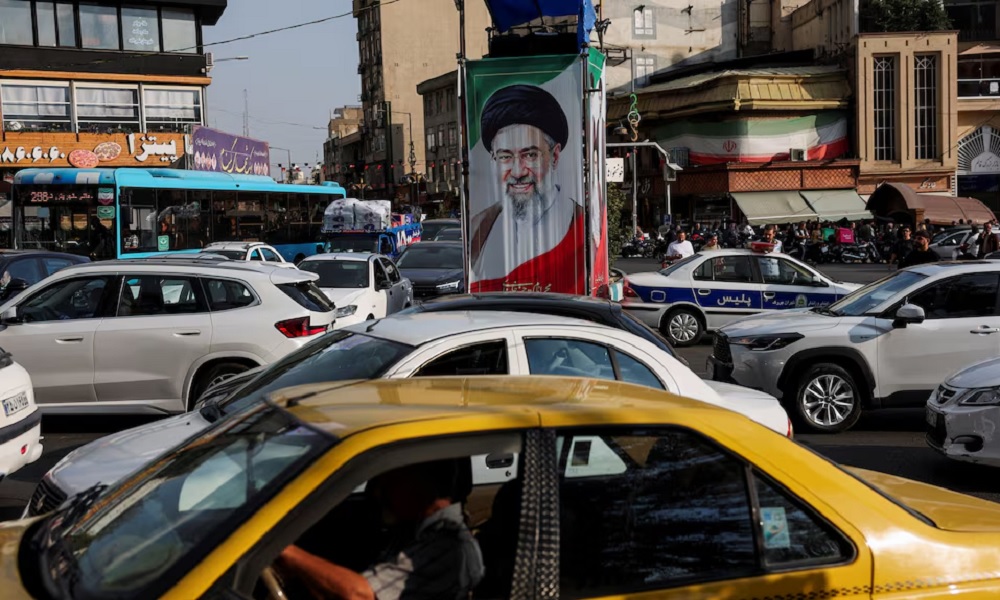
Iran sent nuclear proposal to the US via Qatar, senior Iranian official tells Reuters
-
 Sport3 days ago
Afghanistan’s record partnership highlights fourth day of Test against Zimbabwe
-
 World3 days ago
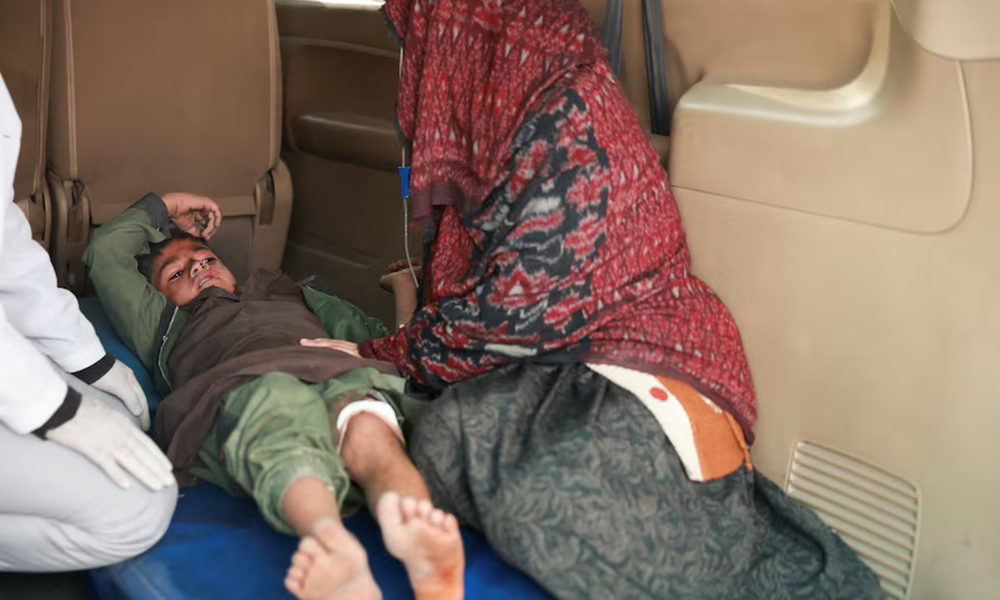
Houthi-run health ministry says airstrikes kill 33 near Yemen capital
-
 Sport5 days ago
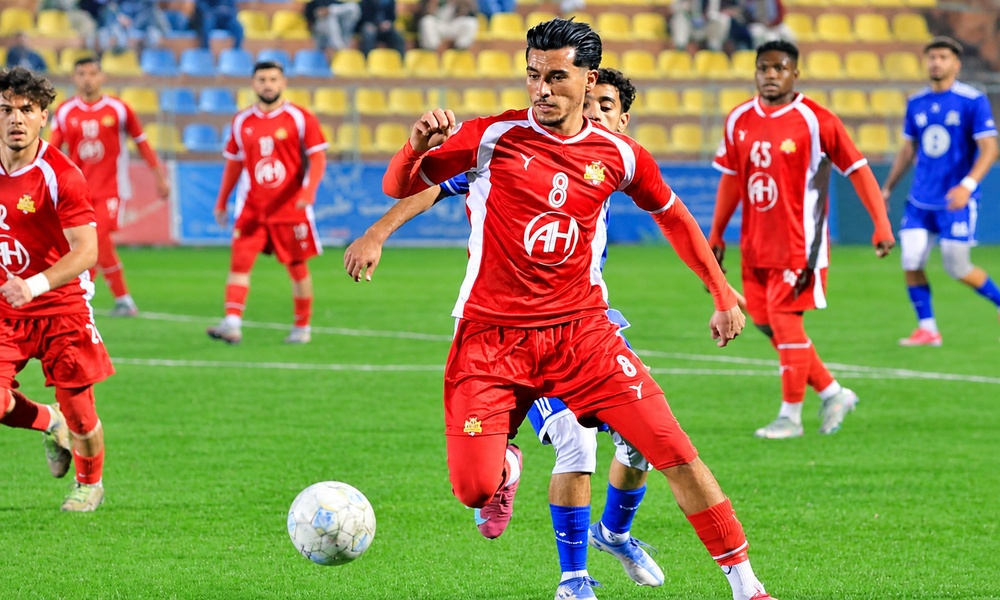
Abu Muslim Farah claim convincing 3-0 win over Omar Zawak in ACL
-
 Regional4 days ago
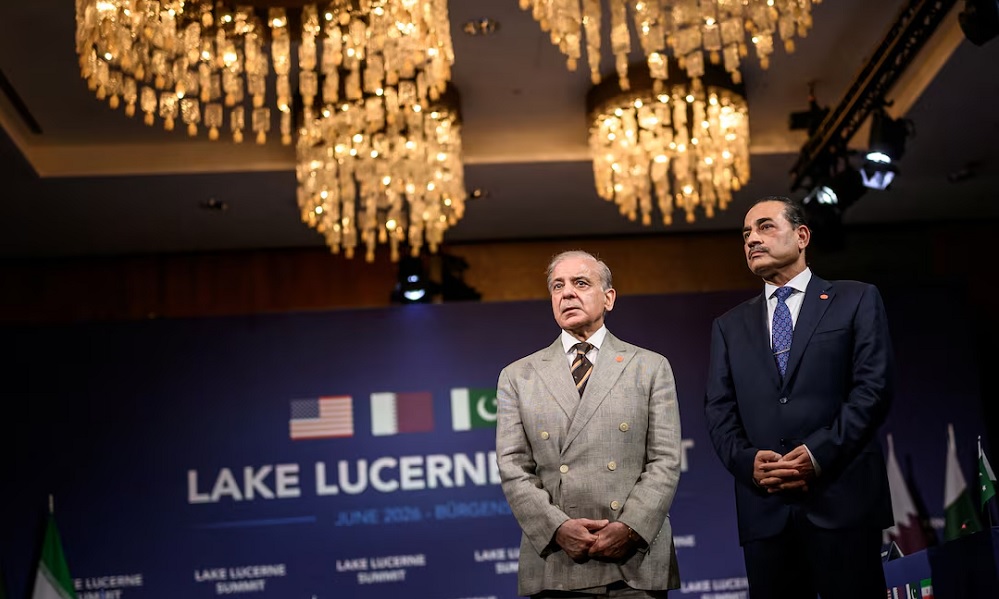
Pakistan’s leaders dread US Democrats’ win but its households are praying for it
-
 Sport4 days ago
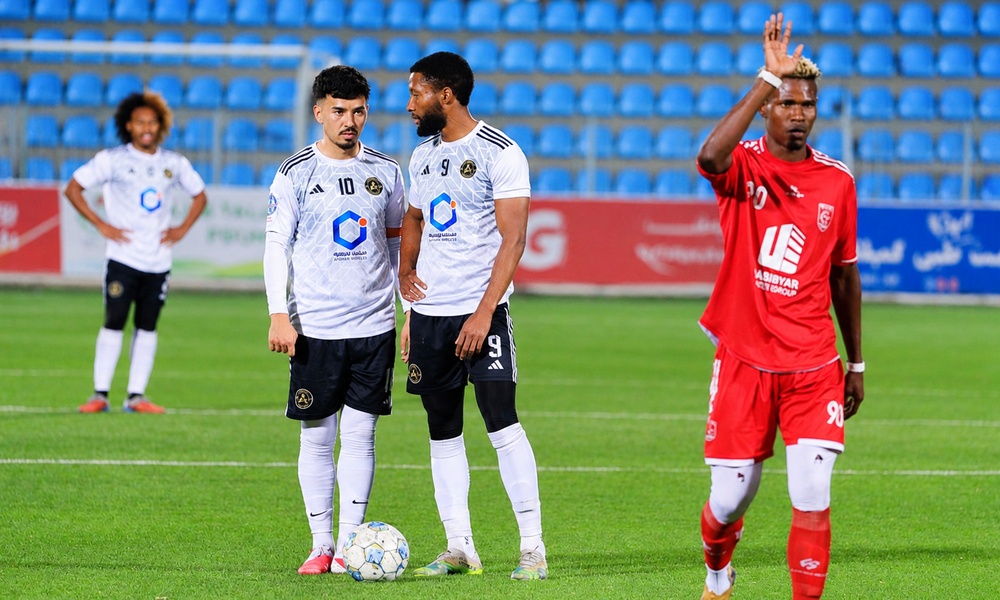
Toofan Herat defeat Arman FC 2–0 in Afghanistan Champions League
-
 Sport3 days ago
Afghanistan thrash Senegal 6-0 to reach Dakar Youth Olympics futsal semi-finals
-
 Sport2 days ago
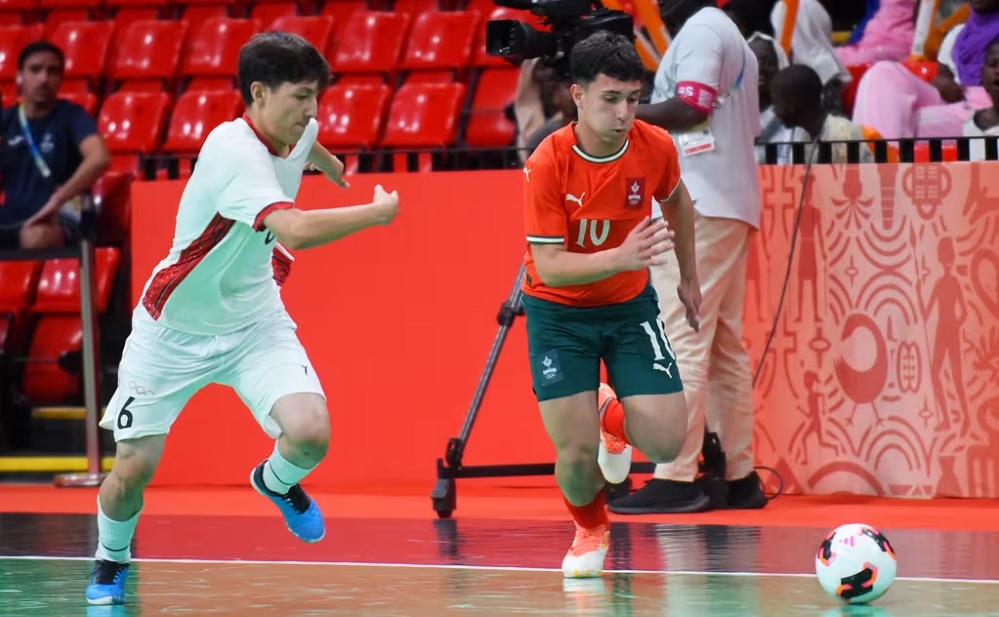
Portugal beat Afghanistan 2-0 in Dakar Youth Olympics futsal semi-finals