
Latest News
Sweet rewards for Nangarhar’s beekeepers


Nangarhar beekeepers have so far this year produced about 500 tons of honey, making it the province with the highest yield across the country.
With its favorable climate, where temperatures seldom drop below freezing, about 600 Nangarhar honey farmers have in total between 35,000 and 40,000 bee colonies collectively.
Not only does this sector produce about 500 tons of honey a year currently but it also provides job opportunities to around 2,000 people.
Nangarhar agriculture department officials say between 22 and 30 different types of bees are used to produce honey in the province.
Honey farming has become increasingly popular in the province over the past few years and beekeepers say the sweet treat helps provide them with a fairly decent wage which covers their basic needs.
One kilogram of Nangarhar honey sells on local markets for between 250 and 500 Afghanis – but it’s also sold in other provinces around the country.
In a bid to support and boost the sector, the Ministry of Agriculture and Livestock (MAIL) has established the Association of Honey Producers, which aims to connect industry stakeholders including government, institutions, beekeepers and other supply chain entities.
The association also aims to help beekeepers increase production so as to further develop the sector.
According to officials of the Nangarhar Honey Producers Association, the province’s honey is sold in different provinces of the country, and currently there are active representatives in Helmand, Balkh, Kabul and Herat provinces.
The Association of Honey Producers of Nangarhar Province has also created five honey processing plants in the province.
Apart from Nangarhar, other honey producing provinces include Badakhshan, Takhar, Balkh, Helmand, Panjshir, Parwan, Kapisa, Ghazni and Herat provinces.
Mountainous areas, with clean air, covered with natural plants and flowers, are considered suitable places for beekeepers and honey farmers.

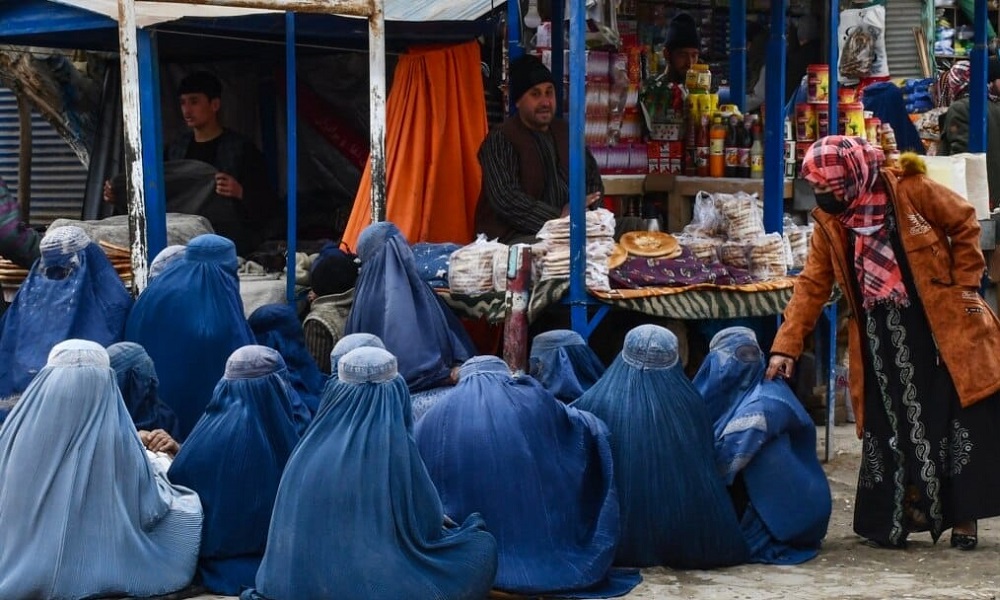
The United Nations has allocated $18 million in emergency funding to support more than 824,000 vulnerable people across Afghanistan as the country prepares for another harsh winter amid worsening food insecurity and economic hardship.
The funding, approved by UN humanitarian chief Tom Fletcher through the Central Emergency Response Fund (CERF), will help communities meet urgent needs during the 2026–27 winter.
According to the UN, the allocation will finance seven projects focusing on food security, agriculture, healthcare, nutrition, protection, shelter, and water and sanitation services.
UN Humanitarian Coordinator for Afghanistan Bruno Lemarquis said the assistance would help prevent avoidable deaths by ensuring vulnerable families have access to food, medical care, clean drinking water and other essential services before winter conditions deteriorate.
Priority will be given to returning migrants, internally displaced families and host communities, with particular attention to women, children, older people and persons with disabilities.
Local humanitarian organisations, including women-led groups, will help deliver assistance, while female frontline workers will play an important role in ensuring women and girls can access essential services.
The $18 million allocation forms part of a wider $48 million humanitarian response, which includes an additional $30 million from the Afghanistan Humanitarian Fund (AHF).
While CERF funding will enable UN agencies to deliver emergency supplies and services, the AHF will channel resources directly to humanitarian partners supporting winter preparedness, urgent relief operations and efforts to reduce the potential impact of El Niño on vulnerable communities.
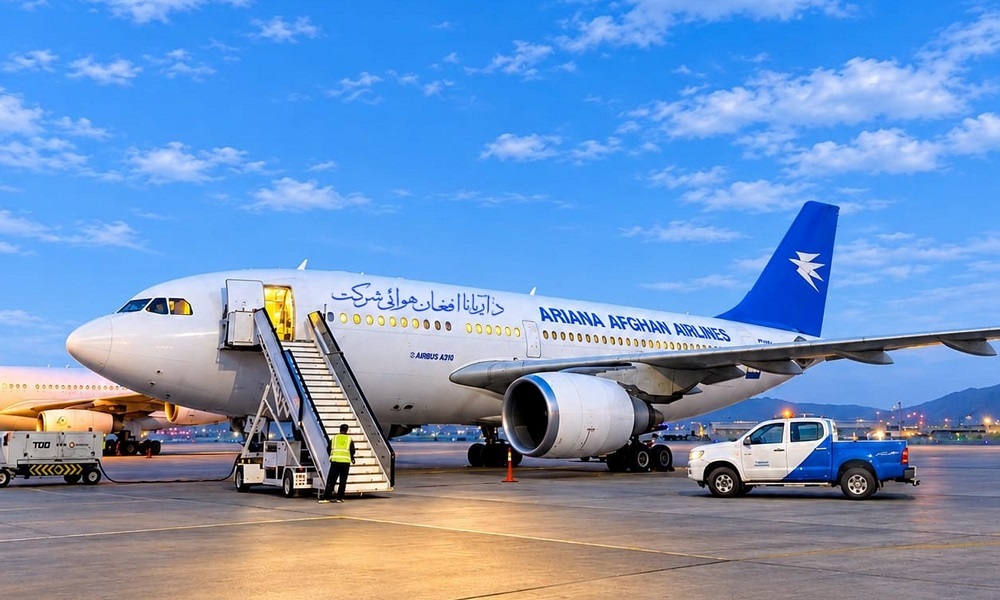
Ariana Afghan Airlines announced on Tuesday that it will launch direct flights between Mazar-e-Sharif and Jeddah, Saudi Arabia, on November 25 to facilitate air travel for residents of the country’s northern region.
The launch of this route will make travel to Saudi Arabia more convenient for residents of Mazar-e-Sharif and other northern provinces, allowing passengers to travel directly between Mazar-e-Sharif and Jeddah.
Latest News
Afghanistan’s finance minister visits Iran’s Mazandaran province to explore agricultural cooperation
According to provincial officials, agricultural products from Mazandaran account for 25 percent of Iran’s gross domestic product.
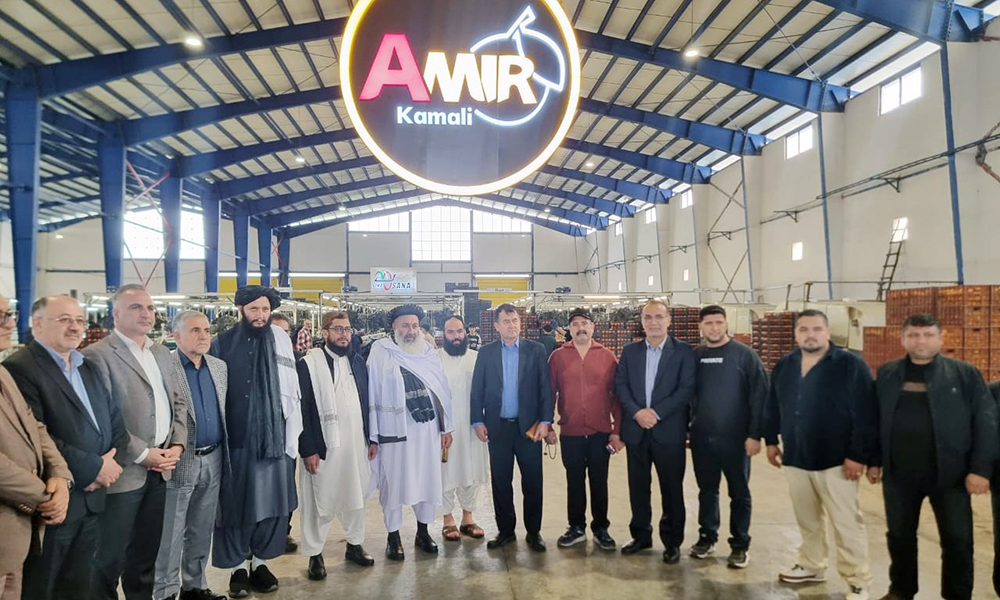
Afghanistan’s Finance Minister, Mohammad Nasir Akhund, has visited Iran’s Mazandaran Province as part of an official trip to the country, holding discussions with local officials on agricultural, trade and technical cooperation.
According to a statement from Afghanistan’s Ministry of Finance, the minister and his accompanying delegation visited local factories, fish farms and fresh fruit packaging centres during the trip.
Local officials in Mazandaran pledged professional and technical cooperation with Afghanistan in agriculture, trade and other related sectors.
Located along the Caspian Sea, Mazandaran is one of Iran’s major agricultural provinces, known for its extensive citrus orchards and numerous fish farms.
According to provincial officials, agricultural products from Mazandaran account for 25 percent of Iran’s gross domestic product.


Tahawol: 80th anniversary of Afghanistan’s UN membership discussed
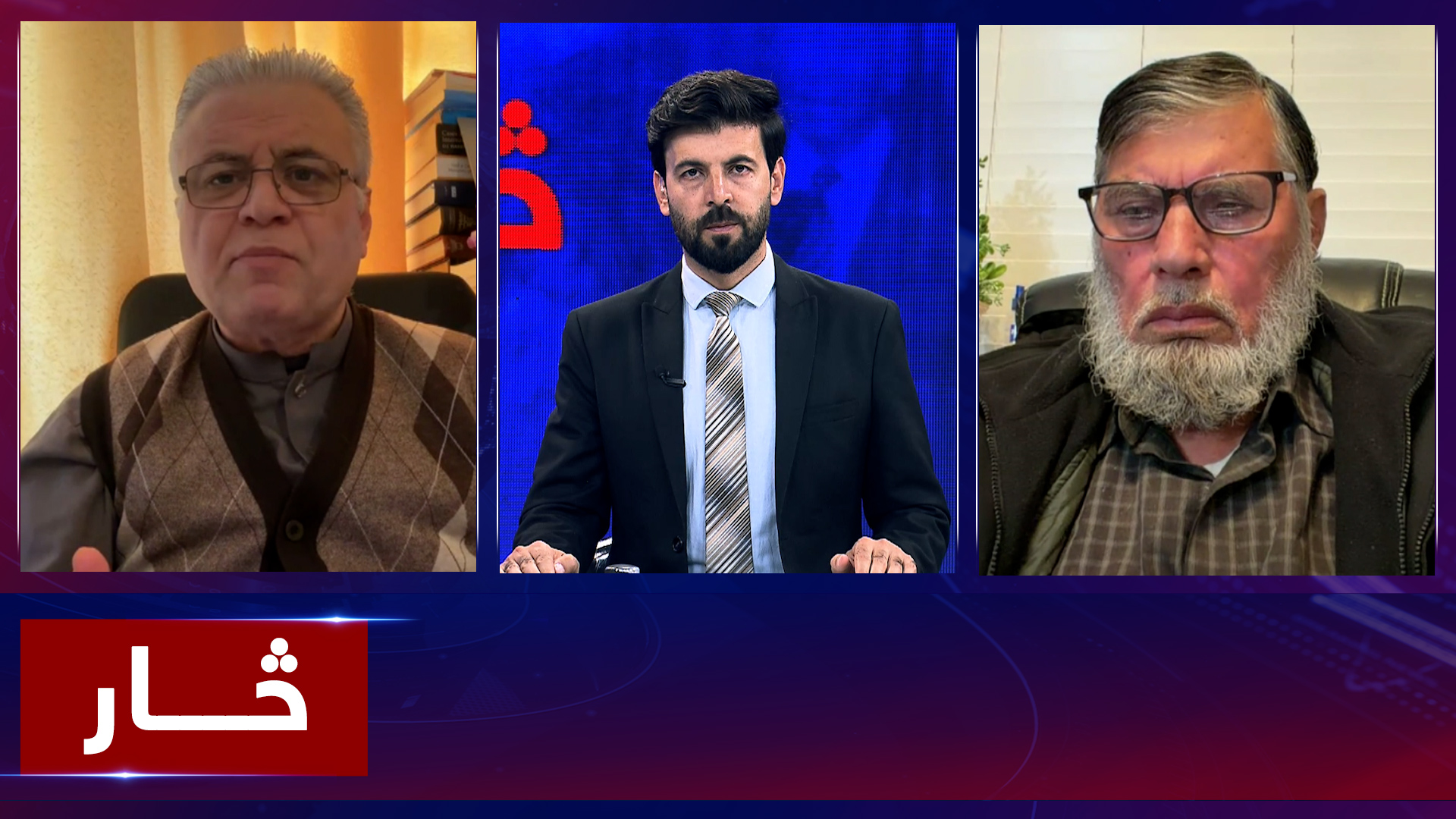
Saar: Europe’s shift toward engagement with the IEA discussed

Zimbabwe beat Afghanistan by 57 runs in second Test
UN allocates $18 million to help 824,000 Afghans ahead of winter
Ariana Airlines to launch direct flights between Mazar-e-Sharif and Jeddah

Afghanistan finish runners-up after 6-0 defeat to Brazil in futsal final

Violent protests spread across Europe as Albanian PM blames ‘foreign hand’

Governments take websites offline as critical cyber flaws trigger global alert

Afghanistan’s new Wakhan road to China faces major hurdles

Iran calls for extending Herat railway to Uzbekistan border
Tahawol: 80th anniversary of Afghanistan’s UN membership discussed
Saar: Europe’s shift toward engagement with the IEA discussed
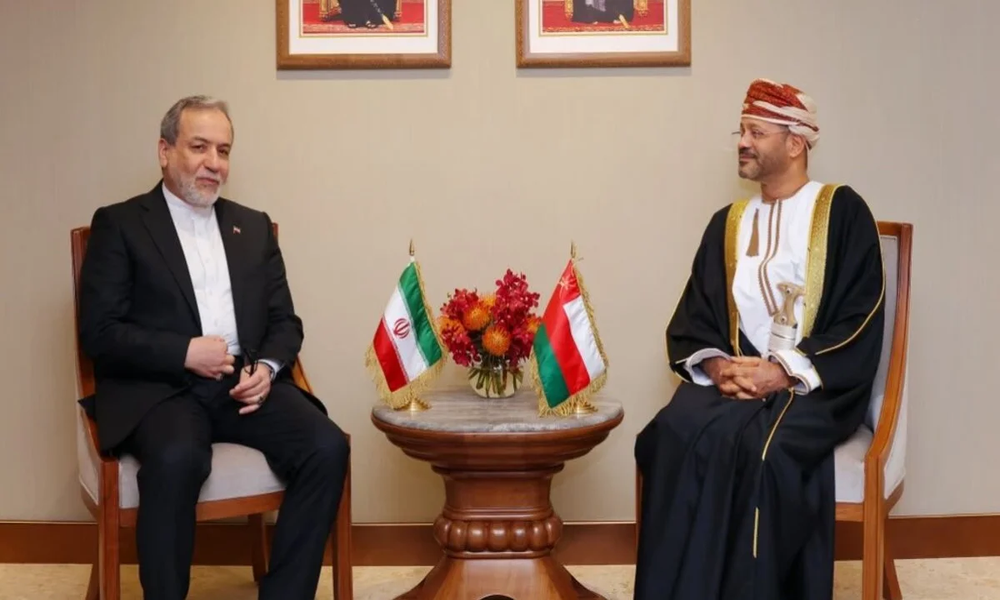
Oman and Iran discuss restoring shipping through Strait of Hormuz
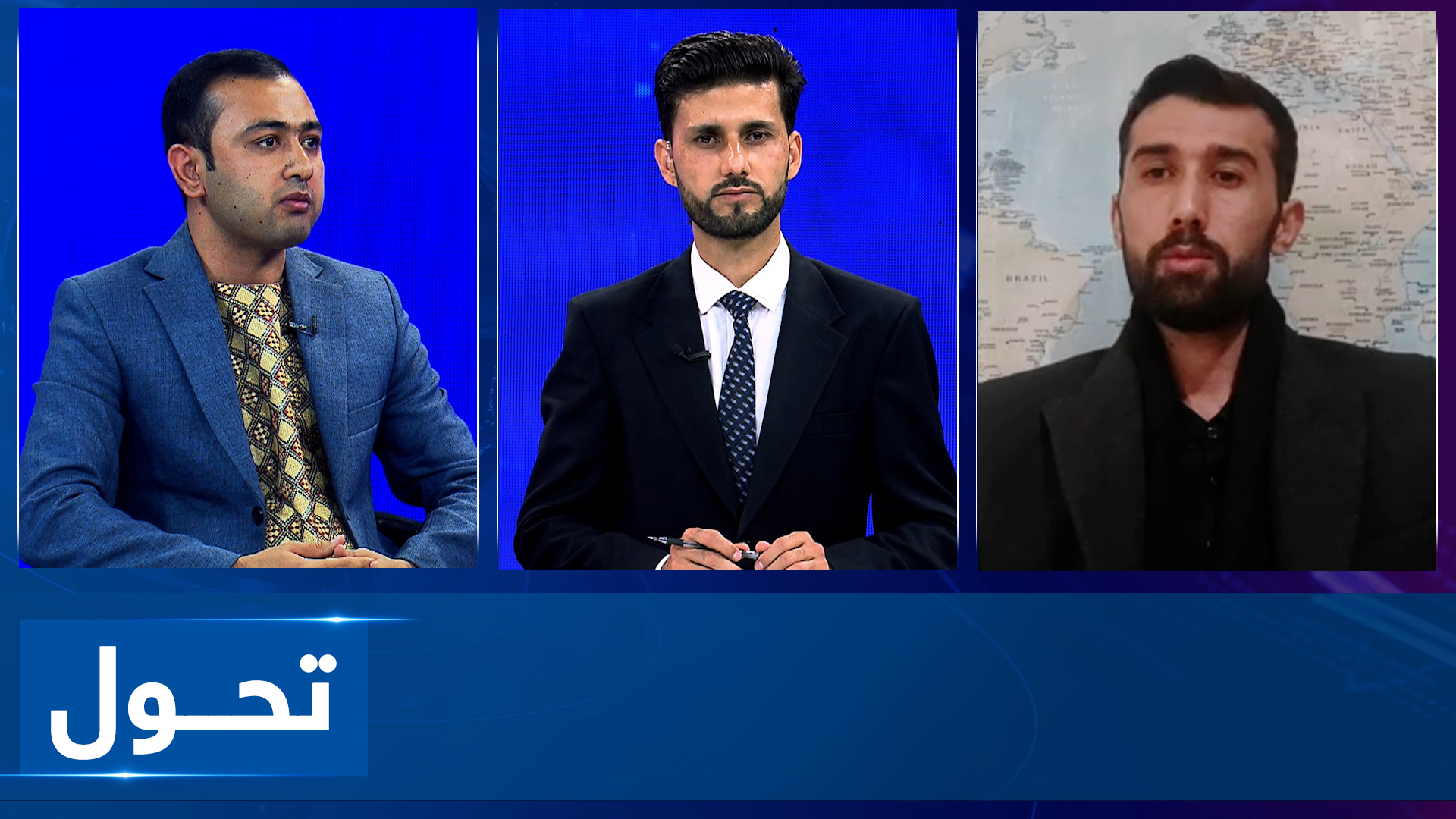
Tahawol: Afghanistan absent from ECO meeting

Saar: ECO meeting kicks off in Islamabad
-
 Business5 days ago
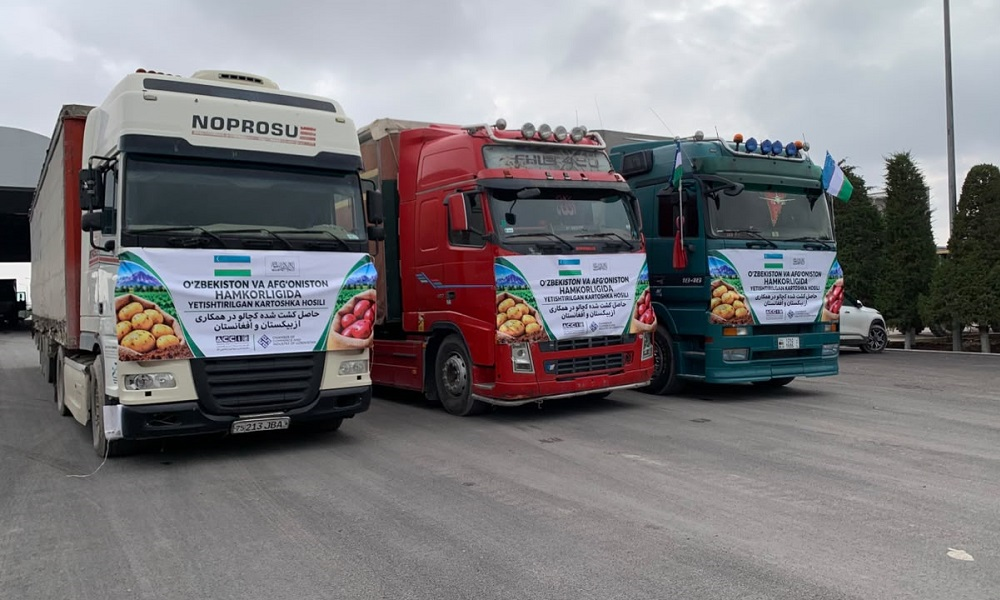
Afghanistan and Uzbekistan agree on export of 100,000 tons of Bamyan potatoes
-
 Latest News4 days ago
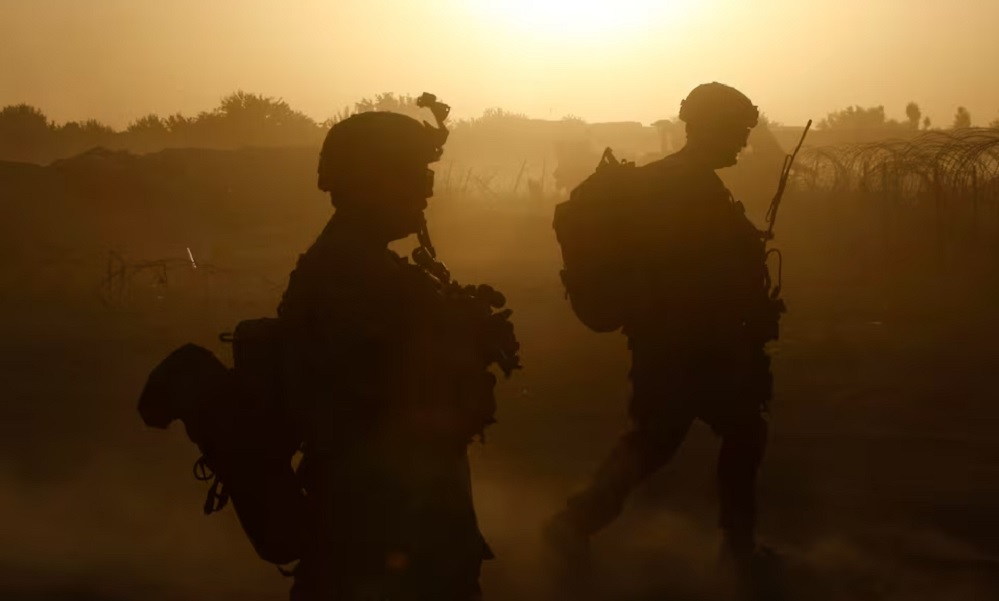
ICC halts probe into alleged crimes by US troops in Afghanistan
-
 Sport5 days ago
Argentina clinch futsal gold after defeating Portugal in Dakar 2026 final
-
 Sport4 days ago
Debutant Naseer Khan strikes four as Afghanistan fight back against Zimbabwe in second Test
-
 Sport3 days ago
ILT20 teams required to field at least two UAE and Afghanistan players in Season 5
-

 Latest News5 days ago
Russia calls UN report on Afghan opium ‘political propaganda’
-
 World5 days ago
Putin agrees to European role in Ukraine peace talks as Zelenskiy welcomes move
-
 Climate Change5 days ago
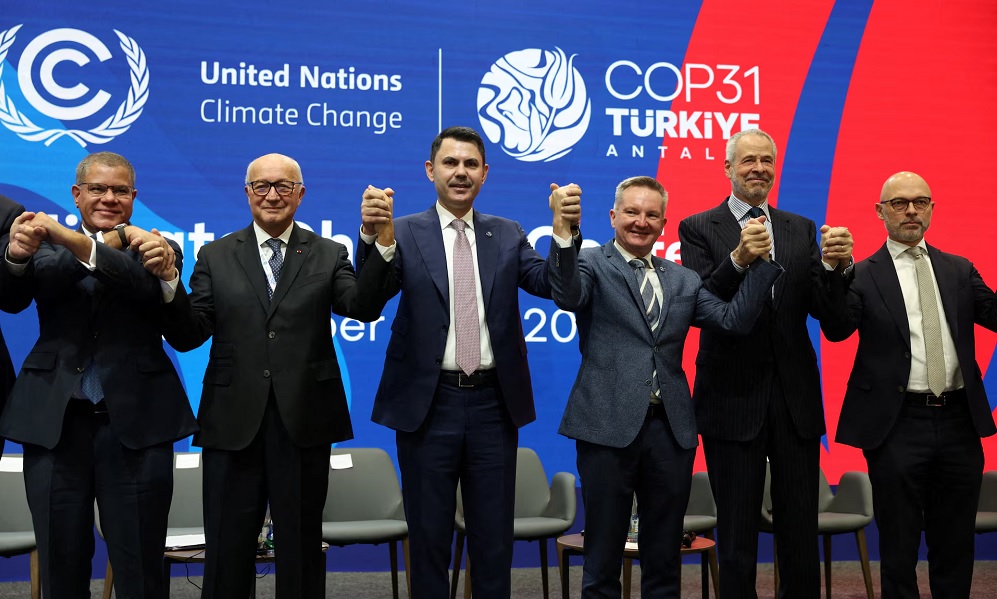
Urgent climate finance pleas at COP31 face a non-urgent response