
Latest News
Iran’s Zarif meets Taliban, calls for inclusive government

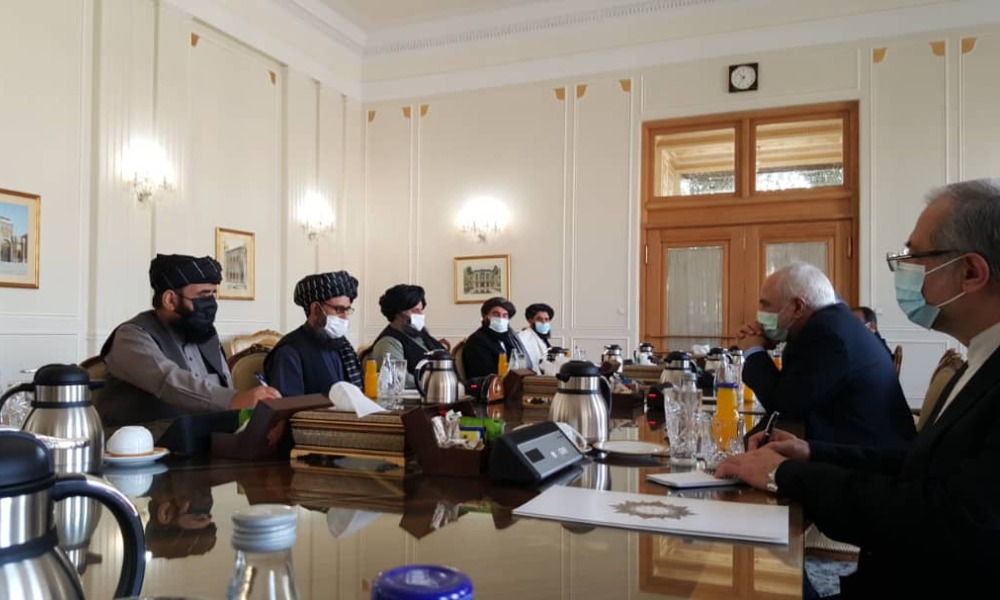
During talks with a visiting Taliban delegation, Iran’s Foreign Minister Javad Zarif on Sunday called for the formation of an inclusive government in Afghanistan.
Iran’s foreign ministry said in a press release after the meeting between the Taliban delegation, led by the group’s deputy leader Mullah Ghani Baradar, and Zarif that Iran’s foreign minister welcomed the idea of the formation of an “all-inclusive government with the participation of all ethnic and political groups in Afghanistan.”
“Political decisions could not be made in a vacuum, and the formation of an all-inclusive government must take place in a participatory process and by taking into account the fundamental structures, institutions and laws, such as the Constitution,” Zarif said.
Zarif also expressed Iran’s readiness to facilitate dialogue between the Afghan government, the Taliban and other Afghan groups.
He said: “The noble people of Afghanistan have been wronged. The war and occupation of Afghanistan have dealt heavy blows to the Afghan people.”
Zarif was quoted in the statement as having expressed hope that the Taliban would focus efforts on an immediate end to the pains and problems of Afghan people, so that the establishment of peace in Afghanistan “would strip the outsiders of a pretext for occupation”.
Meanwhile the statement noted that Baradar said in the meeting that he “denounced the destructive role of ISIS (Daesh) in Afghanistan.”
He did however express “satisfaction with the process of intra-Afghan talks, and described the formation of an all-inclusive government with the participation of all ethnic and political groups as a necessary condition for the establishment of peace in Afghanistan.”
The Taliban delegation arrived in Tehran on Tuesday at the invitation of Iran for talks with Iranian officials.
On Wednesday, they held talks with Ali Shamkhani, the secretary of Iran’s Supreme National Security Council, during which Shamkhani accused the United States of “creating a deadlock” in the intra-Afghan peace talks.
Iran’s top security official called for the “involvement of all Afghan groups” to determine the fate of their country, saying Tehran will “not recognize” any group that seeks to “seize power through war”.
The visit of the Taliban delegation to Iran comes amid a second round of intra-Afghan talks in Doha. The talks resumed earlier this month but have failed to make any headway, even as violence peaks in Afghanistan.


Latest News
Switzerland: Afghanistan’s stability is in the interest of the entire region
Meanwhile, Pakistan’s Special Representative for Afghanistan, Mohammad Sadiq, announced that he had met his Iranian counterpart, Mohammad Reza Bahrami, in Islamabad.
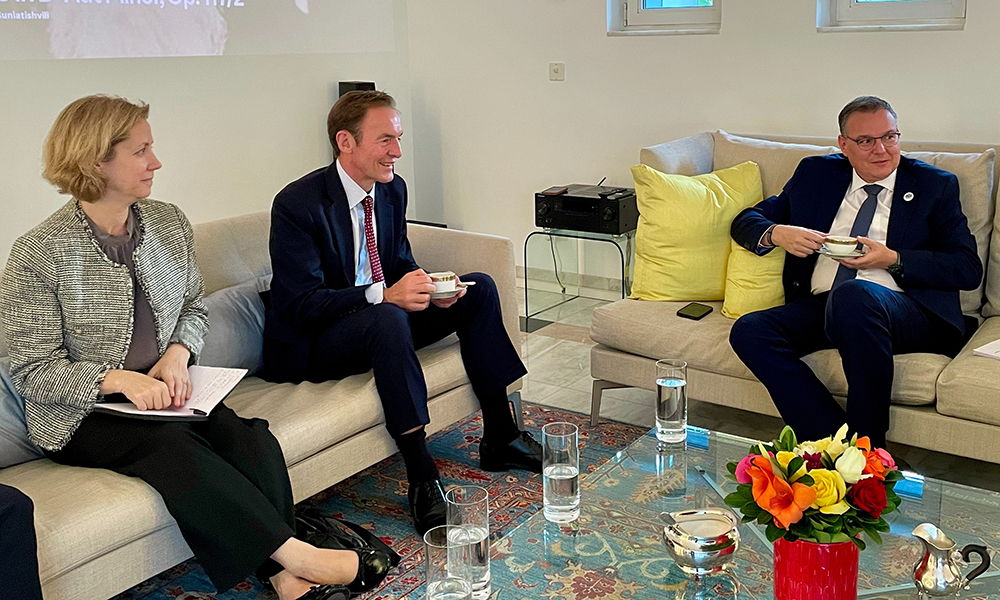
Switzerland has stressed that stability in Afghanistan is in the interest of the entire region, calling for sustained international engagement, closer coordination among partners and continued dialogue with regional countries.
The Swiss Embassy in Pakistan made the remarks following a meeting between the Swiss ambassador, the United Kingdom’s Special Representative for Afghanistan, Richard Lindsay, and Norway’s Ambassador to Pakistan, Sigvald Hauge. The meeting focused on developments in Afghanistan and their regional implications.
Meanwhile, Pakistan’s Special Representative for Afghanistan, Mohammad Sadiq, announced that he had met his Iranian counterpart, Mohammad Reza Bahrami, in Islamabad.
In a post on X, Sadiq said the two sides exchanged views on matters of mutual interest, regional developments and the situation in Afghanistan.
He added that both sides emphasized the importance of continued engagement and dialogue on issues of shared concern.
Latest News
IEA leader says he will not allow Muslims to fight to protect his power
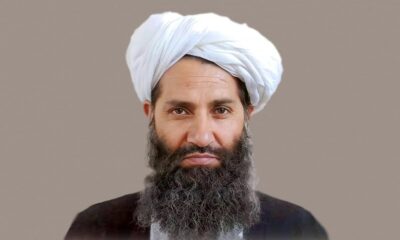
Akhundzada made the remarks at Kabul University at a scientific and research conference examining the impact of decrees issued by the Islamic Emirate’s leadership.

The Supreme Leader of the Islamic Emirate of Afghanistan, Sheikh Hibatullah Akhundzada, has said he would not allow Muslims to fight one another simply to preserve his position of authority, while calling for unity and the protection of the current political system.
Akhundzada made the remarks at Kabul University at a scientific and research conference examining the impact of decrees issued by the Islamic Emirate’s leadership.
He said Afghanistan had emerged from a period of “fitna”, or discord, claiming that not an inch of the country’s territory was now under the control of others.
He stressed that the Islamic Emirate must be protected and urged Afghans to maintain unity and solidarity.
Calling on Muslims to stand together like one body, Akhundzada said religious scholars had an important responsibility to promote Islamic teachings, influence public thinking and explain the principles and nature of the Islamic Emirate to the population.
He also said the movement’s political approach was rooted in the Holy Quran, describing respect for the leader as a form of respect for the people. He further stated that anyone killed while preventing wrongdoing would be regarded as a “best martyr”.
In comments concerning the administration of Islamic law, Akhundzada said Qisas (retribution) and punishments prescribed under Sharia could not be carried out without his executive order. He also maintained that the implementation of Sharia was not possible without the Islamic Emirate.
During the conference, religious scholars representing various parts of Afghanistan conferred the title of “Sheikh-ul-Islam” on Akhundzada.
Latest News
Germany reportedly approves visas for four new Afghan diplomats
German officials have repeatedly stressed that such technical cooperation does not constitute formal political recognition of the Islamic Emirate.

Afghanistan’s Ministry of Foreign Affairs is preparing to send four new diplomats to Germany to serve at the Afghan Embassy in Berlin and the country’s Consulate General in Bonn, according to informed sources within the ministry.
The sources identified the four diplomats as Hedayatullah Paktin, Mohammad Hakim Hakimi, Bashir Ahmad Afghan and Saeed Akbar Rastad. They are currently in Doha, Qatar, awaiting German visas, according to the reports.
Bashir Ahmad Afghan has reportedly been appointed first secretary at the Afghan Embassy in Berlin, while Saeed Akbar Rastad will serve as second secretary. Hedayatullah Paktin and Mohammad Hakim Hakimi are expected to take up positions as second secretaries at the Afghan Consulate General in Bonn.
The sources said the German government has agreed to issue visas for the four representatives of the Islamic Emirate. However, neither officials in Kabul nor Germany’s Foreign Ministry have publicly commented on the reported appointments.
The reported move comes amid ongoing technical cooperation between Berlin and Kabul over consular services and efforts to facilitate the return of Afghan nationals who do not have legal residency status in Germany.
According to official German figures, approximately 450,000 Afghan nationals live in the country. Berlin considers the continued operation of Afghanistan’s diplomatic and consular missions important for issuing identity documents and handling migration-related cases.
Germany expands technical engagement with Kabul
Since the political changes in Afghanistan in August 2021, Germany, like other European countries, has not formally recognized the Islamic Emirate. However, Berlin has gradually expanded administrative and consular contacts with Kabul, particularly to address migration-related issues and the return of Afghan nationals convicted of crimes.
German officials have repeatedly stressed that such technical cooperation does not constitute formal political recognition of the Islamic Emirate.
The process gained momentum in July 2025, when two consular employees affiliated with the Islamic Emirate were accepted to effectively manage the Afghan Embassy in Berlin and the consulate in Bonn.
Further discussions between German Interior Ministry officials and Islamic Emirate representatives in Doha and Kabul followed in autumn 2025. In June 2026, Germany’s Foreign Ministry announced plans to increase consular staffing, while a three-member technical support delegation from Kabul travelled to Berlin in August 2026.
The reported approval of visas for four additional diplomats would mark another step in the gradual expansion of consular cooperation between the two sides, as European governments seek to manage migration and documentation issues involving Afghan nationals.

Switzerland: Afghanistan’s stability is in the interest of the entire region
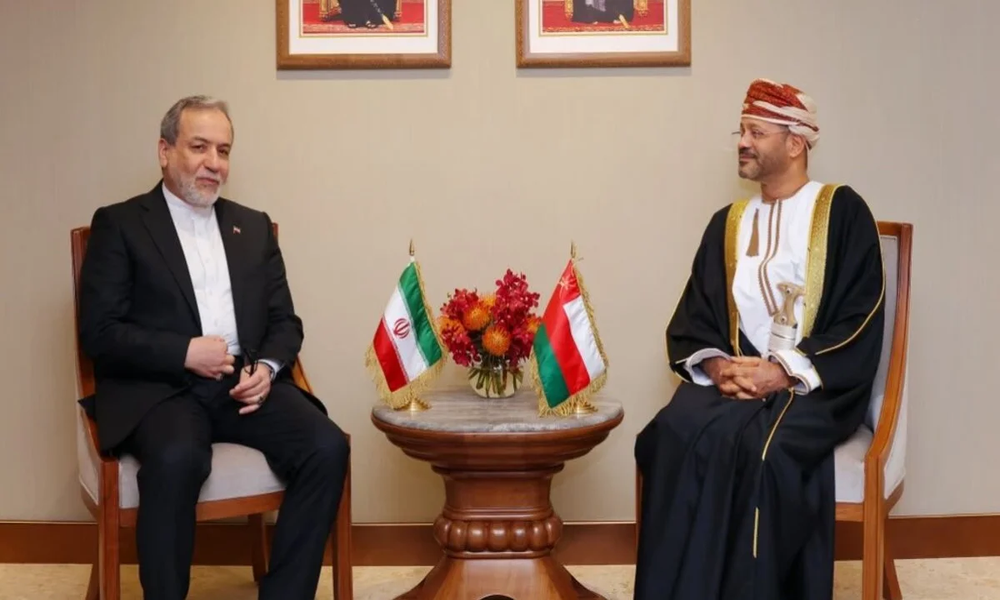
Oman and Iran discuss restoring shipping through Strait of Hormuz

IEA leader says he will not allow Muslims to fight to protect his power

Germany reportedly approves visas for four new Afghan diplomats
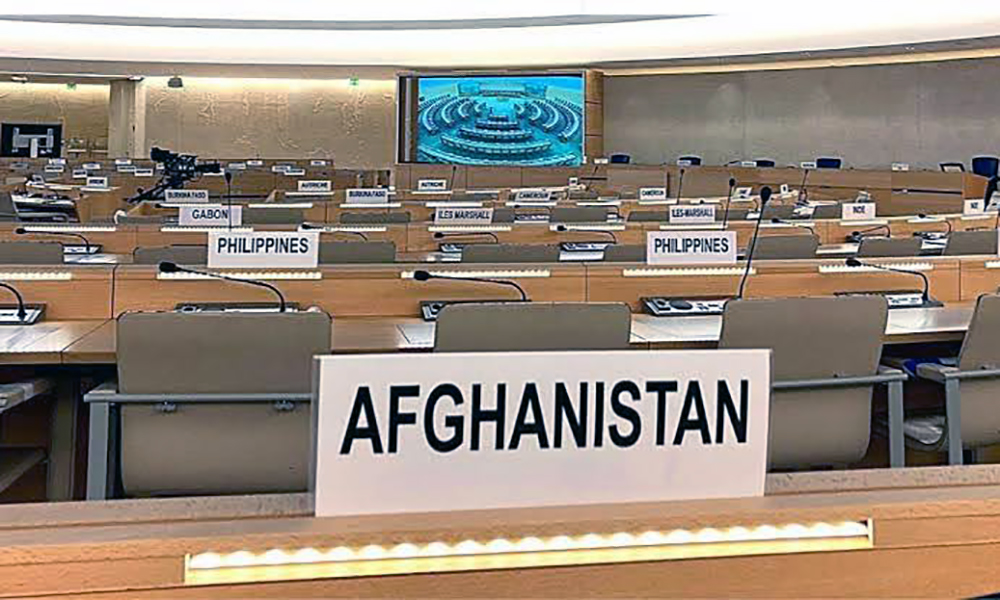
Afghanistan marks 80 years of UN membership with special commemorative event

Afghanistan finish runners-up after 6-0 defeat to Brazil in futsal final

Rubio heads to Central Asia while other US officials hit foreign policy hot spots

Violent protests spread across Europe as Albanian PM blames ‘foreign hand’

Governments take websites offline as critical cyber flaws trigger global alert

Afghanistan’s new Wakhan road to China faces major hurdles
Oman and Iran discuss restoring shipping through Strait of Hormuz
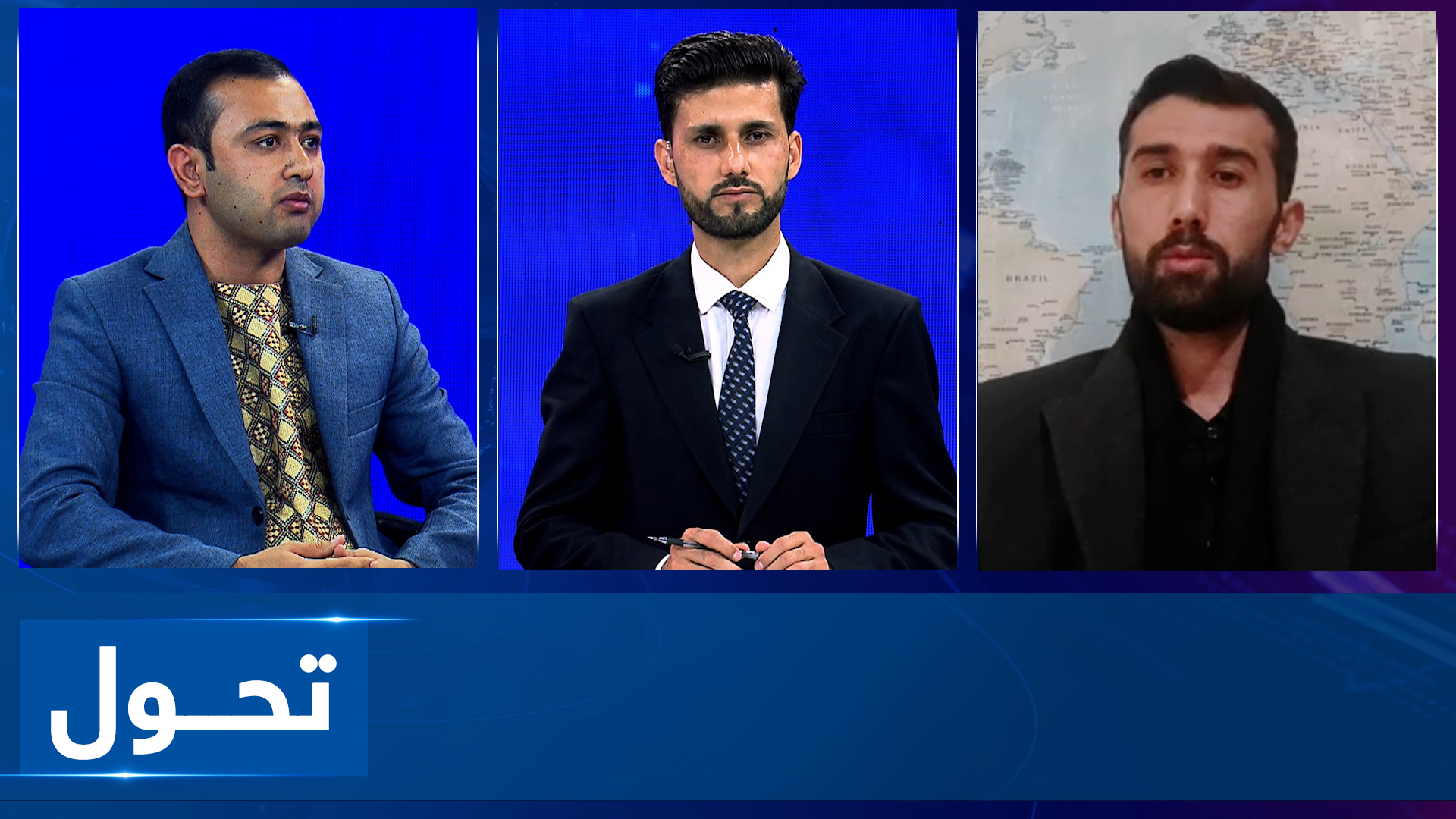
Tahawol: Afghanistan absent from ECO meeting
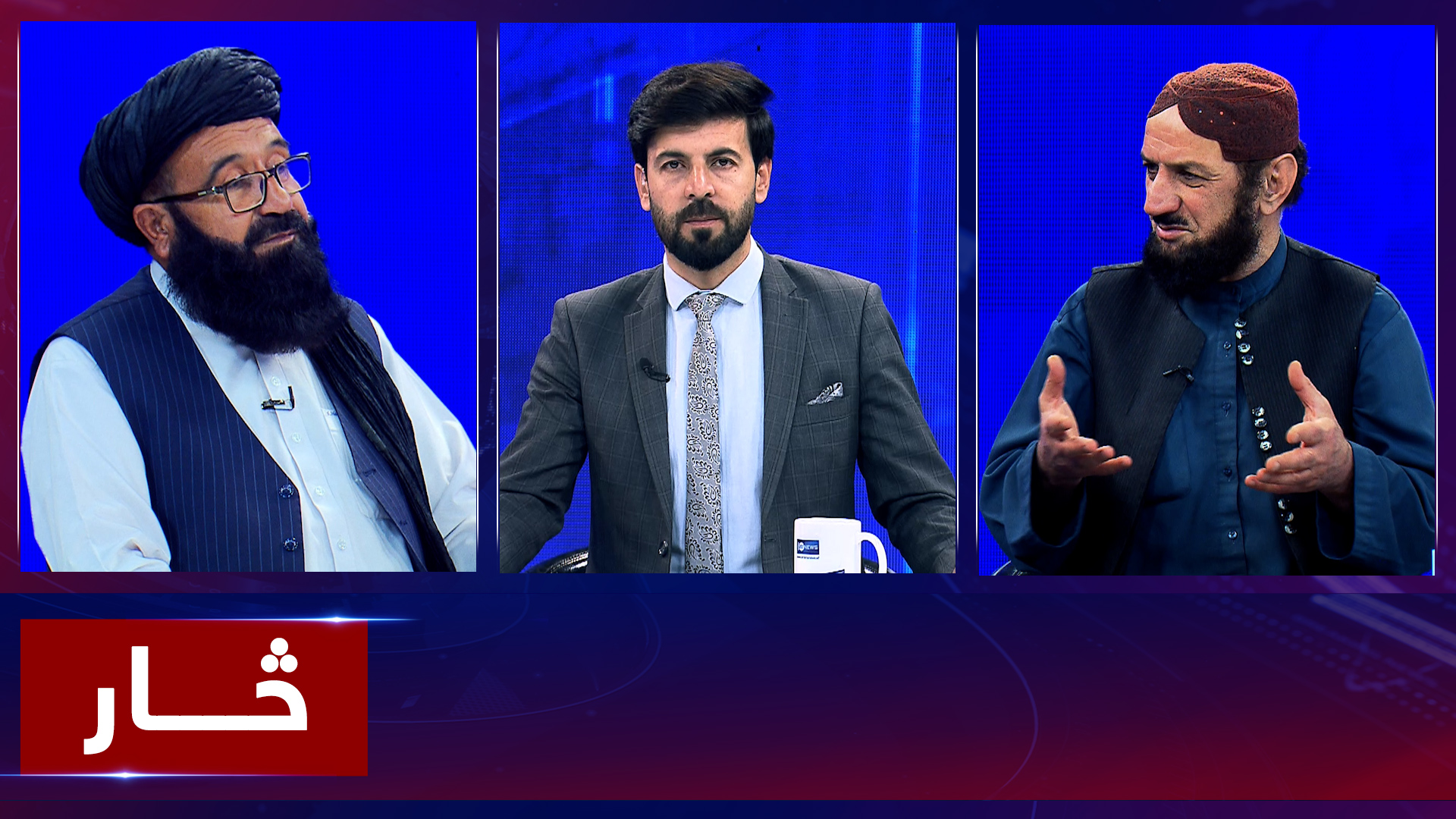
Saar: ECO meeting kicks off in Islamabad
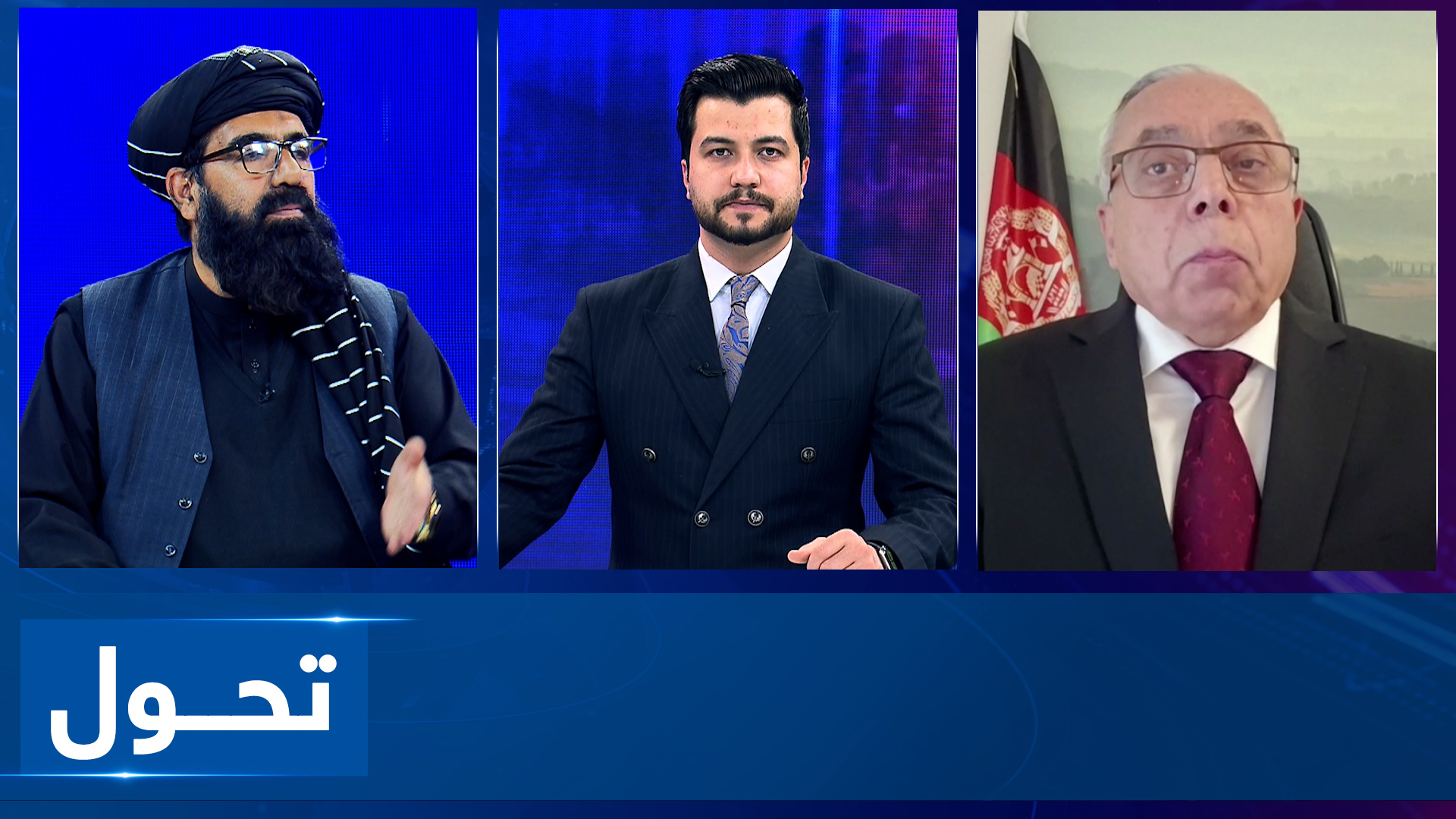
Tahawol: UK seeks to ease Kabul–Islamabad tensions
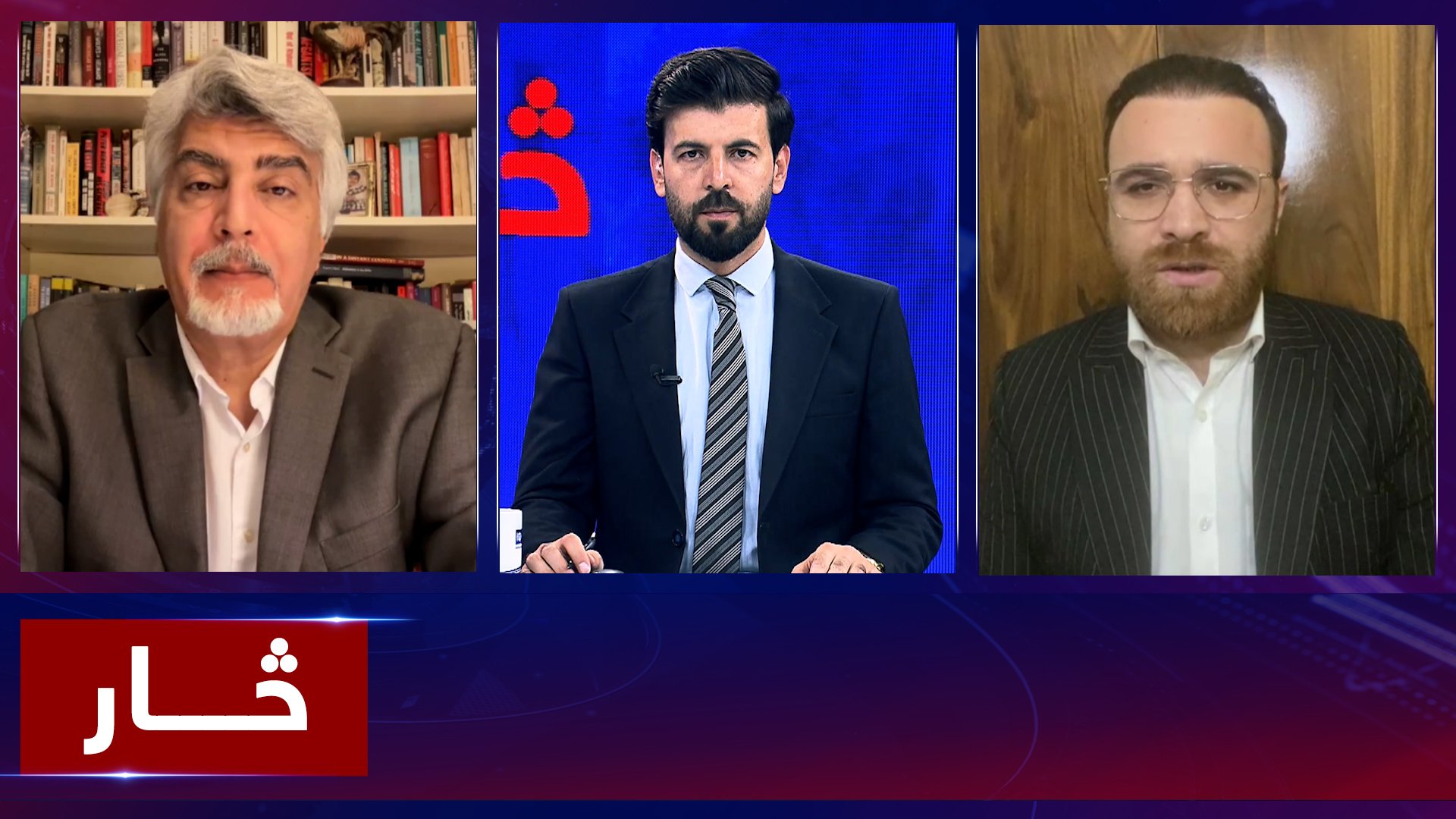
Saar: Iran–US tensions: an uncertain future
-
 Business4 days ago
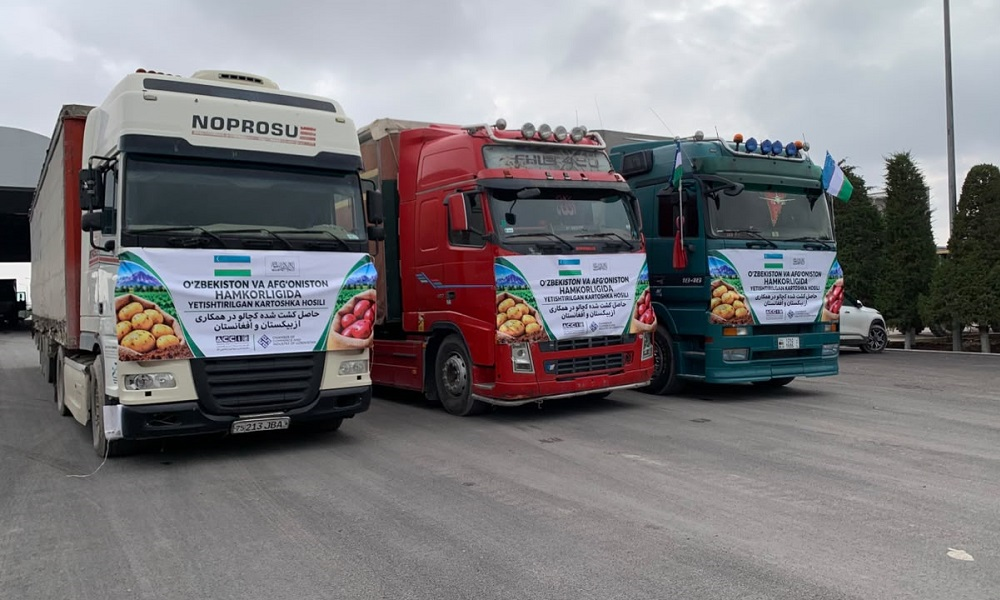
Afghanistan and Uzbekistan agree on export of 100,000 tons of Bamyan potatoes
-
 Sport5 days ago
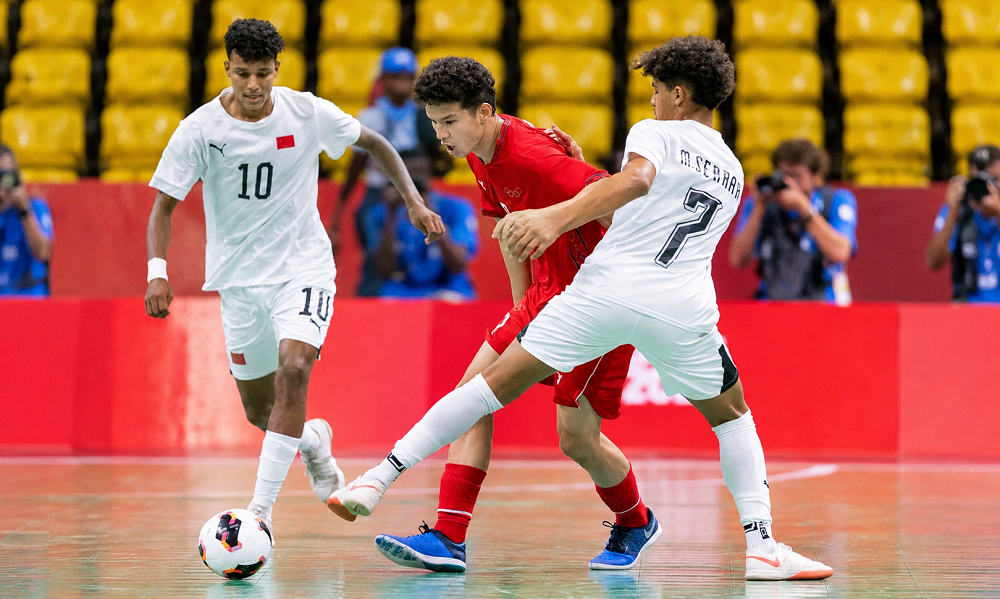
Afghanistan falls just short of Bronze at Dakar 2026 Youth Olympic Games
-
 Latest News3 days ago
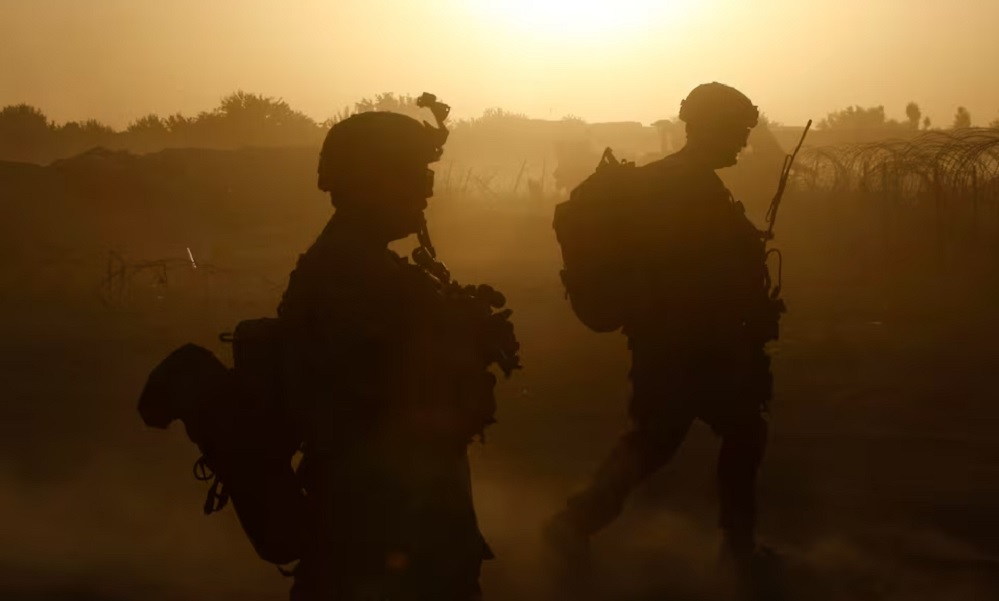
ICC halts probe into alleged crimes by US troops in Afghanistan
-
 Sport4 days ago
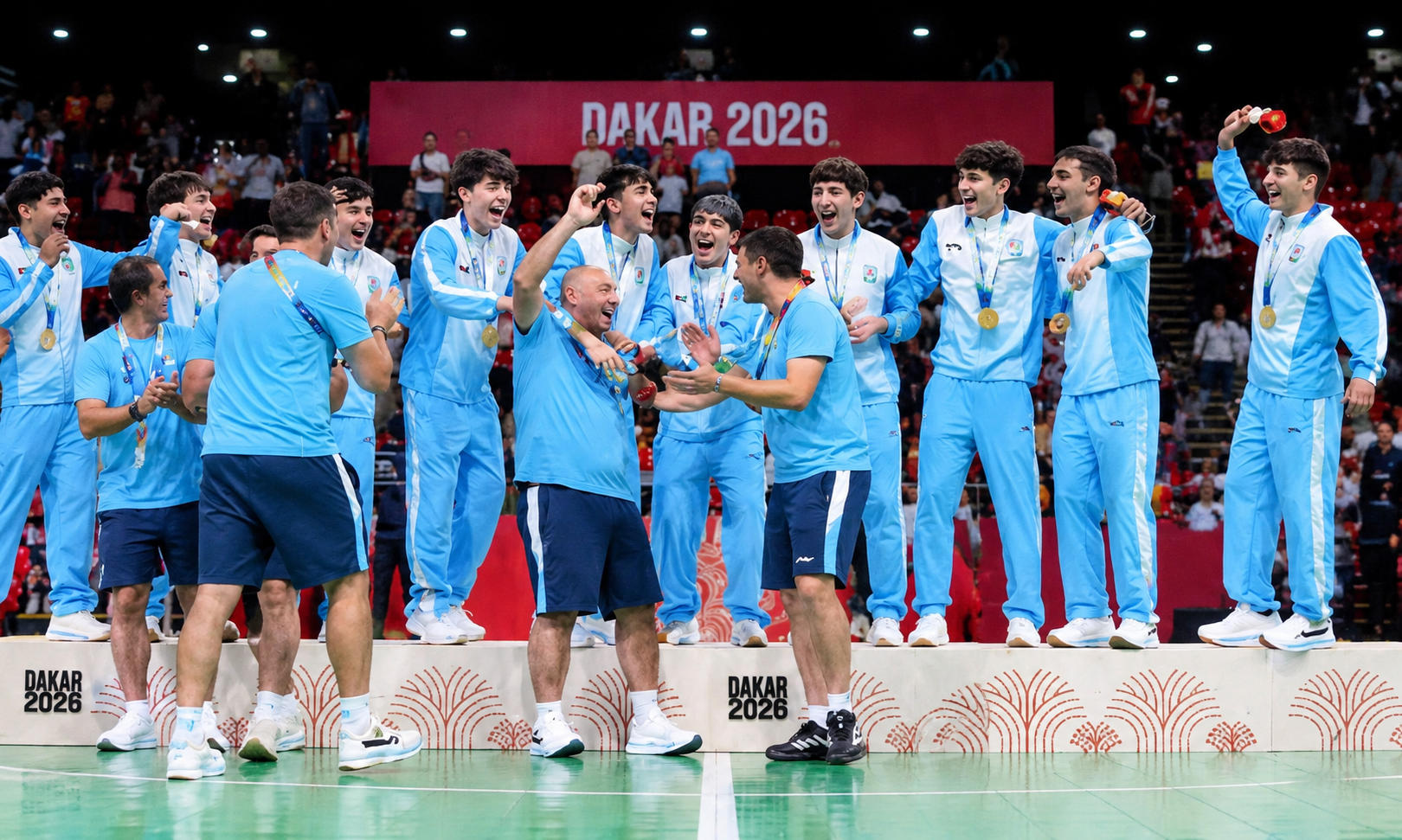
Argentina clinch futsal gold after defeating Portugal in Dakar 2026 final
-
 Sport4 days ago
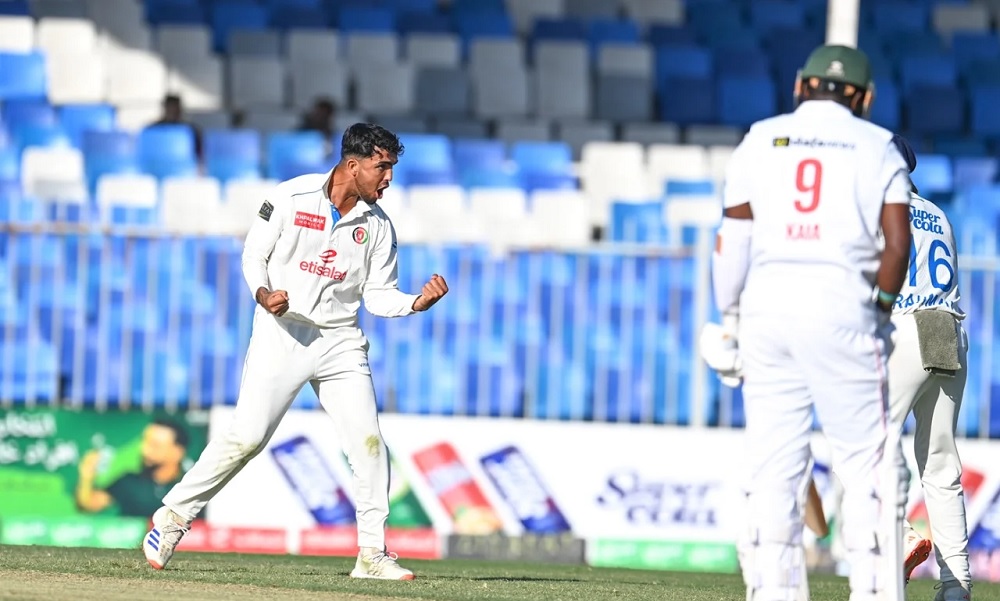
Debutant Naseer Khan strikes four as Afghanistan fight back against Zimbabwe in second Test
-
 Latest News5 days ago
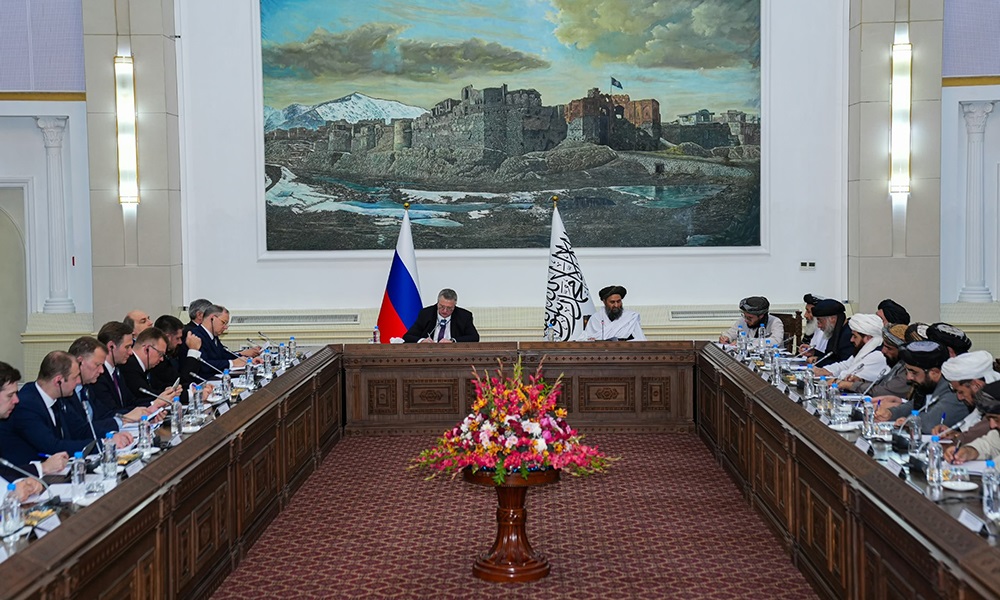
Afghanistan invites Russian companies to invest in mining, industry and infrastructure
-
 Sport2 days ago
ILT20 teams required to field at least two UAE and Afghanistan players in Season 5
-
 World4 days ago
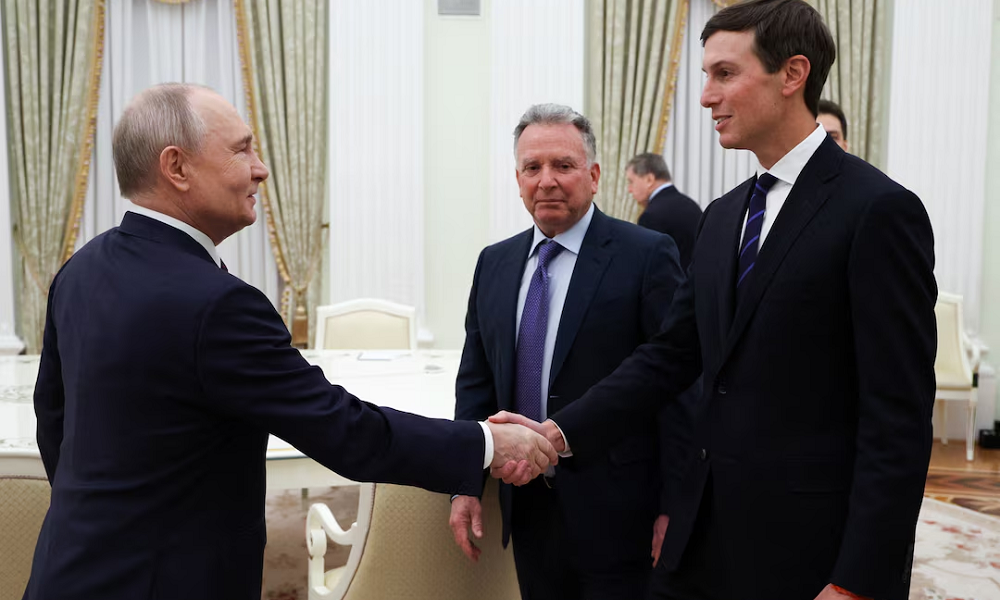
Putin agrees to European role in Ukraine peace talks as Zelenskiy welcomes move