
Latest News
Karzai says new US plan is best chance for peace


Washington’s new plan for a transitional government that includes the Taliban is the best chance to accelerate stalled peace talks between the group and the Afghan government, former president Hamid Karzai said in an interview with The Associated Press on Thursday.
Karzai said after decades of war, Afghans themselves “are in a hurry for peace”.
The new proposal was delivered early last week by US peace envoy Zalmay Khalilzad to Afghan President Ashraf Ghani, the High Council for National Reconciliation Chairman Abdullah Abdullah and other politicians and former government leaders. Later in the week Khalilzad met with Taliban representatives and put the plan to them.
No decisions have yet been made by either side on the proposal nor have there been any new developments in the past 10 days on the peace talks process in Doha.
But according to Karzai, the proposed U.S. peace plan contains important provisions that could help bring peace to Afghanistan — with some revisions by both sides.
However, Ghani has long opposed the idea of an interim government.
Karzai meanwhile told AP the U.S. proposal can shepherd a war-weary nation to elections; it protects rights of women and minorities, offers a way to achieve constitutional reform and proffers an interim administration.
“Peace is such a deep, deep, deeply desired wish of the Afghan people,” said Karzai. “You can’t imagine how much of a hurry we are in to reach peace for us and for our younger ones.”
He expressed hope that the U.S. proposal could serve as a catalyst for both sides to make peace perhaps even before May 1 — the deadline for a final U.S. troop withdrawal under a U.S.-Taliban deal reached a year ago.
Karzai said he was against the May 1 withdrawal of U.S. and NATO troops, warning it would create chaos. He said it was in both Washington’s and Kabul’s interest to have a responsible exit.
“It’s extremely important for the United States and the U.S allies and those who (have been) involved in the past 20 years in Afghanistan to be responsible, to do things that will bring lasting peace,” he said.
“So a responsible exit or a responsible stay in a peaceful Afghanistan are both issues that we should consider very carefully.”
The Taliban have until now rejected the idea of international forces staying in Afghanistan after May 1, but Karzai said they may be convinced to accept a modified U.S. presence in a peaceful Afghanistan.
Karzai also said HCNR, of which he is a member, will meet on Sunday to review the U.S. proposal. The council will respond with proposed revisions in coming days, he said.
The council leadership is the final arbiter on what the government will accept in a peace agreement.
Karzai told AP that if Ghani’s government could bring the warring groups together “we would support it,” but he said he hasn’t been able to and warned against sacrificing an opportunity for peace to hold on to power.
Karzai also said a peaceful Afghanistan is of interest to all its neighbors but particularly Pakistan, where the Taliban leadership has been headquartered and with whom Afghanistan has had a troubled relationship.

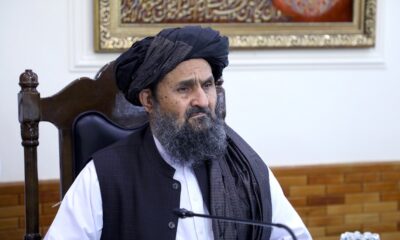
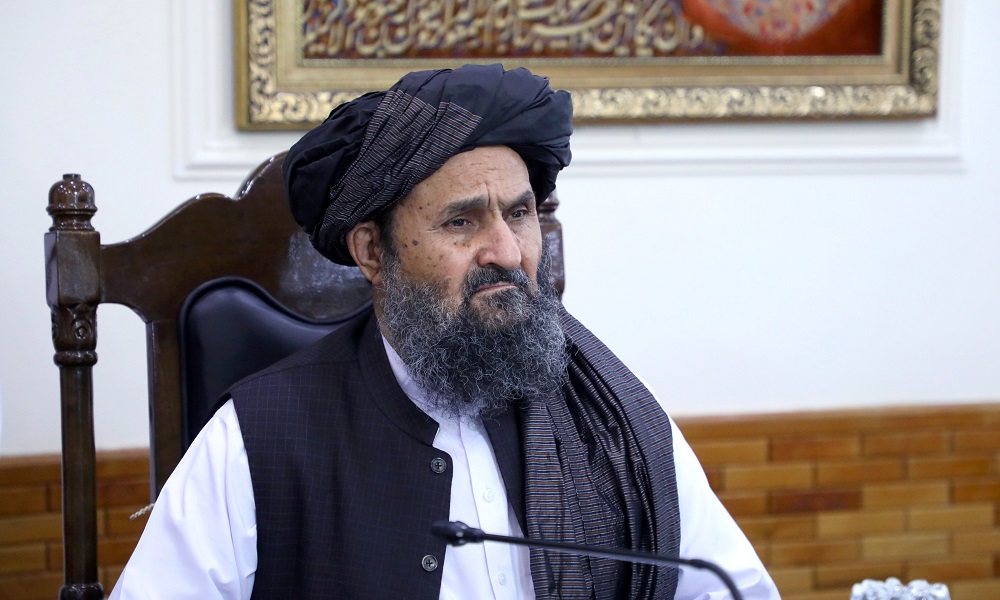
The action plan for establishing special economic zones across the country was approved on Wednesday by Mullah Abdul Ghani Baradar, Deputy Prime Minister for Economic Affairs.
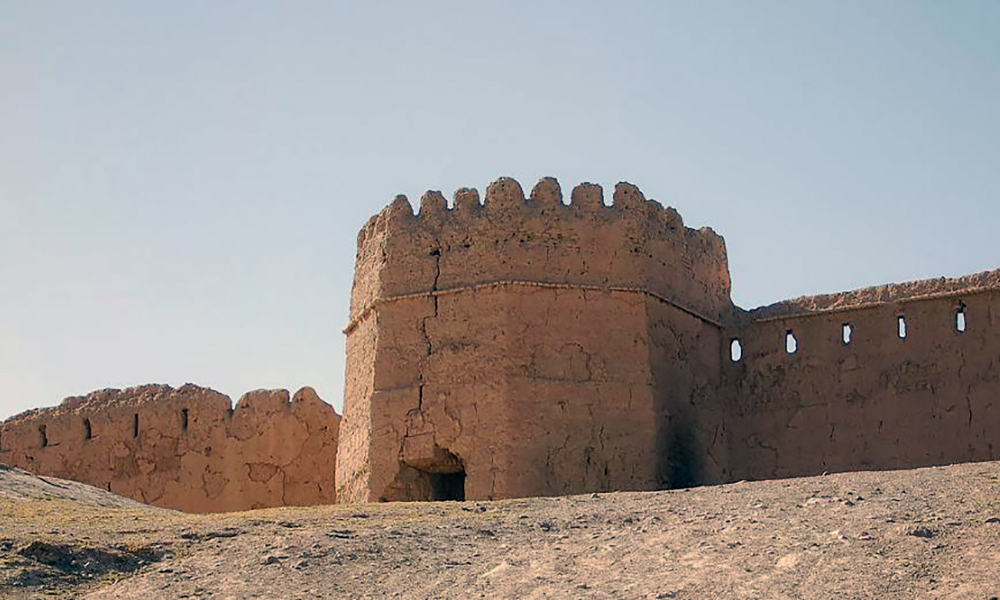
According to a decree issued by the Supreme Leader of the Islamic Emirate, these special economic zones will be established in the provinces of Kabul, Balkh, Nangarhar, Kandahar, Herat, Paktia, and Kunduz.
Under the plan, the Ministry of Industry and Commerce, in cooperation with other relevant ministries and government agencies, will identify the land required for these zones, determine the necessary sectoral activities and services, and create the conditions needed to attract investment.
The establishment of these special economic zones is aimed at attracting new investments, achieving a relative balance between exports and imports, and expanding production activities in a suitable environment, paving the way for a new phase of economic development in the country.
Latest News
Russian deputy prime minister to visit Kabul with high-level economic delegation
The visit aims to strengthen economic and trade relations between Afghanistan and Russia, explore investment opportunities and discuss potential joint economic projects.
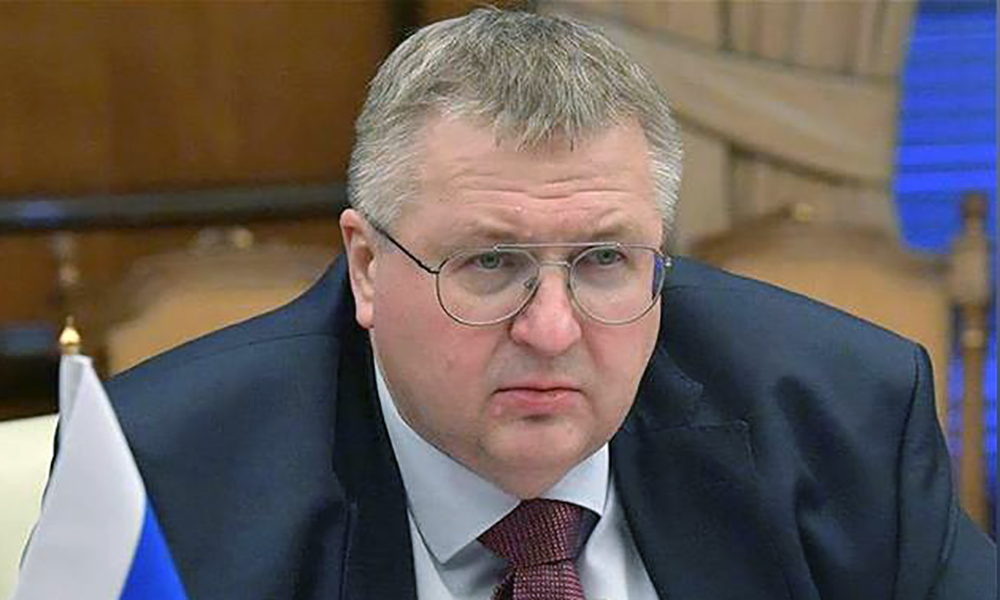
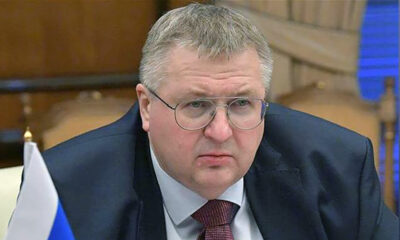
Russian Deputy Prime Minister Alexei Overchuk is scheduled to visit Kabul on Thursday, leading a high-level economic delegation, Afghanistan’s Ministry of Foreign Affairs has announced.
According to a statement by the ministry, the visit aims to strengthen economic and trade relations between Afghanistan and Russia, explore investment opportunities and discuss potential joint economic projects.
The visit is expected to provide an opportunity for officials from both countries to discuss ways of expanding bilateral economic cooperation and identifying new areas for trade and investment.
The ministry did not provide further details about the delegation’s programme or the specific projects expected to be discussed during the visit.
Latest News
UNESCO warns Afghanistan risks losing an entire generation of professionals as girls’ education ban continues
An estimated 2.4 million girls in Afghanistan are currently excluded from secondary education, while no girls enrolled in universities in 2026.
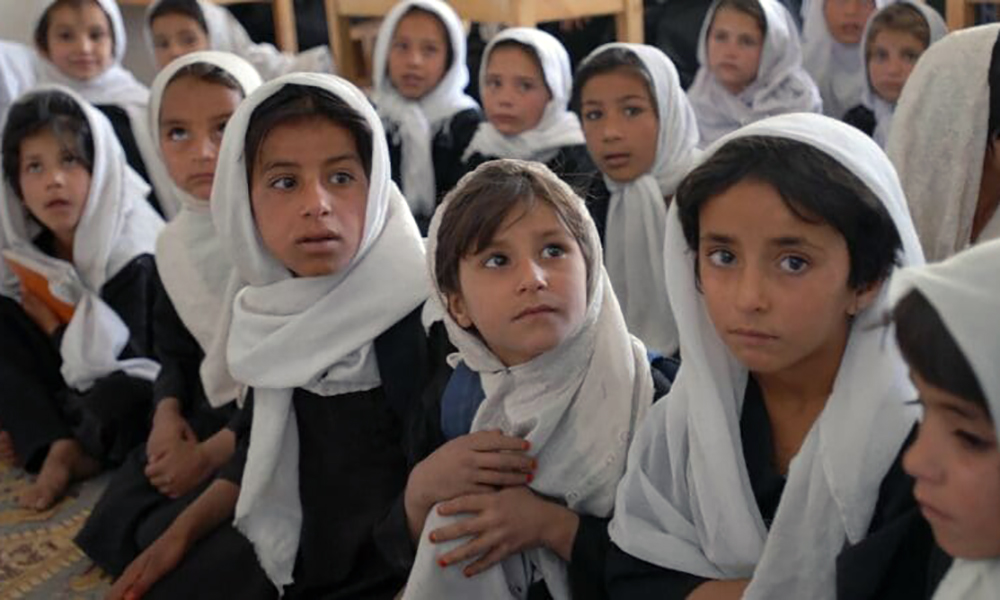
The United Nations Educational, Scientific and Cultural Organization (UNESCO) has warned that continued restrictions on girls’ and women’s education in Afghanistan could deprive the country of an entire generation of skilled professionals, particularly in education, healthcare and other essential sectors.
Hoda Jaberian, UNESCO’s Education in Emergencies Programme Coordinator, said Afghanistan cannot afford to lose another generation of learners, stressing the urgent need to restore access to education for girls and women.
According to a United Nations report published in November, an estimated 2.4 million girls in Afghanistan are currently excluded from secondary education, while no girls enrolled in universities in 2026.
Since the Islamic Emirate of Afghanistan returned to power in 2021, girls have been barred from attending secondary schools beyond Grade Six. Restrictions were further expanded in December 2022, when women were prohibited from attending universities, followed by a ban on women’s education at medical institutions in December 2024.
Jaberian emphasized that the immediate priority must be reopening schools to girls and allowing women to return to the formal education system, noting that alternative learning opportunities cannot replace regular schooling.
She also called for greater support for teachers, improved educational materials, stronger teaching standards and better data collection and planning to strengthen Afghanistan’s education system.
UNESCO warns that prolonged restrictions could have serious consequences for Afghanistan’s future, limiting the country’s ability to train the teachers, doctors and other qualified professionals needed for national development.


Baradar approves action plan for establishing special economic zones

Russian deputy prime minister to visit Kabul with high-level economic delegation
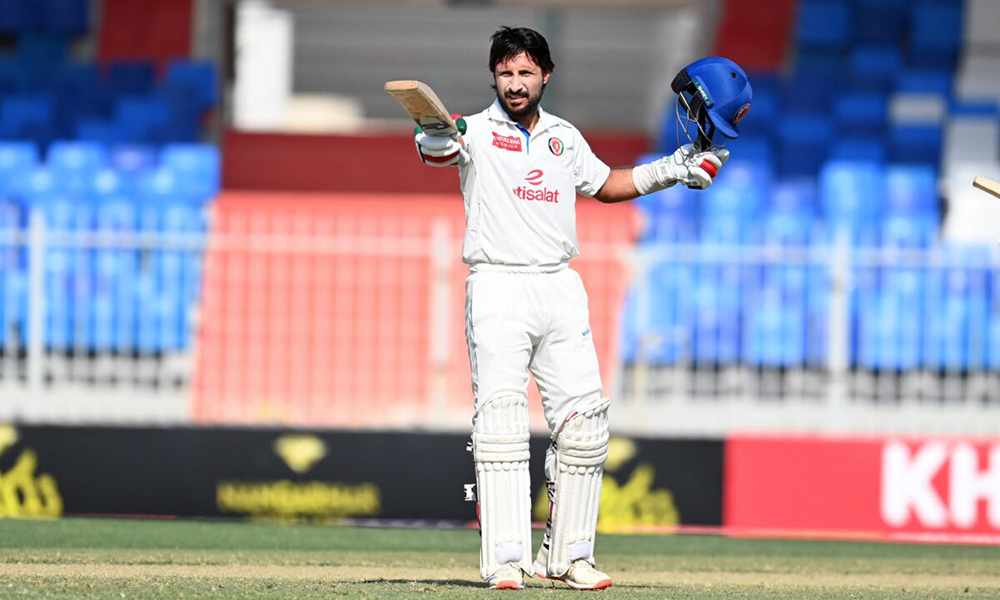
Historic first for Rahmat Shah after ICC rankings update
UNESCO warns Afghanistan risks losing an entire generation of professionals as girls’ education ban continues
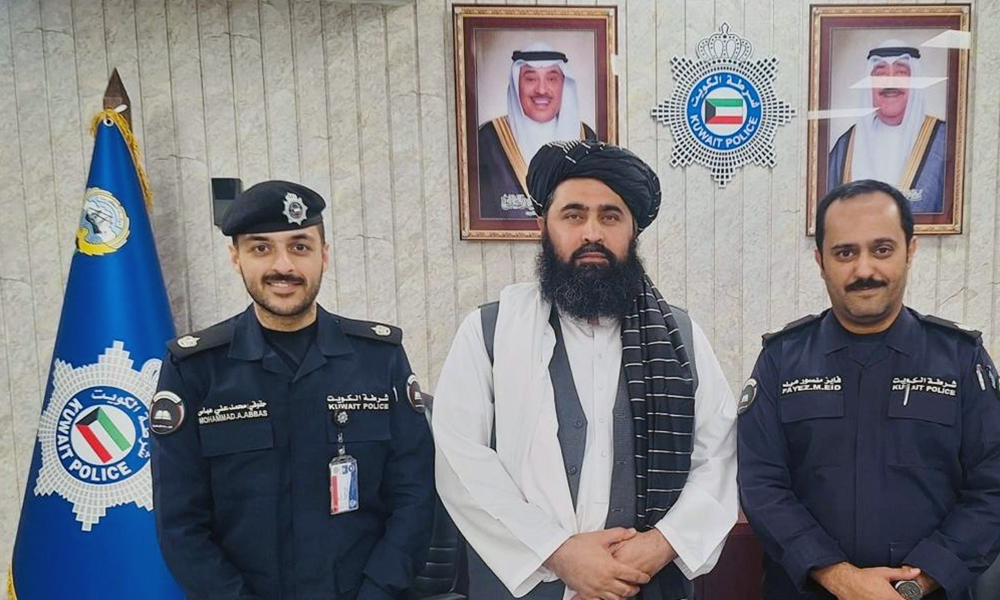
Afghan embassy in Kuwait discusses situation of Afghan prisoners with Kuwaiti officials

Afghanistan finish runners-up after 6-0 defeat to Brazil in futsal final

Trump says US may strike Iran’s ‘Pickaxe Mountain’ nuclear facility

Afghan futsal coach: Brazil tournament is first step towards new goals and World Cup

Violent protests spread across Europe as Albanian PM blames ‘foreign hand’

Rubio heads to Central Asia while other US officials hit foreign policy hot spots

Tahawol: Efforts to halt deportation of Afghan refugees from US discussed
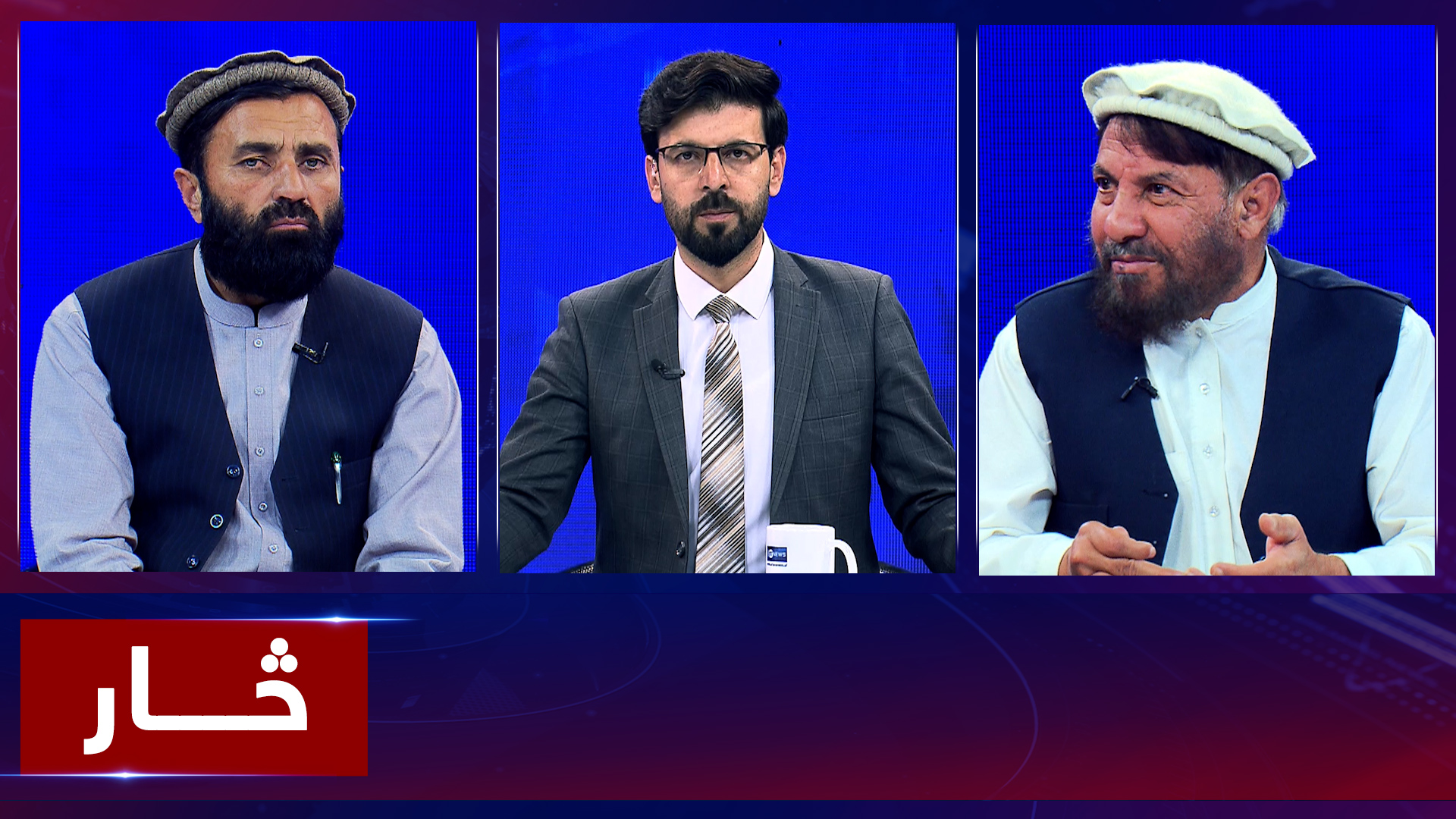
Saar: Russia’s stance on Afghanistan discussed

Trump says further US attacks on Iran ‘highly unlikely’ as peace talks gain momentum
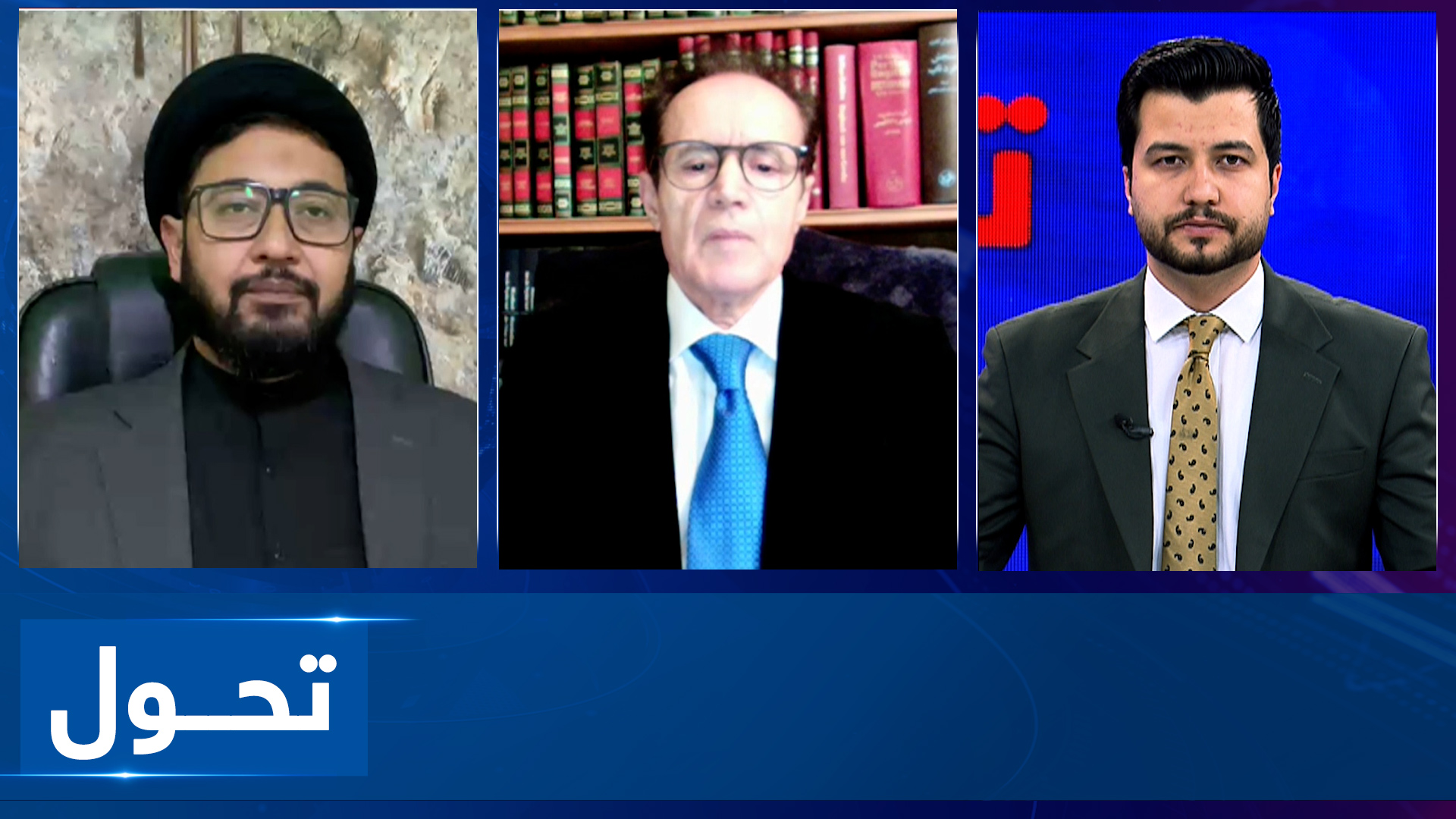
Tahawol: Geopolitical developments in the Middle East
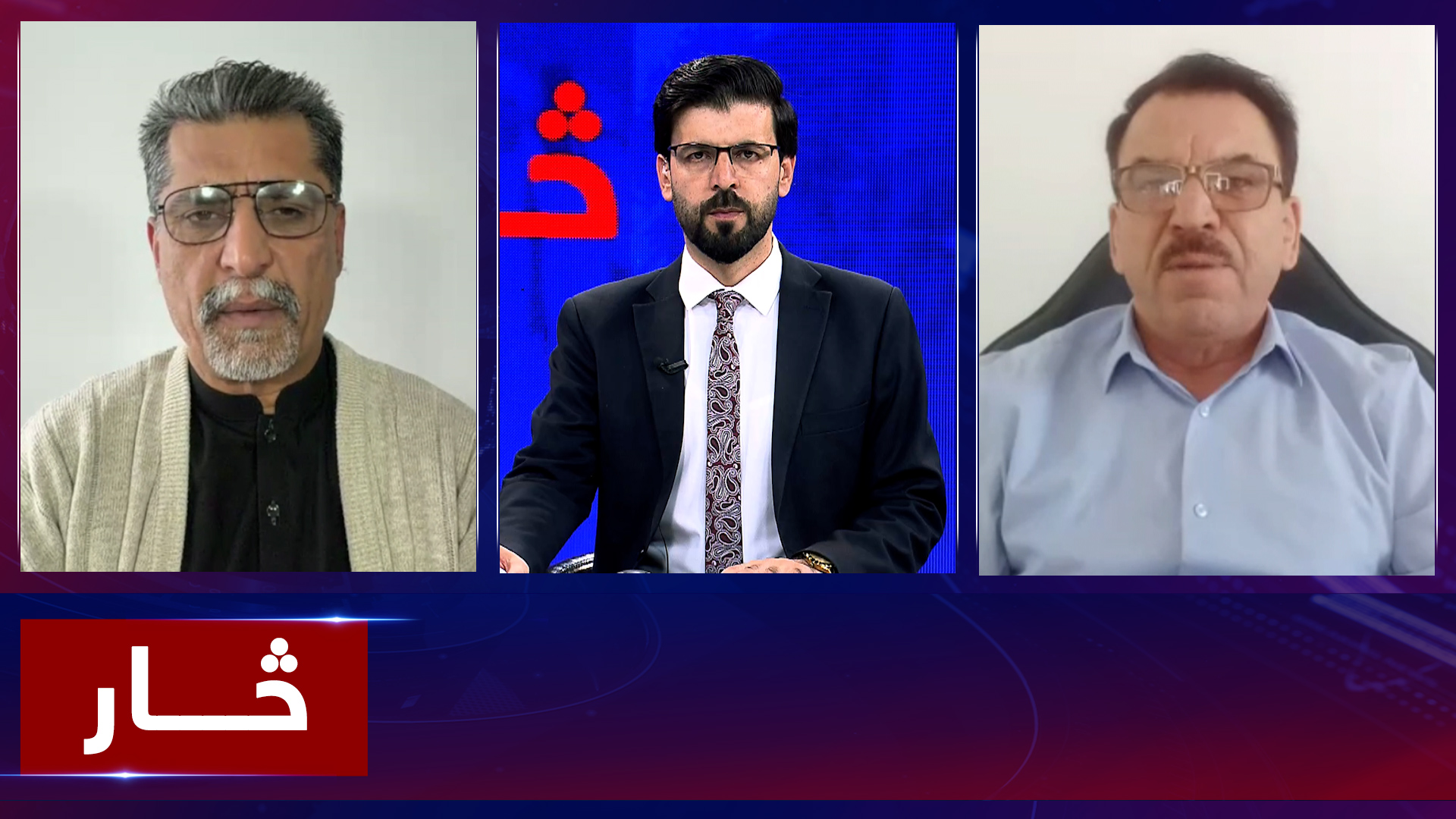
Saar: EU’s engagement with Afghanistan
-
 Sport3 days ago
Afghanistan’s record partnership highlights fourth day of Test against Zimbabwe
-
 World3 days ago
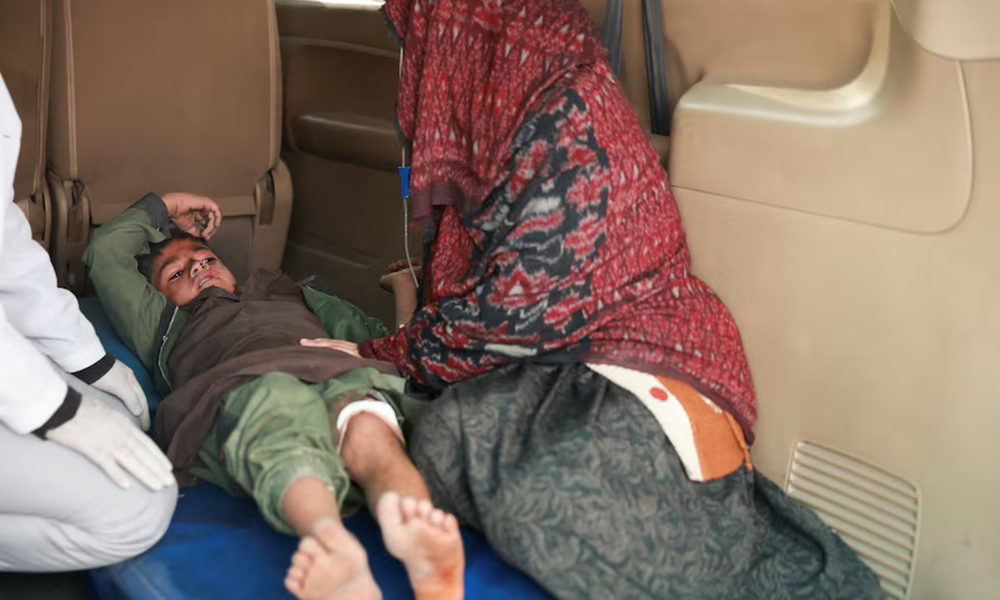
Houthi-run health ministry says airstrikes kill 33 near Yemen capital
-
 Regional4 days ago
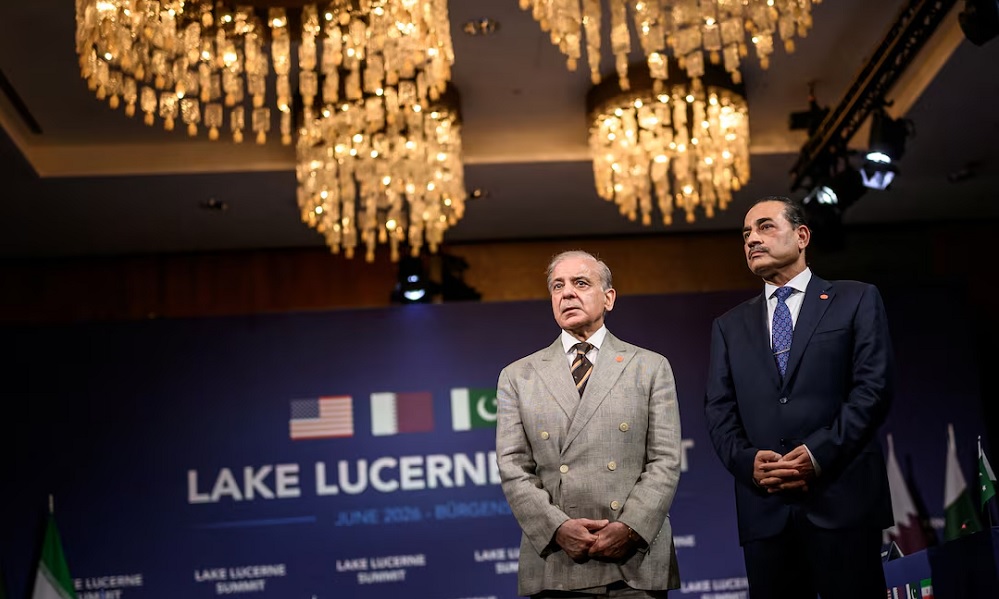
Pakistan’s leaders dread US Democrats’ win but its households are praying for it
-
 Sport5 days ago
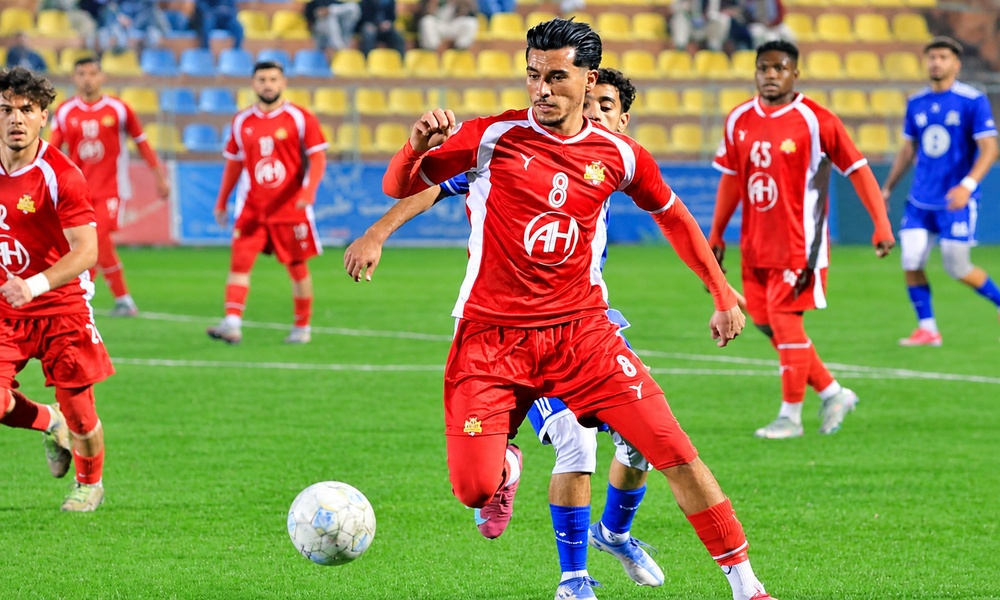
Abu Muslim Farah claim convincing 3-0 win over Omar Zawak in ACL
-
 Sport4 days ago
Toofan Herat defeat Arman FC 2–0 in Afghanistan Champions League
-
 Sport3 days ago
Afghanistan thrash Senegal 6-0 to reach Dakar Youth Olympics futsal semi-finals
-
 Sport2 days ago
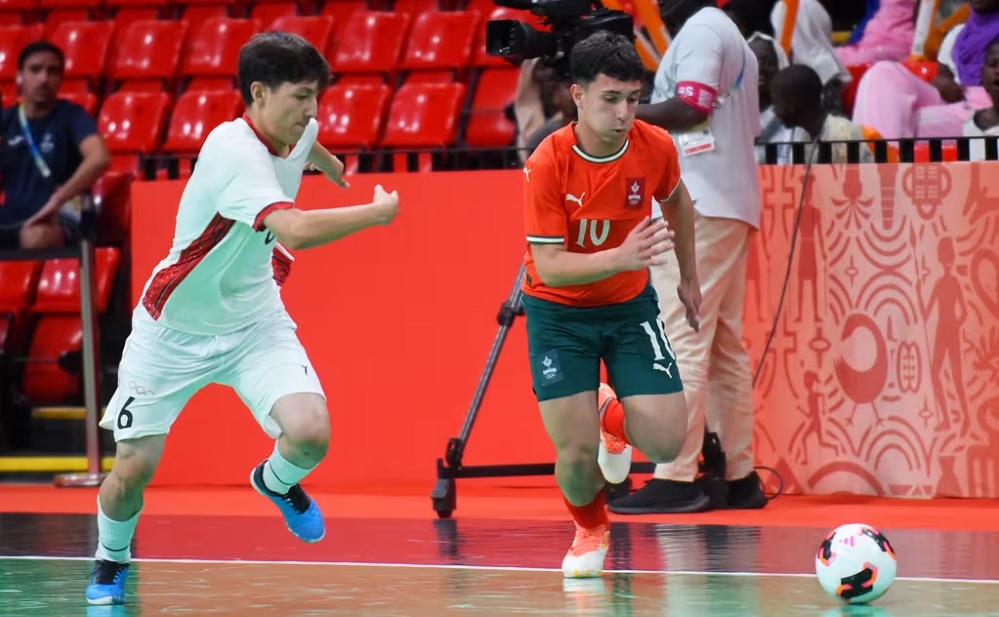
Portugal beat Afghanistan 2-0 in Dakar Youth Olympics futsal semi-finals
-
 Business4 days ago
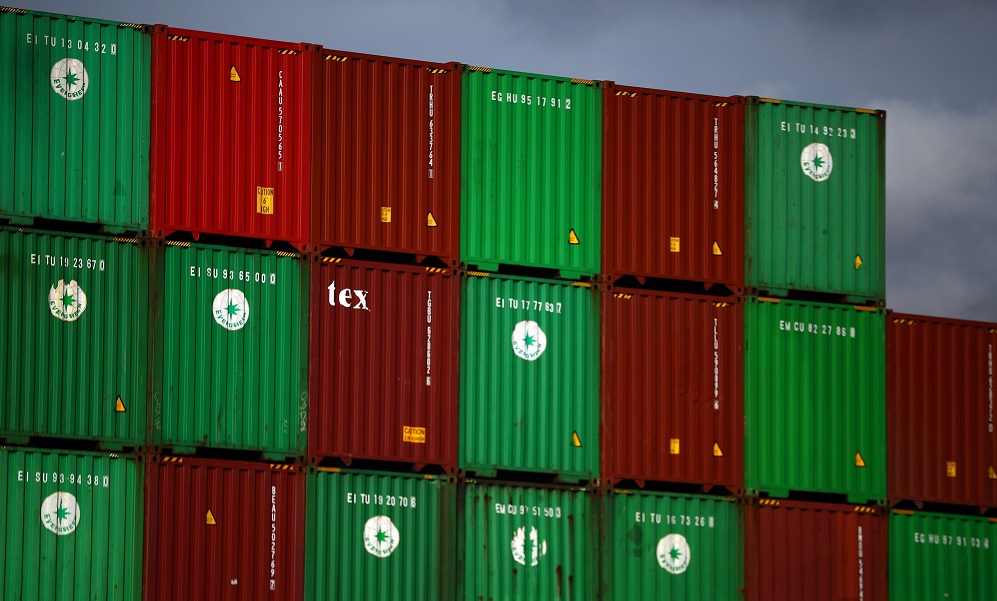
UK-Afghanistan trade falls 16.7% to £70 million over 12 months