
Health
400 confirmed cases of cholera in Zabul: Health officials

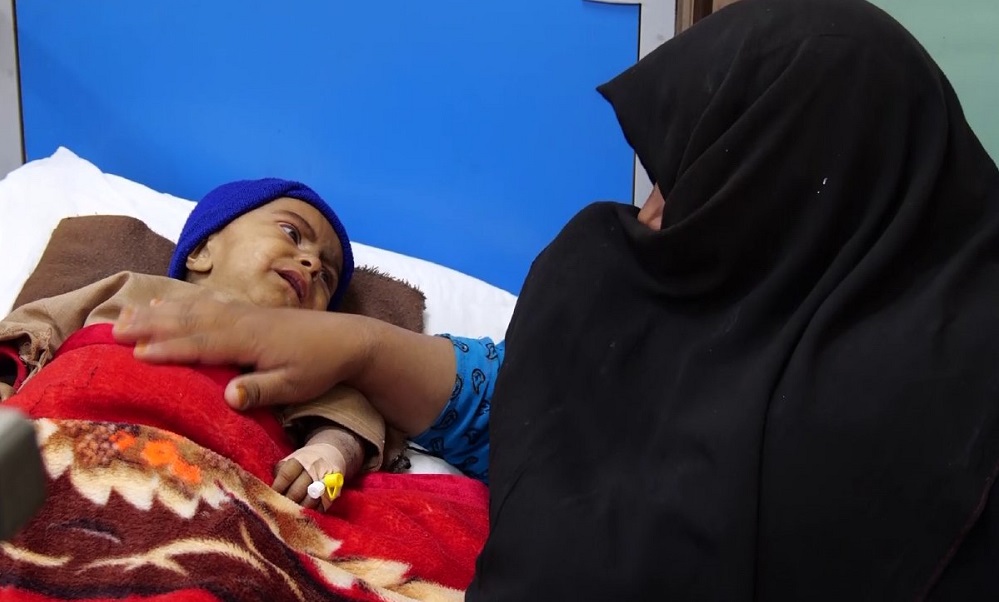
As many as 400 cholera cases have been confirmed in recent months in Afghanistan’s southern Zabul province, health officials said on Tuesday.
Javed Hazhir, a spokesman for Public Health Ministry, said that cases have been reported in other provinces but that more cases of cholera are reported in warmer provinces in the country.
“Kabul, Nangarhar, Herat, Helmand and Kandahar are among provinces with the most number of cases,” Hazhir said.
He advised citizens to wash their hand before having a meal and after every trip to the toilet.
The lack of access to health facilities, poverty and unemployment are said to be the major causes of the increase in the number of cholera cases.
“I request the Public Health Ministry to pay attention to the outbreak in order to prevent deaths,” said Rahmatullah, a resident of Zabul.
Subhanullah, another Zabul resident, said that people are poor and they can’t afford to buy medicines.
The cholera surge comes as Afghanistan is already grappling with the challenges of drought, poverty and an economic crisis.
Afghanistan is in the grips of one of the worst humanitarian crises in the world and international organizations have warned of the collapsing healthcare system.
The country is also facing multiple outbreaks of disease, including COVID-19, measles, and diarrhea, as well as acute malnutrition.





Health
Save the Children warns of rising child malnutrition amid funding cut crisis
The organisation, which has worked in Afghanistan since 1976, currently operates programmes in nine provinces and works with partners in another 11.
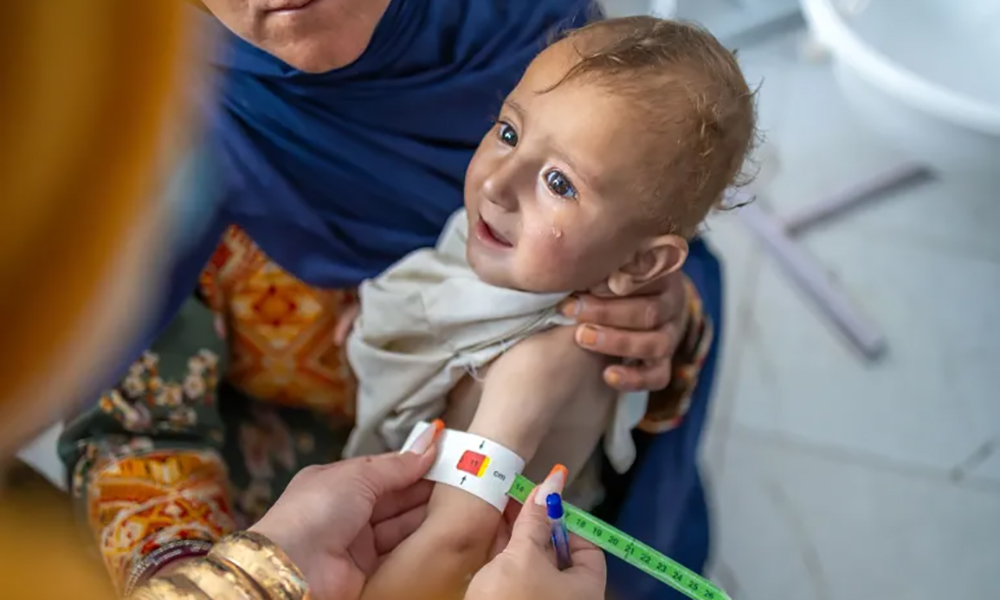
Nearly one in 10 Afghan children under five is suffering from acute malnutrition as funding cuts force the closure or suspension of hundreds of health facilities, Save the Children said in a statement this week.
The organisation said wasting worsened in two-thirds of Afghanistan’s provinces in the second quarter of 2026 compared with the same period last year. Acute malnutrition among children under five has risen by 14% over four years, affecting an estimated 3.7 million children this year.
At the same time, humanitarian funding has fallen by almost 70%, from $3.27 billion in 2022 to $1 billion in 2025. Only $438 million has been secured so far in 2026, leaving a 74% funding gap.
Save the Children said nearly 600 health facilities have closed or suspended services because of funding cuts, affecting around four million people, half of them children.
About 700,000 people, including 140,000 children under five, have lost access to primary healthcare since Save the Children-supported facilities and mobile teams were closed or scaled back because of funding shortages since early 2025.
In a remote mountainous area of northern Afghanistan, the organisation runs the only healthcare facility serving around 10,000 people. The clinic sees more than 100 patients a day, with some walking two to three hours for treatment.
Save the Children said residents who cannot afford the roughly $60 journey to the nearest city hospital would face a seven-hour walk if the clinic closes.
The organisation has kept 14 clinics operating through short-term funding but warned that their future remains uncertain.
Ashish Damle, Save the Children’s country director in Afghanistan, said worsening hunger, mass returns from Iran and Pakistan, displacement, disasters, conflict and prolonged drought were placing humanitarian resources under severe pressure.
“The world cannot look away,” Damle said, warning that poverty, water shortages, illness and declining household incomes were also increasing child labour and disrupting education.
Save the Children said Afghanistan’s population has grown by up to 12% since September 2023, while more than six million Afghans have returned from Iran and Pakistan amid tighter policies affecting Afghan nationals.
The organisation, which has worked in Afghanistan since 1976, currently operates programmes in nine provinces and works with partners in another 11.
Last year, it reached more than two million people, including nearly 5,000 children treated for severe acute malnutrition and 1.4 million people who received outpatient consultations.
Health
WHO warns aid cuts disrupting healthcare services across Afghanistan
Speaking to Ariana News, WHO Representative in Afghanistan said cuts in humanitarian assistance have placed the country’s health sector under increasing pressure.
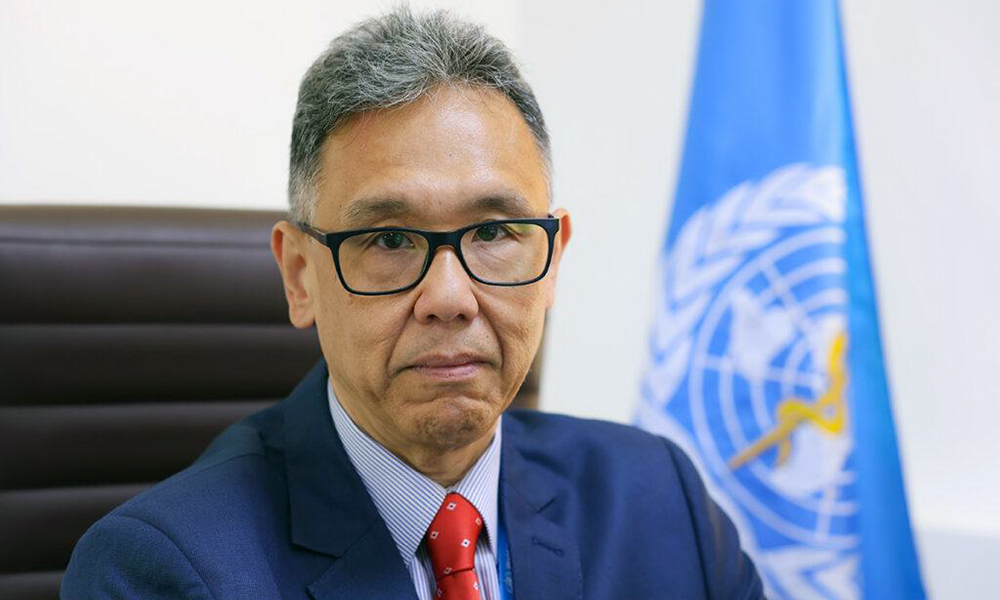
The World Health Organization (WHO) has warned that declining international humanitarian funding is disrupting healthcare services across Afghanistan, forcing some health facilities to close and limiting access to essential medical care.
Speaking to Ariana News, WHO Representative in Afghanistan Edwin Ceniza Salvador said cuts in humanitarian assistance have placed the country’s health sector under increasing pressure, with many healthcare centers struggling to remain operational.
He said the funding shortfall is largely due to the growing number of humanitarian crises around the world, which have diverted international financial resources away from Afghanistan.
Salvador stressed that while continued humanitarian support remains essential, Afghanistan must also increase domestic investment in healthcare to build a more sustainable system.
“We have unfortunately seen a decline in global humanitarian funding in recent months because new emergencies have emerged in different parts of the world,” Salvador said. “As a result, many health facilities in Afghanistan are facing difficulties, and some have been forced to close. Alongside continued humanitarian support, greater domestic investment and increased funding for the health sector are essential.”
He noted that Afghanistan continues to face the effects of years of conflict, natural disasters and drought, making humanitarian assistance a critical lifeline for millions of people.
Despite the funding challenges, Salvador said the country has made progress in key health indicators, including increased childhood vaccination coverage and a decline in maternal mortality. However, he said expanding access to healthcare will require broader cooperation across government institutions and development partners.
The WHO warning comes amid growing concern from UN agencies over shrinking humanitarian funding for Afghanistan. Aid organizations have warned that reduced international assistance, coupled with the return of millions of Afghan migrants and the increasing impact of natural disasters, could further strain the country’s already fragile healthcare system and deepen the humanitarian crisis.
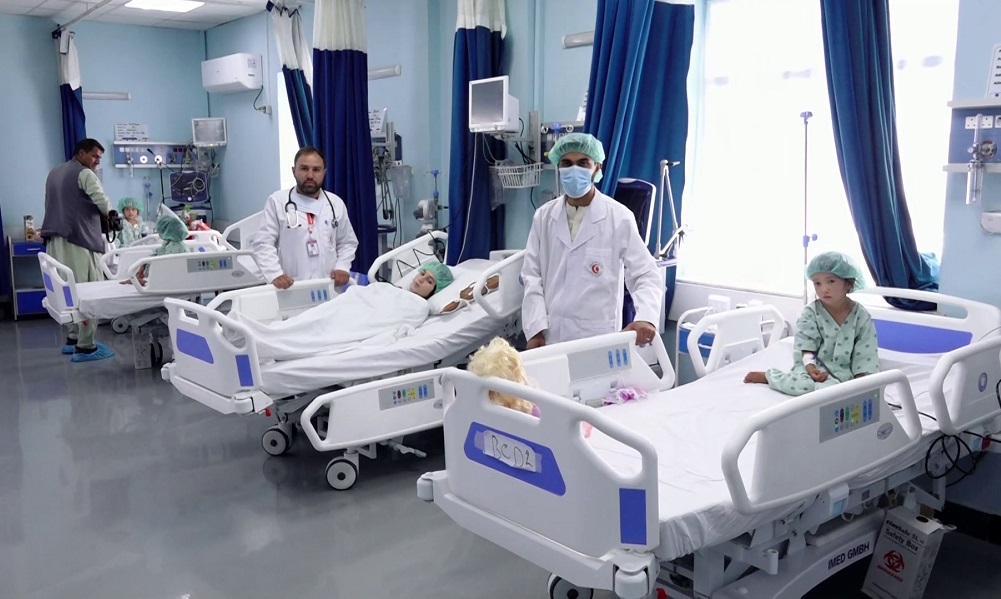
A pediatric hospital for treating heart diseases, particularly congenital heart defects such as holes in the heart, has been inaugurated in Kabul by the Afghan Red Crescent Society.
Officials from the organization say the hospital has the capacity to treat up to 2,000 patients annually and will provide free diagnosis, treatment, and heart surgery services around the clock.
Shahabuddin Delawar, head of the Afghan Red Crescent Society, said the construction costs of the facility were covered through the organization’s own budget.
Previously, many patients suffering from heart conditions, especially children with holes in the heart, had to seek treatment at private hospitals or medical centers abroad due to limited access to specialized services inside the country.
Abdul Salam Hanafi, Administrative Deputy Prime Minister, said during the inauguration ceremony that the opening of the facility would help provide treatment for a large number of patients in need. He added that economic challenges had previously prevented many patients from accessing necessary medical services.
The head of the Afghan Red Crescent Society said local and foreign specialist doctors at the hospital will provide free, 24-hour cardiac services to patients, with efforts underway to ensure quality medical care.
Meanwhile, specialists at the hospital said modern medical equipment for diagnosing and treating heart diseases has been prepared at the facility.
The opening of the hospital offers new hope for patients, particularly children with congenital heart conditions, allowing them to receive free and specialized cardiac treatment inside Afghanistan and reducing the need for costly treatment abroad.


US aid cuts in Afghanistan linked to preventable deaths, report says

Funding cuts put Afghan women at risk as clinics close, CARE warns

Turkey lays out plans for defence pact with Pakistan and Saudi Arabia

US says it can keep naval blockade on Iran ‘indefinitely,’ vows more economic pressure

Tahawol: Trade cooperation between Afghanistan and Iran discussed

Pakistan’s governance system has ‘collapsed’: Mohsin Naqvi

Spain sweep FIFA World Cup player awards after historic triumph

Iran, Afghanistan and Tajikistan discuss expanding regional transit cooperation

Afghanistan temporarily eases fuel import standards to help curb rising prices

Kazakhstan to import metallurgical raw materials from Afghanistan
Tahawol: Trade cooperation between Afghanistan and Iran discussed

Saar: Discussion on Islamic Emirate’s five-year journey

Tahawol: Afghanistan’s future in the global press discussed

Saar: The Islamic Emirate’s five-year rule discussed

Tahawol: Hamid Karzai’s call for Afghan reconciliation discussed
-

 Sport4 days ago
Abasin Defenders stun Kabul Zalmi in Kabul Premier League
-

 Sport4 days ago
Kabul Premier League gets underway with high-scoring opener
-

 Latest News5 days ago
Ariana Airlines brings $2.3 million Boeing 737 engine from US to Kabul
-

 Regional4 days ago
Iran ties Hormuz reopening to US concessions on several demands
-

 World5 days ago
Israel rejects Trump’s 15-point plan for Gaza, PM Netanyahu says
-

 Sport4 days ago
Afghanistan beat Ireland by 3 wickets in third ODI
-
 Latest News5 days ago
Afghanistan issues more than 650,000 passports in one year
-
 Latest News4 days ago
MoU on TAPI gas purchase signed between Afghan Gas and Türkmengaz