
Regional
U.S. forces carry out series of strikes against Iran-backed militia in Iraq

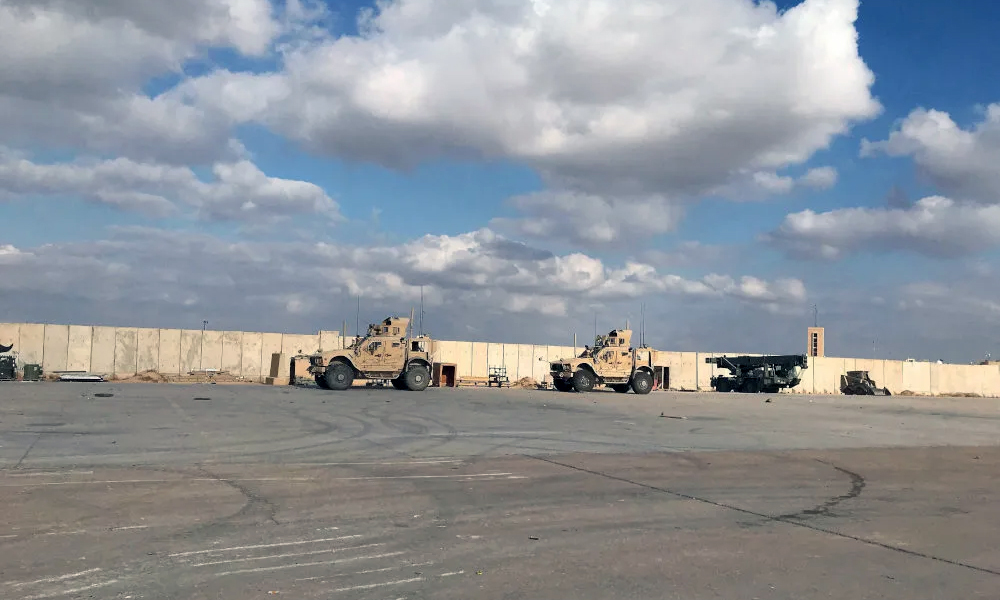
The United States carried out two series of strikes in Iraq against Iranian-backed militants, U.S. officials said on Tuesday, in the first publicly reported U.S. responses in Iraq to dozens of recent attacks against troops in the region, Reuters reported.
Until this week, the United States had been reluctant to retaliate in Iraq because of the delicate political situation there.
Iraqi Prime Minister Mohammed Shia Al-Sudani has limited control over the Iranian-backed militias, whose support he needed to win power a year ago and who now form a powerful bloc in his governing coalition.
The strike on Tuesday evening targeted two facilities in Iraq, the U.S. military said in a statement.
“The strikes were in direct response to the attacks against U.S. and Coalition forces by Iran and Iran-backed groups,” the statement said.
The strike by fighter aircraft targeted and destroyed a Kataeb Hezbollah operations center and a Kataeb Hezbollah Command and Control node near Al Anbar and Jurf al Saqr, south of Baghdad, a U.S. defense official said, speaking on condition of anonymity.
Iraq’s Kataeb Hezbollah militia is a powerful armed faction with close ties to Iran, read the report.
The official said there were Kataeb Hezbollah personnel present, but an assessment was ongoing about casualties.
About 24 hours earlier, U.S. forces were attacked at an air base west of Baghdad and a U.S. military AC-130 aircraft responded in self-defense, killing a number of Iranian-backed militants, U.S. officials said.
Ain al-Asad air base was attacked by a close-range ballistic missile that resulted in eight injuries and minor damage to infrastructure, two U.S. officials said.
The United States had so far limited its response to the 66 attacks against its forces in Iraq and neighboring Syria, claimed by Iran-aligned Iraqi militia groups, to three separate sets of strikes in Syria, Reuters reported.
At least 62 U.S. personnel have suffered minor injuries or traumatic brain injuries in the attacks.
The attacks began on Oct. 17 and have been linked by Iraqi militia groups to U.S. support for Israel in its bombardment of Gaza following attacks by Palestinian militant group Hamas on Israel.
The attacks against U.S. targets have ended a year-long unilateral truce that Iraqi factions, some formed in the aftermath of the 2003 U.S. invasion to fight U.S. troops and others in 2014 to fight Islamic State, declared with Washington.
Social media accounts linked to Iran-aligned Iraqi militias published a statement in the name of the “Islamic Resistance in Iraq” mourning a member who they said had been killed in battle against U.S. forces on Tuesday, without elaborating.
His killing is the first reported casualty in Iraq linked to the Gaza war, which has drawn in other factions in Iran’s network of regional militias, known as the Axis of Resistance, such as Lebanon’s Hezbollah.
The United States has 900 troops in Syria and 2,500 in Iraq on a mission it says aims to advise and assist local forces trying to prevent a resurgence of Islamic State, which in 2014 seized large swaths of both countries before being defeated.




Regional
US strikes Iranian military site as Gulf states report fresh attacks
The IRGC claimed earlier it had struck a US military radar system at Bahrain’s Sheikh Isa Air Base using drones.
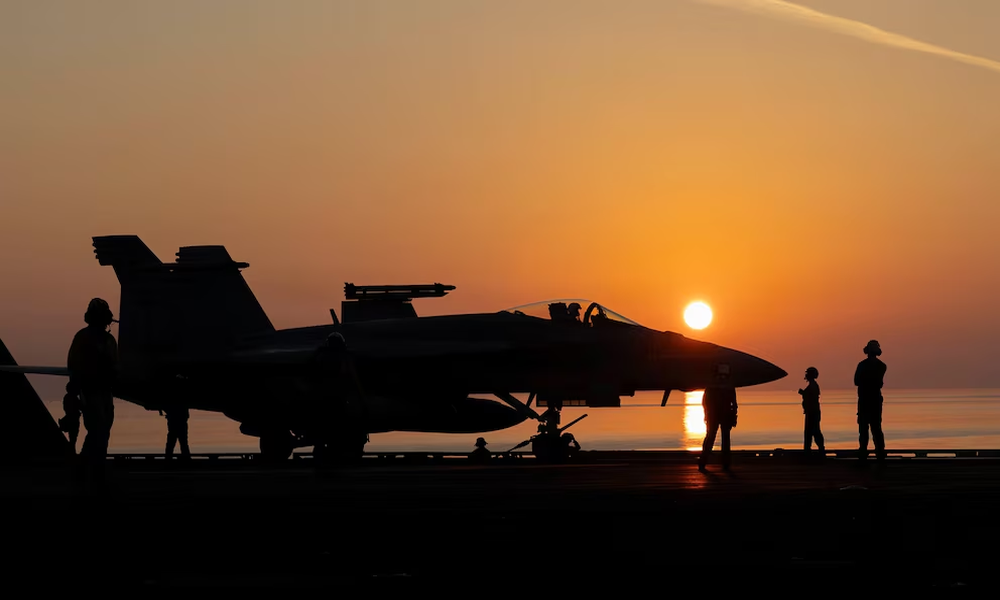
US warplanes struck an Iranian military installation on Qeshm Island in the Strait of Hormuz on November 17, as Bahrain and Kuwait reported fresh aerial attacks and diplomatic efforts continued to prevent further escalation across the Gulf.
A US military official told Reuters that American aircraft targeted a site belonging to Iran’s Islamic Revolutionary Guard Corps (IRGC), in response to attacks on US personnel and military assets.
Ahmad Nafisi, deputy governor of Iran’s Hormozgan province, confirmed the strikes on Qeshm Island but said residential areas, businesses and critical infrastructure had not been damaged. He did not provide details of casualties or damage to military facilities.
Earlier, the IRGC claimed it had struck a US military radar system at Bahrain’s Sheikh Isa Air Base using drones. It described the attack as retaliation for what it called repeated violations of Iranian airspace by American military drones.
However, US Central Command rejected the claim, saying the incoming drones had been intercepted without causing damage to American equipment or injuring US personnel.
Bahrain, which hosts the US Navy’s Fifth Fleet, reported further aerial interceptions in the early hours of November 18, accusing Iran of continuing attacks against the kingdom. The Interior Ministry issued two emergency alerts instructing residents to seek shelter before announcing that the threat had passed.
Kuwait’s military also reported that its air defence systems were engaging hostile drones, although it did not identify their origin or provide details of casualties or damage.
Shipping tensions escalate in Strait of Hormuz
The latest military exchanges coincided with further reports of attacks on commercial shipping in the Strait of Hormuz, a critical international energy and trade route.
Iran’s Revolutionary Guards said a tanker caught fire after striking a mine near Oman’s Ghanam Island while travelling along a route that Tehran had not authorized. The statement did not identify the vessel or provide information about its crew.
Iranian forces also reported fires aboard other vessels in the strait, although Reuters said it could not independently verify the claims.
Separately, the United Kingdom Maritime Trade Operations (UKMTO) agency reported that the crew of a tanker attacked north of Oman’s port of Khasab could not be accounted for.
The vessel, which was first attacked on November 16, reportedly sustained a second strike and caught fire again.
Diplomatic efforts continue
Despite the renewed military activity, diplomatic efforts to contain the conflict continued, with Qatar and Oman maintaining contacts aimed at reducing tensions between Washington and Tehran.
Qatari Foreign Ministry spokesman Majed Al Ansari said on November 17 that mediation efforts to narrow differences between the two sides were ongoing.
He warned that further escalation threatened maritime navigation, the global economy and the prospects of reaching an agreement, urging all parties to exercise restraint.
Iranian Foreign Minister Abbas Araghchi also travelled to Oman, where he met Sultan Haitham bin Tarik and Foreign Minister Badr Albusaidi.
Oman’s Foreign Ministry said the discussions focused on efforts to de-escalate tensions and create conditions for a peaceful resolution to the crisis.
In Ankara, Turkish Foreign Minister Hakan Fidan called for the reopening of the Strait of Hormuz and a swift, positive conclusion to negotiations between the United States and Iran.
Fidan urged Tehran to demonstrate its willingness to resolve the dispute, stressing the importance of restoring safe maritime navigation and addressing the security concerns of neighbouring countries.
The conflict began on February 28 with US-Israeli strikes against Iran. Washington has maintained a blockade of Iranian ports, while Tehran continues to restrict shipping through the Strait of Hormuz.
Disagreements over maritime access and the US blockade remain major obstacles to diplomatic efforts to end the conflict.
Regional
Oman and Iran discuss restoring shipping through Strait of Hormuz
Oman’s Foreign Ministry said the talks focused on protecting maritime corridors and ensuring the continued movement of commercial shipping.
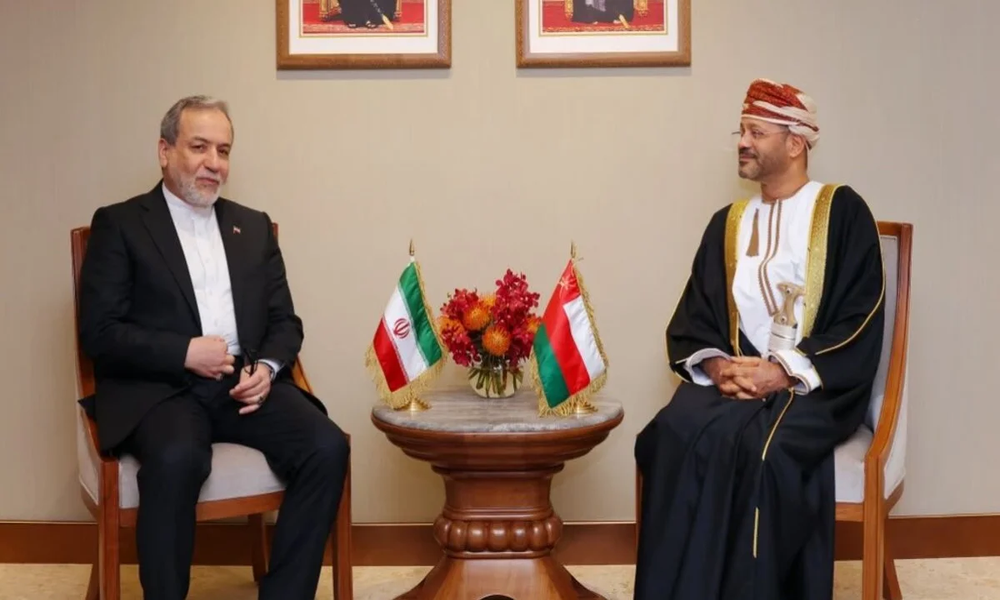
Oman and Iran have held talks on safeguarding maritime routes and restoring the smooth flow of international shipping and trade as disruption in the strategically important Strait of Hormuz continues to threaten global energy supplies.
The discussions took place during a visit to Oman by Iranian Foreign Minister Abbas Araqchi on Tuesday, November 17. He met Oman’s Foreign Minister Badr Albusaidi, with both sides discussing ways to revive diplomatic channels and prevent further escalation of the crisis.
In a statement, Oman’s Foreign Ministry said the talks focused on protecting maritime corridors and ensuring the continued movement of commercial shipping.
The two ministers also discussed revitalising dialogue and negotiation channels, with the aim of expanding common ground between the parties involved and preventing the crisis from widening.
Oman, which lies along the southern coast of the Strait of Hormuz, has played an important mediating role since the conflict began with US and Israeli attacks on Iran on February 28.
The waterway has become a major flashpoint in the conflict, with attacks on commercial vessels increasing as Iran continues to disrupt shipping and Washington maintains a naval blockade against Tehran.
The Strait of Hormuz is one of the world’s most important maritime chokepoints. Before the conflict, it carried approximately one-fifth of global oil and gas supplies, making its continued disruption a serious concern for energy markets and international trade.
Tensions have also extended to maritime infrastructure. Iran reportedly attacked shipping navigation systems on Oman’s Didamar Island last week, raising concerns about the security of facilities needed to maintain and restore commercial shipping through the Gulf.
With exports increasingly affected, regional producers have been exploring alternative arrangements, including ship-to-ship transfers off the coasts of Oman and the United Arab Emirates. The US military has also been assisting commercial vessels navigating the strait.
Oman and Iran have previously held discussions over managing maritime traffic through the waterway, including talks in August. Before the war, commercial vessels generally transited freely through the internationally recognised shipping route.
The latest diplomatic engagement comes as efforts to end the conflict continue, with the future of the Strait of Hormuz emerging as a central issue in negotiations.
Any prolonged disruption could have far-reaching consequences for global oil supplies, shipping costs and the wider economy, particularly as the conflict continues to spread across the Middle East.
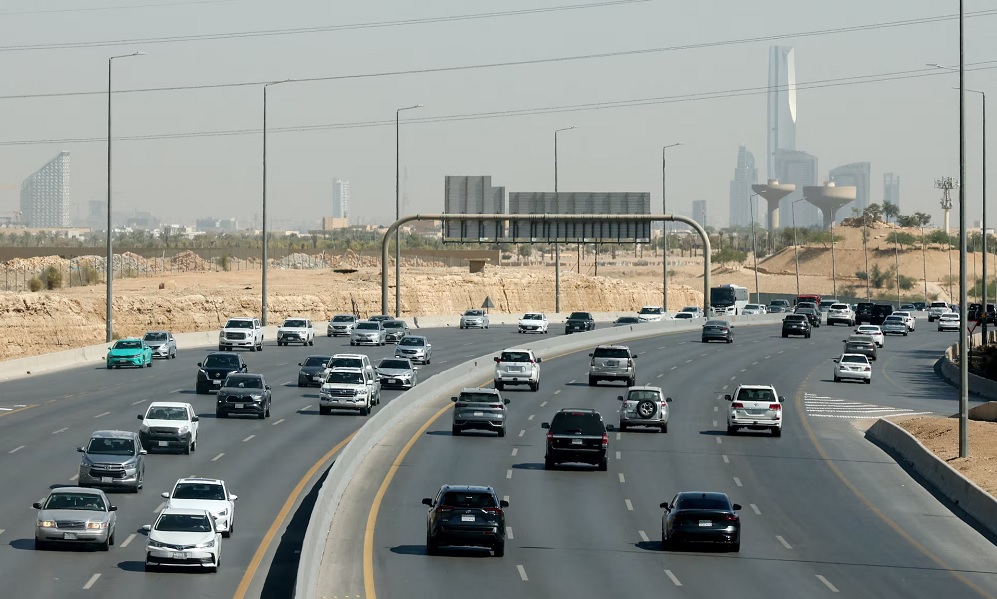
The Saudi-led coalition fighting Yemen’s Iran-aligned Houthis said on Sunday it had intercepted two Houthi ballistic missiles launched towards the Saudi capital Riyadh and three drones in the kingdom’s oil-rich Eastern Province.
The Houthis, who control most of the populous parts of Yemen, have intensified attacks on the Saudi capital in recent days. A Houthi attack last week damaged an administrative building of the state oil company Saudi Aramco in Riyadh’s financial hub, Reuters reported.
The Eastern Province, the economic powerhouse of Saudi Arabia, has been subject to multiple attacks by Houthis in the past few weeks.
It contains the majority of the kingdom’s oil and gas reserves and is home to Aramco’s headquarters, which suffered extensive damage in an attack in October.
The Houthis have stepped up strikes on Saudi airports, ports and oil facilities, while Saudi Arabia has ramped up airstrikes on Houthi targets in Yemen in response.

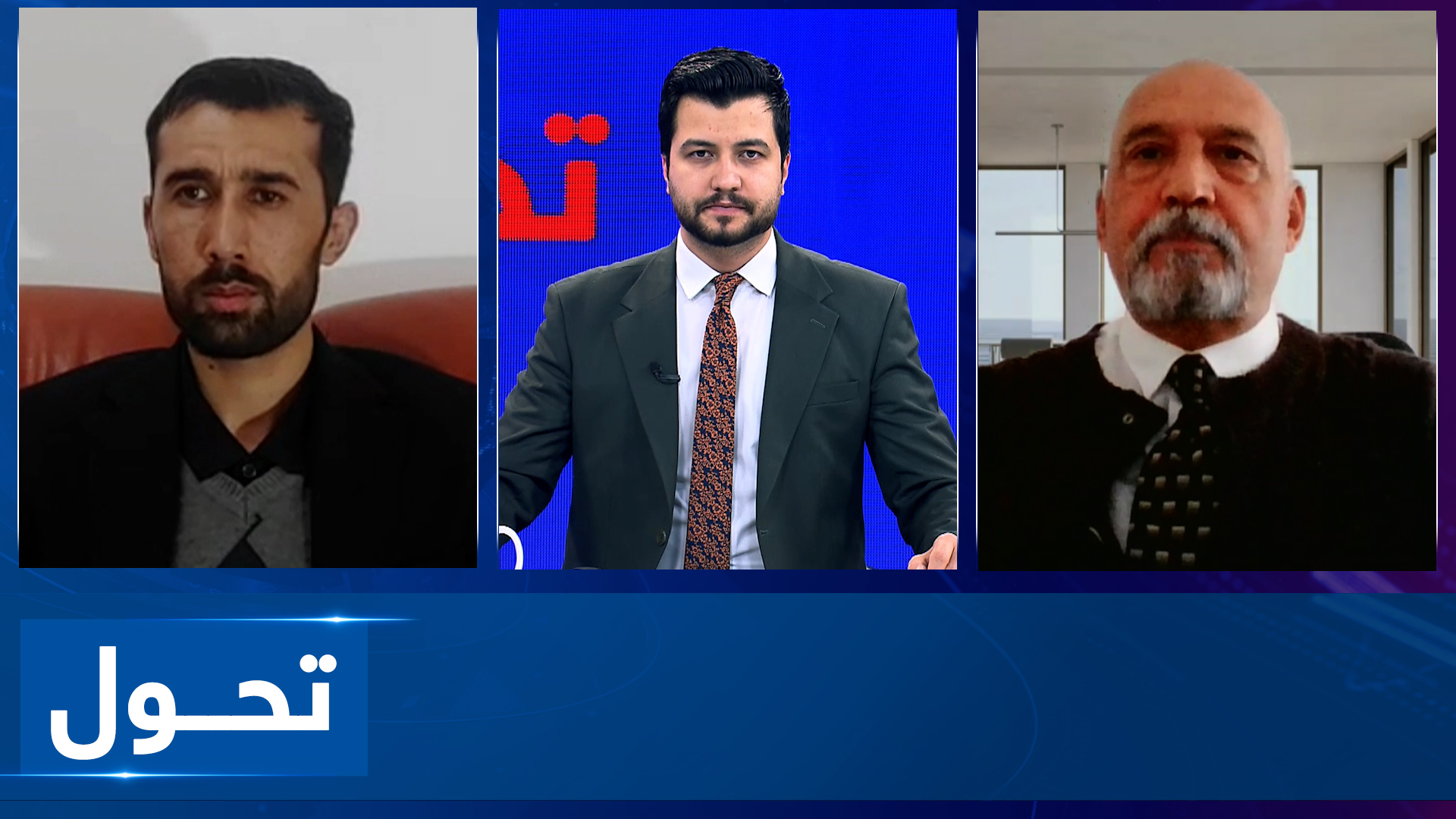
Tahawol: Kazakhstan’s call for practical international engagement with Afghanistan

Saar: Afghanistan and UN: 80 years of diplomatic relations discussed
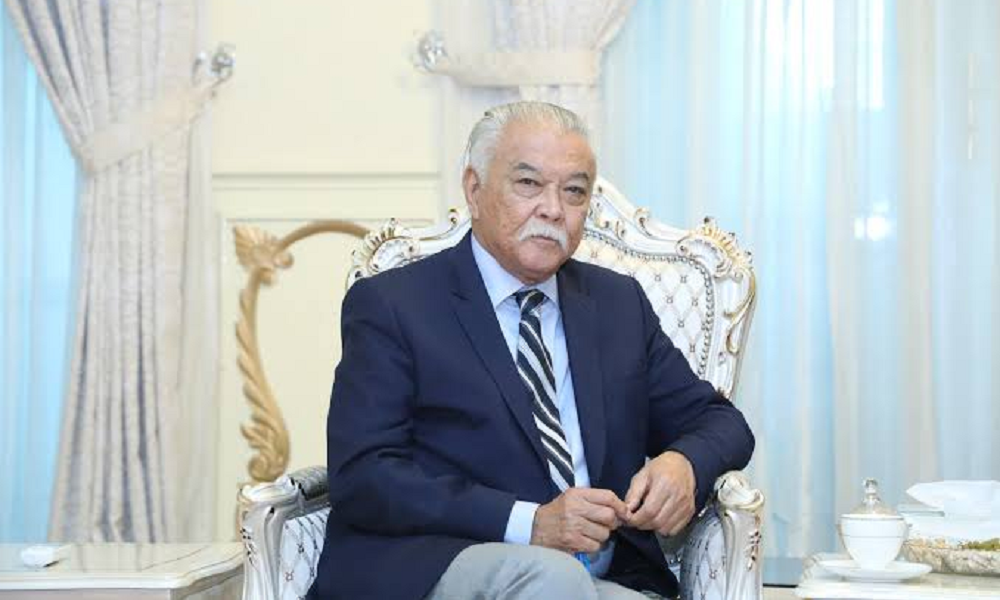
Sweden rejects asylum request of former Afghan ambassador, plans deportation to US: Le Monde

World Court finds Myanmar forces killed thousands of Rohingya, ruling ongoing
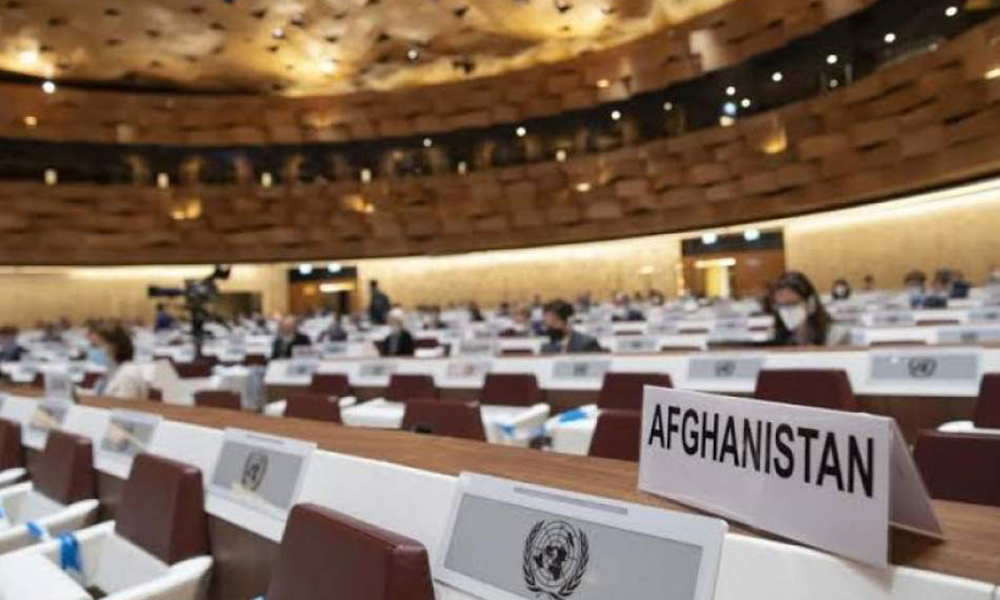
Afghanistan marks 80 years of UN membership amid ongoing dispute over representation

Governments take websites offline as critical cyber flaws trigger global alert

Afghanistan’s new Wakhan road to China faces major hurdles
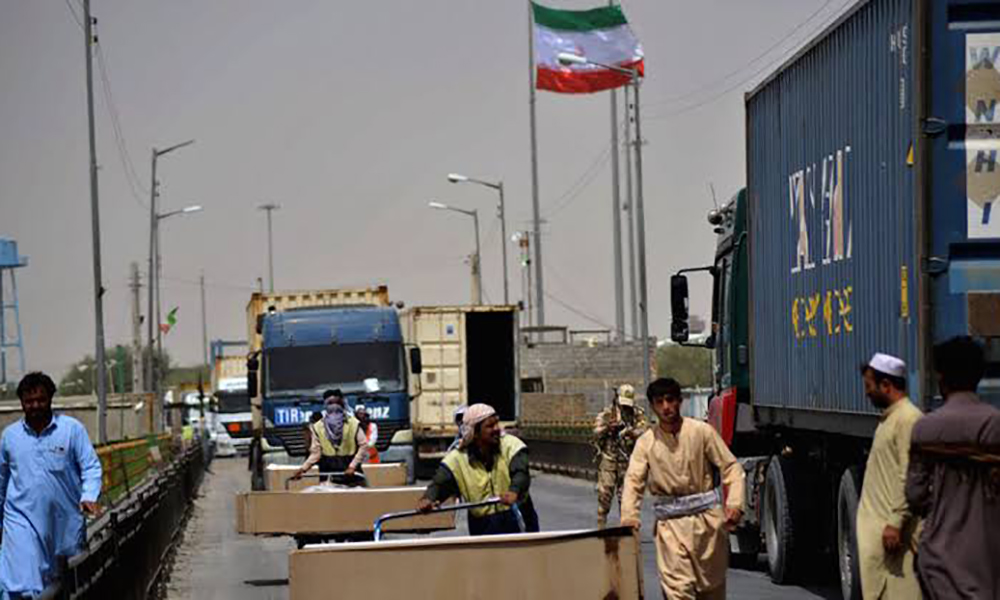
US sanctions and blockade measures disrupt Iran’s trade with Afghanistan and regional neighbors

Pakistan exporters suffer billions in losses as Afghanistan trade halt continues
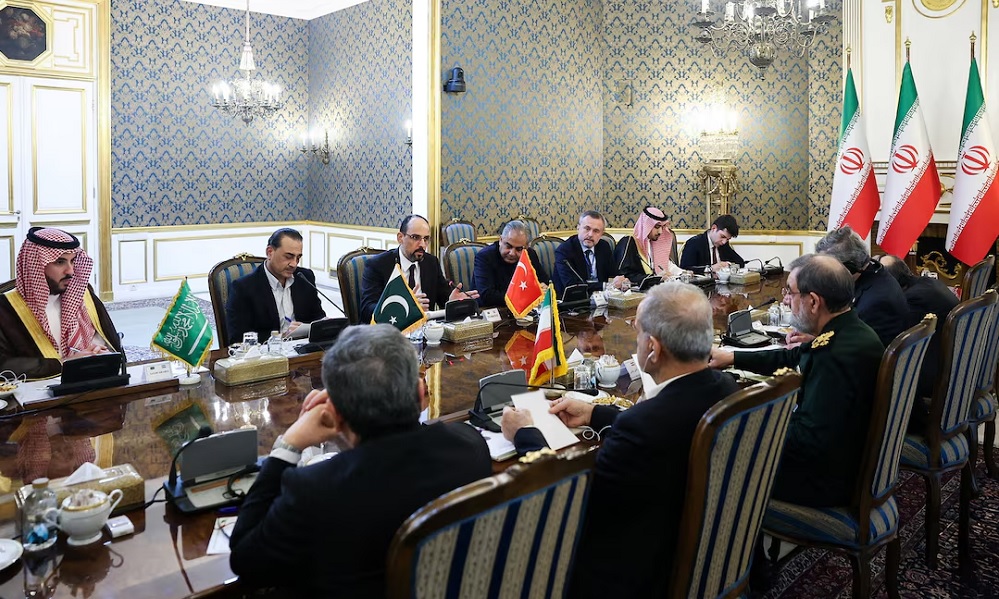
Saudi defence pact countries push for peace in Tehran as Houthis launch more attacks
Tahawol: Kazakhstan’s call for practical international engagement with Afghanistan
Saar: Afghanistan and UN: 80 years of diplomatic relations discussed

Tahawol: Qatar-UK consultations on Afghanistan discussed
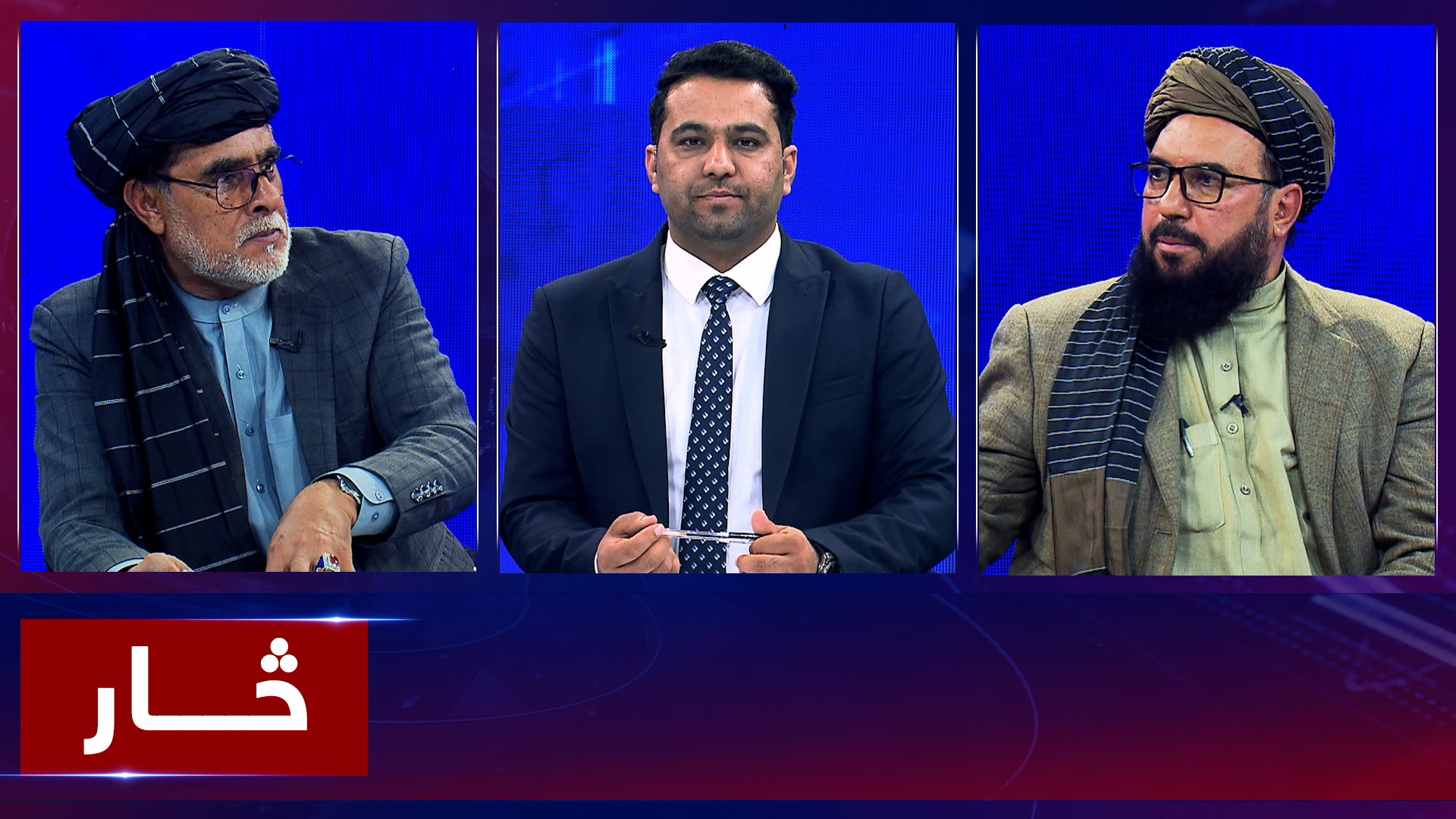
Saar: Efforts to deliver urgent humanitarian aid to needy Afghans
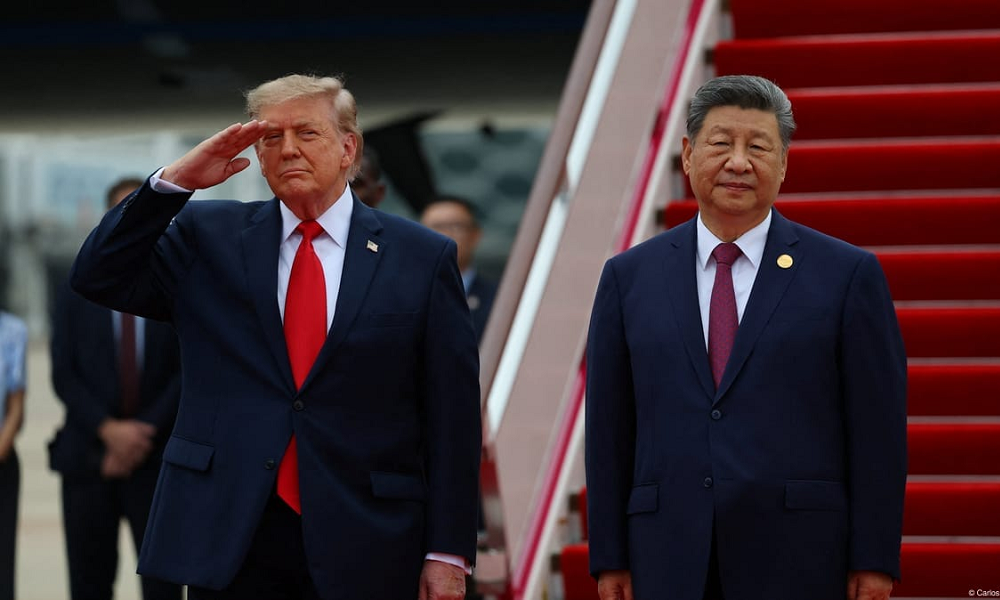
Xi welcomes Trump to China ahead of highly anticipated summit with Putin
-
 Sport4 days ago
ILT20 teams required to field at least two UAE and Afghanistan players in Season 5
-
 Sport4 days ago
Arman FC cruise to 5-0 victory over Istiqlal Kabul in ACL match
-
 World5 days ago
US floated idea of Ukraine ceding Donbas for NATO membership, Zelenskiy says
-
 Latest News4 days ago
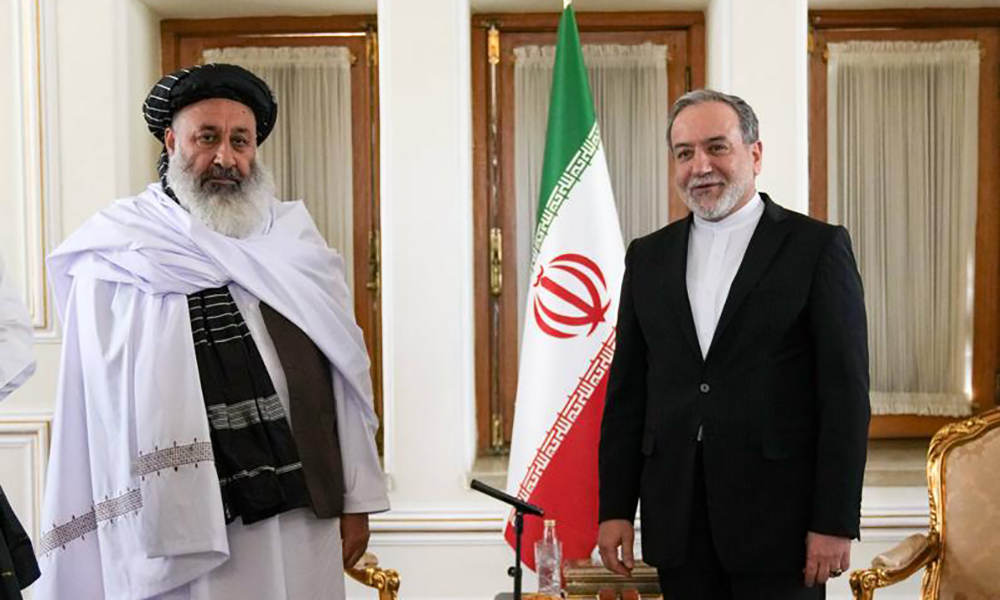
Afghanistan and Iran agree to expand trade cooperation and upgrade border infrastructure
-
 Sport3 days ago
25 Afghan cricketers secure contracts for ILT20 Season 5
-
Regional5 days ago
Saudi-led coalition intercepts missiles towards Riyadh, drones in Eastern Province
-
 Latest News4 days ago
Afghanistan’s absence from ECO foreign ministers’ meeting raises questions
-
 Tahawol4 days ago
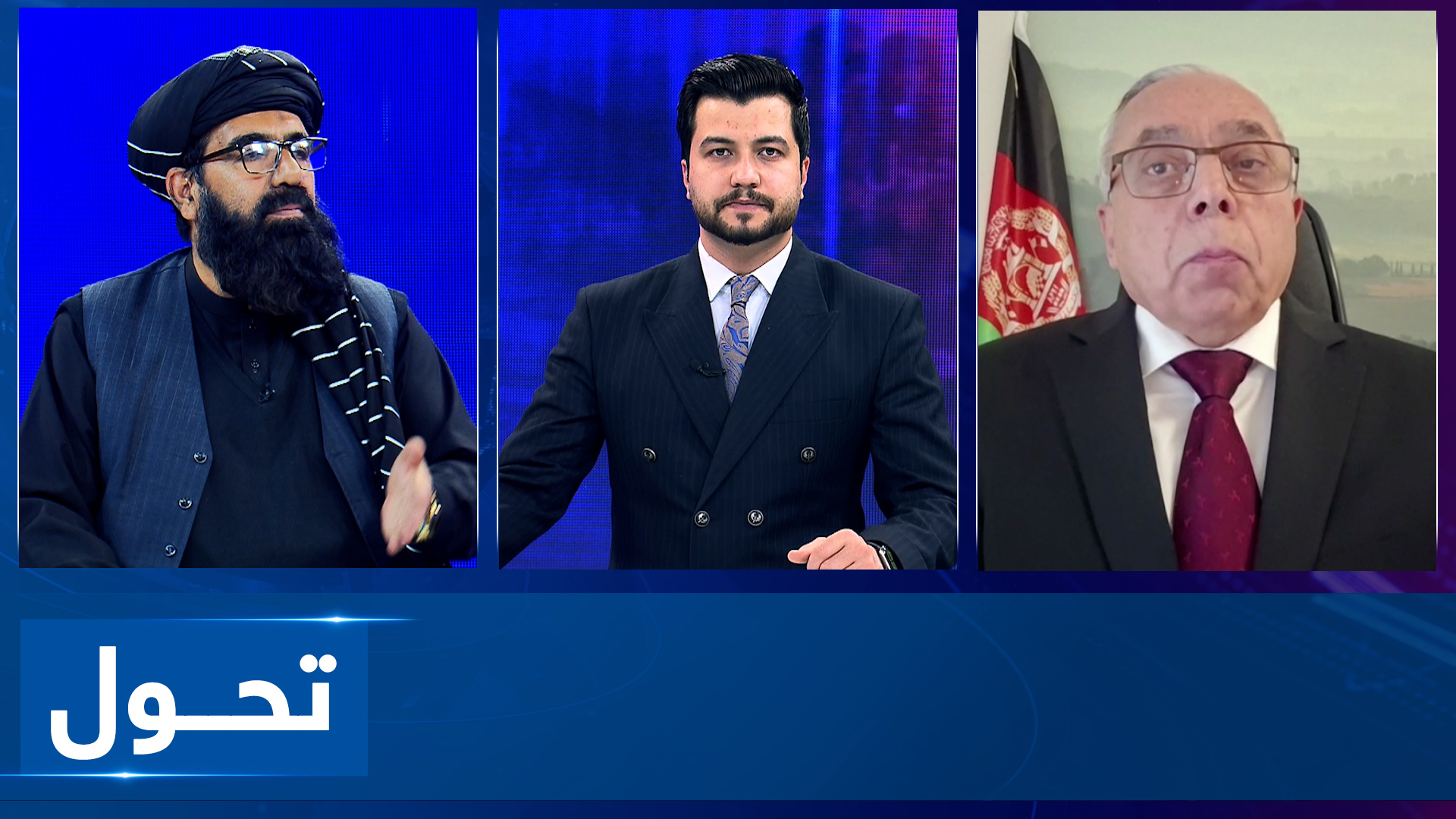
Tahawol: UK seeks to ease Kabul–Islamabad tensions