
Climate Change
NEPA chief reports back on Afghanistan’s attendance at COP29
Afghanistan is known for its vast mineral deposits, including lithium which is needed for batteries for the green transition

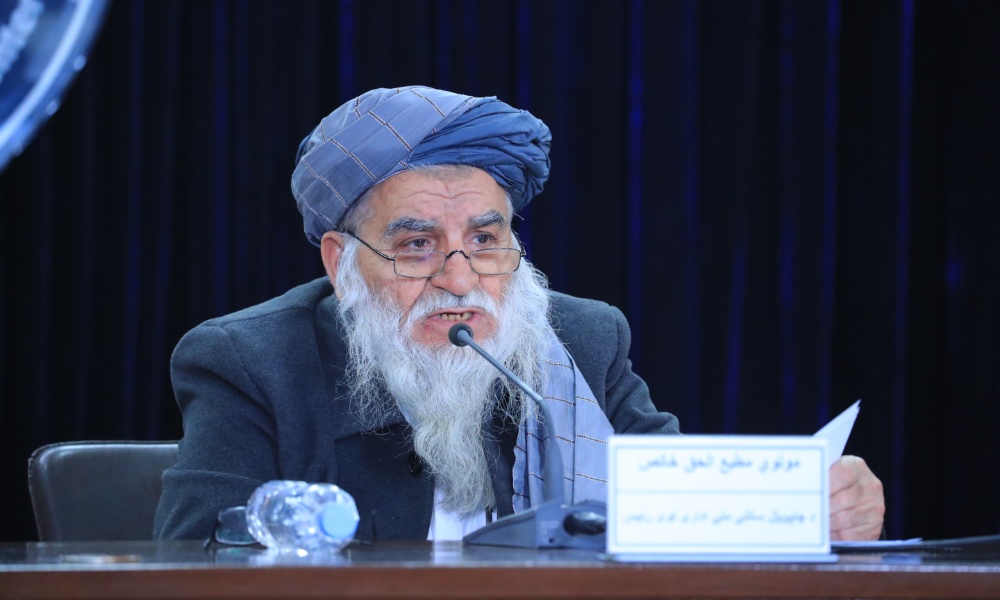
The head of Afghanistan’s National Environmental Protection Agency Mati-ul-Haq Khalis says comprehensive discussions were held at the recent COP29 summit on Afghanistan’s vulnerabilities to climate change.
He stated that the participation of IEA’s delegation at (COP29) marks a significant milestone, presenting a comprehensive and transparent overview of Afghanistan’s current environmental and climatic conditions to the global community.
“During COP29, concerted efforts were made to emphasize that climate change and environmental challenges transcend political considerations,” Khalis said in a statement.
He said the delegation urged the international community to treat these issues as critical social and humanitarian concerns.
This was the first time that Afghanistan was able to send a delegation to the annual UN climate summit since the Islamic Emirate’s takeover in August 2021.
According to Khalis, the delegation meanwhile used the opportunity to emphasize the need for urgent implementation of effective mechanisms to combat adverse effects of climate change and called for the acceleration of financial assistance in this regard.
The IEA delegation also advocated for enhanced engagement, coordination, and collaboration among relevant stakeholders in the fight against climate change, and advocated for Afghanistan’s active participation in regional and international forums.
Khalis said Afghanistan’s representatives also stressed the urgency of resuming suspended environmental and climate-related projects, which are crucial for addressing the country’s climate challenges.
“By introducing Afghanistan’s national focal point for the Green Climate Fund, the delegation sought to garner international support for the effective governance and management of environmental projects within the country,” Khalis stated.
Milestone for Afghanistan
Last year, the COP28 conference was held in the United Arab Emirates, but the Islamic Emirate was excluded. However, this year, Azerbaijan authorities decided to include an official delegation.
Afghanistan remains one of the most vulnerable countries to climate change and also has major environmental challenges.
But some experts believe that the rationale in some quarters for engaging with Afghanistan on environmental policy is its potential for resourcing key minerals for the green transition – key to this being Afghanistan’s enormous lithium deposits.
Lithium has certain unique properties which make it very suitable as a metal for batteries needed for the green transition, an a Chinese company recently expressed interest in investing $10 billion in Afghanistan’s lithium resources in the south.
The Islamic Emirate stated that the lithium deal would generate up to 120,000 direct and many more indirect jobs in the country.
Afghanistan has long been known for its wealth of mineral resources and the Ministry of Mines and Petroleum estimates it may hold 60 million tons of copper, 2.2 billion tons of iron ore, 1.4 million tons of rare earth elements such as lanthanum, cerium and neodymium, and vast amounts of aluminum, gold, silver, zinc, mercury, and lithium.

Climate Change
Afghanistan among world’s five most climate-vulnerable countries
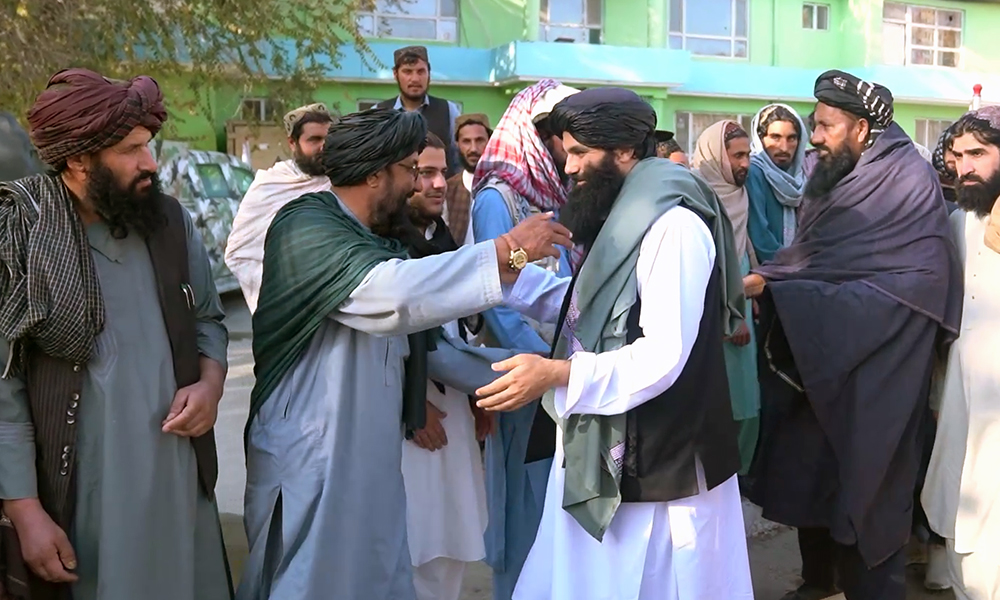
Meanwhile, Shir Ahmad Haqqani, Minister of Information and Culture, highlighted the important role of media organisations in reporting the negative impacts of climate change.
Afghanistan ranks among the five countries most vulnerable to the impacts of climate change, despite contributing little to global greenhouse gas emissions, the head of the country’s National Environmental Protection Agency has said.
Matiul Haq Khalis, Director General of the National Environmental Protection Agency (NEPA), made the remarks at a scientific conference in Kabul, saying Afghanistan could rank as the world’s third most climate-vulnerable country if comprehensive global research is conducted.
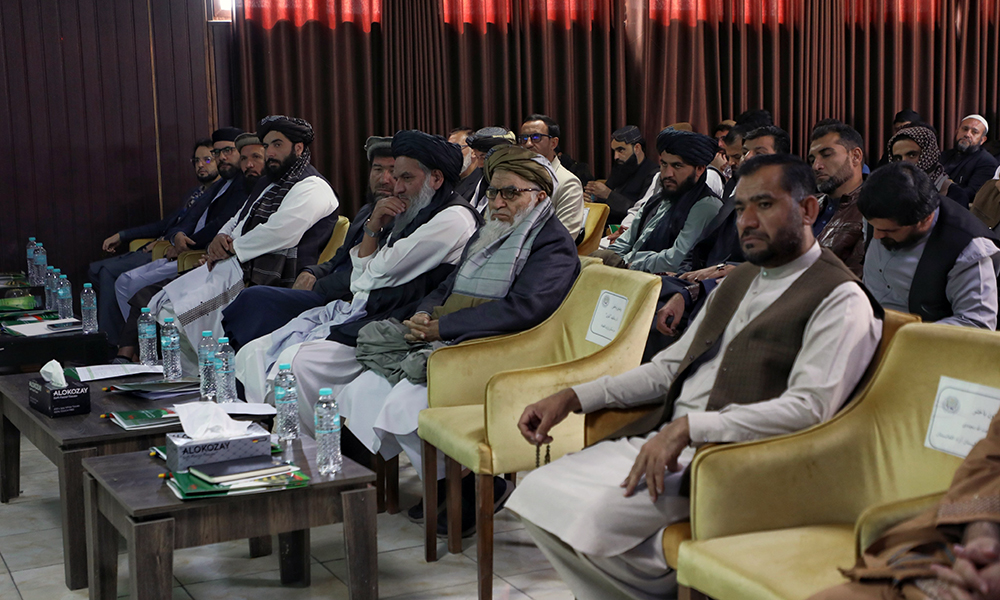
The conference, titled “Afghanistan’s Media and Climate Diplomacy: Opportunities and Challenges,” was organised at a private university and brought together government officials and media representatives to discuss the country’s climate challenges.
Khalis stressed that Afghanistan faces serious climate-related risks despite having a negligible role in producing global greenhouse gas emissions.
Meanwhile, Shir Ahmad Haqqani, Minister of Information and Culture, highlighted the important role of media organisations in reporting the negative impacts of climate change.
He called on media outlets to take a more active role in raising public awareness and informing communities about climate-related challenges.
Media representatives attending the conference also expressed their readiness to cooperate with government institutions in public awareness campaigns and efforts to address the consequences of climate change.
The discussions come ahead of an international climate conference scheduled to take place in Türkiye, where Afghan representatives have also been invited to participate and present the country’s views, with the aim of drawing greater international attention to Afghanistan’s climate challenges.
However, several international projects aimed at supporting climate change mitigation and adaptation efforts in Afghanistan have currently been suspended, raising concerns about the country’s ability to respond effectively to growing environmental threats.
The conference highlighted the importance of stronger media engagement, international cooperation and continued support for Afghanistan as it faces increasing climate-related challenges.
These developments come as a climate change conference is set to be held in Turkey in one day’s time; representatives from Afghanistan have also been invited to participate, present their perspectives, and draw the international community’s attention to the country’s climate situation.
Climate Change
90 million displaced people at risk from climate threats, UN refugee agency says
In the first half of 2026, more than two-thirds of refugee returns were to countries highly exposed to climate hazards, placing them at risk of renewed displacement, the report said.
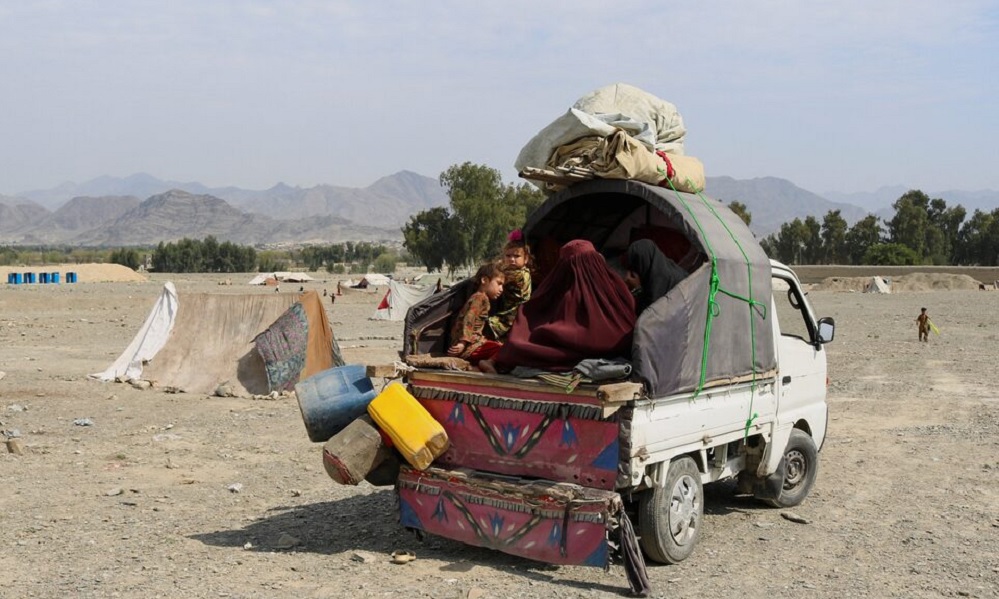
Nearly 90 million forcibly displaced people are living in countries increasingly exposed to climate-related droughts, floods and extreme heat, the UN refugee agency said on Friday, warning ahead of the COP31 climate summit that more funding is needed to help vulnerable communities adapt.
Nearly three-quarters of the world’s forcibly displaced people are living in countries such as Afghanistan and Bangladesh that are exposed to severe climate-related risks, according to the report by the agency, known as UNHCR, published ahead of the UN Climate Change Conference in Antalya, Turkey. The findings show the overlap between conflict, displacement and climate change, the report said.
“Climate adaptation in fragile and displacement-affected areas is a matter of survival,” said Anton Leis Garcia, UNHCR’s assistant high commissioner for operations.
“We need climate financing to reach the communities where the needs are greatest,” he said.
The report highlighted the experience of a Sudanese refugee who fled conflict in al-Fashir in June 2023 to the Farchana refugee settlement in eastern Chad. The refugee said she sometimes goes a week without finding safe water and must walk increasingly long distances for alternative sources as nearby seasonal riverbeds dry up amid intensifying heat.
RETURNS AT RISK
It also warned that climate change is making it harder for displaced people to return home sustainably.
In the first half of 2026, more than two-thirds of refugee returns were to countries highly exposed to climate hazards, placing them at risk of renewed displacement, the report said.
In Syria, where nearly 4 million displaced people have recently returned, people face worsening water scarcity and erratic rainfall, while flooding along the Euphrates River in May damaged homes and displaced thousands of people, the report said.
Across sub-Saharan Africa, one in three refugee settlements could experience at least 100 days of dangerous heat each year by 2050, threatening health and livelihoods, the report said. In some settlements in Ethiopia, including Helaweyn, dangerous heat could persist for more than 200 days a year, increasing the risks of heatstroke and premature death.
“Refugees often have limited access to cooling, water and reliable energy, making it harder to escape dangerous temperatures,” the report said.
UNHCR also warned that a forecast supersized El Niño could worsen climate-related risks in many refugee-hosting countries and trigger further displacement.
In East Africa, severe flooding could displace up to 3 million people in Somalia, Kenya, South Sudan and Uganda by the end of this year, UNHCR said. In the Sahel, drought, flooding and conflict could intensify competition over scarce resources, while parts of Asia face heightened risks of droughts, floods and cyclones.
UNHCR called on governments and climate-finance institutions meeting at COP31 to increase funding for climate adaptation, highlighting that only about 10% of climate finance reaches fragile or conflict-affected countries.
On Wednesday, a separate UN report found rich countries were falling well short of the $305 billion needed each year to help developing nations adapt to climate change, even as extreme weather events become more frequent and severe.
Climate Change
IEA to attend UN climate summit for second time since returning to power
The IEA previously attended COP29 in Baku, Azerbaijan, in 2024. Observer status allows delegates to participate in discussions but does not grant them formal negotiating or decision-making powers.
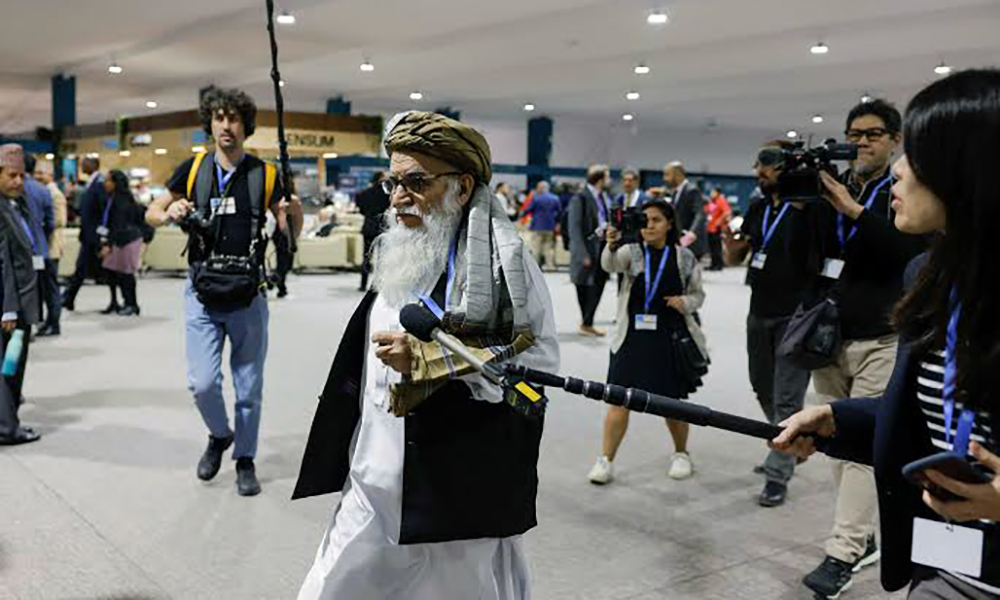
Afghanistan’s Islamic Emirate (IEA) is expected to send representatives to the COP31 United Nations climate summit in Antalya, Turkey, marking its second participation in the global climate conference process since returning to power in 2021.
According to the Associated Press, Rohullah Amin, head of climate change at the National Environmental Protection Agency, confirmed that Kabul plans to send a delegation. A Turkish official also confirmed that IEA representatives had been invited as observers.
The IEA previously attended COP29 in Baku, Azerbaijan, in 2024. Observer status allows delegates to participate in discussions but does not grant them formal negotiating or decision-making powers.
Afghanistan remains among the countries most vulnerable to climate change, facing recurring droughts, water shortages, extreme temperatures and devastating floods. These challenges threaten agricultural production, livelihoods and food security, while contributing to internal displacement.
The planned participation comes amid continuing disagreements over Afghanistan’s international representation and access to climate financing, with the United Nations yet to recognize the IEA administration as the country’s official government.
COP31 is expected to provide another opportunity to highlight Afghanistan’s growing environmental challenges and its need for international climate support.

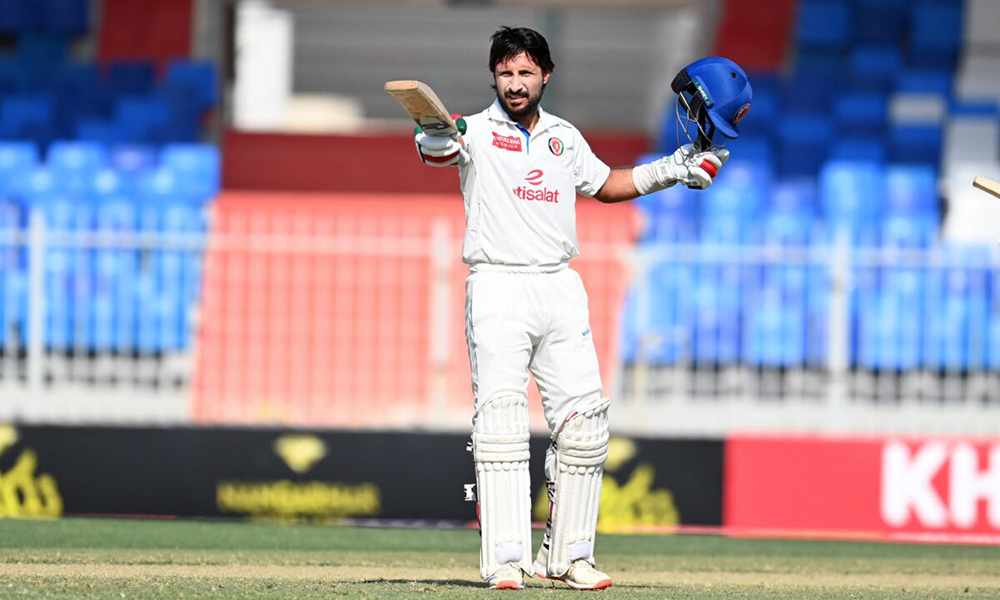
Historic first for Rahmat Shah after ICC rankings update
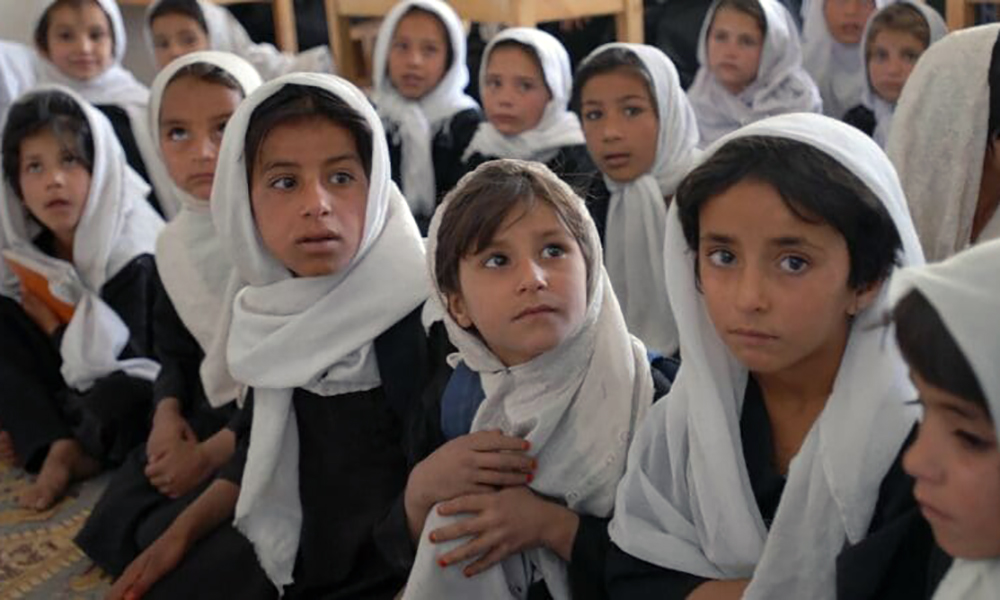
UNESCO warns Afghanistan risks losing an entire generation of professionals as girls’ education ban continues
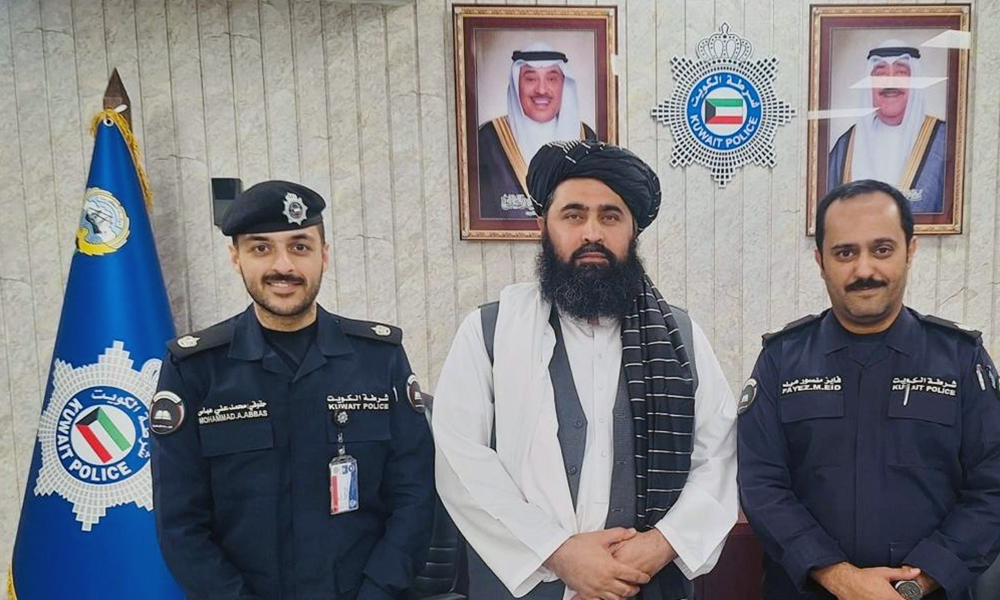
Afghan embassy in Kuwait discusses situation of Afghan prisoners with Kuwaiti officials
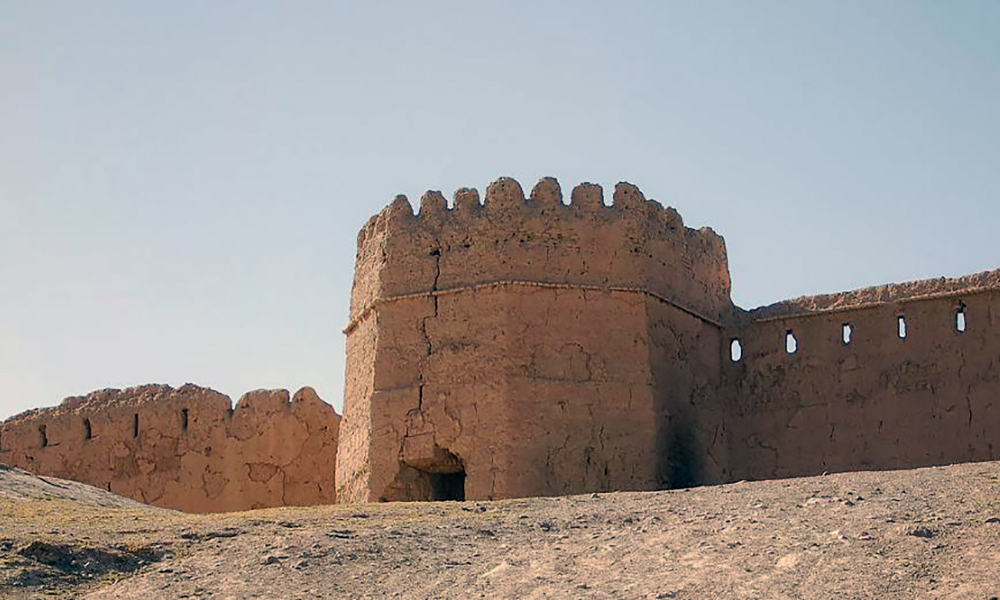
Ancient treasures unearthed at Kabul’s historic Bala Hissar
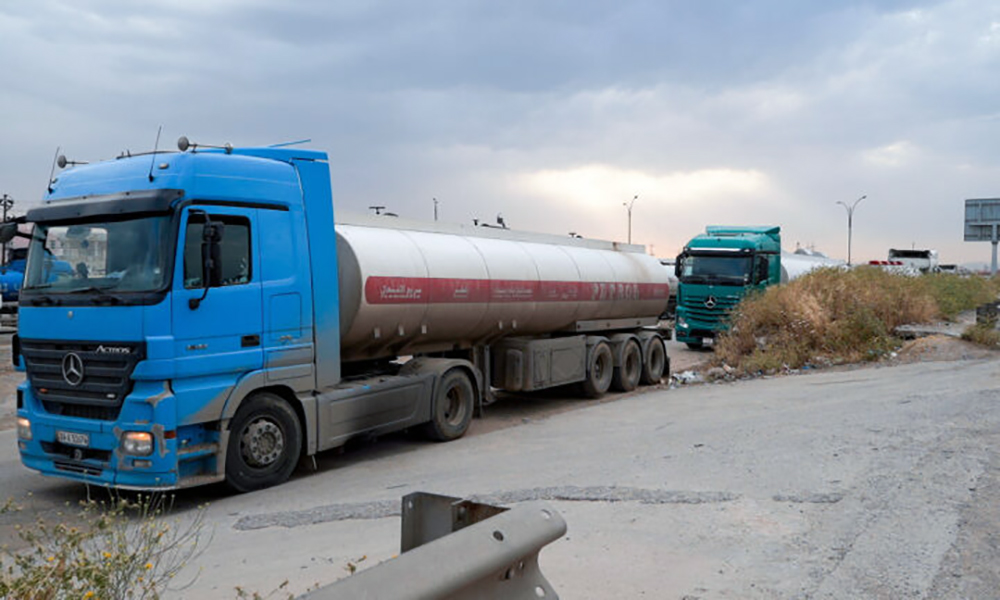
Iraqi intelligence report alleges oil smuggling network supplying Afghanistan and Turkey through Iran

Afghanistan finish runners-up after 6-0 defeat to Brazil in futsal final

Trump says US may strike Iran’s ‘Pickaxe Mountain’ nuclear facility

Afghan futsal coach: Brazil tournament is first step towards new goals and World Cup

Violent protests spread across Europe as Albanian PM blames ‘foreign hand’

Rubio heads to Central Asia while other US officials hit foreign policy hot spots

Tahawol: Efforts to halt deportation of Afghan refugees from US discussed
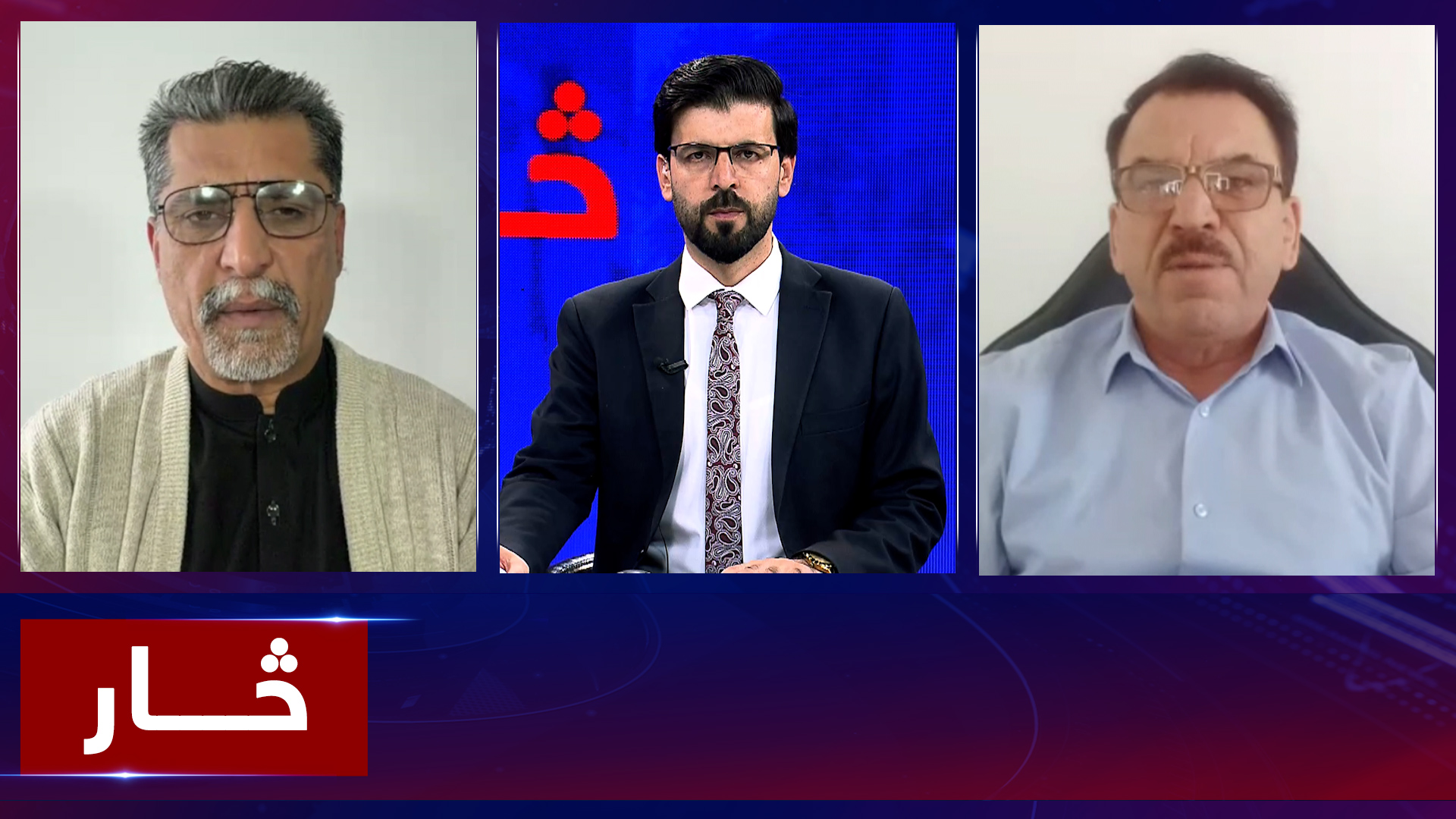
Saar: Russia’s stance on Afghanistan discussed

Trump says further US attacks on Iran ‘highly unlikely’ as peace talks gain momentum
Tahawol: Geopolitical developments in the Middle East
Saar: EU’s engagement with Afghanistan
-
 Regional5 days ago
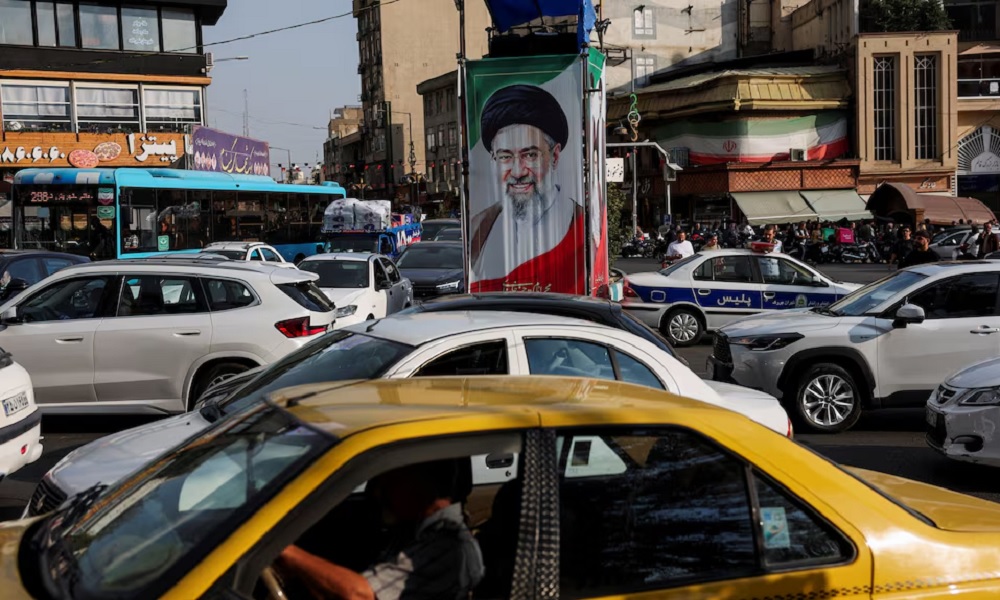
Iran sent nuclear proposal to the US via Qatar, senior Iranian official tells Reuters
-
 Sport3 days ago
Afghanistan’s record partnership highlights fourth day of Test against Zimbabwe
-
 World3 days ago
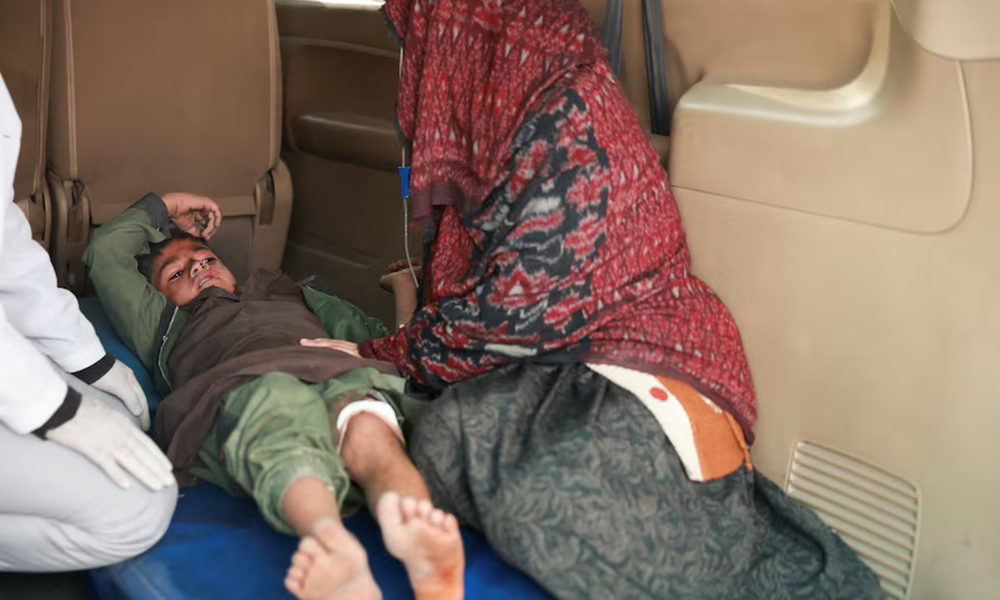
Houthi-run health ministry says airstrikes kill 33 near Yemen capital
-
 Sport5 days ago
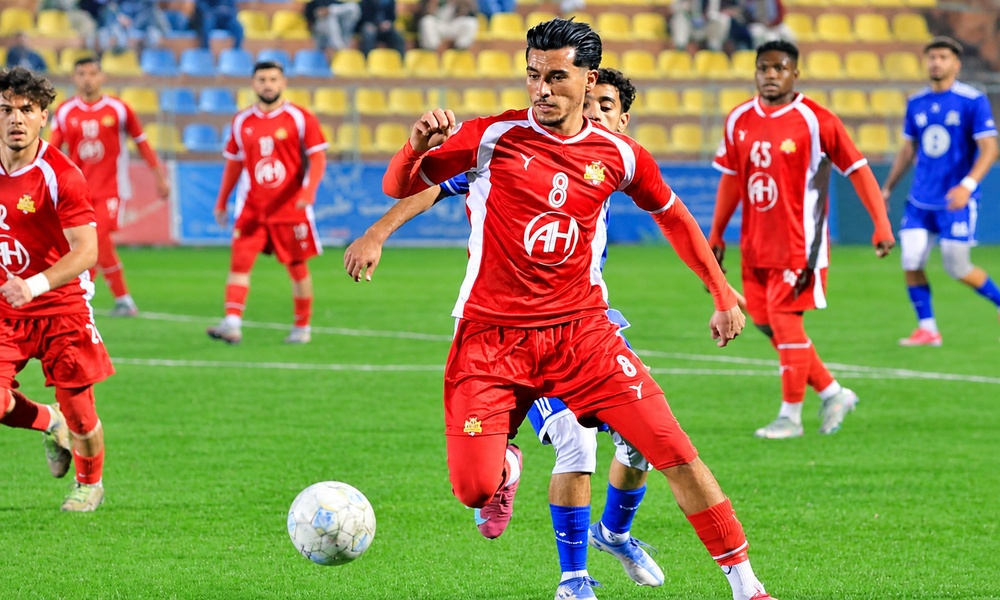
Abu Muslim Farah claim convincing 3-0 win over Omar Zawak in ACL
-
 Regional4 days ago
Pakistan’s leaders dread US Democrats’ win but its households are praying for it
-
 Sport3 days ago
Afghanistan thrash Senegal 6-0 to reach Dakar Youth Olympics futsal semi-finals
-
 Sport4 days ago
Toofan Herat defeat Arman FC 2–0 in Afghanistan Champions League
-
 Sport2 days ago
Portugal beat Afghanistan 2-0 in Dakar Youth Olympics futsal semi-finals