
Latest News
Pakistan finalizes plans to detain and deport Afghans as deadline nears
Pakistan has granted Afghan migrants, both undocumented and those holding ACC cards, a deadline of March 31 to voluntarily leave the country.

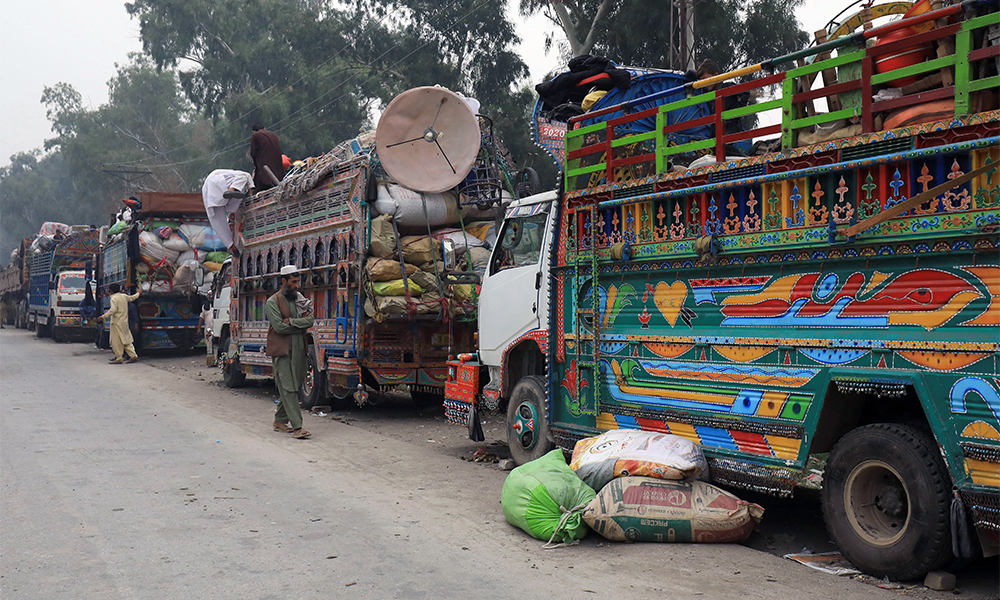
Officials in Pakistan have completed arrangements to detain and expel Afghan citizens following the March 31 deadline for their voluntary return to Afghanistan. This move is part of the country’s plan to address the growing concerns regarding the status of Afghan migrants in Pakistan.
A high-level meeting on Friday, chaired by Interior Minister Mohsin Naqvi, reviewed the measures to repatriate Afghan Citizen Card (ACC) holders. This meeting focused on ensuring the effective execution of the government’s deadline and the logistics surrounding the return process.
Despite requests from the Afghan government and human rights organizations, Pakistani authorities have firmly rejected extending the deadline for the return of ACC holders. The Pakistani government had initially set the deadline for the end of March, and the expulsion process will move forward as planned.
Mohsin Naqvi also revealed that Talal Chaudhry, the State Minister for Interior, would travel to the provinces to assess and address any challenges and potential issues in the process of Afghan migrants’ return.
Meanwhile, Pakistani security forces have detained at least 932 Afghan migrants in Rawalpindi, as the deadline for the expulsion of Afghan migrants with ACC cards approaches.
Human rights organizations have strongly condemned Pakistan’s recent decision to expel Afghan refugees, labeling it a violation of international law and a potential humanitarian crisis. They argue that many of these refugees, including human rights defenders, political activists, and victims of gender-based violence, fled Afghanistan to escape persecution and are now at risk of facing harm if deported.
The Human Rights Commission of Pakistan (HRCP) has expressed deep concern over the government’s ultimatum for undocumented immigrants to leave by March 31, warning that this could lead to a humanitarian disaster. They highlight that such forced repatriation violates international customary law and could adversely affect vulnerable groups, including women, children, the elderly, and individuals with disabilities.
Amnesty International has called on Pakistan to halt the detentions, deportations, and harassment of Afghan refugees, emphasizing that these actions violate the principle of non-refoulement, which prohibits returning individuals to places where they face risks of persecution. They stress that deporting Afghan refugees, especially women and girls, could deny them access to safety, education, and livelihoods.
Pakistan has granted Afghan migrants, both undocumented and those holding ACC cards, a deadline of March 31 to voluntarily leave the country.
However, Pakistani officials confirmed that Afghan migrants holding “PoR” cards are not at risk of being expelled until June 30.
Meanwhile, the International Organization for Migration (IOM) reported a sharp decline in Afghan returns and deportations during the first half of March. Between March 1 and 15, returns dropped by 67 per cent, while deportations fell by 50 per cent compared to the previous reporting period (February 16-28).


Latest News
Joint security delegation visits Kandahar to strengthen coordination
The delegation met with Kandahar Governor Mullah Mohammad Shirien Akhund on Tuesday at the provincial governor’s office.
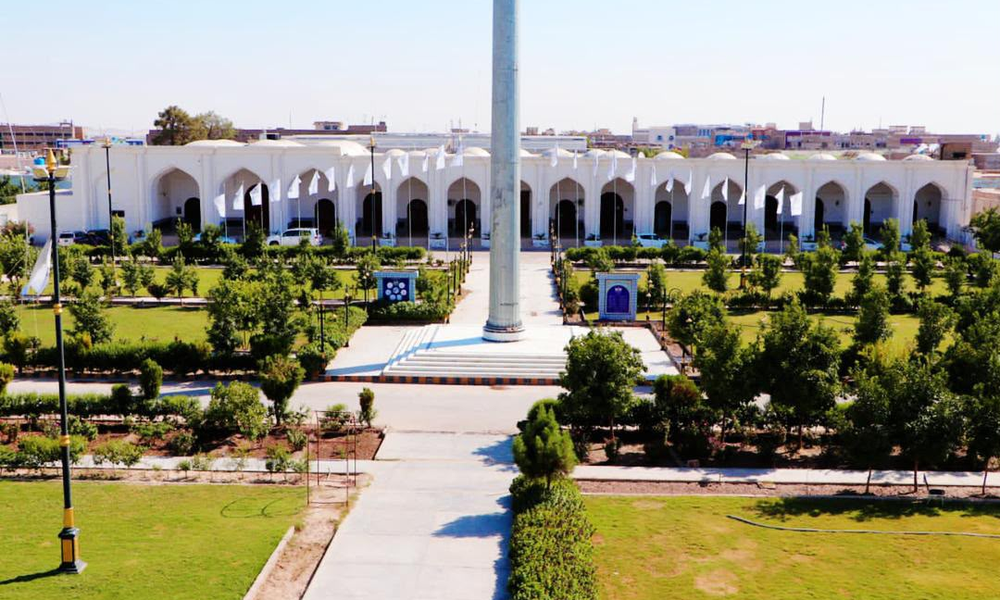
A joint security delegation from Afghanistan’s Ministry of Defense, Ministry of Interior and General Directorate of Intelligence has visited Kandahar province to discuss security challenges and ways to improve coordination among the country’s security institutions.
The delegation met with Kandahar Governor Mullah Mohammad Shirien Akhund on Tuesday at the provincial governor’s office, where discussions focused on strengthening security, enhancing cooperation and addressing existing challenges.
Delegation members said the visits were conducted under the direction of the leadership of the three institutions to engage with local military and civilian officials, assess security-related concerns and develop coordinated solutions.
Governor Akhund welcomed the delegation and praised the activities of the three security institutions in maintaining stability and improving security coordination across the province.
He reaffirmed the provincial administration’s commitment to continued cooperation with security agencies to maintain stability and address emerging challenges.
Latest News
UN warns aid cuts threaten support services for Afghan women and girls
UN Women reported that more than 193 centres providing support to survivors of violence have closed this year, affecting more than one million women and girls.

The United Nations has warned that declining humanitarian funding in Afghanistan is forcing the closure of essential support services for women and girls, leaving thousands increasingly vulnerable to violence and abuse.
Susan Ferguson, UN Women’s Special Representative in Afghanistan, said economic hardship, environmental shocks, recurring humanitarian crises and restrictions on women’s rights have compounded the challenges facing women and girls across the country.
UN Women reported that more than 193 centres providing support to survivors of violence have closed this year because of funding shortages, affecting more than one million women and girls.
A survey of 74 women’s organisations across Afghanistan found that nearly three-quarters experienced funding cuts in 2025, while half expect to suspend or completely shut down their operations by April 2027.
The potential closures could leave approximately 427,000 women at immediate risk of losing access to essential support services.
Ferguson called on governments and international donors to increase funding for women-led organisations and support efforts to protect Afghan women and girls from violence.
The UN also said women in Afghanistan are nearly four times less likely than men to access formal justice mechanisms, further limiting their ability to seek protection and pursue cases of abuse.
The Islamic Emirate of Afghanistan has previously maintained that human rights, particularly women’s rights, are being protected under Sharia law.
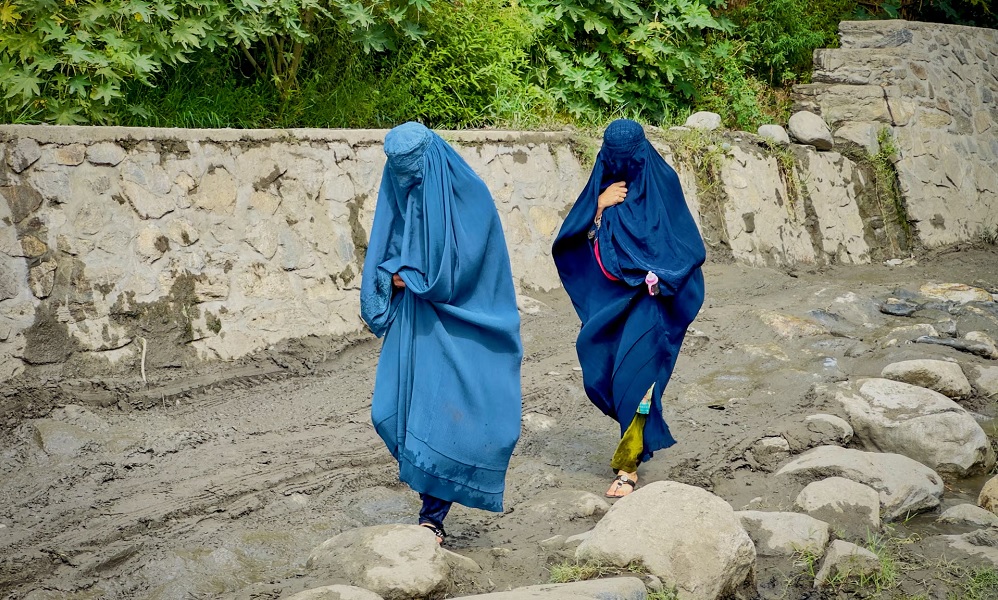
The European Union in Afghanistan has reaffirmed its support for Afghan women and girls, emphasizing their right to live free from violence, access education, work and shape their own futures.
In a message of solidarity, the EU stressed that the voices of Afghan women and girls must be heard, their choices respected and their fundamental rights protected.
“The EU stands with Afghan women and girls. Every day,” the statement said, reaffirming the bloc’s continued commitment to supporting their rights and dignity.

FIFA confirms cyberattack led to theft of internal data
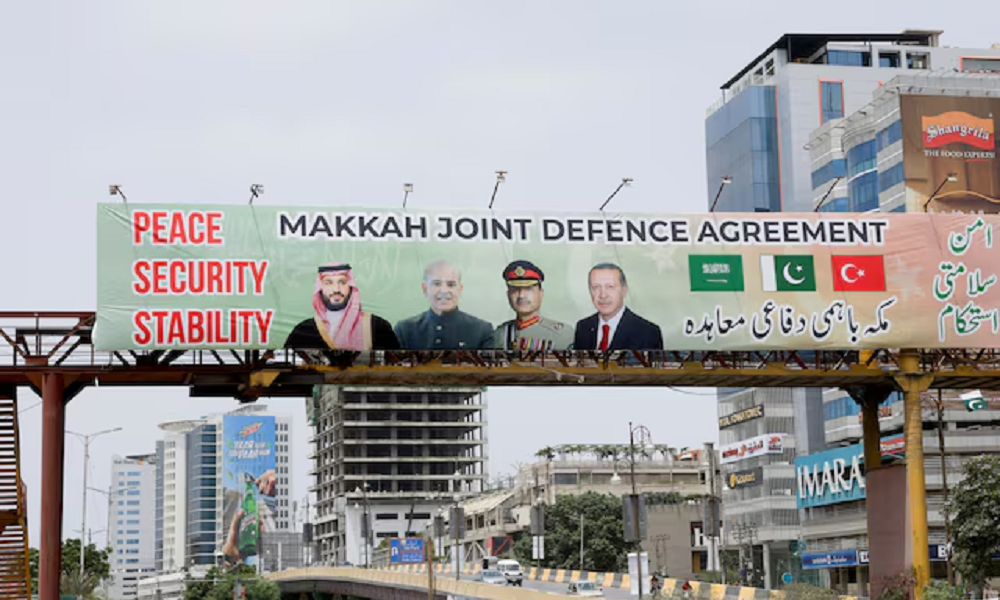
Pakistan, Saudi, Turkey to hold Mecca alliance meeting in Islamabad

ASQA strengthens regional cooperation through ISO Asia-Pacific meeting

Afghanistan adds more than 2,000 telecom towers, ministry says
Joint security delegation visits Kandahar to strengthen coordination

US sanctions and blockade measures disrupt Iran’s trade with Afghanistan and regional neighbors

Afghanistan to launch nationwide polio vaccination campaign

Afghanistan futsal team thrash Panama 5-0 in flying start to Dakar Youth Olympics

Iran defends two-day proposal for peace talks after US rejects conditions

Suhail unveiled as official mascot for FIBA Basketball World Cup 2027 in Qatar

Five killed in Turkish military helicopter crash in western Turkiye
Tahawol: Discussion on shifting views within Pakistan
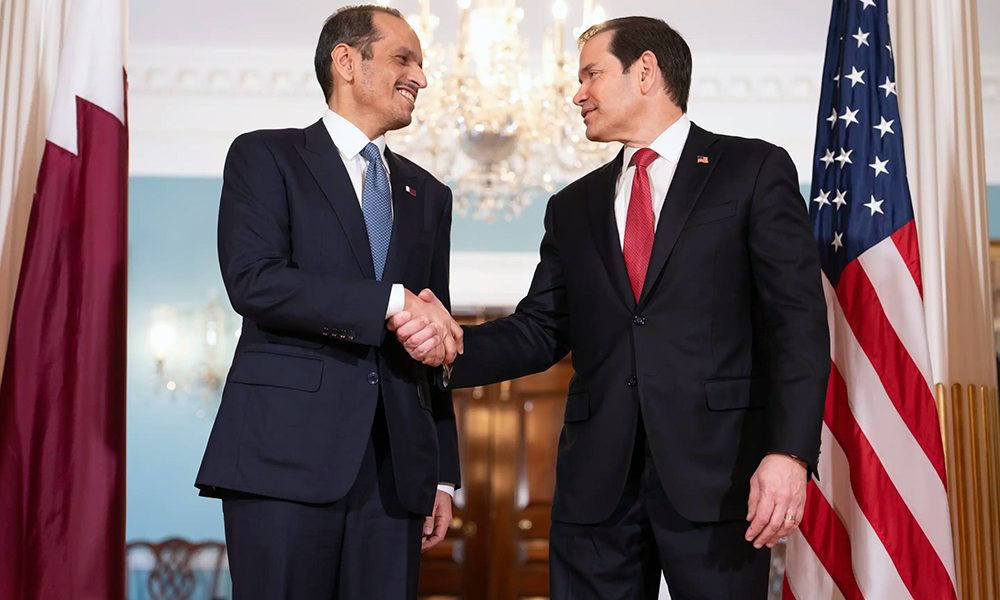
Qatar warns Middle East cannot afford renewed US-Iran escalation
Saar: Return of millions of Afghans to their homeland

Saar: Pakistan FM’s remarks on Afghanistan
-
 Latest News4 days ago
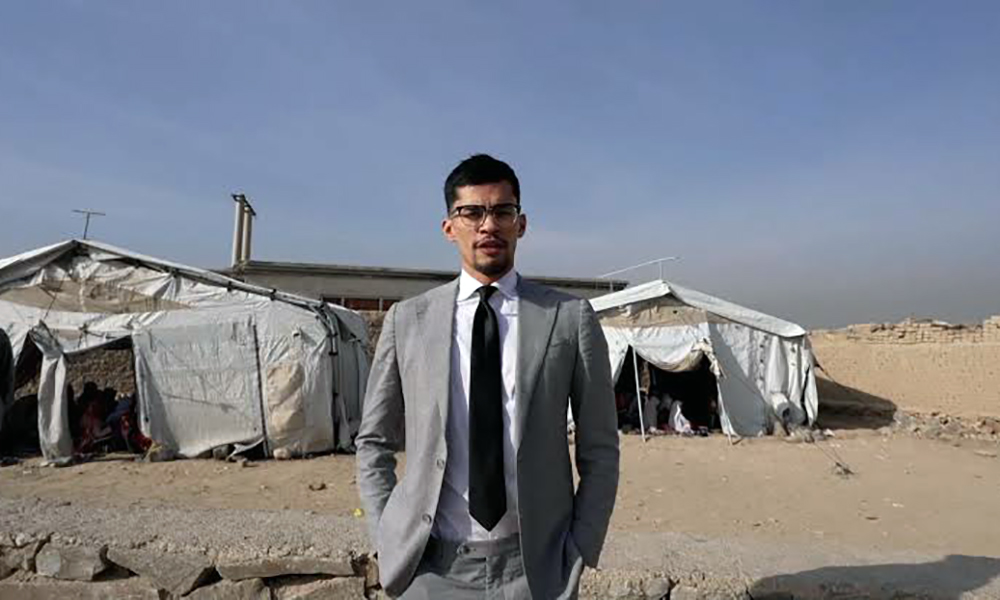
SNEAKO claims US authorities questioned him for eight hours after Afghanistan visit
-
 Latest News5 days ago
AfD leader calls for return of 2.6 million foreigners from Germany
-
 Latest News4 days ago
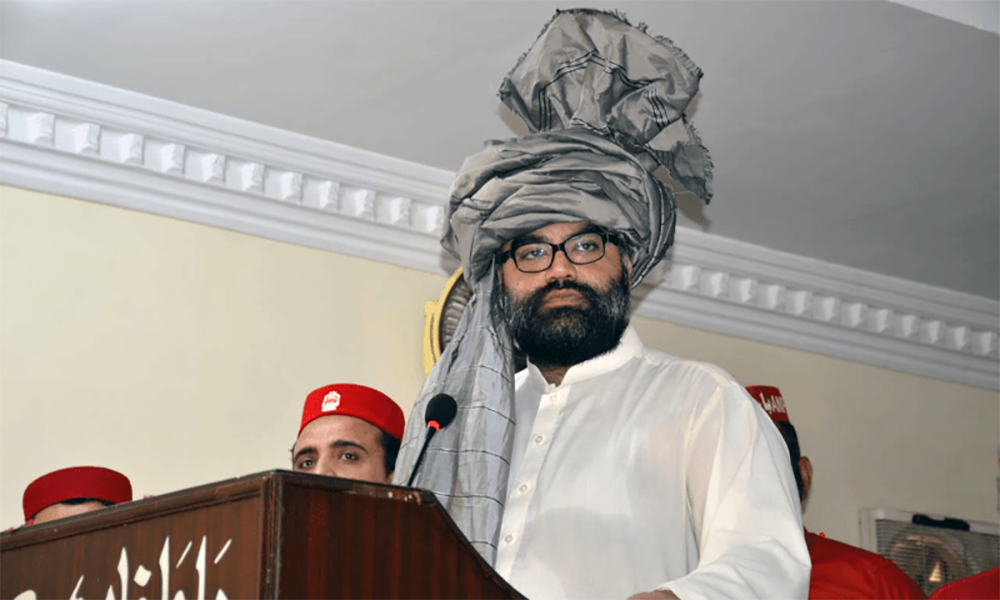
ANP leader calls for reopening of Afghanistan-Pakistan trade routes
-
 Business4 days ago
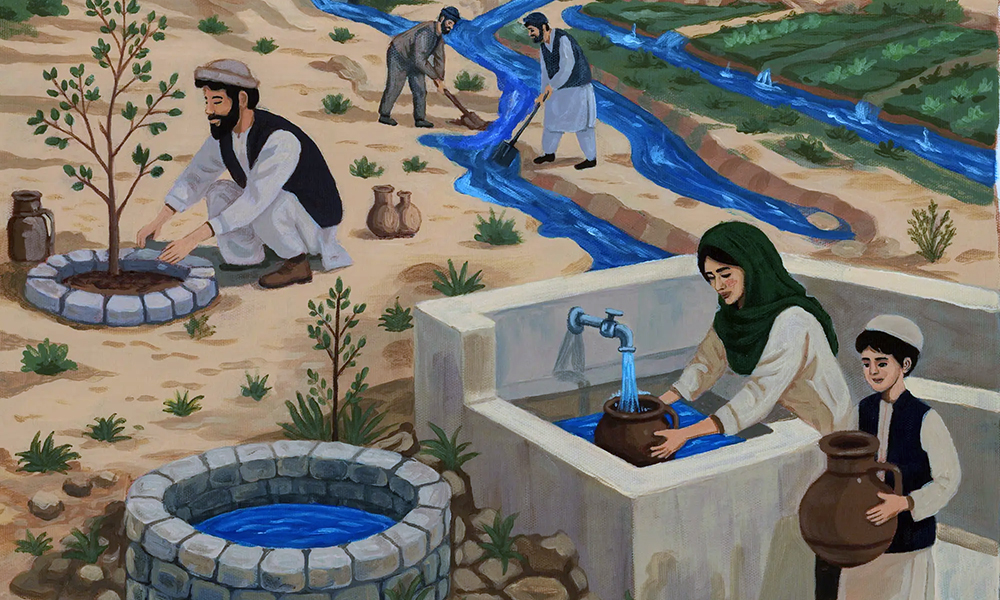
World Bank warns Afghanistan faces mounting economic and water security challenges
-
 Business5 days ago
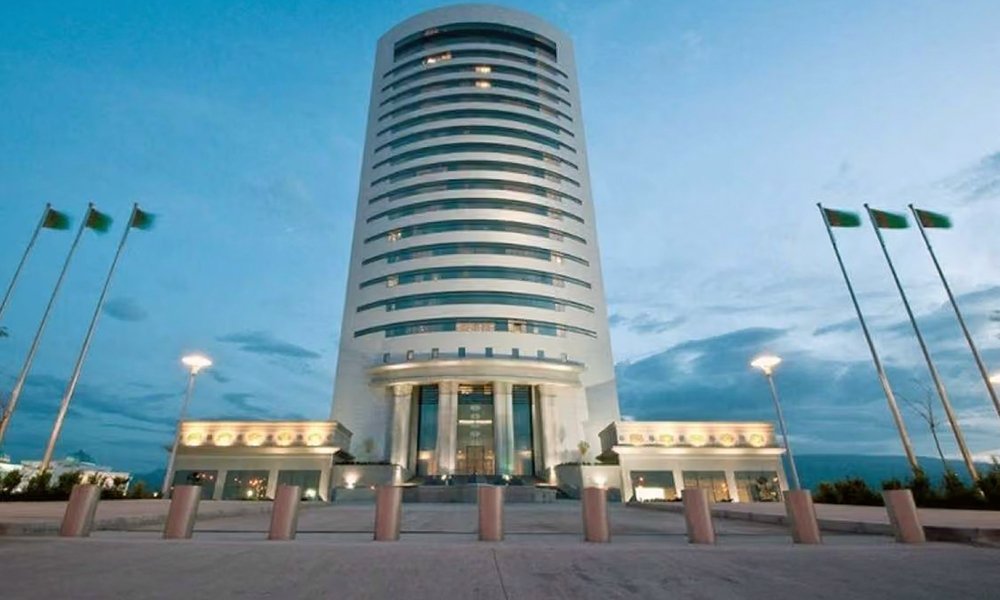
Turkmenistan records nearly $100 million in trade deals with Afghan, UAE buyers
-
 World3 days ago
Trump to meet NATO Chief Mark Rutte in Florida amid tensions over Ukraine peace talks
-
 Latest News4 days ago
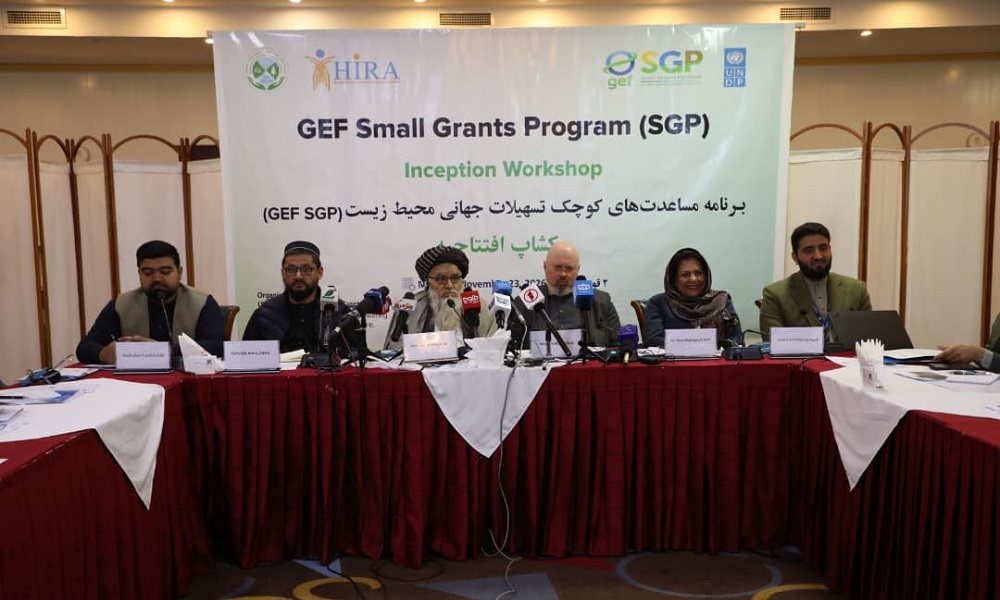
Global environmental grants programme resumes in Afghanistan
-
 Sport5 days ago
Afghanistan wins bronze at Asia Rugby Sevens Trophy 2026