
Regional
Iran says it obtained sensitive Israeli nuclear documents
The sheer volume of materials and the need to transport them safely into Iran necessitated a news blackout to ensure they reached the designated protected locations, local media reported


Iranian intelligence agencies have obtained a large trove of sensitive Israeli documents, some related to the nuclear plans and facilities of Tehran’s arch enemy, Iran’s state media reported on Saturday.
There was no immediate official comment from Israel and it was not clear whether the report was linked to a reported hacking of an Israeli nuclear research centre last year that Tehran is choosing to divulge now amid heightened tensions over its nuclear program, Reuters reported.
“Although the operation to obtain the documents was carried out some time ago, the sheer volume of materials and the need to transport them safely into Iran necessitated a news blackout to ensure they reached the designated protected locations,” state-run PressTV reported, quoting unnamed sources.
“(Sources familiar with the matter) also noted that the abundance of documents is so vast that reviewing them, along with viewing images and videos, has consumed a significant amount of time,” PressTV added, without giving details of the documents.
In 2018, Israeli Prime Minister Benjamin Netanyahu announced that Israeli agents had seized a huge “archive” of Iranian documents showing Tehran had done more nuclear work than previously known.
U.S President Donald Trump has threatened Iran with bombing if Tehran did not come to an agreement with Washington over its nuclear program. But Trump in April reportedly blocked a planned Israeli strike on Iranian nuclear sites in favour of negotiating a deal with Tehran.
Iran’s Supreme Leader Ayatollah Ali Khamenei said on Wednesday that abandoning uranium enrichment was “100%” against the country’s interests, rejecting a central U.S. demand in talks to resolve a decades-long dispute over Tehran’s nuclear ambitions.

Regional
Saudi Arabia says debris from intercepted missiles falls in Mecca region
The missiles were launched towards the region and intercepted and destroyed, Saudi Arabia’s civil defence said in a statement.
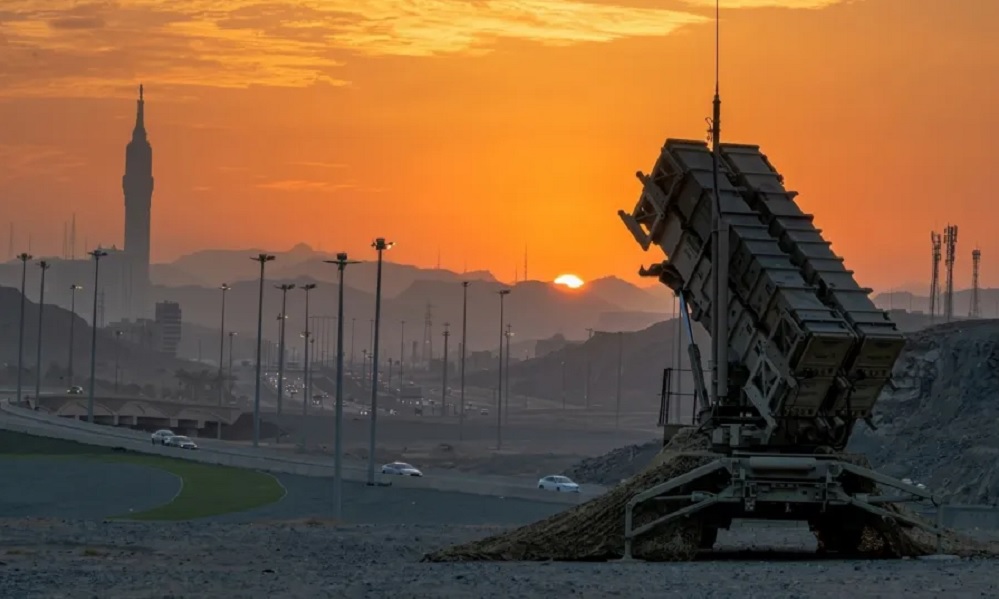
Saudi Arabia said debris from two ballistic missiles intercepted by its air defences fell in the Mecca region on Wednesday, as the kingdom and Yemen’s Iran-aligned Houthis continued to trade attacks in an escalating conflict.
Saudi state television identified the locations as Sabuhah village, about 35 km (22 miles) northeast of the Grand Mosque in Mecca, and Wadi al-Maghmas, about 21 km east of the mosque, Reuters reported.
The missiles were launched towards the region and intercepted and destroyed, Saudi Arabia’s civil defence said in a statement.
The Houthis have repeatedly denied Saudi accusations that they target Mecca and Medina, Islam’s two holiest cities, saying their military operations are directed at military and strategic targets elsewhere in Saudi Arabia.
Mecca, home to sites sacred to Muslims worldwide, is the focal point of the annual hajj pilgrimage, one of the five pillars of Islam, which millions of Muslims undertake each year.
“This hostile targeting of civilian objects constitutes a flagrant violation of international humanitarian law and reflects the dangerous hostile approach pursued by the Houthi militia,” Saudi Arabia’s civil defence said early on Thursday.
The Houthis seized Yemen’s capital Sanaa in 2014, prompting Saudi Arabia to intervene militarily the following year in support of the internationally recognised government.
A UN-brokered truce in 2022 largely froze the conflict, but hostilities resumed earlier this year, with the Houthis launching missile and drone attacks on Saudi territory and Riyadh carrying out airstrikes in Yemen.
The latest escalation has threatened the strategic Bab el-Mandeb Strait, a key shipping route linking the Red Sea and the Gulf of Aden.
Regional
Iran defends two-day proposal for peace talks after US rejects conditions
Iran defended a proposal on Monday to restart peace talks in as few as two days as the most reasonable offer on the table, after US Secretary of State Marco Rubio called some of Iran’s conditions “outrageous and ridiculous”.
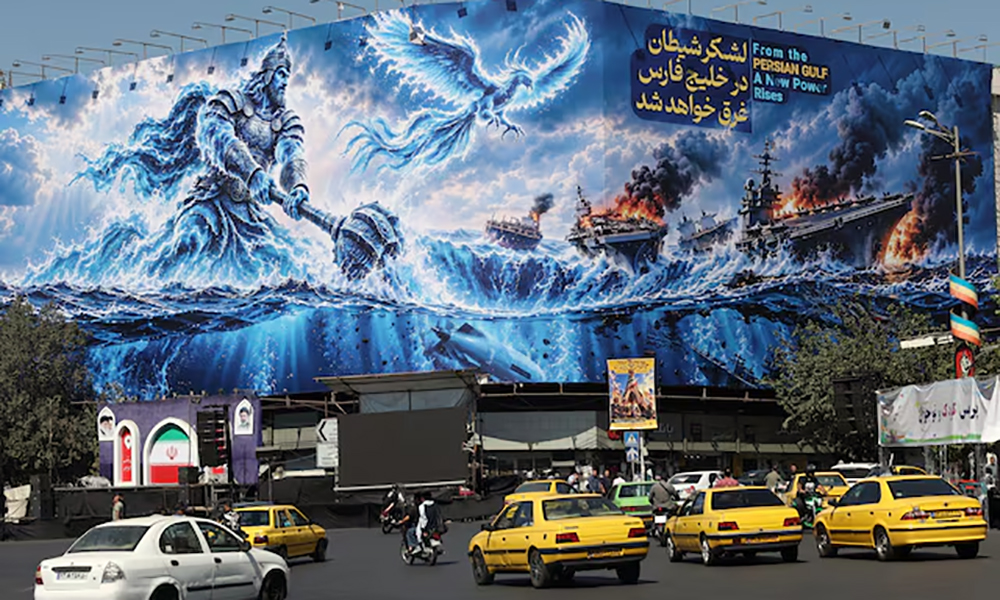
Iran defended a proposal on Monday to restart peace talks in as few as two days as the most reasonable offer on the table, after US Secretary of State Marco Rubio called some of Iran’s conditions “outrageous and ridiculous”, Reuters reported.
“Is it unreasonable that Iran demands that US illegal sanctions and its naval blockade must be lifted before negotiations start and that the war should end on all fronts?” Foreign Ministry spokesman Esmaeil Baghaei told a weekly press conference in response to Rubio’s remarks.
Iran defended a proposal on Monday to restart peace talks in as few as two days as the most reasonable offer on the table, after US Secretary of State Marco Rubio called some of Iran’s conditions “outrageous and ridiculous”.
“Is it unreasonable that Iran demands that US illegal sanctions and its naval blockade must be lifted before negotiations start and that the war should end on all fronts?” Foreign Ministry spokesman Esmaeil Baghaei told a weekly press conference in response to Rubio’s remarks.
Regional
Explosions heard in areas in southern Iran, Iranian media report
Earlier on Saturday, Tasnim news agency said two missiles struck Qeshm Island with no official information on possible damage.
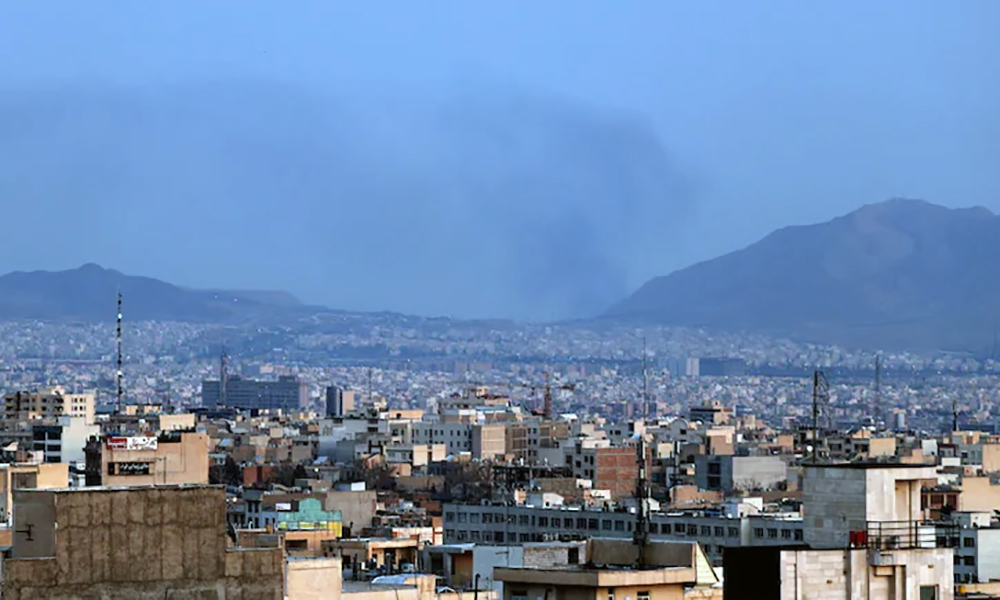
Explosions were heard on Saturday evening in several areas in southern Iran, including on Qeshm Island in the Strait of Hormuz, Iranian state television reported.
Iran’s state TV suggested that the explosions might be linked to Iranian military activities in the strategic waterway, which has become subject to repeated attacks on commercial shipping since the war erupted between the US and Iran in February.
It said Iranian officials have not confirmed any missile strikes on the areas, while the semi-official Tasnim news agency cited a source as saying that the explosions heard on Qeshm Island were not related to missile strikes.
Iran’s Revolutionary Guards Navy said early on Sunday that two oil tankers were on fire after hitting mines as they attempted to pass through an “unauthorized route” in the strait. It was not immediately clear if the incidents referred to by the IRGC were linked to the sound of explosions heard in southern Iranian areas.
Iran has hit vessels it says have violated its restrictions on passage through the waterway, as it seeks to assert control over the strait and exert pressure on Washington.
Earlier on Saturday, Tasnim news agency said two missiles struck Qeshm Island with no official information on possible damage.
The reported explosions come days after the US carried out strikes on the island. A US official said those strikes were limited and not a resumption of major combat operations.
The US military said on Saturday evening that its forces disabled a commercial vessel that tried to get through the US blockade of Iran.
The US Central Command said one of its aircraft fired at the vessel’s stern and disabled the ship after it attempted to violate the blockade.
Countries in the region had been anticipating that US President Donald Trump, who has held off on strikes on Iran during the weeks leading up to Tuesday’s midterm elections, could restart attacks once the voting was over. Iran has repeatedly said it would respond to new attacks by striking at US and Israeli targets in neighboring countries.

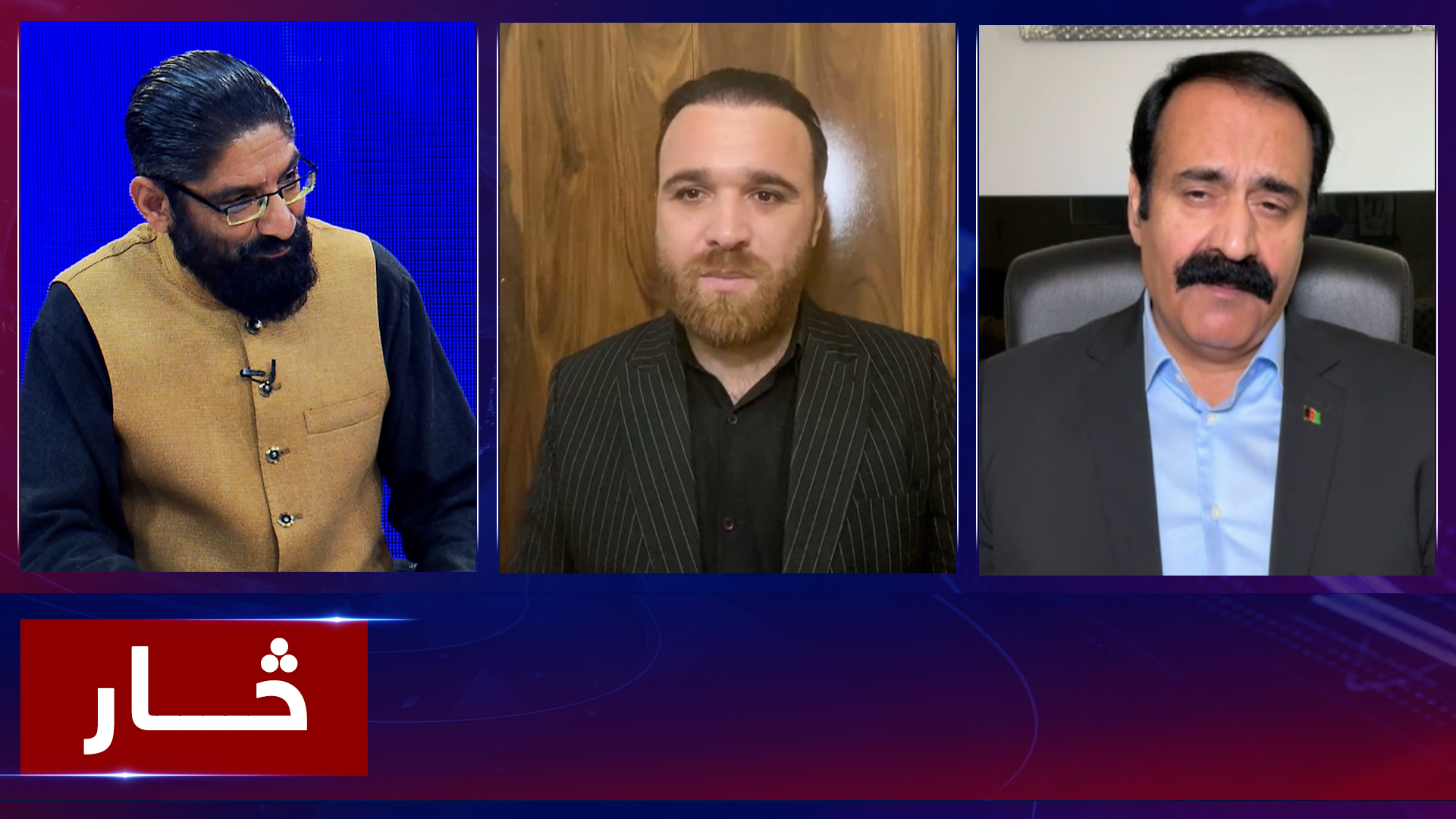
Saar: Discussion on US’s humiliating defeat in Afghanistan

Afghanistan falls just short of Bronze at Dakar 2026 Youth Olympic Games
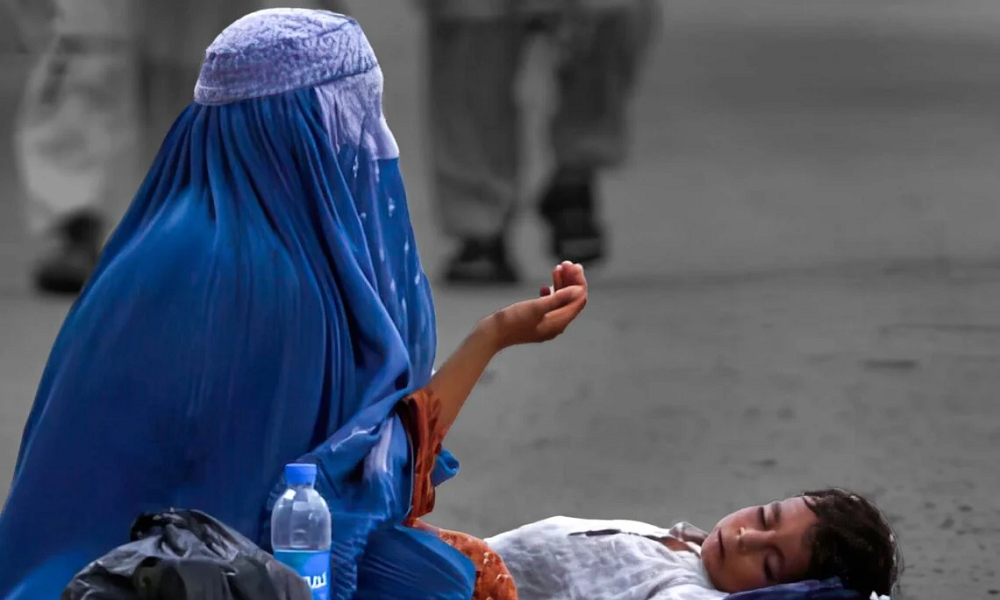
Afghan officials meet international donors to develop sustainable solutions to begging
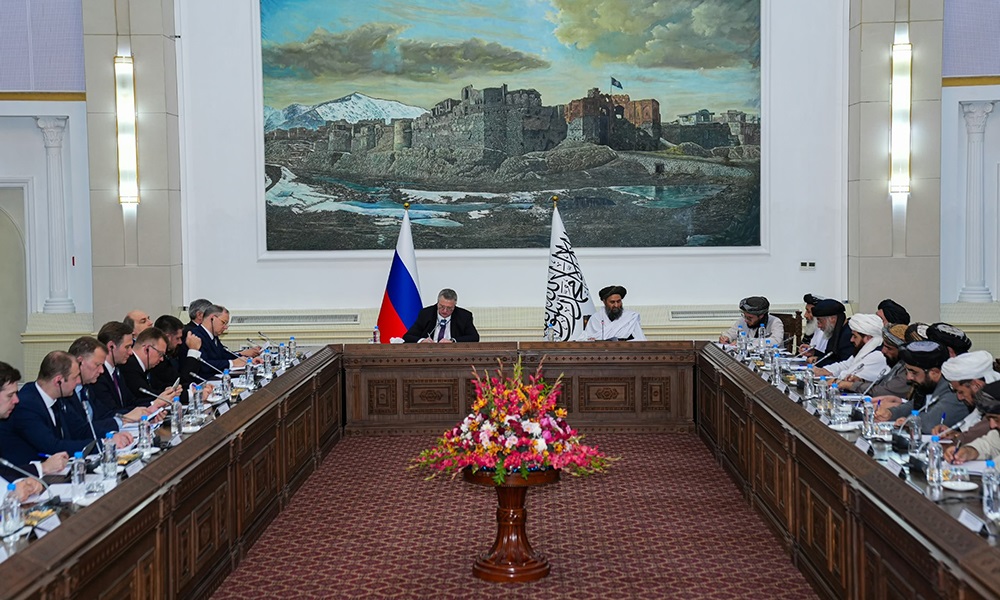
Afghanistan invites Russian companies to invest in mining, industry and infrastructure
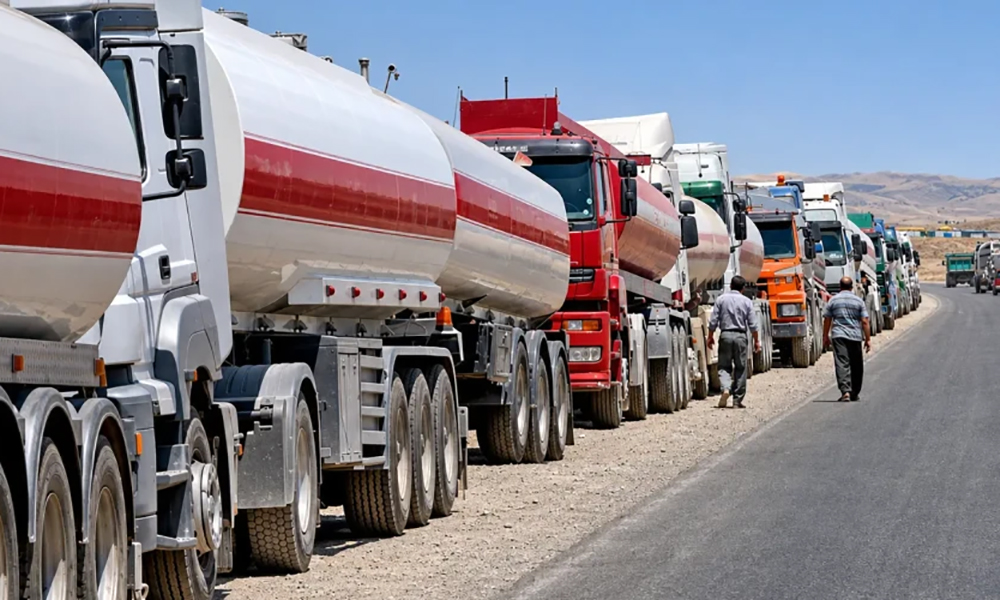
Iraq launches probe into alleged oil smuggling route from Kurdistan to Afghanistan

Afghanistan finish runners-up after 6-0 defeat to Brazil in futsal final

Trump says US may strike Iran’s ‘Pickaxe Mountain’ nuclear facility

Afghan futsal coach: Brazil tournament is first step towards new goals and World Cup

Rubio heads to Central Asia while other US officials hit foreign policy hot spots

Violent protests spread across Europe as Albanian PM blames ‘foreign hand’
Saar: Discussion on US’s humiliating defeat in Afghanistan
Tahawol: High-level Russian delegation’s visit to Kabul discussed
Saar: Afghanistan’s situation in focus at CSTO discussed

Tahawol: Efforts to halt deportation of Afghan refugees from US discussed
Saar: Russia’s stance on Afghanistan discussed
-
 World4 days ago
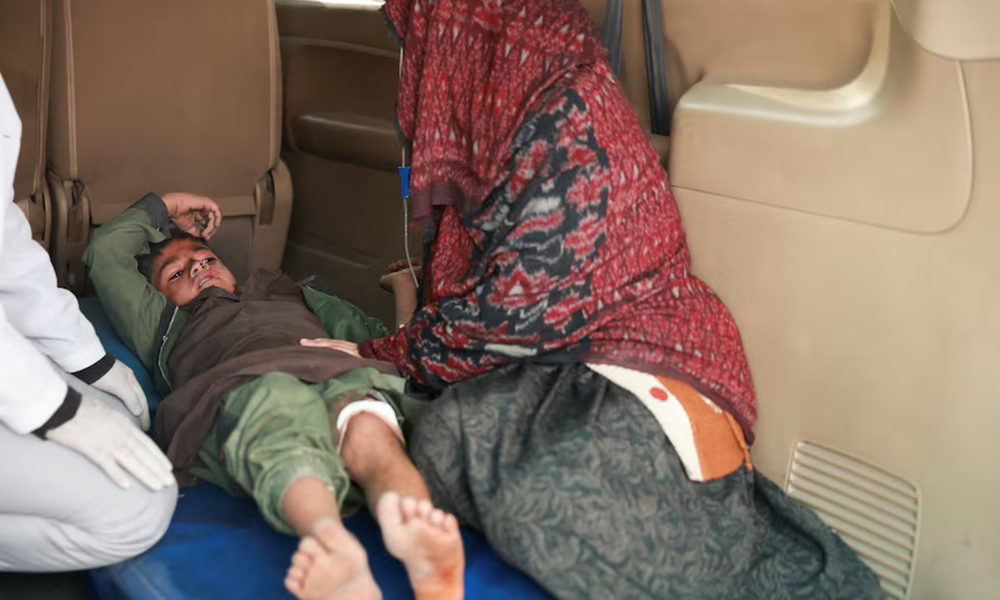
Houthi-run health ministry says airstrikes kill 33 near Yemen capital
-
 Sport4 days ago
Afghanistan’s record partnership highlights fourth day of Test against Zimbabwe
-
 Sport3 days ago
Portugal beat Afghanistan 2-0 in Dakar Youth Olympics futsal semi-finals
-
 Sport4 days ago
Afghanistan thrash Senegal 6-0 to reach Dakar Youth Olympics futsal semi-finals
-
 World3 days ago
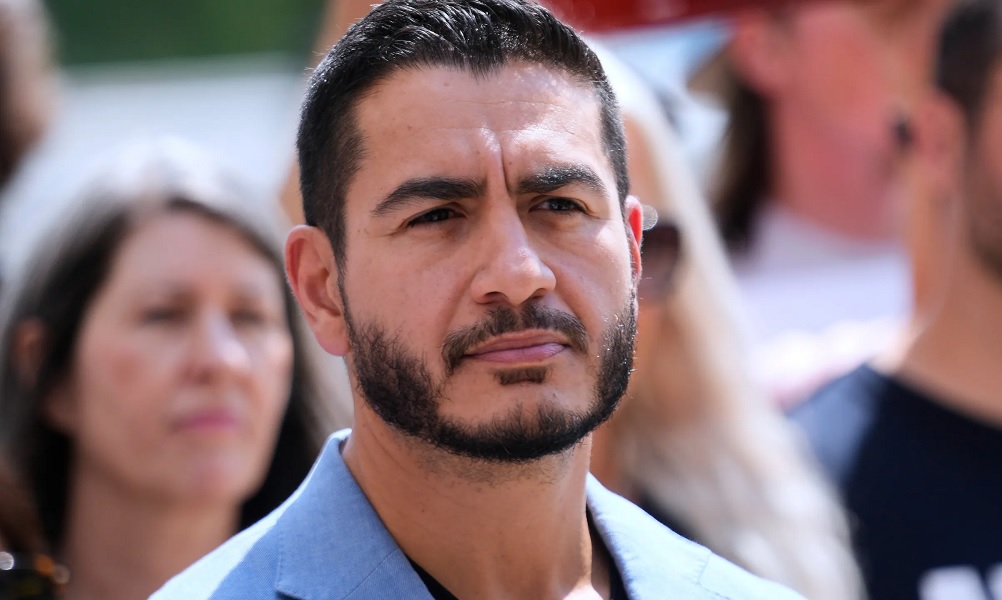
First Muslim US senator-elect El-Sayed calls for review of aid to Pakistan
-
Regional4 days ago
Explosions heard in areas in southern Iran, Iranian media report
-
Regional3 days ago
Iran defends two-day proposal for peace talks after US rejects conditions
-
 Business4 days ago
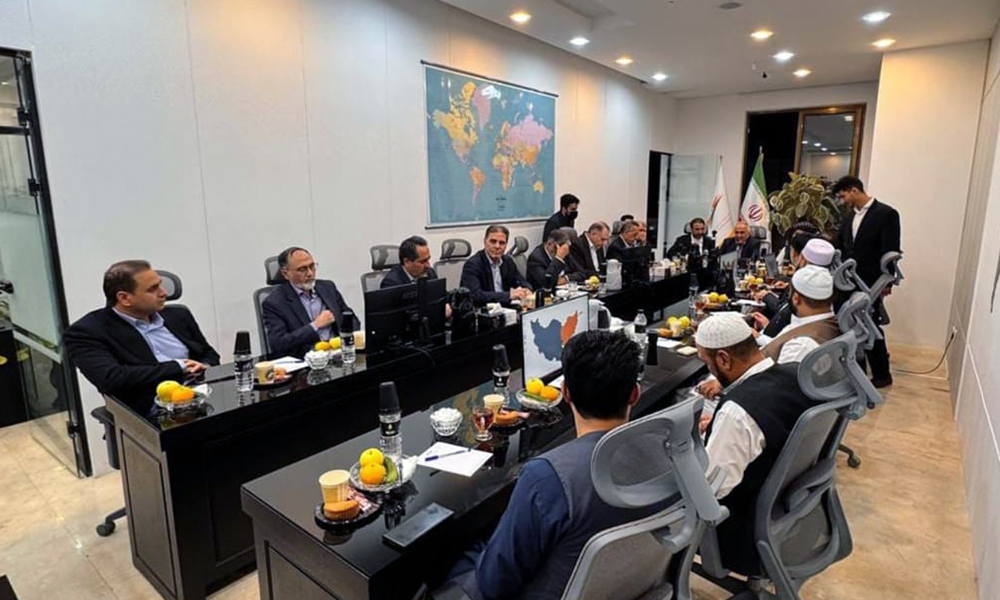
Afghanistan and Iran discuss boosting trade and investment ties