
Business
Pakistan will lose big market in both Afghanistan, Central Asia: Sarhadi


Reacting to the Afghan authorities’ call for exploring new trade avenues, Ziaul Haq Sarhadi, senior vice-president of Pak-Afghan Joint Chamber of Commerce and Industry, has expressed concern that Pakistan would lose a big market in both Afghanistan and Central Asian States, with whom Pakistan just recently signed trade agreements worth millions of dollars.
He noted that Afghanistan had the option to sign business deals with almost all Central Asian States along with Iran and Turkiye on easier terms than Pakistan’s, Dawn newspaper reported.
Before Durand Line crossings closure last month, Pakistan was exporting fresh fruits, cement, medicines, fabrics, agricultural tools, shoes, and other products worth $100–200 million per month to Afghanistan.
Zahidullah Shinwari, a former president of Sarhad Chamber of Commerce and Industry, said that besides losing the Afghan and Central Asian States markets, the suspension of trade with Afghanistan would also seriously affect the tax collection of Federal Bureau of Revenue, which was collecting millions of rupees on a daily basis from both exports and imports at all border points.
He said that industry in KP would be particularly hit hard by the trade suspension with Afghanistan as the KP industry was heavily reliant on its products to Afghanistan, while they couldn’t compete with industry in Punjab and Sindh due to several reasons.
“Much of our big industry, especially cement factories, are run by coal imported from Afghanistan, so suspension of coal import from Afghanistan will adversely affect the production capacity of our big industries,” he said.
He warned if the trade with Afghanistan ended permanently, it would result in the closure of a majority of industrial units in KP with hundreds of industrial labour becoming jobless, while the owners would go bankrupt.
Trade between Afghanistan and Pakistan came to a standstill over a month ago after Pakistani airstrikes on Afghanistan and clashes between the two countries.
Recently, Mullah Abdul Ghani Baradar, Deputy Prime Minister for Economic Affairs, urged traders to look for new trade avenues, as Pakistan has always created hurdles.



Business
Afghanistan raises import tariffs on several goods to support domestic industry
Under the new rates, the customs tariff on bottles has increased from 12% to 16%, while the tariff on construction paint has risen from 16% to 30%.
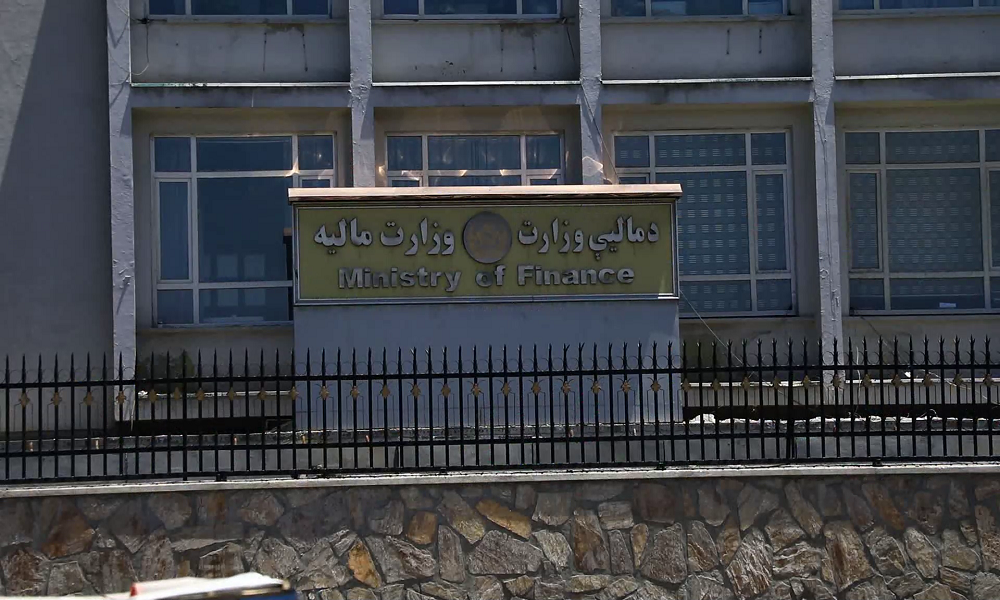
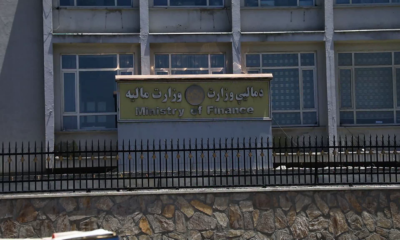
Afghanistan’s Ministry of Finance says it has increased customs tariffs on several imported goods as part of measures aimed at supporting domestic production and industrial growth.
The ministry said the Tariff Committee approved the changes during its third meeting of the 1405 solar year.
Under the new rates, the customs tariff on bottles has increased from 12% to 16%, while the tariff on construction paint has risen from 16% to 30%.
Tariffs on leather footwear and plaster have each increased from 50% to 80%, while the rate on sanitary diapers has risen from 20% to 25%.
At the same time, the tariff on heart springs has been reduced from 8% to 3.5%.
The Ministry of Finance said customs tariffs on cement, iron pipes, refrigerators and raw materials used in carpet production are also under review.
According to the ministry, the tariff adjustments are intended to protect domestic industries, strengthen local production and create conditions for further growth in trade.
Business
Afghanistan-Kazakhstan trade reaches $581 million in six months
The latest discussions come as Kabul and Astana work on a bilateral economic cooperation roadmap, with the two countries aiming to increase annual trade to $3 billion.
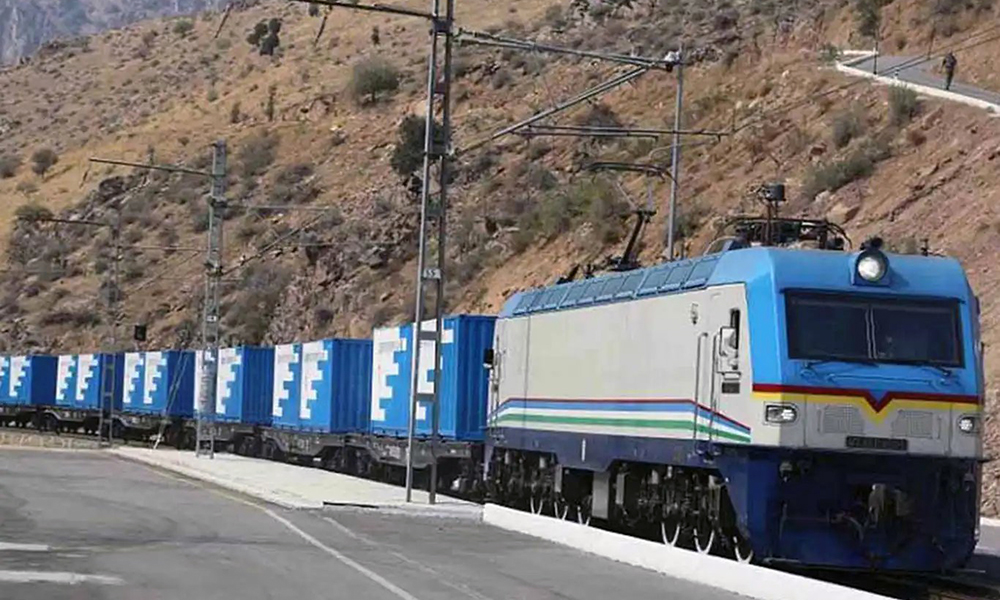
Trade between Afghanistan and Kazakhstan reached $581 million in the past six months, officials in Afghanistan’s western Herat province said.
The figure was discussed during a meeting between Herat Governor Noor Ahmad Islam Jar and a Kazakh delegation led by Yerkin Tukumov, Kazakhstan’s special representative for Afghanistan.
Tukumov stressed the need to expand transit capacity and remove customs barriers to facilitate increased trade between the two countries. He also invited Afghan officials to attend a joint economic meeting scheduled to take place in Kazakhstan.
Islam Jar highlighted Herat’s strategic location and security, describing the province as having significant potential to serve as a hub for investment and regional trade.
Afghanistan and Kazakhstan have previously discussed expanding trade in agricultural products, including Afghan agricultural exports in exchange for flour imports from Kazakhstan.
The two sides have also reached understandings on cooperation over the Torghundi-Herat railway project, which is intended to strengthen transport and trade links.
The latest discussions come as Kabul and Astana work on a bilateral economic cooperation roadmap, with the two countries aiming to increase annual trade to $3 billion.
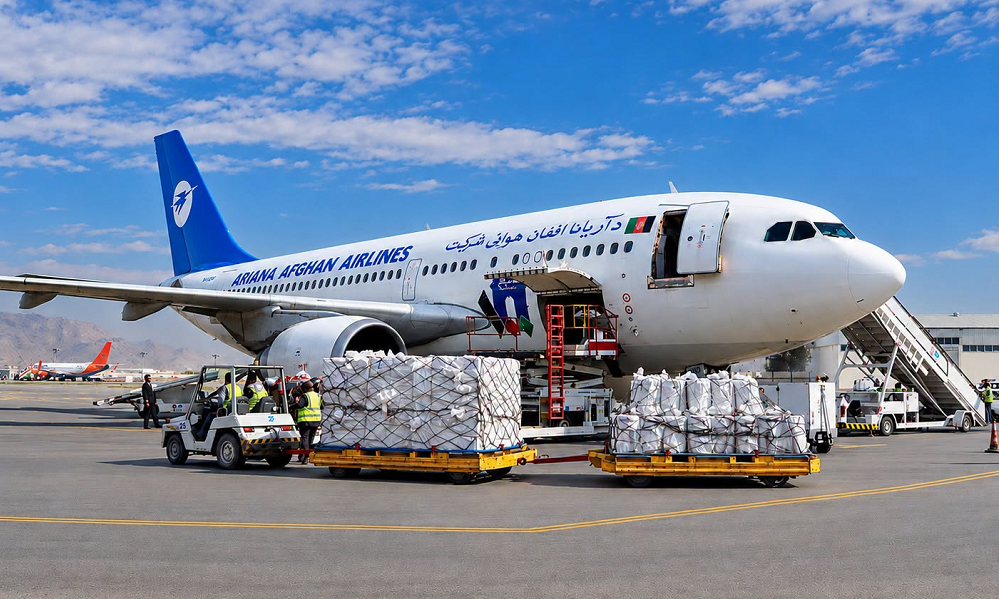
Ariana Afghan Airlines has increased cargo flights between Kabul and Delhi to facilitate the transportation of commercial goods and support Afghan traders.
In a statement issued Saturday, the airline said it will now operate two scheduled cargo flights daily on the Kabul-Delhi route, up from one flight per day previously.
The airline said Afghan traders and commercial companies can use the daily cargo services to transport their goods quickly, safely and reliably between Afghanistan and India.
Ariana Afghan Airlines said it is working to further expand and improve its air cargo services to support trade, meet the needs of Afghan traders and facilitate Afghanistan’s exports and imports.


Kunduz football ground to be built with FIFA funding

ACL: Sorkh Poshan Khafi maintain perfect record with 1-0 win over Ariana Khost

Health minister visits Belarus to expand medical cooperation

Afghanistan vs India Asian Games quarter-final abandoned without a toss

Afghanistan raises import tariffs on several goods to support domestic industry

Saudi energy group signs major Afghanistan deals covering gas exploration and pipeline plans

Trump floats idea of renaming Atlantic or Pacific Ocean

Nepal flood rescue mission enters critical phase as thousands remain missing

Iranian clubs to face Gulf opponents at neutral venues in Asian Champions League Elite

Khalilzad: Afghanistan ready to attract major investment

Saar: Afghanistan’s image at UNGA

Saar: Concerns over Pakistan’s political crisis discussed

Exclusive interview with Abdul Latif Mansoor, Minister of MRRD

Tawsia: Overview of Afghanistan’s iron mines

Tahawol: Discussion on fresh Pakistani airstrikes on Afghanistan
-

 Regional5 days ago
Iran airlines cancel flights as US sanctions hit
-

 Sport4 days ago
Afghanistan open Asian Games cricket campaign with win over Japan
-
 World4 days ago
Trump welcomes Chinese President Xi as US-China summit gets underway
-

 Latest News1 day ago
Afghanistan says 28 killed, 32 captured in Nuristan operation
-

 Sport1 day ago
Afghan bodybuilder Ali Bilal finishes runner-up at Mr Olympia for third straight year
-
 World2 days ago
Trump rejects Iranian proposal to open Hormuz and end fighting
-
 Latest News4 days ago
Khalilzad warns Pakistan-Afghanistan tensions likely to worsen after fresh airstrikes
-

 Latest News2 days ago
Khalilzad questions Pakistan’s commitment to Afghan welfare