
Latest News
Dozens of needy families in Kabul receive winter aid from Bayat Foundation

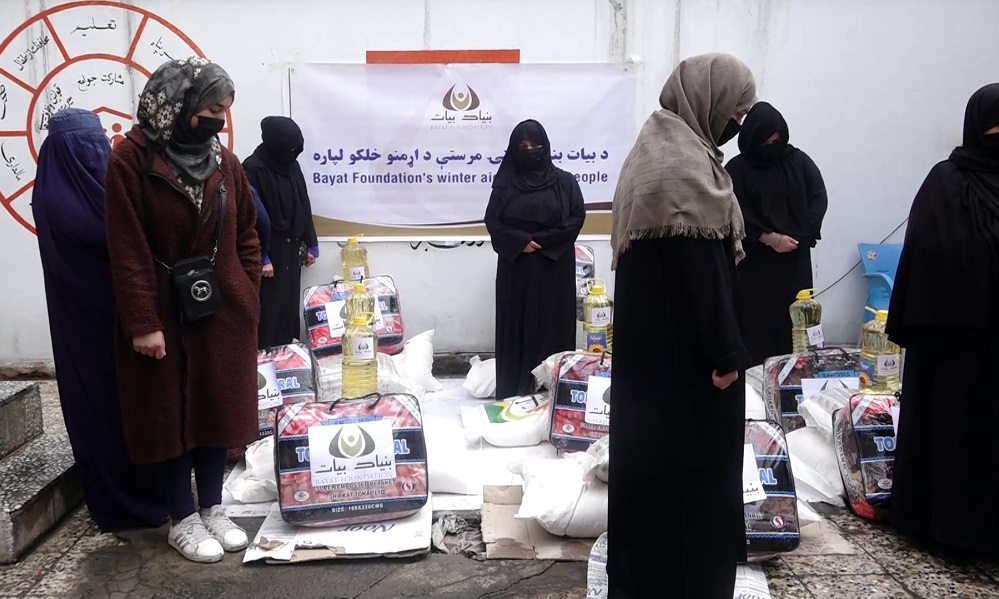
Dozens of needy families in Kabul’s fifth district have received essential winter assistance from the Bayat Foundation, as part of ongoing efforts to ease hardship during the cold season and worsening economic conditions.
According to foundation officials, the aid package includes staple food items such as flour, rice, and cooking oil, along with warm blankets to help families cope with freezing temperatures. Haji Mohammad Ismail, Deputy Head of Bayat Foundation, said the distribution began in Kabul and will soon be expanded to other provinces.
“Our assistance includes flour, rice, cooking oil, and blankets,” Ismail said. “Today, we started distributing these items in Kabul’s fifth district, and God willing, the aid will reach other provinces in the near future.”
Afghanistan continues to face widespread poverty, unemployment, and food insecurity, with many families struggling to meet basic needs, particularly during winter when access to work and heating becomes more difficult.Humanitarian organizations and charitable foundations have stepped up relief efforts to support those most affected.
Beneficiaries welcomed the assistance, describing it as a lifeline. “May God bless you for helping the poor. We had nothing and no work,” said one recipient. Another added, “Thank you for your help. Our flour was almost finished.”
Bayat Foundation officials stressed that winter aid distributions will continue in Kabul and other provinces in the coming days, as part of their broader commitment to supporting needy families across the country.



Latest News
Russia expects to ease Afghanistan-Pakistan tensions at Moscow Format meeting
Kabulov added that Russia is ready to mediate between Kabul and Islamabad if both sides request its assistance, noting that Russian Foreign Minister Sergei Lavrov has previously expressed Moscow’s readiness to help resolve the dispute.
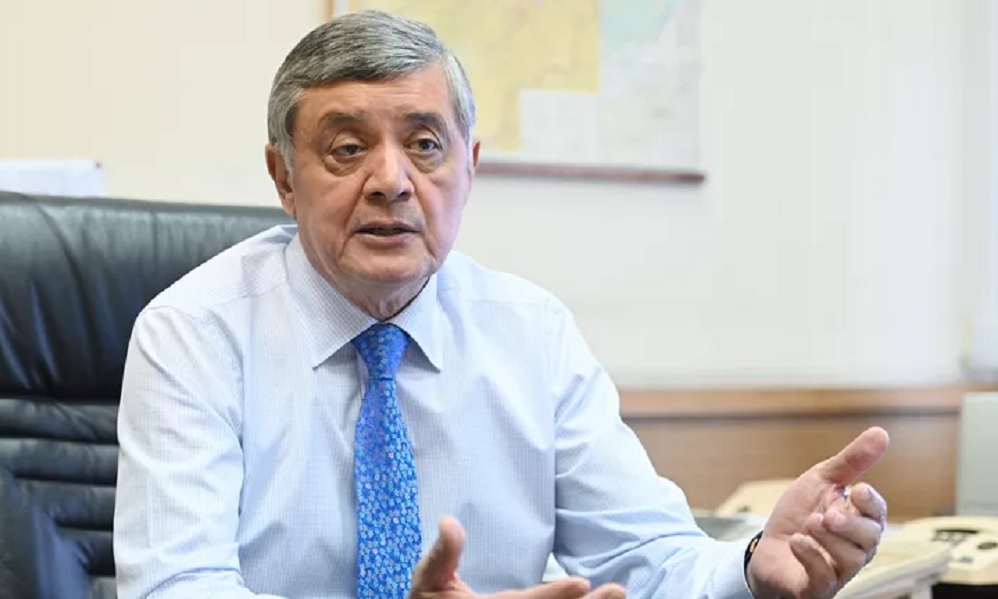
The latest escalation between Afghanistan and Pakistan will be urgently discussed at the upcoming meeting of the Moscow Format Consultations on Afghanistan, scheduled for October 5, Zamir Kabulov, Russia’s special presidential representative for Afghanistan, told Izvestia.
Kabulov said Russia is prepared to use the Moscow Format as a platform to help the two sides reach a compromise.
“Of course, this issue will certainly be raised, and we will be happy to use the Moscow platform to bring both conflicting parties to some reasonable compromises,” he said.
He added that Russia is ready to mediate between Kabul and Islamabad if both sides request its assistance, noting that Russian Foreign Minister Sergei Lavrov has previously expressed Moscow’s readiness to help resolve the dispute.
High-ranking officials from both countries are expected to attend the October 5 meeting. Afghanistan’s Foreign Minister Amir Khan Muttaqi will participate, while Pakistan will send its special representative for Afghanistan, along with its ambassador to Kabul and other senior foreign-policy officials, Kabulov said.
The Moscow Format, established in 2016, brings together regional countries to discuss Afghanistan’s security and political situation. Its participating countries include Russia, Afghanistan, China, Pakistan, India, Iran, Kazakhstan, Kyrgyzstan, Tajikistan, Turkmenistan and Uzbekistan. Belarus and Egypt have also been invited as guests to the upcoming meeting.
The latest tensions come amid continued disagreements between Kabul and Islamabad over security and cross-Durand Line militancy. Pakistan has repeatedly accused the Afghan authorities of allowing Tehrik-e-Taliban Pakistan (TTP), which Islamabad blames for attacks inside Pakistan, to operate from Afghan territory.
The Afghan authorities have denied supporting the TTP and have maintained that Pakistan’s internal security problems should not be blamed on Afghanistan.
Kabulov said the dispute remains difficult to resolve because both sides continue to maintain their positions.
The Moscow Format meeting comes after Pakistan carried out fresh airstrikes in Afghanistan on October 1. Afghan authorities said the strikes in Kunar and Helmand provinces killed nine civilians, including women and children, and wounded 11 others.
Afghanistan condemned the strikes as an act of aggression.
Abdul Haq Hamkar, Chief Executive Officer of Da Afghanistan Breshna Sherkat (DABS), has met with Tajikistan’s Minister of Energy and Water Resources Daler Juma during a visit to Tajikistan.
According to DABS, the two sides discussed increasing electricity imports from Tajikistan and expanding power transmission infrastructure between the two countries.
They also discussed a proposed 500-kilovolt transmission line from Tajikistan through Afghanistan to Iran, which they said could contribute to expanding regional power transmission networks and strengthening energy cooperation.
The meeting also covered planned energy projects in Badakhshan province and Afghanistan’s border districts. Both sides emphasized expanding cooperation to help provide a stable electricity supply to these areas.
Hamkar said energy is not only a technical requirement but also essential for the operation of hospitals, industrial development, education, and the country’s economic and social growth.
He called for further expansion of energy cooperation between Afghanistan and Tajikistan.
Latest News
UN expert calls for accountability after Pakistani airstrikes kill civilians in Afghanistan
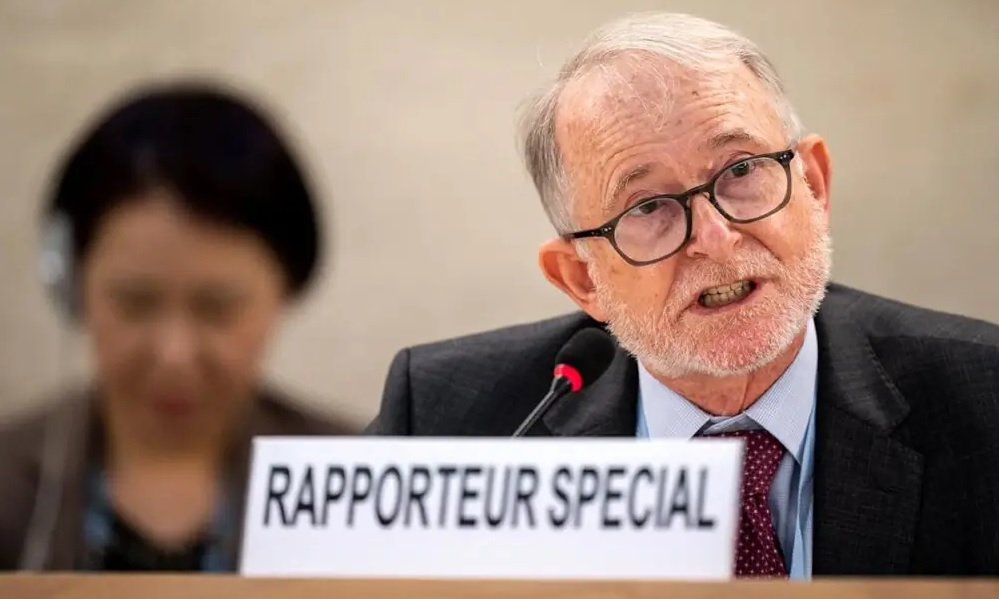
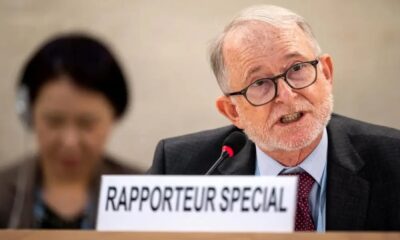
UN Special Rapporteur on the situation of human rights in Afghanistan Richard Bennett has called for accountability following Pakistani airstrikes in Afghanistan’s Kunar and Helmand provinces that killed multiple civilians.
“Accountability is paramount after another air strike that has killed civilians, most of them children,” Bennett said in a post on X.
He questioned whether the incident resulted from “incompetence, negligence or worse,” adding that there was no justification for what he described as “irreparable harm” to civilians.
Bennett said the reported incident appeared to violate international human rights and humanitarian law.
The United Nations Assistance Mission in Afghanistan (UNAMA) said it had confirmed that at least 10 civilians were killed and nine others injured in the airstrikes carried out on Thursday.


Russia expects to ease Afghanistan-Pakistan tensions at Moscow Format meeting

DABS chief meets Tajikistan’s energy minister to discuss cooperation

Afghanistan to face Pakistan, India and Australia at 2027 Cricket World Cup

Saudi-led coalition says Houthis attacked power station for Prophet’s Mosque in Medina

UN expert calls for accountability after Pakistani airstrikes kill civilians in Afghanistan

Saudi energy group signs major Afghanistan deals covering gas exploration and pipeline plans

Khalilzad: Afghanistan ready to attract major investment

El Niño likely to intensify, may become strongest ever recorded, WMO says

Khyber Chamber demands reopening of Torkham crossing

Messi returns to Inter Miami after Argentina retirement

Tahawol: Pakistan’s airstrikes on civilians in Afghanistan discussed

Tahawol: Improvement in Afghanistan-China relations discussed

Saar: Expanding ties with regional and global countries discussed

Tahawol: Absence of Afghanistan’s envoy at UNGA discussed

Saar: Assessment of war between Afghanistan and US discussed
-
 Latest News5 days ago
Afghanistan says 28 killed, 32 captured in Nuristan operation
-
 Sport4 days ago
Afghanistan vs India Asian Games quarter-final abandoned without a toss
-
 Latest News5 days ago
Germany reports 488 Afghans for possible deportation, 267 have no criminal convictions
-
 Regional4 days ago
Floods, landslides kill 56 in India and 14 in Nepal
-

 World4 days ago
Trump says men arrested at UK air base used by US planned ‘big damage’
-
 Regional3 days ago
US, Iran separately talk with mediators in latest bid to end war
-
 World4 days ago
Serbia’s President Vucic resigns ahead of October parliamentary elections
-
 Business4 days ago
Afghanistan raises import tariffs on several goods to support domestic industry