
Latest News
Aid distributed to flood-affected families as severe weather causes widespread damage

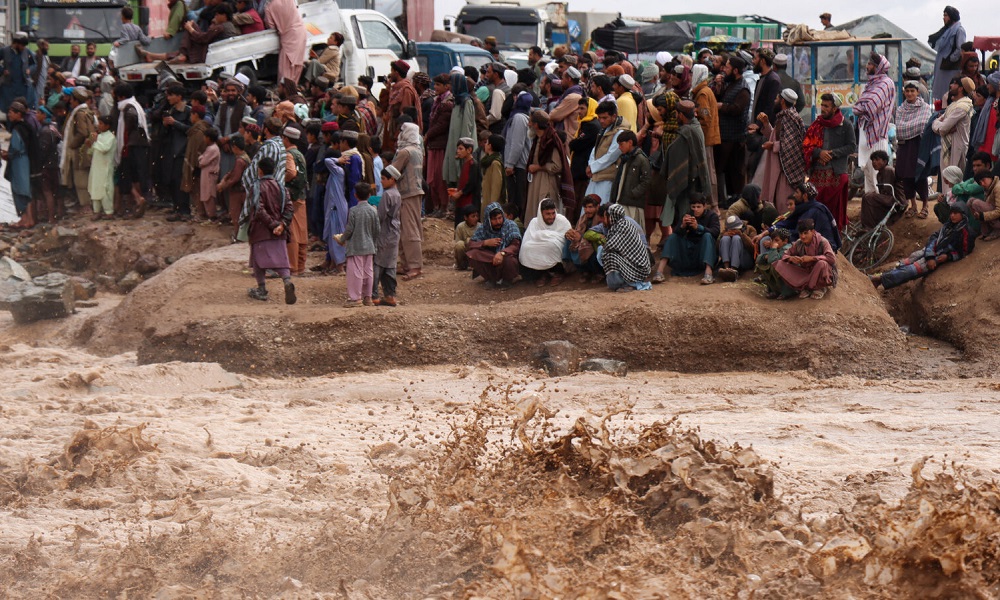
The National Disaster Management Authority (NDMA) of Afghanistan, in cooperation with international partners, has stepped up emergency response efforts following recent heavy rains, floods and other natural disasters that have caused widespread loss of life, injury and property damage across the country.
In Kandahar province, the NDMA, under a memorandum of understanding with Save the Children, distributed food and non‑food assistance to 109 families whose homes were damaged by recent floods and heavy rain.
With financial and technical support from IOM, WFP, CHA, UNHCR, UNFPA and Save the Children, aid packages were provided following detailed surveys. Items delivered included mattresses, food packages, health and hygiene kits and tents.
The Kandahar NDMA stated that supporting disaster‑affected families remains a core responsibility and expressed gratitude for ongoing humanitarian cooperation.
Afghanistan has been hit by intense rainfall and extreme weather over the past week, triggering flash floods, landslides and damage in multiple provinces. According to the NDMA, more than 110 people have died, at least 160 were injured, and seven others were reported missing due to these conditions over the past 11 days.
The flooding has caused extensive destruction, including the complete loss of nearly 1,000 homes, partial damage to over 4,000 houses, and flooding of more than 15,000 acres of farmland.
Roads, irrigation systems and critical infrastructure have also been damaged, disrupting travel and access to essential services.
In Nangarhar province, heavy rains caused the collapse of mud‑brick house roofs, killing at least five people and injuring others, underscoring the vulnerability of rural housing in Afghanistan’s remote areas.
Nationwide impact and weather risks
The NDMA released video updates explaining casualty figures and showing the scale of damage from recent natural disasters nationwide, including impacts from extreme weather over the past 24 hours. The authority continues to monitor conditions and coordinate response efforts.
Meteorological and agriculture agencies have noted that ongoing rainfall could benefit spring crops but also heightens the risk of further flooding in vulnerable regions. The FAO has warned that while increased moisture supports agriculture, heavy precipitation raises flood risks, particularly in urban and rural flood‑prone areas.
Other Natural Disasters
In addition to flooding, a 5.8‑magnitude earthquake struck the Hindu Kush region on April 3, killing at least 8–12 people and injuring several more. Homes were damaged in multiple provinces, demonstrating Afghanistan’s exposure to seismic hazards.
The NDMA continues to issue warnings and advisories to residents across several provinces to stay away from rivers and flood‑prone zones as unstable weather persists. Emergency teams, together with national and international partners, are conducting ongoing assessments to guide further relief efforts and damage mitigation.





Latest News
IEA intelligence officials highlight Sharia-based operations at research conference
The General Directorate of Intelligence was the first government institution for which special regulations were established by the leadership.

Abdul Haq Wasiq, head of the General Directorate of Intelligence of the Islamic Emirate of Afghanistan, and his deputy, Tajmir Jawad, have discussed the activities of their institution and the principles of the Islamic system at a scientific and research conference examining the impact of leadership decrees.
Wasiq said that following the Islamic Emirate’s return to power, the General Directorate of Intelligence was the first government institution for which special regulations were established by the leadership.
He added that the directorate operates under the established regulations and in accordance with Sharia, prevents what he described as cruel torture, combats crime and is committed to safeguarding human dignity.
Meanwhile, Tajmir Jawad said the Muslim community had lost significant spiritual strength following the loss of leadership under an Islamic system, adding that foreign ideas had influenced its thinking.
He stressed the need to strengthen Islamic thought and values and maintain the stability of the system.
Jawad further described the Islamic Emirate and Imamate as divine commands and religious obligations, saying that the advancement of Islam and the country depends on them.
Latest News
Pakistan FM urges Afghanistan to address security concerns of neighbors
Dar said Pakistan wanted Afghanistan to be fully integrated into the ECO framework and at peace with itself and its neighbours.
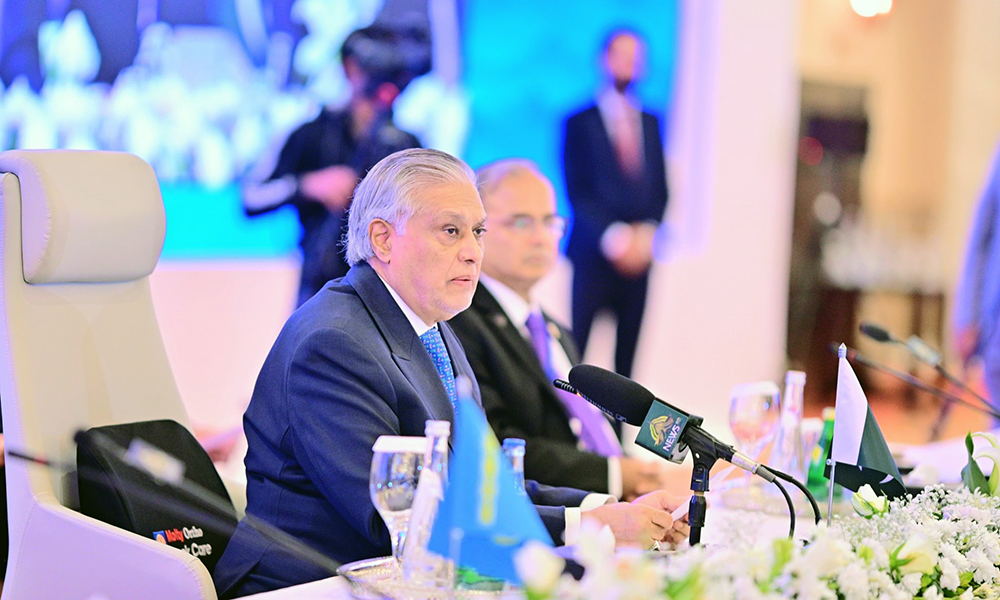
Pakistan Deputy Prime Minister and Foreign Minister Mohammad Ishaq Dar has called for a peaceful, prosperous and stable Afghanistan, while urging Afghan authorities to address the security concerns of neighbouring countries, particularly the threat of terrorism.
Dar made the remarks during the 30th meeting of the Economic Cooperation Organization (ECO) Council of Ministers in Islamabad.
Dar said Pakistan wanted Afghanistan to be fully integrated into the ECO framework and at peace with itself and its neighbours.
He added that such an outcome would benefit not only the Afghan people but also the wider region by opening important opportunities for trade, transit and economic cooperation.
The Pakistani foreign minister stressed that meaningful progress required Afghan authorities to address “the legitimate security concerns of neighbouring countries, particularly the threat of terrorism.”
He said a secure and stable environment was essential for sustained regional economic partnerships.
Pakistani officials have repeatedly claimed that attacks in their country are organized from Afghanistan. The Islamic Emirate, however, has rejected these allegations, saying Afghanistan is not responsible for Pakistan’s security failures.

Afghanistan’s state-owned Millie Bus Enterprise has held talks with Chinese bus manufacturer Higer on potential cooperation in the production and procurement of modern buses, including electric and hybrid models.
Mohammad Nabi Bahar, spokesperson for the General Directorate of State-Owned Corporations, said Abdul Baqi Muqim, General Director of the Millie Bus Enterprise, and an accompanying delegation visited Higer’s manufacturing plant in Suzhou, China.
During the visit, the Afghan delegation examined the company’s production facilities and gained first-hand insight into its manufacturing processes and product quality.
Higer officials expressed their readiness to cooperate with Afghanistan in supplying various types of buses for urban and high-speed transportation, including electric, hybrid and diesel-powered vehicles.
Higer is among China’s bus manufacturers, with its products used in several countries for passenger transportation and urban public transit.


Sorkh Poshan Khafi crowned ACL champions after unbeaten campaign
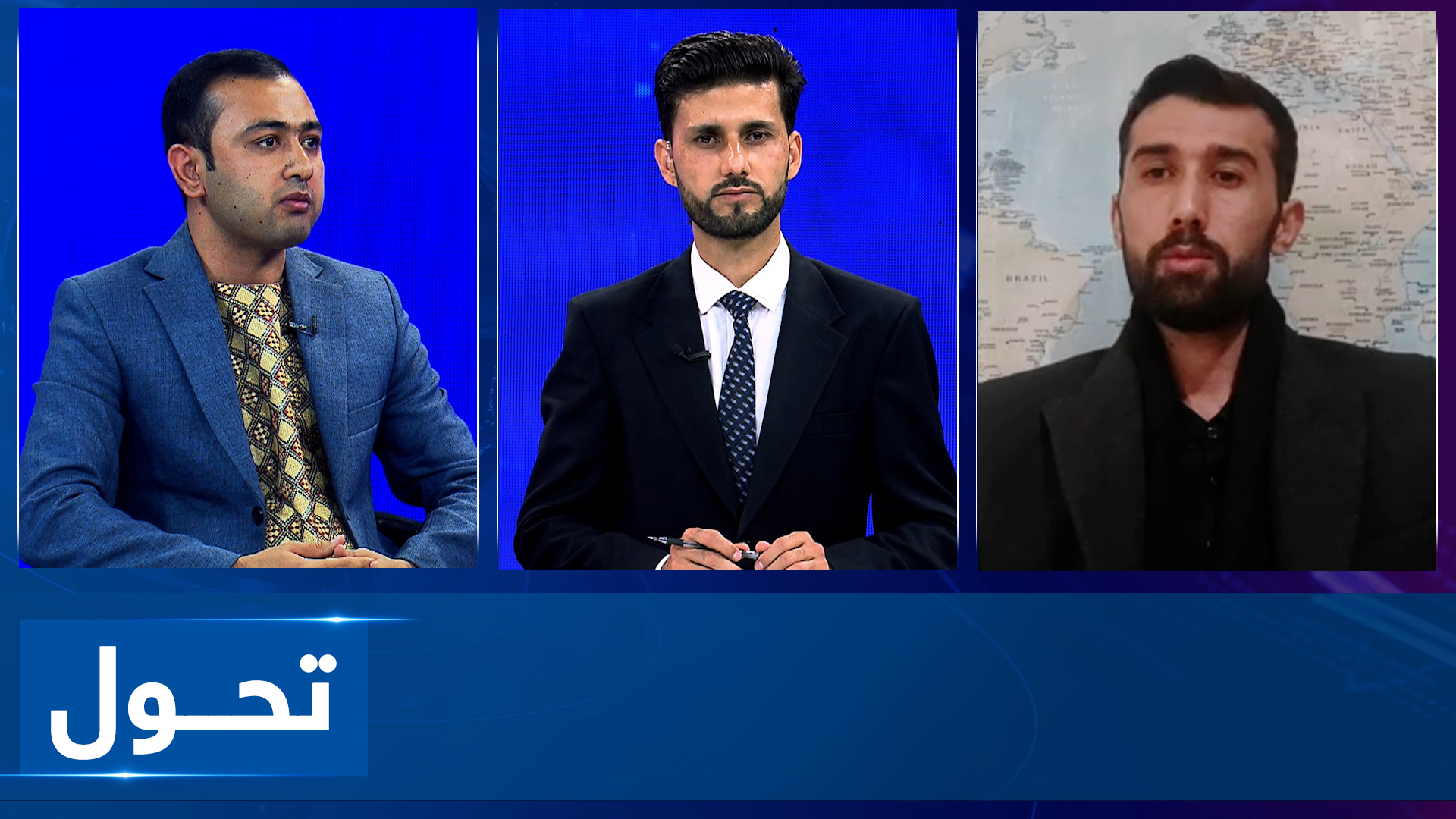
Tahawol: Afghanistan absent from ECO meeting
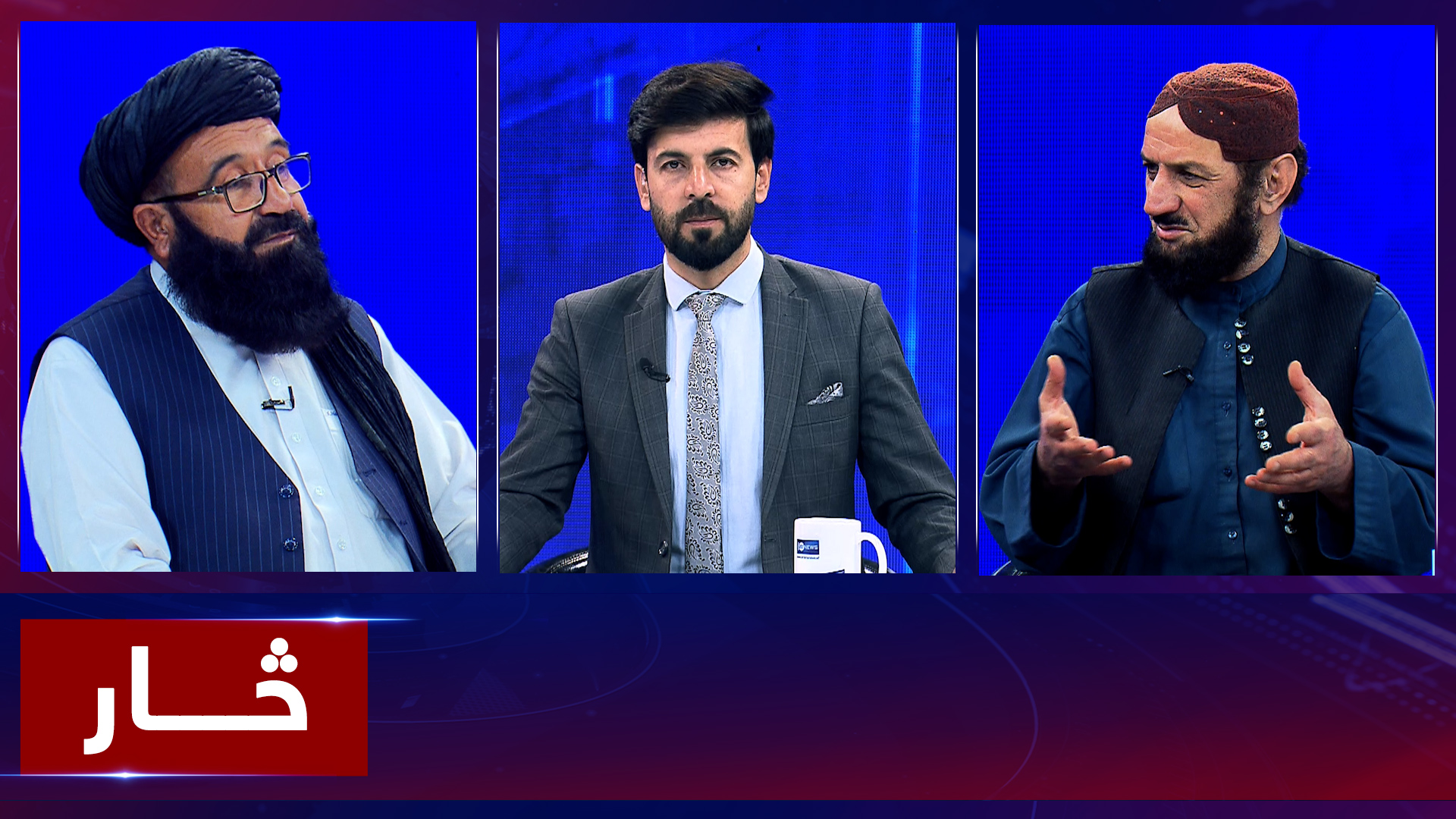
Saar: ECO meeting kicks off in Islamabad

IEA intelligence officials highlight Sharia-based operations at research conference
Pakistan FM urges Afghanistan to address security concerns of neighbors

Afghanistan finish runners-up after 6-0 defeat to Brazil in futsal final

Rubio heads to Central Asia while other US officials hit foreign policy hot spots

Violent protests spread across Europe as Albanian PM blames ‘foreign hand’

Governments take websites offline as critical cyber flaws trigger global alert

Afghanistan reach Brazil futsal tournament final after beating Cape Verde 4-2
Tahawol: Afghanistan absent from ECO meeting
Saar: ECO meeting kicks off in Islamabad
Tahawol: UK seeks to ease Kabul–Islamabad tensions
Saar: Iran–US tensions: an uncertain future
Tahawol: Concerns grow over worsening regional humanitarian crises discussed
-
 Business4 days ago
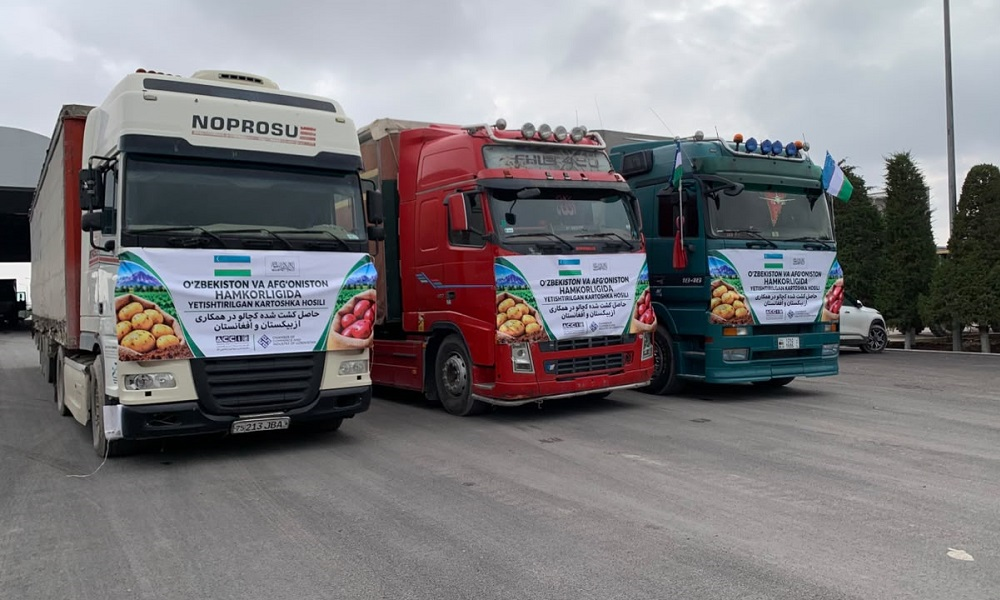
Afghanistan and Uzbekistan agree on export of 100,000 tons of Bamyan potatoes
-
 Latest News5 days ago
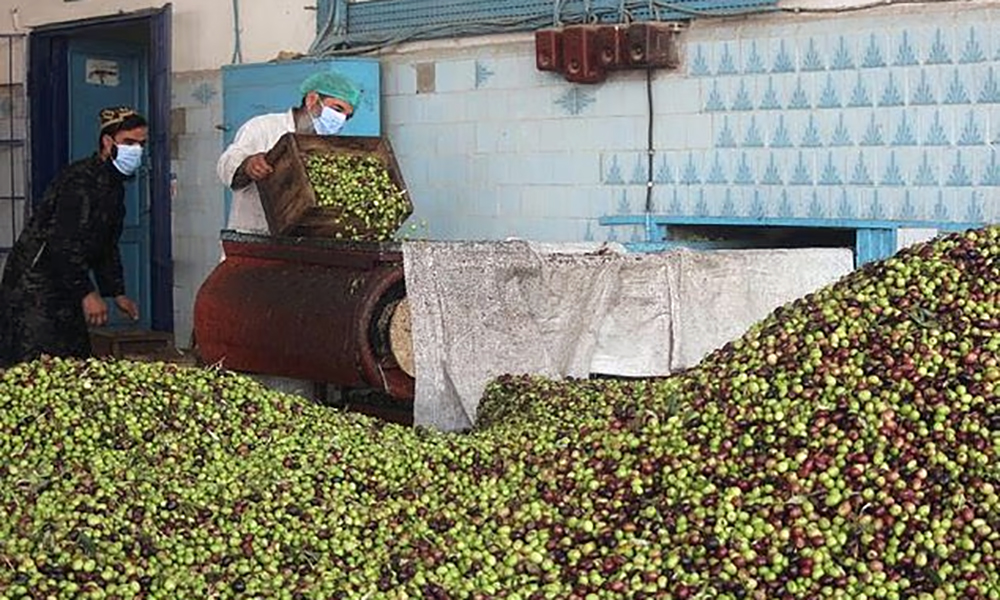
Olive farming offers new hope to Afghan farmers amid growing climate challenges
-
 Sport4 days ago
Afghanistan falls just short of Bronze at Dakar 2026 Youth Olympic Games
-

 Latest News5 days ago
Putin says CSTO closely monitoring Afghanistan’s security situation
-
 Latest News3 days ago
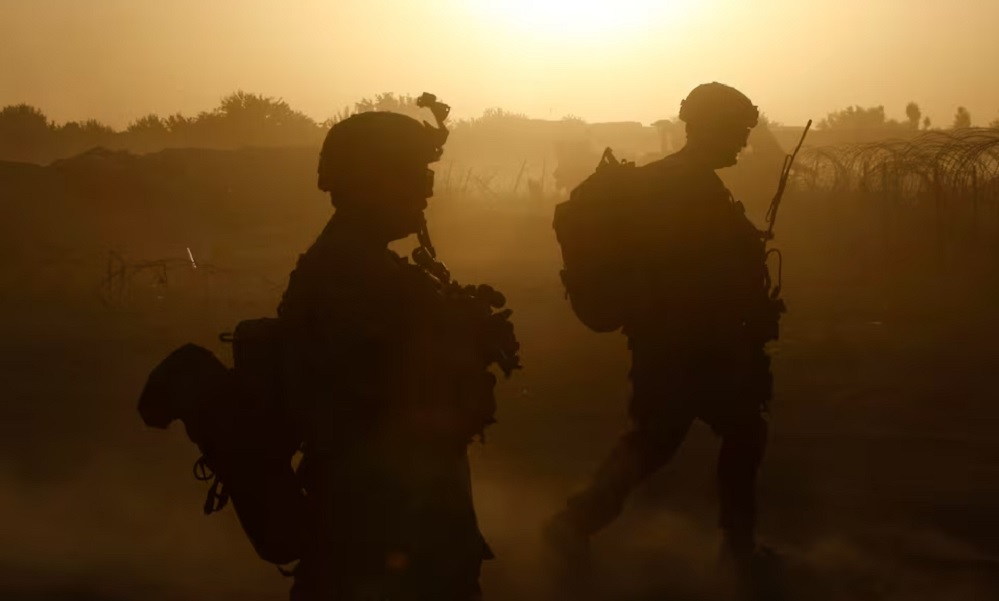
ICC halts probe into alleged crimes by US troops in Afghanistan
-
 Regional5 days ago
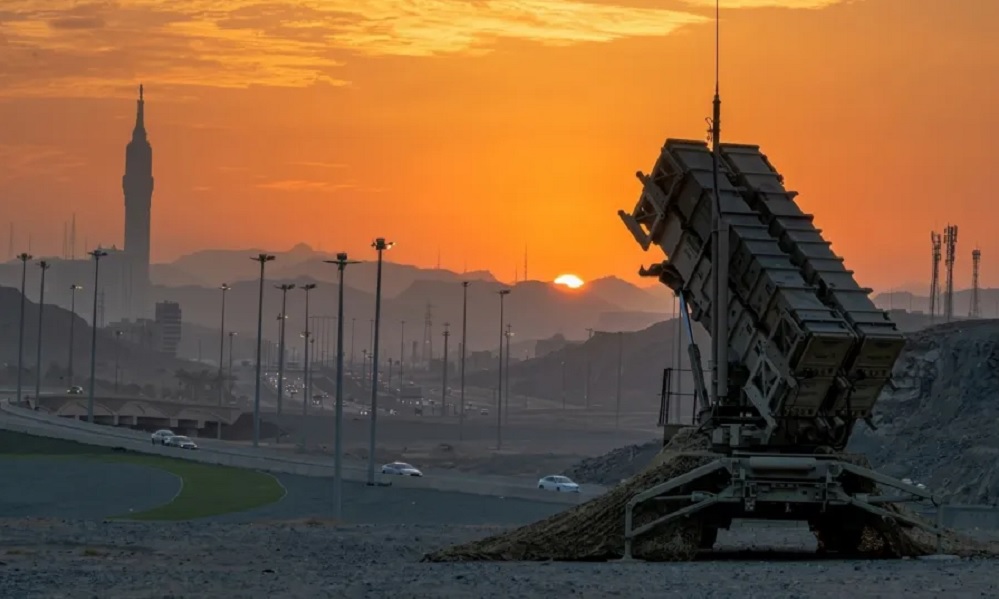
Saudi Arabia says debris from intercepted missiles falls in Mecca region
-
 Business5 days ago
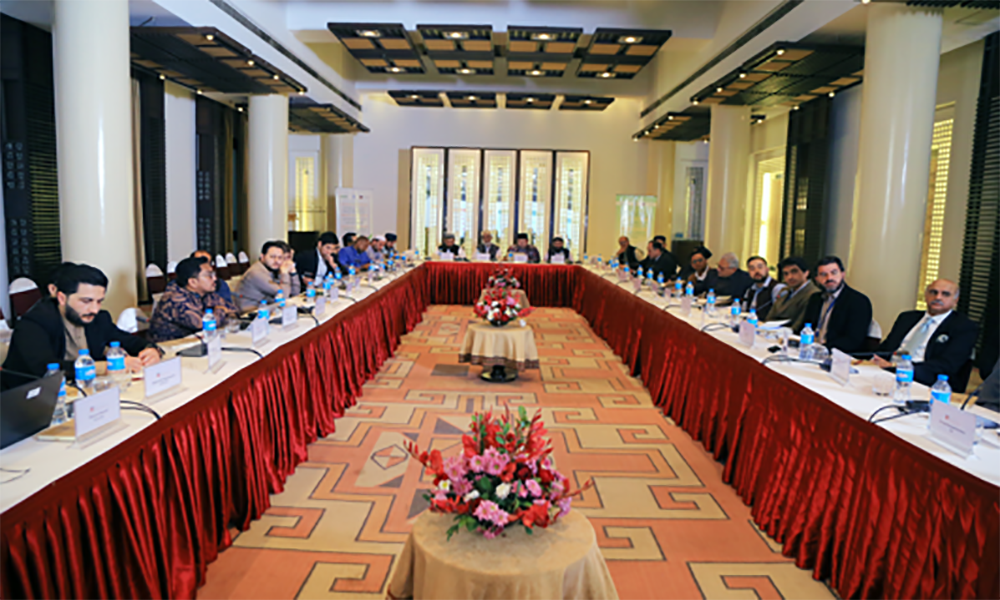
Afghanistan hosts dialogue on Islamic microfinance to expand access to Sharia-compliant financial services
-
 Sport4 days ago
Argentina clinch futsal gold after defeating Portugal in Dakar 2026 final