
Business
Pomegranate prices double in Pakistan amid suspension of Afghan trade
Traders say a 10-kilogram crate of large pomegranates, which cost around 4,000 rupees ($14) in 2025, now sells for as much as 10,000 rupees ($36).

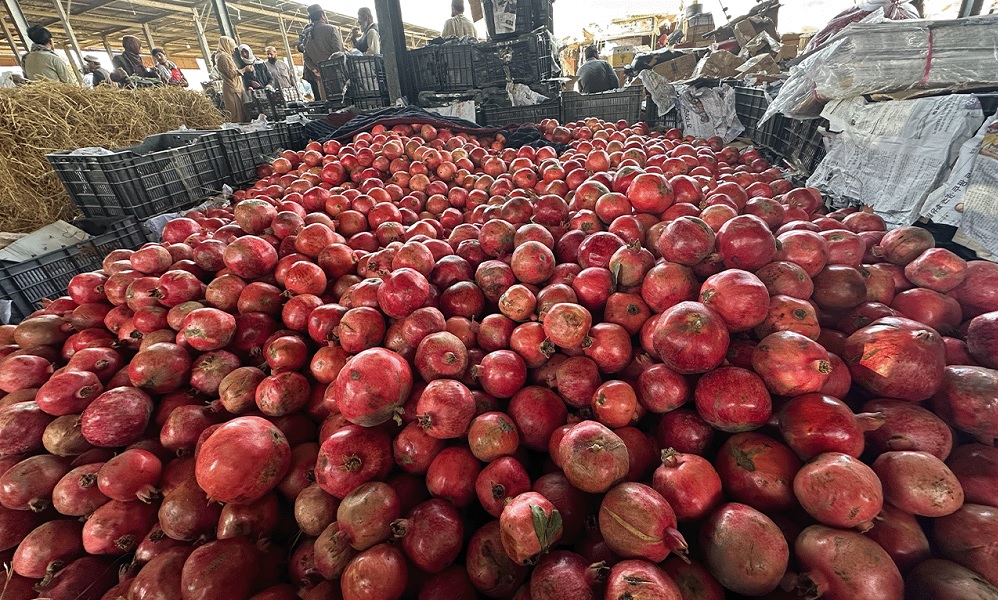
Pomegranate prices in Pakistan have more than doubled following the suspension of trade with Afghanistan, disrupting supplies of Afghan fruit and forcing traders to rely increasingly on local production, Arab News reported on Sunday.
In Quetta, the capital of Balochistan province, high-quality pomegranates are selling for around 900 Pakistani rupees ($3) per kilogram, compared with 400 rupees ($1.44) during the same period last year.
Traders say a 10-kilogram crate of large pomegranates, which cost around 4,000 rupees ($14) in 2025, now sells for as much as 10,000 rupees ($36).
The price increase comes as Pakistan, previously a major importer of Afghan pomegranates, faces reduced supplies following the suspension of bilateral trade and escalating tensions between the two neighboring countries.
According to Pakistan’s Bureau of Statistics, the country imported more than $18 million worth of pomegranates from Afghanistan in 2024.
Hajji Jalat Khan Achakzai, a former president of the Chaman Chamber of Commerce and an Afghan pomegranate importer, said the trade suspension has affected consumers as well as importers, transporters and clearing agents.
He said around 250 trucks carrying Afghan pomegranates previously entered Pakistan through Chaman regularly during the fruit season, which runs from mid-October to mid-December.
Achakzai said local production in Balochistan was insufficient to meet demand across Pakistan and called on Kabul and Islamabad to resolve their differences and resume bilateral trade.
The disruption has created an opportunity for farmers in Balochistan to expand local production.
Waheed Ahmed, head of the Pakistan Fruit and Vegetable Association and a member of the prime minister’s export board, said the suspension of Afghan imports had created an opportunity for local growers in Balochistan.
However, he warned that the disruption was damaging broader trade, noting that Pakistani agricultural products had also been exported to Afghanistan and transported onward to Central Asian markets.
Pakistan’s Commerce Ministry recently told a parliamentary committee that the country’s exports to Afghanistan had declined by around $1 billion since trade was suspended in 2025. It also estimated trade losses of $387 million between July and October this year due to regional conflicts, trade disruptions and rising transportation costs.




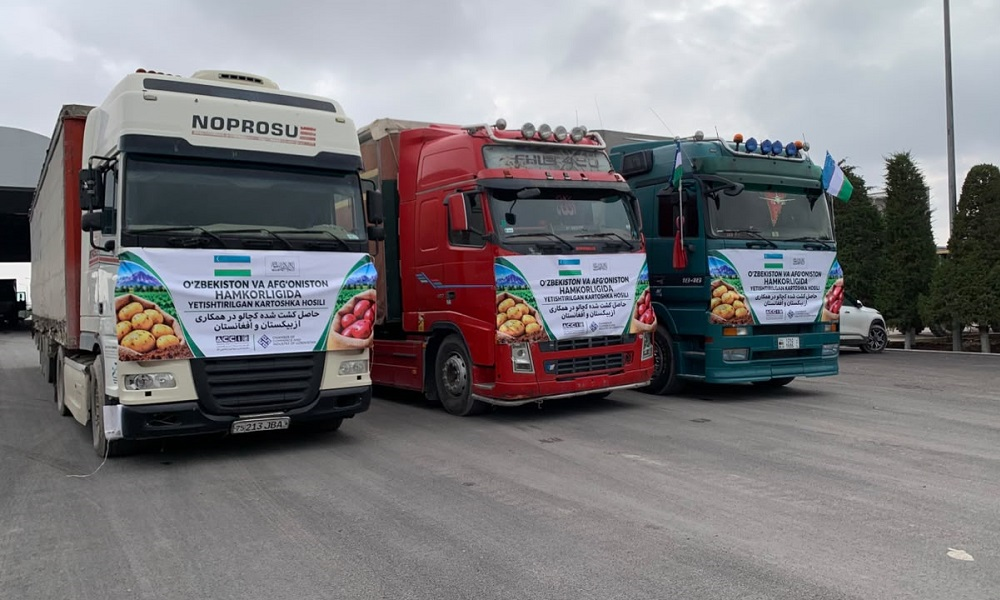
Cooperation between the Afghanistan Chamber of Commerce and Investment and the Uzbekistan Chamber of Commerce has paved the way for exporting potatoes from Bamyan province to the Uzbek market.
In this regard, Sayed Karim Hashemi, President of the Afghanistan Chamber of Commerce and Investment, and Doran Vahabov, President of the Uzbekistan Chamber of Commerce, have agreed on the export of 100,000 tons of Bamyan potatoes to Uzbekistan. Work is underway to finalize the export agreement.
Meanwhile, the first shipment of potatoes, consisting of eight trucks, has departed for the Uzbek city of Termez through the Hairatan Port.
The chambers of commerce of both countries, in cooperation with local authorities in Bamyan, have facilitated connections between traders and farmers and coordinated the purchasing, marketing, and transportation of the produce. This initiative is expected to expand market opportunities for Bamyan farmers and strengthen trade between Afghanistan and Uzbekistan.
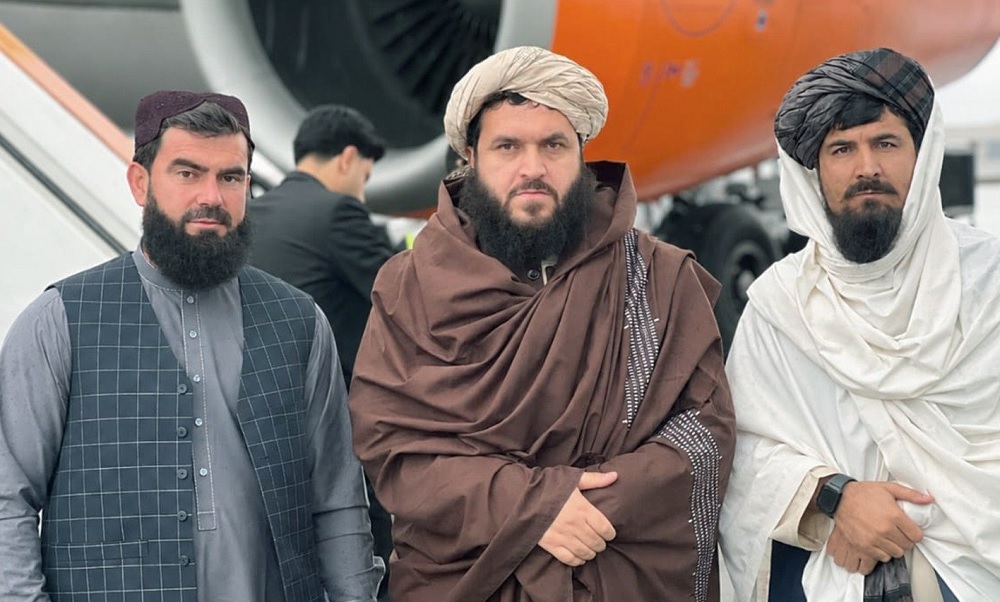
Afghanistan’s Deputy Minister of Industry and Commerce, Ahmadullah Zahid, has travelled to India to attend the India International Trade Fair (IITF) 2026 in New Delhi.
The ministry said Zahid is scheduled to meet senior Indian government officials, trade representatives and investors during the visit.
Discussions are expected to focus on expanding bilateral trade and economic relations, increasing trade between the two countries, exploring new markets for Afghan products and identifying opportunities for joint investment.
The ministry said the visit aims to strengthen trade cooperation, promote Afghanistan’s production and export potential, and create new opportunities for economic engagement between Kabul and New Delhi.
The 45th India International Trade Fair (IITF) 2026 takes place from November 13 to November 27 in New Delhi.
Business
Afghanistan hosts dialogue on Islamic microfinance to expand access to Sharia-compliant financial services
Participants also explored practical solutions and future steps to strengthen the sector, emphasizing the importance of cooperation, knowledge-sharing and better coordination among relevant institutions.
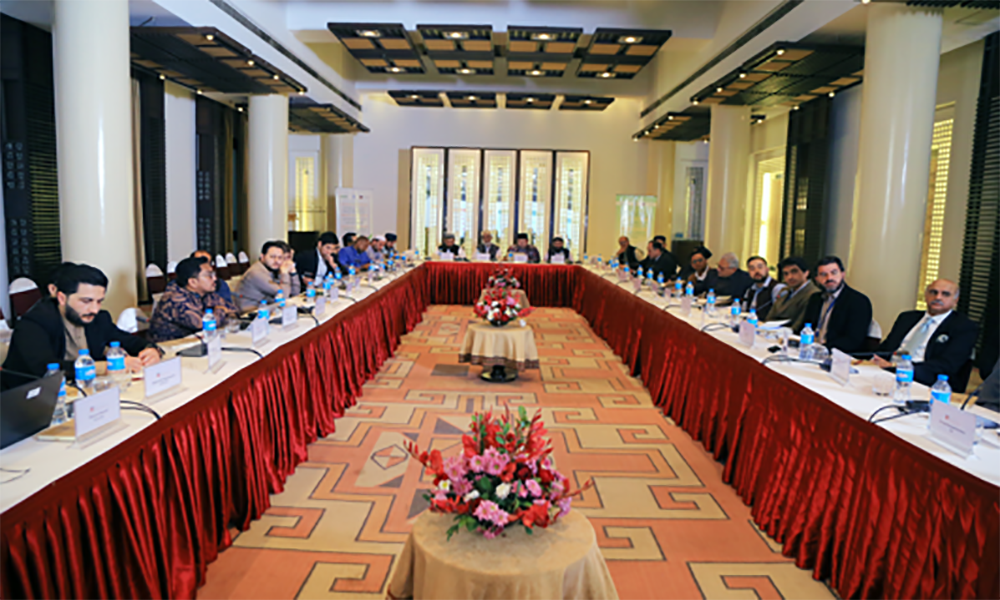
A dialogue on Islamic microfinance was held in Kabul on Wednesday, bringing together representatives of financial institutions, government authorities, international partners and Afghanistan’s microfinance sector to discuss ways of expanding inclusive financial services in the country.
The event was organized by The Liaison Office in coordination with the Afghanistan Microfinance Association (AMA), Da Afghanistan Bank (DAB) and the Indonesian Embassy in Kabul.
Participants discussed opportunities and challenges facing the development of Islamic microfinance services, with a focus on expanding access to financial products that comply with Islamic Sharia principles.
Representatives of AMA, Da Afghanistan Bank and the Indonesian Ambassador to Afghanistan delivered keynote remarks, highlighting the current situation of the microfinance sector, international experiences and opportunities for developing diverse Islamic financial products.
Two panel discussions focused on major challenges facing microfinance institutions, including structural barriers to growth, limited access to capital, funding and liquidity constraints, difficulties in securing guarantees, and the long-term sustainability of Islamic microfinance services.
Participants also explored practical solutions and future steps to strengthen the sector, emphasizing the importance of cooperation, knowledge-sharing and better coordination among relevant institutions.
The dialogue concluded with calls for stronger collaboration among financial institutions and development partners to improve access to inclusive, sustainable and Sharia-compliant financial services across Afghanistan.

Pomegranate prices double in Pakistan amid suspension of Afghan trade
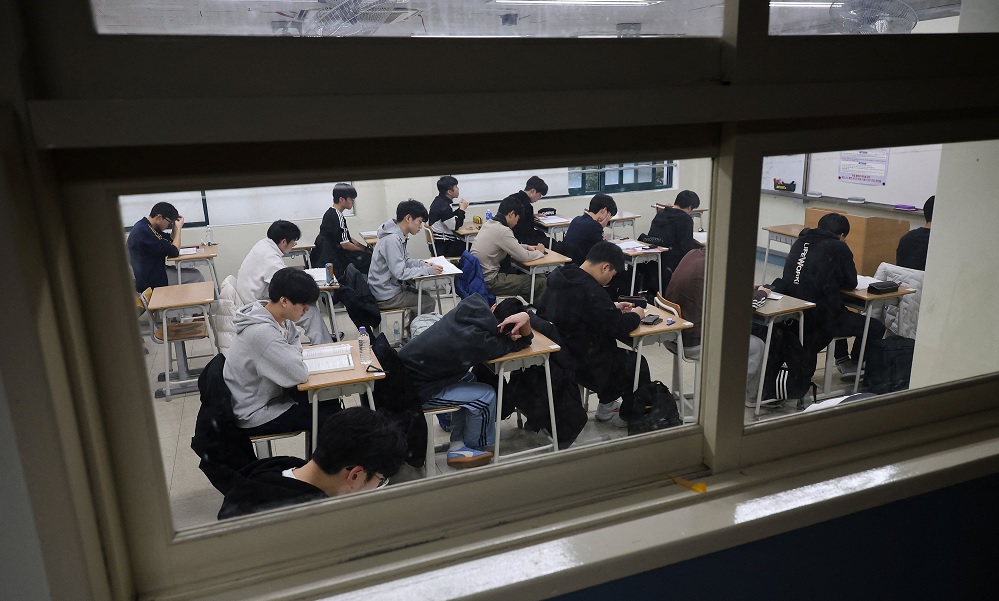
South Korea to inspect glasses worn by exam candidates after AI cheating scandal

Arman FC cruise to 5-0 victory over Istiqlal Kabul in ACL match
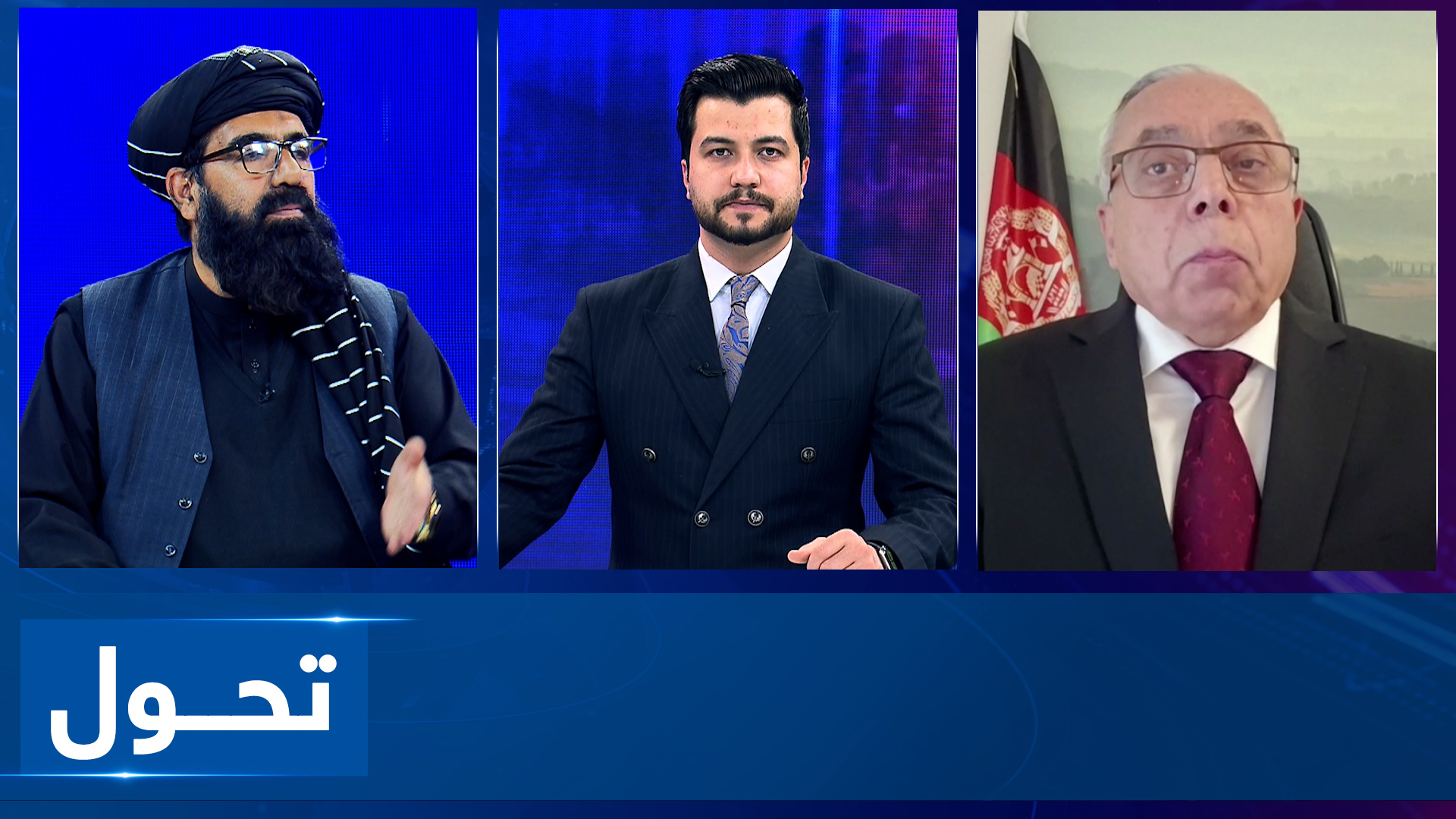
Tahawol: UK seeks to ease Kabul–Islamabad tensions
Saar: Iran–US tensions: an uncertain future

Afghanistan finish runners-up after 6-0 defeat to Brazil in futsal final

Rubio heads to Central Asia while other US officials hit foreign policy hot spots

Violent protests spread across Europe as Albanian PM blames ‘foreign hand’

Governments take websites offline as critical cyber flaws trigger global alert

Afghanistan reach Brazil futsal tournament final after beating Cape Verde 4-2
Tahawol: UK seeks to ease Kabul–Islamabad tensions
Saar: Iran–US tensions: an uncertain future
Tahawol: Concerns grow over worsening regional humanitarian crises discussed
Saar: Forced deportation of Afghan refugees from Iran and Pakistan discussed

Tahawol: Russia’s special attention to situation in Afghanistan discussed
-
 Latest News5 days ago
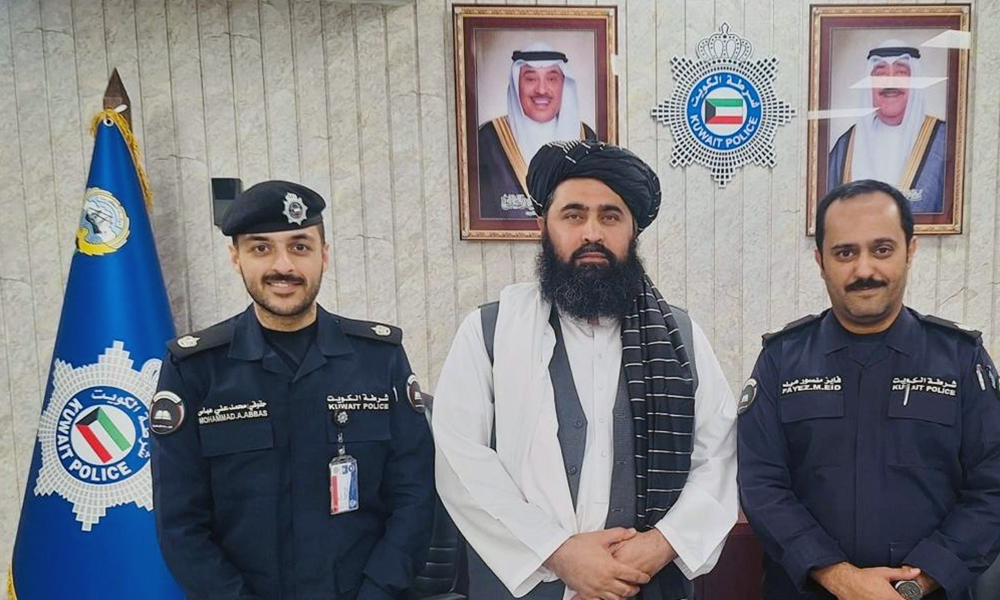
Afghan embassy in Kuwait discusses situation of Afghan prisoners with Kuwaiti officials
-

 Latest News5 days ago
Russian deputy prime minister to visit Kabul with high-level economic delegation
-
 Latest News4 days ago
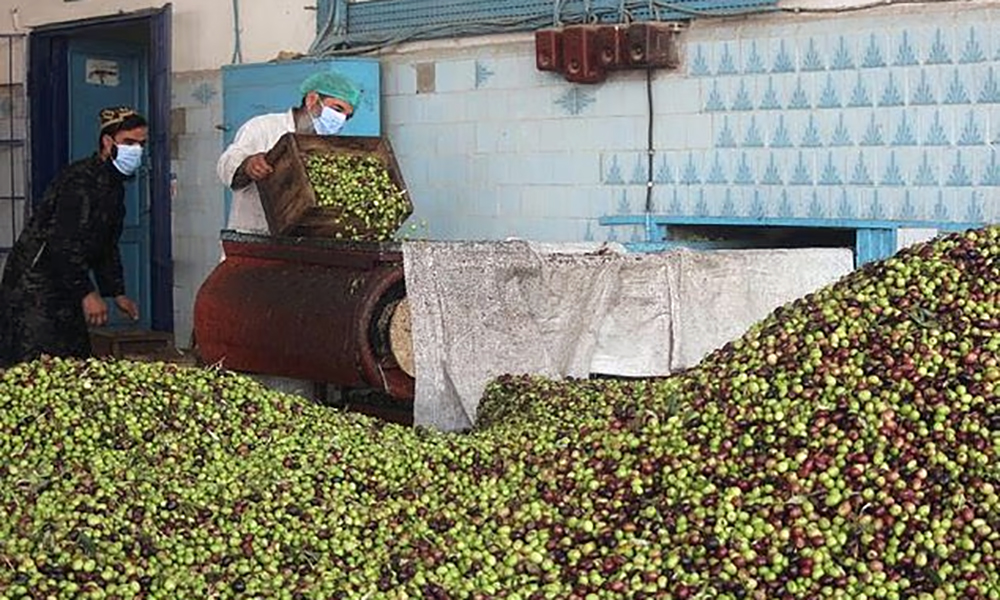
Olive farming offers new hope to Afghan farmers amid growing climate challenges
-
 Latest News5 days ago
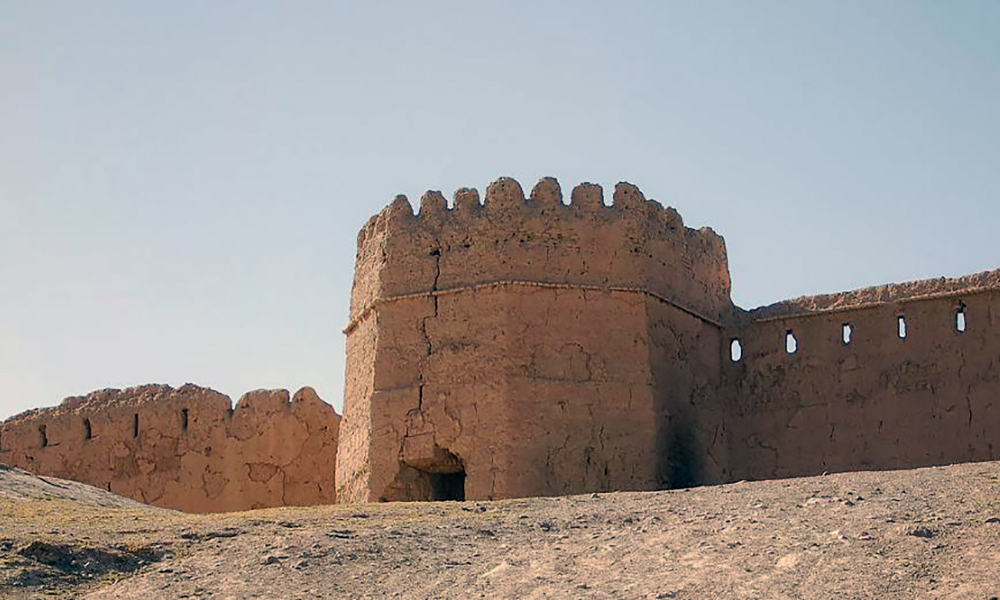
Ancient treasures unearthed at Kabul’s historic Bala Hissar
-
Business3 days ago
Afghanistan and Uzbekistan agree on export of 100,000 tons of Bamyan potatoes
-
 Sport5 days ago
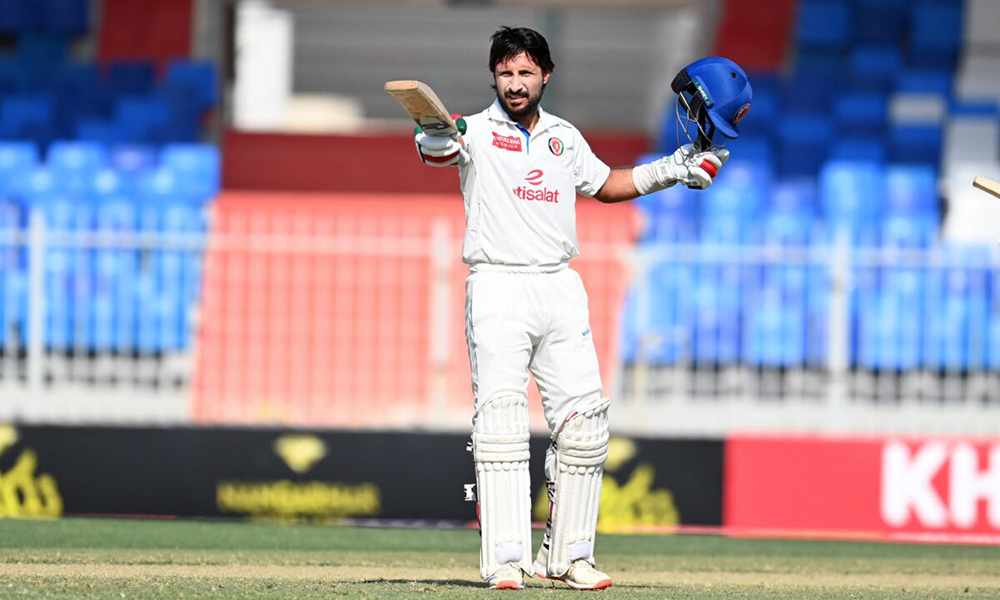
Historic first for Rahmat Shah after ICC rankings update
-
 Latest News5 days ago
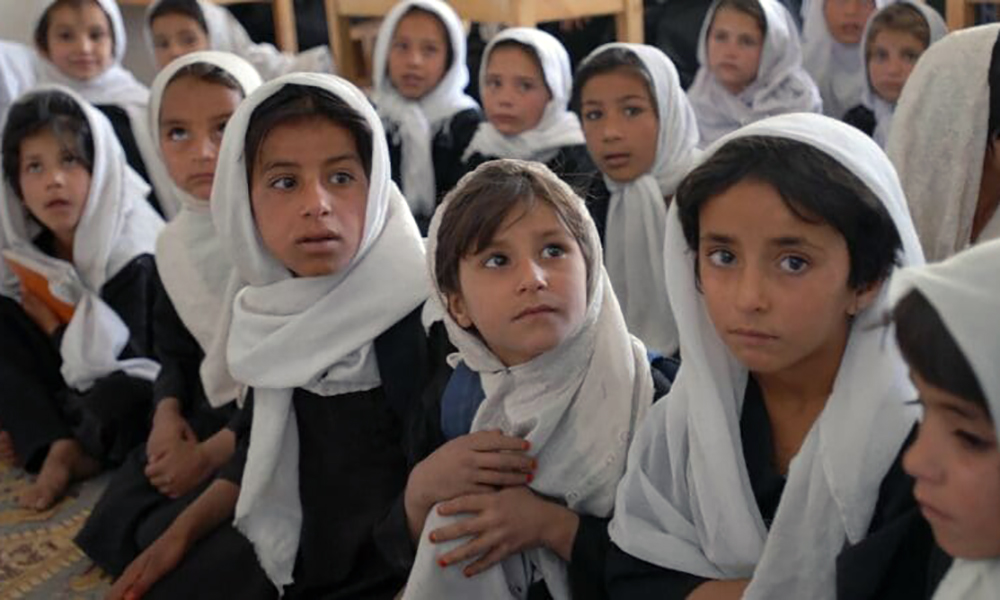
UNESCO warns Afghanistan risks losing an entire generation of professionals as girls’ education ban continues
-
 Sport5 days ago
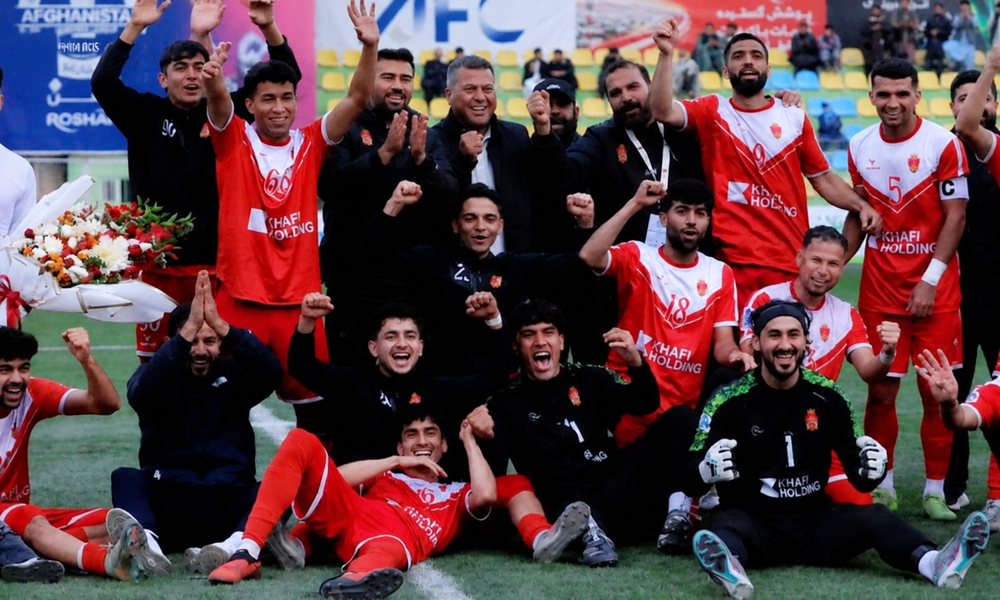
Sorkh Poshan Khafi secures ACL title with crushing 7-0 win over Khurasan Faryab