
Latest News
Afghanistan marks 80 years of UN membership amid ongoing dispute over representation
However, the Islamic Emirate has repeatedly called for Afghanistan’s UN seat to be handed over to its nominated representative.

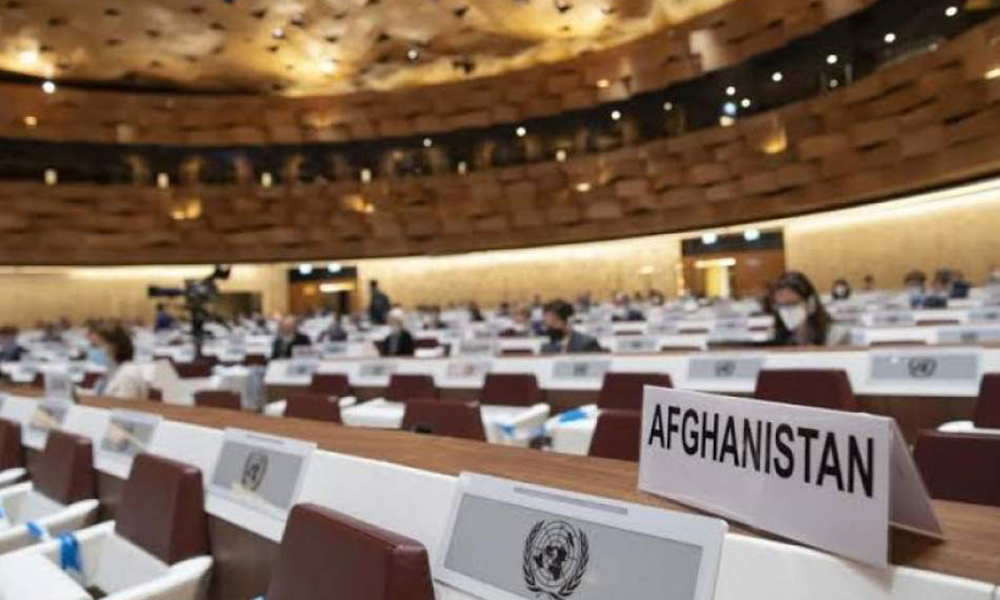
Afghanistan marked the 80th anniversary of its membership in the United Nations on Thursday, November 19, 2026, commemorating eight decades since it officially joined the international organization – about a year after its establishment.
Afghanistan was admitted to the United Nations on November 19, 1946. At the time, Abdul Hussain Aziz, Afghanistan’s representative in the United States, signed the country’s accession document. Mohammad Kabir Ludin is also recognized as Afghanistan’s first representative to the UN, having submitted his credentials during the country’s early years of membership.
Over the past eight decades, Afghanistan has maintained its membership despite major political changes, including the end of the monarchy, the Soviet invasion, years of civil war, two periods of Islamic Emirate rule, and the collapse of the former republic in August 2021.
Throughout this period, Afghan diplomats have participated in international discussions on peace, security, development and human rights. Among the country’s prominent diplomats was Abdul Rahman Pazhwak, who served as Afghanistan’s permanent representative to the UN from 1958 to 1979. In 1966, he was elected president of the 21st session of the UN General Assembly.
In 2019, Adela Raz became the first Afghan woman to serve as Afghanistan’s permanent representative to the United Nations in New York. Soraya Dalil also served as Afghanistan’s permanent representative in Geneva from 2015 to 2019.
Following the political changes in August 2021, Afghanistan’s representation at the United Nations entered a new phase. Ghulam Mohammad Ishaqzai, the country’s then-permanent representative, initially remained in his position after the former government collapsed. In December 2021, Nasir Ahmad Faiq took over as chargé d’affaires of Afghanistan’s permanent mission in New York. Nasir Ahmad Andisha has also continued representing Afghanistan in Geneva.
However, the Islamic Emirate has repeatedly called for Afghanistan’s UN seat to be handed over to its nominated representative. The UN General Assembly’s Credentials Committee has yet to make a final decision on the competing credentials, leaving representatives appointed under the former government in place.
Meanwhile, Afghanistan’s voting rights in the UN General Assembly have been suspended since 2024 because of unpaid annual membership contributions. The country’s current mission does not have access to funds controlled by the Islamic Emirate, while the outstanding membership payments remain unresolved.
Despite the dispute over political representation, the United Nations and its agencies continue to operate in Afghanistan, working in areas including humanitarian assistance, healthcare, education, development, human rights and the coordination of international aid.
The UN Assistance Mission in Afghanistan (UNAMA), established in 2002, also continues its work in political engagement, human rights monitoring and coordination with international partners.
Eighty years after joining the United Nations, Afghanistan remains a member of the organization. However, the question of who represents the country under the current administration, alongside the suspension of its voting rights, remains among the unresolved issues in Afghanistan’s relations with the international body.

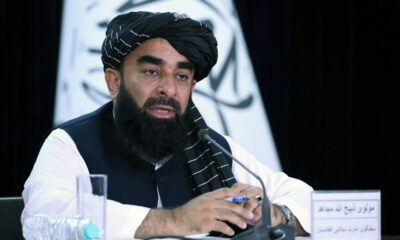


The Islamic Emirate of Afghanistan (IEA) has rejected United Nations concerns over the growing capabilities of Daesh in Afghanistan, describing the concerns as based on inaccurate information.
IEA spokesperson Zabihullah Mujahid said Afghanistan has strong security forces capable of preventing foreign groups from expanding their activities in the country or threatening the security of Afghanistan and other countries.
His remarks came after Alexander Zuev, the UN Acting Under-Secretary-General for Counter-Terrorism, told Russia’s TASS news agency that Daesh Khorasan was rebuilding its operational capabilities and possess modern tactical equipment, including unmanned aerial vehicles (UAVs).
Zuev said the group was seeking to carry out operations both inside Afghanistan and beyond its borders, adding that the development posed a challenge requiring collective attention.
Latest News
Four Afghan youths buried in Samangan after dying on migration route
A relative said the young men had left Afghanistan in search of better economic opportunities and hoped to support their families.
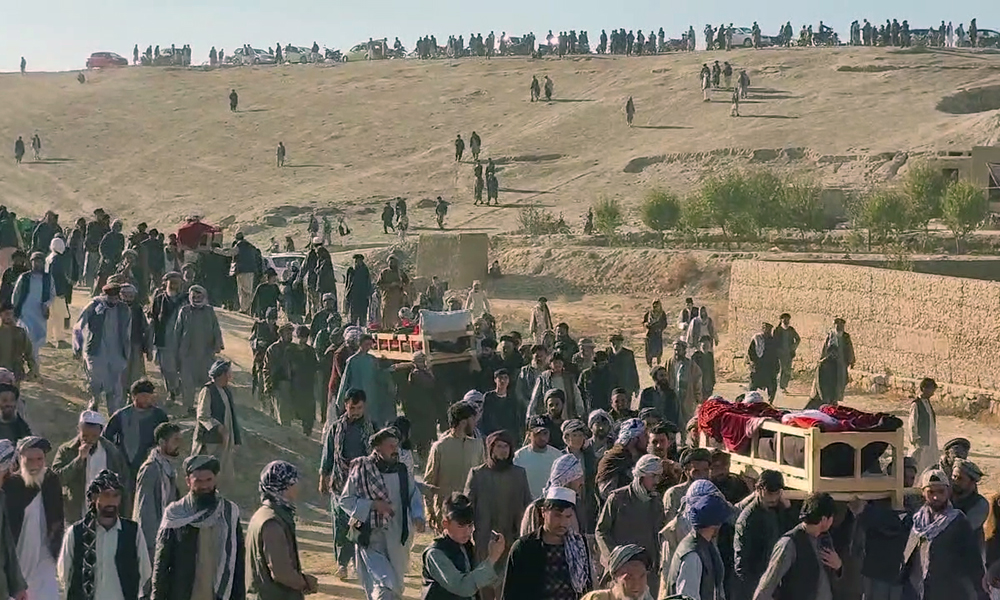
Four young men from Samangan province have been buried in their hometown after dying several weeks ago while attempting to migrate through the border regions of Türkiye and Iran.
Their bodies were transferred from Kabul to Kokjar village in Hazrat Sultan district, where grieving relatives gathered for the burial ceremony on Thursday.
A relative said the young men had left Afghanistan in search of better economic opportunities and hoped to support their families.
The relative alleged that they were arrested by Turkish border forces and later died as a result of beatings.
The families have called on the United Nations and the Islamic Emirate authorities to investigate the deaths and pursue the case.
The incident highlights the dangers facing Afghan migrants who undertake irregular journeys in search of better livelihoods abroad.
Latest News
Kazakhstan steps up efforts to support Afghanistan’s stability and economic recovery
According to the analysis, bilateral trade between Afghanistan and Kazakhstan reached $581.1 million between January and July 2026, exceeding the $541.6 million recorded throughout 2025.
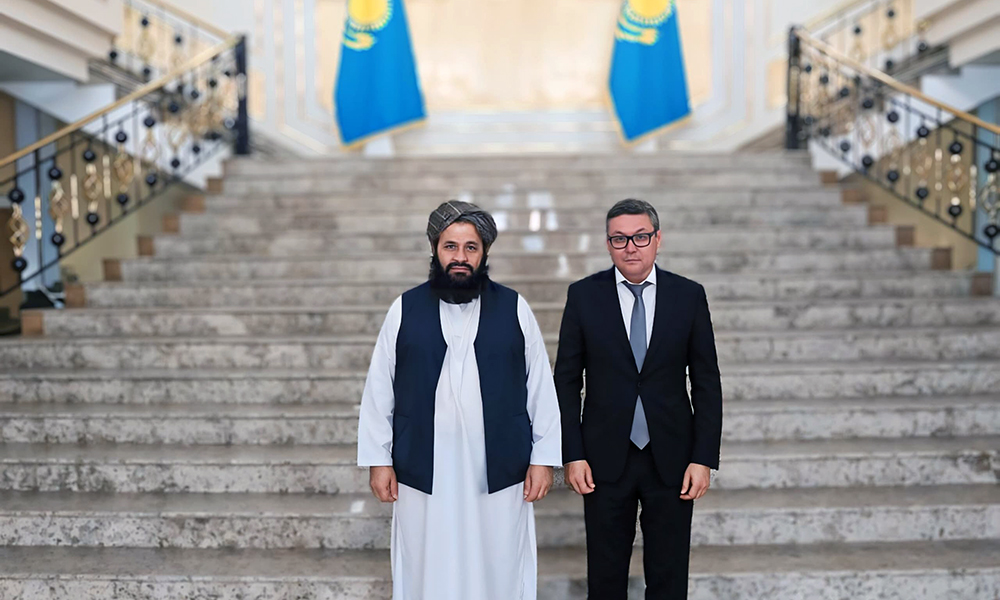
Kazakhstan is strengthening its engagement with Afghanistan through trade, humanitarian assistance, educational cooperation and infrastructure development, with regional analysts describing Astana’s approach as an important contribution to Afghanistan’s long-term stability and economic recovery.
In a featured analysis published by Caspian Analyst, the publication says Kazakhstan is increasingly viewing Afghanistan’s economic development, human capital and regional integration as essential foundations for lasting stability, rather than focusing exclusively on traditional security concerns.
According to the analysis, bilateral trade between Afghanistan and Kazakhstan reached $581.1 million between January and July 2026, exceeding the $541.6 million recorded throughout 2025.
However, the trade balance remains heavily in Kazakhstan’s favour, with its exports to Afghanistan accounting for $572.9 million, while imports from Afghanistan stood at just $8.2 million during the first seven months of 2026.
Kazakhstan remains a major supplier of wheat, flour, vegetable oil and other essential commodities to Afghanistan. The analysis says expanding investment, agricultural processing and Afghan businesses’ participation in regional markets will be important for achieving more balanced and sustainable trade relations.
Education is another key area of cooperation. According to the report, around 600 Afghan students were enrolled at 34 universities in Kazakhstan in 2026. Kazakhstan currently provides 30 educational grants annually under an existing agreement and is considering increasing the allocation to 60.
The analysis also highlights an EU-supported initiative implemented through the United Nations Development Programme (UNDP) and UN Women, which enables Afghan women to pursue educational opportunities in Kazakhstan, Kyrgyzstan and Uzbekistan.
On humanitarian assistance, Kazakhstan has delivered food, medical supplies and emergency equipment to Afghanistan. The country dispatched approximately 2,200 tonnes of humanitarian supplies by rail in April 2025, followed by another shipment of 272.7 tonnes in September 2025 after a devastating earthquake.
The report also points to Kazakhstan’s growing interest in regional transport connectivity, particularly the proposed Turgundi–Herat–Kandahar–Spin Boldak railway corridor, which could strengthen trade links between Central and South Asia.
It further highlights Kazakhstan’s support for establishing the United Nations Regional Centre for the Sustainable Development Goals for Central Asia and Afghanistan in Almaty, describing the initiative as a potential platform for coordinating regional development programmes and technical cooperation.
The analysis concludes that Kazakhstan cannot independently resolve Afghanistan’s political and economic challenges, but sustained cooperation in trade, education, humanitarian assistance and infrastructure could contribute significantly to the country’s socioeconomic recovery.
It adds that integrating Afghanistan into Central Asia’s economic and educational networks would not only support Afghan livelihoods but also strengthen regional security and promote shared prosperity.

World Court finds Myanmar forces killed thousands of Rohingya, ruling ongoing
Afghanistan marks 80 years of UN membership amid ongoing dispute over representation
Afghanistan suffer 9-2 defeat to Iran in Beach Soccer Asian Cup opener

IEA rejects UN concerns over Daesh’s growing capabilities in Afghanistan
Four Afghan youths buried in Samangan after dying on migration route

Governments take websites offline as critical cyber flaws trigger global alert

Afghanistan’s new Wakhan road to China faces major hurdles
US sanctions and blockade measures disrupt Iran’s trade with Afghanistan and regional neighbors

Pakistan exporters suffer billions in losses as Afghanistan trade halt continues
Saudi defence pact countries push for peace in Tehran as Houthis launch more attacks
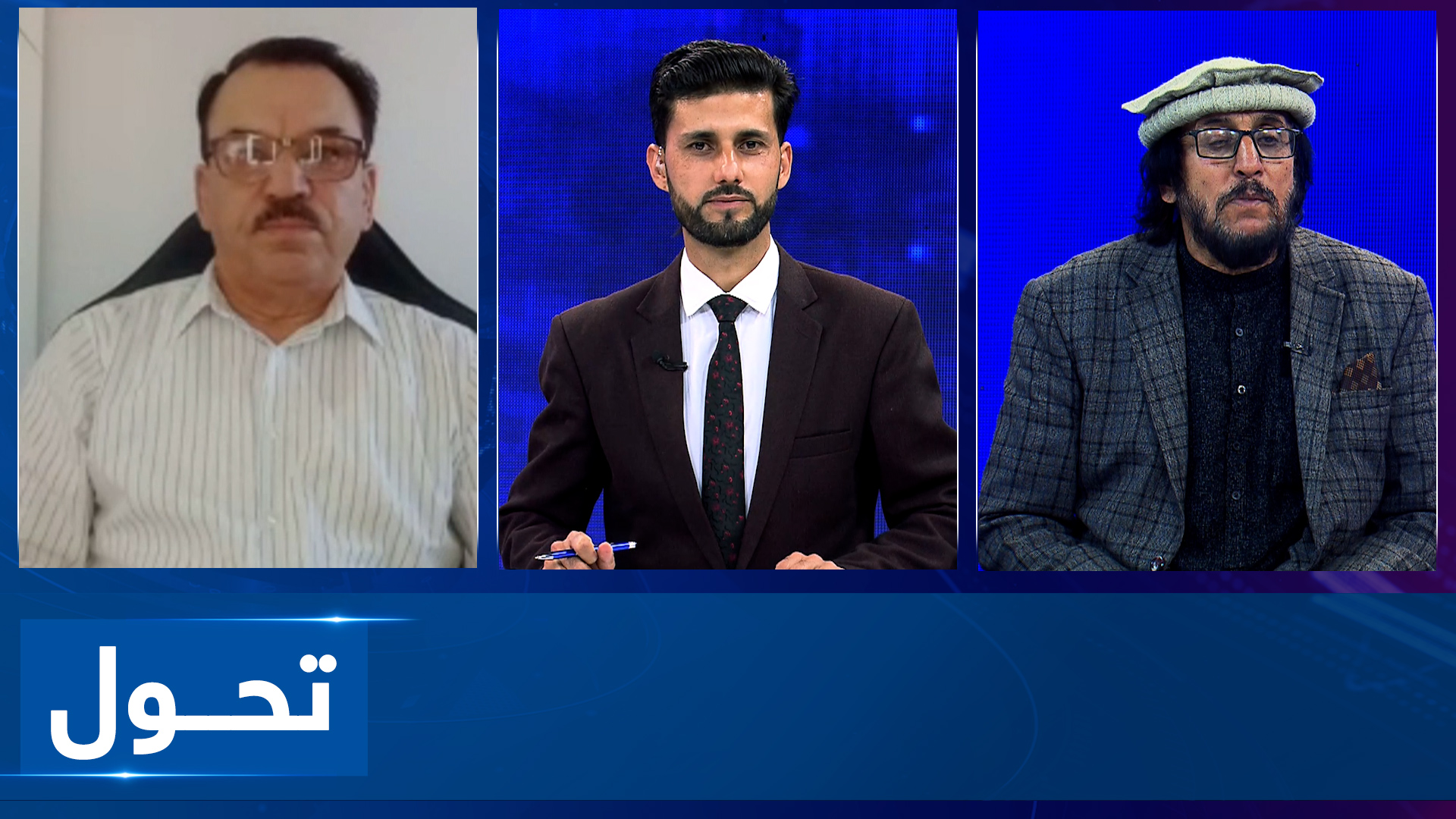
Tahawol: Qatar-UK consultations on Afghanistan discussed
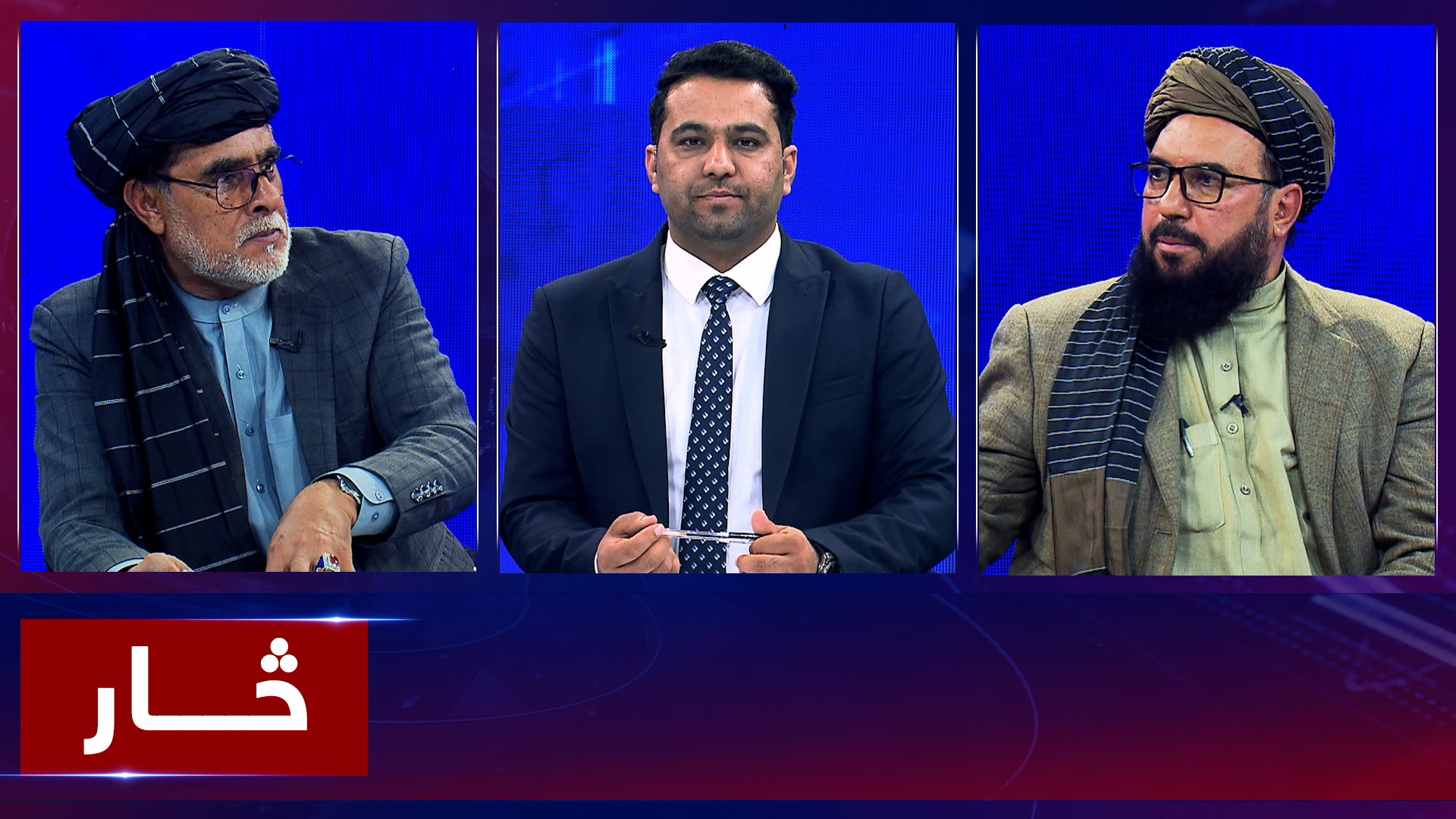
Saar: Efforts to deliver urgent humanitarian aid to needy Afghans
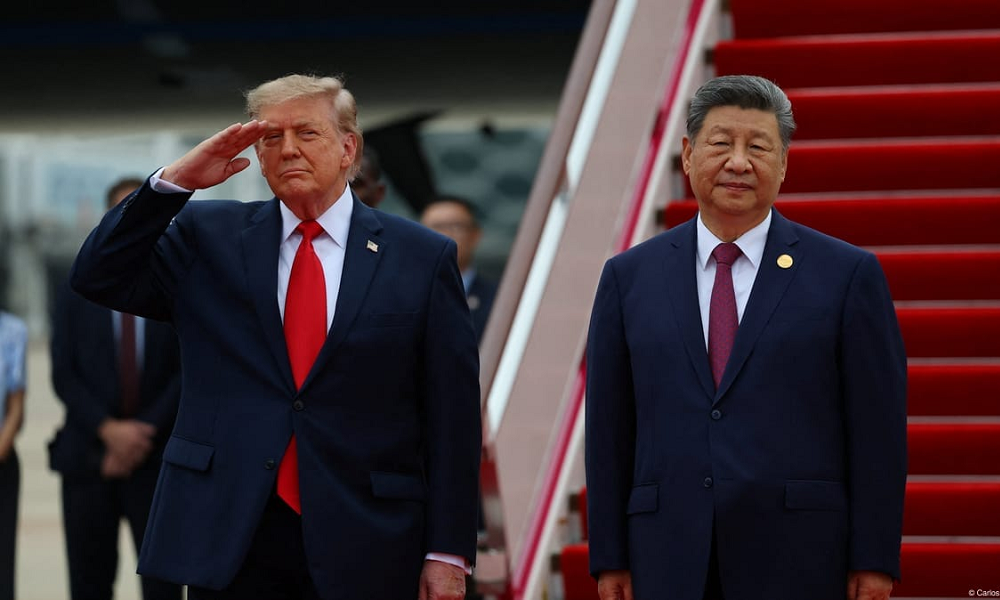
Xi welcomes Trump to China ahead of highly anticipated summit with Putin
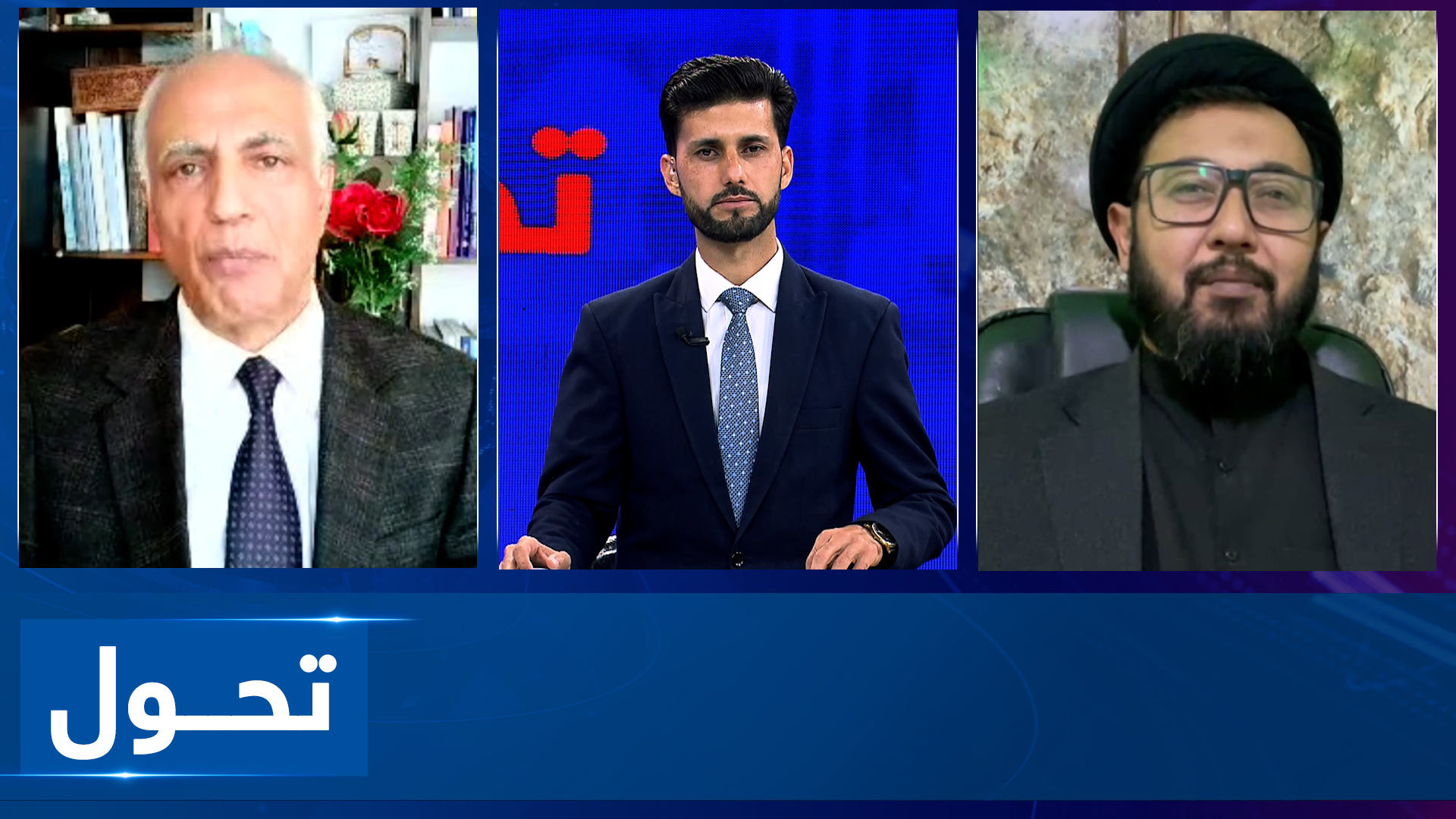
Tahawol: 80th anniversary of Afghanistan’s UN membership discussed
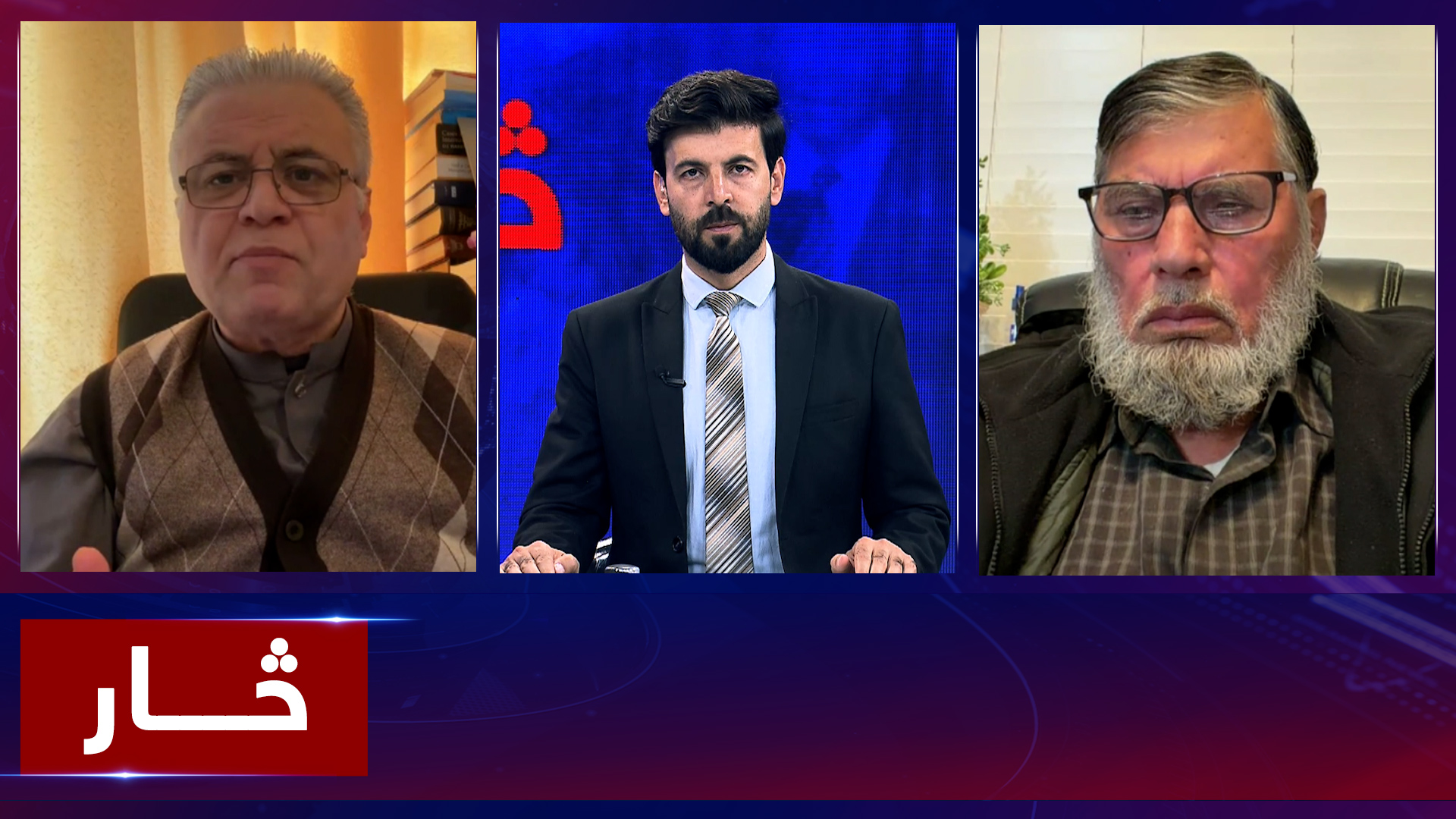
Saar: Europe’s shift toward engagement with the IEA discussed
-
 Sport4 days ago
ILT20 teams required to field at least two UAE and Afghanistan players in Season 5
-
 Sport4 days ago
Arman FC cruise to 5-0 victory over Istiqlal Kabul in ACL match
-
 Sport5 days ago
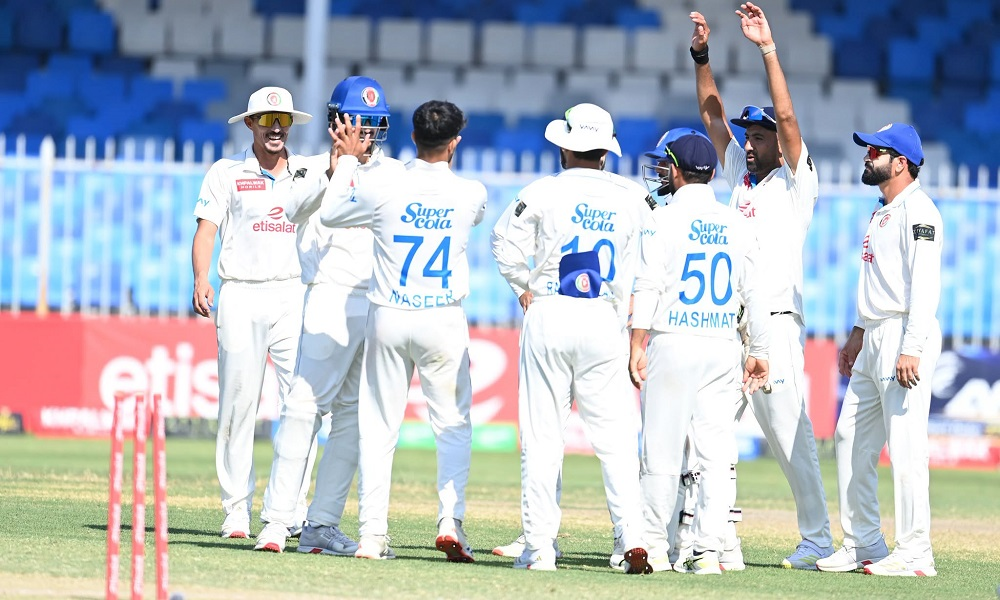
Afghanistan trail Zimbabwe by 180 runs at stumps on day two of second Test
-
 World4 days ago
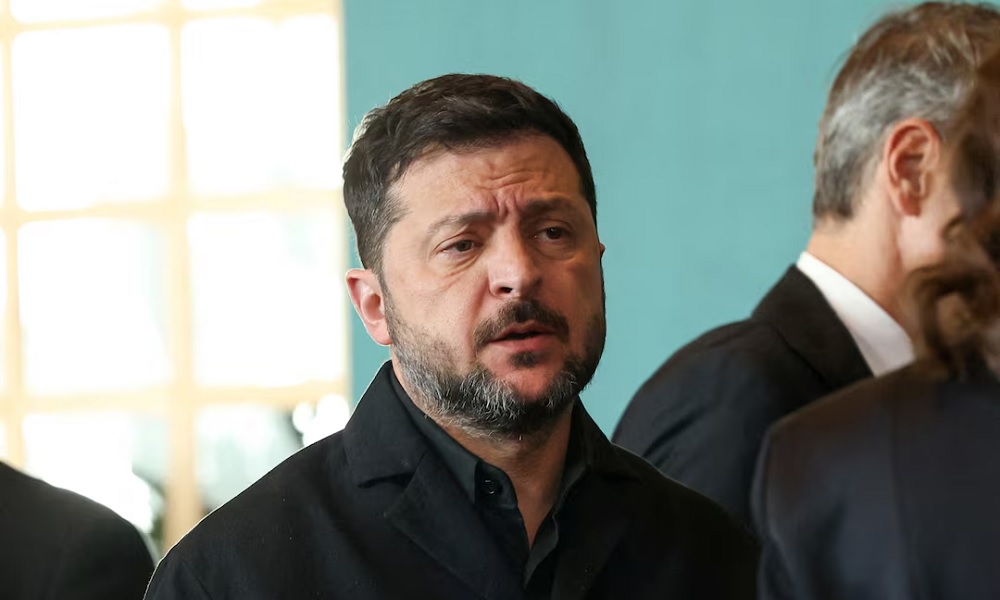
US floated idea of Ukraine ceding Donbas for NATO membership, Zelenskiy says
-
 Latest News5 days ago
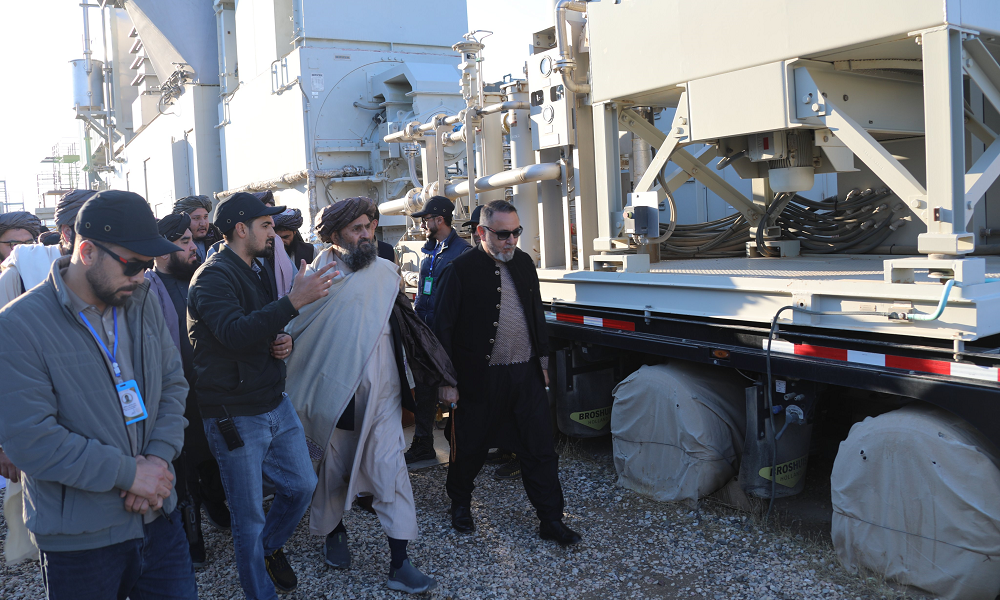
Bayat Power’s 40-megawatt gas-fired turbine resumes operations in Jawzjan
-
 Latest News4 days ago
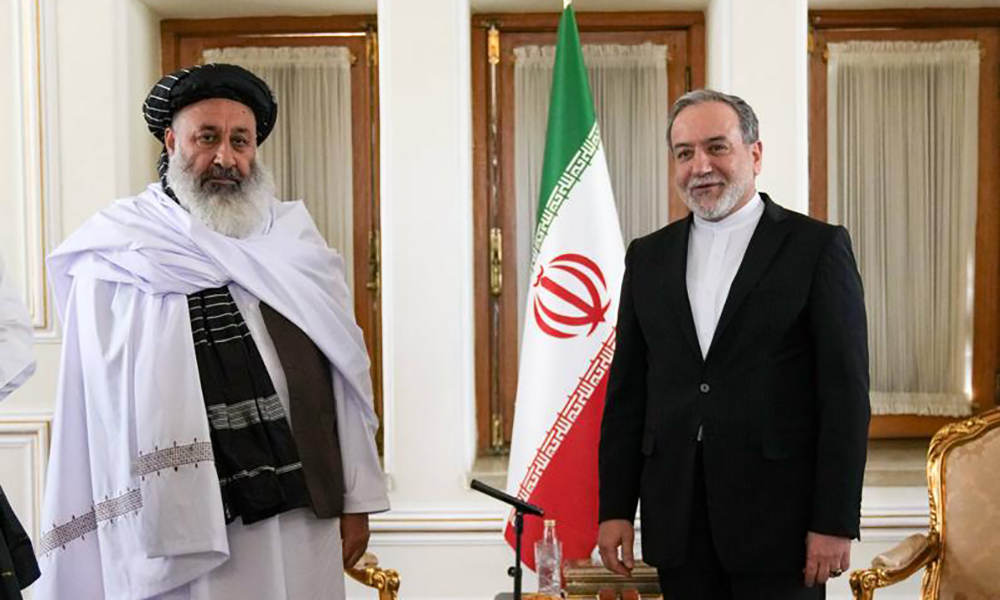
Afghanistan and Iran agree to expand trade cooperation and upgrade border infrastructure
-
 Sport3 days ago
25 Afghan cricketers secure contracts for ILT20 Season 5
-
 Regional4 days ago
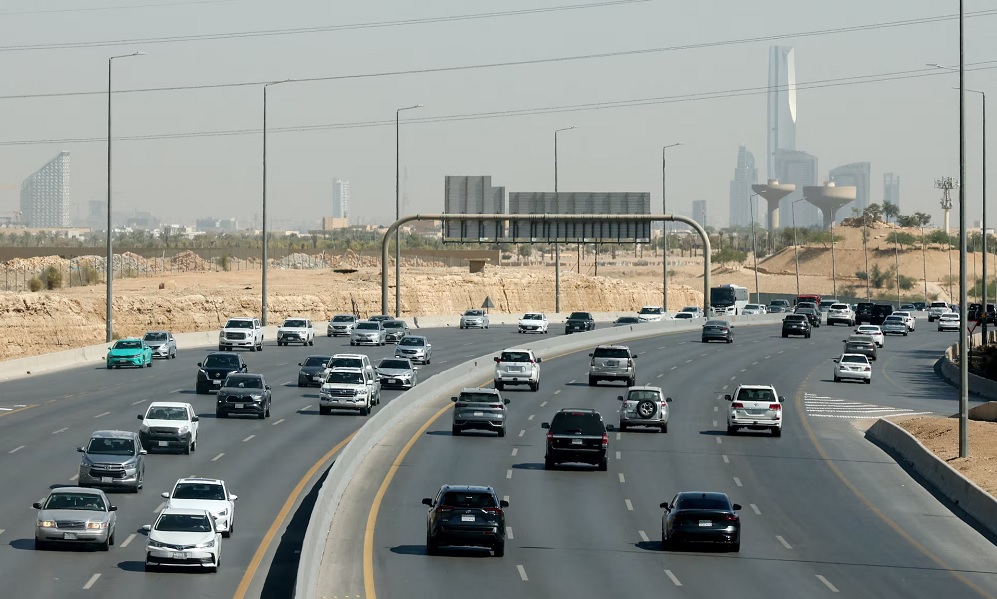
Saudi-led coalition intercepts missiles towards Riyadh, drones in Eastern Province