
Latest News
Abdul Kabir says Qatar has important position in IEA’s foreign policy
Meanwhile, Mirdef Alqashouti, the advisor of the Qatar Embassy in Kabul, said that he will work for the launch of direct flights between Kabul and Doha.


Mawlawi Abdul Kabir, the political deputy prime minister of the Islamic Emirate of Afghanistan (IEA), said on Sunday that Qatar has an important place in the foreign policy of the Islamic Emirate and that Kabul is interested in bilateral cooperation with Doha in the economic, political, educational, industry and investment fields.
In a meeting with the advisor of the Qatar Embassy in Kabul, Abdul Kabir also called Qatar a friendly country and added that the upcoming meeting in Doha regarding Afghanistan is welcomed, according to a statement released by the political deputy PM’s office.
Meanwhile, Mirdef Alqashouti, the advisor of the Qatar Embassy in Kabul, said that he will work for the launch of direct flights between Kabul and Doha.
He also assured the IEA that Qatar will continue to provide humanitarian aid to Afghans and that it wants to expand its cooperation with the Islamic Emirate in various sectors.
Appreciating Qatar’s position regarding the issue of Palestine, Abdul Kabir said the Islamic Emirate calls for an independent Palestinian state.


Latest News
Afghanistan’s economy grows despite rising food insecurity and water crisis: World Bank
Despite an improved harvest, an estimated 15.9 million people faced acute food insecurity during September and October 2026, according to the Integrated Food Security Phase Classification (IPC).
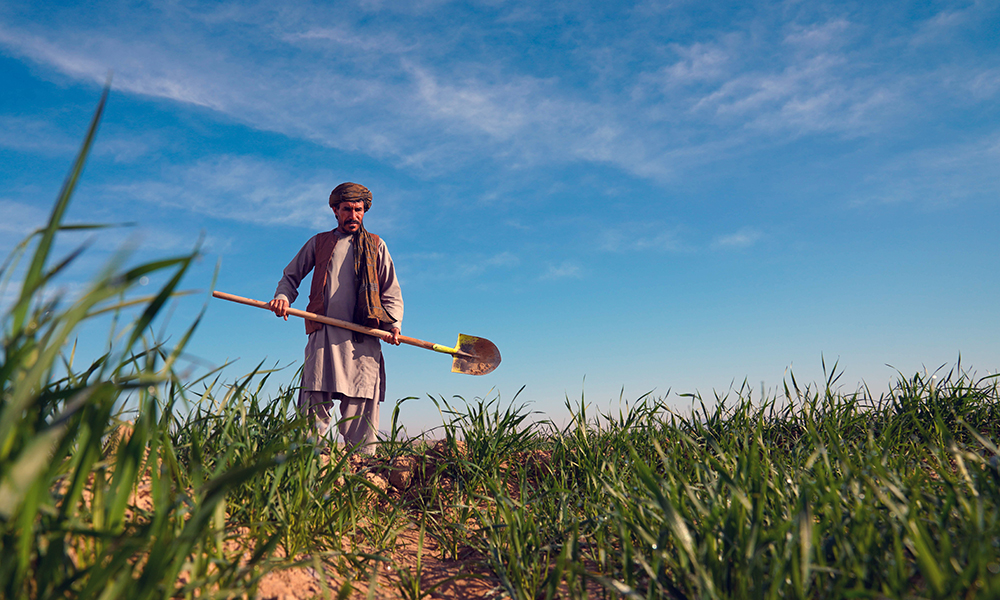
Afghanistan’s economy is projected to expand by three percent in 2026, supported largely by a strong agricultural harvest. However, declining household incomes, rising food prices and worsening water shortages continue to threaten livelihoods, according to the World Bank’s latest economic assessment.
In its Fall 2026 Afghanistan Development Update, released on November 18, the World Bank said economic output per capita is expected to fall by 3.3 percent for the third consecutive year, as population growth is forecast to reach 6.6 percent.
The report highlighted growing pressure on household finances, with fewer employment opportunities and higher food costs reducing purchasing power. In September, casual labourers recorded 14 percent fewer working days than a year earlier, while their weekly earnings could purchase 27 percent less wheat flour.
Despite an improved harvest, an estimated 15.9 million people faced acute food insecurity during September and October 2026, according to the Integrated Food Security Phase Classification (IPC).
The World Bank also reported a 10.2 percent increase in domestic revenue during the first half of 2026, driven by higher tax and non-tax collections despite declining customs duties. However, public investment remains limited, with capital expenditure projected at just 1.3 percent of gross domestic product.
Trade disruptions are adding to the economic challenges. The closure of border crossings with Pakistan has forced around 97 percent of Afghanistan’s imports to be routed through Central Asia and Iran. Exports also fell by 15.1 percent between April and September compared with the same period last year.
The report raised particular concern over Afghanistan’s worsening water crisis, estimating that the country has lost approximately 4.9 billion cubic metres of freshwater reserves annually since 2003.
In Kabul, groundwater extraction is occurring at nearly four times the rate of natural replenishment, placing increasing pressure on already limited water resources.
The crisis also threatens rural livelihoods, with agriculture accounting for 46 percent of employment and approximately 95 percent of the country’s water withdrawals.
Looking ahead, the World Bank forecasts economic growth of 3.3 percent in 2027 and 3.5 percent in 2028. However, despite the projected recovery, output per capita in 2028 is expected to remain around 7 percent below its 2024 level.
The report warned that several risks could undermine the outlook, including a poor harvest, further disruption to trade routes, another large influx of returning Afghans and deeper reductions in international assistance.
It also called for more reliable trade corridors, expanded employment opportunities in provinces receiving large numbers of returnees, and the restoration of access to education and employment for women and girls.
Addressing the water crisis, the World Bank emphasized the need to restore essential water and sanitation services, repair irrigation infrastructure and strengthen the protection of watersheds and groundwater reserves.
Latest News
Pakistan invites Turkmenistan to join CASA-1,000 power project
CASA-1,000 is designed to transmit up to 1,300 megawatts of electricity from Central Asia to South Asia, with 1,000 MW allocated to Pakistan and 300 MW to Afghanistan, mainly during summer.
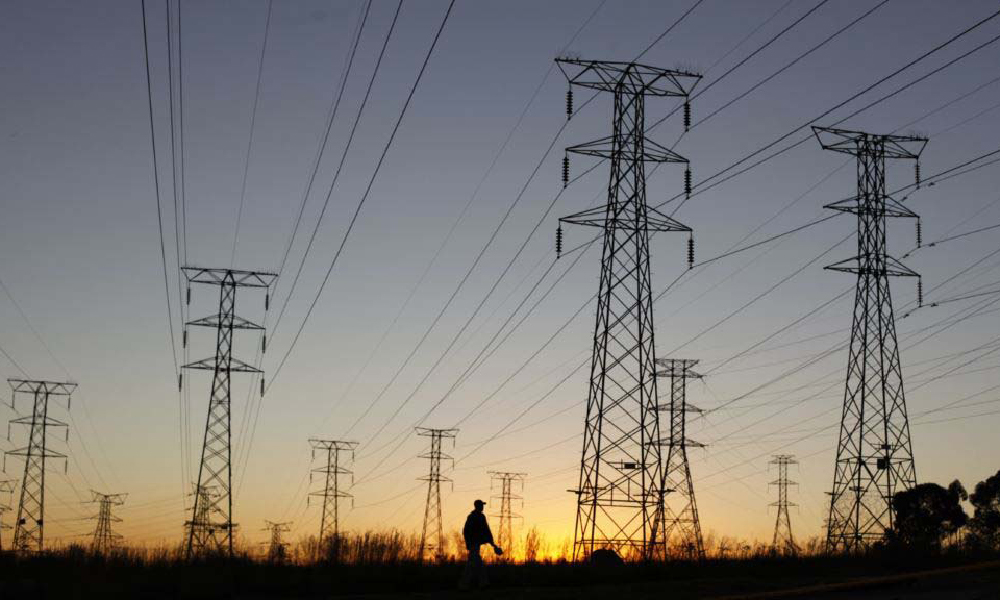
Pakistan has invited Turkmenistan to join the CASA-1,000 regional electricity transmission project, while supporting plans to extend the network to Uzbekistan and Turkmenistan.
The proposal was discussed this week during a meeting between Pakistan’s Minister for Power, Awais Ahmad Khan Leghari, and Turkmenistan’s Energy Minister, Annageldi Saparov, focusing on regional energy cooperation and cross-border electricity links.
CASA-1,000 is designed to transmit up to 1,300 megawatts of electricity from Central Asia to South Asia, with 1,000 MW allocated to Pakistan and 300 MW to Afghanistan, mainly during summer.
The project involves Kyrgyzstan, Tajikistan, Afghanistan and Pakistan. While infrastructure in the three other countries is largely complete, Afghanistan remains a critical missing link, with construction resuming in December 2024.
Leghari also proposed converting the system into a two-way electricity network, allowing countries to exchange power when needed and improving its commercial viability.
Discussions also covered the proposed Turkmenistan-Afghanistan-Pakistan (TAP) transmission project. Saparov said Turkmenistan had completed its transmission line up to Afghanistan and reaffirmed his country’s commitment to advancing the project.
The proposed 1,150-kilometre, 500-kilovolt transmission line from Afghanistan to Quetta is expected to have a capacity of 1,200 MW. Both countries agreed to accelerate technical data exchanges and feasibility work.
The talks also explored wider trade, investment and business cooperation between Pakistan and Turkmenistan.
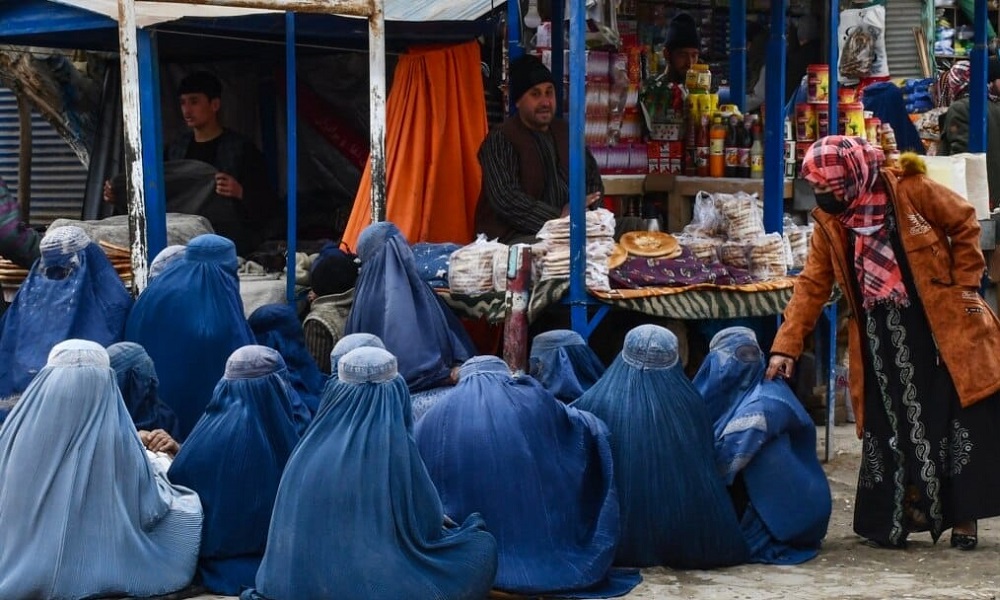
The United Nations has allocated $18 million in emergency funding to support more than 824,000 vulnerable people across Afghanistan as the country prepares for another harsh winter amid worsening food insecurity and economic hardship.
The funding, approved by UN humanitarian chief Tom Fletcher through the Central Emergency Response Fund (CERF), will help communities meet urgent needs during the 2026–27 winter.
According to the UN, the allocation will finance seven projects focusing on food security, agriculture, healthcare, nutrition, protection, shelter, and water and sanitation services.
UN Humanitarian Coordinator for Afghanistan Bruno Lemarquis said the assistance would help prevent avoidable deaths by ensuring vulnerable families have access to food, medical care, clean drinking water and other essential services before winter conditions deteriorate.
Priority will be given to returning migrants, internally displaced families and host communities, with particular attention to women, children, older people and persons with disabilities.
Local humanitarian organisations, including women-led groups, will help deliver assistance, while female frontline workers will play an important role in ensuring women and girls can access essential services.
The $18 million allocation forms part of a wider $48 million humanitarian response, which includes an additional $30 million from the Afghanistan Humanitarian Fund (AHF).
While CERF funding will enable UN agencies to deliver emergency supplies and services, the AHF will channel resources directly to humanitarian partners supporting winter preparedness, urgent relief operations and efforts to reduce the potential impact of El Niño on vulnerable communities.


Afghanistan’s economy grows despite rising food insecurity and water crisis: World Bank
US strikes Iranian military site as Gulf states report fresh attacks

Pakistan invites Turkmenistan to join CASA-1,000 power project
Tahawol: 80th anniversary of Afghanistan’s UN membership discussed
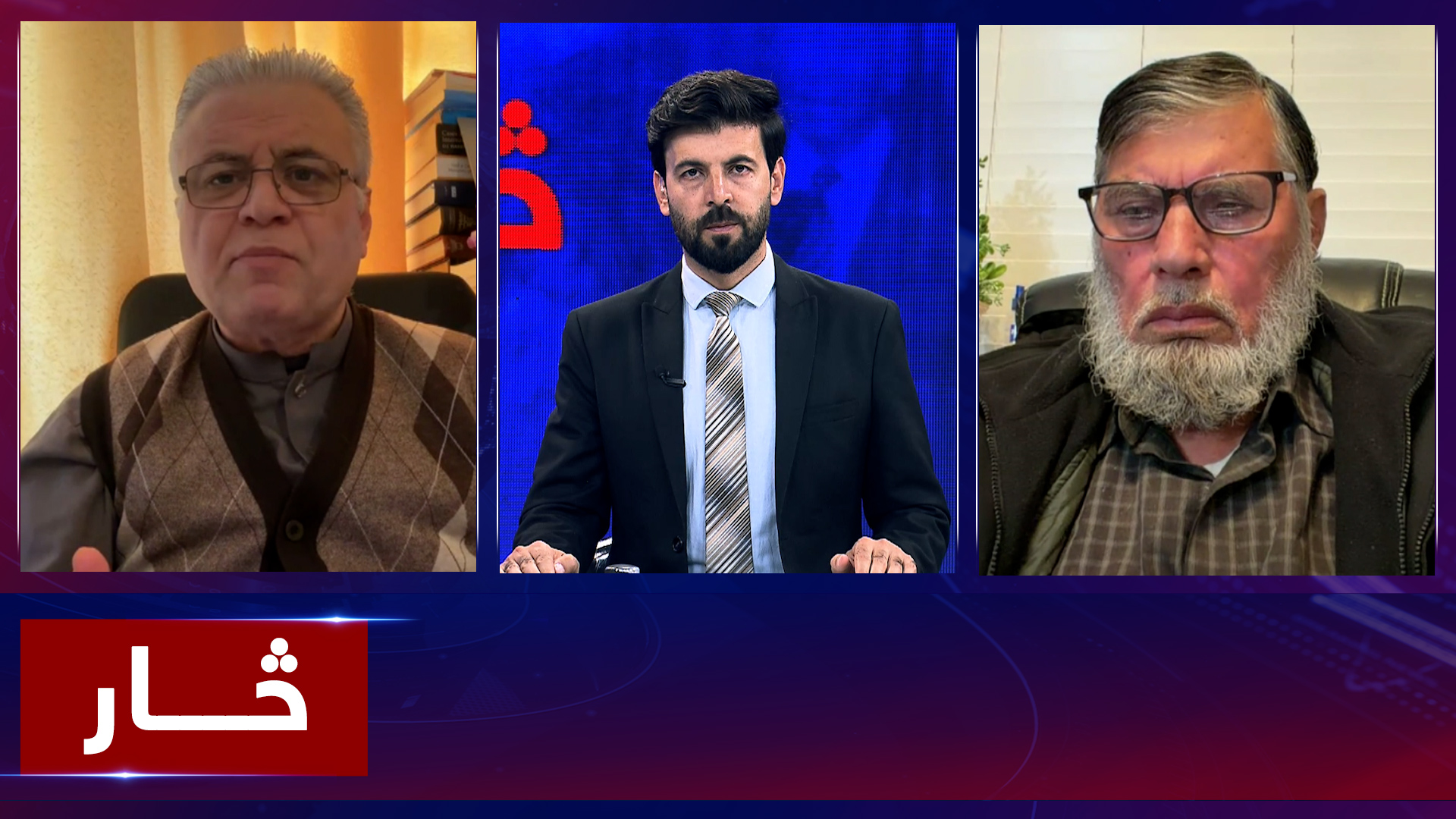
Saar: Europe’s shift toward engagement with the IEA discussed

Violent protests spread across Europe as Albanian PM blames ‘foreign hand’

Governments take websites offline as critical cyber flaws trigger global alert

Afghanistan’s new Wakhan road to China faces major hurdles

Iran calls for extending Herat railway to Uzbekistan border
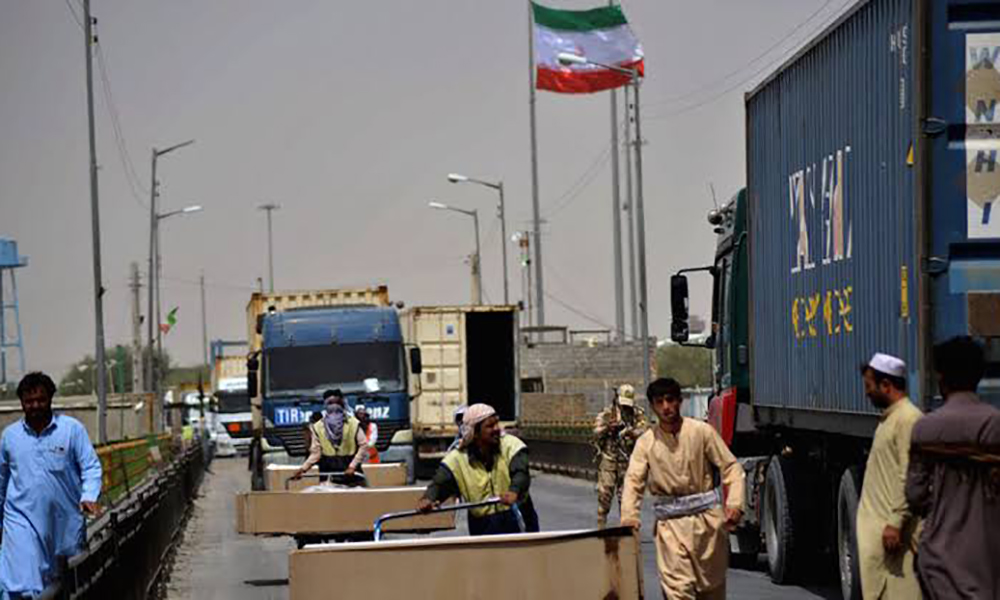
US sanctions and blockade measures disrupt Iran’s trade with Afghanistan and regional neighbors
Tahawol: 80th anniversary of Afghanistan’s UN membership discussed
Saar: Europe’s shift toward engagement with the IEA discussed
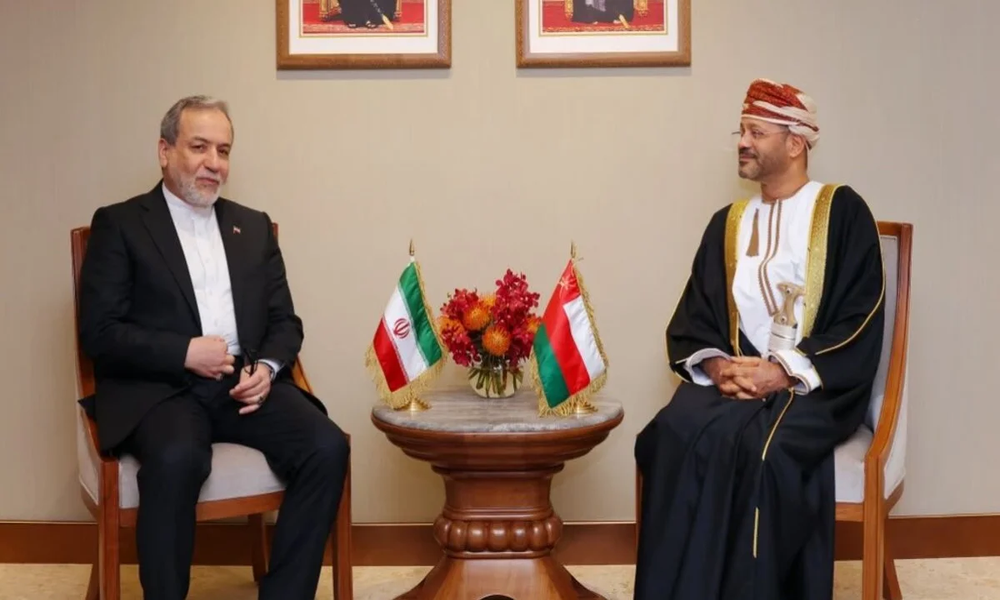
Oman and Iran discuss restoring shipping through Strait of Hormuz
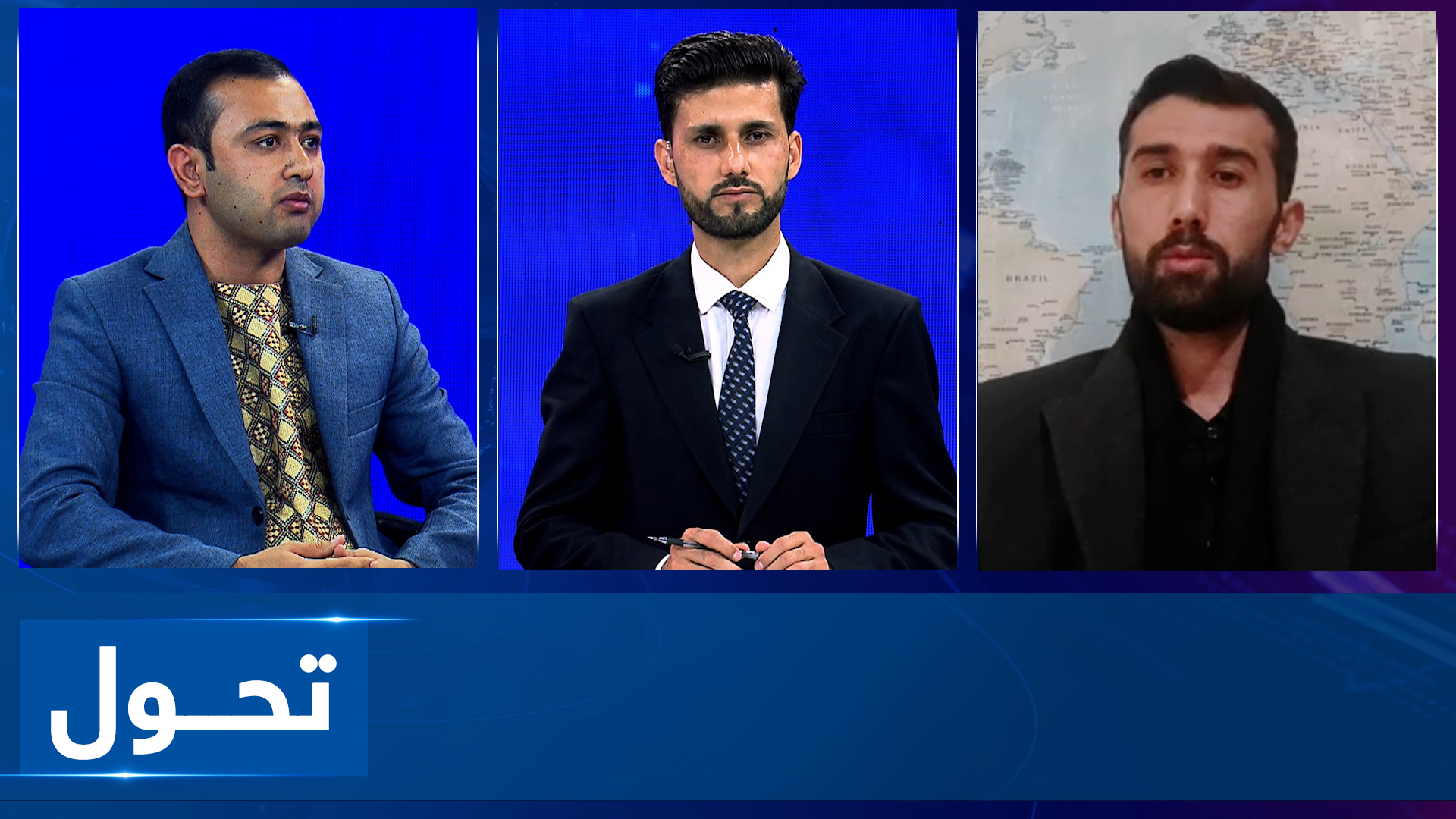
Tahawol: Afghanistan absent from ECO meeting

Saar: ECO meeting kicks off in Islamabad
-
 Business5 days ago
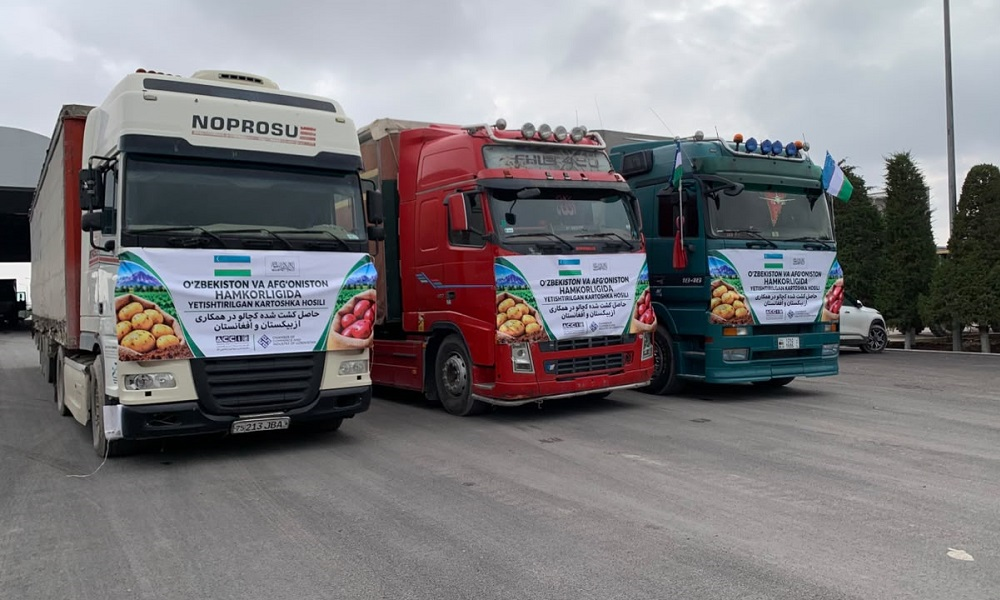
Afghanistan and Uzbekistan agree on export of 100,000 tons of Bamyan potatoes
-
 Latest News4 days ago
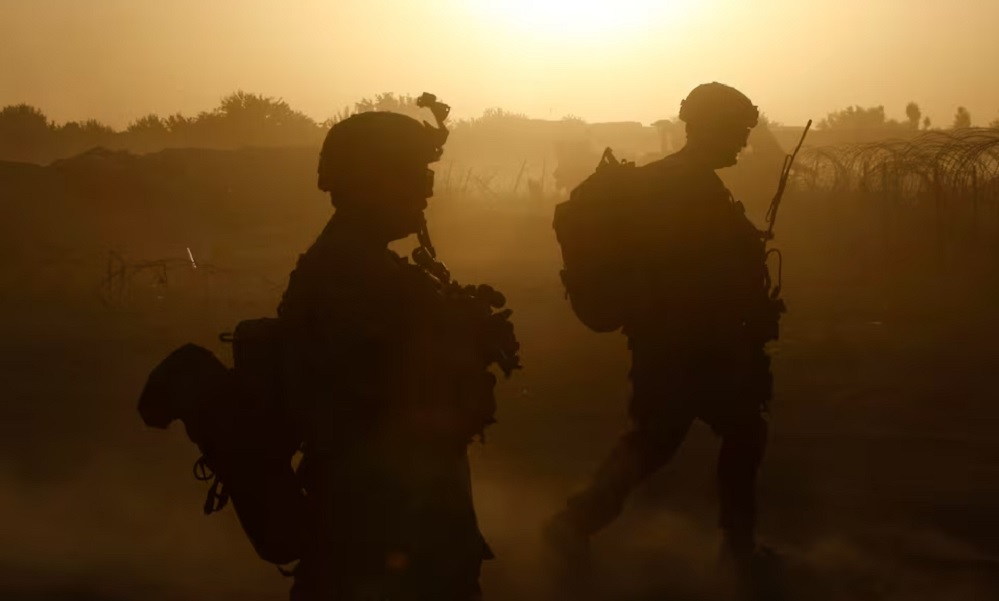
ICC halts probe into alleged crimes by US troops in Afghanistan
-
 Sport5 days ago
Debutant Naseer Khan strikes four as Afghanistan fight back against Zimbabwe in second Test
-
 Sport3 days ago
ILT20 teams required to field at least two UAE and Afghanistan players in Season 5
-
 Latest News5 days ago
Russia calls UN report on Afghan opium ‘political propaganda’
-
 Climate Change5 days ago
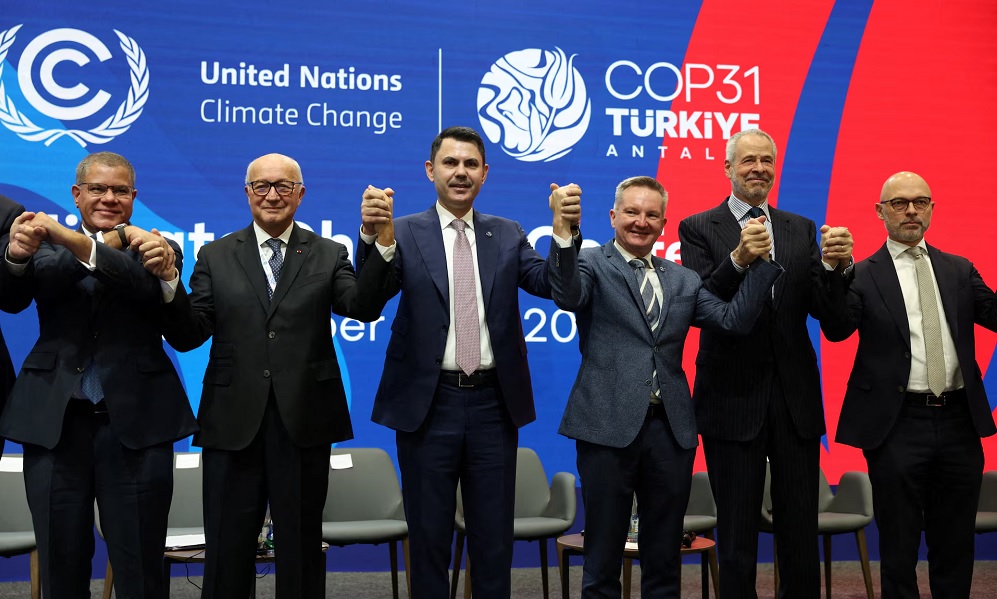
Urgent climate finance pleas at COP31 face a non-urgent response
-
 Latest News4 days ago
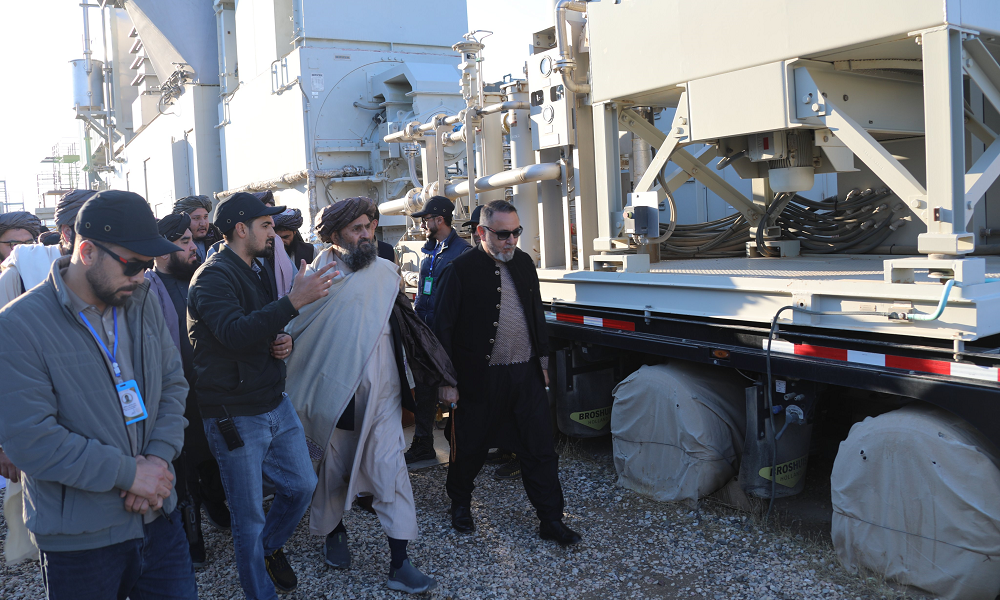
Bayat Power’s 40-megawatt gas-fired turbine resumes operations in Jawzjan
-
 Sport3 days ago
Arman FC cruise to 5-0 victory over Istiqlal Kabul in ACL match