
Latest News
Afghan central bank drained dollar stockpile before Kabul fell

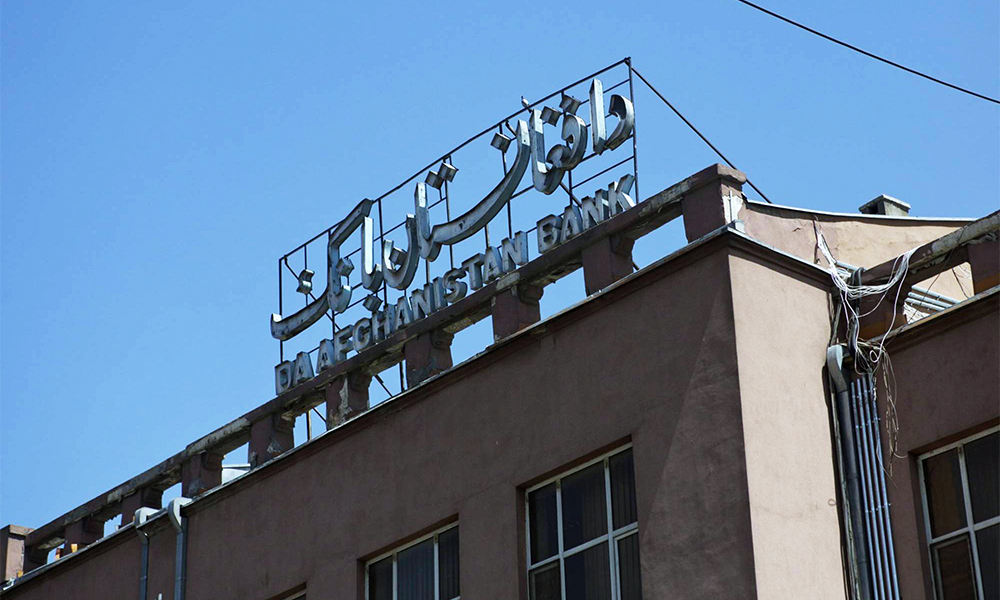
The Afghan central bank ran down most of its U.S. dollar cash reserves in the weeks before the Taliban took control of the country, according to an assessment prepared for Afghanistan’s international donors, exacerbating the current economic crisis.
The confidential, two-page brief, written early this month by senior international economic officials for institutions including the World Bank and International Monetary Fund, said the country’s severe cash shortage began before the Islamic Emirate of Afghanistan (IEA) took control of Kabul, Reuters reported.
It criticised how the central bank’s former leadership handled the crisis in the months before the IEA’s conquest, including decisions to auction unusually large amounts of U.S. dollars and move money from Kabul to provincial branches.
“FX (foreign exchange) reserves in CB’s (central bank) vaults in Kabul have depleted, the CB cannot meet … cash requests,” the report, seen by Reuters, said.
“The biggest source of the problem is the mismanagement at the central bank prior to the Taliban (IEA) takeover,” it added.
Shah Mehrabi, chairman of the central bank’s audit committee who helped oversee the bank before the IEA took over and is still in his post, defended the central bank’s actions, saying it was trying to prevent a run on the local Afghani currency.
The extent of the cash shortage can be seen on the streets of Afghan cities, where people have been queuing for hours to withdraw dollar savings amid strict limits on how much they can take out.
Even before the shock of the Western-backed government’s collapse, the economy was struggling, but the return of the IEA and abrupt end of billions of dollars in foreign aid has left it in deep crisis.
Prices for staples like flour have spiralled while work has dried up, leaving millions facing hunger as winter approaches.
Aid dries up
Under the previous government, the central bank relied on cash shipments of $249 million, delivered roughly every three months in boxes of bound $100 notes and stored in the vaults of the central bank and presidential palace, according to three people with direct knowledge of the matter.
That money has dried up as foreign powers shy away from dealing directly with the IEA.
The central bank, which plays a key role in Afghanistan because it distributes aid from countries like the United States, said on Wednesday it had finalised a plan to meet the country’s foreign currency needs. It gave no details.
The hard currency crunch is making it difficult for the IEA to meet basic needs, including paying for power or dispersing salaries to government employees, many of whom have not been paid in months.
Afghanistan’s roughly $9 billion of offshore reserves were frozen as soon as the IEA captured Kabul, leaving the central bank with just the cash in its vaults.
According to the report, the central bank auctioned off $1.5 billion between June 1 and August 15 to local foreign exchange dealers, which it said was “strikingly high”.
“By August 15, the Central Bank had an outstanding liability of $700 million and 50 billion Afghanis ($569 million) towards the commercial banks,” it said, adding that this had been a major factor in emptying its coffers.
Afghan central bank official Mehrabi said, however, that although almost $1.5 billion of auctions had been announced, the actual amount sold was $714 million.
He said the central bank had “continued its foreign exchange auction to reduce the depreciation and inflation.”
Money missing?
The report also questioned a decision by the central bank to shift some of its reserves to provincial branches, putting it at risk as IEA forces made advances across the country from late 2020 in the runup to their victory.
It said around $202 million was kept in these branches at the end of 2020, compared with $12.9 million in 2019, and that the cash was not moved as provinces started to fall to the IEA.
“Some money is reportedly lost (stolen) from ‘some’ of the provincial branches,” the report said, without specifying how much.
Mehrabi said the central bank was investigating money “stolen” from three of its branches, although not by the IEA. He gave no further details.
Former central bank governor Ajmal Ahmady, who left the country the day after Kabul fell, did not respond to emails and other messages requesting comment on his and the bank’s actions in the months before the IEA returned to power.
Ahmady has said on Twitter in recent weeks that he did his best to manage the situation, and blamed any cash shortfall on the freezing of central bank assets abroad.
In his statements, he also said the central bank had managed the economy well prior to the fall of Kabul and that he felt bad about leaving staff behind but feared for his safety. He has said no money was stolen from any reserve account.

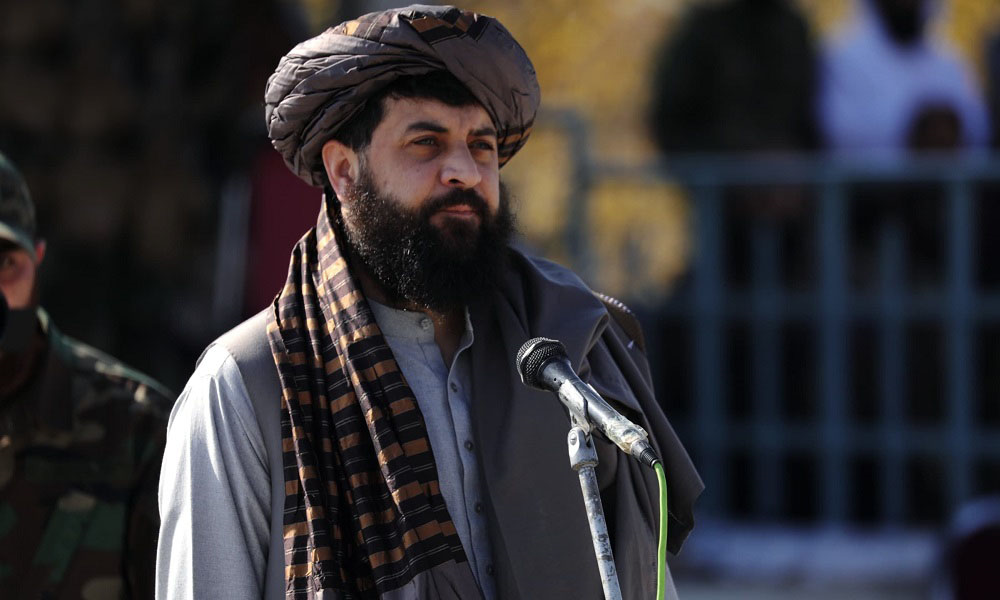
Mohammad Yaqoob Mujahid, the Minister of Defense of the Islamic Emirate, says that Afghanistan currently has a unified central government, and that no groups engaging in destructive activities are present in the country. He added that they will not allow anyone to undermine the country’s security.
According to a statement issued by the Ministry of Defense, Mujahid made these remarks at a graduation ceremony for commandos of the Special Forces Division. The ceremony was attended by Khalifa Sirajuddin Haqqani, the Minister of Interior; several cabinet ministers; foreign ambassadors and military attachés; special representatives; and a number of officials and military personnel.
Addressing the commandos, Yaqoob Mujahid said: “In the service you perform, make the pleasure of Almighty Allah your sole intention, because Almighty Allah will reward you for such an intention in this world and the hereafter. There is now a unified central government in the country, and no groups engaging in destructive activities are present. We will also not allow anyone to undermine security.”
He also added: “I assure our people that these forces will defend the lives, property, and territory of their beloved country with full courage and wisdom. I tell all foreign countries that Afghanistan is now secure, and there is no enemy in this country, whether from within or outside, that poses a threat to others.”
At the ceremony, Khalifa Sirajuddin Haqqani also said: “For half a century, Afghanistan did not have an independent army. However, now, it has an organized army and other security forces. You are not a ceremonial army, nor do you operate to serve the interests of others; rather, you are an organized and independent army. Although we may be materially weak, we are stronger than others in terms of morale and spirituality. We must maintain high morale, avoid acting emotionally in military affairs, and respond to the enemy at the appropriate time. We are not a threat to anyone; rather, we are defenders of our own land.”
It is worth noting that 1,000 young commandos of the Special Forces Division of the Ministry of Defense graduated from the eighth training course after completing six months of professional, ideological, and commando training.
During the ceremony, the graduating commandos, in cooperation with the Air Force, demonstrated coordinated practical and military exercises using various types of unmanned aircraft.
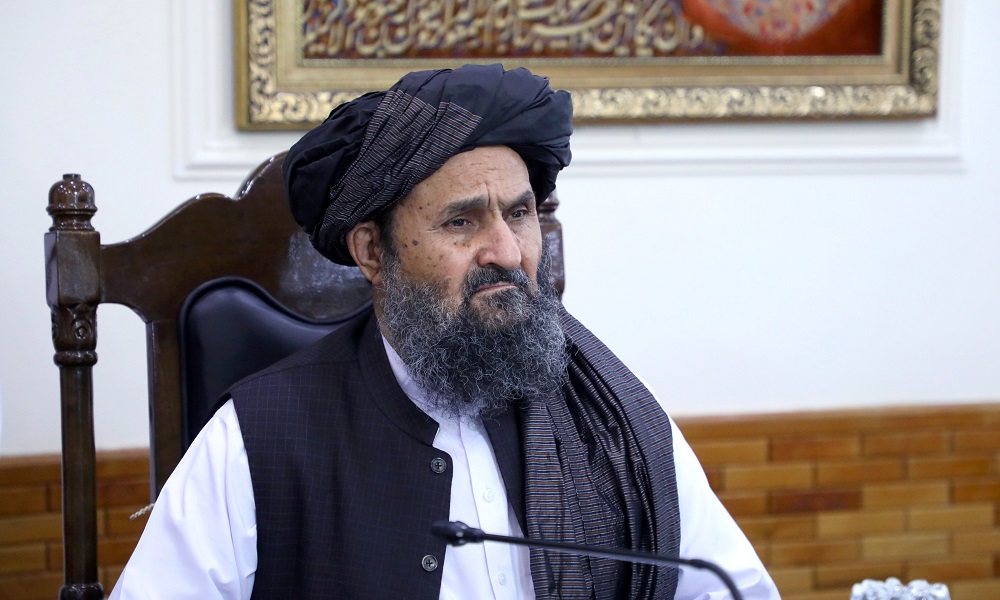
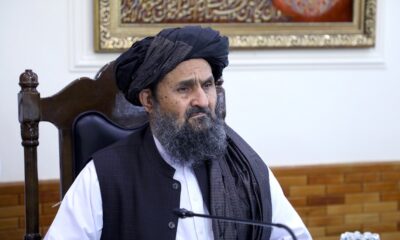
The action plan for establishing special economic zones across the country was approved on Wednesday by Mullah Abdul Ghani Baradar, Deputy Prime Minister for Economic Affairs.
According to a decree issued by the Supreme Leader of the Islamic Emirate, these special economic zones will be established in the provinces of Kabul, Balkh, Nangarhar, Kandahar, Herat, Paktia, and Kunduz.
Under the plan, the Ministry of Industry and Commerce, in cooperation with other relevant ministries and government agencies, will identify the land required for these zones, determine the necessary sectoral activities and services, and create the conditions needed to attract investment.
The establishment of these special economic zones is aimed at attracting new investments, achieving a relative balance between exports and imports, and expanding production activities in a suitable environment, paving the way for a new phase of economic development in the country.
Latest News
Russian deputy prime minister to visit Kabul with high-level economic delegation
The visit aims to strengthen economic and trade relations between Afghanistan and Russia, explore investment opportunities and discuss potential joint economic projects.
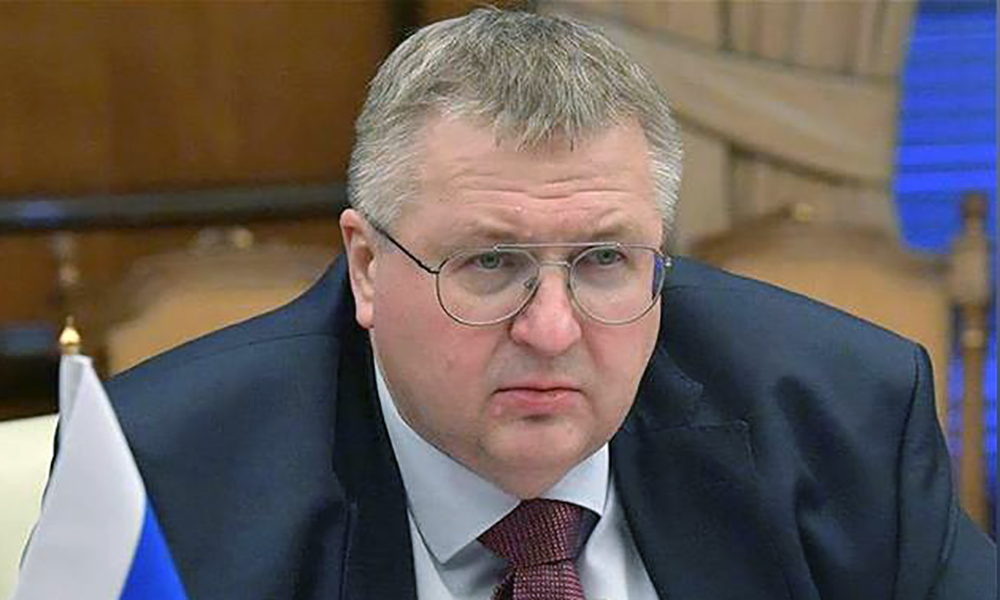
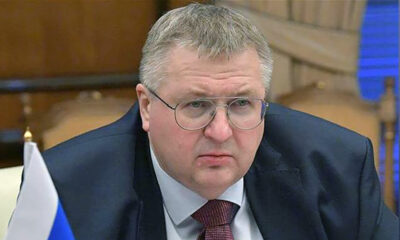
Russian Deputy Prime Minister Alexei Overchuk is scheduled to visit Kabul on Thursday, leading a high-level economic delegation, Afghanistan’s Ministry of Foreign Affairs has announced.
According to a statement by the ministry, the visit aims to strengthen economic and trade relations between Afghanistan and Russia, explore investment opportunities and discuss potential joint economic projects.
The visit is expected to provide an opportunity for officials from both countries to discuss ways of expanding bilateral economic cooperation and identifying new areas for trade and investment.
The ministry did not provide further details about the delegation’s programme or the specific projects expected to be discussed during the visit.

Afghanistan now has unified central government: IEA defense minister

Baradar approves action plan for establishing special economic zones

Russian deputy prime minister to visit Kabul with high-level economic delegation
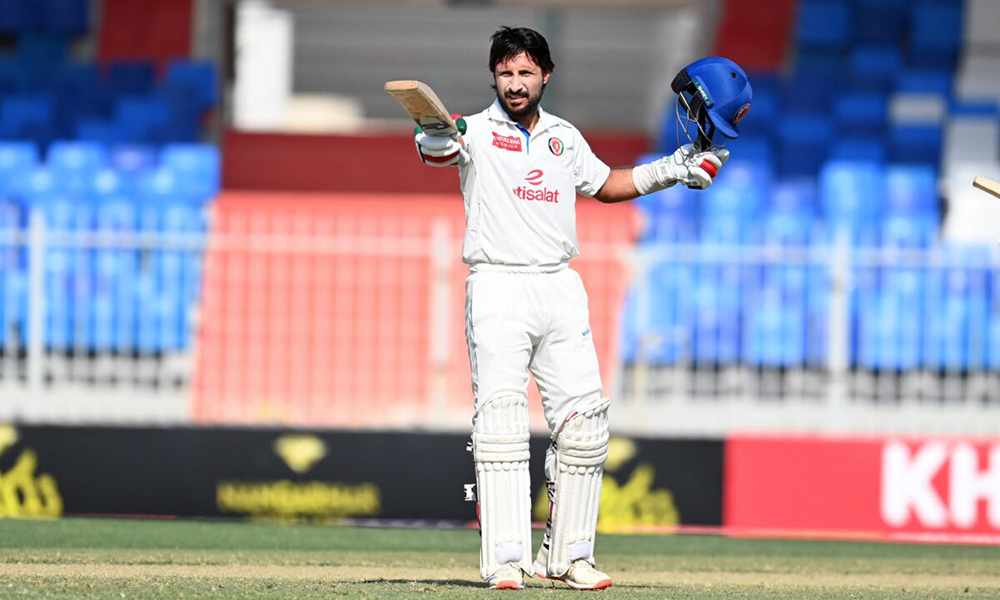
Historic first for Rahmat Shah after ICC rankings update
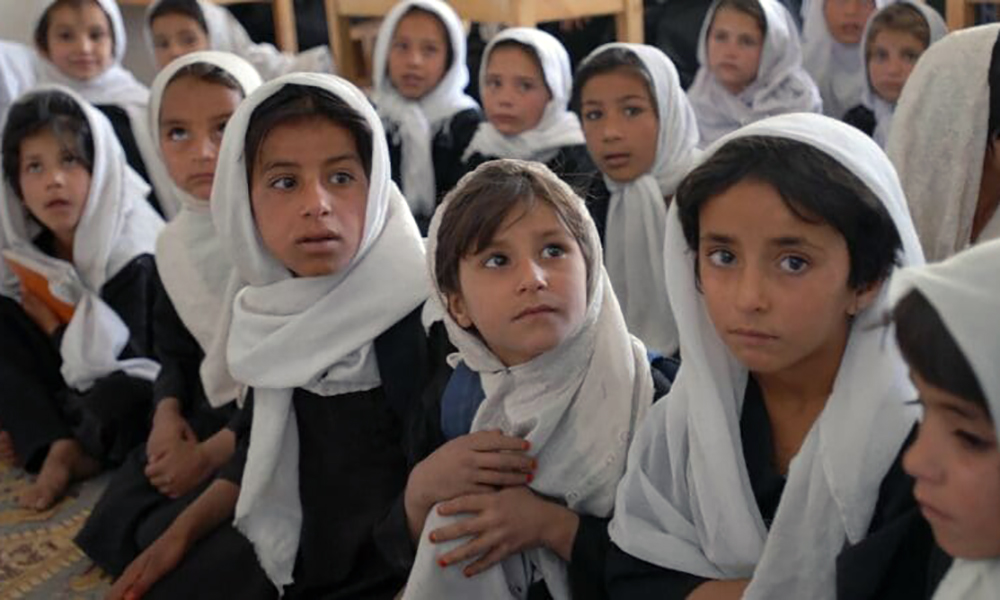
UNESCO warns Afghanistan risks losing an entire generation of professionals as girls’ education ban continues

Afghanistan finish runners-up after 6-0 defeat to Brazil in futsal final

Trump says US may strike Iran’s ‘Pickaxe Mountain’ nuclear facility

Afghan futsal coach: Brazil tournament is first step towards new goals and World Cup

Violent protests spread across Europe as Albanian PM blames ‘foreign hand’

Rubio heads to Central Asia while other US officials hit foreign policy hot spots

Tahawol: Efforts to halt deportation of Afghan refugees from US discussed
Saar: Russia’s stance on Afghanistan discussed

Trump says further US attacks on Iran ‘highly unlikely’ as peace talks gain momentum
Tahawol: Geopolitical developments in the Middle East
Saar: EU’s engagement with Afghanistan
-
 World3 days ago
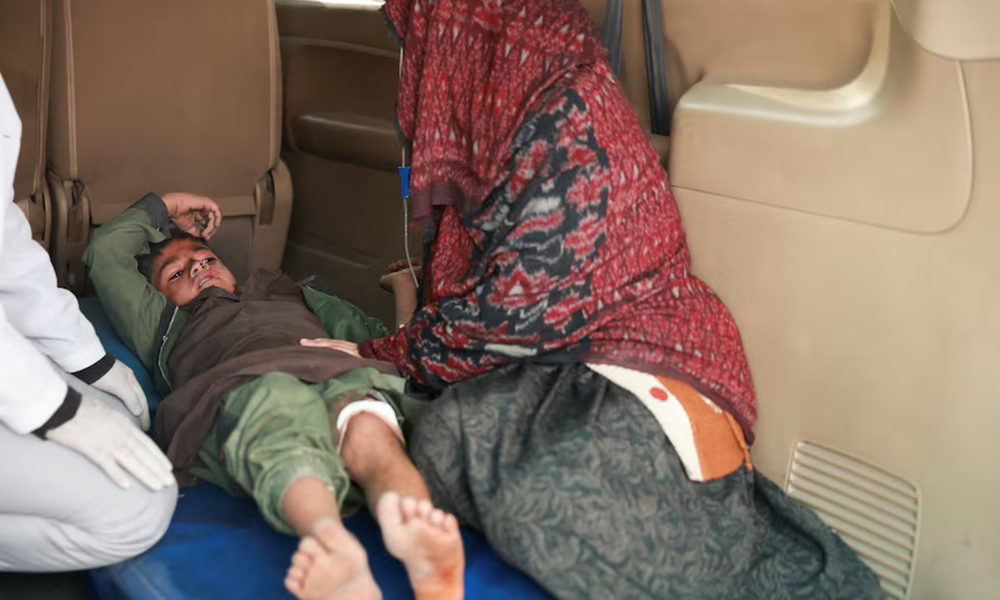
Houthi-run health ministry says airstrikes kill 33 near Yemen capital
-
 Sport3 days ago
Afghanistan’s record partnership highlights fourth day of Test against Zimbabwe
-
 Sport4 days ago
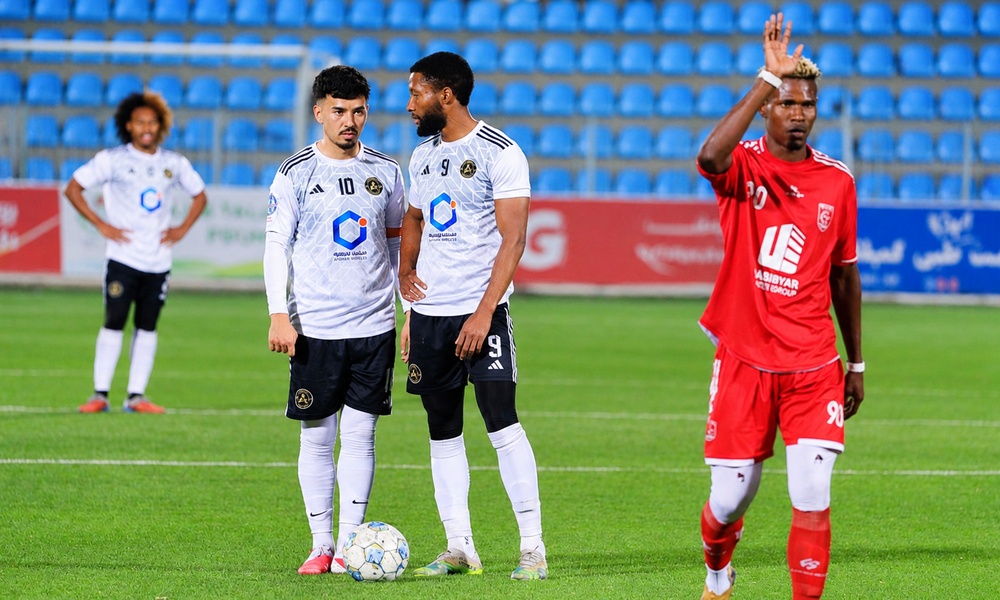
Toofan Herat defeat Arman FC 2–0 in Afghanistan Champions League
-
 Sport3 days ago
Afghanistan thrash Senegal 6-0 to reach Dakar Youth Olympics futsal semi-finals
-
 Sport5 days ago
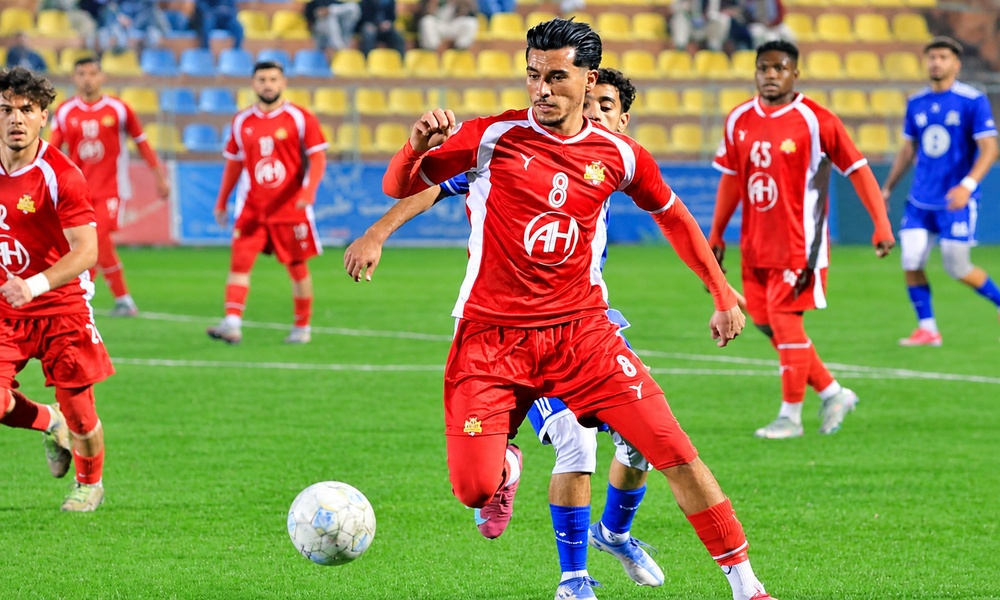
Abu Muslim Farah claim convincing 3-0 win over Omar Zawak in ACL
-
 Regional4 days ago
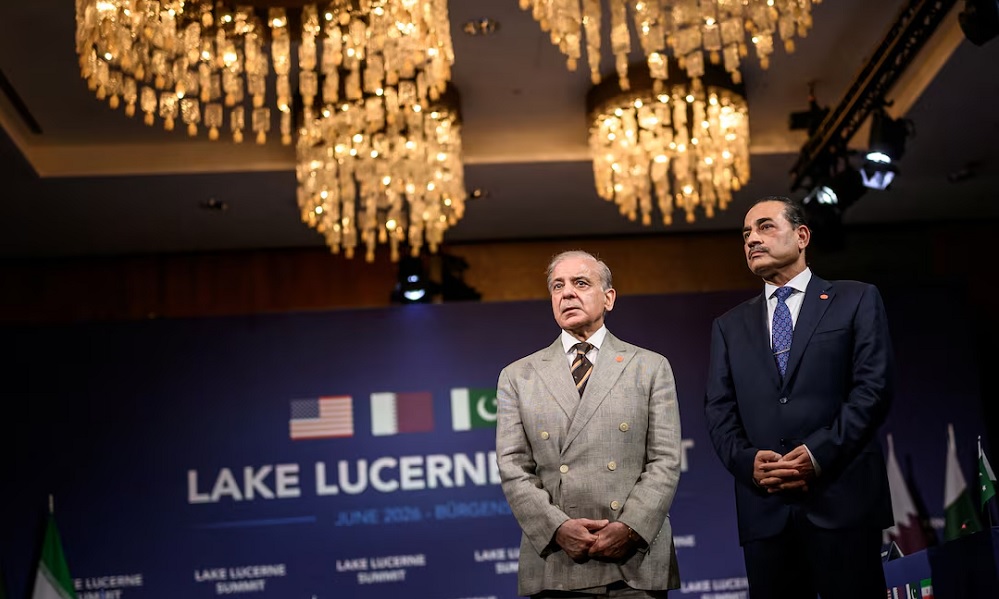
Pakistan’s leaders dread US Democrats’ win but its households are praying for it
-
 Sport2 days ago
Portugal beat Afghanistan 2-0 in Dakar Youth Olympics futsal semi-finals
-
 Business4 days ago
UK-Afghanistan trade falls 16.7% to £70 million over 12 months