
China accepts IEA ambassador

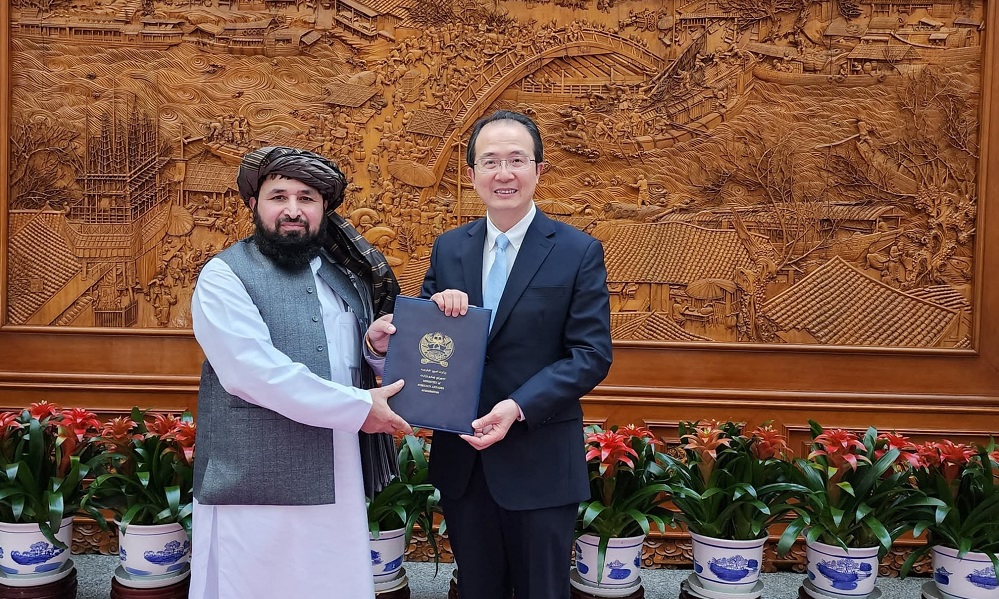
The Islamic Emirate of Afghanistan (IEA) has announced that Chinese officials have welcomed its newly appointed ambassador in Beijing on Friday.
The Ministry of Foreign Affairs in a statement said that Asadullah Bilal Karimi presented a copy of his credentials to Hong Li, the Head of the Protocol Department at the Chinese Ministry of Foreign Affairs.
According to the statement, Hong Li welcomed Bilal Karimi and considered his appointment as ambassador an important step in the expansion of relations between China and Afghanistan.
He said that China respects the national sovereignty of Afghanistan and the decisions of the people of this country and does not interfere in its internal affairs.
Hong pointed out that China wants to cooperate with Afghanistan in the framework of the “Belt and Road” initiative in the field of economic and infrastructure projects.
Meanwhile, Bilal Karimi said that he is glad to start working as the ambassador and special representative of the Islamic Emirate in China.
He added that this is an important chapter in the expansion of relations between the two countries.
Bilal Karimi assured China that no country will be threatened from Afghanistan soil, adding that stability and security in the region is in the interest of all. He also appreciated China’s “positive and non-interference policy” in Afghanistan’s affairs, and called China a good neighbor of Afghanistan.
Karimi also highlighted the importance of China’s role in investment, infrastructure restoration, development and reconstruction projects. He said that the current stability in Afghanistan is a good opportunity which should be fully utilized.
In the meeting, Hong Li expressed hope that with the appointment of the new IEA ambassador in China, relations between China and Afghanistan will be strengthened and expanded.



World
Islam forecast to soon exceed Christianity as world’s biggest faith
The study attributes the shift mostly to higher fertility rates in the Islamic world, averaging 3.1 children for each Muslim woman, compared with 2.5 children per Christian woman during the period 2020-2025.
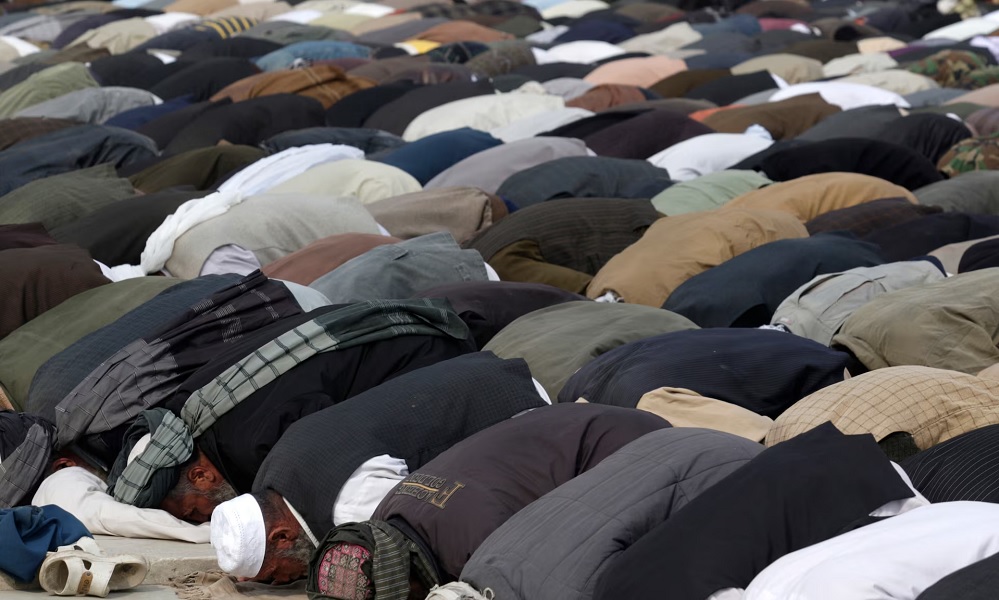
Islam is expected to surpass Christianity as the world’s biggest religion by the middle of the next decade as the birth rate among Muslims outpaces the number of babies born to women of any other faith, the Pew Research Center projected on Wednesday.
While Christianity has ranked as humanity’s largest religion for centuries, the global Muslim population has grown much faster and is forecast to reach 2.57 billion by 2035, compared with a projected tally of 2.52 billion Christians in that year, the Pew study found, Reuters reported.
If recent trends hold, Muslims will outnumber Christians 3.6 billion to 3 billion worldwide by 2070, and Islam will also then account for the largest portion of the global population – 37%, up from 26% in 2020, Pew said. Christianity, meanwhile, is expected to hold steady at around 29%, ranking No. 2 in global proportion.
The study attributes the shift mostly to higher fertility rates in the Islamic world, averaging 3.1 children for each Muslim woman, compared with 2.5 children per Christian woman during the period 2020-2025.
In all other religious categories combined, the birth rate in that period averaged 1.6 children per woman, below the minimum rate of 2.1 considered necessary for a generation to replace itself.
While natural population growth – births exceeding deaths – remains the biggest factor in the changing face of Muslim and Christian demographics, religious switching will also play a role, said Pew, a non-partisan, Washington-based think tank.
SWITCHING FAITHS
Based on past trends, according to Pew, both Islam and Christianity will lose more adherents from switching than they gain, but Muslims are expected to lose far fewer – 8 million between 2020 and 2070, compared with 105 million for Christians.
The world’s overall population is projected to increase 29% between 2020 and 2070, with Islam and Christianity the only two religious groups forecast to keep pace with or exceed that growth rate, expanding by 80% and 30%, respectively.
Hindus are growing in absolute numbers but are expected to shrink slightly as a share of the world’s population (13.6% in 2070), with Jews projected to follow a similar pattern (0.17% in 2070). Buddhists, meanwhile, are forecast to decline in numbers and as a percentage of global population (2.5% in 2070).
SMALLER FAITHS, NON-BELIEVERS
All other faiths combined – including Baha’is, Daoists, Jains, Sikhs and followers of various folk religions – are expected to see a modest rise in numbers, while collectively slipping below 2% of all humanity by 2070, according to Pew.
Moreover, people with no religious affiliation, a category that includes those identifying as atheist or agnostic, are expected to decline sharply as a proportion of the global whole, from 24% in 2020 to 17% in 2070, the study found.
The geographic distribution among religions is also shifting dramatically.
By 2070, for instance, Christianity will rank as the largest religion in the United States but not its majority faith, and the Democratic Republic of Congo will surpass the US as the country with the greatest concentration of Christians.
The numbers of religiously unaffiliated people will grow in most countries in the coming decades, but those increases will be entirely outweighed by the dwindling population forecast for China, where most of the world’s non-believers currently reside.
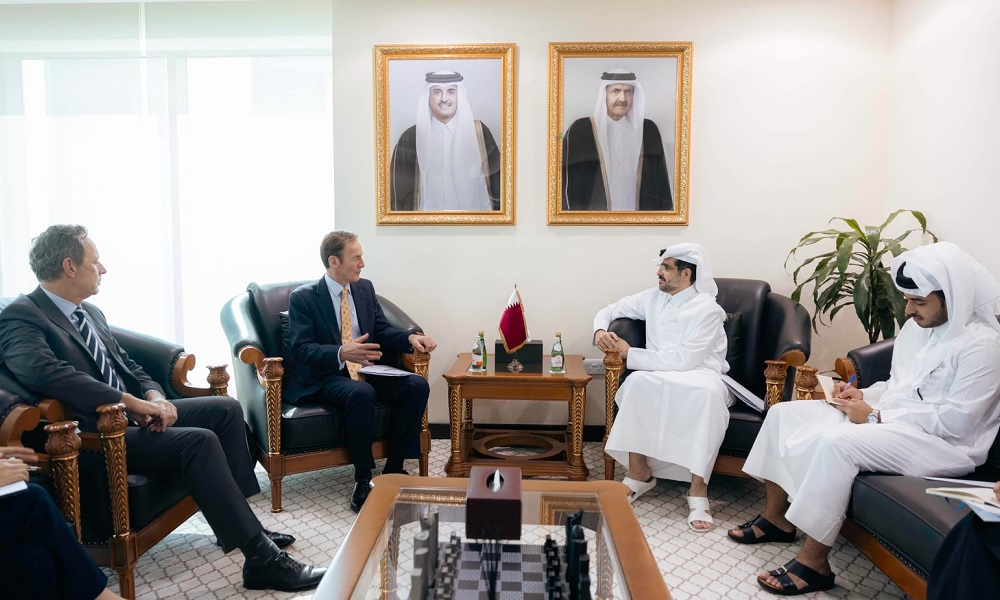
Qatar’s Ministry of Foreign Affairs says Jassim Al Asmakh, Special Envoy of the Minister of Foreign Affairs, met on Wednesday with Richard Lindsay, the United Kingdom’s Special Envoy to Afghanistan, in Doha.
During the meeting, the two sides discussed bilateral cooperation between Qatar and the UK, as well as the latest developments in Afghanistan.
Lindsay is currently visiting Doha as diplomatic engagements on Afghanistan continue.

Islam forecast to soon exceed Christianity as world’s biggest faith
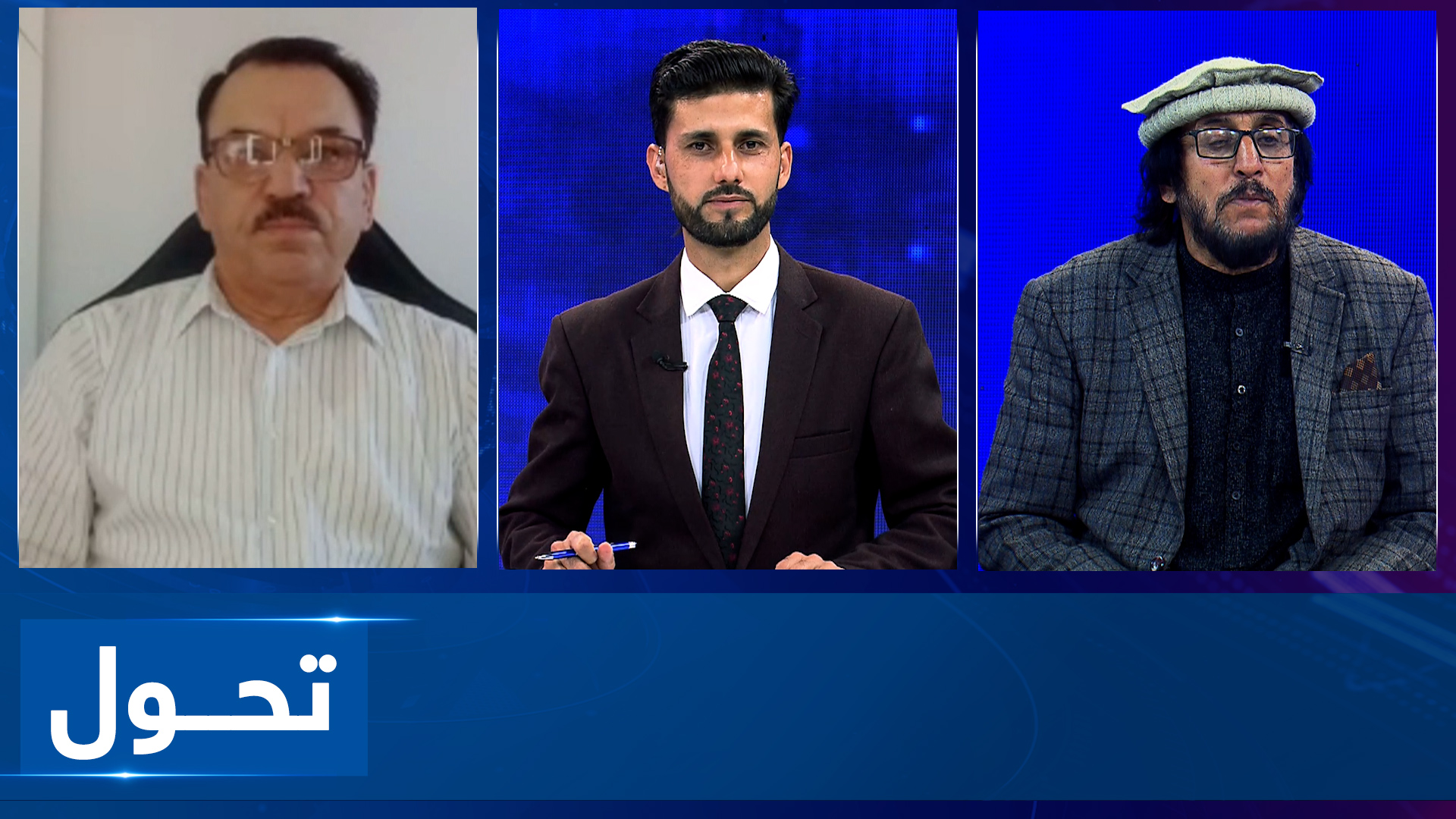
Tahawol: Qatar-UK consultations on Afghanistan discussed
Qatar, UK envoys discuss latest developments in Afghanistan
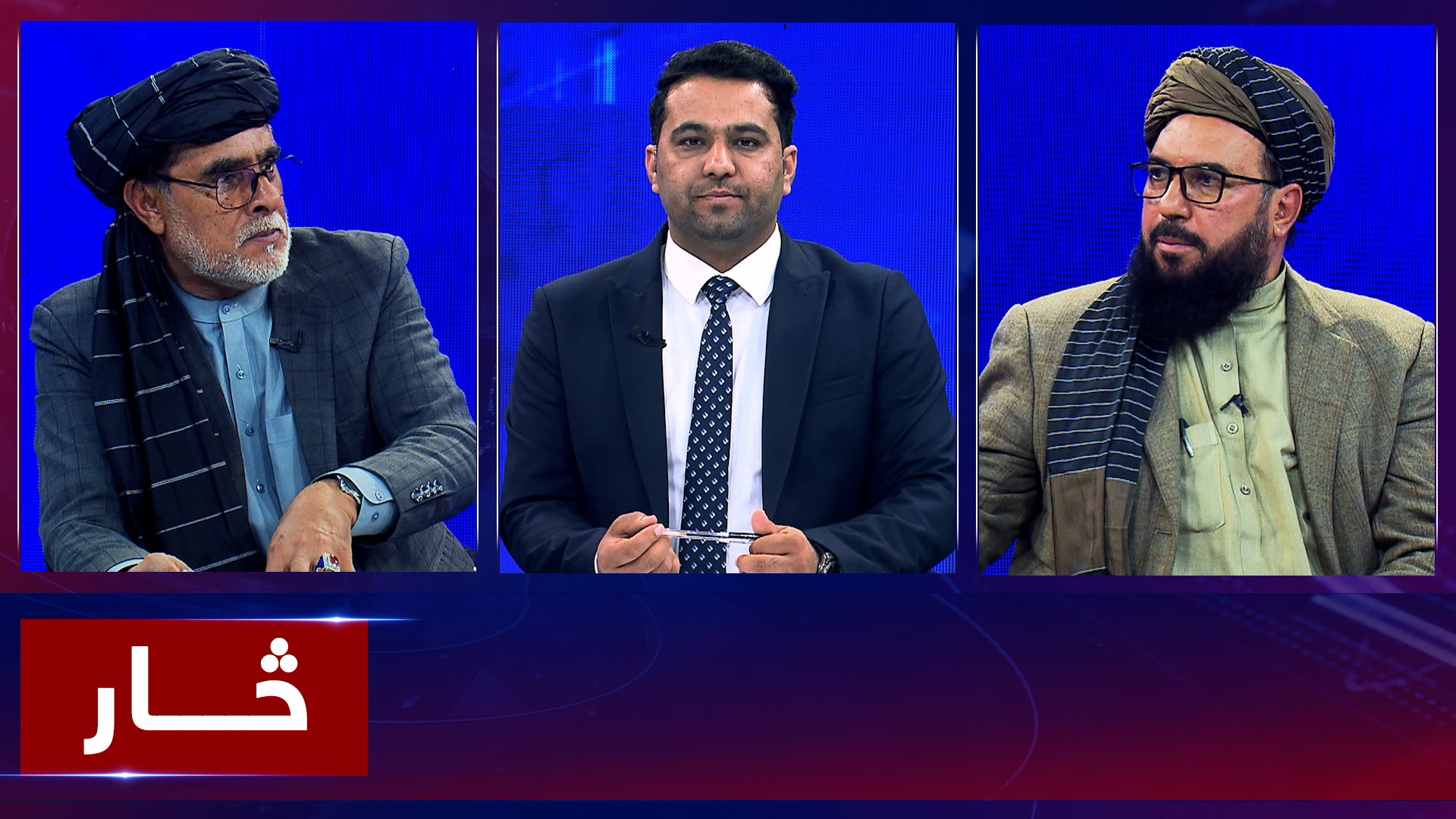
Saar: Efforts to deliver urgent humanitarian aid to needy Afghans

ATN to broadcast AFC Awards honoring Asia’s football stars

Governments take websites offline as critical cyber flaws trigger global alert

Afghanistan’s new Wakhan road to China faces major hurdles
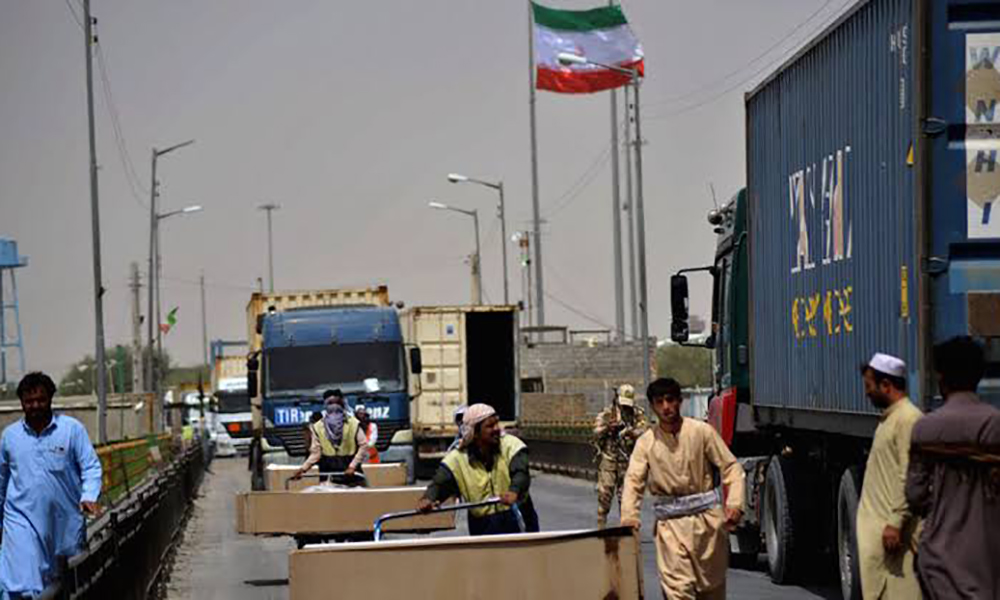
US sanctions and blockade measures disrupt Iran’s trade with Afghanistan and regional neighbors

Pakistan exporters suffer billions in losses as Afghanistan trade halt continues
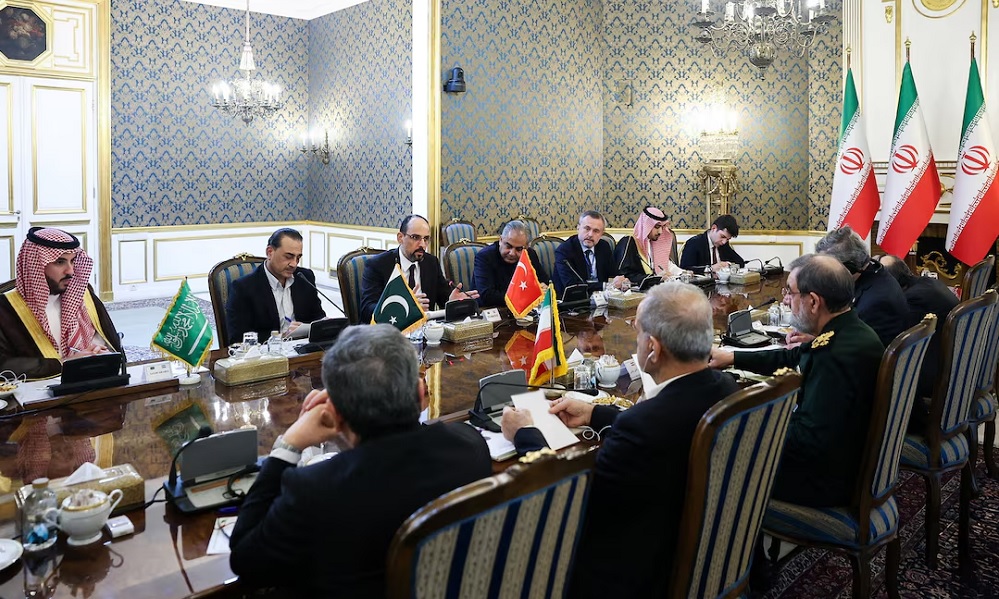
Saudi defence pact countries push for peace in Tehran as Houthis launch more attacks
Tahawol: Qatar-UK consultations on Afghanistan discussed
Saar: Efforts to deliver urgent humanitarian aid to needy Afghans
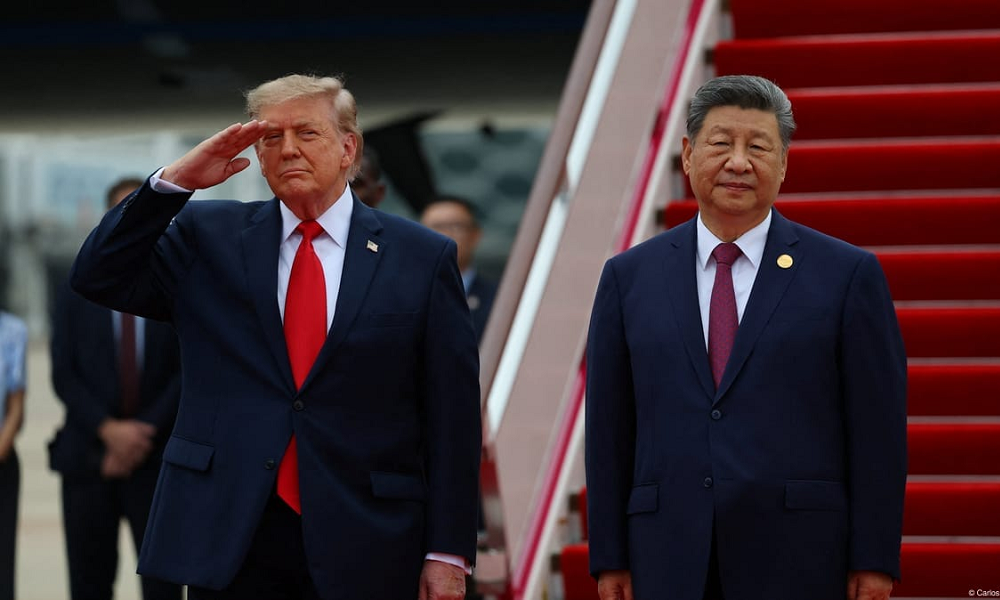
Xi welcomes Trump to China ahead of highly anticipated summit with Putin
Tahawol: 80th anniversary of Afghanistan’s UN membership discussed
Saar: Europe’s shift toward engagement with the IEA discussed
-
 Latest News5 days ago
ICC halts probe into alleged crimes by US troops in Afghanistan
-
 Sport4 days ago
ILT20 teams required to field at least two UAE and Afghanistan players in Season 5
-
 Sport4 days ago
Arman FC cruise to 5-0 victory over Istiqlal Kabul in ACL match
-
 World5 days ago
US to resume flights after air traffic network failure sparks chaos
-
 Sport5 days ago
Afghanistan trail Zimbabwe by 180 runs at stumps on day two of second Test
-
 Latest News4 days ago
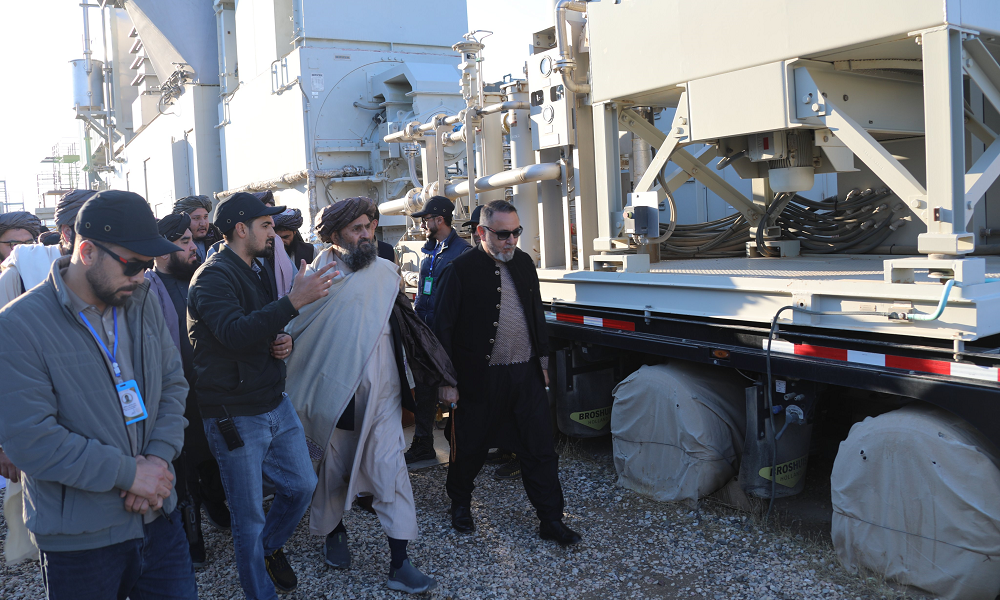
Bayat Power’s 40-megawatt gas-fired turbine resumes operations in Jawzjan
-
 World4 days ago
US floated idea of Ukraine ceding Donbas for NATO membership, Zelenskiy says
-
 Latest News4 days ago
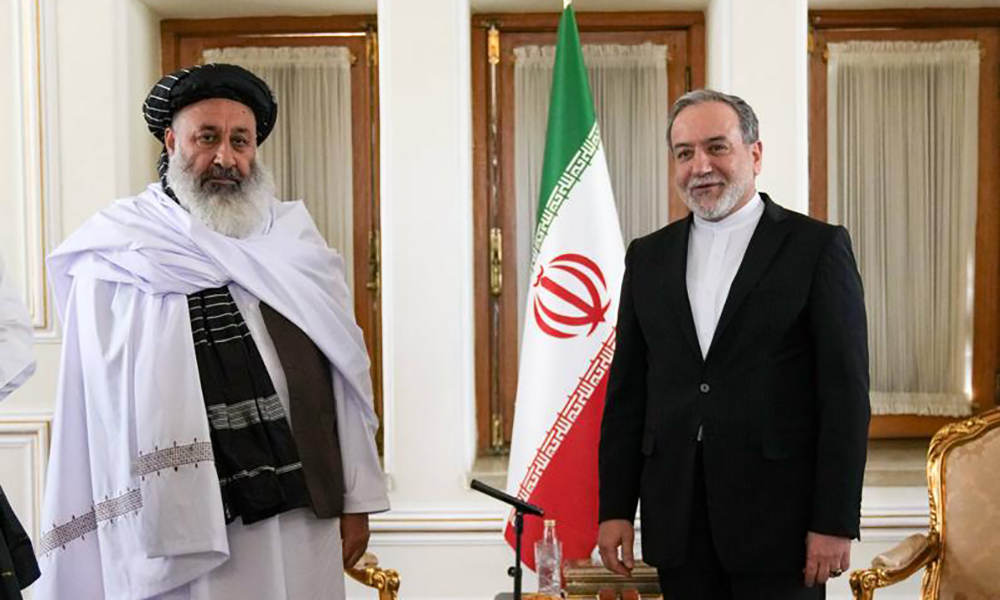
Afghanistan and Iran agree to expand trade cooperation and upgrade border infrastructure