
Health
China reports first ever human case of H10N3 bird flu

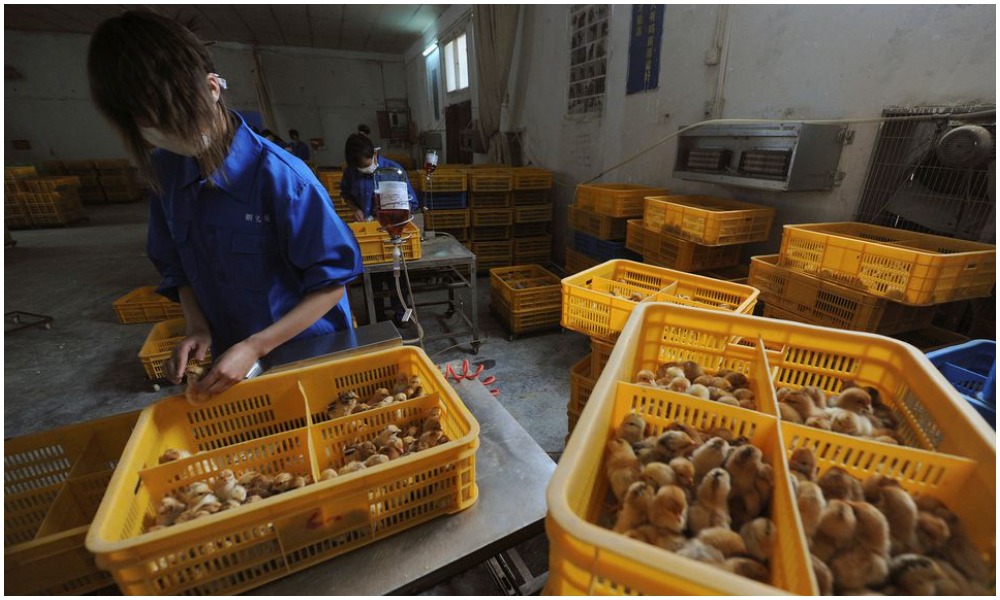
A 41-year-old man in China’s eastern province of Jiangsu has been confirmed as the first human case of infection with the H10N3 strain of bird flu, China’s National Health Commission (NHC) said on Tuesday.
Reuters reported the man, a resident of the city of Zhenjiang, was hospitalised on April 28 after developing a fever and other symptoms, the NHC said in a statement.
He was diagnosed as having the H10N3 avian influenza virus on May 28, it said, but did not give details on how the man had been infected with the virus.
The man was stable and ready to be discharged from hospital. Medical observation of his close contacts had not found any other cases, Reuters reported.
H10N3 is a low pathogenic, or relatively less severe, strain of the virus in poultry and the risk of it spreading on a large scale was very low, the NHC added.
The strain is “not a very common virus,” said Filip Claes, regional laboratory coordinator of the Food and Agriculture Organization’s Emergency Centre for Transboundary Animal Diseases at the Regional Office for Asia and the Pacific, Reuters reported.
Only around 160 incidents of the virus were reported in the 40 years to 2018, mostly in wild birds or waterfowl in Asia and some limited parts of North America, and none had been detected in chickens so far, he added.
No other cases of human infection with H10N3 have previously been reported globally, the NHC said.








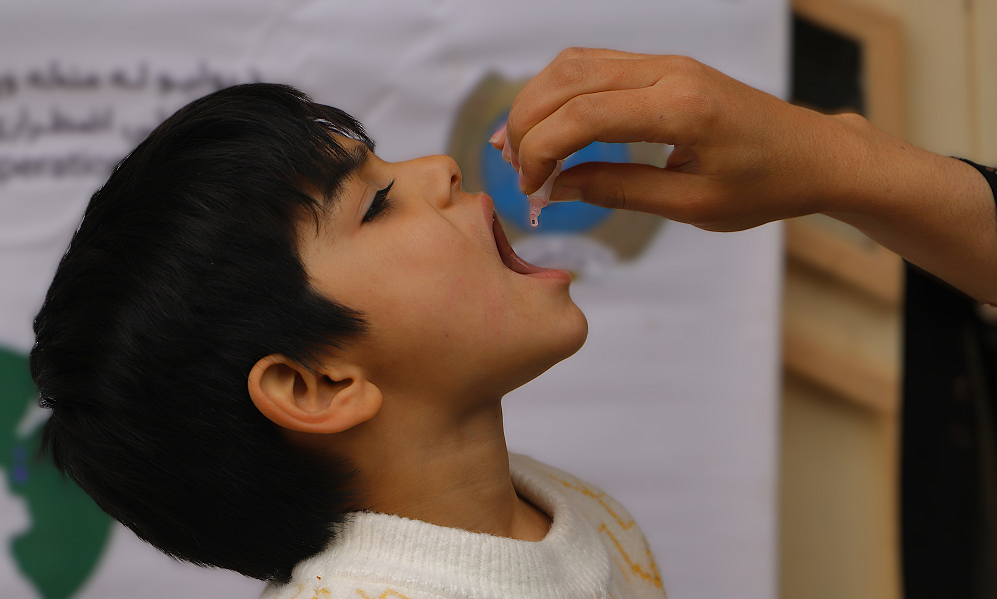
A nationwide polio vaccination campaign got underway across Afghanistan on Monday.
The four-day campaign aims to vaccinate around 12.77 million children under the age of five against polio.
Officials said the campaign is aimed at strengthening protection for children against polio and preventing the spread of the virus.
However, in the southern zone of the country, the polio vaccination campaign will begin one day later, on Tuesday, to ensure better implementation.
According to the information provided, Afghanistan has conducted one nationwide and two sub-national polio vaccination campaigns so far this year. The current campaign is the fourth of the year. In addition, localized campaigns and public awareness programs have also been carried out.
Officials said some environmental samples linked to the polio virus have tested positive. However, the Ministry of Public Health has not so far confirmed any human cases of polio.
According to officials, investigations into suspected cases are ongoing, and information on confirmed human cases will be shared once the assessments are completed and sufficient evidence is available.
Health
Afghanistan faces cancer treatment crisis
Spokesperson for the Ministry of Public Health, said dozens of cancer treatment centers are operating across the country.
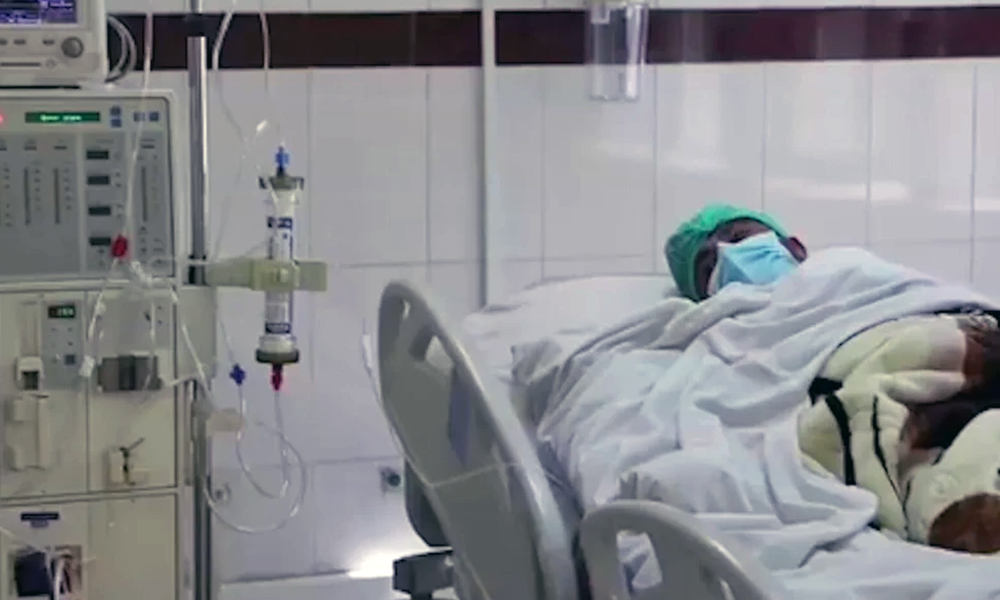
The Afghanistan Cancer Foundation has raised concern over the rising number of cancer cases across the country, saying at least 1.5 million people are currently suffering from the disease.
According to figures released on Saturday, September 11, about 50,000 new cases are recorded annually. The figures are based on data from the Ministry of Public Health and international organizations.
Shafiq Shinwari, head of the Afghan Cancer Foundation, said in a recent interview that breast and uterine cancers are among the most common cancers in women, while lung, stomach, prostate and colon cancers are widespread among men.
He said cancer is the second-leading cause of death in Afghanistan after heart disease.
Cancer specialist Dr. Rahim Gul Darwish identified smoking and tobacco use, poor hygiene and unhealthy diets as major factors contributing to the spread of the disease.
Meanwhile, Sharafat Zaman Amarkhail, spokesperson for the Ministry of Public Health, said dozens of cancer treatment centers are operating across the country. However, he acknowledged serious shortages of modern equipment and facilities needed to provide comprehensive treatment.
The situation has been further aggravated by the departure of hundreds of medical specialists and healthcare workers since the Islamic Emirate returned to power, according to reports.
Afghan patients have also faced growing difficulties accessing treatment abroad. Many previously travelled to Pakistan for cancer care, but border closures and restrictions on Pakistani visas have made access more difficult.
Doctors say cancer patients require continuous treatment and regular specialist care, warning that shortages of facilities and restrictions on cross-border travel are increasing the risks for patients.
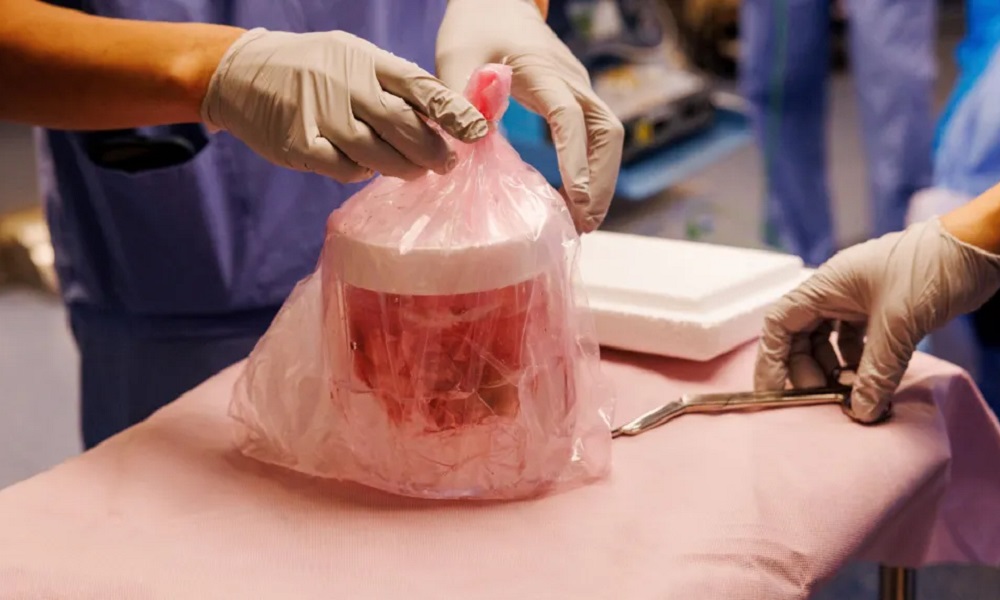
A genetically modified pig kidney has kept a 66-year-old man with end-stage kidney disease alive without dialysis for a record nine months, marking the first time a pig kidney has successfully served as a temporary “bridge” to a human kidney transplant.
Tim Andrews, from New Hampshire, was suffering from severe kidney failure caused by type 2 diabetes. Doctors said he had only a 9% chance of receiving a human kidney within five years, while facing a more than 40% risk of dying or being removed from the transplant waiting list.
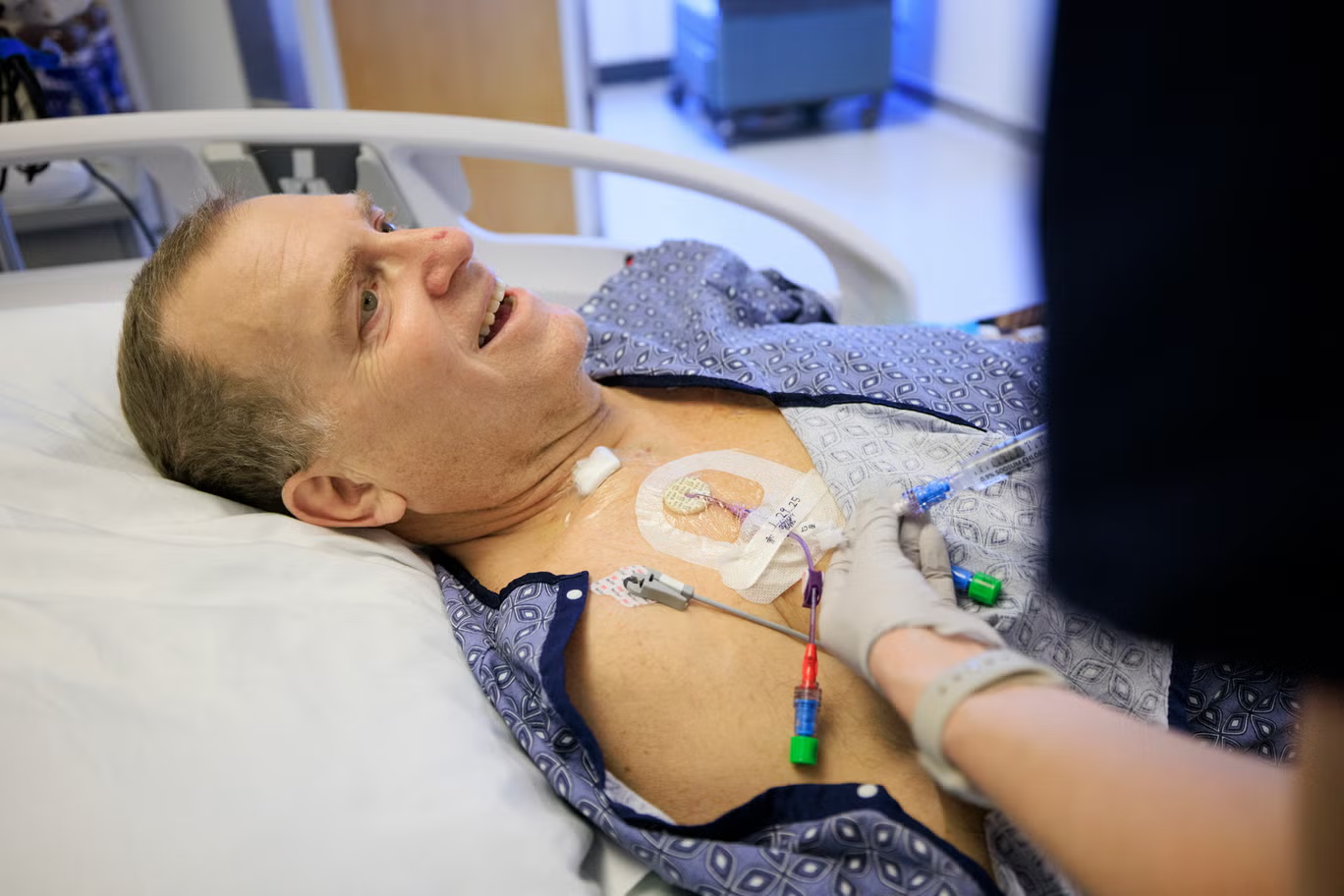
Tim Andrews preparing for surgery in January 2025
Surgeons at Mass General Brigham in Massachusetts transplanted a kidney from a genetically modified Yucatan miniature pig named Wilma into Andrews in January 2025. The kidney functioned for 271 days, allowing him to remain free of dialysis before it began to fail.
After the pig kidney was removed, Andrews spent several months back on dialysis before receiving a kidney from a deceased human donor. The human kidney was functioning well after six months of follow-up, according to findings published in the medical journal The Lancet.
The transplant represents the longest dialysis-free survival recorded following a pig kidney xenotransplant in a living person. It is also the first documented case in which a patient successfully moved from a pig kidney transplant to a human kidney transplant.
Before the procedure, Wilma’s genome underwent 69 genetic modifications. Some changes were intended to reduce the risk of viruses being transmitted to humans, while others were designed to make the pig kidney more compatible with the human immune system and reduce the risk of rejection.
Andrews described the procedure as a “miracle”, saying it allowed him to return to everyday activities. He said he was able to cook, vacuum and take long walks with his dog.
The development could offer a potential solution to the severe shortage of human organs available for transplantation. Kidney transplantation provides the best survival prospects and quality of life for patients with end-stage kidney disease, but the global demand for donor kidneys far exceeds the supply.
Dr Leonardo Riella of Mass General Brigham said the shortage of organs remains “the greatest crisis” in transplantation. He said genetically modified animal organs could initially be used to help patients avoid dialysis while they wait for a human donor kidney and could eventually become a long-term treatment option if their safety and durability are established.
The pig kidney began showing damage to its blood vessels after about six months, eventually leading to organ failure and its removal nine months after transplantation.
Doctors found no new antibodies against human tissue following the procedure, suggesting the pig kidney did not make Andrews’ subsequent human transplant more difficult. No pig viruses or other pig pathogens were detected at any point.
The researchers cautioned that the result is based on a single patient with no comparison group. They said the outcome also depended on careful patient selection and intensive specialist care that may not be available in all settings.
Further clinical trials will be needed to determine whether genetically modified pig kidneys can safely and reliably be used as a bridge for other patients facing long waits for human organs.
The researchers said the case nevertheless provides new evidence that pig kidney transplantation could help address the global organ shortage and potentially offer patients a way to remain off dialysis while waiting for a human kidney.


Afghanistan-Kazakhstan trade reaches $581 million in six months

Trump says men arrested at UK air base used by US planned ‘big damage’

Serbia’s President Vucic resigns ahead of October parliamentary elections

Floods, landslides kill 56 in India and 14 in Nepal

Afghanistan central bank and ACGF sign cooperation agreement

Saudi energy group signs major Afghanistan deals covering gas exploration and pipeline plans

Trump floats idea of renaming Atlantic or Pacific Ocean

Nepal flood rescue mission enters critical phase as thousands remain missing

Iranian clubs to face Gulf opponents at neutral venues in Asian Champions League Elite

Khalilzad: Afghanistan ready to attract major investment

Saar: Afghanistan’s image at UNGA

Saar: Concerns over Pakistan’s political crisis discussed

Exclusive interview with Abdul Latif Mansoor, Minister of MRRD

Tawsia: Overview of Afghanistan’s iron mines

Tahawol: Discussion on fresh Pakistani airstrikes on Afghanistan
-

 Latest News5 days ago
Ariana Afghan Airlines ranks seventh among 45 Central Asian airlines
-

 Regional4 days ago
Iran airlines cancel flights as US sanctions hit
-

 Latest News5 days ago
Silk Road highway in Wakhan corridor now reaches the China border
-

 Sport4 days ago
Afghanistan open Asian Games cricket campaign with win over Japan
-

 World4 days ago
Trump welcomes Chinese President Xi as US-China summit gets underway
-
 Latest News5 days ago
OIC Contact Group reaffirms support for Afghan people
-

 Latest News5 days ago
Refugees minister, UNAMA deputy discuss challenges facing returnees
-

 Latest News4 days ago
Khalilzad warns Pakistan-Afghanistan tensions likely to worsen after fresh airstrikes