
Latest News
CIA waterboarded relative of Hekmatyar in Afghanistan

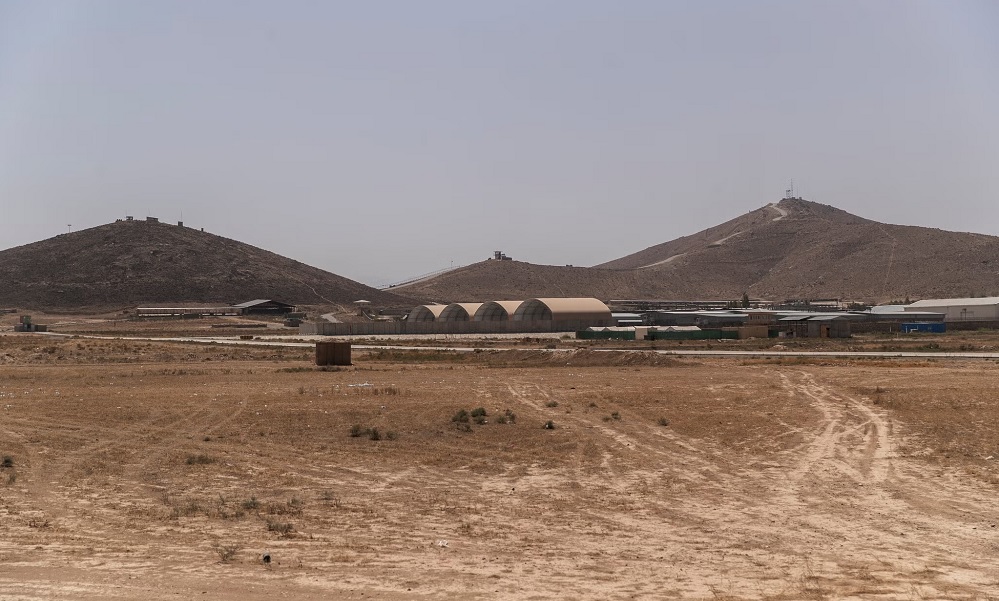
The US Central Intelligence Agency (CIA) may have waterboarded a relative of former Jihadi leader Gulbuddin Hekmatyar at a secret detention facility in Afghanistan, The New York Times reported, citing newly declassified FBI interview records.
According to the newspaper, a former CIA contract translator told an FBI agent in 2012 that he had witnessed a detainee identified as “Bahir” being waterboarded at a secret prison north of Kabul, known as the Salt Pit or Detention Site Cobalt.
The translator reportedly described the man as a relative of Hekmatyar. He told investigators that the detainee was strapped to a board tilted downward into water, with approximately three to four people carrying out the procedure. The witness said he saw the incident in passing and did not participate.
The newly disclosed account suggests that the CIA may have used waterboarding on more detainees than the three terrorism suspects it has officially acknowledged subjecting to the technique following the September 11, 2001 attacks.
The CIA has acknowledged waterboarding three detainees: Abu Zubaydah, Khalid Shaikh Mohammed and Abd al-Rahim al-Nashiri. All three are currently held at the US military prison at Guantanamo Bay.
However, the three men were waterboarded at CIA detention facilities in Thailand and Poland, not at the Afghan facility.
The newspaper reported that the Senate Intelligence Committee’s 2014 investigation had also raised questions about possible unreported use of waterboarding at the Afghan detention site.
The committee’s report documented the detention and abuse of a Libyan man who later told Human Rights Watch that he had been waterboarded in Afghanistan. It also disclosed that investigators had obtained a photograph showing a waterboard surrounded by buckets of liquid at the facility. The CIA was reportedly unable to explain the photograph when questioned in 2013.
The Senate report also identified a detainee named Ghairat Bahir, whom CIA records indicated had been held for approximately two years beginning in 2002 and subjected to what the agency called “enhanced interrogation techniques.” However, it remains unclear whether he was the man described by the former translator.

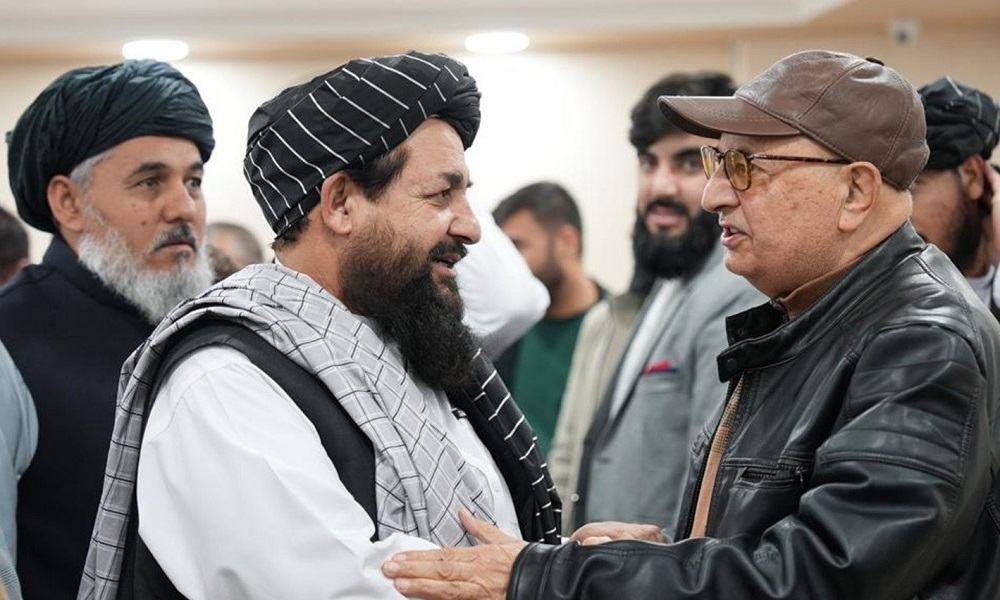
Shahabuddin Saqib, Deputy Minister of Industry and Commerce of the Islamic Emirate, on Friday met with a number of Afghan traders and investors residing in Turkey, as well as traders participating in the Istanbul Halal Expo 2026, during his visit to Istanbul.
The Ministry of Industry and Commerce said in a statement that during the meeting, the deputy minister outlined trade and investment opportunities, the Islamic Emirate’s supportive policies and facilities, and the government’s achievements in the fields of industry, trade, transit and investment.
According to the ministry, Saqib encouraged Afghan traders and investors to return to the country, invest in Afghanistan, and introduce and promote Afghan-made products in foreign markets.
Meanwhile, Afghanistan’s Consul General in Istanbul assured the participants of security, economic-oriented policies and support for the private sector.
Afghan traders and investors expressed appreciation for the support and facilities provided, and voiced their interest in exploring opportunities, expanding trade and investing in Afghanistan.
Latest News
Joint security delegation visits Kandahar to strengthen coordination
The delegation met with Kandahar Governor Mullah Mohammad Shirien Akhund on Tuesday at the provincial governor’s office.
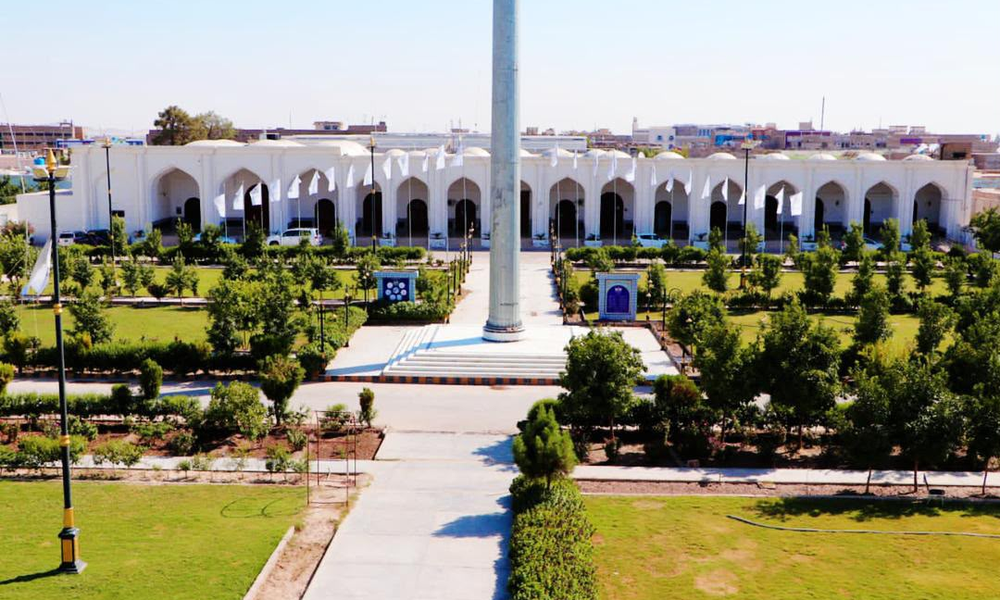
A joint security delegation from Afghanistan’s Ministry of Defense, Ministry of Interior and General Directorate of Intelligence has visited Kandahar province to discuss security challenges and ways to improve coordination among the country’s security institutions.
The delegation met with Kandahar Governor Mullah Mohammad Shirien Akhund on Tuesday at the provincial governor’s office, where discussions focused on strengthening security, enhancing cooperation and addressing existing challenges.
Delegation members said the visits were conducted under the direction of the leadership of the three institutions to engage with local military and civilian officials, assess security-related concerns and develop coordinated solutions.
Governor Akhund welcomed the delegation and praised the activities of the three security institutions in maintaining stability and improving security coordination across the province.
He reaffirmed the provincial administration’s commitment to continued cooperation with security agencies to maintain stability and address emerging challenges.
Latest News
UN warns aid cuts threaten support services for Afghan women and girls
UN Women reported that more than 193 centres providing support to survivors of violence have closed this year, affecting more than one million women and girls.

The United Nations has warned that declining humanitarian funding in Afghanistan is forcing the closure of essential support services for women and girls, leaving thousands increasingly vulnerable to violence and abuse.
Susan Ferguson, UN Women’s Special Representative in Afghanistan, said economic hardship, environmental shocks, recurring humanitarian crises and restrictions on women’s rights have compounded the challenges facing women and girls across the country.
UN Women reported that more than 193 centres providing support to survivors of violence have closed this year because of funding shortages, affecting more than one million women and girls.
A survey of 74 women’s organisations across Afghanistan found that nearly three-quarters experienced funding cuts in 2025, while half expect to suspend or completely shut down their operations by April 2027.
The potential closures could leave approximately 427,000 women at immediate risk of losing access to essential support services.
Ferguson called on governments and international donors to increase funding for women-led organisations and support efforts to protect Afghan women and girls from violence.
The UN also said women in Afghanistan are nearly four times less likely than men to access formal justice mechanisms, further limiting their ability to seek protection and pursue cases of abuse.
The Islamic Emirate of Afghanistan has previously maintained that human rights, particularly women’s rights, are being protected under Sharia law.

CIA waterboarded relative of Hekmatyar in Afghanistan
Hackers breach US Air Force flagship Cloud One computing platform
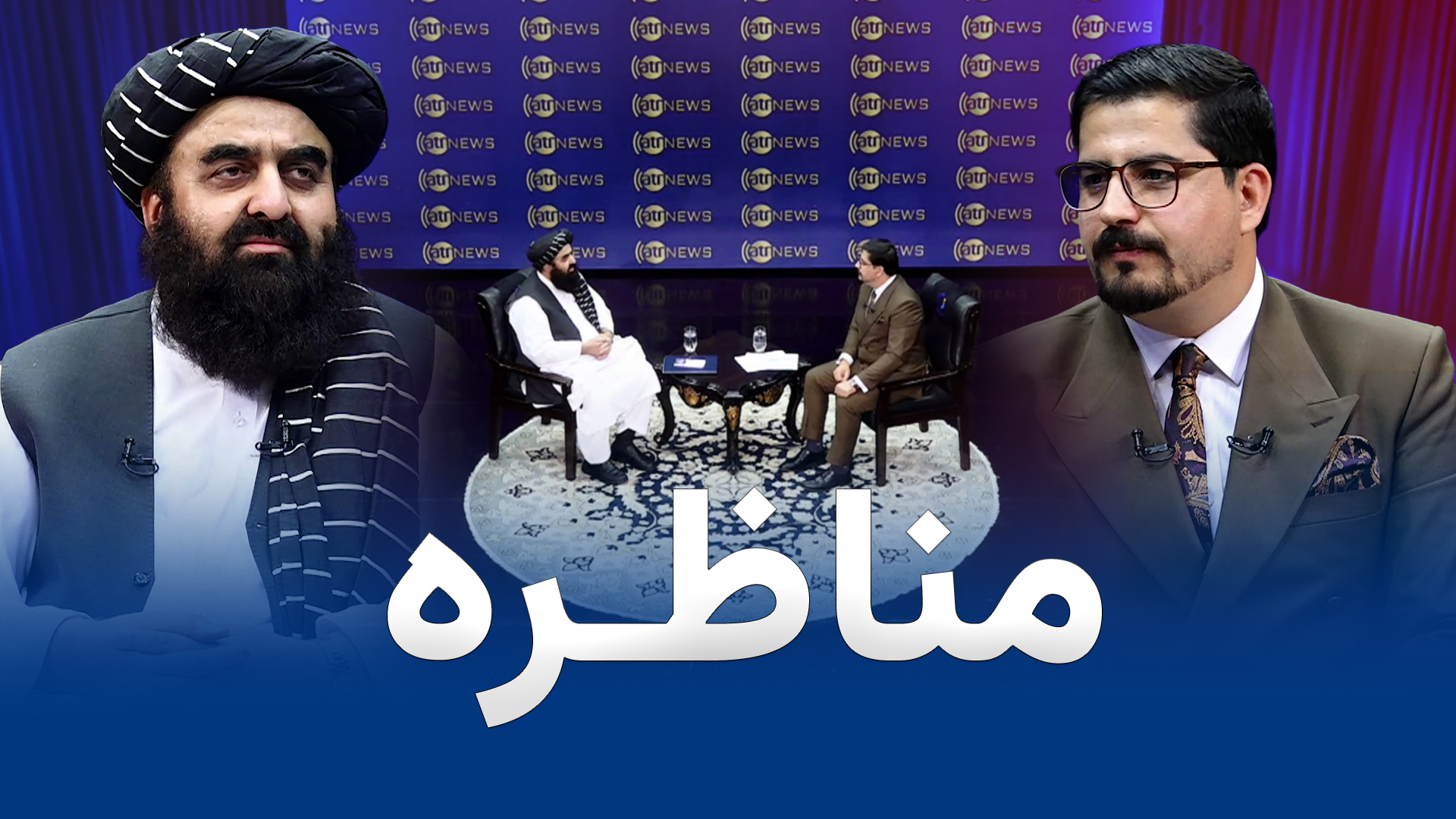
Debate with Amir Khan Muttaqi, Foreign Minister of the Islamic Emirate of Afghanistan
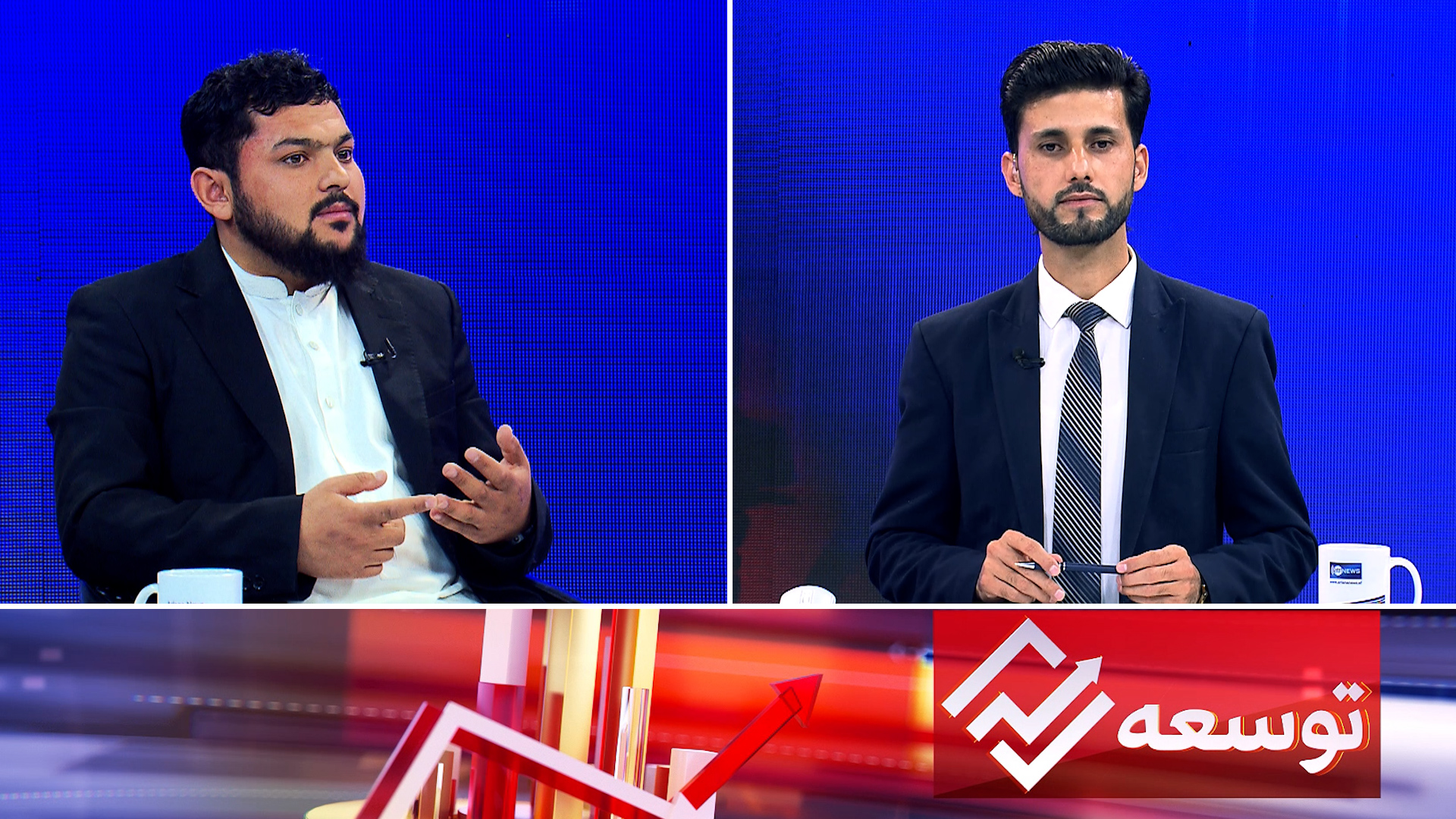
Tawsia: Current economic activities in Afghanistan discussed
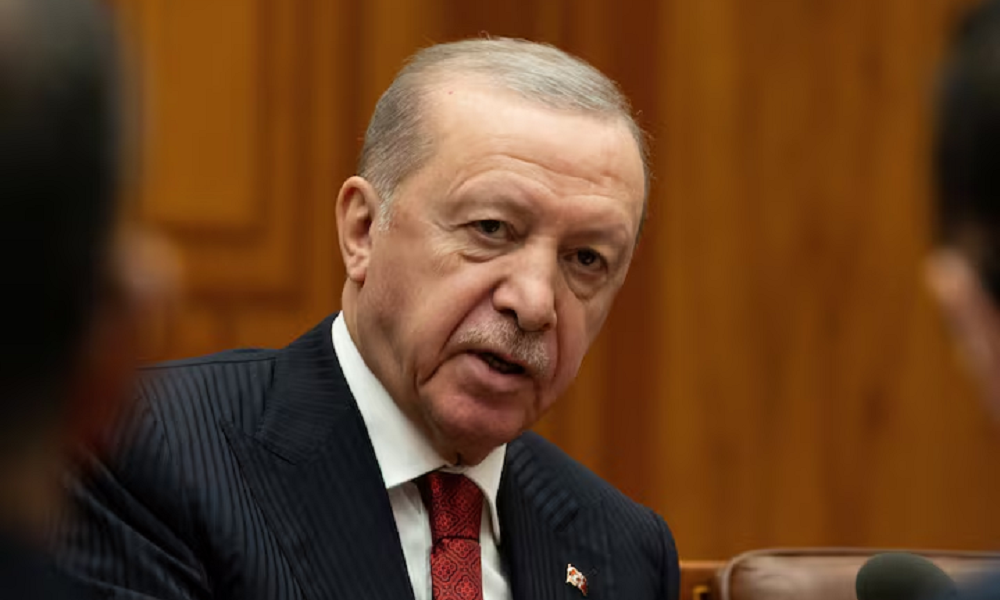
Erdogan completes Turkey’s ratification of Mecca defence pact

US sanctions and blockade measures disrupt Iran’s trade with Afghanistan and regional neighbors

Afghanistan to launch nationwide polio vaccination campaign

Afghanistan futsal team thrash Panama 5-0 in flying start to Dakar Youth Olympics
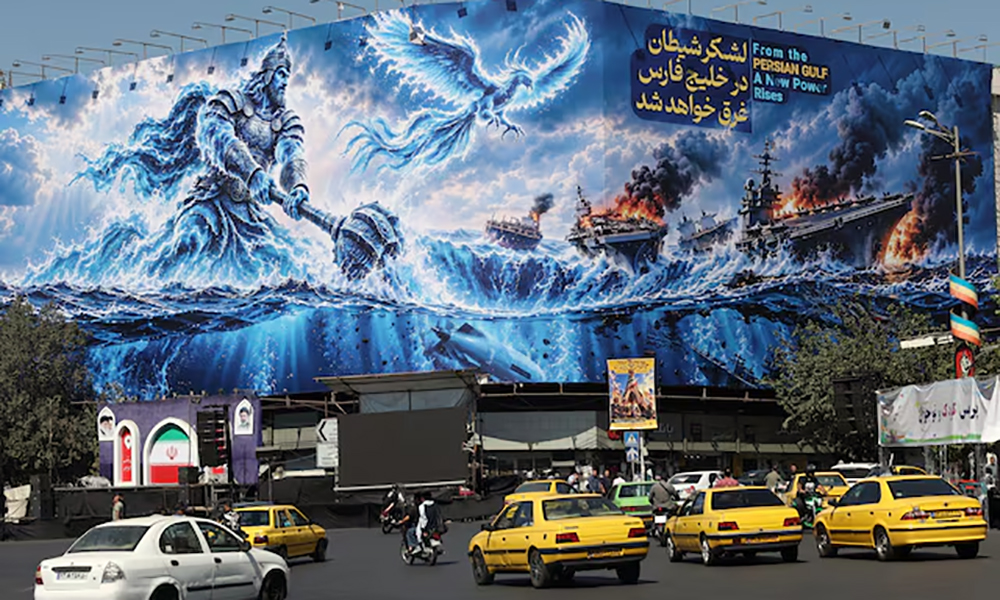
Iran defends two-day proposal for peace talks after US rejects conditions

Suhail unveiled as official mascot for FIBA Basketball World Cup 2027 in Qatar
Debate with Amir Khan Muttaqi, Foreign Minister of the Islamic Emirate of Afghanistan
Tawsia: Current economic activities in Afghanistan discussed
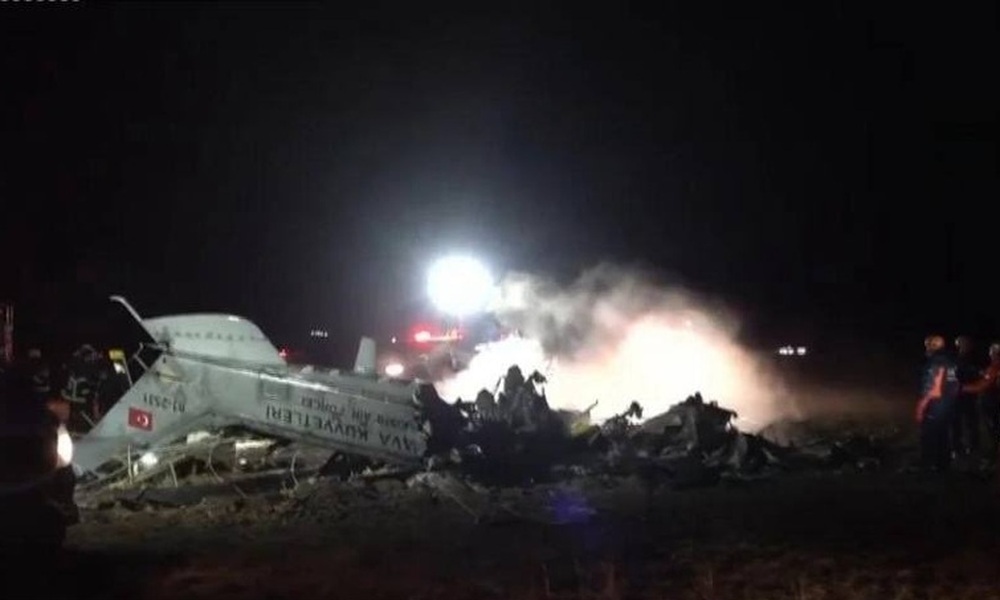
Five killed in Turkish military helicopter crash in western Turkiye
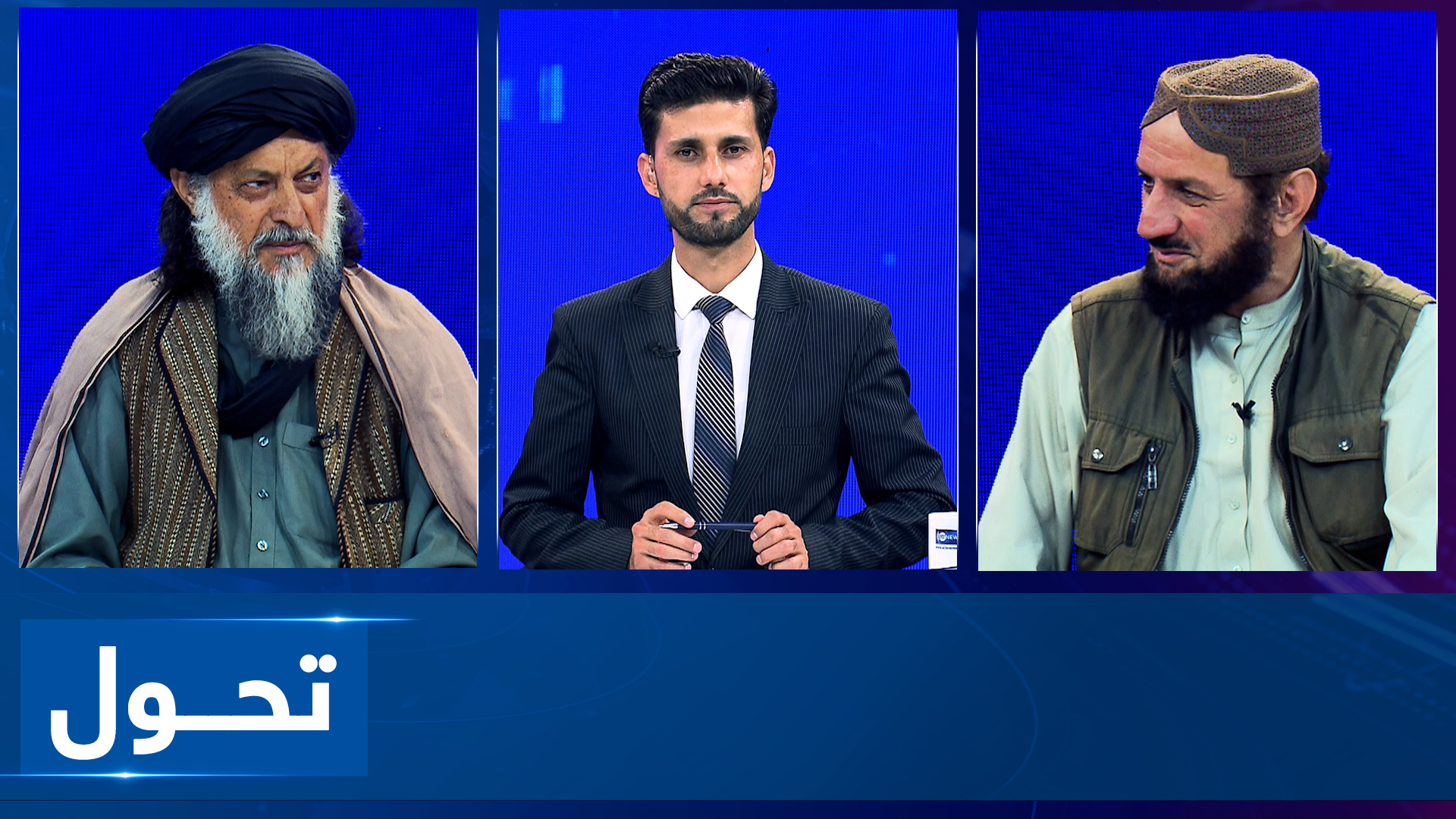
Tahawol: Discussion on shifting views within Pakistan
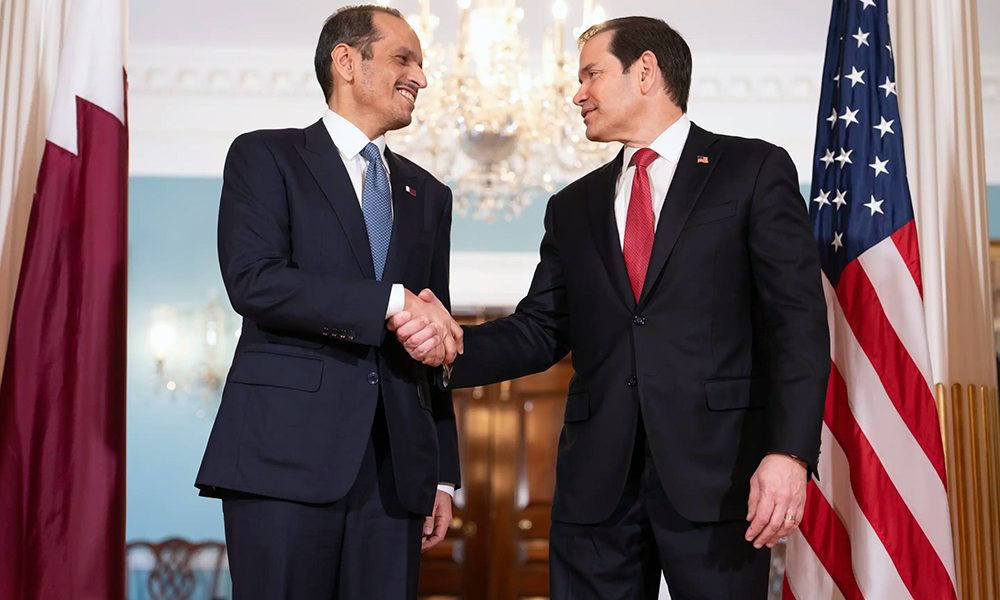
Qatar warns Middle East cannot afford renewed US-Iran escalation
-
 Latest News5 days ago
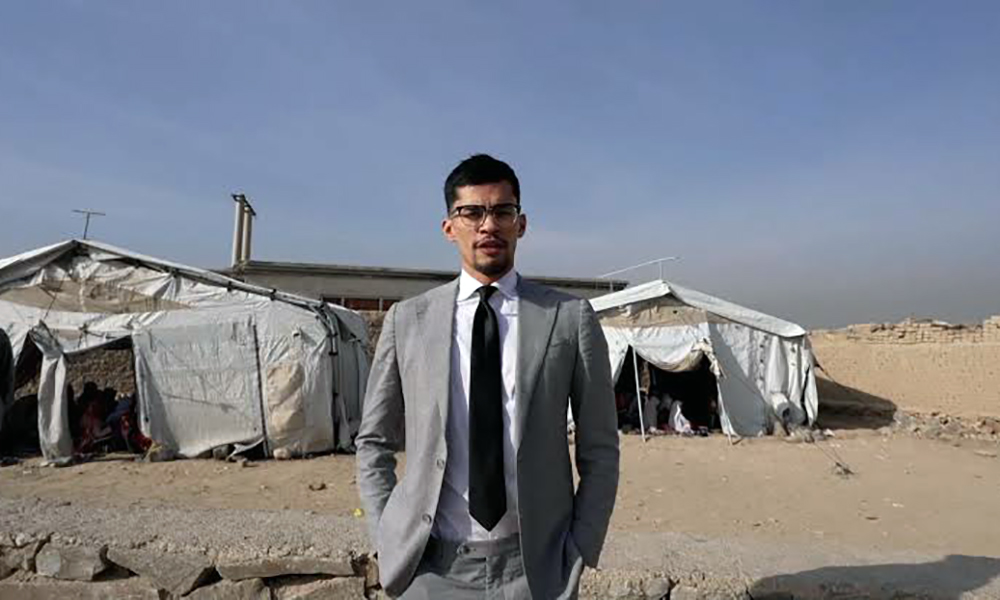
SNEAKO claims US authorities questioned him for eight hours after Afghanistan visit
-
 Latest News5 days ago
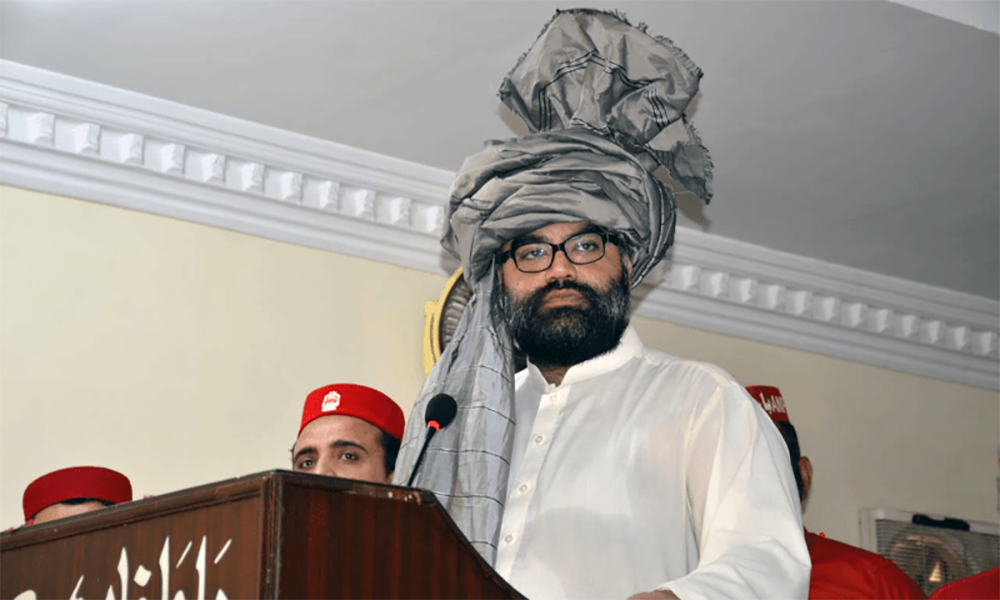
ANP leader calls for reopening of Afghanistan-Pakistan trade routes
-
 Business5 days ago
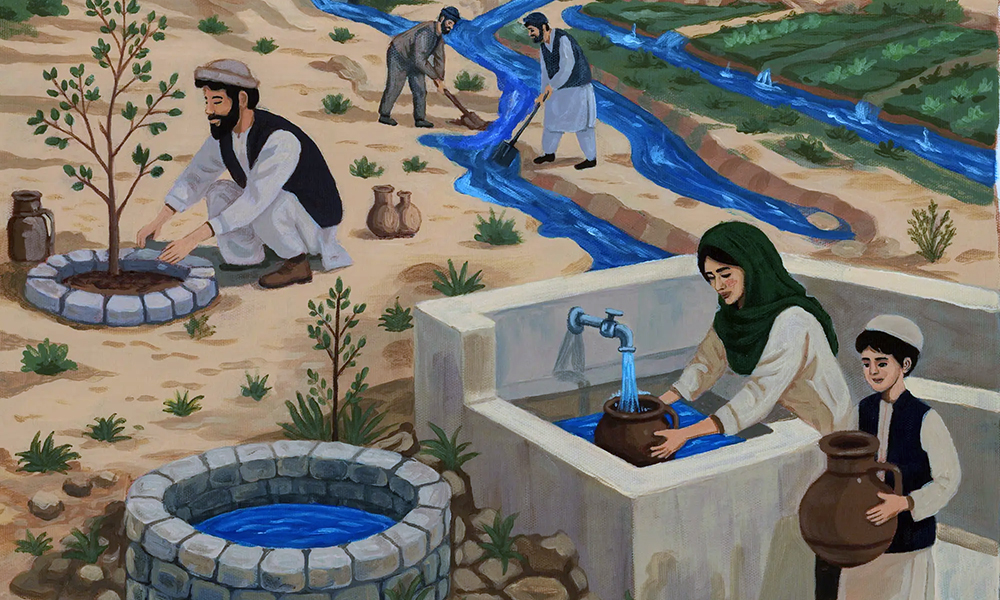
World Bank warns Afghanistan faces mounting economic and water security challenges
-
 Latest News5 days ago
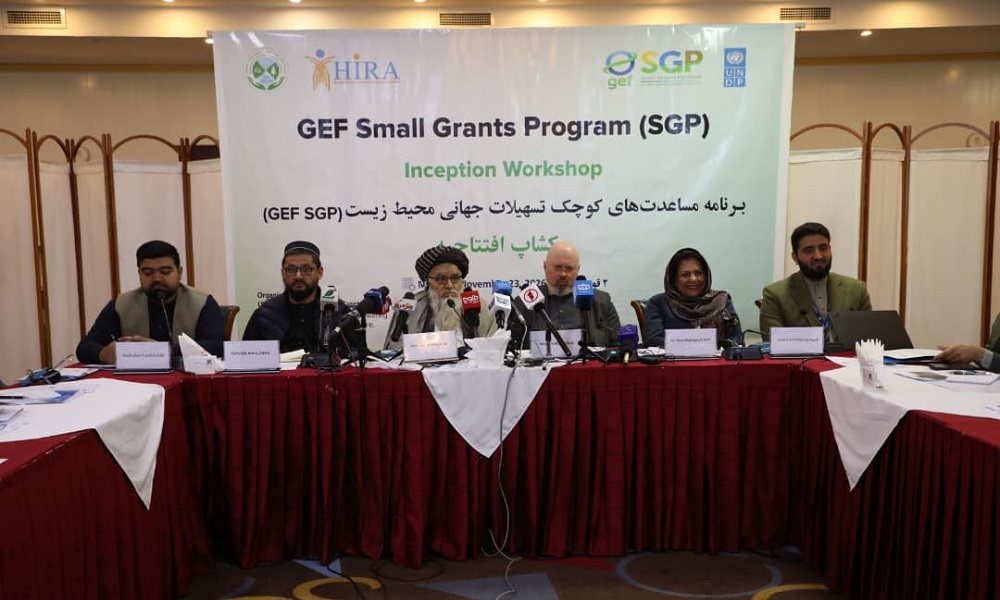
Global environmental grants programme resumes in Afghanistan
-
 Sport5 days ago
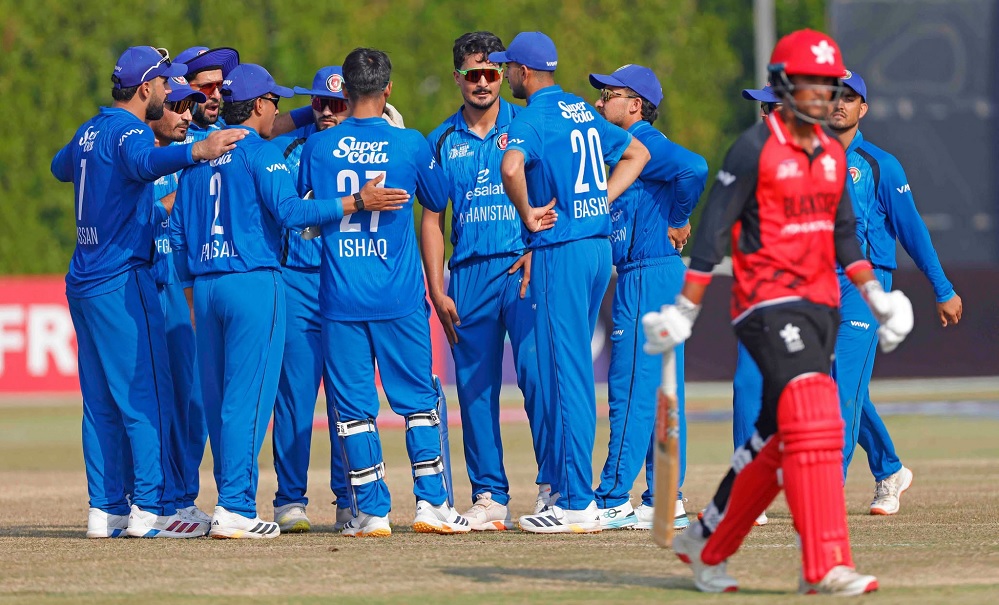
Afghanistan A thrash Hong Kong to register first win at Asia Cup Rising Stars
-
 World4 days ago
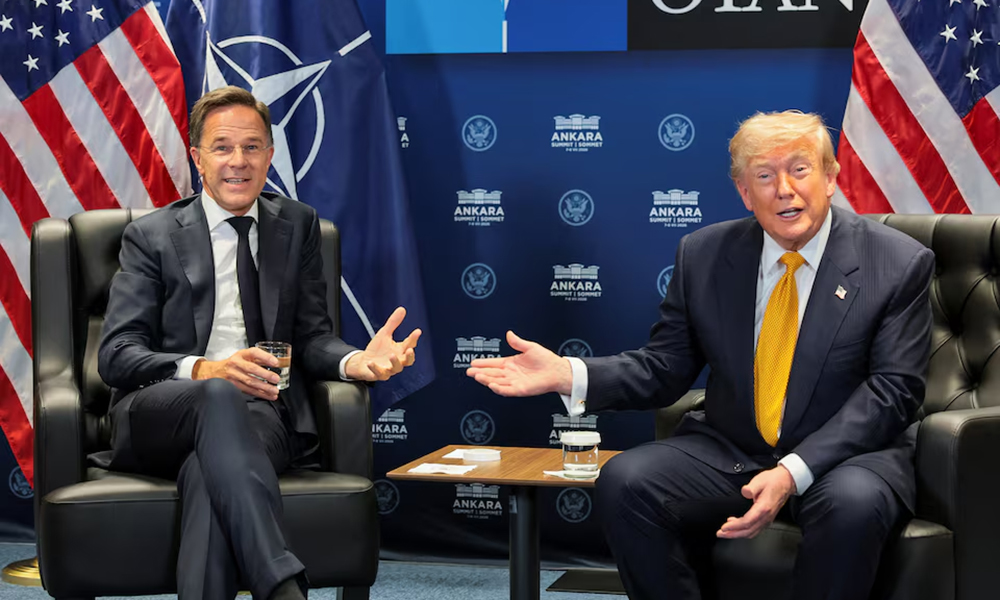
Trump to meet NATO Chief Mark Rutte in Florida amid tensions over Ukraine peace talks
-
Regional4 days ago
Qatar warns Middle East cannot afford renewed US-Iran escalation
-
 World5 days ago
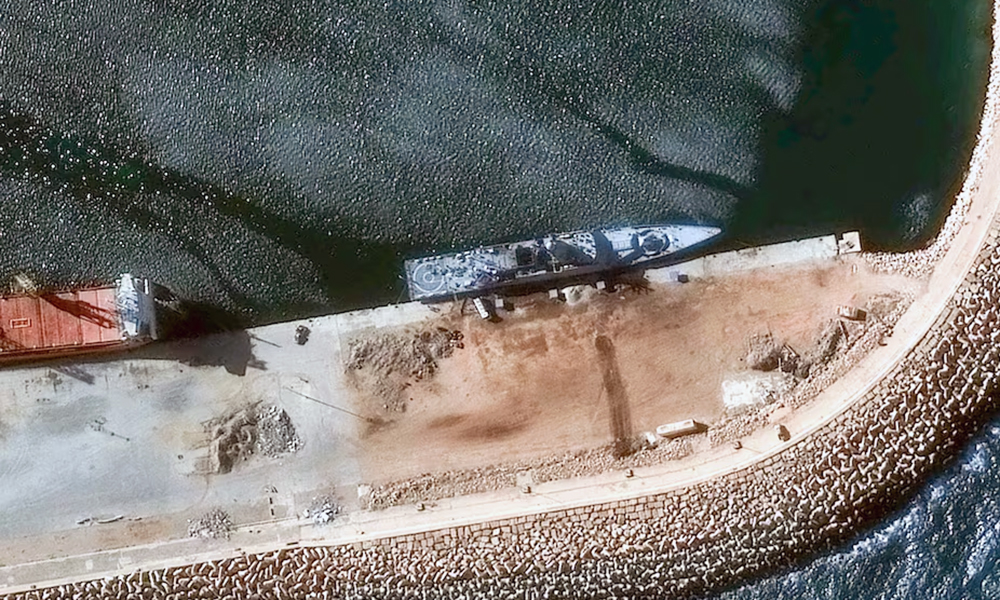
Ukraine sinks Russian warship in Libya as conflict spreads beyond Europe