
رویداد های اخیر
ایران، چین و ترکیه؛ سه کشور با بیشترین تعامل دیپلوماتیک با امارت اسلامی
ایران با ۴۹۴ مورد در جایگاه نخست قرار دارد. چین با ۴۳۲ مورد دوم و ترکیه با ۳۹۴ مورد سوم است. قطر و ازبکستان نیز با ۳۴۷ و ۳۱۶ مورد به ترتیب در جایگاههای چهارم و پنجم قرار دارند.

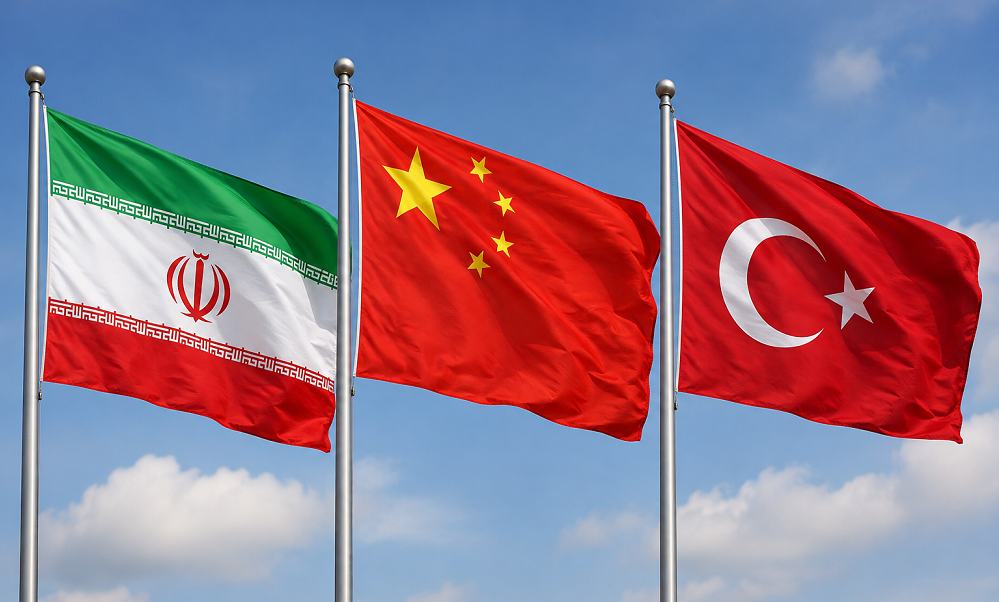
بر اساس یک بررسی تازه، ایران، چین و ترکیه از زمان بازگشت امارت اسلامی به قدرت در سال ۲۰۲۱، بیشترین تعاملات دیپلوماتیک را با این حکومت داشتهاند. این بررسی از سوی آرون وای. زلین، پژوهشگر ارشد انستیتوت واشنگتن برای سیاست خاور نزدیک، انجام شده است.
این بررسی فعالیتهای دیپلوماتیک امارت اسلامی را از ۱۵ آگست ۲۰۲۱ تا ۱۵ آگست ۲۰۲۶ شامل میشود. در این مدت، امارت اسلامی از ۳ هزار و ۶۵۱ دیدار و تماس دیپلوماتیک با ۱۰۳ کشور و نهاد خبر داده است.
ایران با ۴۹۴ مورد در جایگاه نخست قرار دارد. چین با ۴۳۲ مورد دوم و ترکیه با ۳۹۴ مورد سوم است. قطر و ازبکستان نیز با ۳۴۷ و ۳۱۶ مورد به ترتیب در جایگاههای چهارم و پنجم قرار دارند.
هیچیک از این کشورها امارت اسلامی را به رسمیت نشناختهاند.
روسیه تنها کشوری است که امارت اسلامی را به رسمیت شناخته است. ترکیه و شماری از کشورهای خلیج فارس و آسیای مرکزی، دیپلوماتهای معرفیشده از سوی امارت اسلامی را پذیرفتهاند، اما حکومت را به رسمیت نشناختهاند.
در این تحلیل آمده است که امارت اسلامی در سالهای اخیر بیشتر تلاش کرده روابط موجود با کشورها را از طریق قونسلگریها، کمیسیونهای مشترک و شوراهای تجارتی گسترش دهد.
در مقابل، روابط دیپلوماتیک امارت اسلامی با کشورهای غربی کاهش یافته است. سهم کشورهای غربی از تعاملات دیپلوماتیک امارت اسلامی از حدود ۱۶ درصد در سال نخست به ۵ درصد در سال پنجم کاهش یافته است.
زلین میگوید امارت اسلامی بدون ایجاد تغییرات عمده در سیاستهایش در قبال زنان و دختران و مسائل امنیتی، توانسته است روابط خود با کشورهای مختلف را گسترش دهد.


رویداد های اخیر
World Bank warns Afghanistan faces mounting economic and water security challenges
The World Bank has lowered its FY2026 growth forecast by one percentage point compared with its Spring 2026 projection.
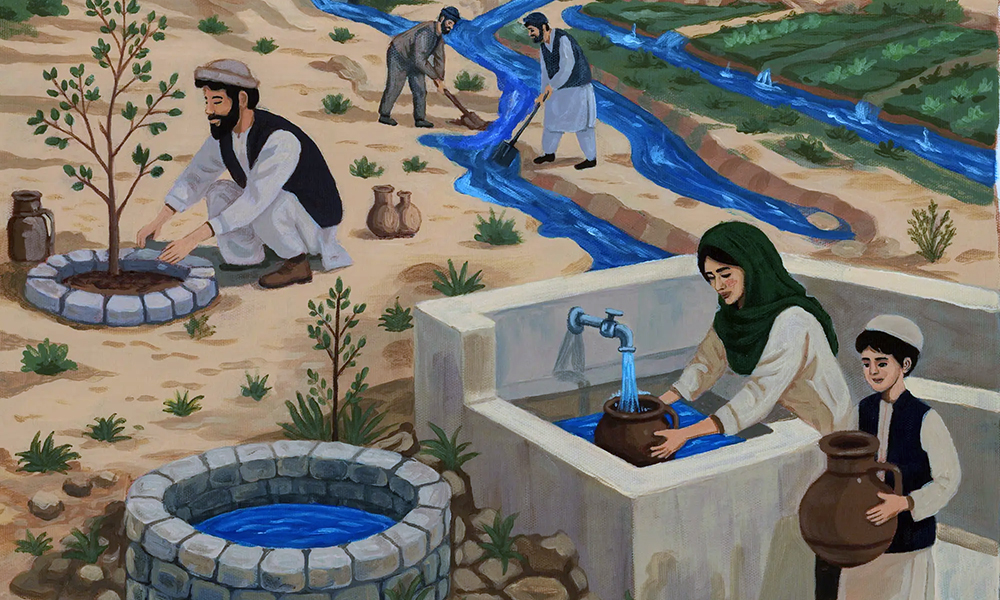
Afghanistan’s economy is expected to grow by three percent in the 2026 fiscal year, but rising population numbers, declining exports and weakening household purchasing power continue to undermine the country’s economic recovery, according to the World Bank’s latest Afghanistan Development Update.
The report says population growth of 6.6 percent, partly driven by the return of around one million Afghans between April and September 2026, is expected to result in a 3.3 percent decline in GDP per capita.
This would mark the third consecutive year of falling output per person.
Economic growth has remained heavily dependent on agriculture, which rebounded by around eight percent following the 2025 drought and accounted for almost 90 percent of overall growth.
However, services contracted by 1.5 percent, private investment fell by about 15 percent and real exports declined by 22 percent.
The World Bank has lowered its FY2026 growth forecast by one percentage point compared with its Spring 2026 projection.
It also expects inflation to average seven percent, almost double the previous year’s rate, as higher fuel prices and increased transport costs along alternative trade routes place pressure on the economy.
Households are facing growing financial difficulties, particularly unskilled workers and returning Afghans.
In September, casual labourers had 14 percent fewer days of work than a year earlier, while their weekly earnings bought 27 percent less wheat flour.
Purchasing power declined in 31 of the country’s 34 provinces.
Despite a favourable harvest, an estimated 15.9 million people continue to face acute food insecurity, while more than half of returnee households are unable to meet their basic needs through their income, according to figures cited in the report.
Trade and public finances
The report highlights the impact of continued trade disruptions following the closure of the crossings with Pakistan. While Afghanistan has managed to redirect imports through Central Asia and Iran, exports have struggled to recover.
Imports increased by 2.2 percent in the first half of FY2026, but the two alternative trade corridors now account for 97 percent of imports.
Exports, meanwhile, fell by 15.1 percent, with fresh fruit and vegetables losing almost 90 percent of their export volume.
Afghanistan’s current account deficit is projected to remain at 34.2 percent of GDP in FY2026, following 36.1 percent in FY2025.
In dollar terms, the deficit is expected to widen to approximately US$7.9 billion, while declining aid and remittances add to external pressures.
Domestic government revenue has remained relatively resilient, rising by 10.2 percent in the first half of FY2026. However, customs duties fell by 16.9 percent as trade disruptions affected revenue from border crossings.
The World Bank says fiscal space remains limited, with capital spending at around 1.3 percent of GDP, less than half the regional median.
Afghanistan also has no access to borrowing, while off-budget grants are expected to decline to around 10 percent of GDP.
The afghani (AFN) has remained broadly stable after appreciating by around 12 percent against the US dollar in FY2025.
However, the report says limited monetary policy instruments and weak bank lending restrict the financial sector’s ability to support investment and protect the economy against external shocks.
Water insecurity threatens economic recovery
Alongside its assessment of economic conditions, the World Bank identifies water insecurity as a major threat to Afghanistan’s long-term recovery, warning that drought, population growth, depleted groundwater reserves, pollution and weak water management are placing increasing pressure on resources.
Afghanistan has lost approximately 4.9 billion cubic metres of freshwater reserves annually since 2003, with losses recorded in all 34 provinces.
In Kabul, groundwater extraction is estimated to be nearly four times higher than the natural rate of recharge, raising concerns about falling water tables and increasingly unreliable supplies.
The report says water shortages pose a direct threat to agriculture and rural livelihoods.
Agriculture accounts for 46 percent of employment and 95 percent of water withdrawals, making the sector particularly vulnerable to declining water availability.
Reduced river flows could also constrain hydropower generation, while unreliable water and electricity supplies disrupt businesses and other productive activities.
The World Bank estimates that drought reduced annual GDP per capita growth by 0.23 percentage points over the period from 1994 to 2024, highlighting the long-term economic consequences of water insecurity.
World Bank outlines priorities for water management
The report calls for a coordinated approach focused on improving access to water for households, strengthening agricultural water management and protecting natural resources.
Among its recommended priorities are restoring reliable water supply, sanitation and wastewater services, rehabilitating irrigation systems, improving water-use efficiency and strengthening local arrangements for water allocation and maintenance.
It also recommends protecting watersheds and aquifers, improving flood and drought preparedness, and strengthening water management at basin level.
In the near term, the report says priority should be given to restoring essential services, improving maintenance and conservation, and strengthening early-warning systems.
Longer-term measures should include rehabilitating canals and karezes, the traditional underground irrigation channels, upgrading irrigation infrastructure, protecting groundwater and strengthening local water-user institutions.
The World Bank says larger infrastructure projects should only proceed where financing, technical capacity and long-term operating arrangements are in place.
Modest growth expected over coming years
Looking ahead, the World Bank projects economic growth of 3.3 percent in FY2027 and 3.5 percent in FY2028.
However, it warns that this pace will be insufficient to quickly restore living standards, with GDP per capita expected to increase by only 0.6 to 0.8 percent annually and remain around seven percent below its FY2024 level by FY2028.
The report identifies further disruption to trade routes, a poor 2027 harvest, additional large-scale returns and reductions in aid as major risks.
Economic growth could fall to around 0.5 percent in FY2027 if the harvest fails, or to approximately 1.2 percent if trade corridors are disrupted again. A reopening of the crossings between Afghanistan and Pakistan is identified as the main upside risk.
The World Bank says securing trade routes, protecting agricultural production, improving water management and creating greater demand for labour will be essential to making economic growth more inclusive and improving living standards.
رویداد های اخیر
مجاهد: گسترش تعاملات سیاسی و دیپلوماتیک با افغانستان به سود مردم و منطقه است
آقای مجاهد گفته است که تأمین تعاملات میان افغانستان و کشورهای مختلف، به سود مردم افغانستان و منطقه بوده و کشورها و سازمانهای بینالمللی در این زمینه مسئولیت دارند.
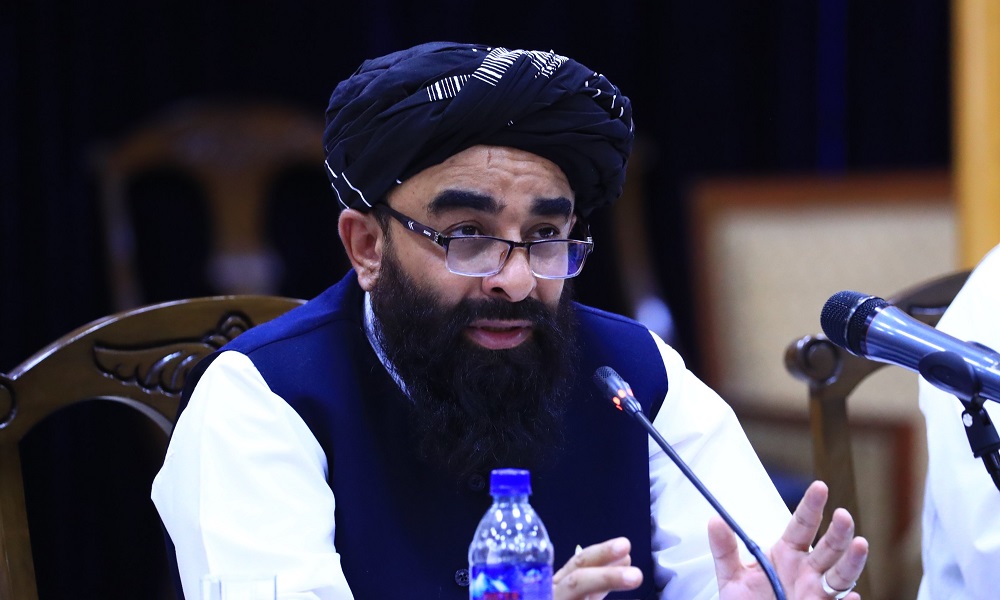
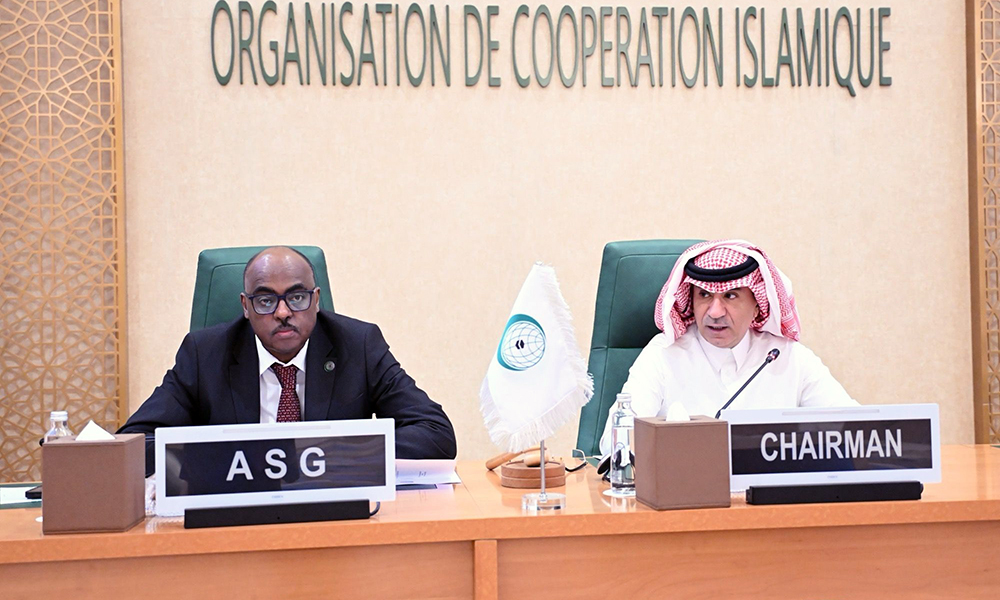
ذبیحالله مجاهد، سخنگوی امارت اسلامی، در واکنش به بررسی نقشه راه تعامل مرحلهوار سازمان همکاری اسلامی با مقامهای افغانستان، بر اهمیت گسترش روابط سیاسی و دیپلوماتیک میان افغانستان و کشورهای جهان تأکید کرده است.
آقای مجاهد گفته است که تأمین تعاملات میان افغانستان و کشورهای مختلف، به سود مردم افغانستان و منطقه بوده و کشورها و سازمانهای بینالمللی در این زمینه مسئولیت دارند.
او افزوده است: «این بسیار مهم و ارزنده است که تعاملات بین افغانستان و کشورها تأمین شود و این روابط برای مردم افغانستان و منطقه مفید است.»
سخنگوی امارت اسلامی همچنین تأکید کرده است که کشورها و سازمانها باید با ارزیابی مثبت از واقعیتهای عینی افغانستان، برای گسترش تعاملات سیاسی و دیپلوماتیک این کشور همکاری کنند تا افغانستان بتواند با کشورهای دیگر در ارتباط باشد و همکاریهای همهجانبه گسترش یابد.
این اظهارات در حالی مطرح میشود که گروه تماس وزارتی سازمان همکاری اسلامی درباره افغانستان، در نشست تخنیکی مقدماتی خود در جده، نقشه راهی را برای تنظیم چارچوب تعامل و ارتباط مرحلهوار با مقامهای امارت اسلامی بررسی کرده است.
شرکتکنندگان این نشست درباره وضعیت سیاسی و بشردوستانه افغانستان و راههای ایجاد تعامل منظم و گفتگوی مستقیم و سازنده با مقامهای حاکم بحث و تبادل نظر کردند.
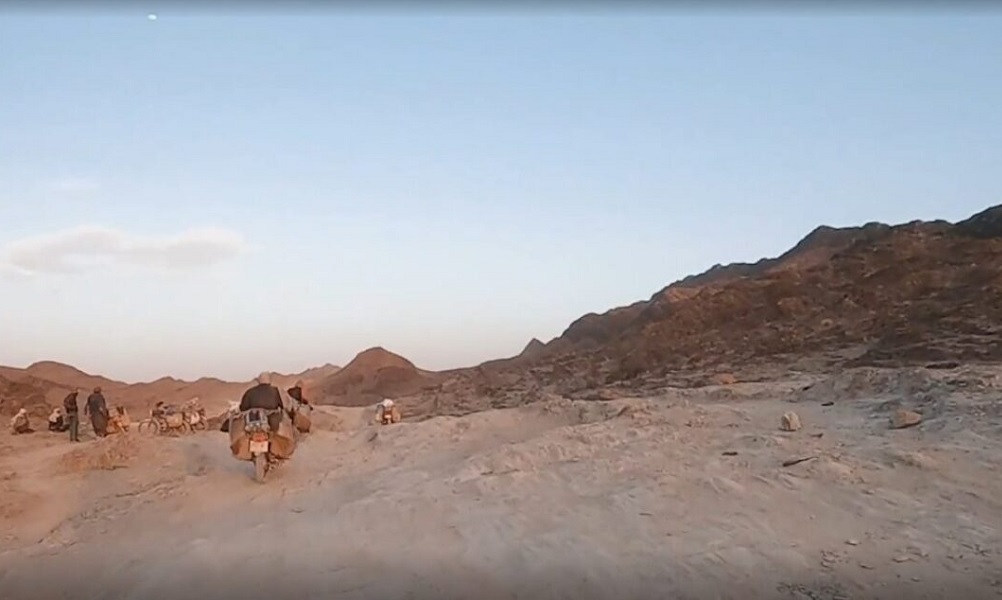
سازمان حقوق بشری حالوش از جان باختن سه مهاجر افغان، از جمله یک زن و یک کودک خردسال، در پی تیراندازی نیروهای نظامی ایران در ولایت سیستان و بلوچستان خبر داده است.
این رویداد روز جمعه، ۲۹ عقرب، در منطقه کلهگان سراوان رخ داده و به گزارش حالوش، هر سه قربانی از ناحیه سر هدف گلوله قرار گرفتهاند.
حالوش به نقل از منابع و شاهدان عینی نوشته است که پس از تیراندازی، اجساد این سه تن زیر تودهای از سنگ پوشانده شده بود. شماری از مهاجرین افغان که از این مسیر عبور میکردند، اجساد را پیدا کردهاند.
هویت قربانیان تاکنون مشخص نشده است.

World Bank warns Afghanistan faces mounting economic and water security challenges

مجاهد: گسترش تعاملات سیاسی و دیپلوماتیک با افغانستان به سود مردم و منطقه است
جان باختن سه مهاجر افغان در پی تیراندازی نیروهای ایرانی
څار: د کابل پر وړاندې د اسلاماباد د بېبنسټه تورونو دوام
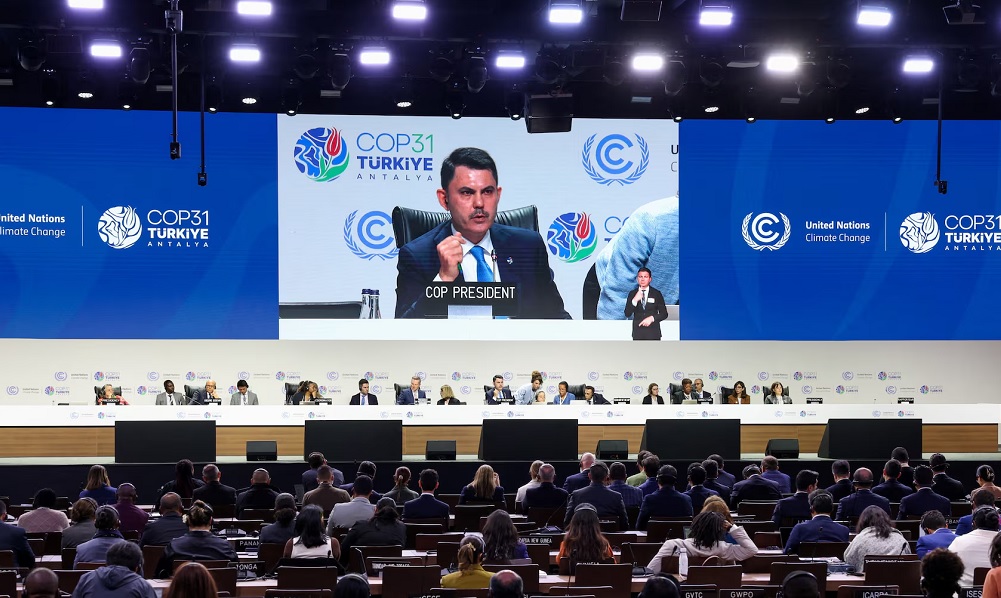
نشست اقلیمی کاپ ۳۱ بدون توافق پایان یافت
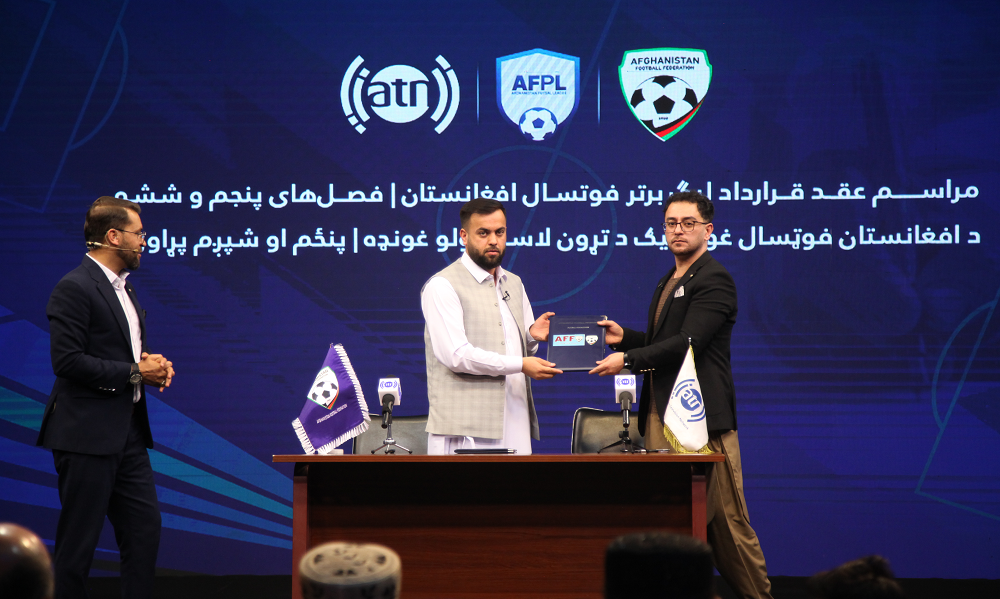
قرارداد نشر دو فصل دیگر لیگ برتر فوتسال افغانستان از سوی تلویزیون آریانا امضا شد

افغانستان به دسته سوم تیمهای جام جهانی و جشنواره فوتبال زیر ۱۵ سال فیفا راه یافت
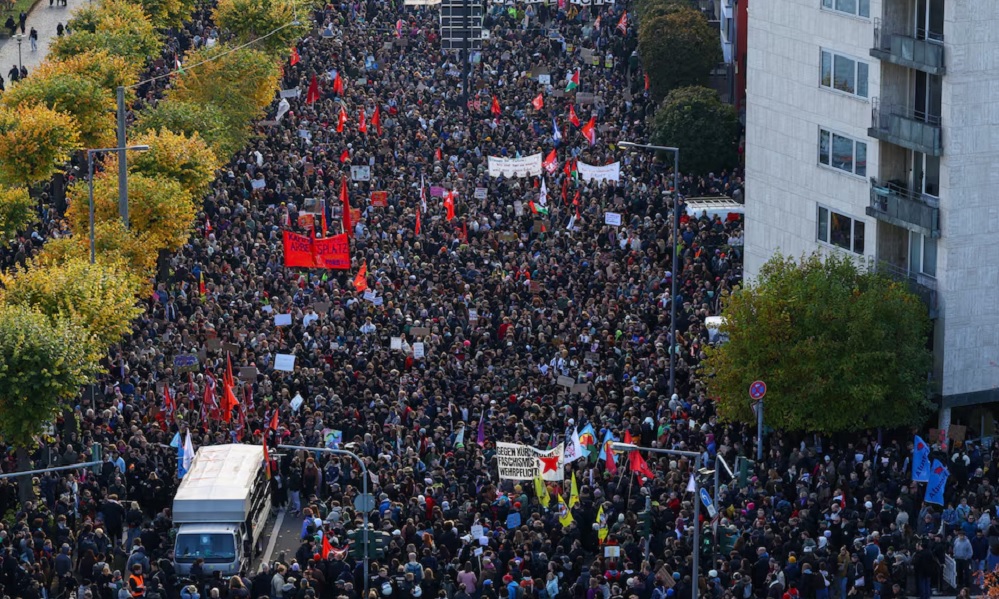
غارت فروشگاهها در فرانکفورت؛ اعتراضات «نسل زد» در آلمان به خشونت کشیده شد
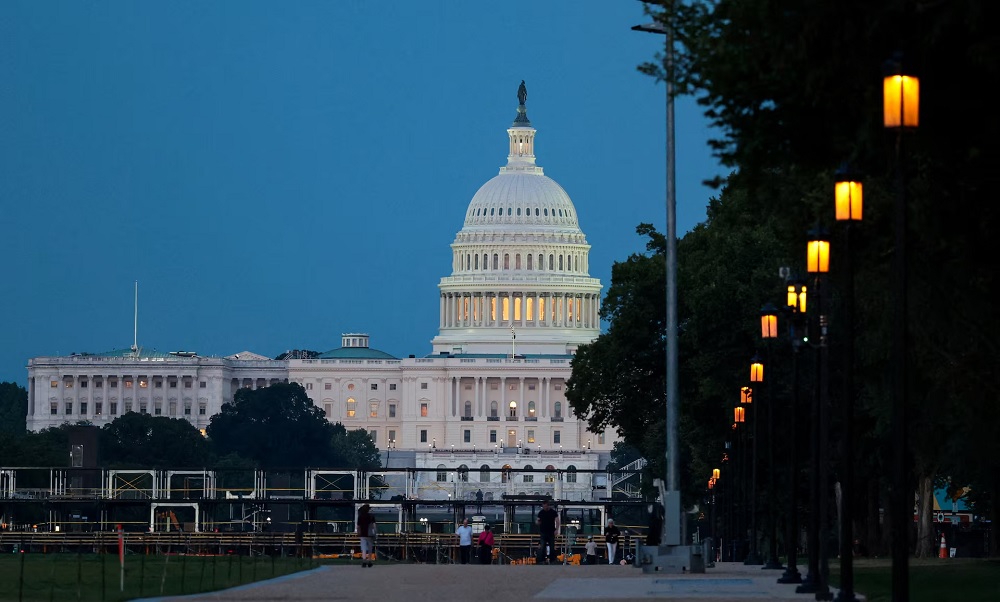
چهار تغییر احتمالی در سیاست خارجی امریکا در صورت پیروزی دموکراتها در انتخابات میان دورهای

پیروزی تاریخی عبدل السید؛ آغاز فصل تازه برای مسلمانان امریکا
څار: د کابل پر وړاندې د اسلاماباد د بېبنسټه تورونو دوام
تحول: روز جهانی تلویزیون
څار: د افغانستان او پاکستان د کړکیچ د حل لپاره د مسکو چمتوالی

توسعه: مروری بر مهمترین تحولات اقتصادی هفته گذشته در کشور
تحول: تاکید قزاقستان بر تعامل عملی جامعه جهانی با افغانستان
-
 جهان4 روز ago
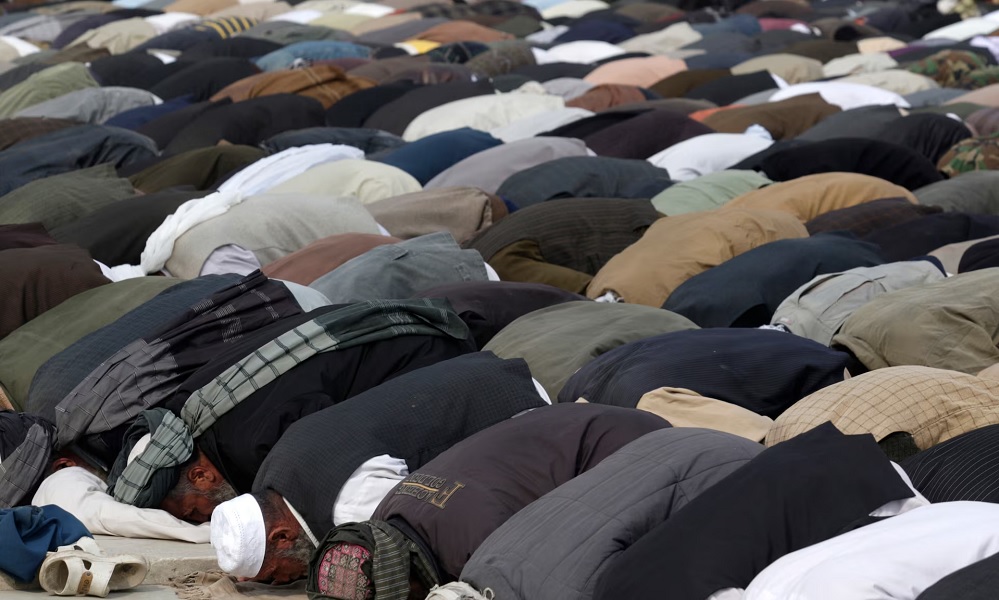
تعداد پیروان اسلام تا سال ۲۰۳۵ از مسیحیت پیشی گرفته و به ۲.۵۷ میلیارد نفر خواهد رسید
-
 ورزش5 روز ago
تلویزیون آریانا مراسم اهدای جوایز کنفدراسیون فوتبال آسیا را بهگونه زنده پخش میکند
-
 جهان4 روز ago
محکمه بینالمللی: نیروهای میانمار هزاران مسلمان روهینگیا را کشتهاند
-
 ورزش4 روز ago
جام ملتهای فوتبال ساحلی آسیا؛ افغانستان با نتیجه ۹ بر ۲ درمقابل ایران شکست خورد
-
 علم و تکنالوژی2 روز ago
رصد ادغام یک ستاره بزرگ با ستاره کوچک در فاصله ۲.۵ میلیون سال نوری از زمین
-
 تجارت4 روز ago
توافق افغانستان و ازبکستان برای افزایش انتقالات ریلی و باربری
-
 تجارت3 روز ago
امضای تفاهمنامههای تجارتی به ارزش ۲۵۰ میلیون دالر میان افغانستان و هند
-
 رویداد های اخیر4 روز ago
افغانستان در هشتادمین سالروز عضویت در سازمان ملل؛ از پیوستن در ۱۹۴۶ تا ادامه اختلاف بر سر کرسی نمایندگی