
رویداد های اخیر
فعالان خواهان برداشت محدودیتها بر رسانهها شد

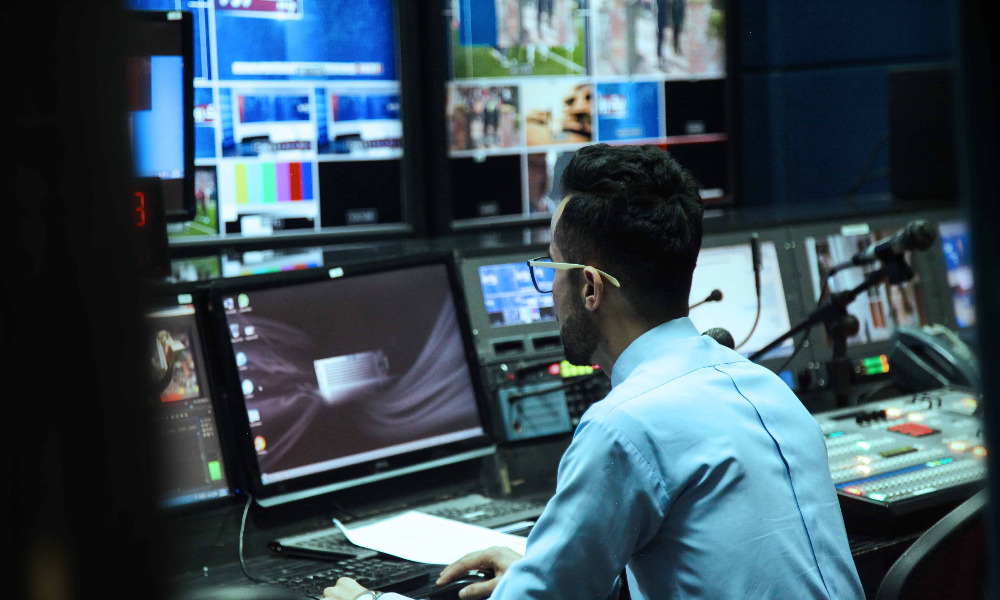
شماری از فعالان رسانهای در کابل در نشستی زیرنام ارزیابی فرصتها و چالشهای رادیوهای محلی از امارت اسلامی میخواهند که محدودیتها به خصوص محدودیتها بر حضور زنان در رسانهها را بردارد.
فرشته کریمی، مسوول رادیو سحر، در این باره گفت:” در اوایل اجازه کار کردن نداشتن و آهسته آهسته حضور شان کم شده و کمبود بودجه باعث بسته شدن است و رادیو سحر در حالی بسته شدن است “
محمد رسول، مسوول رادیو ارمغان، در این باره گفت:”و اینکه زنان را در ولایت جوزجان محدویت و سانسورها است از سوی امارت اسلامی و هر برنامه را باید امارت اسلامی چک نماید و طبقه اناث اجازه نیست .”
انگار، مسوول رادیو پیغام، در این باره گفت:” امارت اسلامی باید برای تکسها و مالیات را همراه ما کمک نماید و باید در کار برق همراه ما کمک نماید.”
بر اساس اطلاعات در حال حاضر به دلیل مشکلات اقتصادی و وضع محدودیتها ۸۰ درصد رسانههای محلی فعالیت شان را متوقف کرده اند.
مسوولان امارت اسلامی در این نشست بار دیگر خواهان توقف برنامههای خلاف پالیسی دولت در رسانهها استند.
مولوی منصور، عضو ارشد امارت اسلامی، در این باره گفت:” رسانههای یک دولت اسلامی یک حیث مدرسه اسلامی را دارد و باید مرکز امربالمعروف و نهی از منکر باشد.”
عبدالطیف نظری، معین مسلکی وزارت اقتصاد، افزود:” آزادی بیان نباید موجب تضعیف وحدت ملی و هویت ملی در افغانستان شود و با درک حالت سیاسی افغانستان با چالشها کنار بیایم “
جمال ناصر فرهمند، رییس مطبوعات رییس الوزرا، در این باره گفت:” دستاورد داریم کدرها و حوزه رسانه و زنان چیزی کمی نیست که ما و شما در ۲۰ سال گذشته آن را ساختیم و تا این جا رساندیم.”
این درحالیست که چند هفته پیش، اتحادیه ملی خبرنگاران افغانستان اعلام کرده بود که با روی کار آمدن حکومت امارت اسلامی نزدیک به ۷۰ فیصد از خبرنگاران بیکار شده و نزدیک به ۷۰ درصد از رسانهها در کشور به علت مشکلات اقتصادی و علتهای دیگر بسته شده اند.




رویداد های اخیر
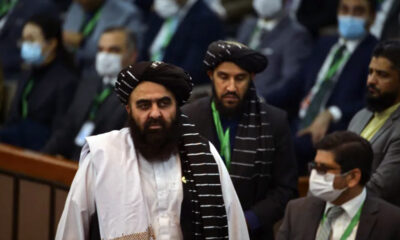
متقی برای هشتمین نشست «مسکو فارمت» راهی روسیه شد
متقی در جریان این سفر با سرگئی لاوروف، وزیر خارجه روسیه و شماری از مقامهای بلندپایه این کشور دیدار و درباره موضوعات مرتبط با افغانستان گفتگو خواهد کرد.
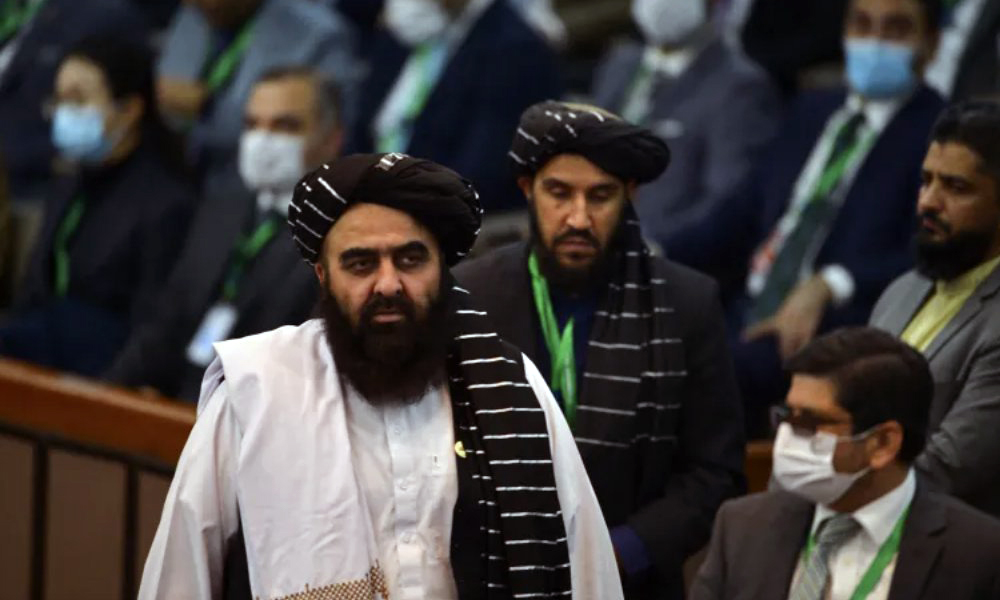
امیرخان متقی، وزیر امور خارجه، برای شرکت در هشتمین نشست مسکو فارمت درباره افغانستان به مسکو، پایتخت روسیه، سفر کرده است.
وزارت امور خارجه میگوید، متقی در جریان این سفر با سرگئی لاوروف، وزیر خارجه روسیه و شماری از مقامهای بلندپایه این کشور دیدار و درباره موضوعات مرتبط با افغانستان گفتگو خواهد کرد.
حافظ ضیا احمد تکل، رئیس روابط عامه وزارت امور خارجه، گفته است که در هشتمین نشست مشورتی مسکو فارمت درباره وضعیت کنونی افغانستان و روابط این کشور با منطقه بحث خواهد شد.
به گفته تکل، این نشست روز دوشنبه، ۵ اکتوبر، در مسکو آغاز میشود.
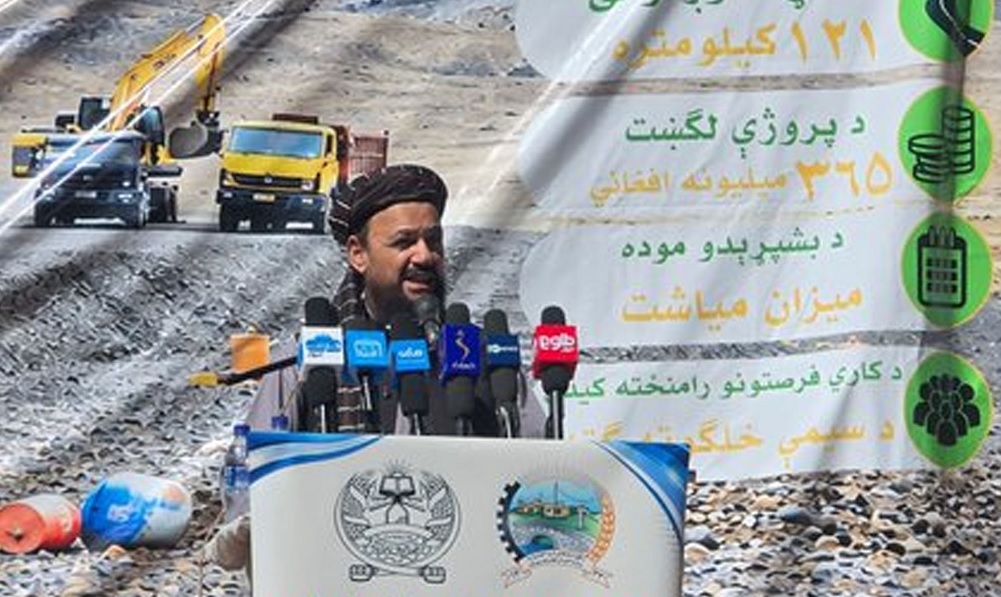
عبداللطیف منصور، وزیر احیا و انکشاف دهات، در واکنش به حملات رژیم نظامی پاکستان بر افغانستان میگوید که امارت اسلامی ریختن بیجای خون افغانها و پاکستانیها را حرام میداند، زیرا هر دو طرف مسلمان هستند.
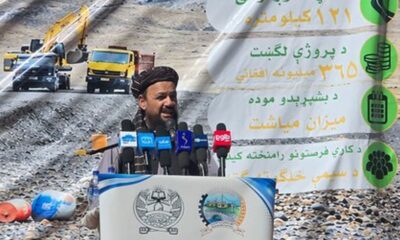
منصور در مراسم افتتاح سرک واخان در بدخشان گفت که برخی افراد در واکنش به «بمبارانهای روزانه» احساساتی میشوند، اما افغانستان باید به سطحی از خودکفایی برسد که بتواند از شهروندانش دفاع کند.
او گفت: «ما باید این نظام را به اندازهای بسازیم که خودکفا شویم و بتوانیم از هر افغان چنان دفاع کنیم که فرد آسیبرسان را در کشورش خنثی کنیم.»
منصور افزود که نظام کنونی هنوز بهگونه کامل خودکفا نشده است، اما تلاش میشود هم از افغانها دفاع شود و هم وضعیت به مرحلهای نرسد که «خونریزی شود و جنازه روان باشد و هدف معلوم نباشد.»
وزیر احیا و انکشاف دهات گفت: «ما ریختن بیجای خون مردم خود را نیز حرام میدانیم و ریختن خون پاکستانیها را هم حرام میدانیم، چون مسلمان هستند.»
مقامهای نظامی پاکستان همواره ادعا کرده اند که حملات شبهنظامیان در این کشور در افغانستان سازماندهی میشود.
امارت اسلامی اما این ادعا را رد کرده و گفته است که افغانستان مسئول «ناکامی امنیتی» پاکستان نیست.
رویداد های اخیر
سرک ۱۲۱ کیلومتری واخان تا مرز چین به بهرهبرداری رسید
منصور این پروژه را از نظر سیاسی، استراتژیک و اقتصادی مهم دانست.
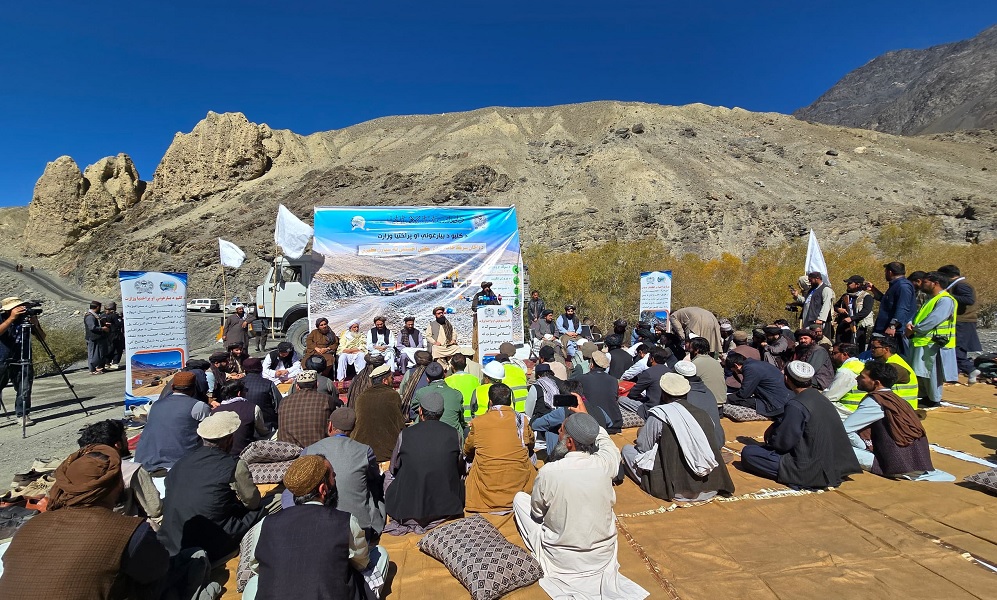
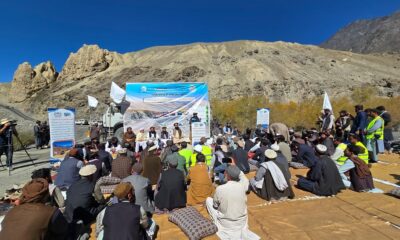
سرک جغلفرش از منطقه مرزی بروغیل در ولسوالی واخان بدخشان تا مرز چین، با طول ۱۲۱ کیلومتر، امروز (یکشنبه) به بهرهبرداری رسید.
عبداللطیف منصور، وزیر احیا و انکشاف دهات، در مراسم بهرهبرداری این پروژه گفت که این سرک دارای ۶۶ پلچک و چهار پل بزرگ بوده و در بخشهایی از مسیر آن، در مجموع ۳۱۰۰ متر دیوار استنادی ساخته شده است.
به گفته او، برای ساخت و جغلفرش این سرک ۳۶۵ میلیون افغانی از بودجه انکشافی امارت اسلامی هزینه شده است.
منصور این پروژه را از نظر سیاسی، استراتژیک و اقتصادی مهم دانست.
رحمتالله نجیب، والی بدخشان، نیز در این مراسم گفت که امنیت در این ولایت تأمین است و در هیچ نقطهای از بدخشان مشکل امنیتی وجود ندارد.

تحول: گفتگو درباره یافتن فرصت های تازه همکاری در روند دوحه

څار: هشتمین نشست فارمت مسکو در باره افغانستان

متقی برای هشتمین نشست «مسکو فارمت» راهی روسیه شد

منصور: ریختن بیجای خون افغانها و پاکستانیها را حرام میدانیم

سرک ۱۲۱ کیلومتری واخان تا مرز چین به بهرهبرداری رسید

شرکت سعودی توافقهای بزرگ نفت و گاز در افغانستان امضا کرد

پیروزی عمر ځواک و طوفان هرات در لیگ قهرمانان افغانستان روشن

پنجمین نمایشگاه امام ابوحنیفه در کابل؛ نمایندگان بیش از ۲۰ کشور میآیند

فصل ششم لیگ قهرمانان افغانستان امشب با رویارویی ابومسلم فراه و سرسبز یاشلر آغاز میشود

ایران یک زندانی افغان دارای معلولیت را در حالی که روی ویلچر بود اعدام کرد


-
 رویداد های اخیر5 روز ago
گزارش وزارت امنیت داخلی امریکا: در بررسی پروندههای پناهندگی افغانها «۴۰ درصد خطا» وجود داشته است
-

 ورزش4 روز ago
راشد خان و عظمتالله عمرزی جایگاه نخست خود را در رتبهبندی کریکت پنجاه آوره حفظ کردند
-

 جهان5 روز ago
ستره محکمه امریکا راه اخراج مهاجرین به کشورهای ثالث را هموار کرد
-
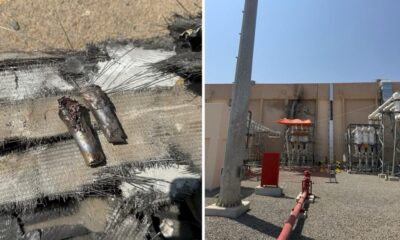
 اخبار ساحوی3 روز ago
ائتلاف نظامی به رهبری عربستان میگوید حوثیها به استیشن توزیع برق مسجد نبوی حمله کردند
-
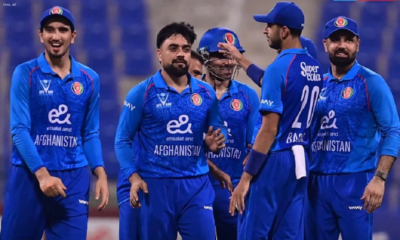
 ورزش3 روز ago
فهرست بازیکنان افغانستان برای سلسله مسابقات برابر بنگلهدیش و زیمبابوی اعلام شد
-

 ورزش5 روز ago
ابو مسلم فراه، عمر ځواک هرات را ۴ بر صفر در لیگ قهرمانان افغانستان شکست داد
-
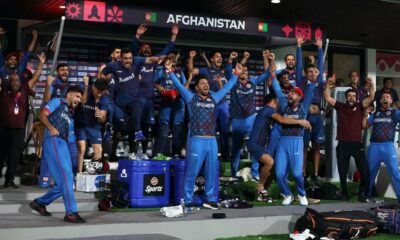
 International Sports3 روز ago
افغانستان در جام جهانی کریکت ۲۰۲۷ با پاکستان، هند و استرالیا روبهرو میشود
-
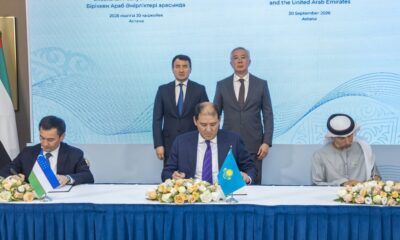
 رویداد های اخیر2 روز ago
قزاقستان، ازبیکستان و امارات در مورد پروژه خط آهن از طریق افغانستان به پاکستان تفاهمنامه امضا کردند