
تجارت
پاکستان تجارت خود را از طریق افغانستان با ازبکستان آغاز کرد


بر اساس گزارش رسانههای پاکستان، این کشور تجارت خود را با ازبکستان از طریق افغانستان آغاز کردهاست.
به نقل از این رسانهها نخستین محموله کالا ازبکستان روز چهارشنبه (۱۲ عقرب) از گذرگاه تورخم وارد پاکستان شدهاست و مورد استقبال مقامات پاکستانی و ازبکستانی قرار گرفتهاست.
این گزارش افزود که موید یوسف، مشاور شورای امنیت ملی این کشور برای دیدار با همتای ازبک خود به تورخم رفته است.
مشاور موید یوسف با نشر تعدادی از عکسها در حساب توییتر خود نوشت که به همراه مشاور شورای امنیت ملی ازبکستان و وزیر تجارت پاکستان به دروازه تورخم رفته و برای اولین بار محموله ازبکستان وارد پاکستان شده است را استقبال کند.
این درحالی است که قرارداد تجاری بین پاکستان و ازبکستان در جولای ماه سال جاری امضاء شدهاست.







تجارت
Pakistan exporters suffer billions in losses as Afghanistan trade halt continues
Pakistan’s pharmaceutical sector is among the industries affected by the trade suspension, with Afghanistan serving as one of its major export destinations.
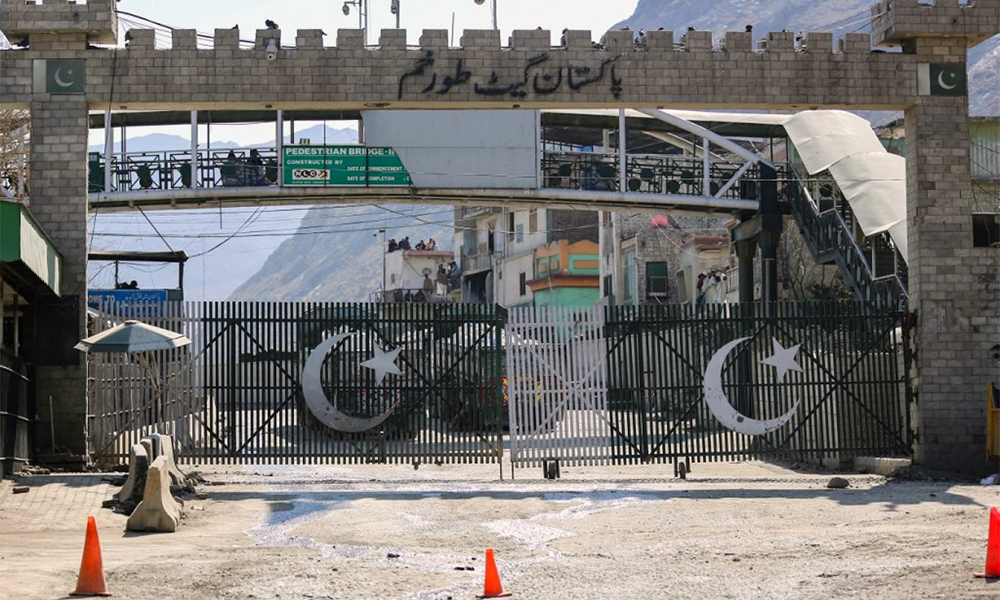
Pakistani exporters are facing mounting financial losses, stranded shipments and sharply rising transportation costs as the suspension of trade with Afghanistan continues to disrupt access to key regional markets.
Trade between the two countries was halted in October 2025 following deadly clashes along their shared crossing. According to business groups cited in a report by CNA, more than $2.5 billion in trade has been lost since the suspension began.
Islamabad has accused militants based in Afghanistan of carrying out attacks inside Pakistan, allegations rejected by the Islamic Emirate of Afghanistan (IEA).
The prolonged disruption has affected pharmaceutical manufacturers, agricultural exporters, transport companies and businesses that depend on Afghanistan as a gateway to Central Asian markets.
Pharmaceutical Industry Faces Mounting Losses
Pakistan’s pharmaceutical sector is among the industries affected by the trade suspension, with Afghanistan serving as one of its major export destinations.
Junaid Altaf, chief executive of Fedro Pharmaceuticals in Peshawar, told CNA that approximately 70 percent of the medicines packaged at his factory were intended for Afghanistan and Central Asia.
He said the border closure left the company with pending orders, unfinished production and packaging materials that could no longer be used in their intended markets.
Packaging prepared in Persian and other region-specific languages became redundant, adding to the company’s financial losses.
Fedro is now attempting to expand domestic sales to compensate for the decline in exports.
Food and agricultural exporters have also reported substantial setbacks.
Manzoor Ellahi, chief executive and managing partner of MM Ellahi Traders, which exports rice, meat, citrus fruits and potatoes, said Afghanistan and Central Asia previously accounted for 80 percent of his company’s revenue. That share has since fallen to around five percent.
Alternative Routes Drive Up Shipping Costs
With trade through major crossings disrupted, Pakistani exporters have increasingly explored alternative routes to reach Central Asian markets, including transportation through Iran.
However, these alternatives involve longer transit times, higher costs and additional logistical challenges.
Muhammad Naeem, a Pakistani exporter, told CNA that shipments previously travelled from Pakistan through the Torkham crossing to Uzbekistan in approximately one week, costing between $2,000 and $3,000.
Transporting goods through Iran now takes nearly six weeks and costs an estimated $10,000 to $13,000, he said.
The longer journeys also increase the risk of perishable goods spoiling or products reaching their destinations after their expiration dates, potentially forcing exporters to discard entire shipments.
The disruption has also affected transport infrastructure and related businesses. A truck depot in Peshawar that previously handled 40 to 50 trucks a day transporting goods to Afghanistan has reportedly seen operations grind to a halt.
Security Disputes Continue to Block Trade
Pakistan has maintained that trade will not resume unless the IEA administration takes action against militants Islamabad accuses of operating from Afghan territory.
The Islamic Emirate denies the allegations, while continuing tensions have complicated efforts to restore normal commercial relations between the neighbouring countries.
Analysts warn that prolonged trade restrictions could further weaken Pakistan’s export performance at a time when the country is seeking to strengthen its foreign exchange reserves under an International Monetary Fund programme.
Vaqar Ahmed, research director at the international economic research network Partnership for Economic Policy, cautioned against allowing political disputes to undermine commercial activity.
He also highlighted concerns about Pakistan’s export performance and the need to strengthen its foreign exchange position.
Business Groups Call for Dialogue
Pakistani business groups have urged Islamabad and Kabul to resolve their differences through negotiations and restore trade.
The continuing suspension has affected not only exporters but also workers, customs clearance agents, transport operators and other businesses linked to regional commerce.
For Afghanistan, the disruption has further complicated access to established trade and transit routes through Pakistan. For Pakistani exporters, it has meant losing access to an important neighbouring market while facing higher costs to reach destinations farther into Central Asia.
Despite calls from business representatives for a negotiated solution, there are few clear signs that the trade impasse will end soon.
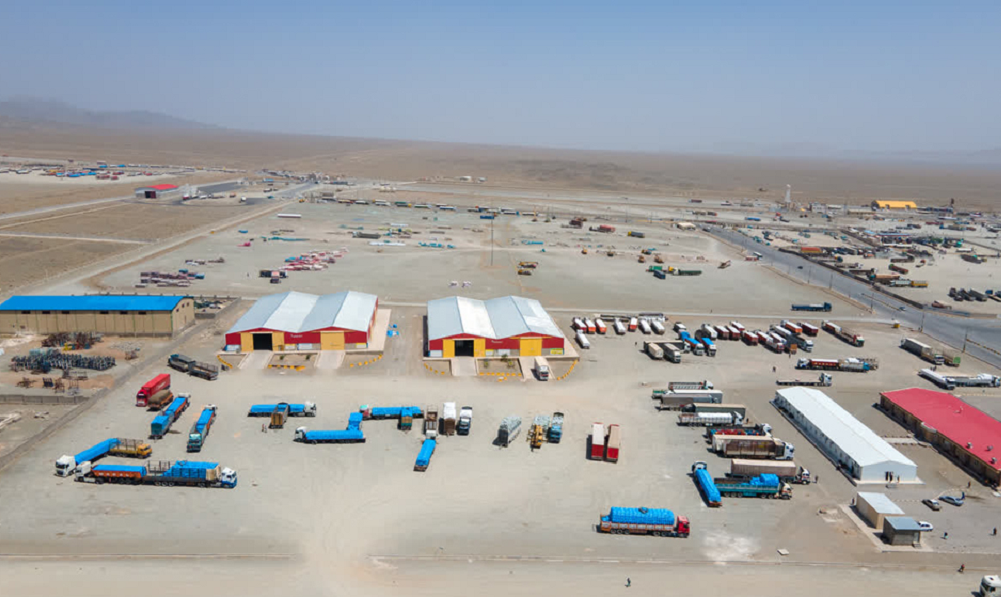
رسانههای ایرانی گزارش دادهاند که ترانزیت کالاهای تاجران افغان از طریق بندر شیخ ابونصر فراهی در شش ماه نخست سال ۱۴۰۵، در مقایسه با مدت مشابه سال گذشته، ۱۰۰ درصد افزایش یافته است؛ موضوعی که به گفته مقامهای ایرانی، جایگاه این گذرگاه را در تجارت و ترانزیت منطقهای تقویت میکند.
به گزارش ایرنا، محمد کوهگرد، رئیس عمومی گمرکات ولایت خراسان جنوبی ایران، گفته است که در این مدت ۸۰۵ هزار تُن کالاهای تاجران افغان از طریق بندر شیخ ابونصر فراهی ترانزیت شده است.
به گفته او، در همین مدت ۸۵ هزار تُن کالا نیز در چارچوب رویه ترانزیت مبدأ از گمرک ماهیرود عبور کرده که وزن آن در مقایسه با مدت مشابه سال گذشته بیش از ۱۳۰۰ درصد افزایش داشته است.
کوهگرد اضافه کرد: در این رویه، تشریفات مربوط به کالاهای تجار افغانستان در گمرک ماهیرود انجام میشود و کالاها از این مسیر به کشورهای مقصد مورد نظر تجار انتقال مییابند.
این مقام ایرانی گفت که بیش از ۶۵ کیلومتر از مسیر ماهیرود تا فراه افغانستان اسفالت شده است؛ مسیری که تکمیل آن میتواند زمان انتقال کالا و هزینههای حملونقل میان دو کشور را کاهش دهد.
در همین حال، رئیس اتاق تجارت بیرجند ایران گفته است که افغانستان مهمترین بازار هدف و شریک تجارتی خراسان جنوبی به شمار میرود و توسعه روابط تجارای با افغانستان، تسهیل واردات و رفع موانع گمرکی میتواند به گسترش مبادلات دو کشور کمک کند.
تجارت
ایران خواستار گسترش خط آهن هرات تا مرز ازبیکستان شد
وزارت فواید عامه افغانستان گفته است که این کشور ظرفیتهای قابل توجهی برای اتصال منطقهای دارد و از سرمایهگذاری همه کشورها، بهشمول ایران، در بخش توسعه خطوط آهن و تسهیلات ترانزیتی استقبال میکند.
فرزانه صادق، وزیر راه و شهرسازی ایران، در نشست تخصصی دهلیز ترانسافغان در شهر آستانه، پایتخت قزاقستان، خواستار گسترش خط آهن افغانستان از هرات تا مرز ترمذ ازبیکستان شده است.
خانم صادق گفته است که ایران در حال بررسی راههای گسترش ارتباطات ریلی با افغانستان و ازبیکستان است و این مسیر در نهایت باید به شبکه خطوط آهن آسیای مرکزی و چین وصل شود.
به گفته او، توسعه این مسیر میتواند فرصتهای تازهای برای انتقال کالا و دسترسی کشورهای منطقه به آبهای آزاد فراهم کند.
وزیر راه و شهرسازی ایران همچنان پیشنهاد کرده است که کشورهای واقع در مسیر دهلیز ایران، افغانستان، تاجیکستان، قرغیزستان و چین، در چارچوب سازمان همکاریهای اقتصادی (اکو)، هرچه زودتر نشستی برگزار کنند تا میکانیزمهای عملی تطبیق این طرح مشخص شود.
صادق با اشاره به توافق ترانزیتی بندر چابهار میان ایران، افغانستان و هند گفته است که این بندر ظرفیت گسترش انتقال کالا از افغانستان و کشورهای آسیای مرکزی به بازارهای بینالمللی را دارد.
او همچنین اتصال ریلی افغانستان به ترکیه و اروپا از مسیر سرخس و رازی و دسترسی به منطقه قفقاز و بحر سیاه از مسیر سرخس و جلفا را از طرحهای قابل پیگیری در شبکه حملونقل منطقهای دانسته است.
در همین حال، وزارت فواید عامه افغانستان گفته است که این کشور ظرفیتهای قابل توجهی برای اتصال منطقهای دارد و از سرمایهگذاری همه کشورها، بهشمول ایران، در بخش توسعه خطوط آهن و تسهیلات ترانزیتی استقبال میکند.
این وزارت افزوده است که افغانستان برای همکاری در زمینه گسترش خطوط آهن و تقویت همکاریهای ترانزیتی آمادگی دارد.
در نشست دهلیز ترانسافغان در آستانه، وزیران ترانسپورت ایران، ازبیکستان، پاکستان و قزاقستان و رئیس اداره خط آهن امارت اسلامی افغانستان حضور داشتند.


Pakistan exporters suffer billions in losses as Afghanistan trade halt continues

دیپلومات: مسیر واخان برای اتصال افغانستان به چین با چالشهای جدی روبهرو است

اتحادیه اروپا ۱۲ میلیون یورو برای کمکهای بشردوستانه در افغانستان اختصاص داد

افغانستان با شکست بنگلهدیش به فاینل مسابقات سهجانبه کریکت یکروزه صعود کرد

روسیه: همکاریهای امنیتی و دفاعی با افغانستان را گسترش میدهیم

سرک ۱۲۱ کیلومتری واخان تا مرز چین به بهرهبرداری رسید

وزارت مالیه تعرفه گمرکی شماری از کالاهای وارداتی را افزایش داد

ترمپ پیشنهاد ایران برای بازگشایی تنگه هرمز و پایان درگیریها را رد کرد

شرکت هوایی آریانا افغان در میان ۴۵ شرکت هوایی آسیای میانه مقام هفتم را کسب کرد

لیگ قهرمانان افغانستان؛ عمر ځواک هرات، طوفان هرات را ۰-۱ شکست داد

تحول: نشست دوحه و آینده سیاسی و اقتصادی افغانستان

څار: د ایران او امریکا ترمنځ د جګړې د پراخېدو اندېښنې

هشدار چندین کشور به شهروندانشان درباره وضعیت امنیتی فرانسه

تحول: واکنش ایران به میانجیگری پاکستان

څار: په تاجکستان کې د شانګهای غړو هيوادونو غونډه
-
 تجارت5 روز ago
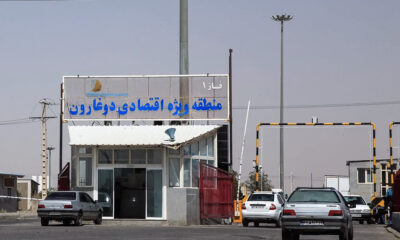
دوغارون؛ دروازهٔ اصلی صادرات ایران به افغانستان با سهم ۷۰ درصدی
-

 ورزش4 روز ago
تیم ملی فوتسال افغانستان نایبقهرمان تورنمنت ششجانبه برازیل شد
-

 جهان4 روز ago
ترمپ در انتخابات اسرائیل از نتنیاهو اعلام حمایت کرد
-
 تجارت4 روز ago
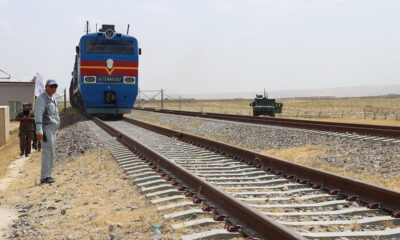
ایران خواستار گسترش خط آهن هرات تا مرز ازبیکستان شد
-

 رویداد های اخیر4 روز ago
واکنش تند وزیر خارجه پولند به اظهارات وزیر دفاع امریکا درباره جنگ افغانستان
-

 رویداد های اخیر3 روز ago
بریتانیا اظهارات هگست درباره نقش ناتو در جنگ افغانستان را نادرست خواند
-
 رویداد های اخیر4 روز ago
بحران اقتصادی افغانستان؛ نگرانیها از اخراج مهاجرین از اروپا افزایش یافته است
-

 ورزش3 روز ago
افغانستان با درخشش صدیق الله اتل و راشد خان، زیمبابوی را با تفاوت ۱۵۸ دوش شکست داد