
رویداد های اخیر
Afghanistan’s economy grows despite rising food insecurity and water crisis: World Bank
Despite an improved harvest, an estimated 15.9 million people faced acute food insecurity during September and October 2026, according to the Integrated Food Security Phase Classification (IPC).

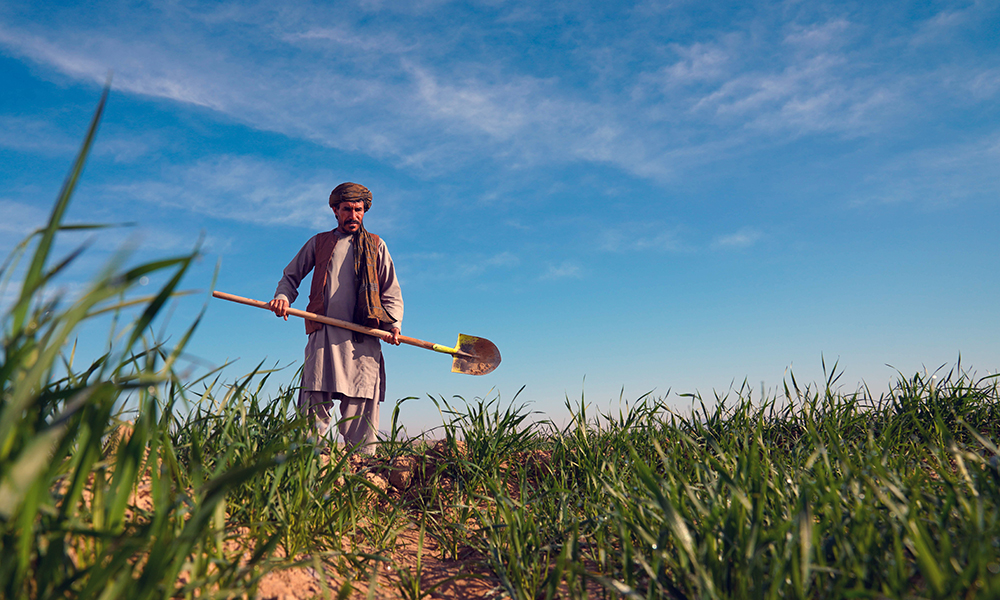
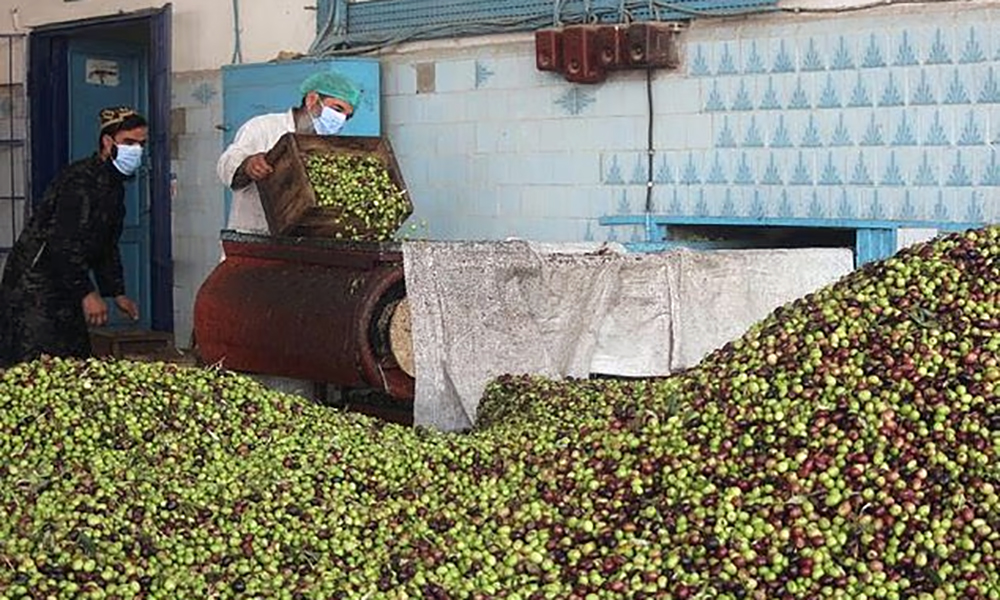
Afghanistan’s economy is projected to expand by three percent in 2026, supported largely by a strong agricultural harvest. However, declining household incomes, rising food prices and worsening water shortages continue to threaten livelihoods, according to the World Bank’s latest economic assessment.
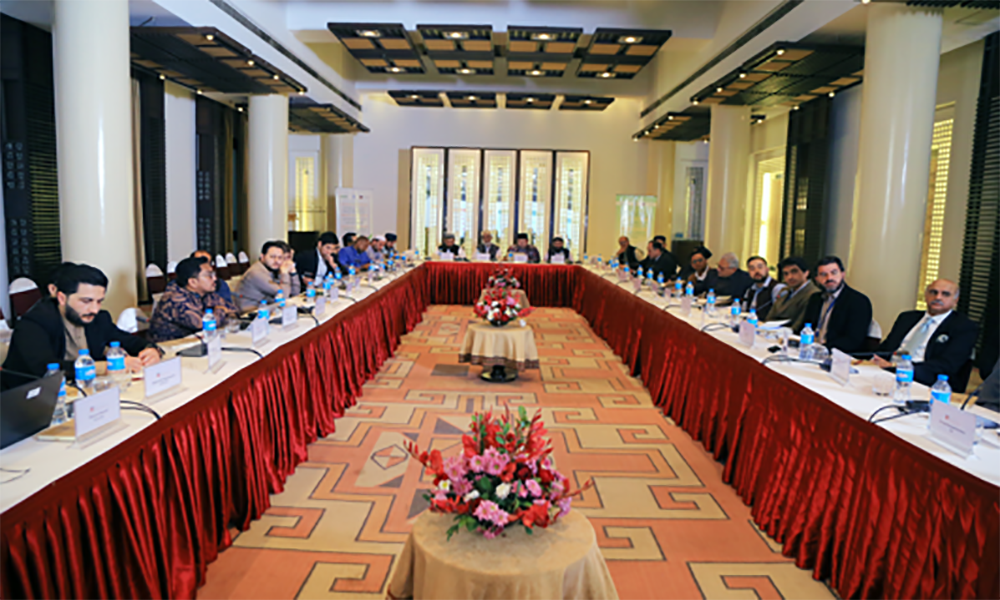
In its Fall 2026 Afghanistan Development Update, released on November 18, the World Bank said economic output per capita is expected to fall by 3.3 percent for the third consecutive year, as population growth is forecast to reach 6.6 percent.
The report highlighted growing pressure on household finances, with fewer employment opportunities and higher food costs reducing purchasing power. In September, casual labourers recorded 14 percent fewer working days than a year earlier, while their weekly earnings could purchase 27 percent less wheat flour.
Despite an improved harvest, an estimated 15.9 million people faced acute food insecurity during September and October 2026, according to the Integrated Food Security Phase Classification (IPC).
The World Bank also reported a 10.2 percent increase in domestic revenue during the first half of 2026, driven by higher tax and non-tax collections despite declining customs duties. However, public investment remains limited, with capital expenditure projected at just 1.3 percent of gross domestic product.
Trade disruptions are adding to the economic challenges. The closure of border crossings with Pakistan has forced around 97 percent of Afghanistan’s imports to be routed through Central Asia and Iran. Exports also fell by 15.1 percent between April and September compared with the same period last year.
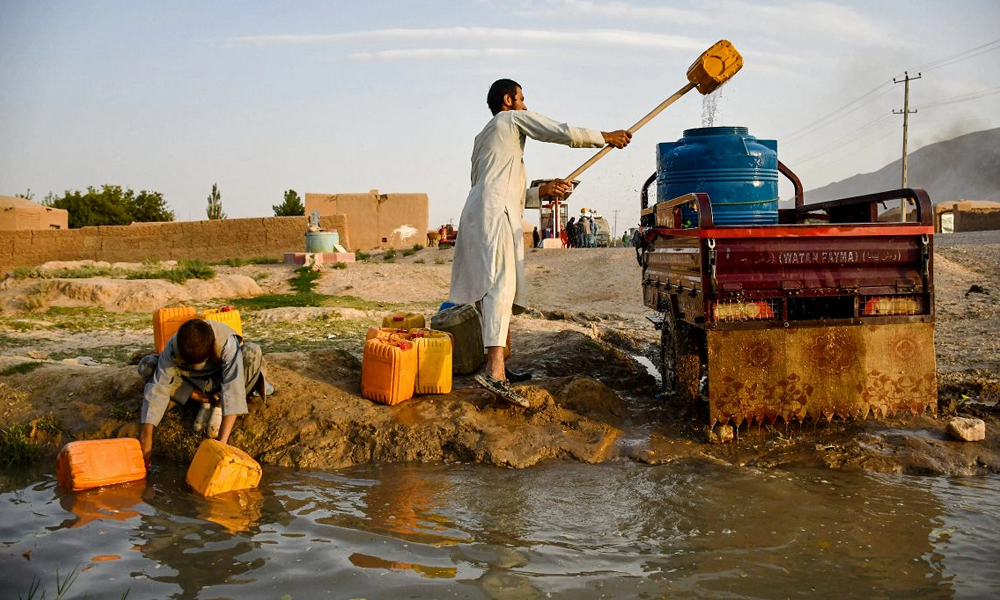
The report raised particular concern over Afghanistan’s worsening water crisis, estimating that the country has lost approximately 4.9 billion cubic metres of freshwater reserves annually since 2003.
In Kabul, groundwater extraction is occurring at nearly four times the rate of natural replenishment, placing increasing pressure on already limited water resources.
The crisis also threatens rural livelihoods, with agriculture accounting for 46 percent of employment and approximately 95 percent of the country’s water withdrawals.
Looking ahead, the World Bank forecasts economic growth of 3.3 percent in 2027 and 3.5 percent in 2028. However, despite the projected recovery, output per capita in 2028 is expected to remain around 7 percent below its 2024 level.
The report warned that several risks could undermine the outlook, including a poor harvest, further disruption to trade routes, another large influx of returning Afghans and deeper reductions in international assistance.
It also called for more reliable trade corridors, expanded employment opportunities in provinces receiving large numbers of returnees, and the restoration of access to education and employment for women and girls.
Addressing the water crisis, the World Bank emphasized the need to restore essential water and sanitation services, repair irrigation infrastructure and strengthen the protection of watersheds and groundwater reserves.


رویداد های اخیر
Pakistan invites Turkmenistan to join CASA-1,000 power project
CASA-1,000 is designed to transmit up to 1,300 megawatts of electricity from Central Asia to South Asia, with 1,000 MW allocated to Pakistan and 300 MW to Afghanistan, mainly during summer.
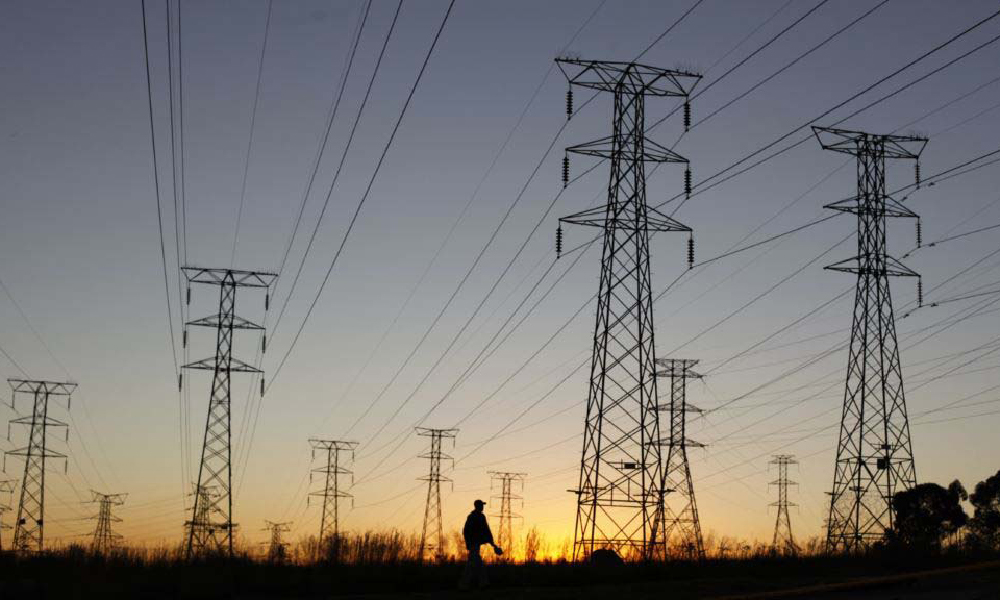
Pakistan has invited Turkmenistan to join the CASA-1,000 regional electricity transmission project, while supporting plans to extend the network to Uzbekistan and Turkmenistan.
The proposal was discussed this week during a meeting between Pakistan’s Minister for Power, Awais Ahmad Khan Leghari, and Turkmenistan’s Energy Minister, Annageldi Saparov, focusing on regional energy cooperation and cross-border electricity links.
CASA-1,000 is designed to transmit up to 1,300 megawatts of electricity from Central Asia to South Asia, with 1,000 MW allocated to Pakistan and 300 MW to Afghanistan, mainly during summer.
The project involves Kyrgyzstan, Tajikistan, Afghanistan and Pakistan. While infrastructure in the three other countries is largely complete, Afghanistan remains a critical missing link, with construction resuming in December 2024.
Leghari also proposed converting the system into a two-way electricity network, allowing countries to exchange power when needed and improving its commercial viability.
Discussions also covered the proposed Turkmenistan-Afghanistan-Pakistan (TAP) transmission project. Saparov said Turkmenistan had completed its transmission line up to Afghanistan and reaffirmed his country’s commitment to advancing the project.
The proposed 1,150-kilometre, 500-kilovolt transmission line from Afghanistan to Quetta is expected to have a capacity of 1,200 MW. Both countries agreed to accelerate technical data exchanges and feasibility work.
The talks also explored wider trade, investment and business cooperation between Pakistan and Turkmenistan.
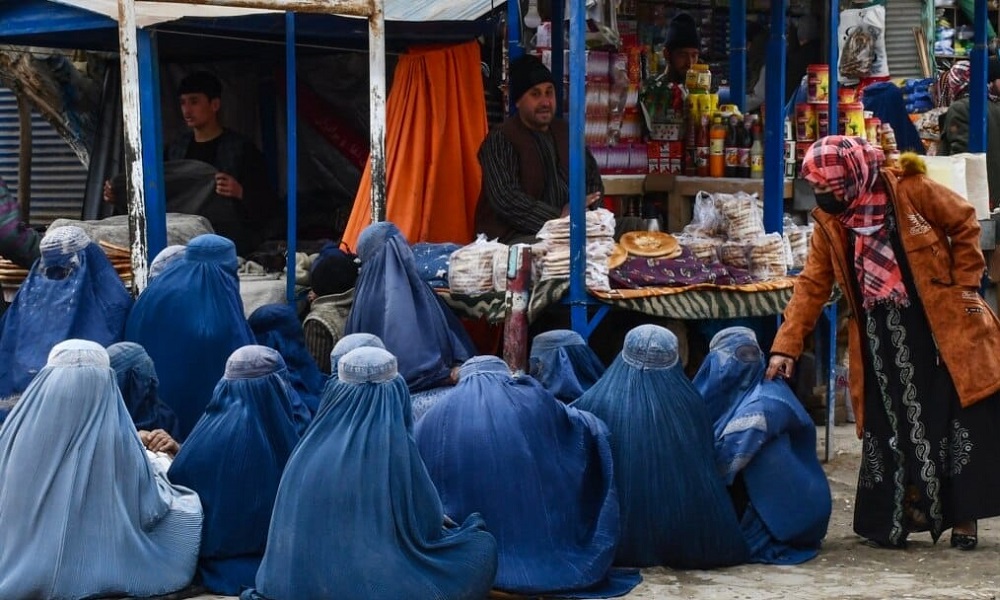
دفتر هماهنگی امور بشردوستانه سازمان ملل متحد (اوچا) ۱۸ میلیون دالر کمک اضطراری را بهمنظور پشتیبانی از ۸۲۴ هزار تن از افراد آسیبپذیر در افغانستان، در آستانه زمستان ۲۰۲۶–۲۰۲۷ اختصاص داده است. این کمک در شرایطی اختصاص مییابد که ناامنی غذایی و فشارهای اقتصادی همچنان زندگی خانوادههای زیادی را در سراسر کشور تحت تأثیر قرار داده است.
براساس گزارش دفتر هماهنگی کمکهای بشردوستانه سازمان ملل متحد (اوچا)، این کمک از سوی تام فلچر، مسئول امور بشردوستانه سازمان ملل متحد، از طریق صندوق مرکزی پاسخگویی به وضعیتهای اضطراری تصویب شده است تا نیازمندیهای فوری بشردوستانه رسیدگی شود و جوامع آسیبپذیر برای زمستان سخت و دوره کمبود مواد غذایی آمادگی بگیرند.
به گفته سازمان ملل، این بودجه از هفت پروژه در بخشهای امنیت غذایی و زراعت، صحت، تغذیه، حفاظت، سرپناه و آب و حفظ الصحه حمایت خواهد کرد.
برونو لومارکی، هماهنگکننده امور بشردوستانه سازمان ملل متحد در افغانستان، گفته است که این کمکها به جلوگیری از مرگومیر قابل پیشگیری و تأمین دسترسی جوامع آسیبپذیر به مواد غذایی، خدمات صحی، آب آشامیدنی سالم و خدمات حفاظتی، پیش از وخیمتر شدن شرایط زمستانی، کمک خواهد کرد.
در این برنامه، بازگشتکنندگان آسیبپذیر، بیجاشدگان داخلی و جوامع میزبان در اولویت قرار دارند و توجه ویژه به زنان، کودکان، سالمندان و افراد دارای معلولیت صورت خواهد گرفت.
سازمان ملل گفته است که نهادهای ملی و محلی، بهشمول سازمانهای تحت رهبری زنان، نقش مهمی در توزیع کمکها خواهند داشت. همچنان، کارمندان زن در بخش کمکرسانی برای تداوم دسترسی زنان و دختران به خدمات بشردوستانه نقش اساسی خواهند داشت.
این کمک ۱۸ میلیون دالری بخشی از یک برنامه گسترده ۴۸ میلیون دالری برای رسیدگی به نیازمندیهای بشردوستانه در افغانستان است که شامل ۳۰ میلیون دالر دیگر از صندوق بشردوستانه افغانستان نیز میشود.
بر اساس اعلام سازمان ملل، این دو صندوق بهگونه مکمل فعالیت خواهند کرد؛ صندوق مرکزی پاسخگویی به وضعیتهای اضطراری از نهادهای سازمان ملل در زمینه تأمین مواد اساسی و ارائه خدمات حیاتی حمایت میکند، در حالی که صندوق بشردوستانه افغانستان مستقیماً برای شرکای کمکرسان بودجه فراهم میسازد تا کمکهای زمستانی، نیازمندیهای فوری و اقدامات لازم برای کاهش پیامدهای پدیده النینو بر جوامع آسیبپذیر را اجرا کنند.
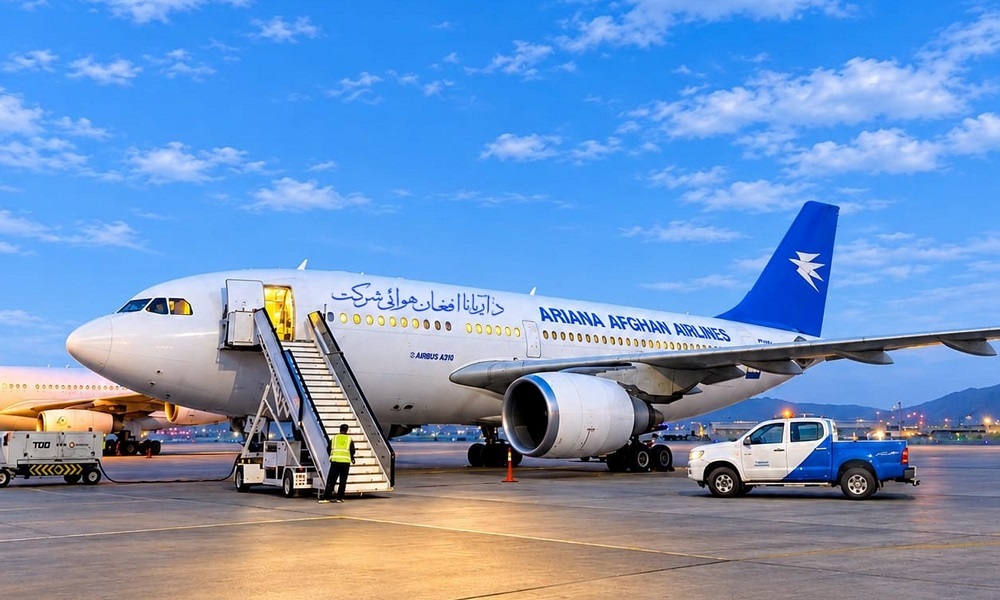
شرکت هوایی آریانا افغان اعلام کرده است که پروازهای مستقیم میان مزارشریف و جده عربستان سعودی را بهمنظور فراهمسازی سهولتهای ترانسپورتی برای باشندگان زون شمال کشور، از چهارم ماه قوس سال جاری آغاز میکند.
به گفته این شرکت، با راهاندازی این مسیر، باشندگان مزارشریف و ولایتهای شمال کشور برای سفر به عربستان سعودی از سهولت بیشتری برخوردار خواهند شد و میتوانند بهگونه مستقیم میان مزارشریف و جده رفتوآمد کنند.

Afghanistan’s economy grows despite rising food insecurity and water crisis: World Bank

Pakistan invites Turkmenistan to join CASA-1,000 power project
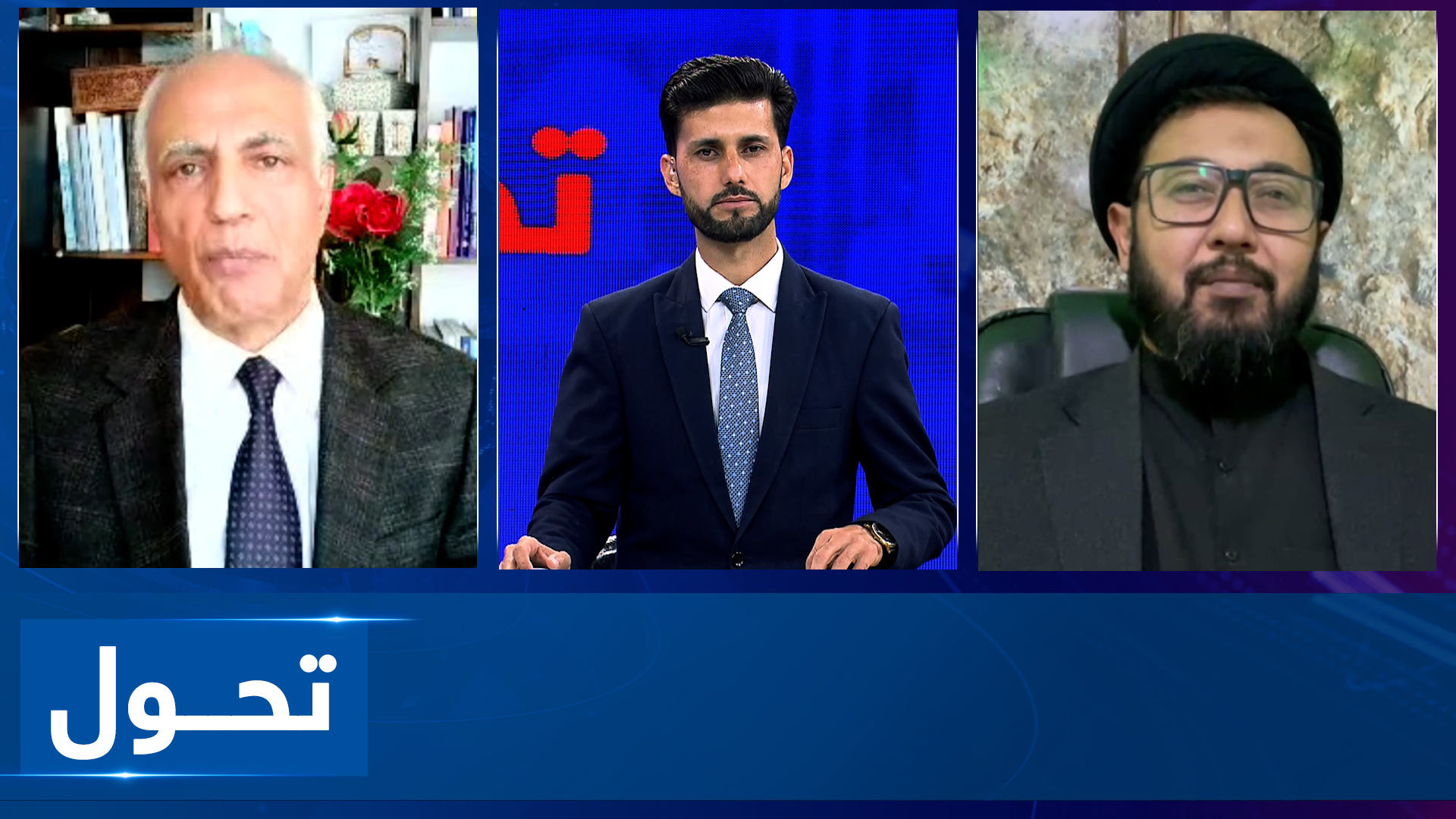
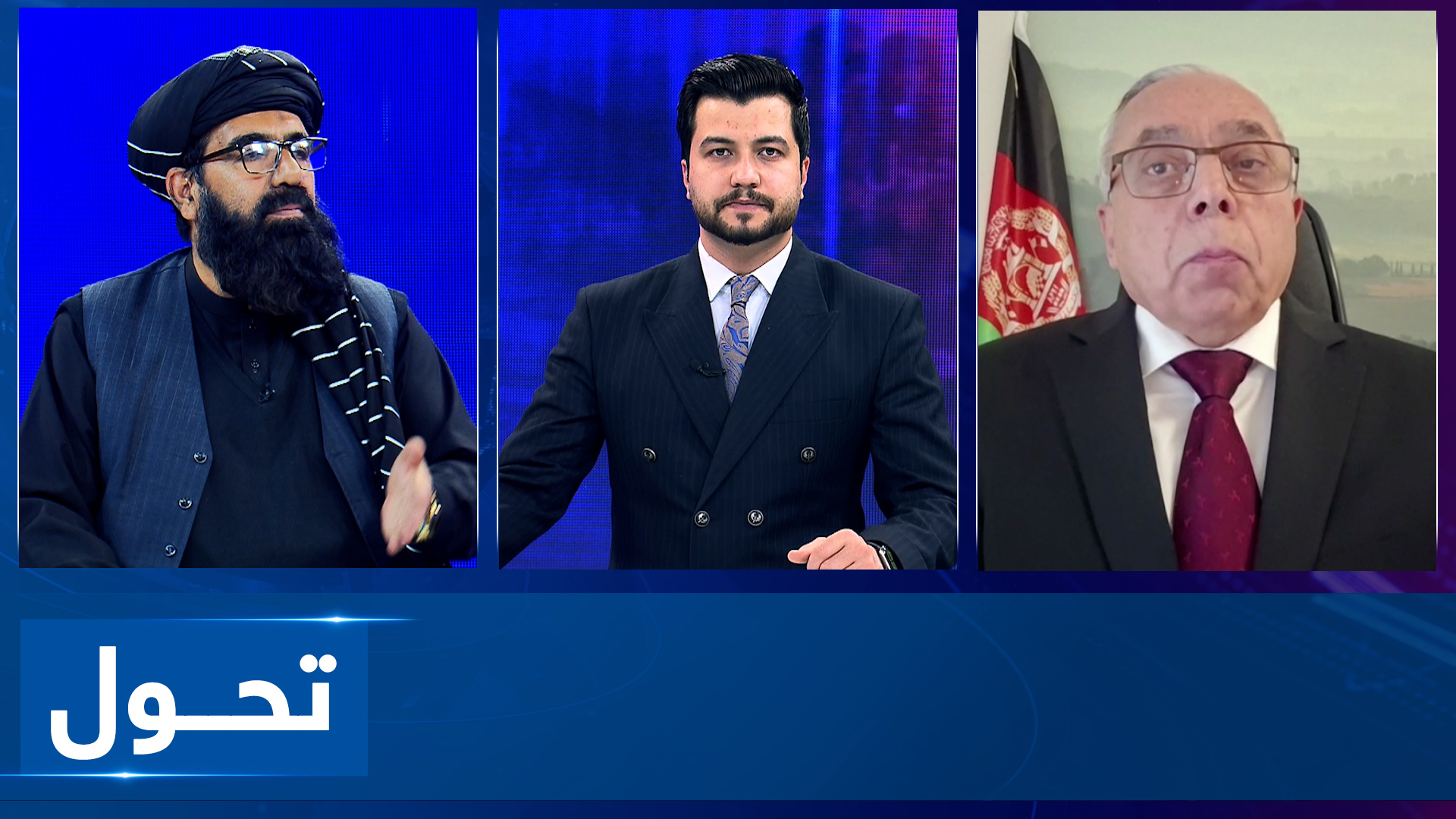
تحول: هشتادمین سالگرد عضویت افغانستان درسازمان ملل
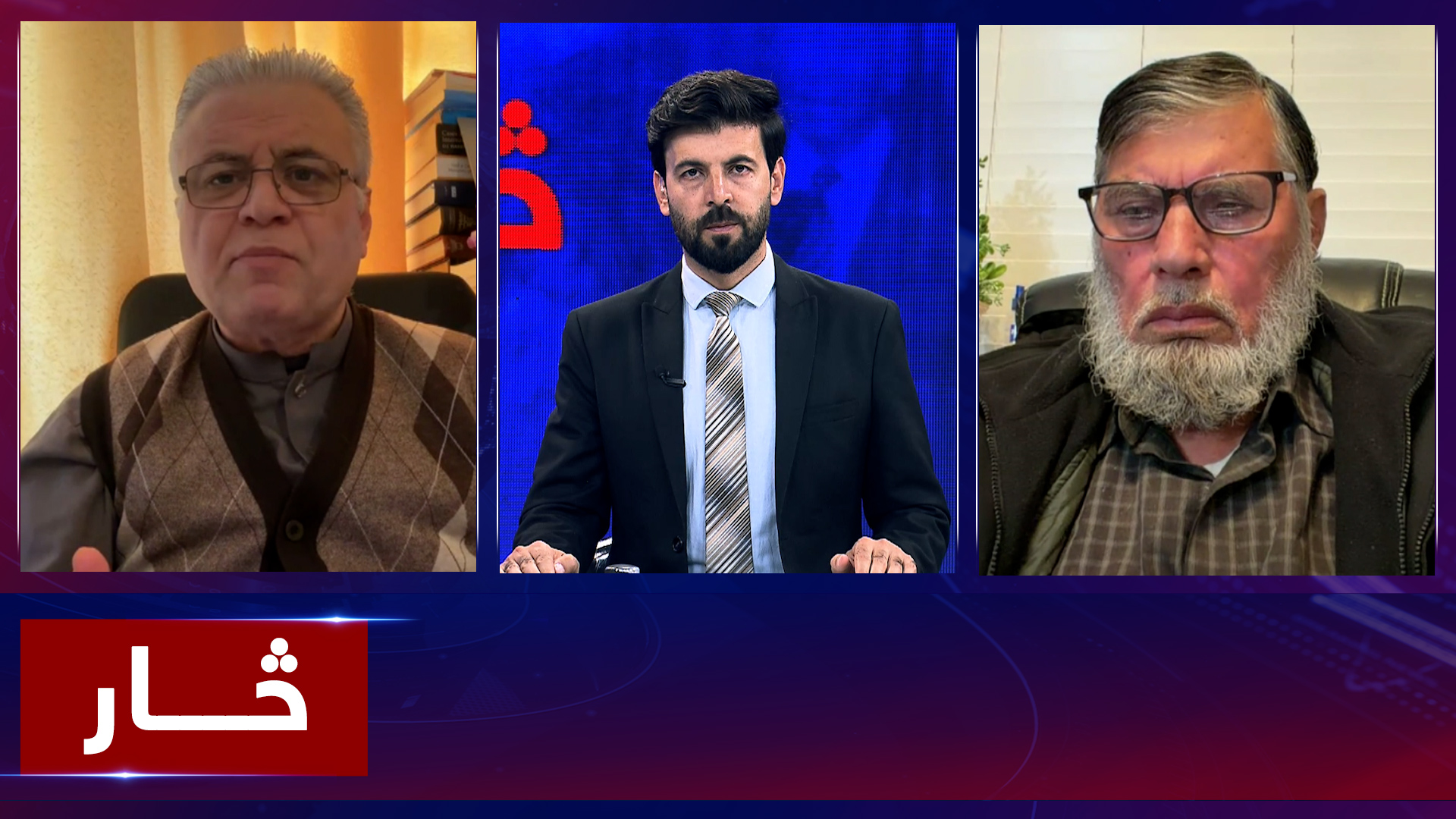
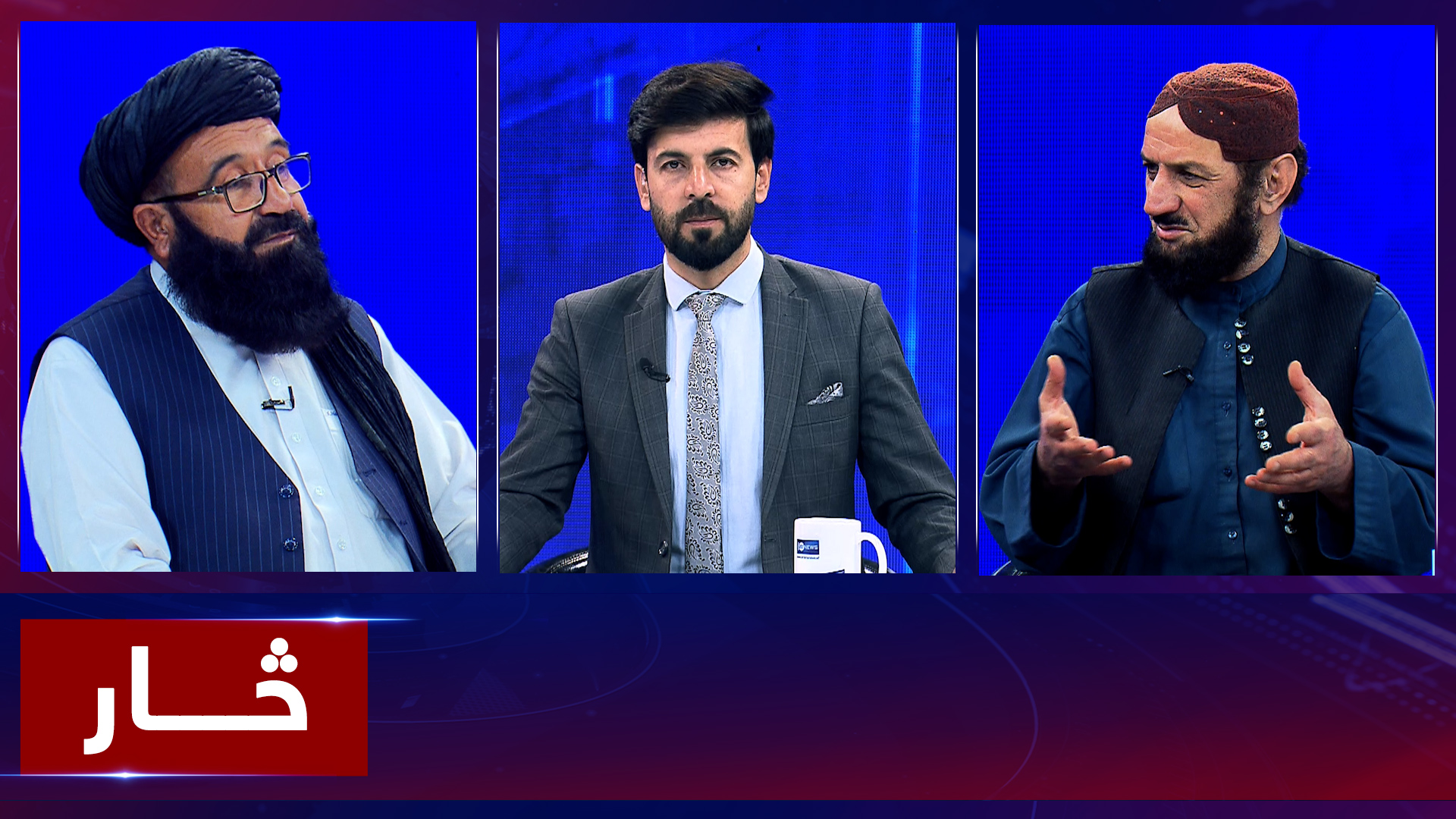
څار: اروپا له اسلامي امارت سره د تعامل پر لور
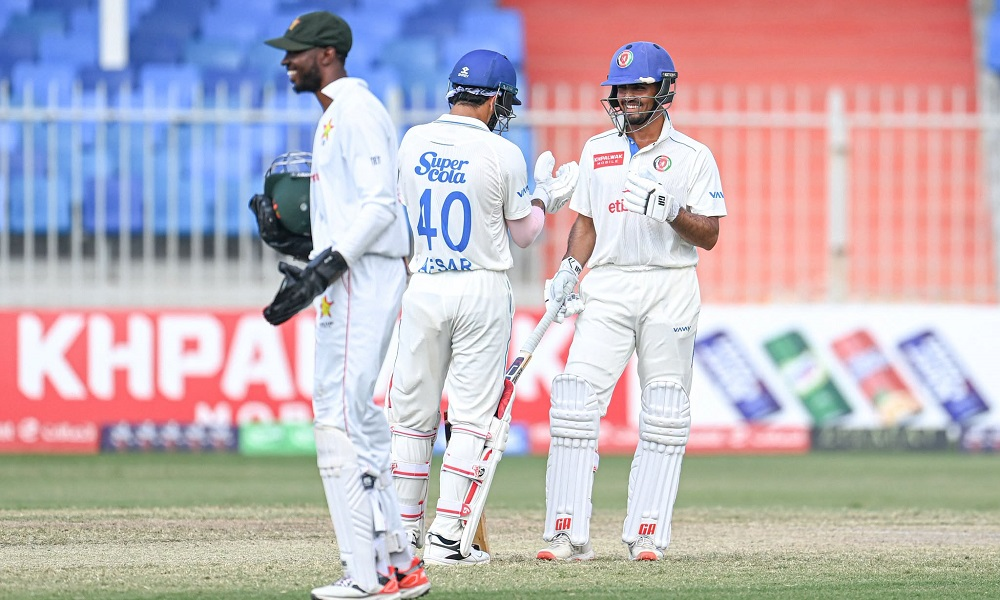
زیمبابوی در دیدار دوم تست، افغانستان را با تفاوت ۵۷ دوش شکست داد

افغانستان با درخشش صدیق الله اتل و راشد خان، زیمبابوی را با تفاوت ۱۵۸ دوش شکست داد

بریتانیا اظهارات هگست درباره نقش ناتو در جنگ افغانستان را نادرست خواند
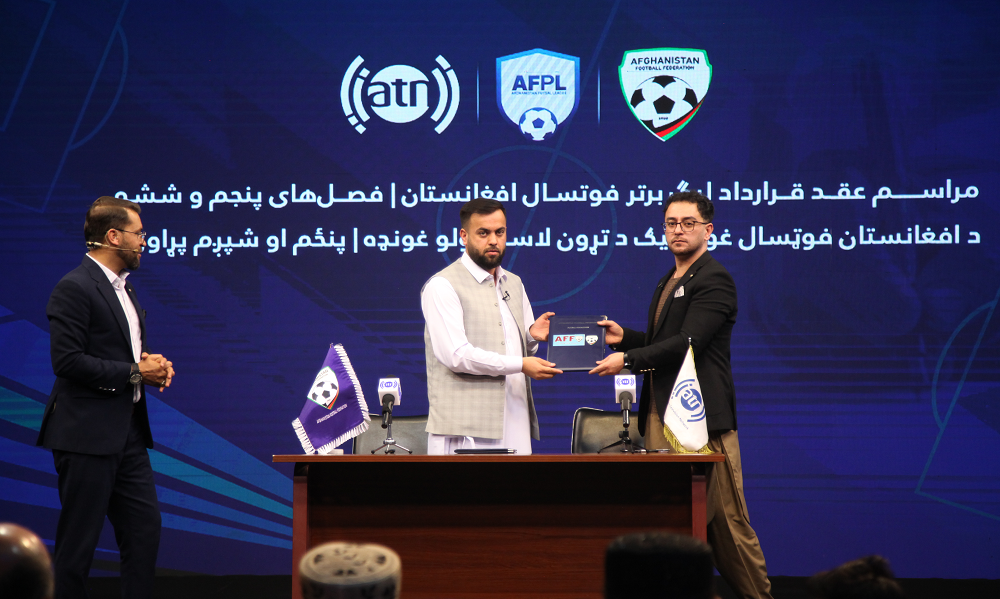
قرارداد نشر دو فصل دیگر لیگ برتر فوتسال افغانستان از سوی تلویزیون آریانا امضا شد

ایران خواستار گسترش خط آهن هرات تا مرز ازبیکستان شد
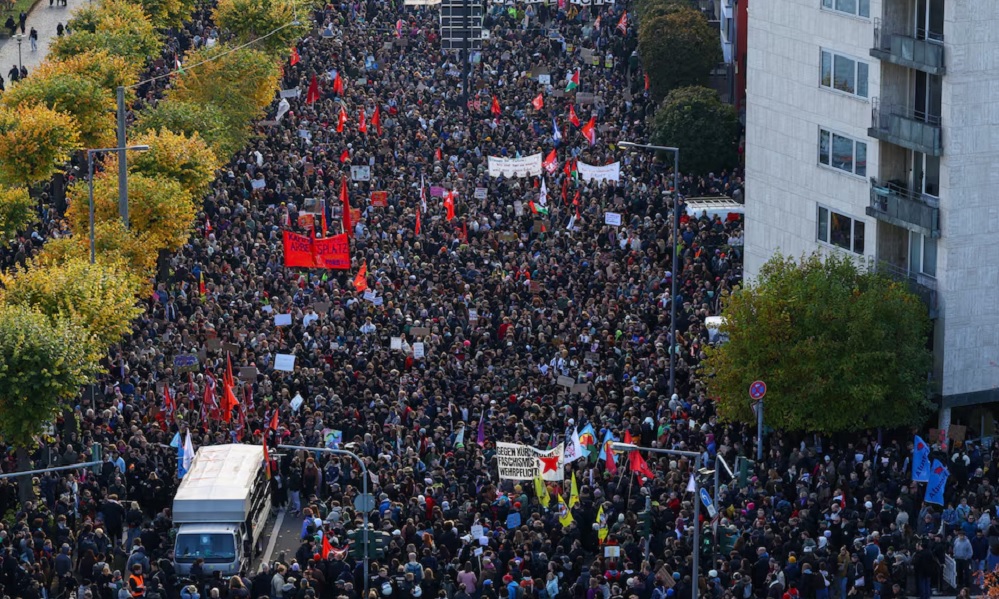
غارت فروشگاهها در فرانکفورت؛ اعتراضات «نسل زد» در آلمان به خشونت کشیده شد
تحول: هشتادمین سالگرد عضویت افغانستان درسازمان ملل
څار: اروپا له اسلامي امارت سره د تعامل پر لور
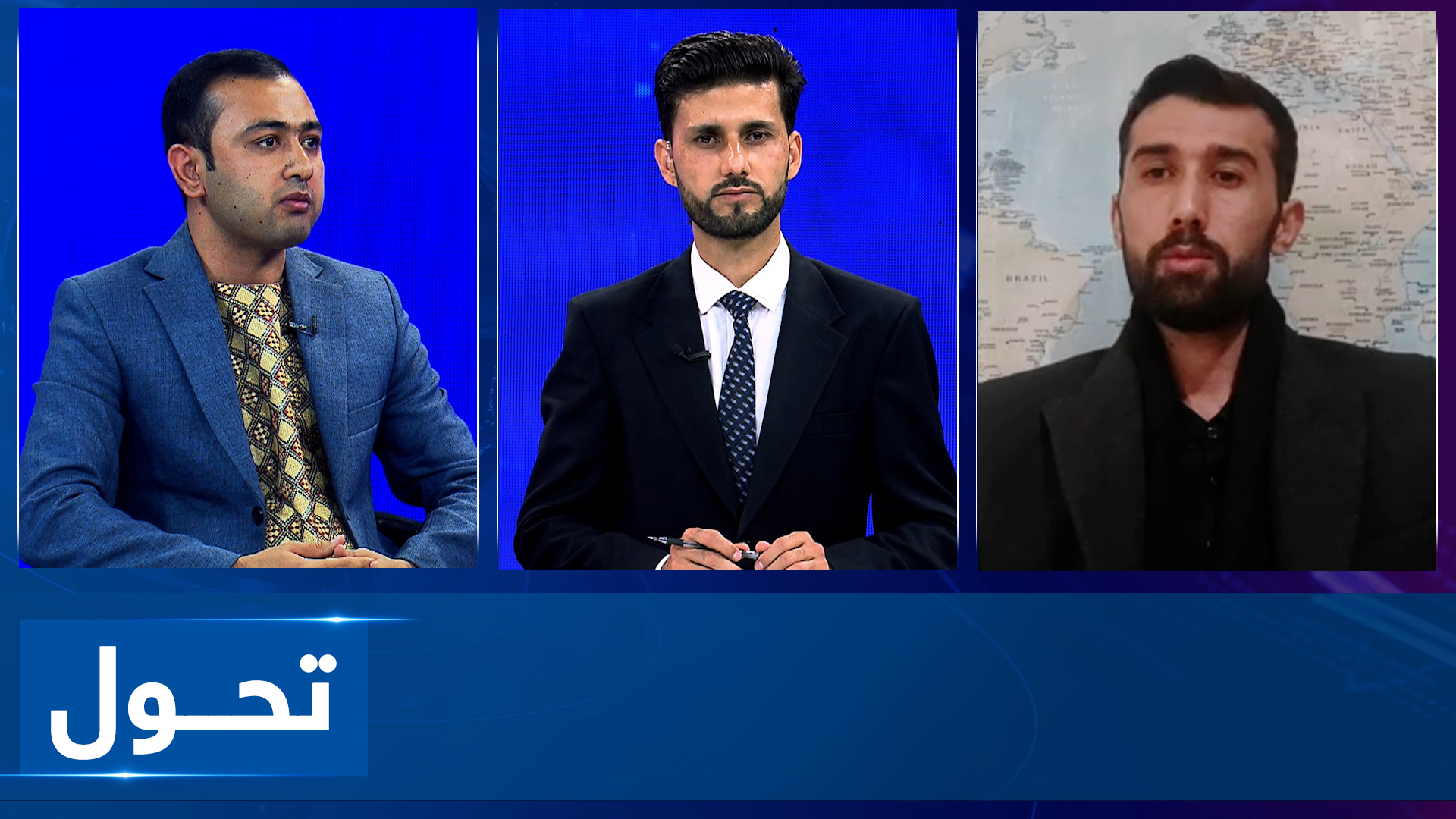
تحول: عدم حضور افغانستان در نشست اکو
څار: آغاز نشست دو روزه اکو در اسلامآباد
تحول: تلاش بریتانیا برای حل تنشها میان کابل و اسلامآباد
-
 رویداد های اخیر4 روز ago
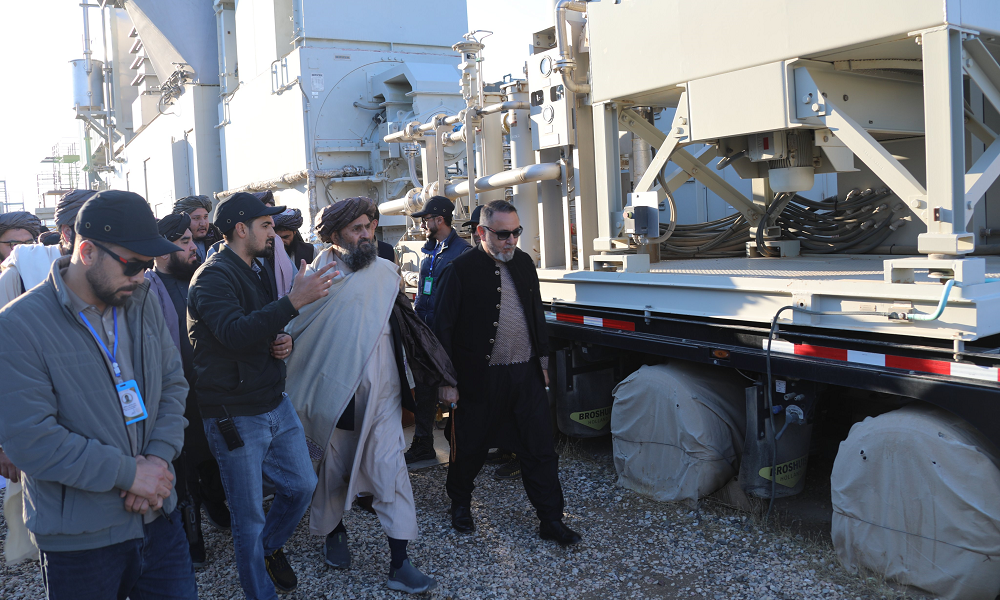
توربین تولید برق گازی ۴۰ میگاواتی بیات پاور در جوزجان دوباره به فعالیت آغاز کرد
-
 ورزش5 روز ago
درخشش نصیر خان معروفخیل در اولین حضور خود در کریکت تست
-
 ورزش2 روز ago
سرخپوشان خوافی؛ قهرمان شکستناپذیر لیگ قهرمانان فوتبال افغانستان
-
 ورزش3 روز ago
لیگ بینالمللی کریکت ۲۰ آوره؛ حضور حداقل دو بازیکن افغان در ترکیب اصلی هر تیم الزامی شد
-
 ورزش4 روز ago
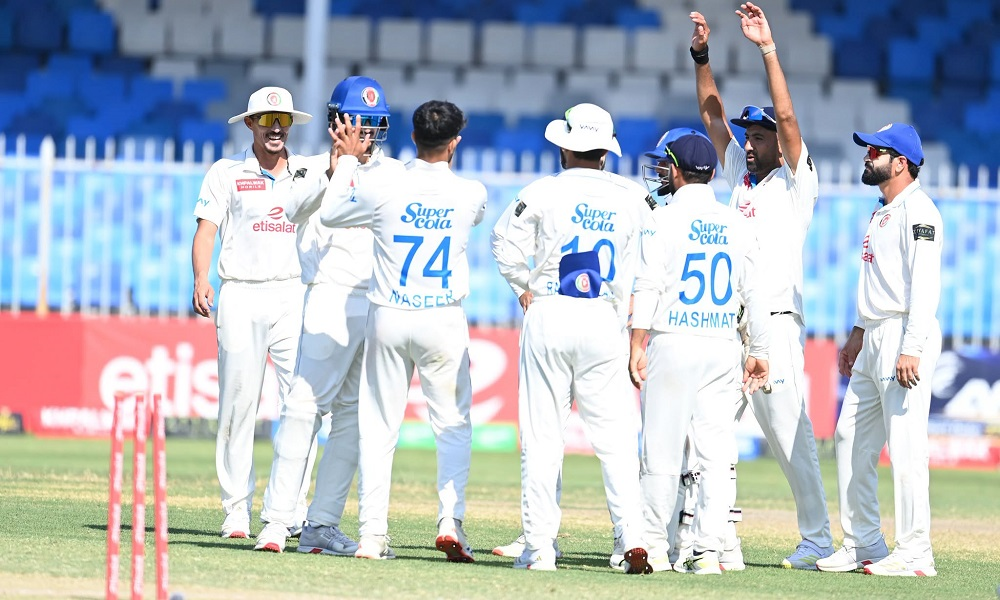
زیمبابوی در پایان روز دوم تست، افغانستان را با ۱۸۰ دوش عقب گذاشت
-
 ورزش2 روز ago
حضور ۲۵ بازیکن افغان در فهرست بازیکنان فصل پنجم لیگ بینالمللی کریکت ۲۰ آوره
-
 تجارت5 روز ago
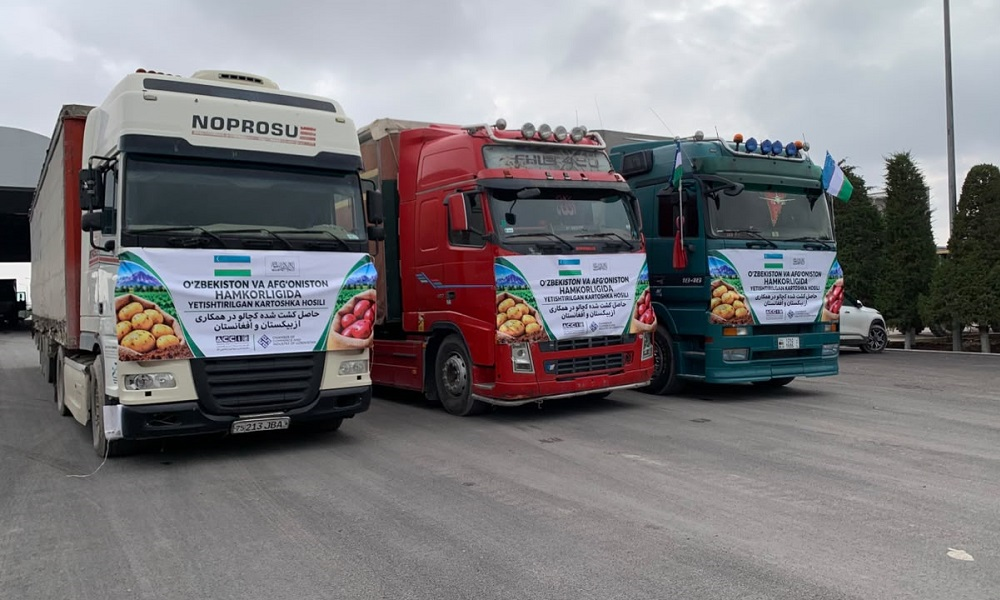
توافق افغانستان و ازبیکستان برای صادرات ۱۰۰ هزار تُن کچالوی بامیان
-
 رویداد های اخیر2 روز ago
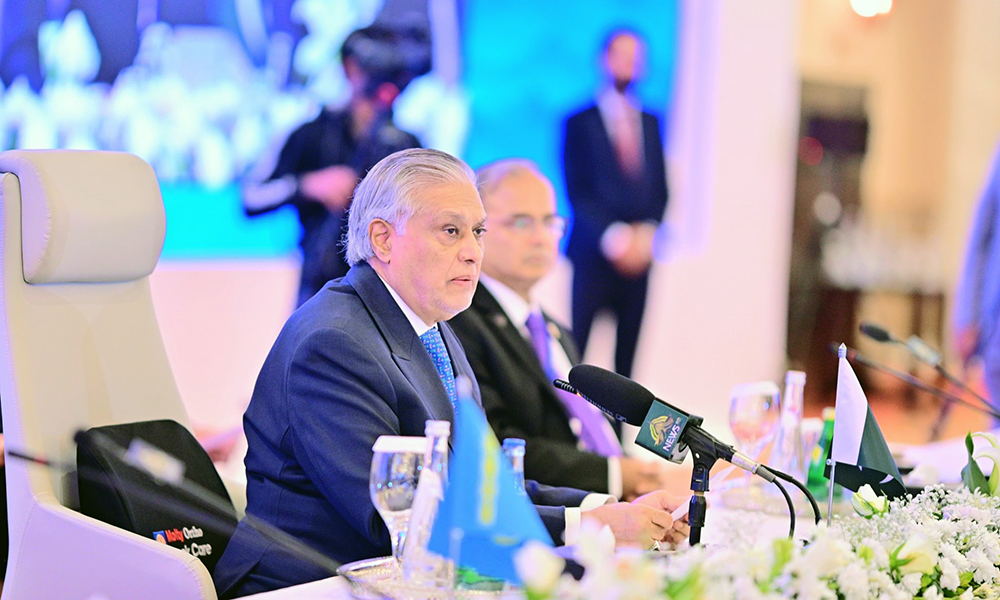
اسحاق دار: امارت اسلامی به نگرانیهای امنیتی کشورهای همسایه رسیدگی کند