
Business
Female entrepreneurs at Kabul women’s market say businesses are doing well


A number of female entrepreneurs at the special women’s market in Kabul say their businesses are improving day-by-day and that they have also set up online shopping opportunities for women.
These women say they are happy to have their own market where they can sell their own goods.
“Our clothes are Afghani Gand (traditional dress). Our sellers and buyers are both women. We are happy that such a market has been established in Kabul,” said Ferozah Qasimi, a woman entrepreneur.
“The good thing about this market for women and girls is that they can easily and calmly use the green space here, relax their minds and buy the things they need from one place,” said another woman entrepreneur.
“My request to government and foreign institutions is to join hands with us, to cooperate with us so that we can make further progress in our work,” said another businesswoman.
Meanwhile, the Women’s Chamber of Commerce says there is no limit to women entrepreneurs.
“We are seeing very good developments in this chamber which is creating markets and creating expos,” said Salma Yousafzai, head of the Women’s Chamber of Commerce.
The Ministry of Industry and Commerce (MoIC) spokesperson Abdulsalam Jawad Akhundzada stated that the ministry supports businesswomen.
“The Ministry of Industry and Commerce has always supported women entrepreneurs and has always supported them in all aspects of trade and industry,” said Akhundzada.
“Thousands of women in 34 provinces of Afghanistan are actually working in various sectors of industry and investment,” he added.

Business
Afghanistan hosts dialogue on Islamic microfinance to expand access to Sharia-compliant financial services
Participants also explored practical solutions and future steps to strengthen the sector, emphasizing the importance of cooperation, knowledge-sharing and better coordination among relevant institutions.
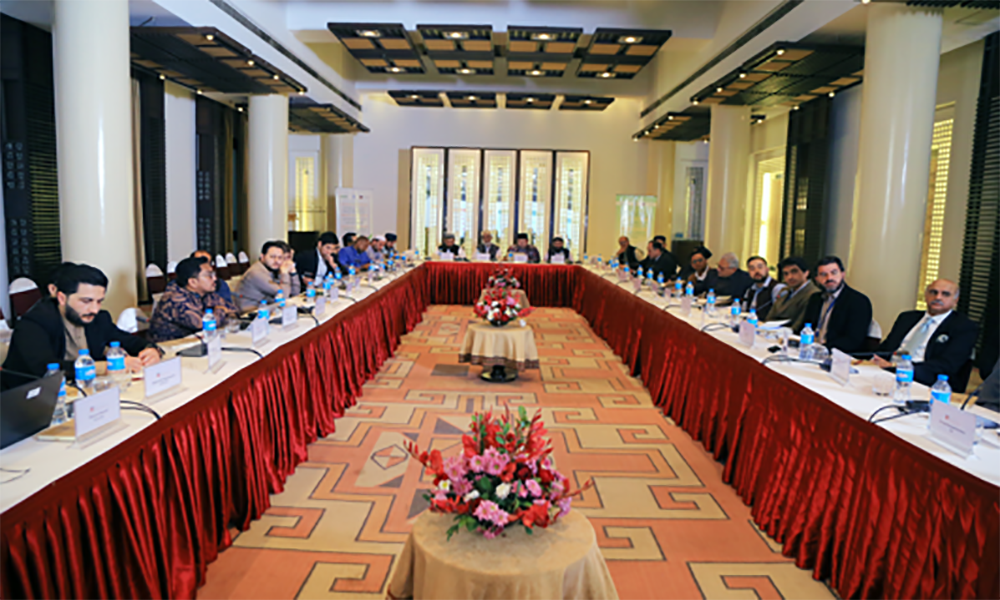
A dialogue on Islamic microfinance was held in Kabul on Wednesday, bringing together representatives of financial institutions, government authorities, international partners and Afghanistan’s microfinance sector to discuss ways of expanding inclusive financial services in the country.
The event was organized by The Liaison Office in coordination with the Afghanistan Microfinance Association (AMA), Da Afghanistan Bank (DAB) and the Indonesian Embassy in Kabul.
Participants discussed opportunities and challenges facing the development of Islamic microfinance services, with a focus on expanding access to financial products that comply with Islamic Sharia principles.
Representatives of AMA, Da Afghanistan Bank and the Indonesian Ambassador to Afghanistan delivered keynote remarks, highlighting the current situation of the microfinance sector, international experiences and opportunities for developing diverse Islamic financial products.
Two panel discussions focused on major challenges facing microfinance institutions, including structural barriers to growth, limited access to capital, funding and liquidity constraints, difficulties in securing guarantees, and the long-term sustainability of Islamic microfinance services.
Participants also explored practical solutions and future steps to strengthen the sector, emphasizing the importance of cooperation, knowledge-sharing and better coordination among relevant institutions.
The dialogue concluded with calls for stronger collaboration among financial institutions and development partners to improve access to inclusive, sustainable and Sharia-compliant financial services across Afghanistan.
Business
Iraqi intelligence report alleges oil smuggling network supplying Afghanistan and Turkey through Iran
The report highlights broader challenges facing regional authorities in combating illicit oil trade and enforcing international sanctions.
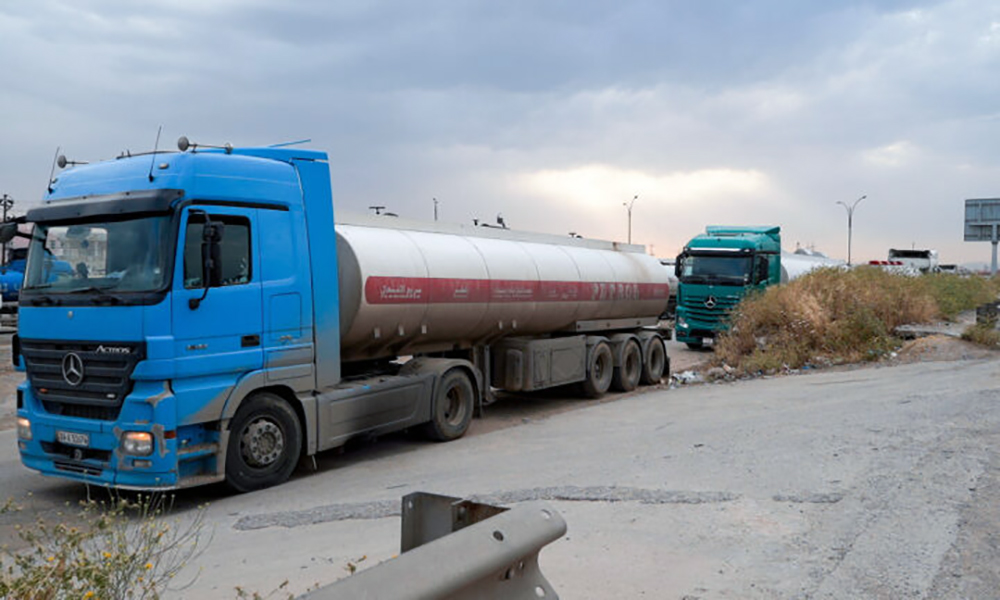
An Iraqi intelligence report obtained by Sky News Arabia has revealed alleged large-scale crude oil smuggling operations from northern Iraq into Iran, where the oil is reportedly refined and later sold in regional markets, including Afghanistan and Turkey.
According to the report, shipments of crude oil are transported through land routes and unofficial trade channels into Iranian territory, where they undergo refining and processing before being re-exported to foreign markets.
The intelligence findings suggest that the alleged network is designed to bypass international sanctions and facilitate the movement of petroleum products outside official trade and financial monitoring systems.
The report further indicates that smuggling networks rely on informal transportation routes and cross-border commercial channels to maintain the collection, processing and distribution of oil products while avoiding regulatory oversight.
The revelations have raised concerns over cross-border smuggling, the loss of national resources and the potential impact of illicit oil trade on regional economies.
Security and political observers say the reported activities could put additional pressure on Iraqi authorities to strengthen border controls, monitor oil transportation routes and improve coordination with regional and international partners.
However, the allegations outlined in the intelligence report have not been independently verified, and further details about the networks involved, the quantities of oil transported and the scale of supplies reaching Afghanistan and Turkey remain unclear.
The report highlights broader challenges facing regional authorities in combating illicit oil trade and enforcing international sanctions.
Business
$30 million pharmaceutical investment launched in Herat as new production line opens
Meanwhile, the newly inaugurated serum and injectable production line is capable of producing up to 100,000 packages of serum per day.
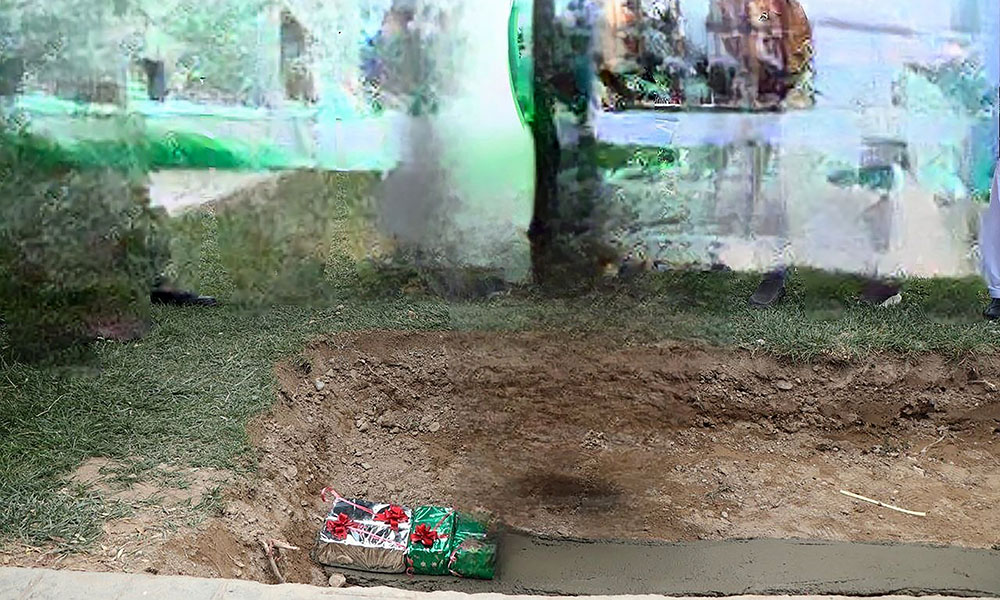
The foundation stone has been laid for three new pharmaceutical production blocks at Ovison Pharma in Herat, with an investment of $30 million, while the factory’s new serum and injectable production line has also been inaugurated.
The new production blocks will be constructed on a 3,000-square-metre site, with each facility planned to have five floors. Equipped with advanced machinery and designed to meet international standards, the expansion is expected to significantly increase the factory’s pharmaceutical production capacity.
Meanwhile, the newly inaugurated serum and injectable production line is capable of producing up to 100,000 packages of serum per day.
The expansion marks a significant step toward strengthening Afghanistan’s pharmaceutical industry, increasing domestic production and reducing the country’s reliance on imported medicines.
The investment is also expected to support the development of local manufacturing capacity and improve access to domestically produced pharmaceutical products.

Afghanistan and Uzbekistan agree to expand cooperation in livestock and breeding sector
Afghanistan hosts dialogue on Islamic microfinance to expand access to Sharia-compliant financial services

Putin says CSTO closely monitoring Afghanistan’s security situation
Saudi Arabia says debris from intercepted missiles falls in Mecca region
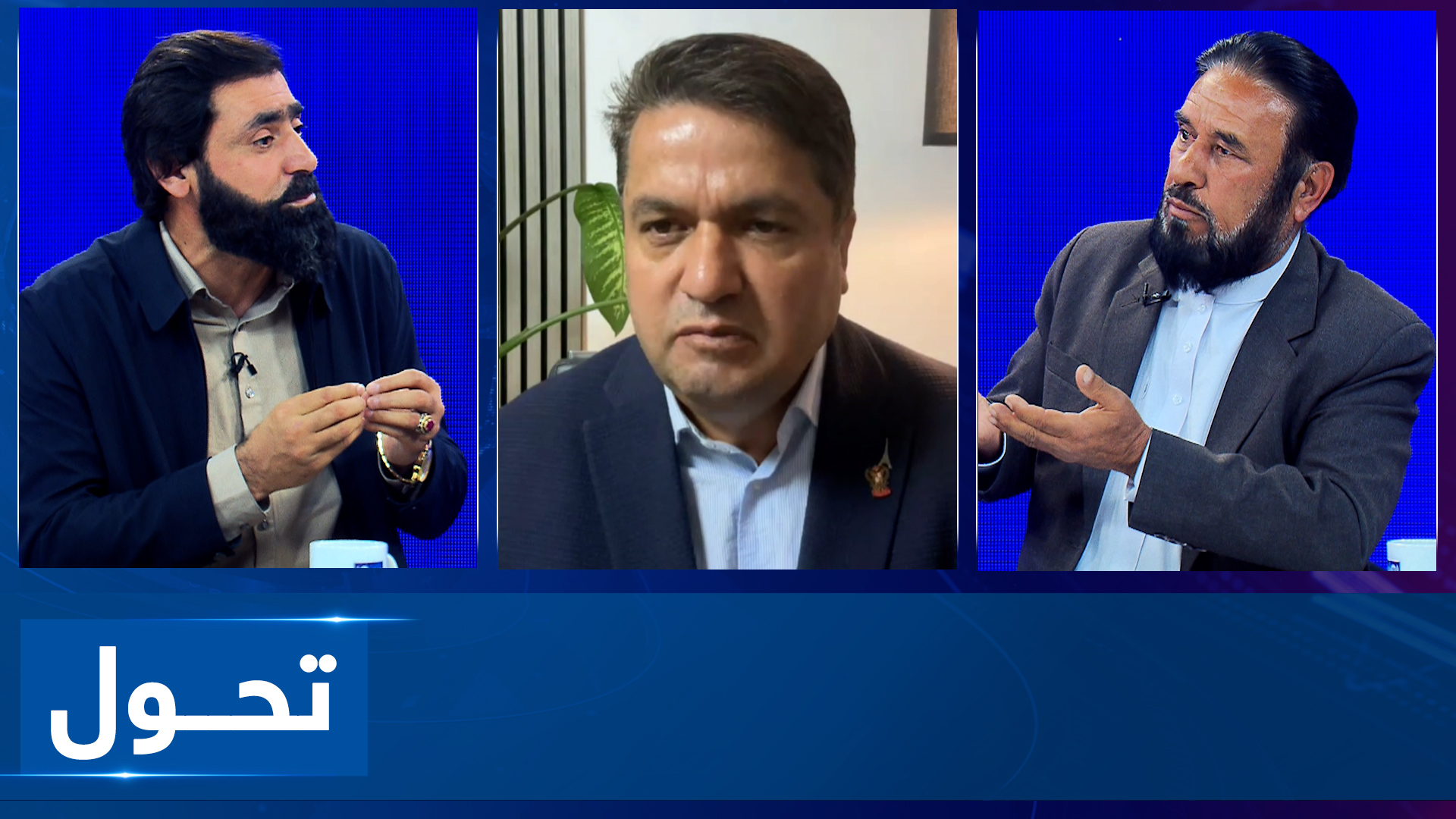
Tahawol: High-level Russian delegation’s visit to Kabul discussed

Afghanistan finish runners-up after 6-0 defeat to Brazil in futsal final

Trump says US may strike Iran’s ‘Pickaxe Mountain’ nuclear facility

Afghan futsal coach: Brazil tournament is first step towards new goals and World Cup

Rubio heads to Central Asia while other US officials hit foreign policy hot spots

Violent protests spread across Europe as Albanian PM blames ‘foreign hand’
Tahawol: High-level Russian delegation’s visit to Kabul discussed
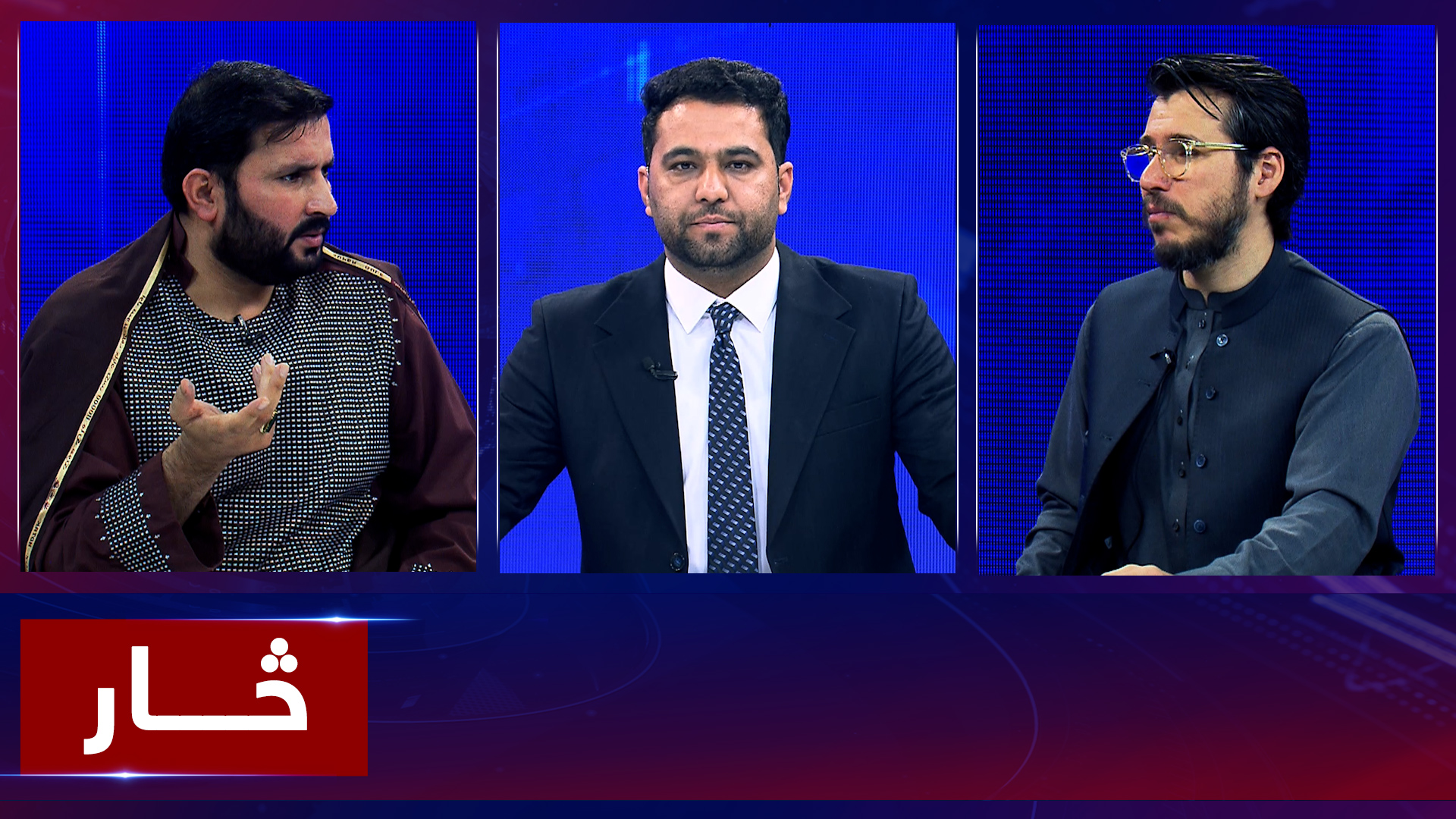
Saar: Afghanistan’s situation in focus at CSTO discussed
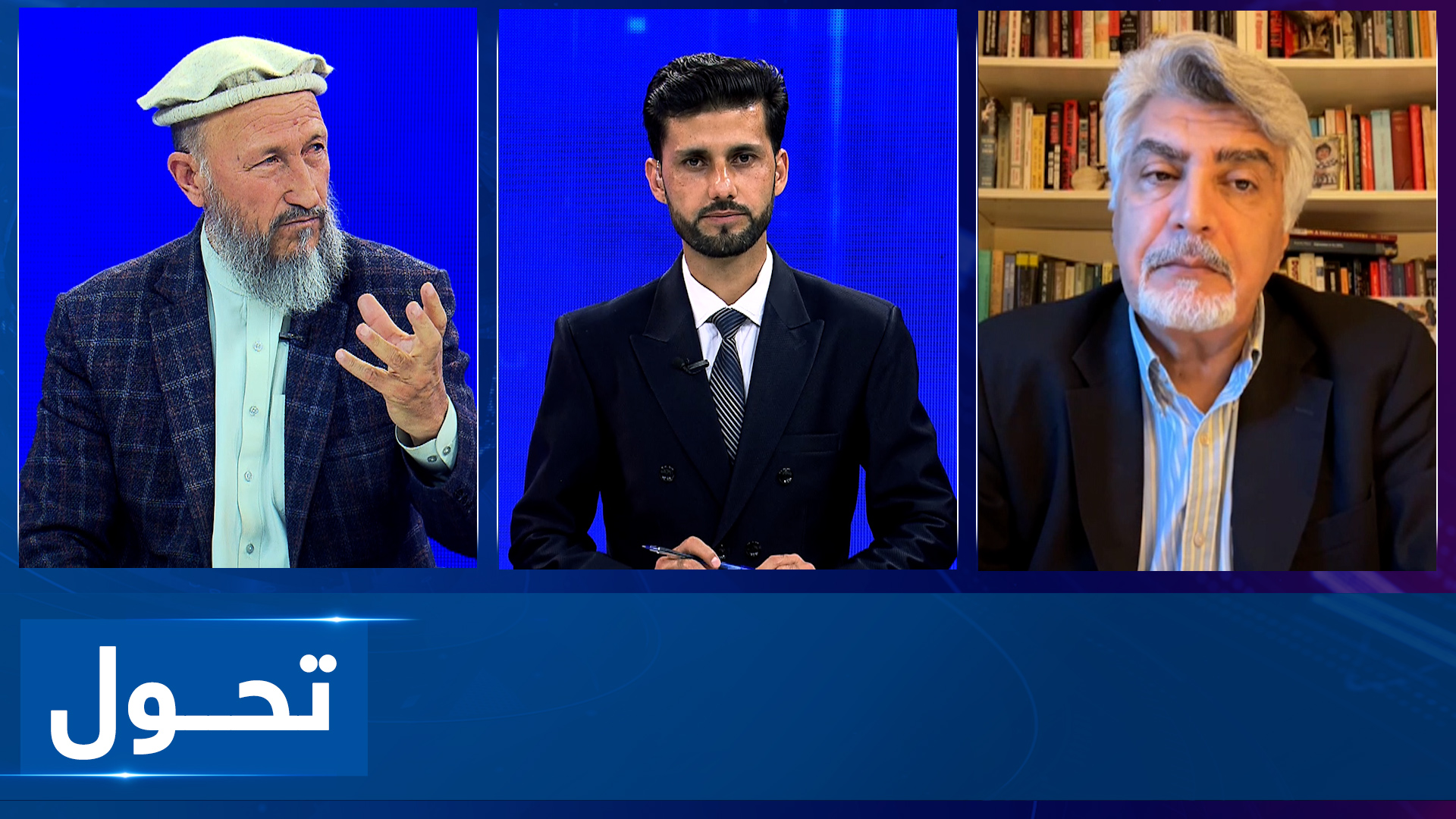
Tahawol: Efforts to halt deportation of Afghan refugees from US discussed
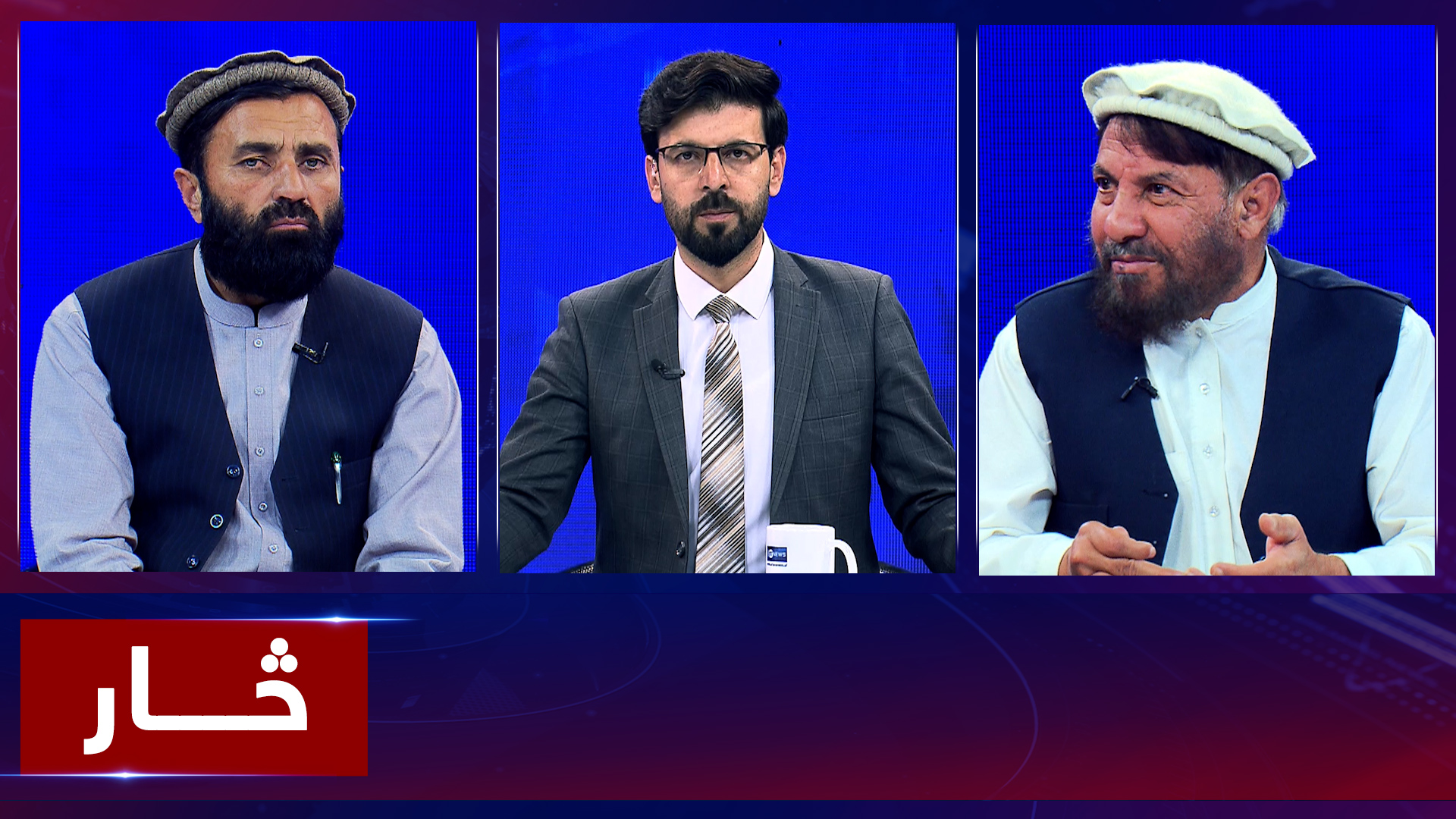
Saar: Russia’s stance on Afghanistan discussed

Trump says further US attacks on Iran ‘highly unlikely’ as peace talks gain momentum
-
 World4 days ago
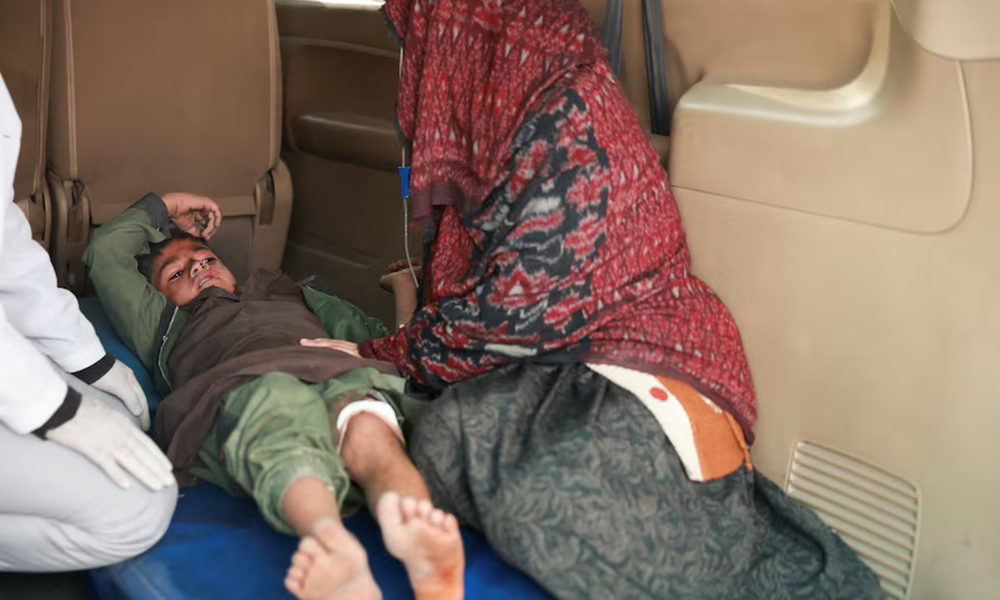
Houthi-run health ministry says airstrikes kill 33 near Yemen capital
-
 Sport4 days ago
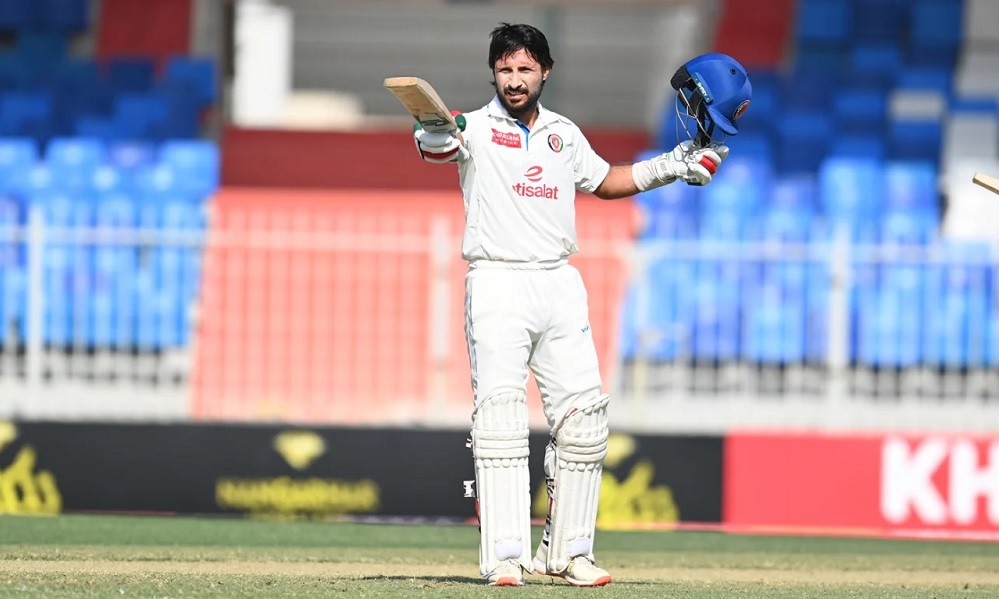
Afghanistan’s record partnership highlights fourth day of Test against Zimbabwe
-
 Sport3 days ago
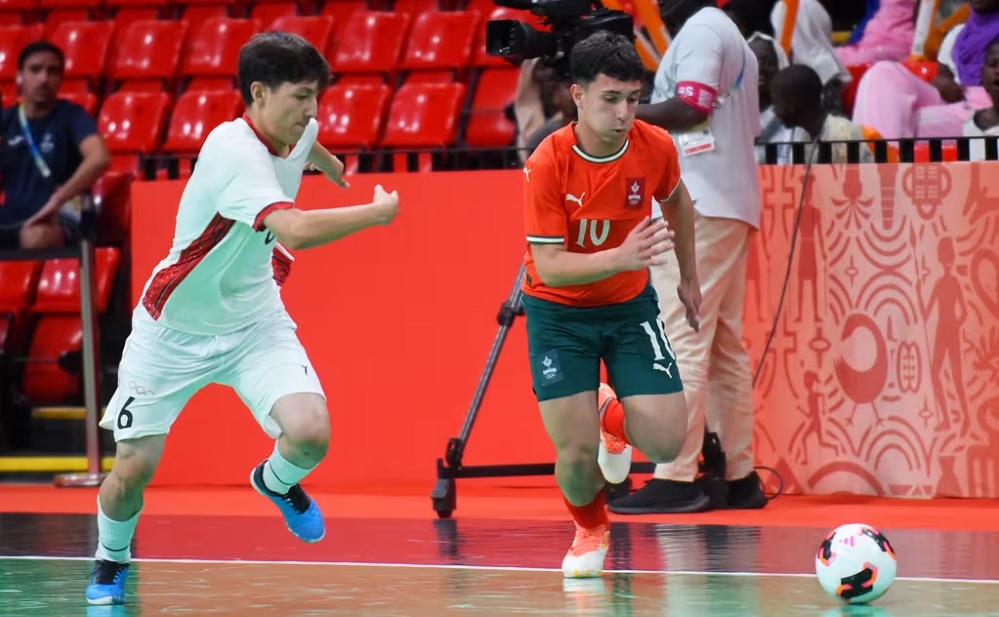
Portugal beat Afghanistan 2-0 in Dakar Youth Olympics futsal semi-finals
-
 Sport5 days ago
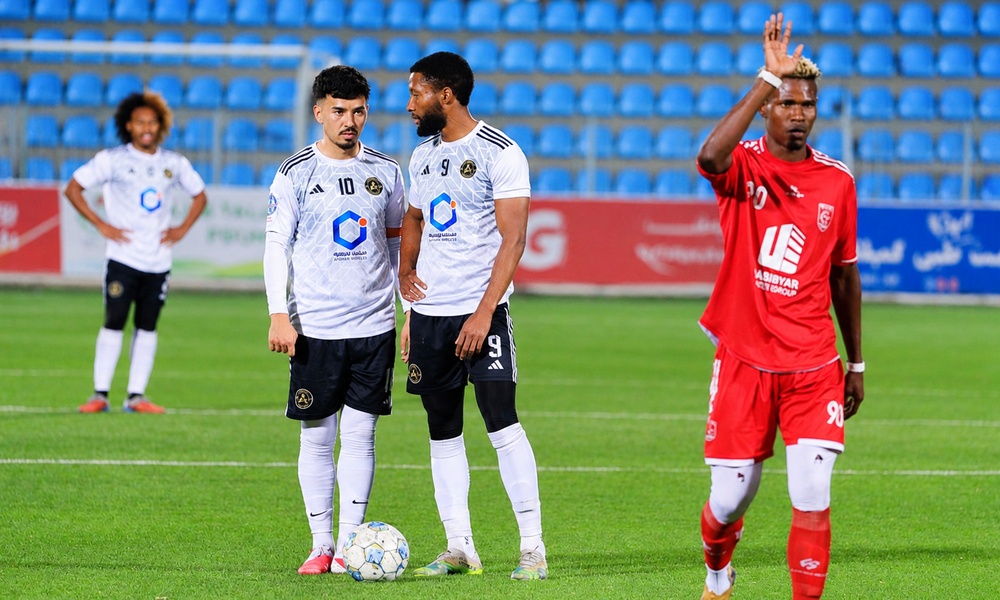
Toofan Herat defeat Arman FC 2–0 in Afghanistan Champions League
-
 Sport4 days ago
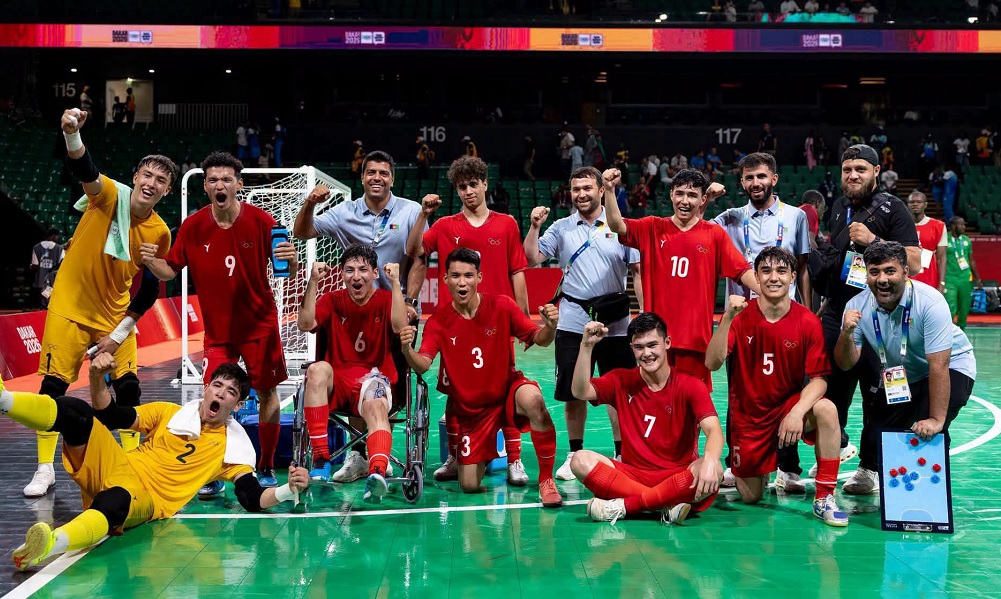
Afghanistan thrash Senegal 6-0 to reach Dakar Youth Olympics futsal semi-finals
-
 Regional4 days ago
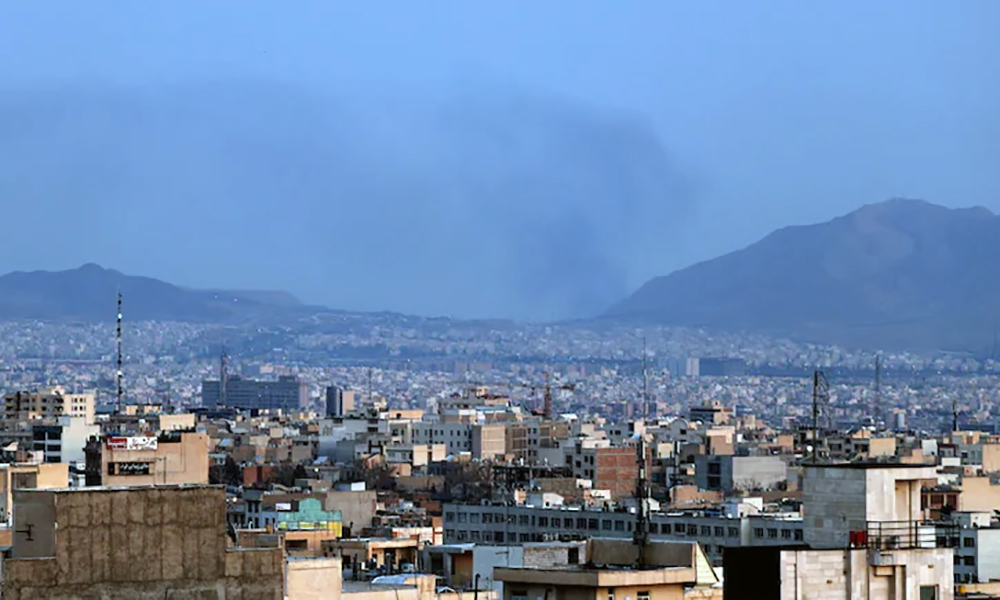
Explosions heard in areas in southern Iran, Iranian media report
-
 World3 days ago
First Muslim US senator-elect El-Sayed calls for review of aid to Pakistan
-
 Regional3 days ago
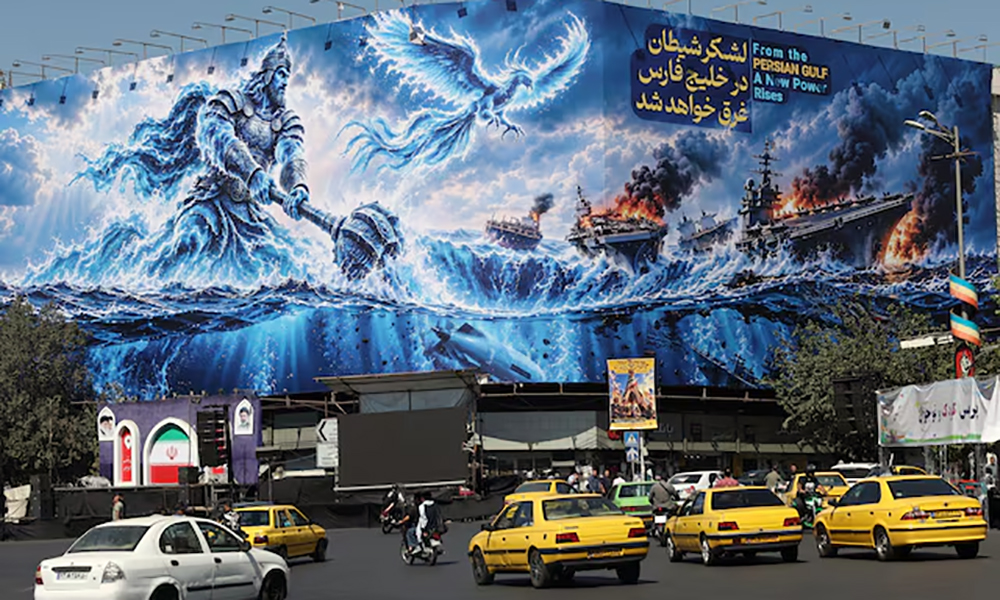
Iran defends two-day proposal for peace talks after US rejects conditions