
Latest News
Geopolitical interests, not 9/11, drove US war in Afghanistan: Balkhi
He said the Islamic Emirate does not seek conflict with any country and wants Afghanistan’s independence and sovereignty to be respected.

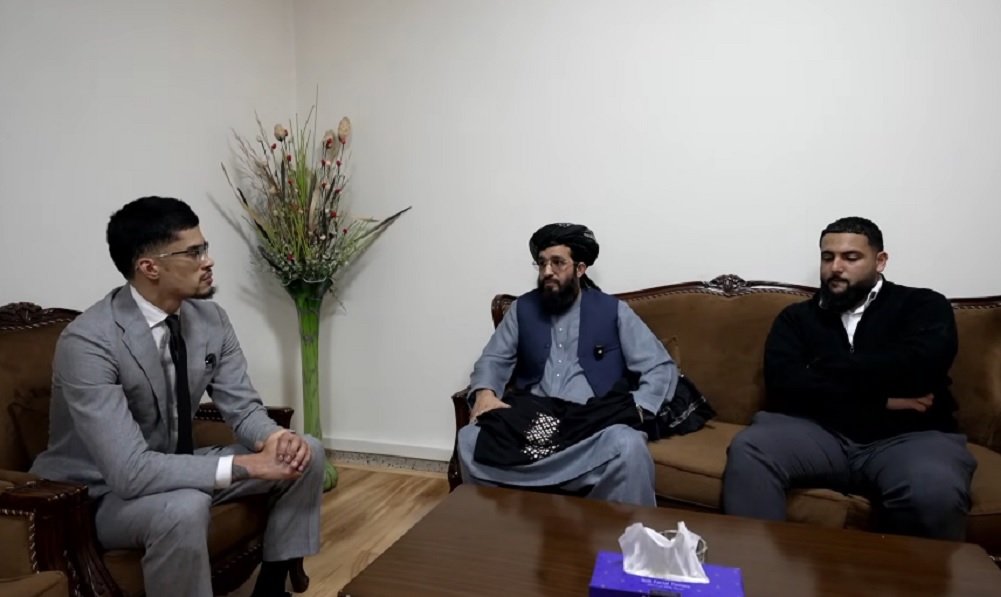
Abdul Qahar Balkhi, spokesperson for the Ministry of Foreign Affairs of the Islamic Emirate of Afghanistan (IEA), has said the US-led war in Afghanistan was not primarily driven by the September 11, 2001 attacks, but by broader geopolitical and strategic interests.
Speaking in an interview with American social media personality Sneako, Balkhi described the intervention as a geopolitical move, arguing that Afghanistan’s strategic location made it important to Washington following the collapse of the Soviet Union.
He said the United States, having emerged as the world’s sole superpower, sought to expand its global influence, while Afghanistan’s position between China, Russia, Central Asia, South Asia and Iran made it a strategic location for establishing a foothold in the region.
“Whatever the official justifications, that’s what the geopolitical reality of the time was,” Balkhi said, adding that the intervention was driven by the interests of the US establishment.
He also challenged what he described as one of the biggest misconceptions about the war: that it was fought in response to the 9/11 attacks.
Referring to conversations with former Marines, army officers and other Americans, Balkhi said some had come to believe they had been misled about the reasons for the intervention.
“[They said] we came to Afghanistan with the belief that you were responsible for 9/11. When we came here, saw the people and interacted with them, we understood that we had been fed lies and had fought on that basis. We regret what we did,” he said.
Balkhi rejected the suggestion that Afghanistan posed a threat to US territory or intended to take over other countries, saying the war had devastating consequences for Afghans, particularly in rural areas where villages were destroyed and many people lost their lives and property.
He said the US intervention had also damaged Washington’s reputation among Afghans, who had previously viewed the United States as a country supporting development and infrastructure.
Balkhi said Afghanistan’s priority now is economic reconstruction, development and maintaining peace at home and with neighboring countries. He called on Afghans living abroad to return and contribute to rebuilding the country, saying the primary responsibility for Afghanistan’s reconstruction rests with Afghans themselves.
He said the Islamic Emirate does not seek conflict with any country and wants Afghanistan’s independence and sovereignty to be respected.
“We do not seek animosity with anyone. We do not want to fight wars with anyone,” Balkhi said, adding that Afghans should be able to determine their own future and pursue development without outside interference.
Balkhi also warned about growing ideological and military polarization around the world. He pointed to the resurgence of far-right and ethnocentric ideologies, as well as anti-immigrant and anti-Muslim sentiment in parts of Europe and North America, saying these trends could contribute to rising tensions.
He added that such tensions could lead to higher prices, declining living standards and deeper social divisions, potentially putting even stable countries at risk of internal conflict.
Balkhi said that after decades of war, Afghanistan wants to stay away from further conflicts and focus instead on development and peaceful relations with the rest of the world.

Latest News
Sweden rejects asylum request of former Afghan ambassador, plans deportation to US: Le Monde
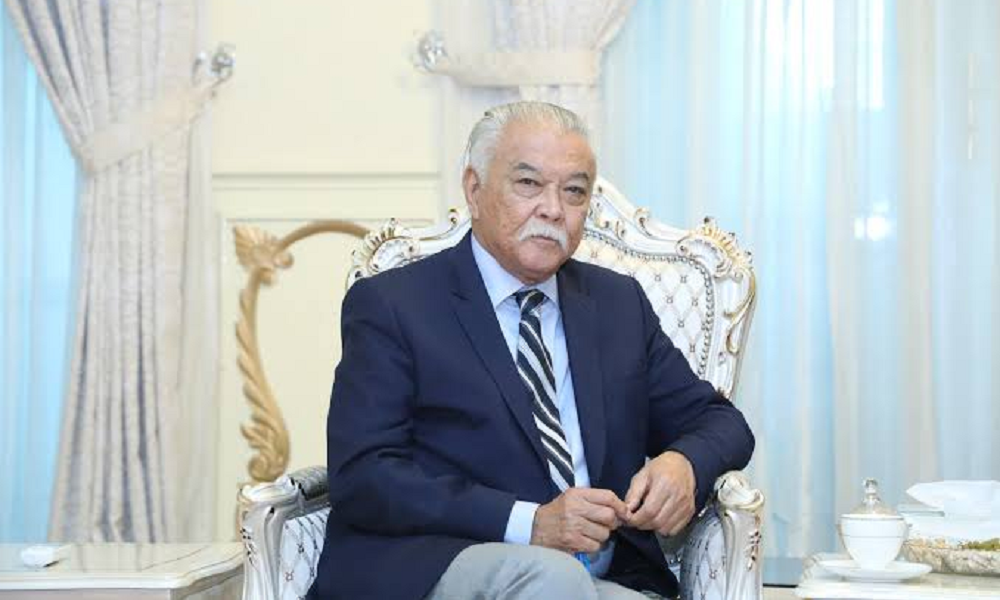
Sweden has rejected the asylum request of former Afghan ambassador Abbas Noyan and intends to deport him to the United States, where he lived for several years in the early 2000s, French newspaper Le Monde reported.
Noyan, 77, served as Afghanistan’s ambassador to Sweden from November 2019. He lost his diplomatic accreditation in late 2024 after the Islamic Emirate announced on July 31 that it would no longer recognise official documents issued by 14 Afghan diplomatic missions in Europe.
According to Le Monde, Noyan is currently living without valid residency documents with his wife in the southern Swedish city of Helsingborg and faces the possibility of deportation.
Noyan, a former businessman, served as a member of Afghanistan’s parliament from 2005 to 2010 before taking up his diplomatic post in Sweden.
Latest News
Afghanistan marks 80 years of UN membership amid ongoing dispute over representation
However, the Islamic Emirate has repeatedly called for Afghanistan’s UN seat to be handed over to its nominated representative.
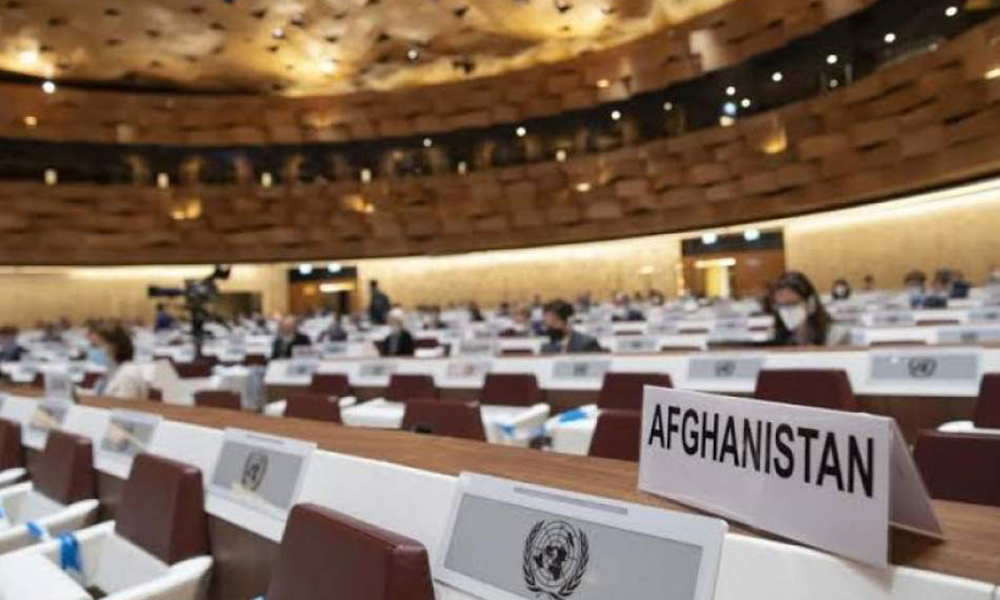
Afghanistan marked the 80th anniversary of its membership in the United Nations on Thursday, November 19, 2026, commemorating eight decades since it officially joined the international organization – about a year after its establishment.
Afghanistan was admitted to the United Nations on November 19, 1946. At the time, Abdul Hussain Aziz, Afghanistan’s representative in the United States, signed the country’s accession document. Mohammad Kabir Ludin is also recognized as Afghanistan’s first representative to the UN, having submitted his credentials during the country’s early years of membership.
Over the past eight decades, Afghanistan has maintained its membership despite major political changes, including the end of the monarchy, the Soviet invasion, years of civil war, two periods of Islamic Emirate rule, and the collapse of the former republic in August 2021.
Throughout this period, Afghan diplomats have participated in international discussions on peace, security, development and human rights. Among the country’s prominent diplomats was Abdul Rahman Pazhwak, who served as Afghanistan’s permanent representative to the UN from 1958 to 1979. In 1966, he was elected president of the 21st session of the UN General Assembly.
In 2019, Adela Raz became the first Afghan woman to serve as Afghanistan’s permanent representative to the United Nations in New York. Soraya Dalil also served as Afghanistan’s permanent representative in Geneva from 2015 to 2019.
Following the political changes in August 2021, Afghanistan’s representation at the United Nations entered a new phase. Ghulam Mohammad Ishaqzai, the country’s then-permanent representative, initially remained in his position after the former government collapsed. In December 2021, Nasir Ahmad Faiq took over as chargé d’affaires of Afghanistan’s permanent mission in New York. Nasir Ahmad Andisha has also continued representing Afghanistan in Geneva.
However, the Islamic Emirate has repeatedly called for Afghanistan’s UN seat to be handed over to its nominated representative. The UN General Assembly’s Credentials Committee has yet to make a final decision on the competing credentials, leaving representatives appointed under the former government in place.
Meanwhile, Afghanistan’s voting rights in the UN General Assembly have been suspended since 2024 because of unpaid annual membership contributions. The country’s current mission does not have access to funds controlled by the Islamic Emirate, while the outstanding membership payments remain unresolved.
Despite the dispute over political representation, the United Nations and its agencies continue to operate in Afghanistan, working in areas including humanitarian assistance, healthcare, education, development, human rights and the coordination of international aid.
The UN Assistance Mission in Afghanistan (UNAMA), established in 2002, also continues its work in political engagement, human rights monitoring and coordination with international partners.
Eighty years after joining the United Nations, Afghanistan remains a member of the organization. However, the question of who represents the country under the current administration, alongside the suspension of its voting rights, remains among the unresolved issues in Afghanistan’s relations with the international body.

The Islamic Emirate of Afghanistan (IEA) has rejected United Nations concerns over the growing capabilities of Daesh in Afghanistan, describing the concerns as based on inaccurate information.
IEA spokesperson Zabihullah Mujahid said Afghanistan has strong security forces capable of preventing foreign groups from expanding their activities in the country or threatening the security of Afghanistan and other countries.
His remarks came after Alexander Zuev, the UN Acting Under-Secretary-General for Counter-Terrorism, told Russia’s TASS news agency that Daesh Khorasan was rebuilding its operational capabilities and possess modern tactical equipment, including unmanned aerial vehicles (UAVs).
Zuev said the group was seeking to carry out operations both inside Afghanistan and beyond its borders, adding that the development posed a challenge requiring collective attention.

Geopolitical interests, not 9/11, drove US war in Afghanistan: Balkhi
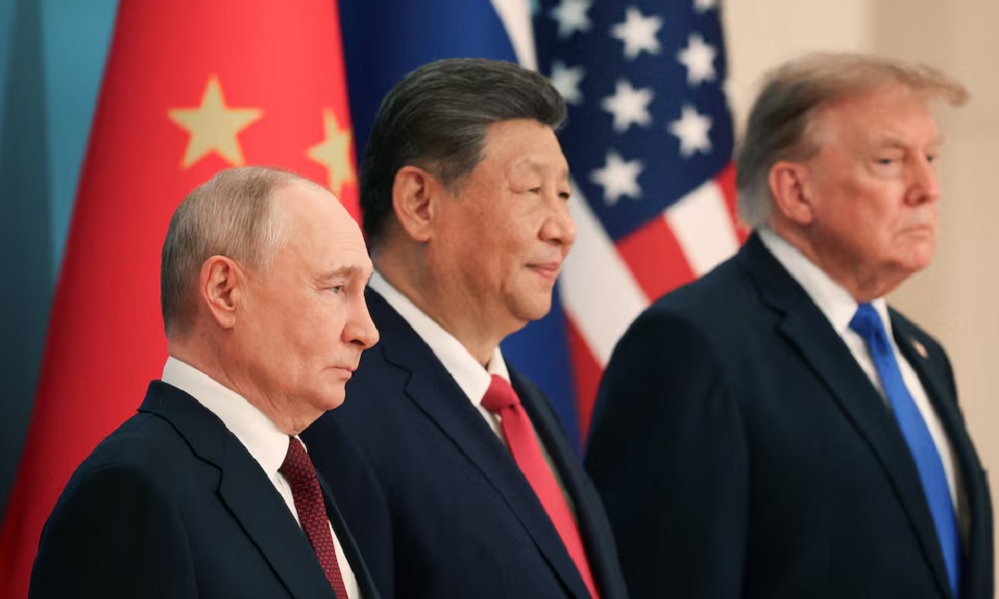
Trump, Xi and Putin release ‘peace declaration’ from unprecedented summit
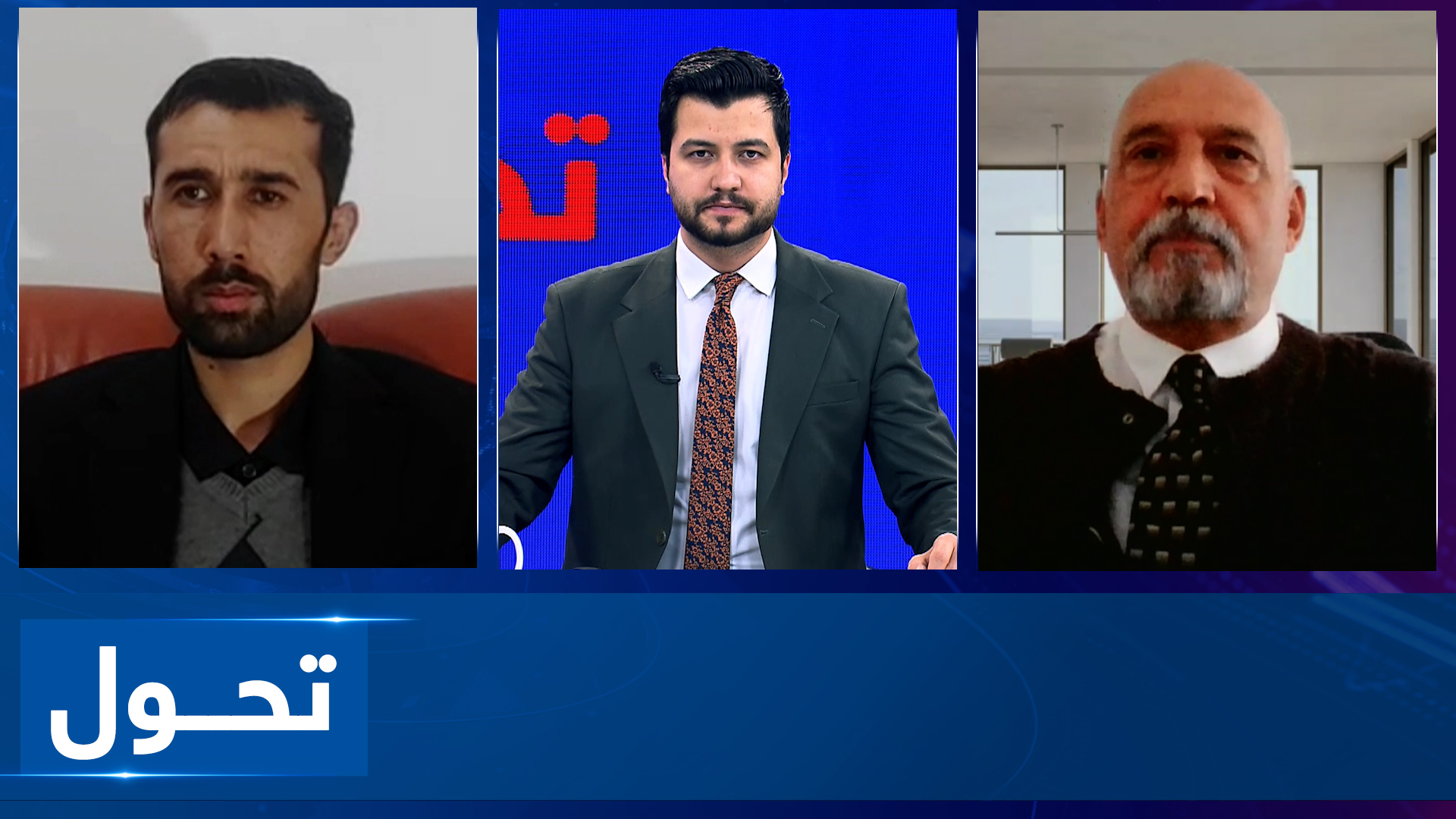
Tahawol: Kazakhstan’s call for practical international engagement with Afghanistan
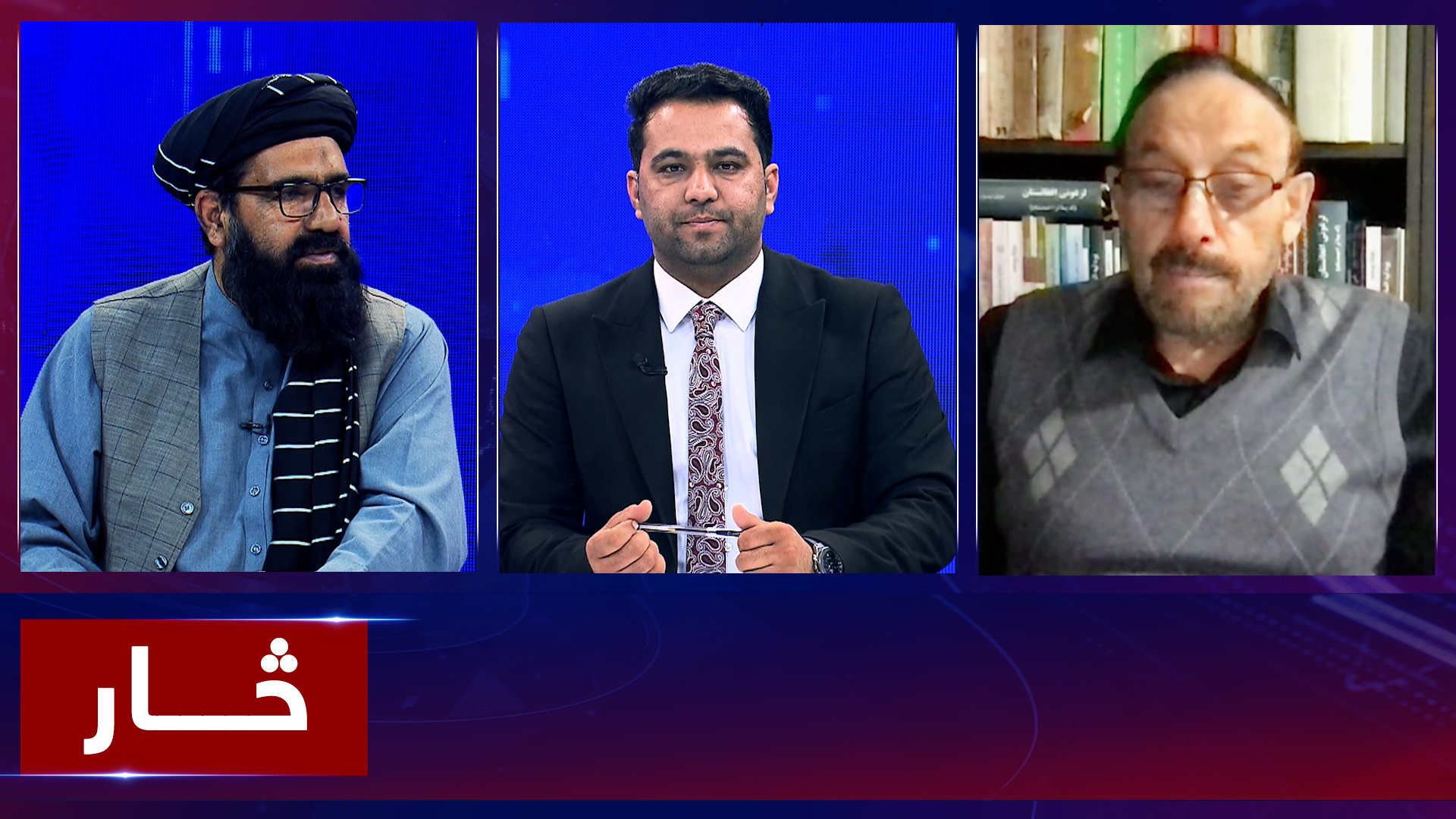
Saar: Afghanistan and UN: 80 years of diplomatic relations discussed
Sweden rejects asylum request of former Afghan ambassador, plans deportation to US: Le Monde

Governments take websites offline as critical cyber flaws trigger global alert

Afghanistan’s new Wakhan road to China faces major hurdles
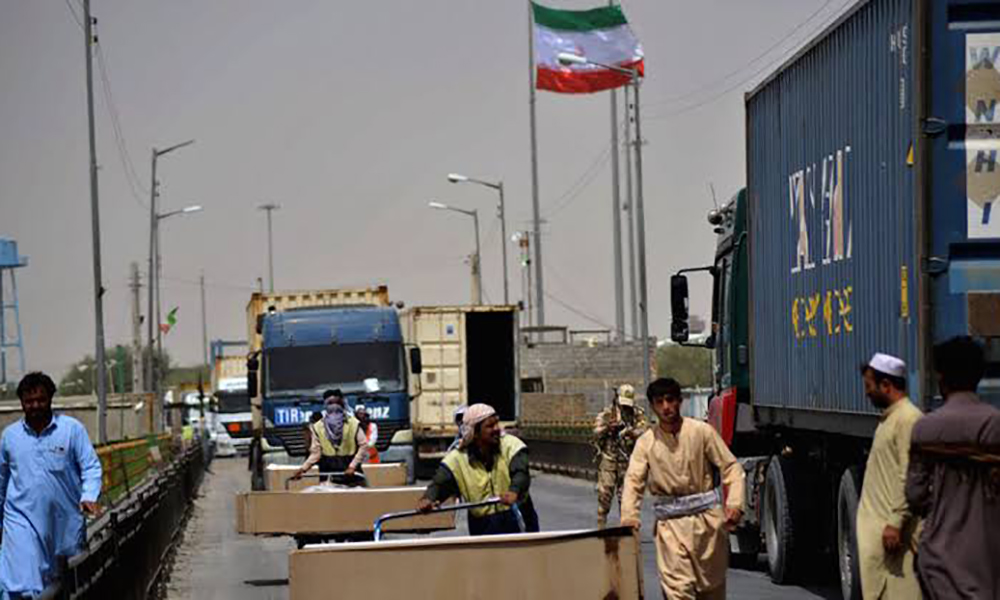
US sanctions and blockade measures disrupt Iran’s trade with Afghanistan and regional neighbors

Pakistan exporters suffer billions in losses as Afghanistan trade halt continues
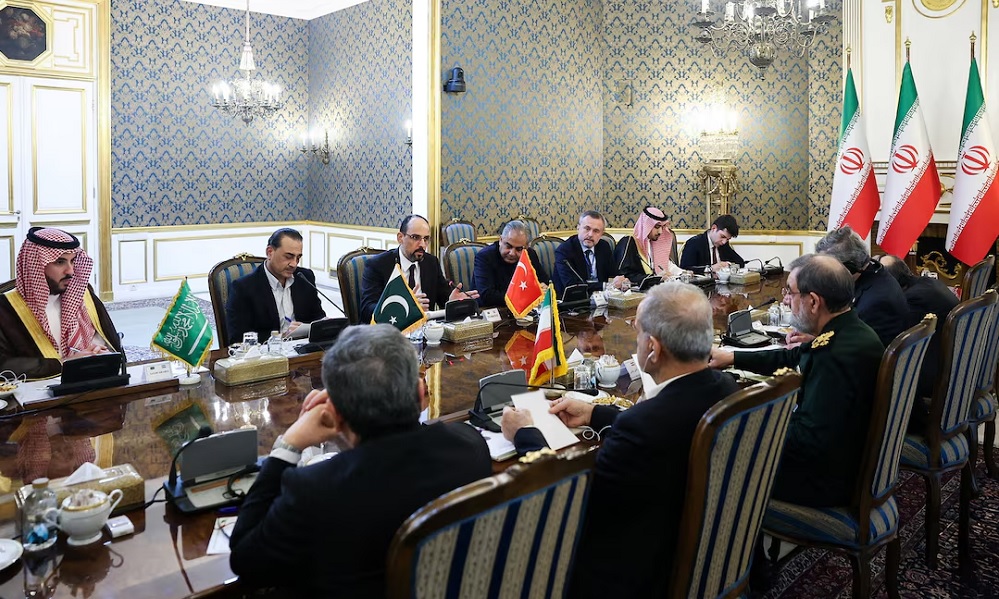
Saudi defence pact countries push for peace in Tehran as Houthis launch more attacks
Tahawol: Kazakhstan’s call for practical international engagement with Afghanistan
Saar: Afghanistan and UN: 80 years of diplomatic relations discussed
Tahawol: Qatar-UK consultations on Afghanistan discussed
Saar: Efforts to deliver urgent humanitarian aid to needy Afghans
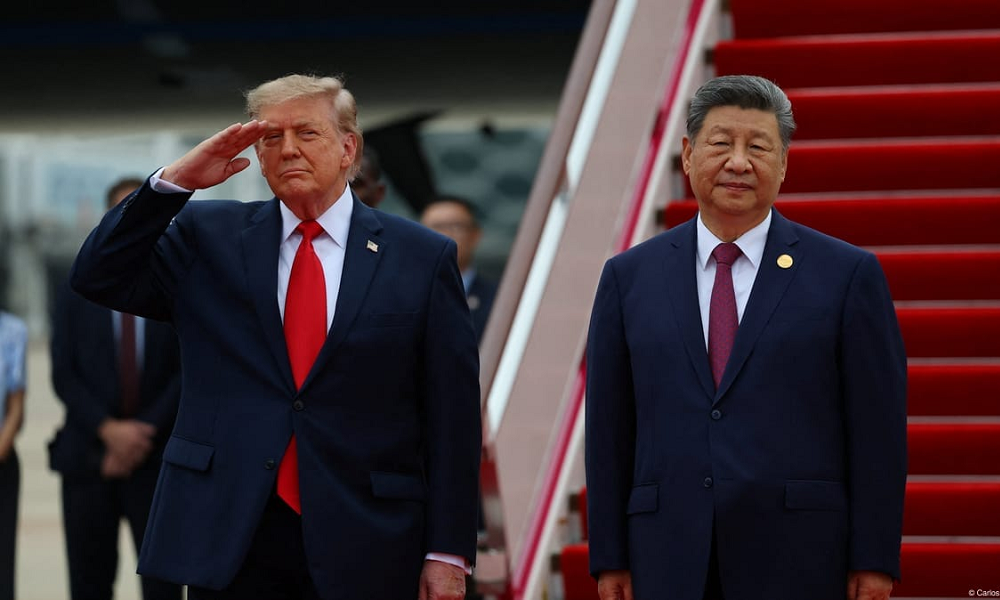
Xi welcomes Trump to China ahead of highly anticipated summit with Putin
-
 Sport5 days ago
ILT20 teams required to field at least two UAE and Afghanistan players in Season 5
-
 Sport5 days ago
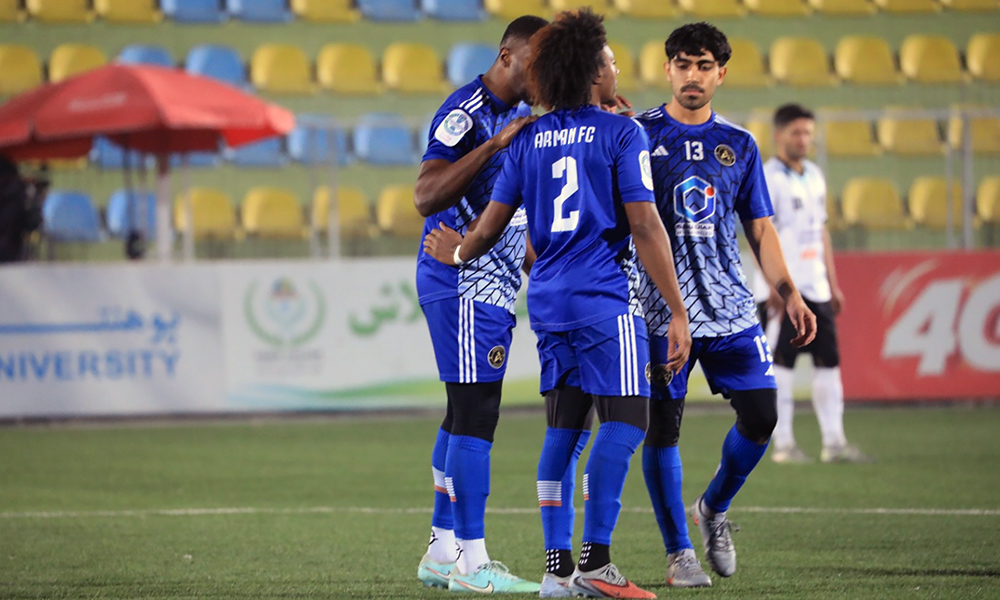
Arman FC cruise to 5-0 victory over Istiqlal Kabul in ACL match
-
 Latest News5 days ago
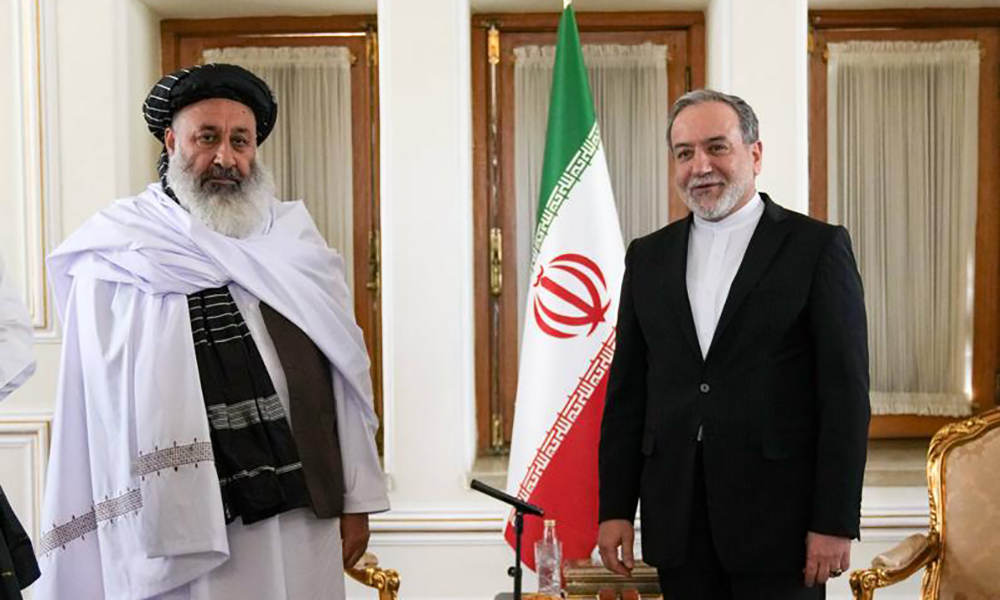
Afghanistan and Iran agree to expand trade cooperation and upgrade border infrastructure
-
 Sport4 days ago
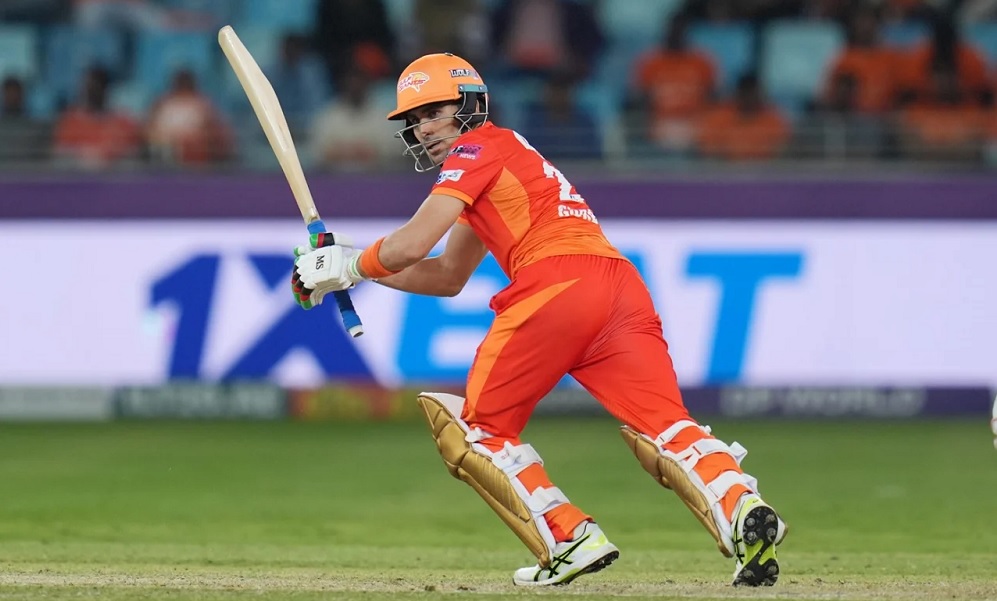
25 Afghan cricketers secure contracts for ILT20 Season 5
-
 Latest News5 days ago
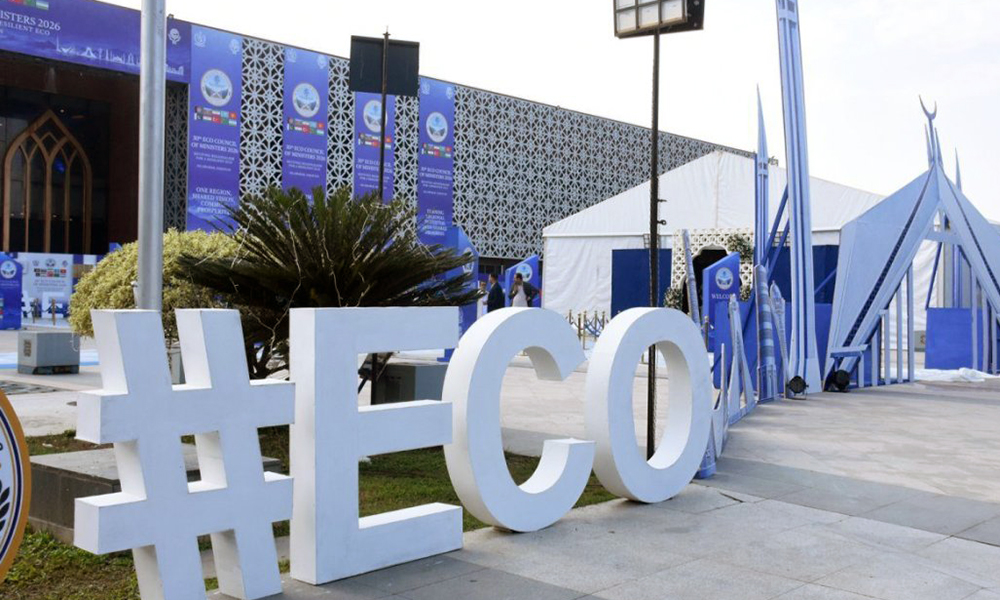
Afghanistan’s absence from ECO foreign ministers’ meeting raises questions
-
 Sport2 days ago
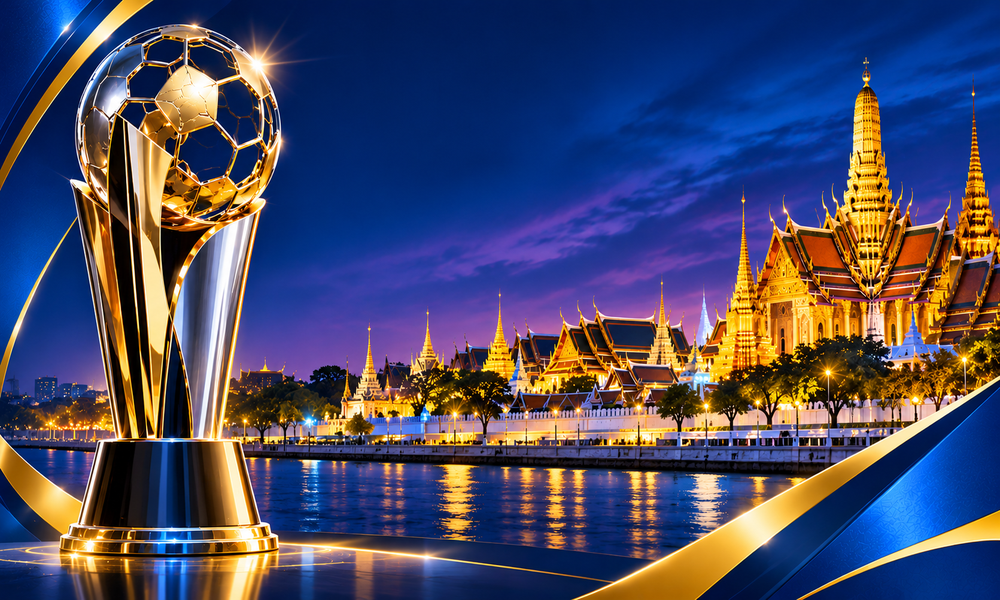
ATN to broadcast AFC Awards honoring Asia’s football stars
-
 Sport4 days ago
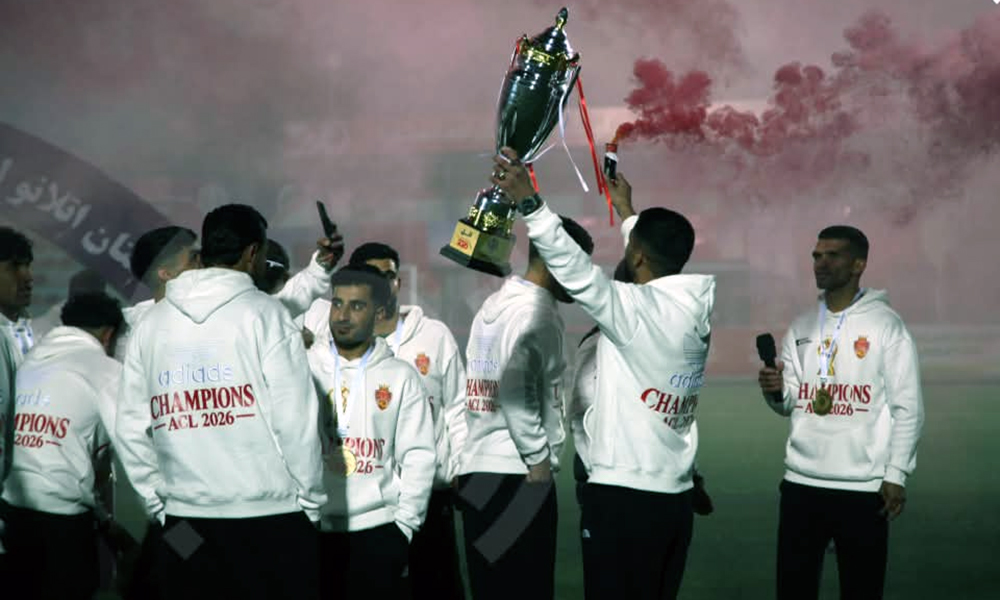
Sorkh Poshan Khafi crowned ACL champions after unbeaten campaign
-
 Tahawol5 days ago
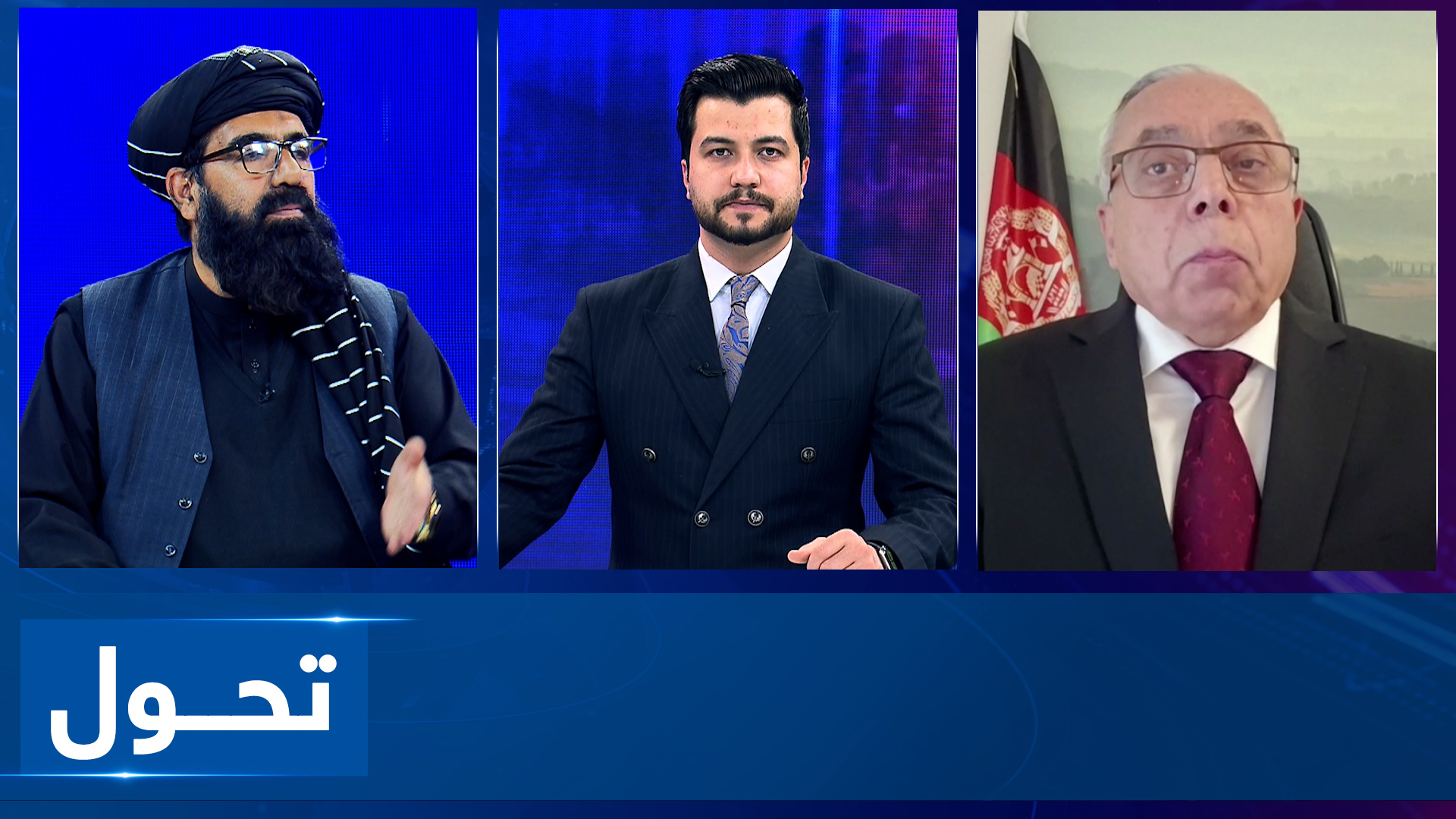
Tahawol: UK seeks to ease Kabul–Islamabad tensions