
Health
Health ministry reports 15,000 cases of black jaundice in Afghanistan in past year
In 2010, the World Health Organization named the 28th of July as the World Anti-Jaundice Day. This organization stated that the purpose of naming this day is to fight black jaundice disease and control it.

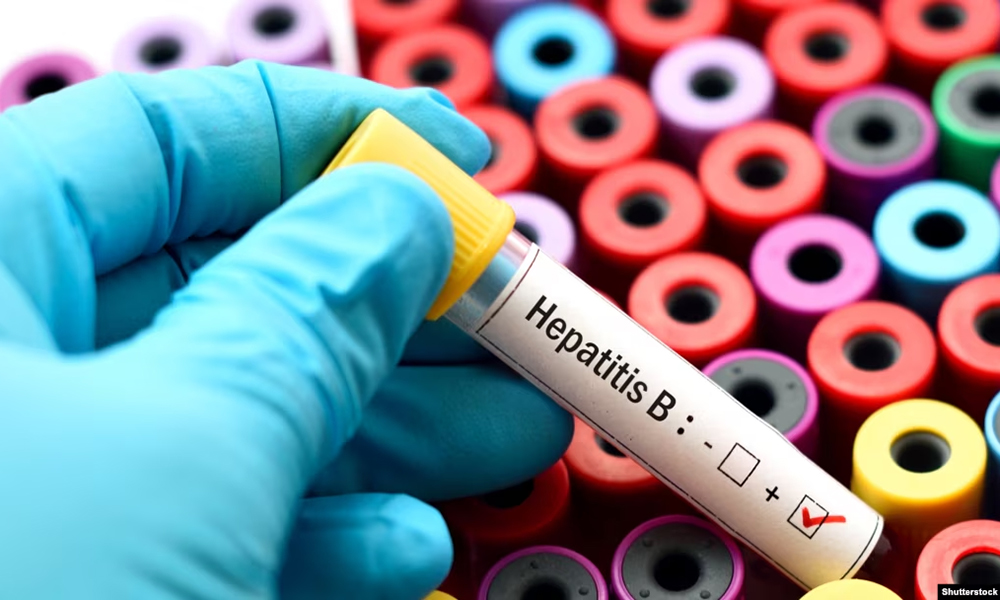
Officials from the ministry of health said Sunday they had recorded 15,000 cases of black jaundice (Heidan disease) in Afghanistan in the past year.
Marking World Anti-Jaundice Day the Ministry of Public Health said records show that in the past 10 years, over 100,000 people have contracted the disease. They say they need international agencies to cooperate with them on dealing with the disease.
World Health Organization (WHO) meanwhile reported that 300 million people worldwide are infected with this virus, and that two million are infected with this virus every year.
They say that they are collaborating with Afghanistan to fight, diagnose and treat, and they have plans to raise the level of public awareness.
Officials in the National AIDS and Hepatitis Control Program say that there are black jaundice diagnosis centers in fourteen provinces of the country, health services are available in eight provinces, and patients are treated in six provinces.
In 2010, the World Health Organization named the 28th of July as the World Anti-Jaundice Day. This organization stated that the purpose of naming this day is to fight black jaundice disease and control it.
This disease kills one million people worldwide every year.


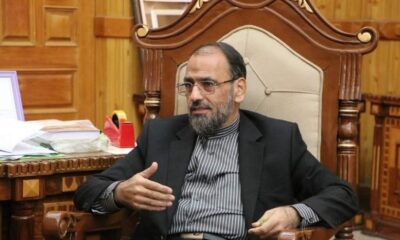
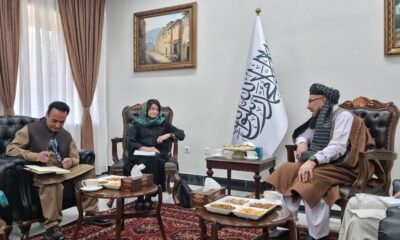



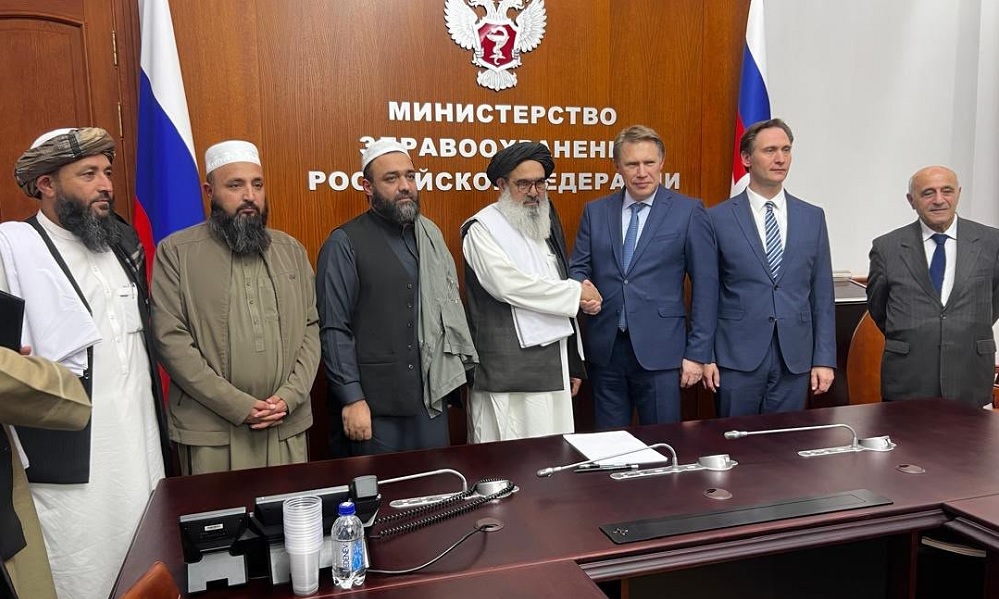
Noor Jalal Jalali, Minister of Public Health of Afghanistan, met with Russian Health Minister Mikhail Albertovich Murashko during his official visit to Russia.
The two sides discussed expanding long-term health cooperation between Afghanistan and Russia, including medicines, vaccines, medical equipment, health-worker training and the transfer of modern medical technologies, Afghanistan’s Public Health Ministry said in a statement.
Jalali briefed his Russian counterpart on the needs and priorities of Afghanistan’s health sector and called for greater Russian cooperation to improve the quality of health services, strengthen the professional capacity of health workers and develop modern medical facilities.
Murashko expressed Russia’s readiness to expand technical cooperation with Afghanistan and support efforts to strengthen the country’s health sector.
Health
Kandahar Red Crescent: More than 3,000 mental health patients treated in five years
Doctors said patients considered a serious danger to society are kept at the center on a permanent basis and receive regular treatment.
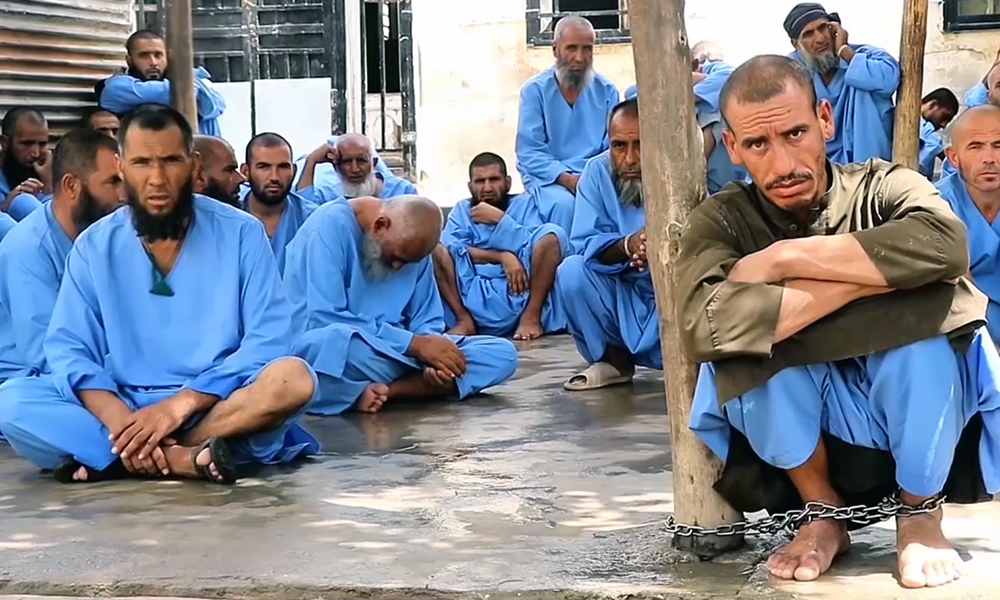
The Kandahar branch of the Afghan Red Crescent Society says more than 3,000 mental health patients, including men and women, have received treatment at home across southern Afghanistan over the past five years.
Officials said 405 patients were also treated at the Afghan Red Crescent’s mental health treatment center in Kandahar and returned to their homes. The center is the only facility in southern Afghanistan providing treatment to mental health patients from the region.
According to officials, during the past five years, 1,936 male and 1,331 female mental health patients received treatment at their homes.
Currently, 158 patients, including men and women who pose a risk to themselves or others, are being kept and treated at the center, while treatment for another 804 patients is continuing at their homes.
Doctors said patients considered a serious danger to society are kept at the center on a permanent basis and receive regular treatment.
Meanwhile, some patients who were previously brought to the center in poor condition are now recovering and have expressed satisfaction with the services they have received.
The development comes as officials from the Red Crescent’s southern regional branch say mental health problems linked to poverty and family difficulties are increasing.
Despite the challenges, they said efforts are underway to expand mental health services so that more patients can receive treatment.
Health
Health minister visits Belarus to expand medical cooperation
Belarusian Deputy Health Minister welcomed Jalali and his delegation, describing the visit as an important step toward strengthening health cooperation between Afghanistan and Belarus.
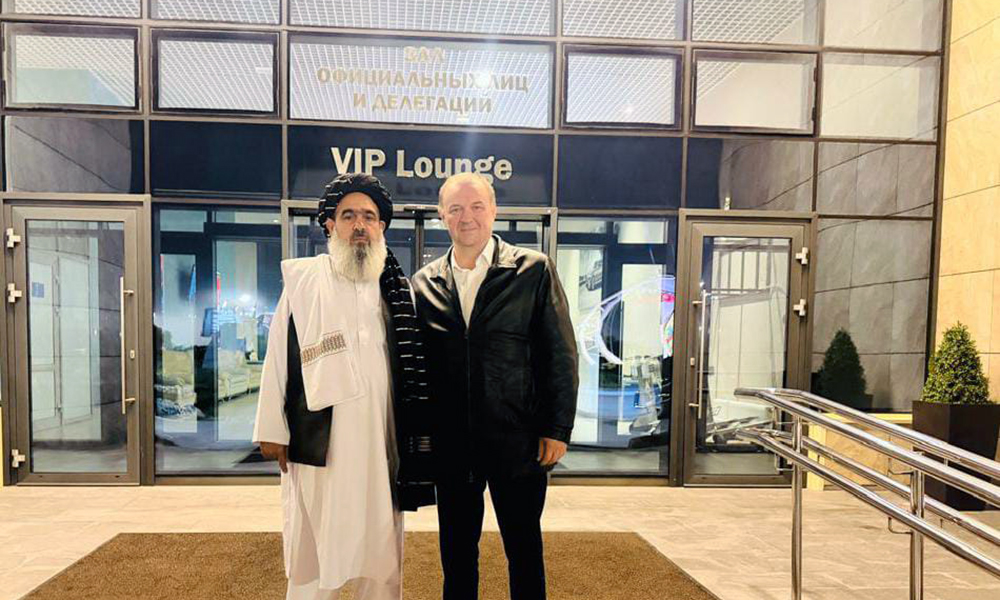
Afghanistan’s Minister of Public Health, Noor Jalal Jalali, has travelled to Belarus at the head of a delegation to strengthen health cooperation and exchange medical expertise between the two countries.
According to Afghanistan’s Ministry of Public Health, the visit will focus on expanding bilateral cooperation, reviewing Belarus’s healthcare institutions and sharing experience in medical services and specialized healthcare.
Belarusian Deputy Health Minister Barys Andrasyuk welcomed Jalali and his delegation, describing the visit as an important step toward strengthening health cooperation between Afghanistan and Belarus.
During the visit, Jalali is expected to meet with senior officials at Belarus’s Ministry of Health and visit several medical and research institutions, including the Belarusian State Medical University, a state pharmaceutical production company, specialized cardiac and oncology centers, the Republican Centre for Hygiene and Epidemiology, and an emergency clinical hospital.
The two sides are also expected to discuss cooperation in medical education, healthcare services, pharmaceutical production and specialized treatment, as well as opportunities to expand technical exchanges.
The visit comes as Afghanistan seeks to expand international cooperation in the health sector and improve access to medical expertise, training and pharmaceutical resources.


Trump picks John Coale as special presidential envoy for hostage affairs

Iranian envoy says Afghanistan and Iran face common opportunities and threats

UN political affairs chief meets Afghan urban development deputy minister in Kabul

Afghanistan U19 to face Bangladesh, Oman in Youth ODIs

Yemeni government launches offensive to seize all areas from Iran-backed Houthis

Saudi energy group signs major Afghanistan deals covering gas exploration and pipeline plans

Khalilzad: Afghanistan ready to attract major investment

Messi returns to Inter Miami after Argentina retirement

Imam Abu Hanifa exhibition to draw exhibitors from more than 20 countries

Maryam Nawaz says Punjab faces greater security threats from neighbouring provinces

Tahawol: Doha process seeks new cooperation opportunities

Saar: Moscow forum 8th consultative meeting on Afghanistan

Tahawol: Escalation of internal political crisis in Pakistan discussed

Saar: Continuation of crisis in the Middle East discussed

Tawsia: Review of three key economic developments in Afghanistan
-
 Latest News4 days ago
Four members of one family killed in Helmand in Pakistan airstrike
-

 Sport3 days ago
ACB announces Afghanistan squads for Bangladesh, Zimbabwe series
-
 Latest News4 days ago
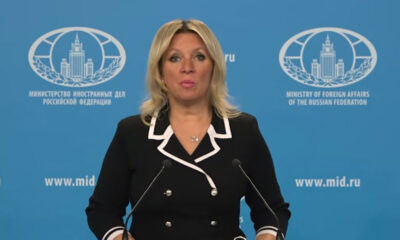
Moscow to host 8th meeting of Afghanistan consultations on October 5
-
 Latest News3 days ago
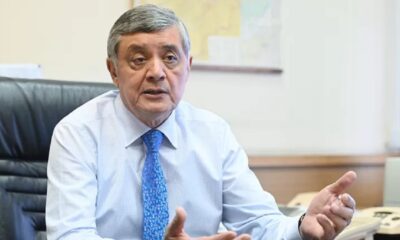
Russia expects to ease Afghanistan-Pakistan tensions at Moscow Format meeting
-

 Sport4 days ago
Rashid Khan, Azmatullah Omarzai maintain top spots in ICC ODI rankings
-

 International Sports3 days ago
Afghanistan to face Pakistan, India and Australia at 2027 Cricket World Cup
-
 Regional3 days ago
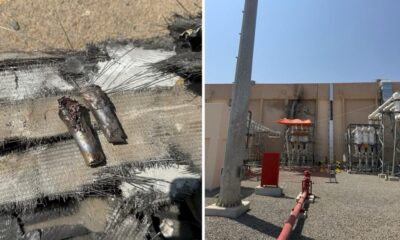
Saudi-led coalition says Houthis attacked power station for Prophet’s Mosque in Medina
-
 Latest News5 days ago
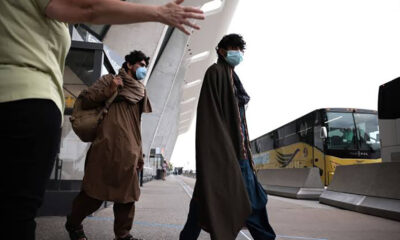
DHS review finds errors in 40% of Biden-era Afghan asylum files