
Regional
Houthis warn airlines to avoid Saudi airports after deadly Riyadh attack
Saudi authorities said the 12 people killed in Saturday’s attack included four Saudi nationals, two Bangladeshi nationals and one citizen each from the US, Jordan, Palestine, Syria, Sudan and Egypt.

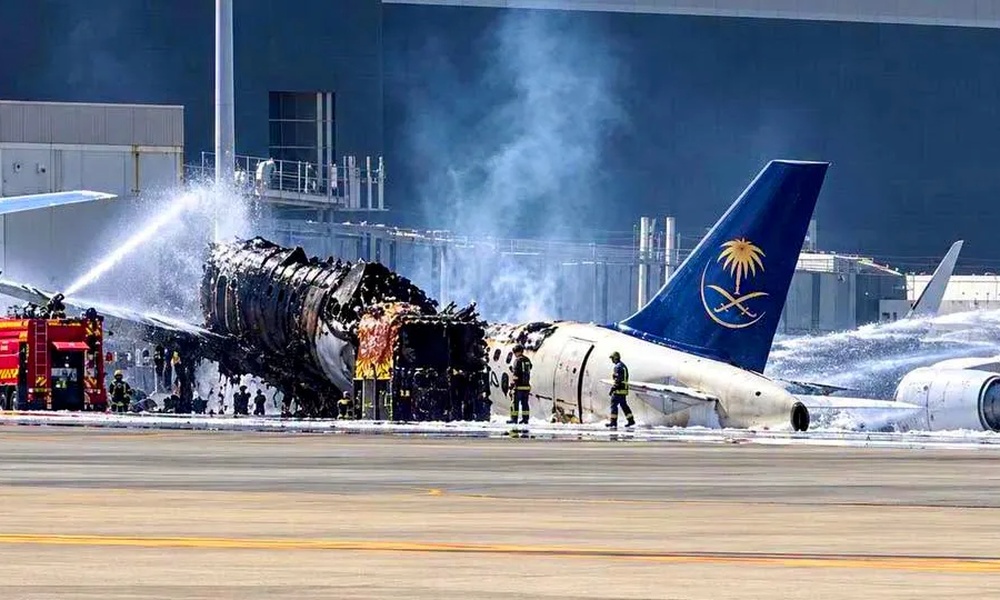
Yemen’s Houthi movement has warned airlines and passengers against using Saudi Arabia’s airports and airspace, declaring them potential targets following a deadly attack on Riyadh’s King Khalid International Airport that killed 12 people and injured more than 300.
In a statement issued on Sunday, Houthi military spokesman Yahya Saree reiterated the group’s warning to airline companies, saying Saudi airports and airspace could be targeted in further military operations.
The warning excluded the holy cities of Mecca and Medina. Saree urged airlines and passengers to take the threat seriously, while blaming Saudi Arabia for what he described as unsuccessful interception attempts.
The statement did not directly claim responsibility for Saturday’s attack. However, the Iran-backed group had previously said it was behind separate strikes on the same airport on Thursday, which killed three people and damaged an aircraft.
Saudi authorities said the 12 people killed in Saturday’s attack included four Saudi nationals, two Bangladeshi nationals and one citizen each from the United States, Jordan, Palestine, Syria, Sudan and Egypt.
The attack has raised serious concerns about the security of Saudi Arabia’s critical infrastructure and the potential for the widening regional conflict to disrupt international aviation.
Eyewitnesses described scenes of panic at the airport, with passengers fleeing as smoke rose above the terminal. Video footage showed smoke billowing over the facility following the strike.
The incident is being described as the deadliest single attack on a Gulf Arab state since the war involving Israel, the United States and Iran began in February.
The Houthis have intensified their attacks on Saudi targets in recent weeks, threatening infrastructure vital to the kingdom’s economy. Saudi Arabia has responded with air strikes against Houthi positions in Yemen.
US President Donald Trump said Washington was considering joining Saudi Arabia in further military action against the group.
Asked whether the United States would participate in strikes, Trump said a decision had not yet been made, adding that his administration had only recently learned of the latest attack.
US Secretary of State Marco Rubio condemned the attacks and confirmed that an American citizen had been killed.
Britain has also condemned the strike. Defence Secretary Wes Streeting said the United Kingdom was already providing Saudi Arabia with air-to-air refuelling support and indicated that further assistance could potentially be considered. However, he stressed that Britain was not currently planning offensive military operations.
Streeting said the attack on a civilian target could not be justified under any circumstances, adding that there was no military solution to the wider conflict.
United Nations Secretary-General António Guterres expressed shock at the attack, describing it as a violation of international law. European Commission President Ursula von der Leyen also condemned the incident as a dangerous escalation and expressed solidarity with Saudi Arabia.
Pakistan, Egypt and Qatar joined the international condemnation, warning that the attack threatened regional stability and civilian safety.
Despite the violence, a major energy conference scheduled to take place in Riyadh near the airport was expected to proceed, with organisers confirming that the World Petroleum Congress would run from October 11 to 15.
The latest escalation comes amid growing fears that the wider conflict involving Iran, Israel and the United States could intensify further. With the Houthis continuing to threaten Saudi infrastructure, concerns are mounting over the security of regional air travel, energy facilities and key economic centres.


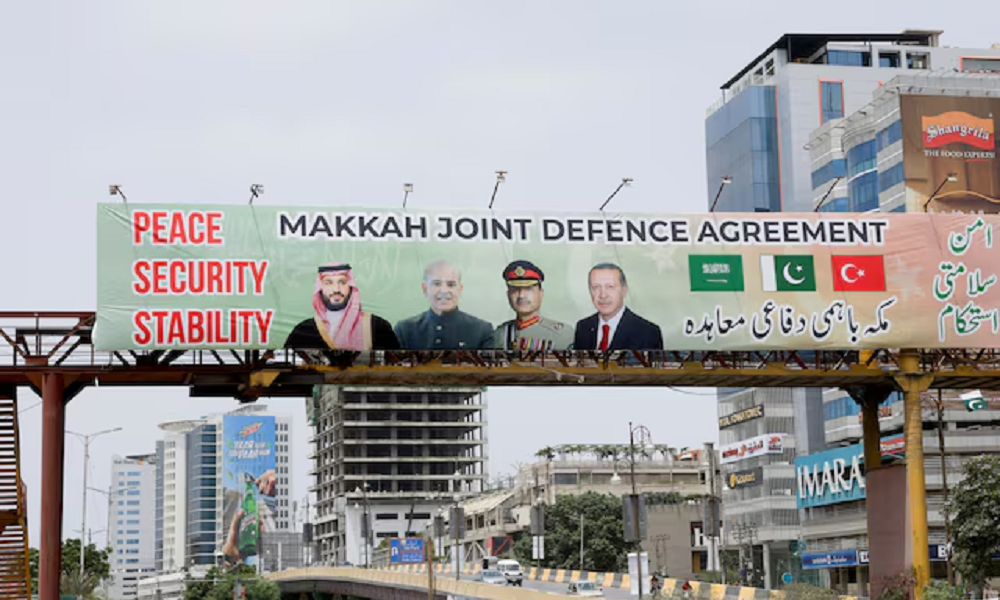
Pakistan, Saudi Arabia and Turkey will hold a meeting on their mutual defence agreement in Islamabad this week, two Pakistani sources said on Thursday.
Foreign ministers of Saudi Arabia and Turkey are arriving in Pakistan to attend the meeting, which will be held on Friday and Saturday, the sources told Reuters.
The three countries signed a joint defence agreement in Mecca in August amid escalating concerns about the increasingly aggressive US-Israeli war against Iran.
Turkey has NATO’s second-largest military. Saudi Arabia is home to Islam’s holiest sites and is also one of the world’s top oil exporters, while Pakistan is the only nuclear-armed Muslim country.
Regional
Five killed in Turkish military helicopter crash in western Turkiye
The helicopter crashed shortly after taking off from Eskisehir on Tuesday. The aircraft had been conducting a training flight when the accident occurred.
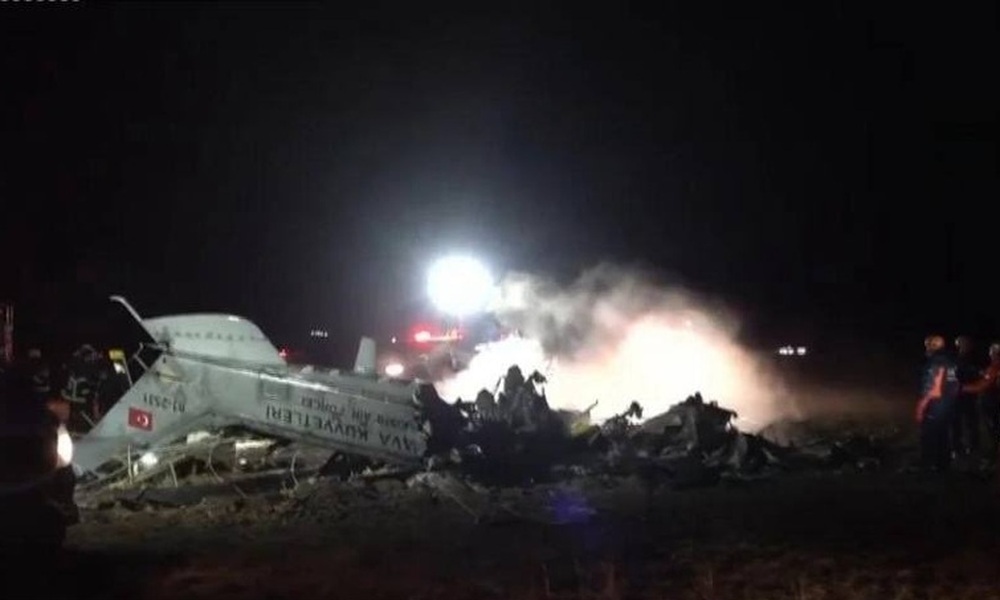
Five crew members have been killed after a Turkish Air Force helicopter crashed during a training mission in western Turkiye, according to the country’s Ministry of National Defence.
The AS-532 Cougar helicopter crashed shortly after taking off from Eskisehir on Tuesday. The aircraft had been conducting a training flight when the accident occurred.
The ministry confirmed that the wreckage had been located, while search and rescue operations were under way. It did not provide further details about the cause of the crash.
Emergency teams were dispatched to the crash site near Yorukakcayir village, approximately 15 kilometres west of Eskisehir city centre.
The incident comes just 12 days after another Turkish military helicopter crashed near Malatya in southern Turkiye on November 12, killing four crew members. Authorities have yet to announce the cause of that accident.
Turkiye has NATO’s second-largest military.
Regional
Qatar warns Middle East cannot afford renewed US-Iran escalation
Speaking during a meeting with US Secretary of State Marco Rubio in Washington, Sheikh Mohammed underscored the importance of diplomatic engagement in preventing further regional instability.
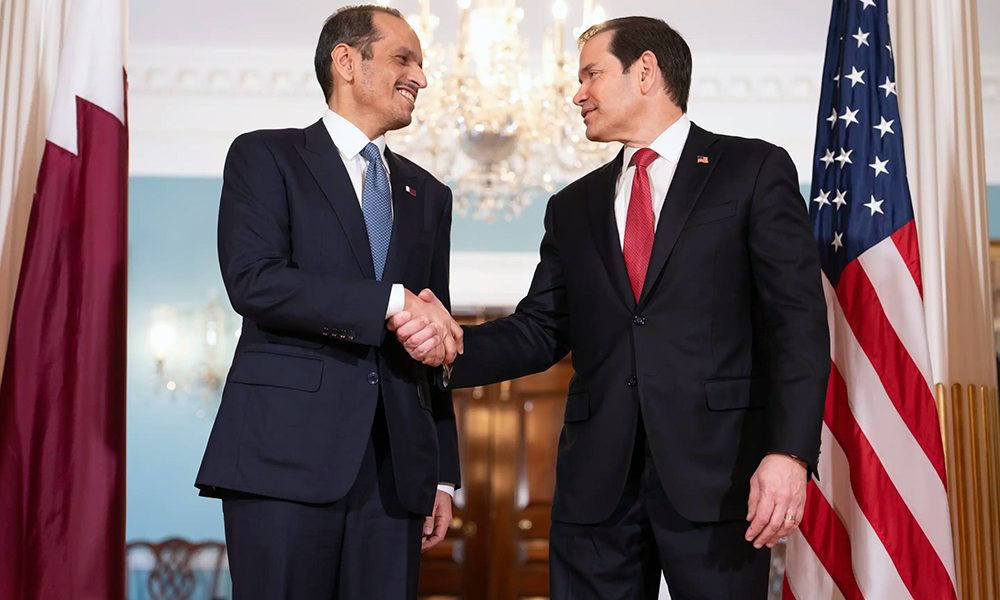
Qatar’s prime minister has warned that the Middle East cannot afford another escalation between the United States and Iran, saying Doha is working with both sides to revive negotiations.
Sheikh Mohammed bin Abdulrahman Al Thani, who also serves as Qatar’s foreign minister, said efforts were underway to bring Washington and Tehran back to the negotiating table, although no breakthrough had yet been reached.
Speaking during a meeting with US Secretary of State Marco Rubio in Washington, Sheikh Mohammed underscored the importance of diplomatic engagement in preventing further regional instability.
The meeting marked the launch of the eighth US-Qatar Strategic Dialogue, with both sides expressing their commitment to strengthening bilateral relations, particularly in defence, economic and security cooperation.
According to the US State Department, Rubio praised Qatar’s mediation efforts and emphasized continued coordination between the two countries to deter threats and promote stability and security across the Middle East.
Tensions between Washington and Tehran have continued since the US and Israel launched an offensive against Iran on February 28.
Efforts to end the conflict remain complicated by disagreements over the implementation of a June memorandum of understanding reached in Islamabad, as well as disputes concerning sanctions, a US naval blockade and security arrangements in the Strait of Hormuz.

Pakistan, Saudi, Turkey to hold Mecca alliance meeting in Islamabad

ASQA strengthens regional cooperation through ISO Asia-Pacific meeting

Afghanistan adds more than 2,000 telecom towers, ministry says
Joint security delegation visits Kandahar to strengthen coordination
Trump calls El-Sayed ‘smart guy’, plans meeting
US sanctions and blockade measures disrupt Iran’s trade with Afghanistan and regional neighbors
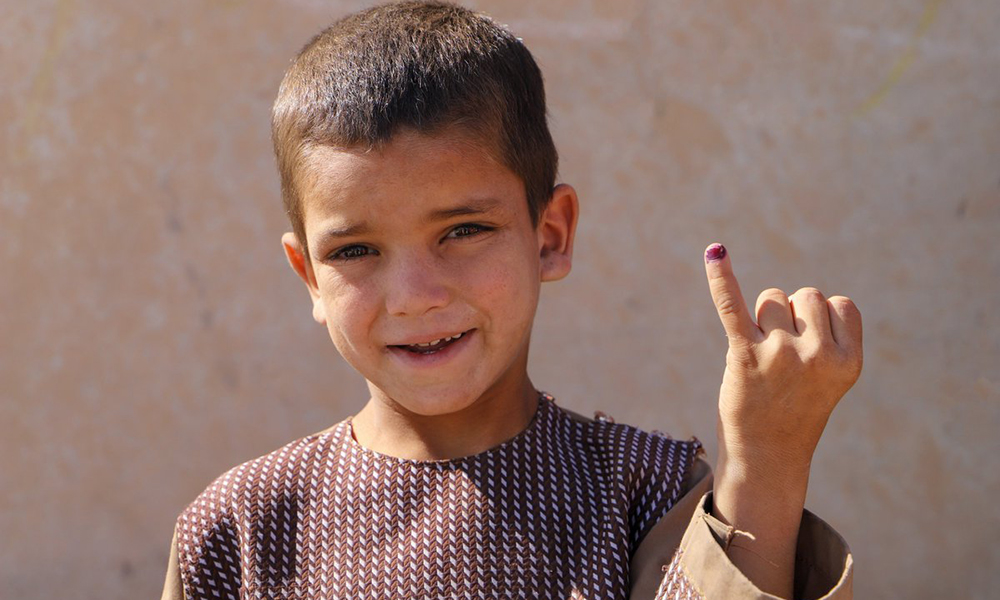
Afghanistan to launch nationwide polio vaccination campaign

Afghanistan futsal team thrash Panama 5-0 in flying start to Dakar Youth Olympics

Iran defends two-day proposal for peace talks after US rejects conditions

Portugal beat Afghanistan 2-0 in Dakar Youth Olympics futsal semi-finals
Five killed in Turkish military helicopter crash in western Turkiye
Tahawol: Discussion on shifting views within Pakistan
Qatar warns Middle East cannot afford renewed US-Iran escalation
Saar: Return of millions of Afghans to their homeland
Saar: Pakistan FM’s remarks on Afghanistan
-
 Latest News3 days ago
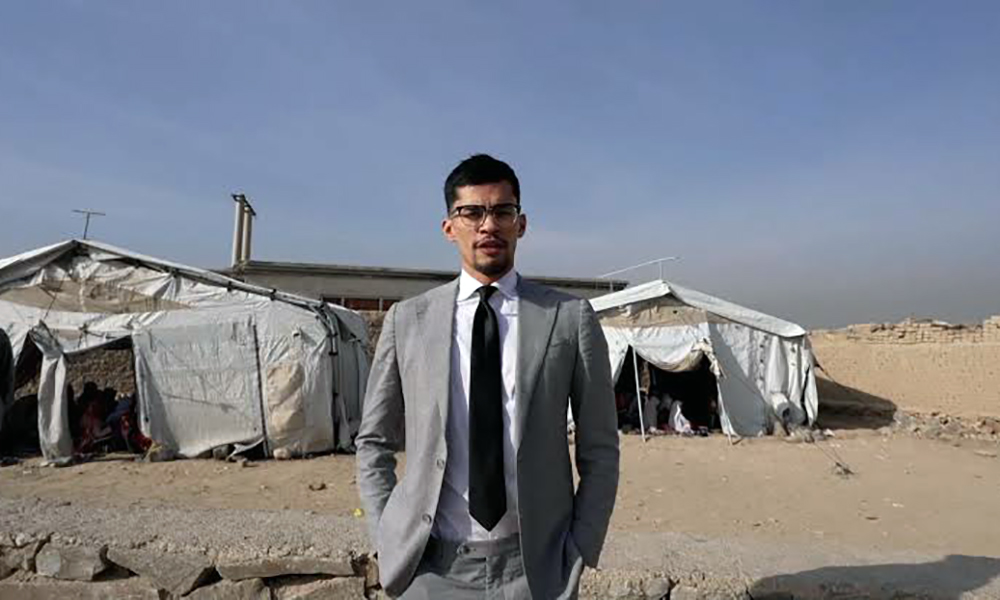
SNEAKO claims US authorities questioned him for eight hours after Afghanistan visit
-
 Latest News4 days ago
AfD leader calls for return of 2.6 million foreigners from Germany
-
 Latest News3 days ago
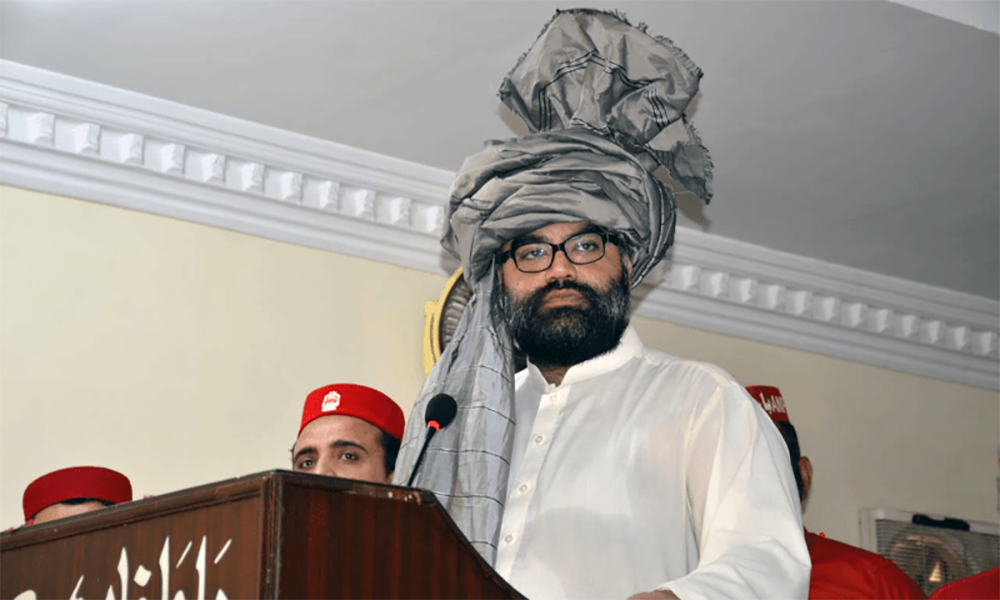
ANP leader calls for reopening of Afghanistan-Pakistan trade routes
-
 Business4 days ago
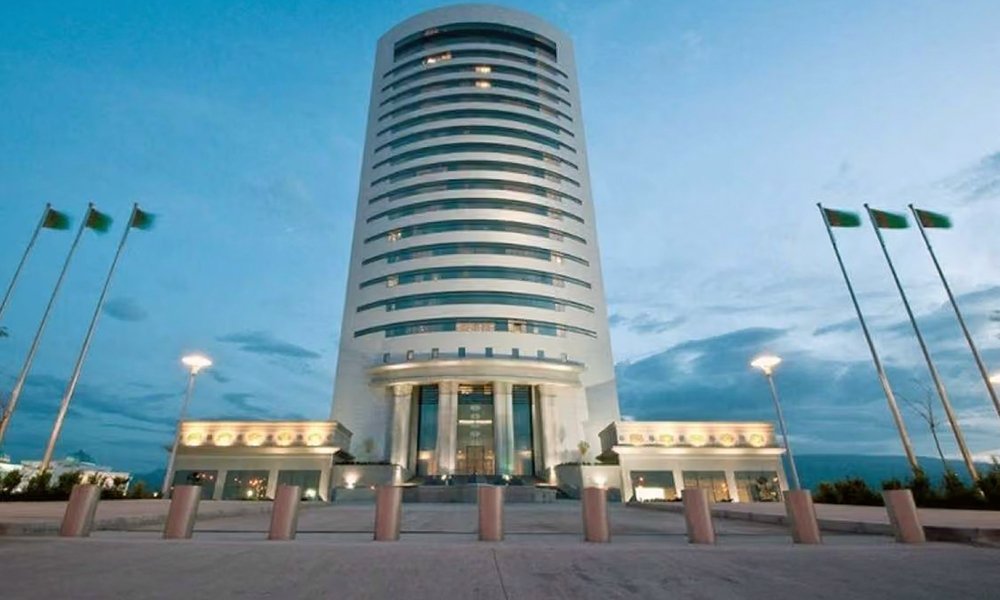
Turkmenistan records nearly $100 million in trade deals with Afghan, UAE buyers
-
 Business3 days ago
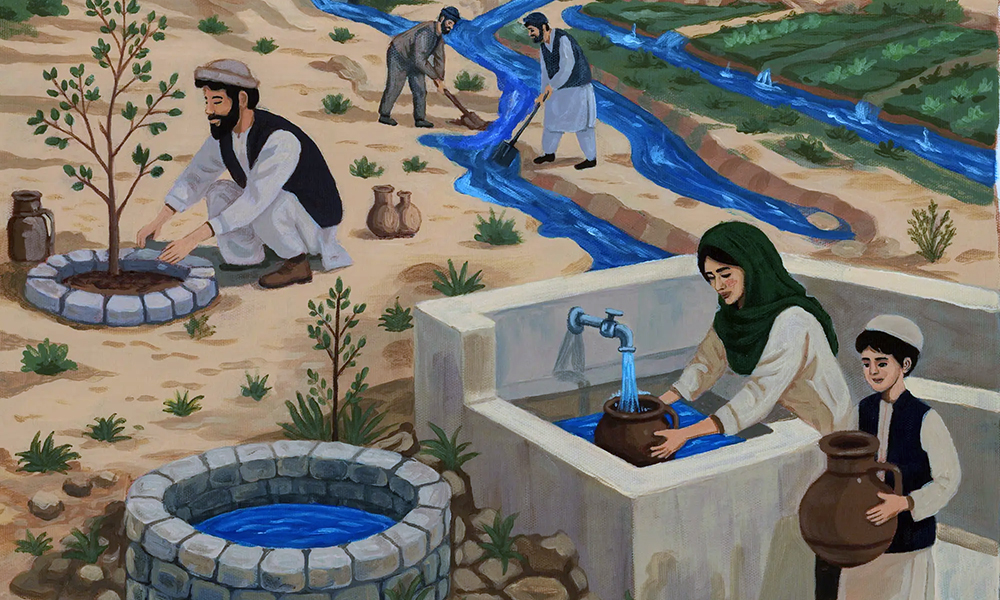
World Bank warns Afghanistan faces mounting economic and water security challenges
-
 Climate Change4 days ago
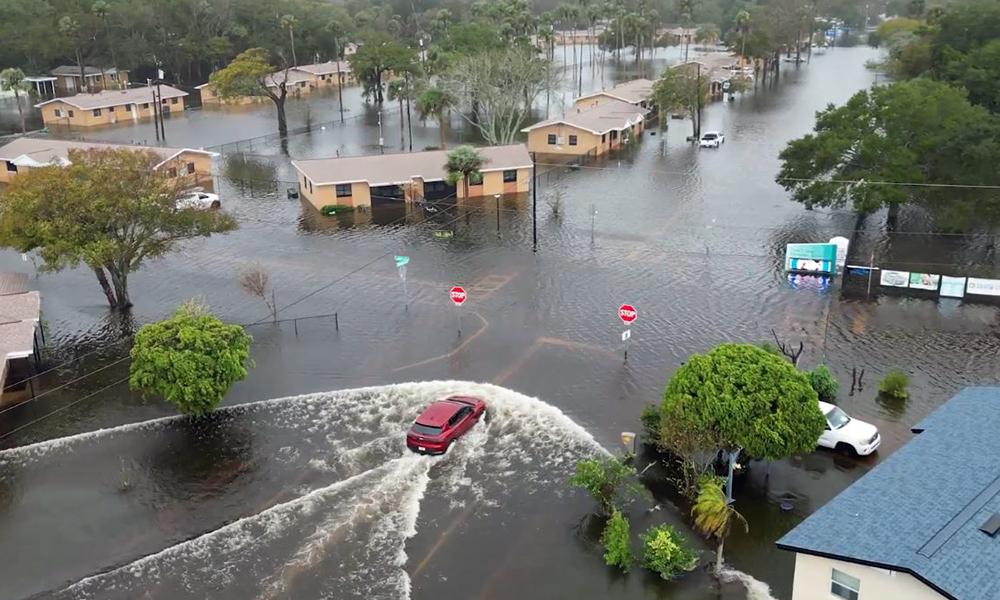
Florida flooding continues as California braces for historic high tides
-
 World2 days ago
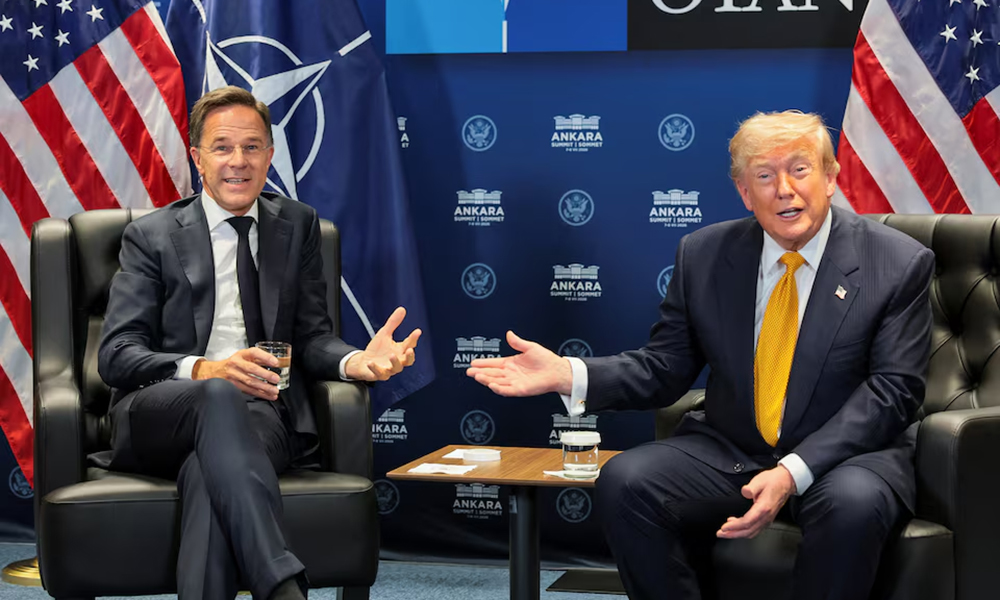
Trump to meet NATO Chief Mark Rutte in Florida amid tensions over Ukraine peace talks
-
 Sport4 days ago
Afghanistan wins bronze at Asia Rugby Sevens Trophy 2026