
Latest News
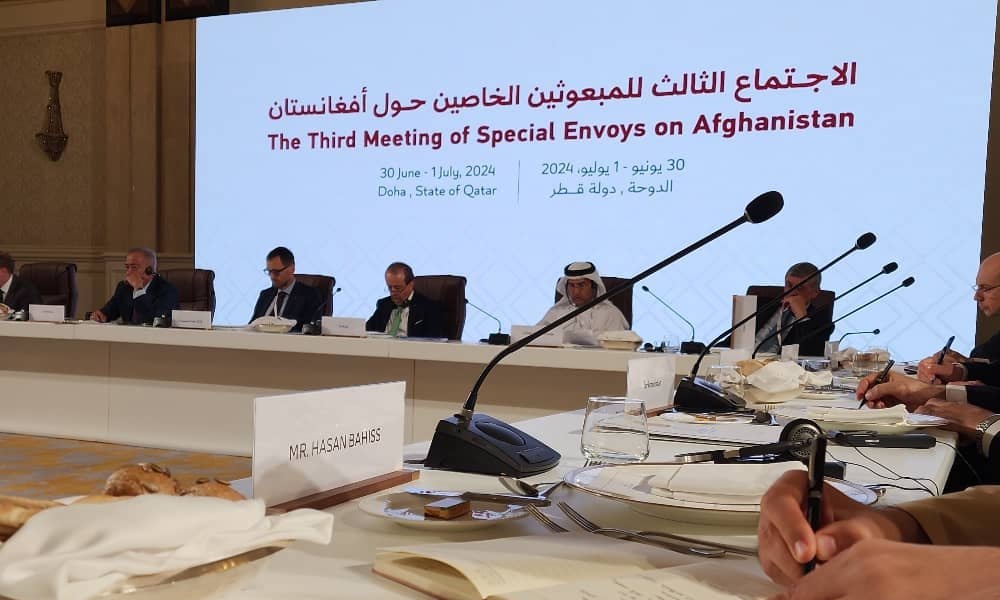
IEA delegation meet envoys from regional countries on sidelines of Doha meeting
During the meetings, ways to enhance stability and peace in Afghanistan and support the aspirations of the Afghan people for a decent life were discussed, and the importance of the Doha process to achieve the desired progress was emphasized.


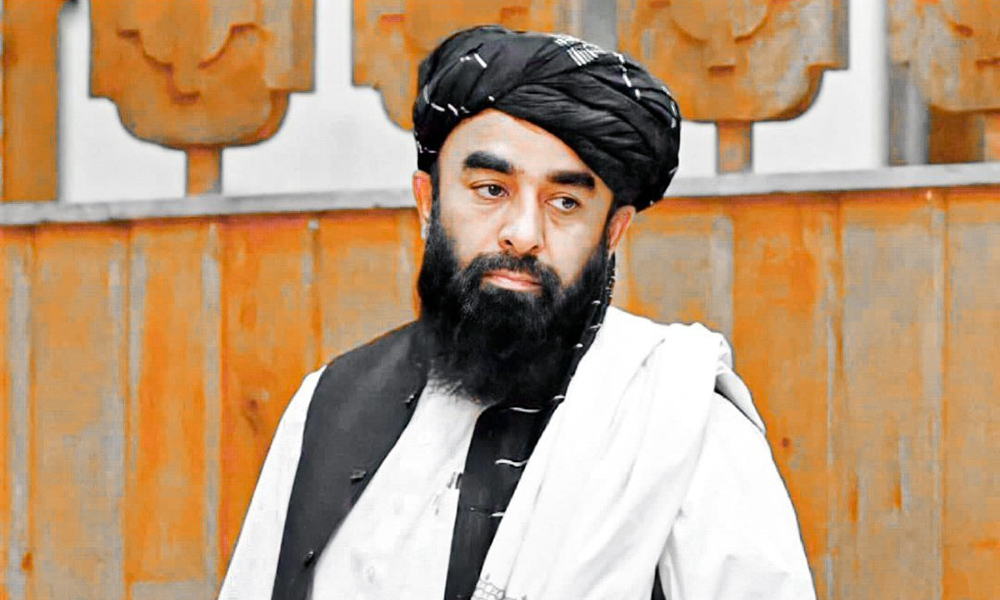
Zabiullah Mujahid, spokesman for Islamic Emirate of Afghanistan said in a series of posts on X that he had constructive meetings with special envoys of regional countries and discussed mutual relations and how to further strengthen ties.
Mujahid said he had a constructive meeting with the special representative of Pakistan Asif Durrani and Pakistan’s ambassador and diplomats to Doha.
“We thank them for their hospitality and hope for good and constructive relations for both countries,” Mujahid said.
Earlier, Mujahid said a quadrilateral meeting between Uzbekistan, Afghanistan, Pakistan and Qatar was held in Doha on Monday.
In this meeting, the Trans Afghanistan Railway Project, from Uzbekistan to Pakistan, was discussed.
All parties requested the early start and completion of this project, Mujahid said.
He also stated that he had met with Iranian special envoy Hassan Kazemi Qomi.
This meeting went well, said Mujahid, and that discussions had cenetered around the strengthening of ties and the overall importance of regional connectivity and cooperation.
The special envoy of Qatar’s minister of foreign affairs, Faisal bin Abdullah Al Hanzab meanwhile met separately with Special Representative of the UN Secretary-General for Afghanistan, Roza Otunbayeva; Special Representative of the President of the Republic of Uzbekistan for Afghanistan, Esmatullah Erkashev; and Special Envoy of Switzerland for Afghanistan Albert Grof.
During the meetings, ways to enhance stability and peace in Afghanistan and support the aspirations of the Afghan people for a decent life were discussed, and the importance of the Doha process to achieve the desired progress was emphasized.
Russian ambassador at the UN Vasily Nebenzya meanwhile said: “Taliban [IEA] is de facto authorities on Afghanistan, and we’ve been saying consistently that you have to recognize this fact and deal with them as such. Because whether you like it or not, but this movement is running the country now. And you cannot simply ignore that.”
Asked about how far Russia is from removing IEA from the sanctions list, ambassador Nebenzya said: “I cannot tell you a definite answer. But I heard some talks about it. But generally speaking, it is good that Taliban [IEA] was finally invited to Doha this time.”
Related stories:
UN keeps identity of Afghan activists at Doha meeting under wraps
Mujahid sums up Doha meeting, says most countries willing to cooperate with Afghanistan




Latest News
Afghanistan and Iran agree to expand trade cooperation and upgrade border infrastructure
Araghchi praised Afghanistan’s efforts to combat narcotics and commended the Islamic Emirate’s role in promoting economic stability in the country.
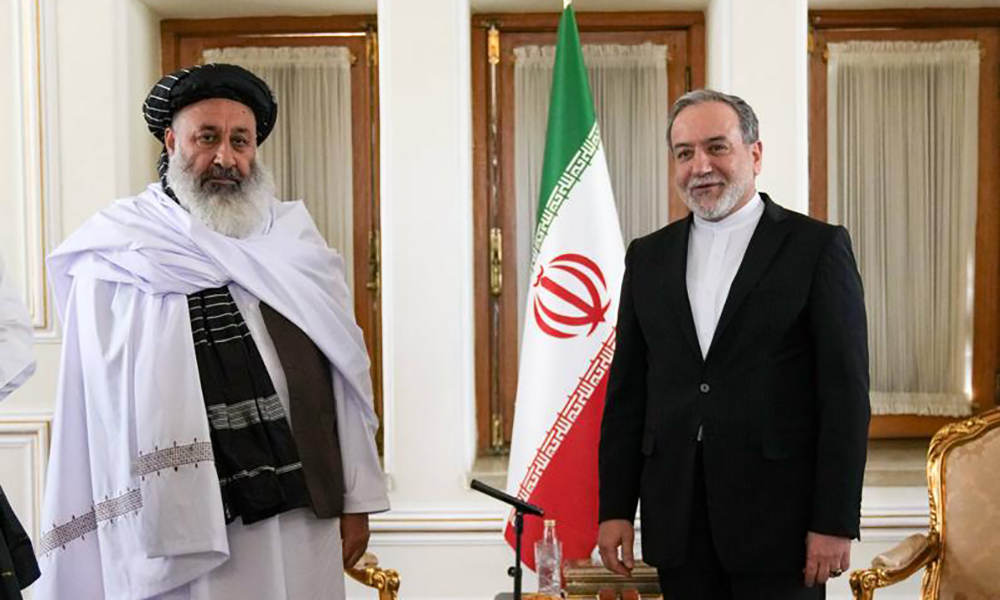
Afghanistan and Iran have agreed to strengthen economic cooperation, expand border infrastructure and improve customs operations during a meeting between their senior officials in Tehran.
According to a statement by Afghanistan’s Ministry of Finance, Minister of Finance Mohammad Nasir Akhund and his accompanying delegation met with Iranian Foreign Minister Seyed Abbas Araghchi at the Iranian Ministry of Foreign Affairs during an official visit to Iran.
The discussions focused on organizing the next meeting of the two countries’ Joint Economic Cooperation Commission, expanding border infrastructure at the Abu Nasr Farahi customs crossing and accelerating its reconstruction process.
Both sides also discussed operating customs facilities around the clock and speeding up efforts to increase the capacity of the Dogharoon, Mahirud and Milak border crossings.
According to the ministry, Araghchi praised Afghanistan’s efforts to combat narcotics and commended the Islamic Emirate’s role in promoting economic stability in the country.
The Iranian foreign minister also assured Afghanistan of Tehran’s full cooperation in economic and political affairs.
The meeting comes as Afghanistan and Iran seek to strengthen cross-border trade, improve transit facilities and expand bilateral economic relations.
Latest News
Afghanistan’s absence from ECO foreign ministers’ meeting raises questions
Afghanistan’s absence comes despite its ECO membership and its strategic geographical position as a major transit corridor linking Central Asia with South Asia and the Middle East.
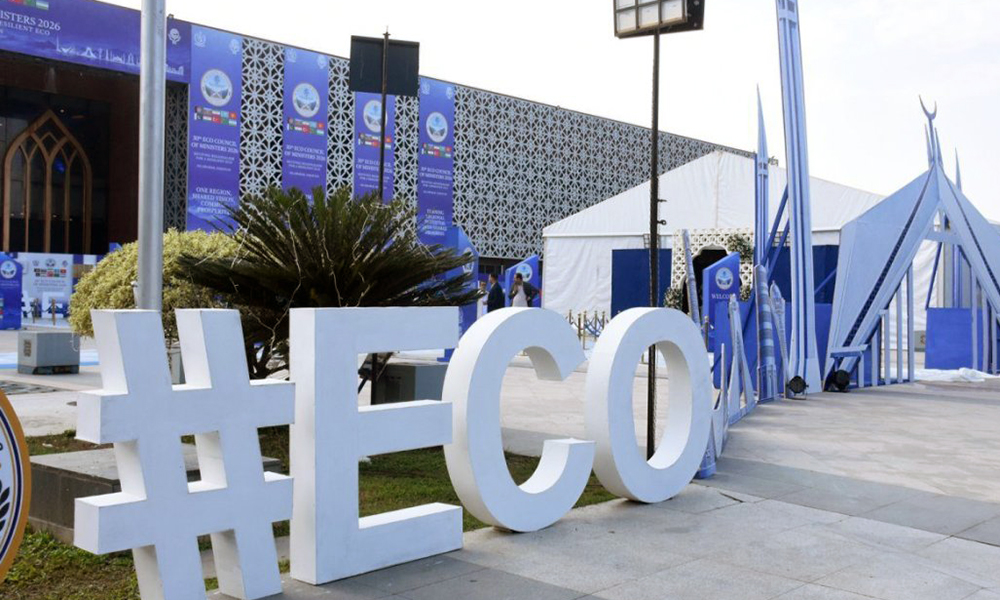
The two-day meeting of foreign ministers of the Economic Cooperation Organization (ECO) began in Islamabad, Pakistan, on Sunday, without the participation of a delegation from the Islamic Emirate of Afghanistan.
Representatives from the organization’s 10 member states are discussing ways to expand economic cooperation, boost regional trade and strengthen connectivity. Pakistan, which currently holds the organization’s rotating chairmanship, has identified stronger trade and transit relations among member states as a key priority.
Afghanistan’s absence comes despite its ECO membership and its strategic geographical position as a major transit corridor linking Central Asia with South Asia and the Middle East.
Central Asian countries can use Afghanistan’s territory to access Pakistani and Iranian ports, as well as wider regional markets, making the country an important part of regional trade and connectivity initiatives.
Economic analysts say political differences should not prevent member states from pursuing economic cooperation. They warn that excluding or sidelining Afghanistan from such regional meetings could undermine ECO’s economic and transit objectives.
ECO was established in 1985 by Iran, Türkiye and Pakistan. In 1992, the organization expanded with the admission of Afghanistan and six other countries, bringing its membership to 10 states.
The combined gross domestic product of ECO member countries is estimated at around $3 trillion.
Experts say that without Afghanistan’s active participation, regional connectivity projects may struggle to achieve their full economic and transit potential.
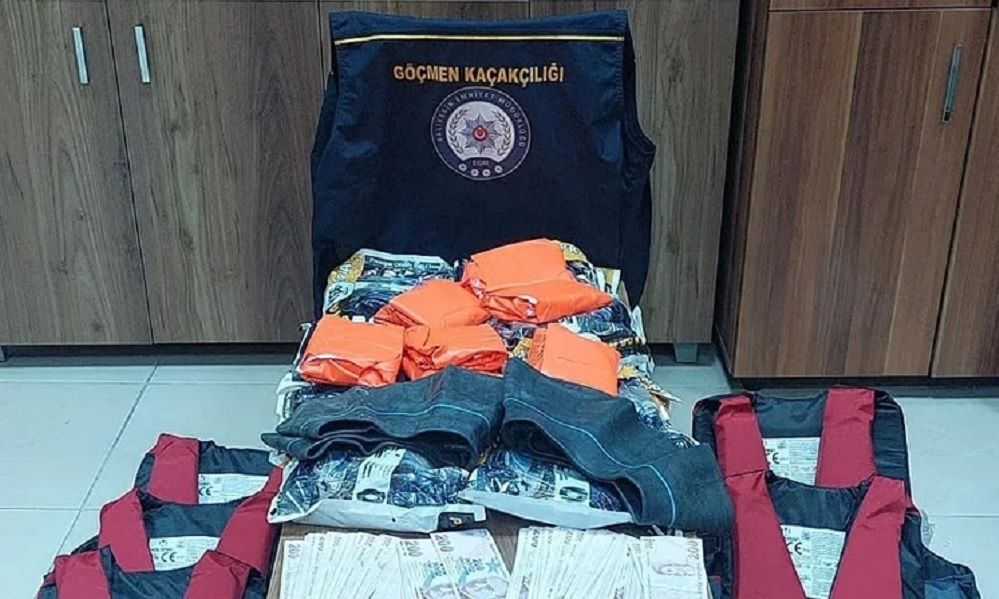
Turkish police have detained 35 Afghan migrants attempting to cross into Greece by sea in the northwestern province of Balikesir, while four suspects accused of migrant smuggling were also apprehended.
Police seized 12 life jackets, lifebuoys and three pumps during the operation.
Following police procedures, three of the four suspects were remanded in custody by a court, while the fourth was released under judicial supervision.
The 35 Afghan migrants were transferred to an Irregular Migrant Pre-Reception and Referral Center.

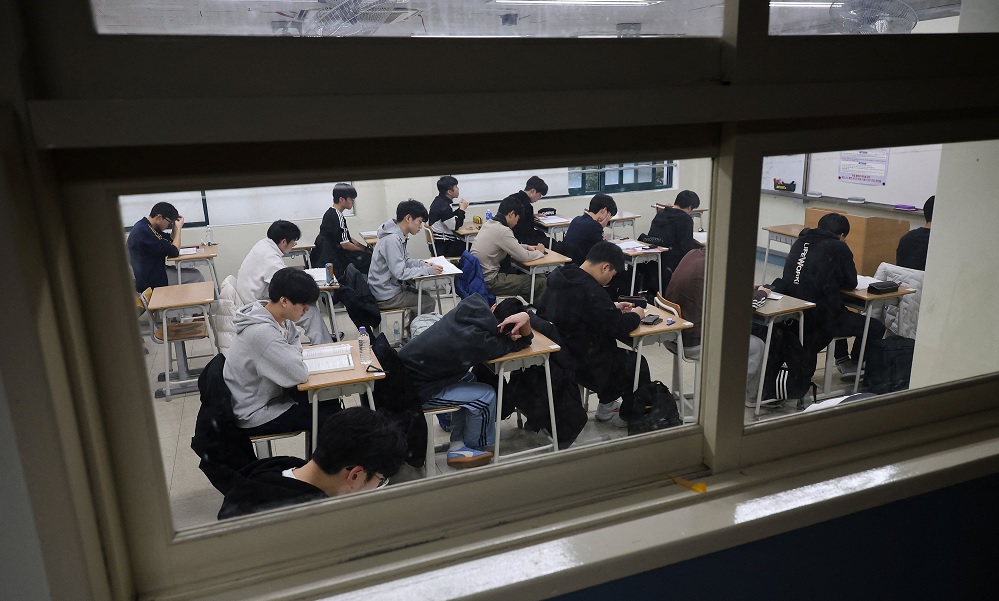
South Korea to inspect glasses worn by exam candidates after AI cheating scandal

Arman FC cruise to 5-0 victory over Istiqlal Kabul in ACL match
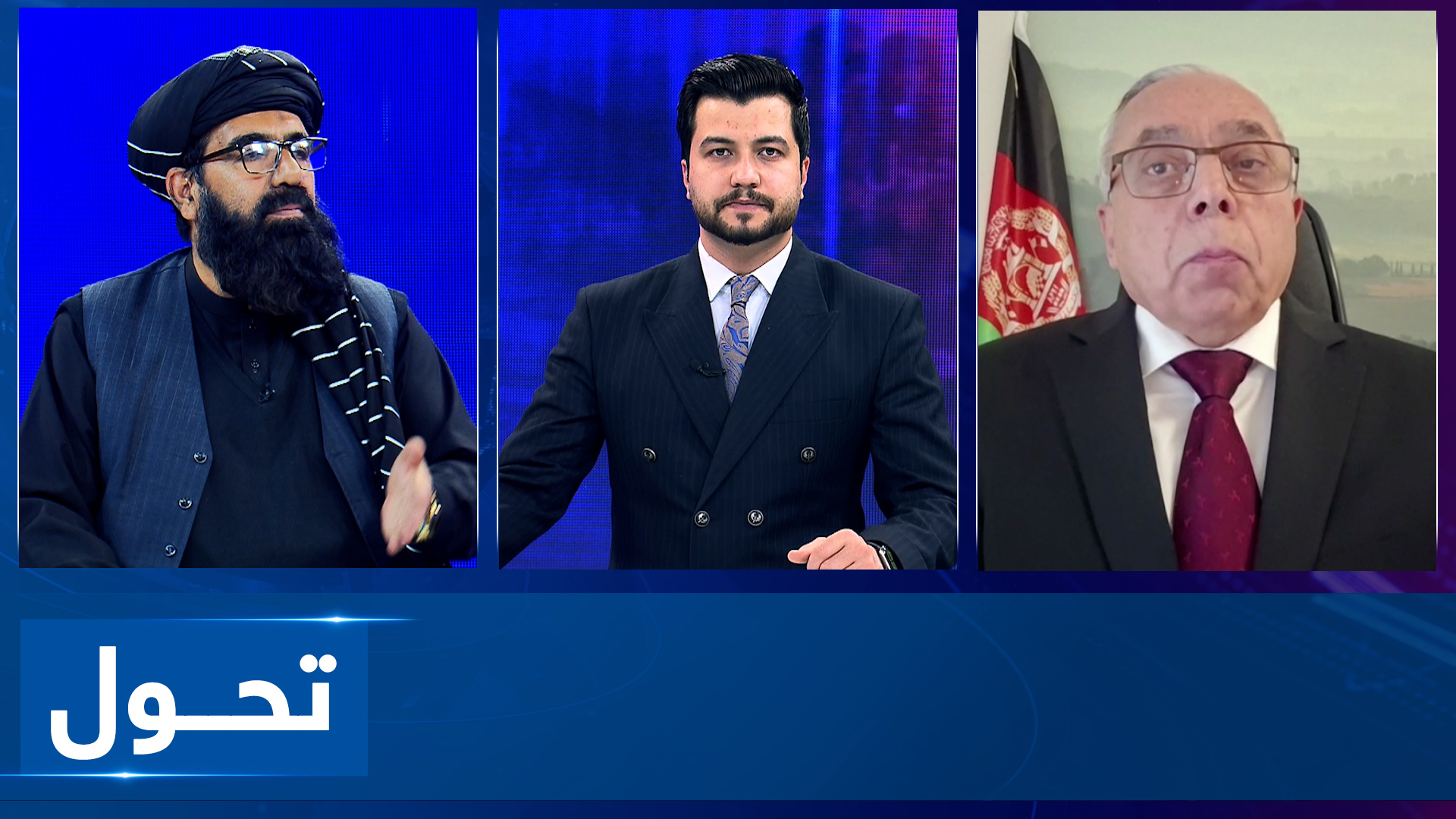
Tahawol: UK seeks to ease Kabul–Islamabad tensions
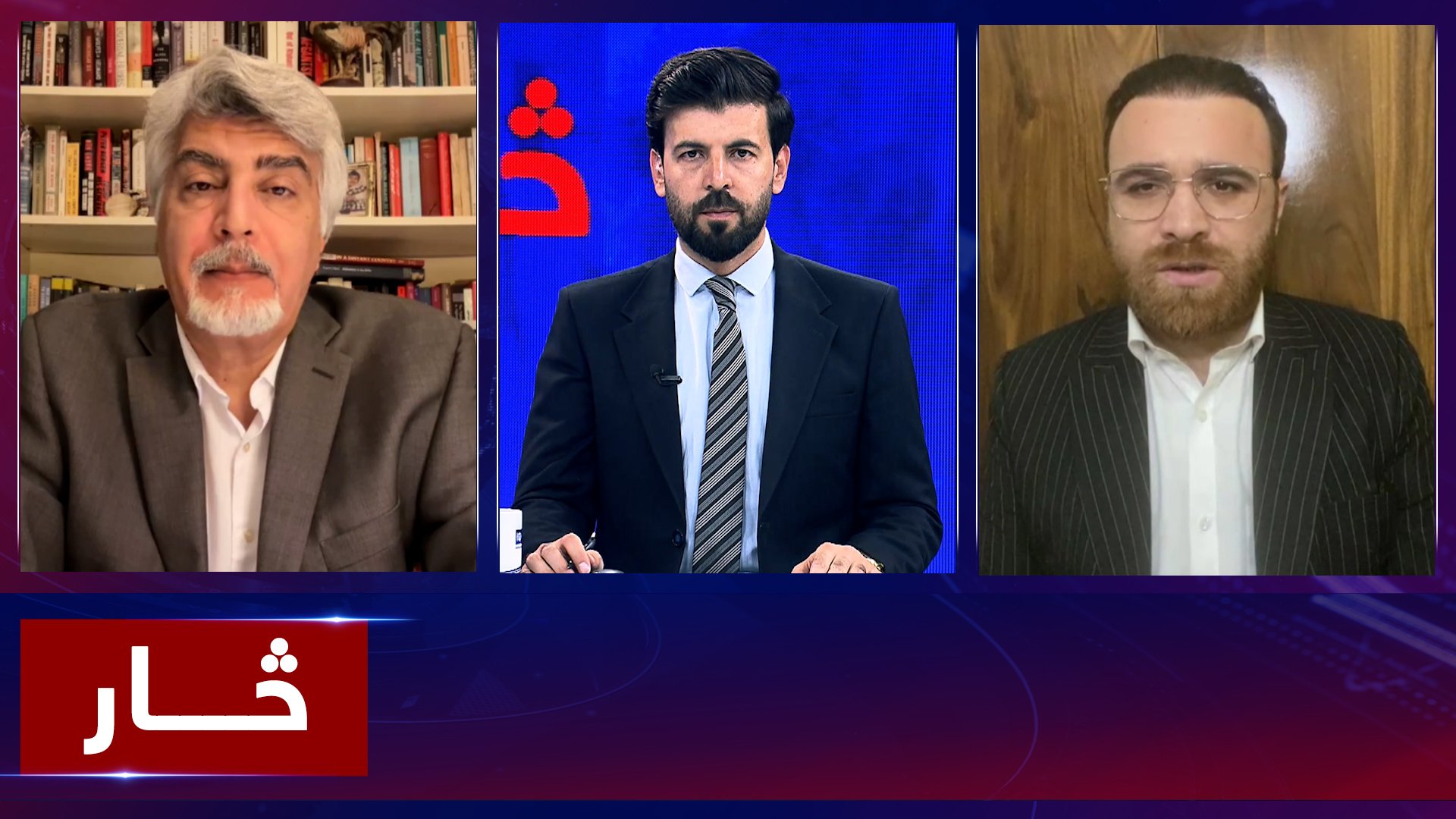
Saar: Iran–US tensions: an uncertain future
Afghanistan and Iran agree to expand trade cooperation and upgrade border infrastructure

Afghanistan finish runners-up after 6-0 defeat to Brazil in futsal final

Trump says US may strike Iran’s ‘Pickaxe Mountain’ nuclear facility

Rubio heads to Central Asia while other US officials hit foreign policy hot spots

Violent protests spread across Europe as Albanian PM blames ‘foreign hand’

Governments take websites offline as critical cyber flaws trigger global alert
Tahawol: UK seeks to ease Kabul–Islamabad tensions
Saar: Iran–US tensions: an uncertain future
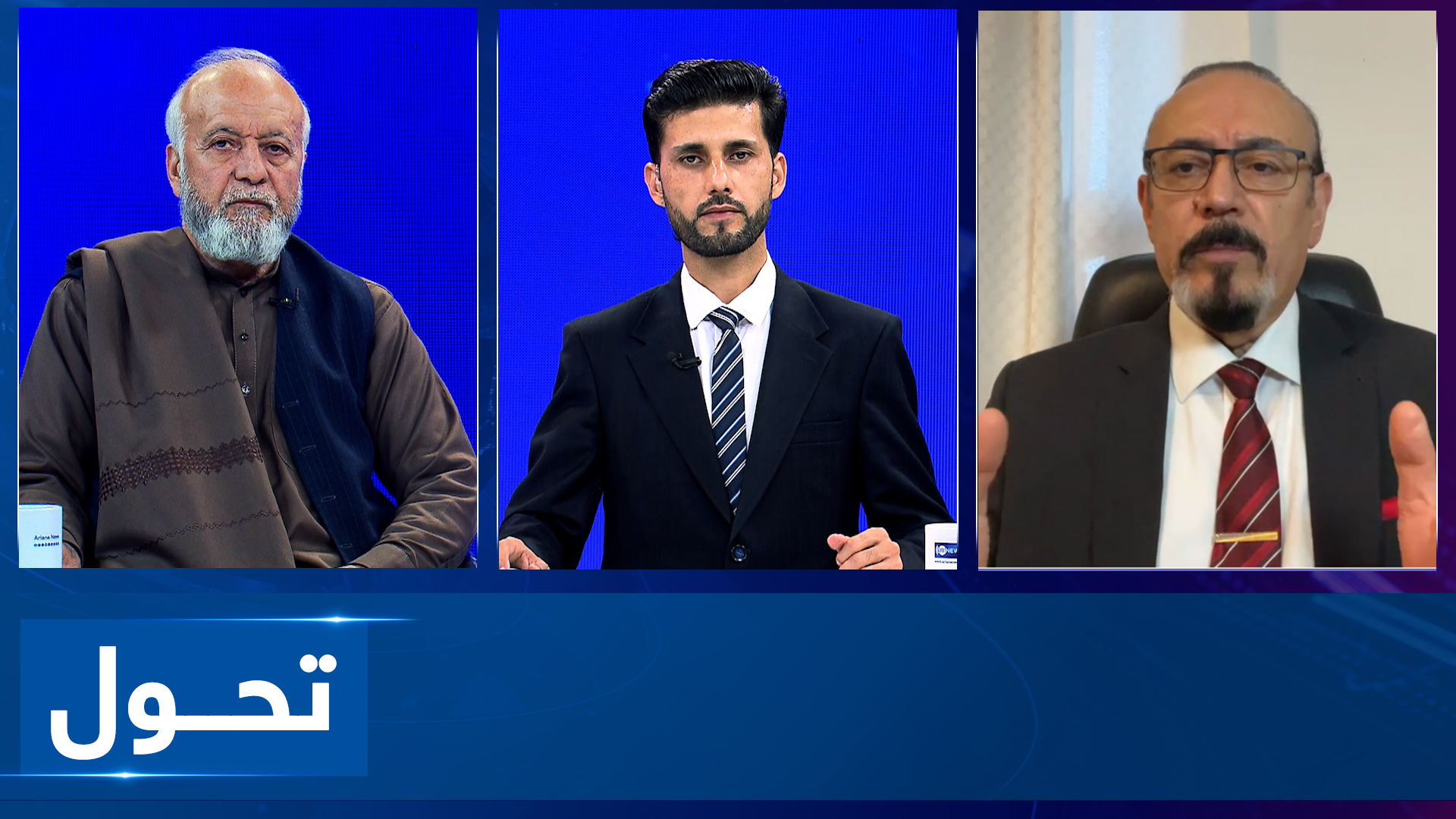
Tahawol: Concerns grow over worsening regional humanitarian crises discussed
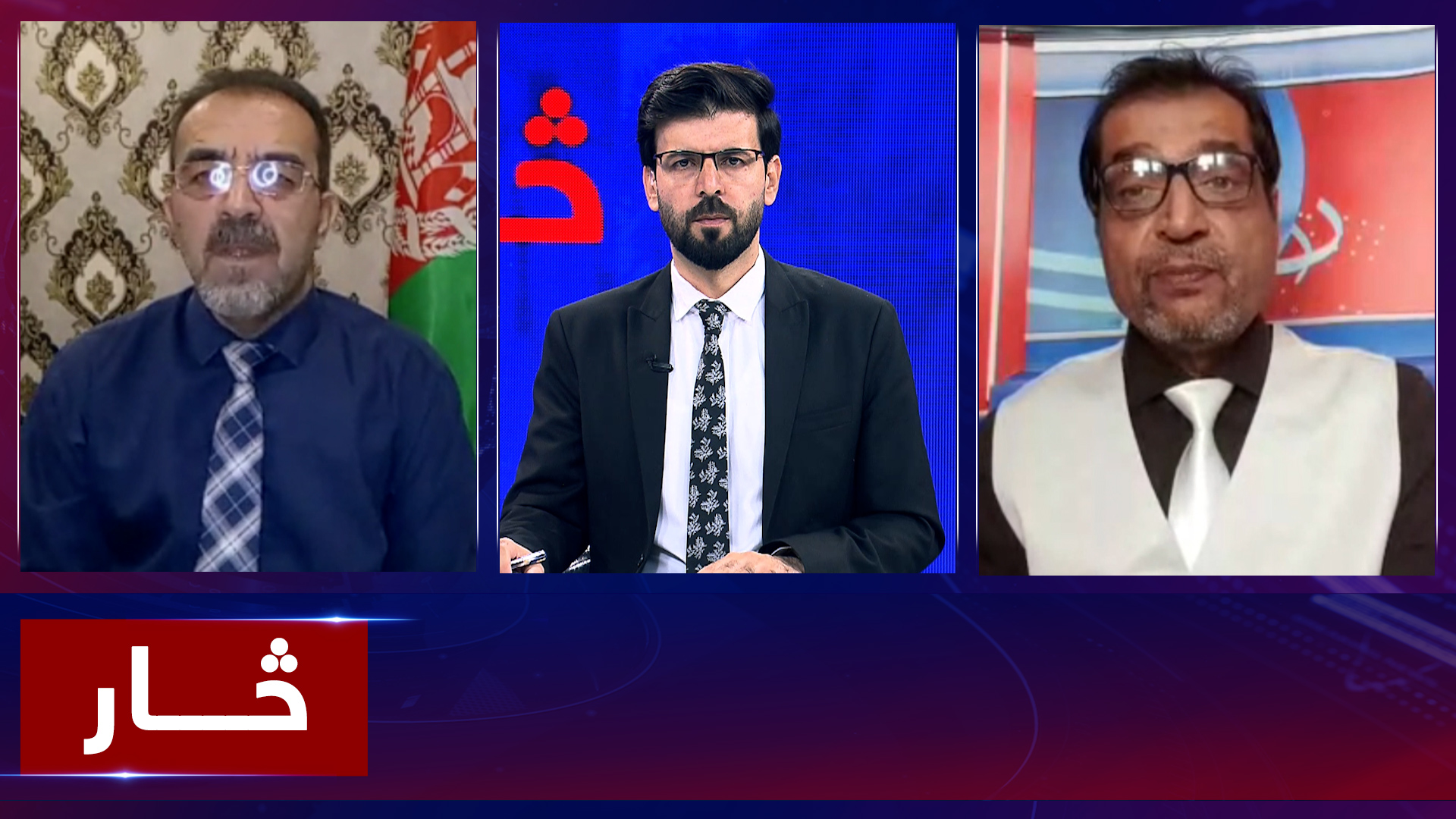
Saar: Forced deportation of Afghan refugees from Iran and Pakistan discussed
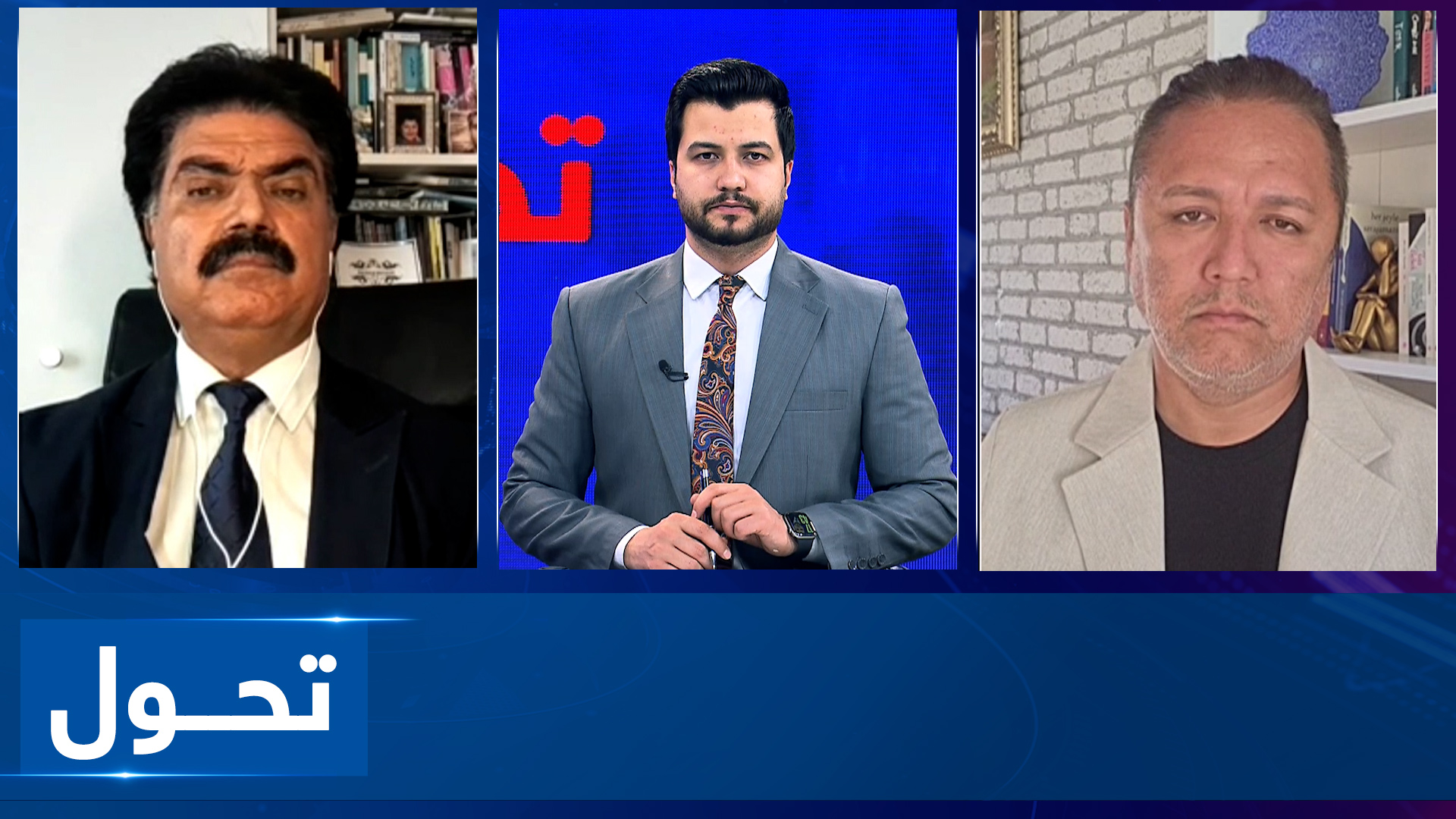
Tahawol: Russia’s special attention to situation in Afghanistan discussed
-
 Latest News5 days ago
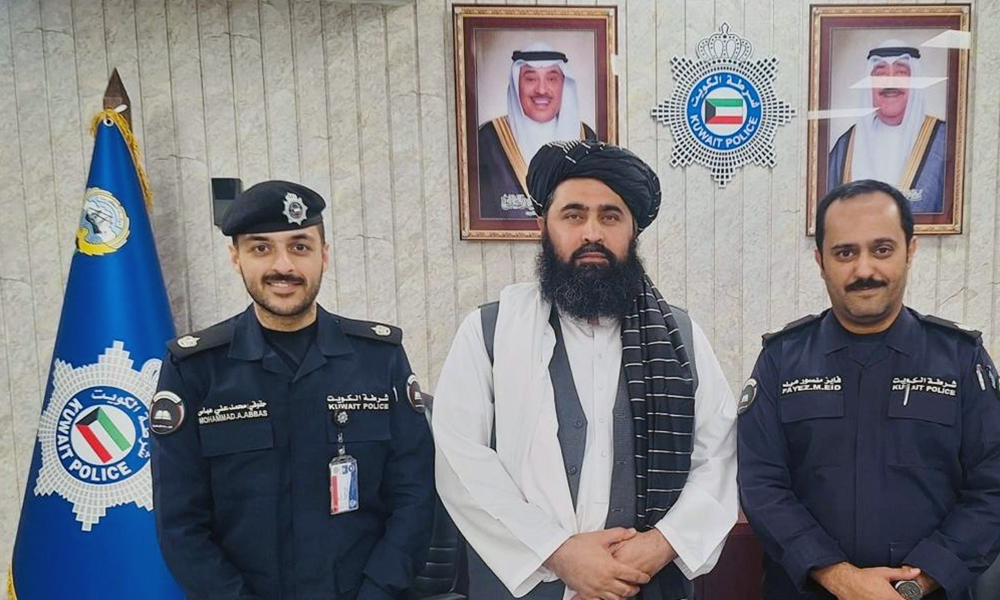
Afghan embassy in Kuwait discusses situation of Afghan prisoners with Kuwaiti officials
-
 Business5 days ago
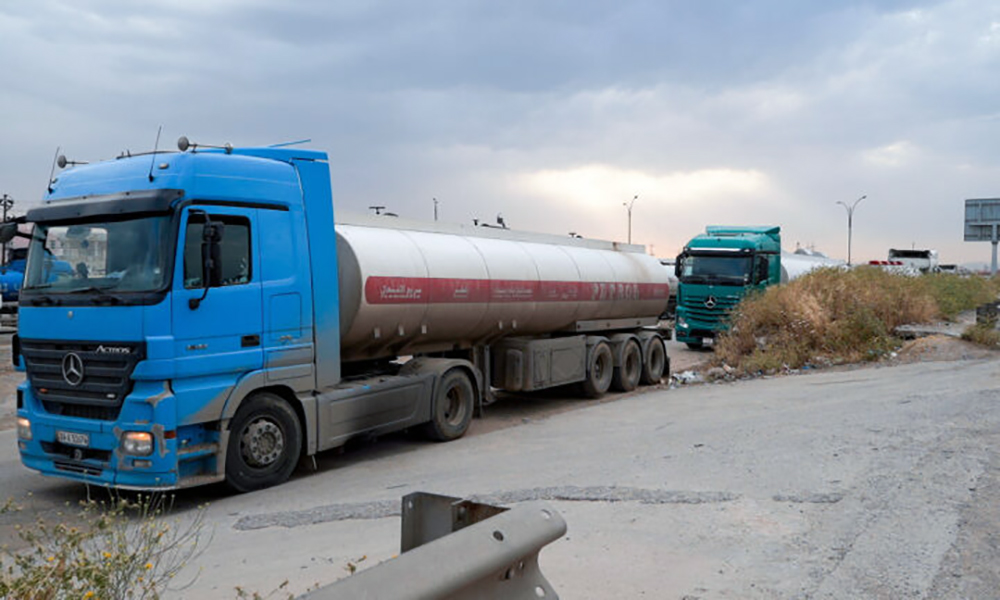
Iraqi intelligence report alleges oil smuggling network supplying Afghanistan and Turkey through Iran
-
 Latest News5 days ago
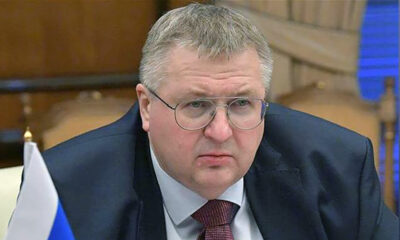
Russian deputy prime minister to visit Kabul with high-level economic delegation
-
 Latest News4 days ago
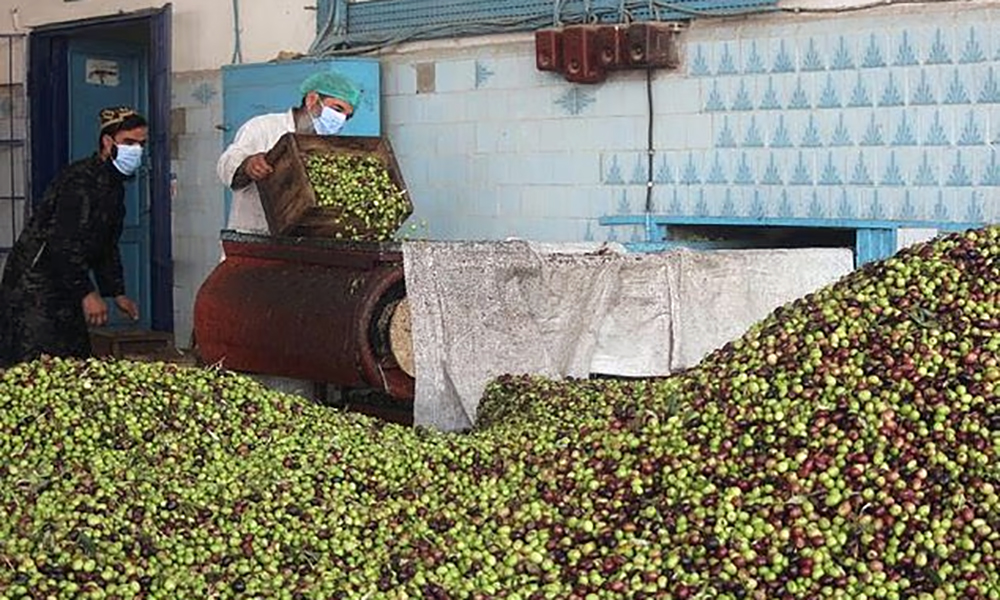
Olive farming offers new hope to Afghan farmers amid growing climate challenges
-
 Latest News5 days ago
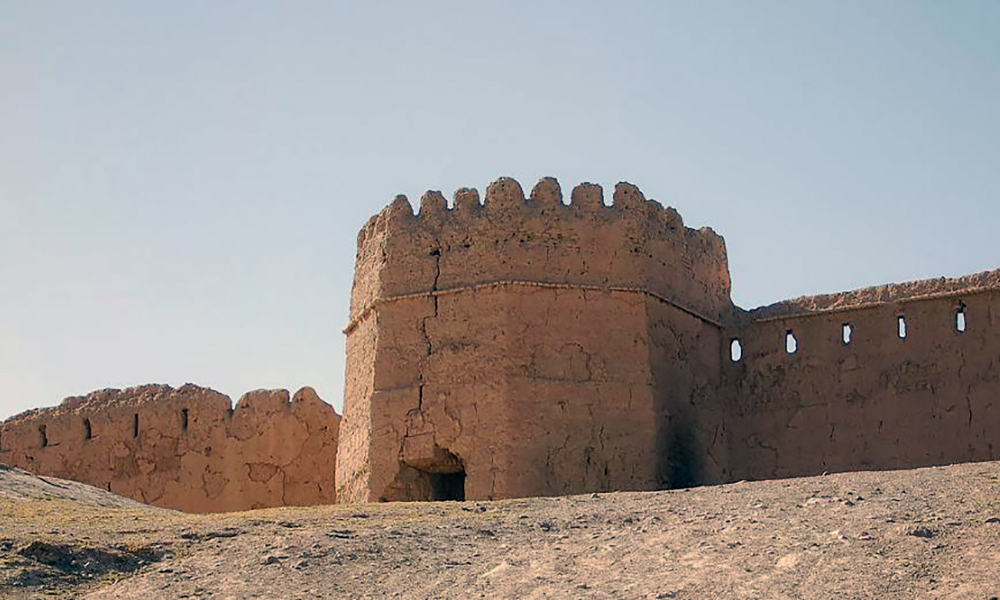
Ancient treasures unearthed at Kabul’s historic Bala Hissar
-
 Sport5 days ago
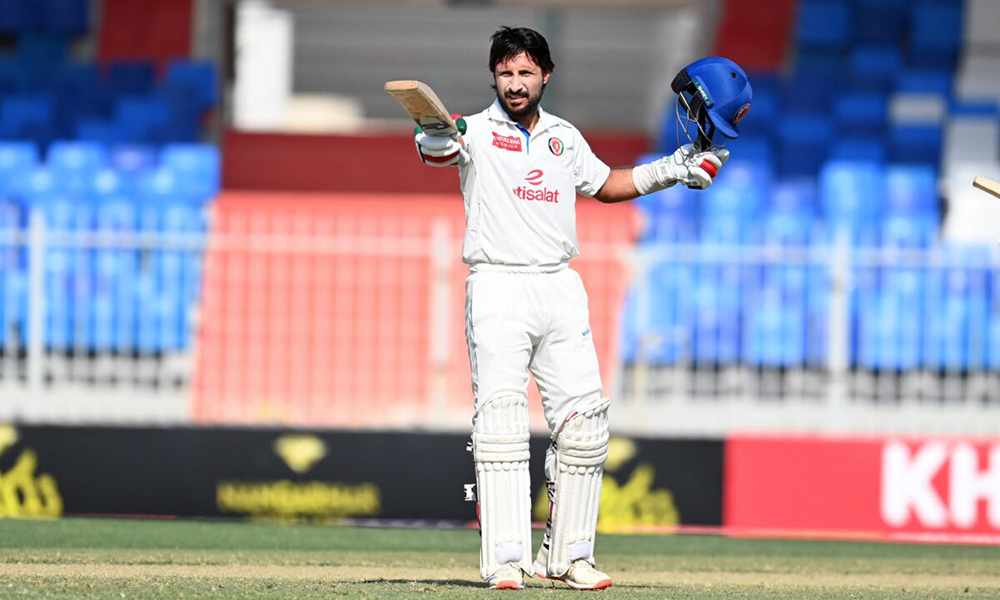
Historic first for Rahmat Shah after ICC rankings update
-
 Business3 days ago
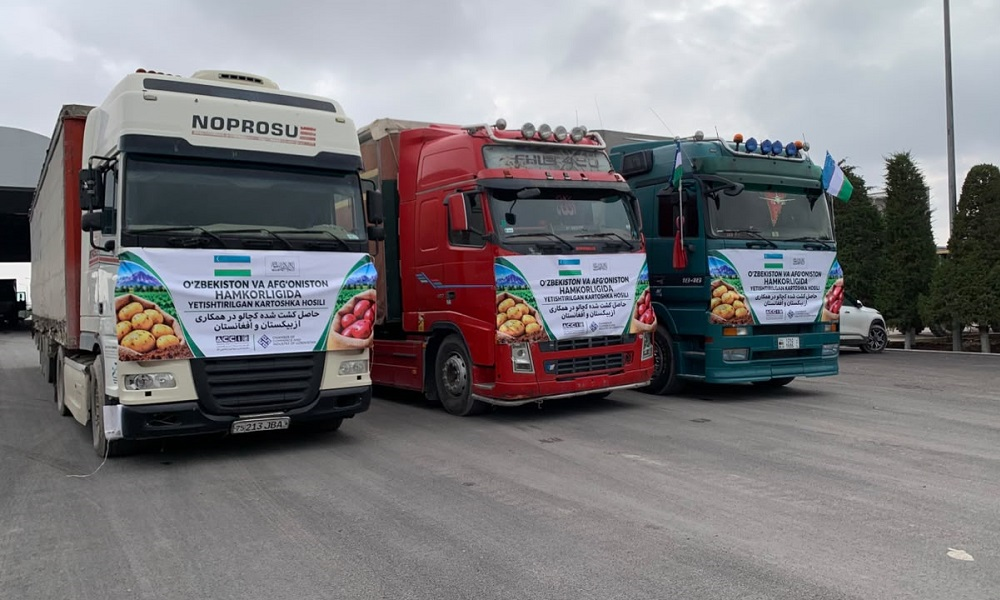
Afghanistan and Uzbekistan agree on export of 100,000 tons of Bamyan potatoes
-
 Latest News5 days ago
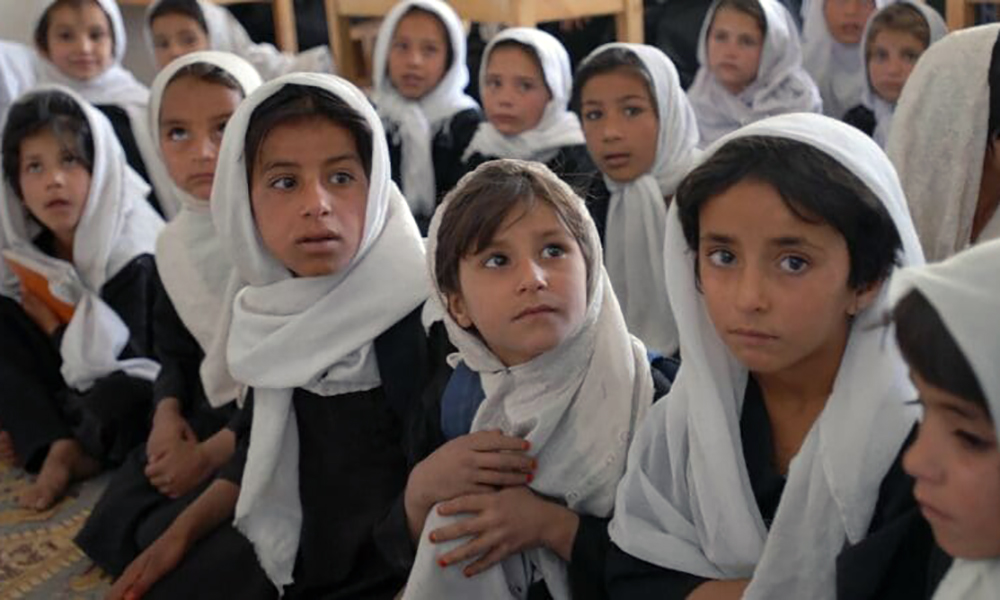
UNESCO warns Afghanistan risks losing an entire generation of professionals as girls’ education ban continues