
Regional
Imran Khan’s graft conviction suspended by Pakistan court, lawyer says

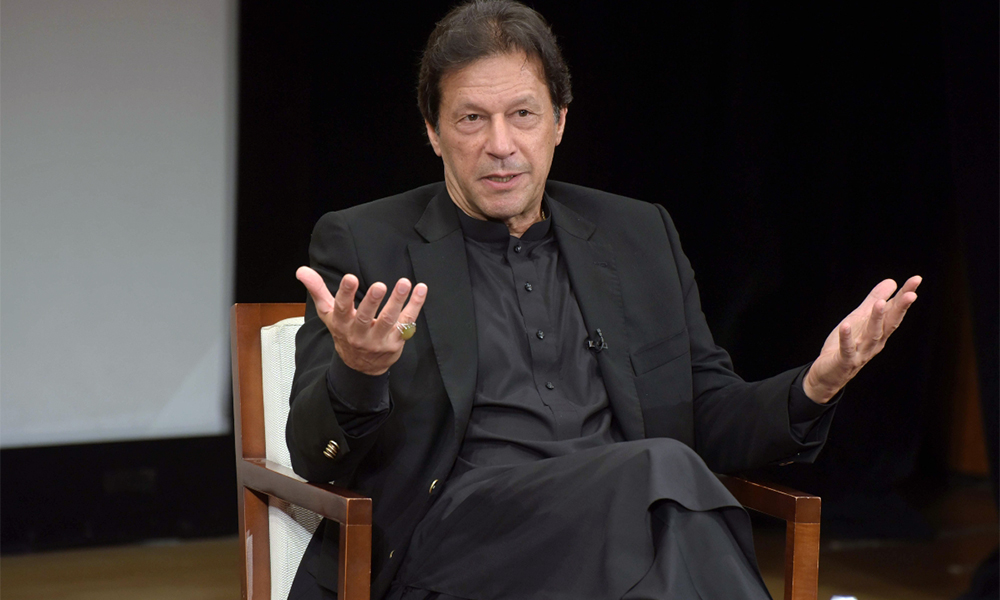
A Pakistani high court on Tuesday suspended jailed former Prime Minister Imran Khan’s sentence on corruption charges, but he will remain behind bars as a judge had already ordered his detention in another case, Reuters reported.
The 70-year-old former cricket star has been at the centre of a political crisis since he was ousted in a parliamentary vote of confidence in April 2022. The worst economic conditions in Pakistan in decades have compounded the crisis.
Khan was imprisoned on Aug. 5 after being sentenced to three years jail for unlawfully selling state gifts during his tenure as prime minister from 2018 to 2022.
The conviction has also barred him from contesting elections for five years, read the report.
On Tuesday, a court order said the sentence was suspended.
“We feel that the applicant is entitled to the suspension of sentence and be released on bail,” it said.
Khan’s lawyer Naeem Panjutha also announced the suspension on social media, saying “God be praised.”
Despite the court ordering his release on bail, this will not get him out of jail as a judge had already ordered his detention in another case of leaking state secret. The judge directed authorities to produce Khan before him on Wednesday, according to an order seen by Reuters.
Nor will the suspension of the corruption sentence undo the ban on Khan’s contesting elections as long as the conviction remains. National elections are due later this year and a caretaker government was appointed this month, but voting is likely to be delayed several months.
Khan’s appeal petition had sought an immediate suspension of the sentence pending a final decision on his conviction on the grounds that he was convicted without being given the right to defend himself in a summary trial.
The prosecution, and Khan’s political opponents, say the court accelerated the trial only after he ignored dozens of summons and arrest warrants for months, Reuters reported.
In the state secrets matter, a Federal Investigation Agency (FIA) case seen by Reuters said the former premier had been charged with making public the contents of a confidential cable sent by Pakistan’s ambassador to the United States and using it for political gain.
According to Reuters Khan’s top aide, former Foreign Minister Shah Mahmood Qureshi, has already been arrested and questioned in the case.
Khan alleges that the cable proves his removal was at the behest of the United States, which he said pressed Pakistan’s military to topple his government because he had visited Russia shortly before its invasion on Ukraine in February 2022.
Washington and the Pakistani military have denied that.
Khan’s deteriorating relations with the powerful military, which traditionally decides who will rule the country, led to his fall.
The possible overturning of Khan’s graft conviction is pending a detailed hearing in the court, according to a lawyer Abdul Moiz Jaferii.
“(Khan) being left at liberty is now hindered by him being required by the police and relevant investigation agencies in the multitude of other cases instituted against him,” Jaferii said.
Khan faces dozens of cases, including charges of corruption, abetment to murder, treason and orchestrating violent protests that followed his initial arrest in May. He denies all the charges, terming them politically motivated cases.
Khan’s party has called for his immediate release, read the report.
“Arresting him in any other case will cause further damage to our national integrity and repute of judicial system,” Khan aide Zulfikar Bukhari said on social media.
“Let the innocent be free!”





Regional
Aimal Wali Khan calls Dera Ismail Khan attack a ‘state failure’
Khan called on the federal and Khyber Pakhtunkhwa governments to take greater responsibility for protecting citizens and addressing the deteriorating security situation in the province.
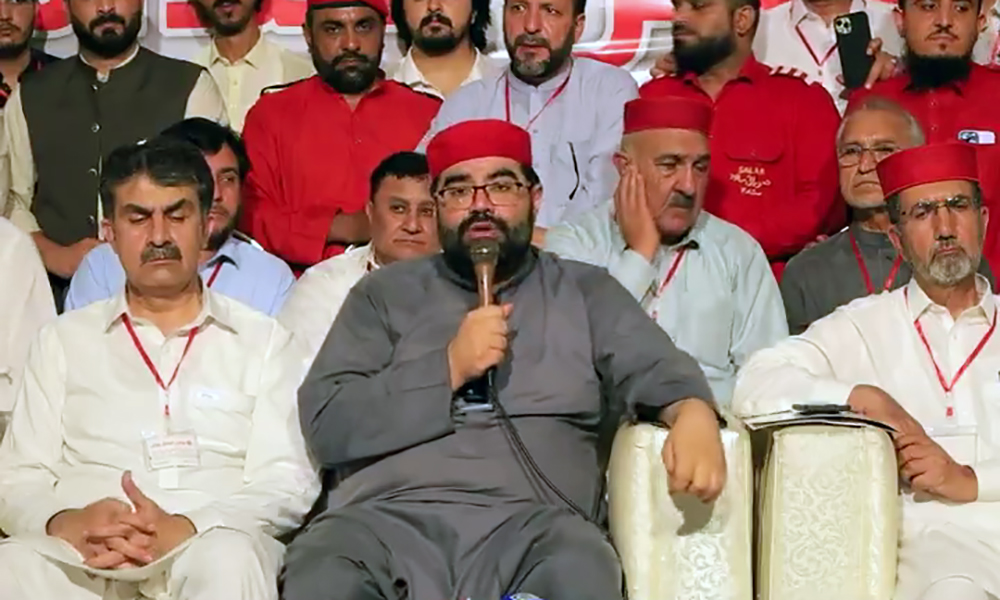
Awami National Party (ANP) President and Senator Aimal Wali Khan has condemned the suicide attack on the Aman Mela checkpoint in the Darazinda area of Pakistan’s Dera Ismail Khan district, describing it as a failure by the state to ensure the security of citizens.
According to Dawn, Khan called on the federal and Khyber Pakhtunkhwa governments to take greater responsibility for protecting citizens and addressing the deteriorating security situation in the province.
In a statement, Khan said Khyber Pakhtunkhwa is experiencing one of the darkest periods in its history. He alleged that the Pashtun population is facing systematic violence and said prolonged insecurity has left the province deeply affected by terrorism.
Khan also condemned an attack on an ambulance reportedly carrying the body of a person killed in the blast, describing it as an “inhumane act.”
The ANP leader questioned the government’s response to the worsening security situation, saying that blaming groups referred to by authorities as “Fitna al-Khawarij” and “Fitna al-Hindustan” does not absolve the state of its responsibility to protect citizens.
He urged the federal and provincial governments to stop blaming each other and instead focus on restoring peace and strengthening security across Khyber Pakhtunkhwa.
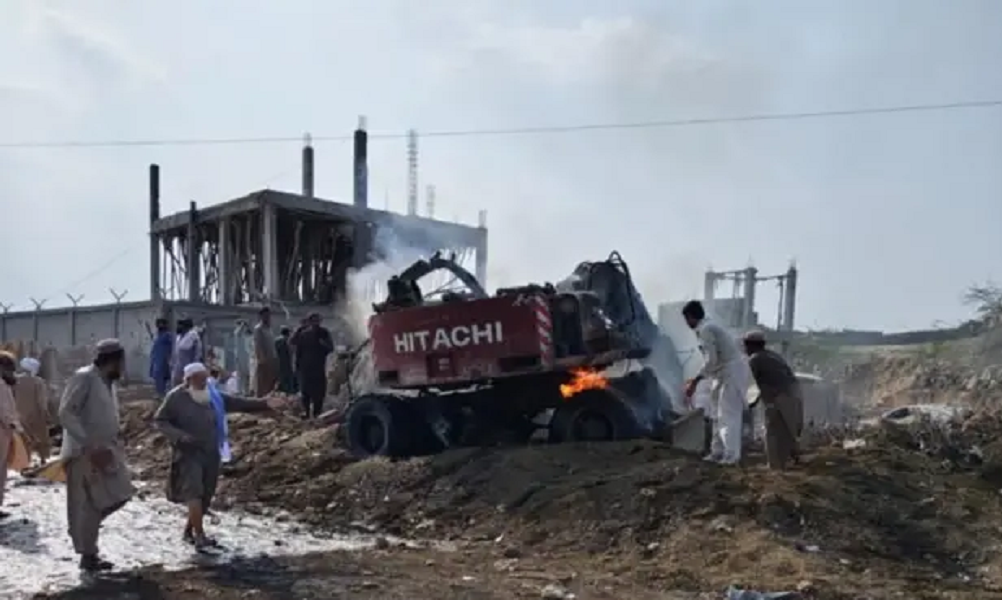
Eleven people were killed and 30 injured in a blast in Dera Ismail Khan in northwestern Pakistan on Saturday, emergency service Rescue 1122 said.
The Tehreek-e-Taliban Pakistan claimed responsibility for Saturday’s attack.
The blast occurred near Aman Mela in the Darazinda area of the district, Rescue 1122 said in a statement.
Rescue teams from the Darazinda station reached the scene and began relief operations, providing medical assistance to the wounded and taking them to hospital, the service said.
Security incidents have continued in the district this month, including attacks involving the Pakistani Taliban.
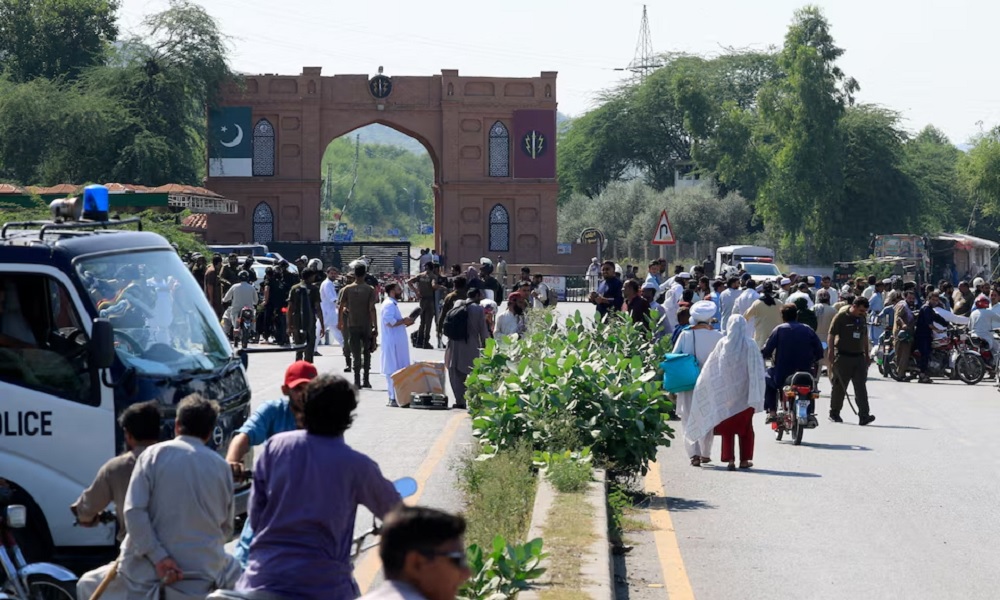
Jailed former prime minister Imran Khan’s Pakistan Tehreek-e-Insaf party has postponed a planned long march from Peshawar to Islamabad until October 4, the chief minister of the PTI-ruled Khyber Pakhtunkhwa province, Sohail Afridi, told reporters on Friday.
PTI had planned to begin the march on September 27 to press for the release of Khan, who has been in jail since 2023. The PTI’s last large-scale protest two years ago ended in deadly clashes with security forces, Reuters reported.
Earlier this week, Pakistan curbed access to its capital, Islamabad, by blocking major highways with shipping containers and deploying tens of thousands of security forces, ahead of the march planned by Khan’s supporters.
Party spokesperson Zulfi Bukhari, however, told Reuters that although they had moved the planned date to October 4, they could launch the march earlier.
“We can now do it whenever we deem fit. The question is to the government, as to how long they’re willing to keep the country closed off?”, Bukhari said.
Authorities have detained three of Khan’s sisters and hundreds of party activists in recent days, citing a need to maintain public order.
Khan, 73, a former cricket star ousted by parliament in a 2022 no-confidence vote, has claimed to be a political prisoner.


Tajikistan reaffirms support for peace and stability in Afghanistan

Germany reports 488 Afghans for possible deportation, 267 have no criminal convictions

Afghanistan says 28 killed, 32 captured in Nuristan operation

Afghan bodybuilder Ali Bilal finishes runner-up at Mr Olympia for third straight year

UNDP, UN Women launch financing initiative for Afghan women entrepreneurs

Saudi energy group signs major Afghanistan deals covering gas exploration and pipeline plans

Trump floats idea of renaming Atlantic or Pacific Ocean

US hits Egyptian bank branches with Iran sanctions as war marks six months

Nepal flood rescue mission enters critical phase as thousands remain missing

Iranian clubs to face Gulf opponents at neutral venues in Asian Champions League Elite

Saar: Concerns over Pakistan’s political crisis discussed

Exclusive interview with Abdul Latif Mansoor, Minister of MRRD

Tawsia: Overview of Afghanistan’s iron mines

Tahawol: Discussion on fresh Pakistani airstrikes on Afghanistan

Saar: Calls for international support for Afghanistan discussed
-

 Latest News4 days ago
Ariana Afghan Airlines ranks seventh among 45 Central Asian airlines
-

 Regional4 days ago
US and Iran hold first talks since June after Trump’s ‘annihilation’ threat
-

 Regional3 days ago
Iran airlines cancel flights as US sanctions hit
-

 Latest News4 days ago
Silk Road highway in Wakhan corridor now reaches the China border
-
 Business4 days ago
Afghanistan, Turkmenistan agree to establish joint road transport commission
-
 Latest News4 days ago
India condemns Pakistani airstrikes on Afghanistan
-

 Sport3 days ago
Afghanistan open Asian Games cricket campaign with win over Japan
-
 World3 days ago
Trump welcomes Chinese President Xi as US-China summit gets underway