
Science & Technology
Iran lifts ban on WhatsApp and Google Play, state media says
Social media platforms were widely used in anti-government protests in Iran.


Iranian authorities have lifted a ban on Meta’s instant messaging platform WhatsApp and Google Play as a first step to scale back internet restrictions, Iranian state media reported on Tuesday.
The Islamic Republic has some of the strictest controls on Internet access in the world, but its blocks on U.S.-based social media such as Facebook, Twitter and YouTube are routinely bypassed by tech-savvy Iranians using virtual private networks, Reuters reported.
“A positive majority vote has been reached to lift limitations on access to some popular foreign platforms such as WhatsApp and Google Play”, Iran’s official IRNA news agency said on Tuesday, referring to a meeting on the matter headed by President Masoud Pezeshkian.
“Today the first step in removing internet limitations… has been taken,” IRNA cited Iran’s Minister of Information and Communications Technology Sattar Hashemi as saying.
Social media platforms were widely used in anti-government protests in Iran.

Science & Technology
North Korea shows off AI chatbot at IT exhibition
The chatbot can answer questions on science and technology in Korean or English and provide translations.
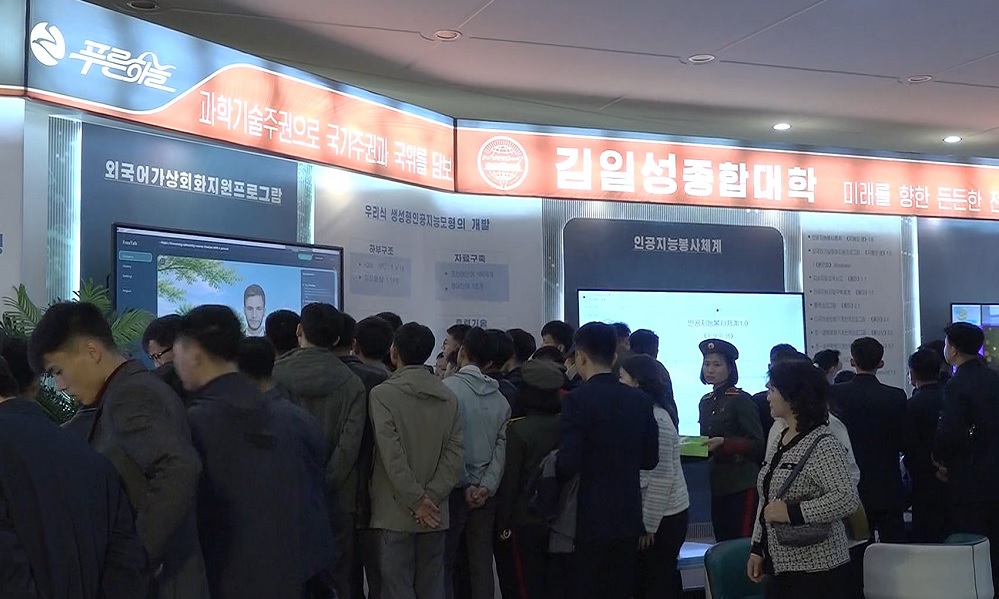
North Korea appears to have developed its first artificial intelligence chatbot, according to analysis by 38 North, a think tank that monitors North Korea, of footage broadcast on state television.
The system, called “AI Service System 1.0, Fountain of Wisdom”, was displayed at the National Exhibition of IT Successes in Pyongyang, held from October 19 to 30, according to 38 North. It featured in a report on Ryongnamsan TV on November 17.
It was built by Kim Il Sung University’s Artificial Intelligence Technology Research Institute and Phurunhanul Trading Co, a Pyongyang software developer, 38 North said, Reuters reported.
The chatbot can answer questions on science and technology in Korean or English and provide translations.
An on-screen warning instructs users not to ask socio-political questions, according to 38 North. The footage also appears to show a classifier screening queries before they reach the AI engine.
The hardware running the system was not disclosed. The 38 North report said the model behind the interface was more likely an open-weight system from a US or Chinese laboratory, such as Google’s Gemma or Alibaba’s Qwen, than one developed entirely in North Korea.
The report said the lack of large-scale data centres in North Korea could hamper deployment of the most advanced models.
Science & Technology
South Korea to inspect glasses worn by exam candidates after AI cheating scandal
Smart glasses have raised concern globally because they can be used to photograph, film or audio-record confidential material or people without their knowledge.
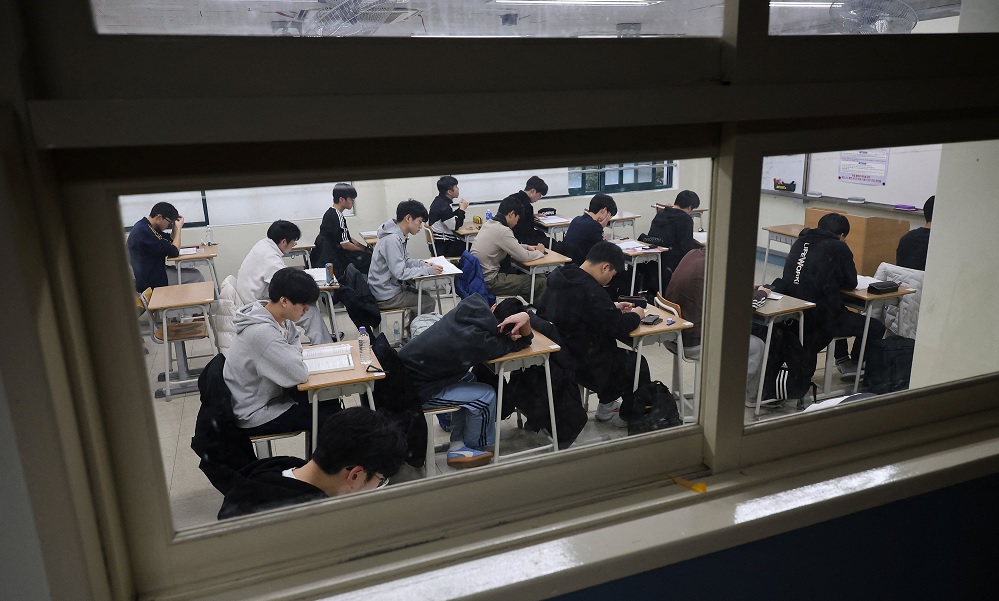
South Korea will inspect every pair of glasses worn by students taking this week’s national college entrance exam to prevent AI-assisted cheating, after cheating in the tax accountant exam shook public confidence in the country’s high-stakes testing system.
There have even been calls to postpone the university entrance exam to ensure a fair test after the scandal, although the Education Ministry has ruled out a delay to an exam seen as crucial to success in South Korea’s hyper-competitive society, Reuters reported.
Here are some details:
Education Minister Choi Kyo-jin told a parliamentary hearing on Monday the ministry would inspect all glasses worn by candidates in every session of the College Scholastic Ability Test (CSAT). Smart devices were added to the list of banned items in July.
Smart glasses have raised concern globally because they can be used to photograph, film or audio-record confidential material or people without their knowledge.
Notices posted outside every exam room will warn of exam bans and criminal penalties if anyone is found to be cheating, Choi said.
Every exam centre will have at least one member of staff dedicated to monitoring smart devices.
A hotline will link the centres, local education offices and the ministry’s control room for any cases that are hard to judge on the spot.
Choi said the ministry would consult specialists on technology such as radio-signal detectors and consider introducing them for next year’s test.
Anyone caught wearing or using a smart device during the exams will have that year’s results invalidated and will be barred from sitting them the following year.
Choi said the ministry would work with parliament to lengthen the ban from 1 year to between 3 and 10 years. Offenders may also be reported to police for obstructing official duties.
The response follows Sunday’s confession by a person who placed first in this year’s tax accountant exam after cheating. He admitted photographing exam questions with a microcamera, sending them to an AI tool and checking the answers on a smartphone.
Prime Minister Han Seong-sook said on Monday the government would form an emergency team to prepare measures to safeguard the CSAT. She also urged officials to develop AI-based detection technology and called for strengthened penalties for cheating.

Astronomers have discovered a white dwarf star surrounded by two distinct rings of planetary debris, offering new insights into what may happen to planetary systems, including our own, when their host stars reach the end of their lives.
The star, identified as J1328−1450, is located about 1,600 light-years from Earth in the constellation Virgo. Observations made using the European Southern Observatory’s Very Large Telescope in Chile revealed an unusual arrangement of dust and gas around the star.
According to researchers, the debris appears to form two separate rings, a structure not previously observed around any of the 21 white dwarfs known to have surrounding planetary debris.
The scientists believe that two relatively large rocky bodies may have survived the star’s transformation into a white dwarf and could be responsible for shaping the surrounding material. One of these objects may be roughly the size of Pluto, while the other is smaller.
Researchers say the discovery provides further evidence that some rocky planetary bodies can survive the dramatic changes that occur when a star exhausts its fuel and expands into a red giant.
The findings, published in the journal *Nature Astronomy*, suggest that the original star may once have hosted a planetary system. During its expansion, it likely engulfed some of its innermost planets, while more distant objects survived.
Over time, gravitational forces may have pulled some of these surviving bodies closer to the white dwarf, tearing them apart and scattering their material into surrounding rings of dust and gas.
Astronomers also found differences in the chemical composition of the two rings, particularly in their magnesium content, suggesting that they may have originated from different rocky bodies or from different layers of a disrupted object.
The discovery could offer a glimpse into the distant future of our own solar system. Scientists estimate that in about five billion years, the Sun will expand into a red giant before shedding its outer layers and becoming a white dwarf.
During this process, Mercury and Venus are expected to be engulfed, while the fate of Earth remains uncertain. More distant planets, including Jupiter and Saturn, are expected to have a greater chance of surviving.
Researchers say that, after the Sun becomes a white dwarf, surviving planets, moons and asteroids could also be pulled towards it and broken apart by its intense gravitational force.
They suggest that the newly observed system may represent one possible stage in the far-distant future of our solar system.

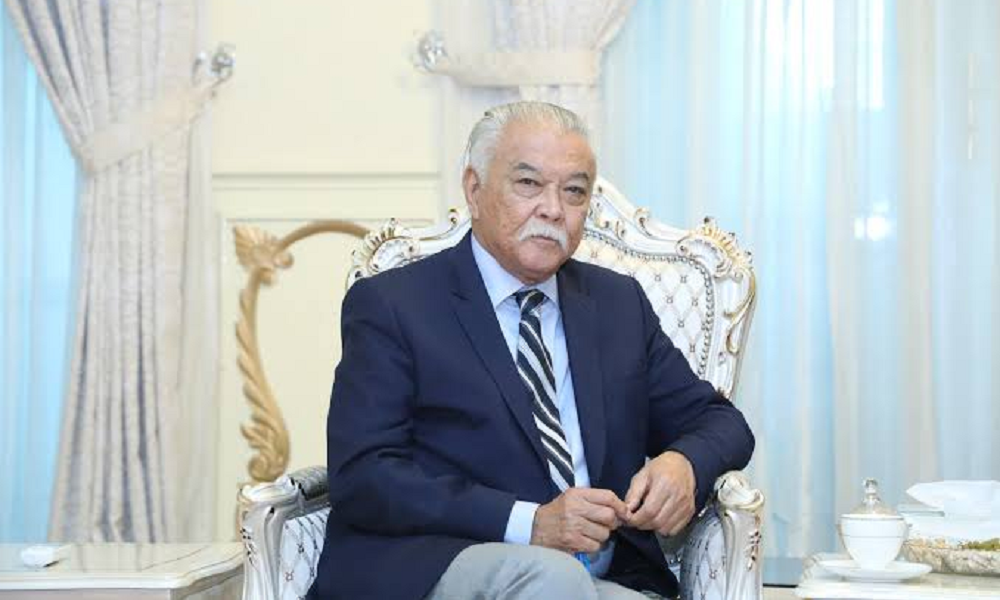
Sweden rejects asylum request of former Afghan ambassador, plans deportation to US: Le Monde
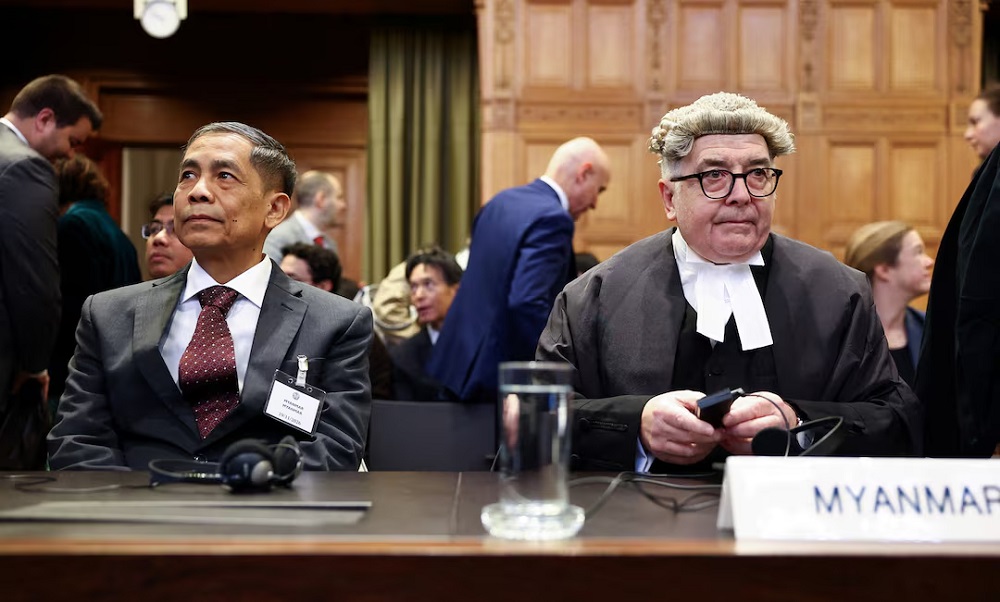
World Court finds Myanmar forces killed thousands of Rohingya, ruling ongoing
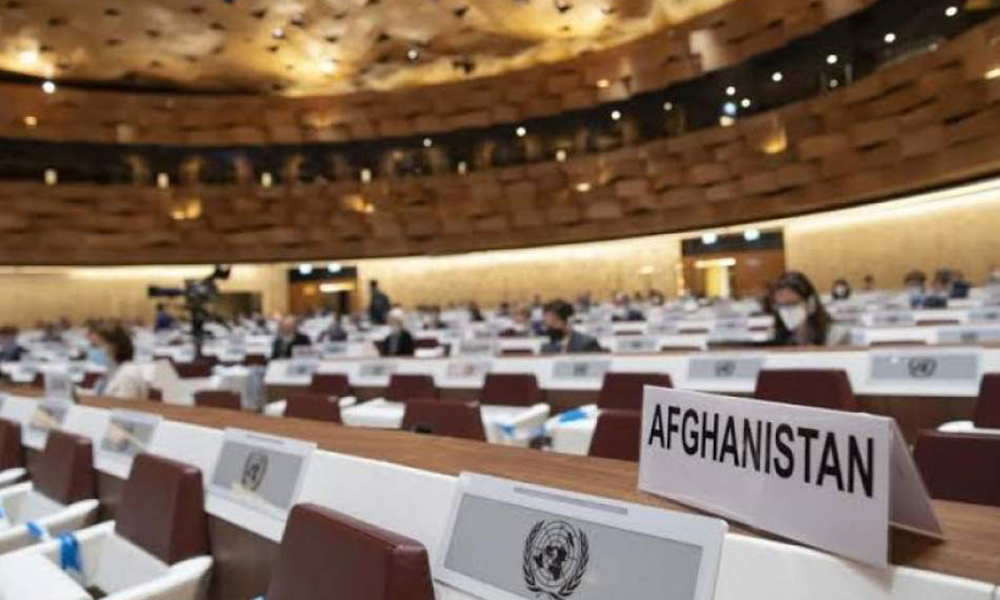
Afghanistan marks 80 years of UN membership amid ongoing dispute over representation

Afghanistan suffer 9-2 defeat to Iran in Beach Soccer Asian Cup opener

IEA rejects UN concerns over Daesh’s growing capabilities in Afghanistan

Governments take websites offline as critical cyber flaws trigger global alert

Afghanistan’s new Wakhan road to China faces major hurdles

US sanctions and blockade measures disrupt Iran’s trade with Afghanistan and regional neighbors

Pakistan exporters suffer billions in losses as Afghanistan trade halt continues

Saudi defence pact countries push for peace in Tehran as Houthis launch more attacks
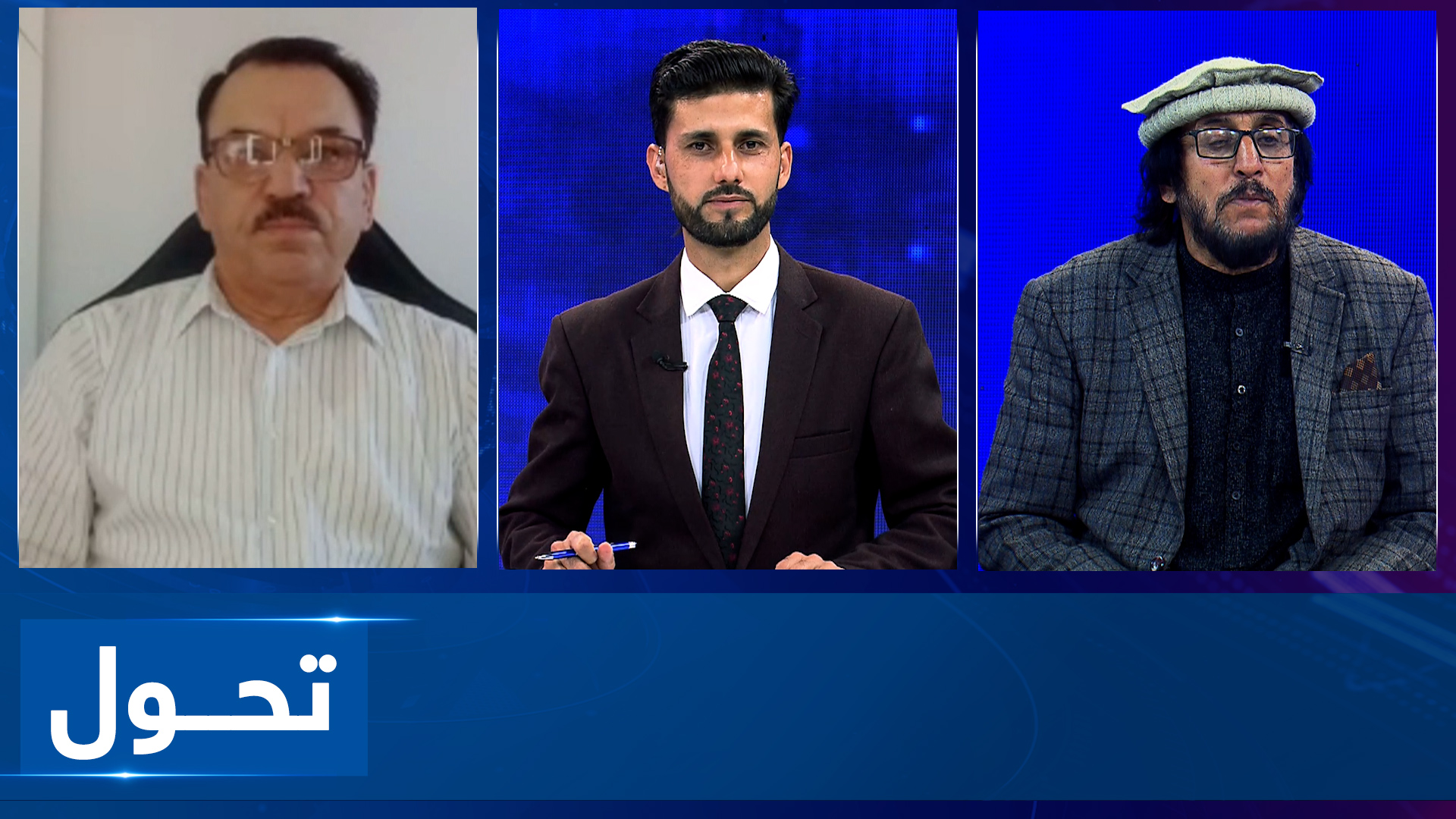
Tahawol: Qatar-UK consultations on Afghanistan discussed
Saar: Efforts to deliver urgent humanitarian aid to needy Afghans
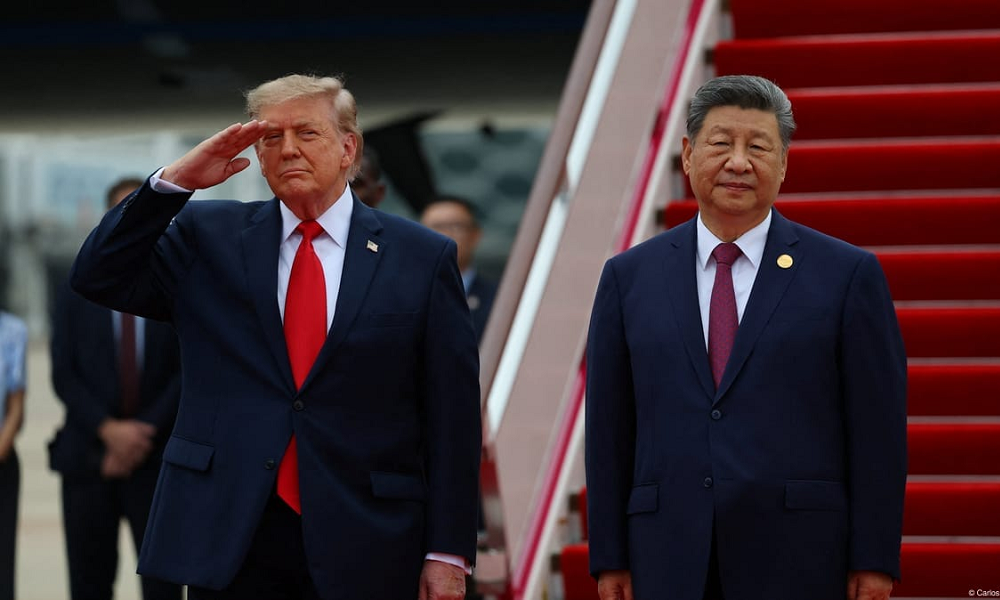
Xi welcomes Trump to China ahead of highly anticipated summit with Putin
Tahawol: 80th anniversary of Afghanistan’s UN membership discussed
Saar: Europe’s shift toward engagement with the IEA discussed
-
 Sport4 days ago
ILT20 teams required to field at least two UAE and Afghanistan players in Season 5
-
 Sport4 days ago
Arman FC cruise to 5-0 victory over Istiqlal Kabul in ACL match
-
 Sport5 days ago
Afghanistan trail Zimbabwe by 180 runs at stumps on day two of second Test
-
 World4 days ago
US floated idea of Ukraine ceding Donbas for NATO membership, Zelenskiy says
-
 Latest News4 days ago
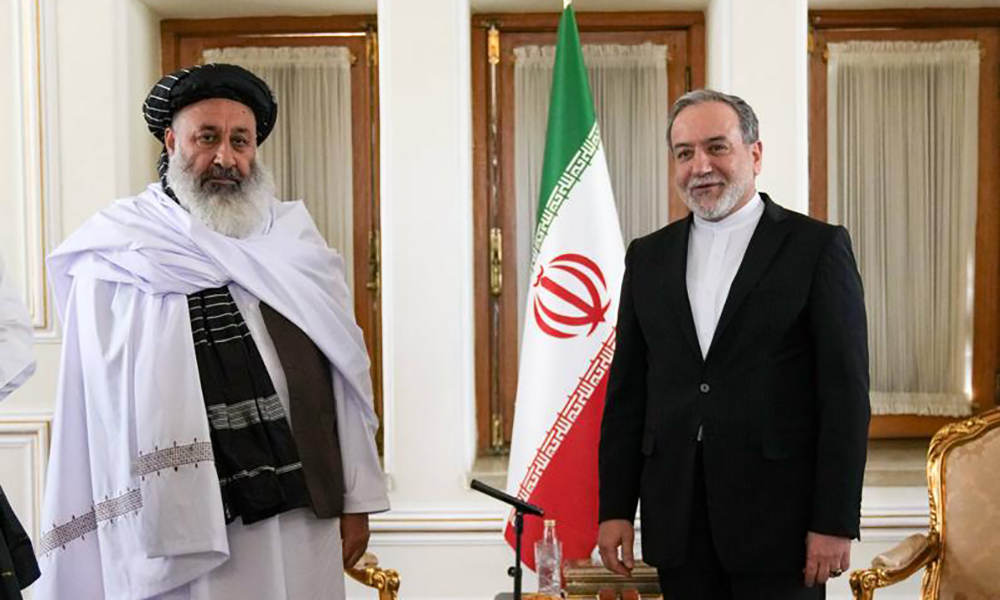
Afghanistan and Iran agree to expand trade cooperation and upgrade border infrastructure
-
 Latest News5 days ago
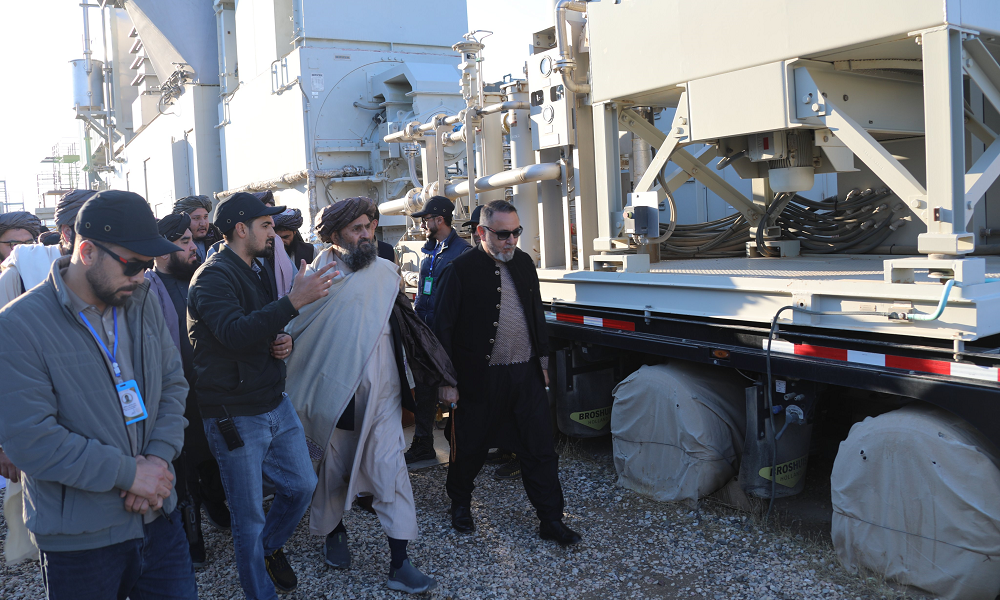
Bayat Power’s 40-megawatt gas-fired turbine resumes operations in Jawzjan
-
 Sport3 days ago
25 Afghan cricketers secure contracts for ILT20 Season 5
-
 Regional4 days ago
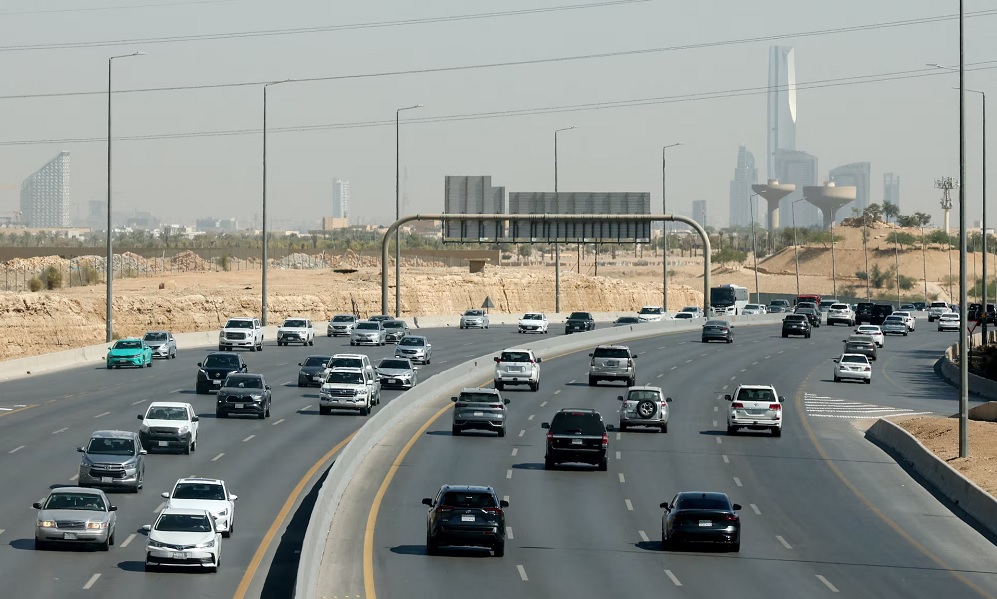
Saudi-led coalition intercepts missiles towards Riyadh, drones in Eastern Province