
Business
Locusts attack along India-Pakistan border threatening food security

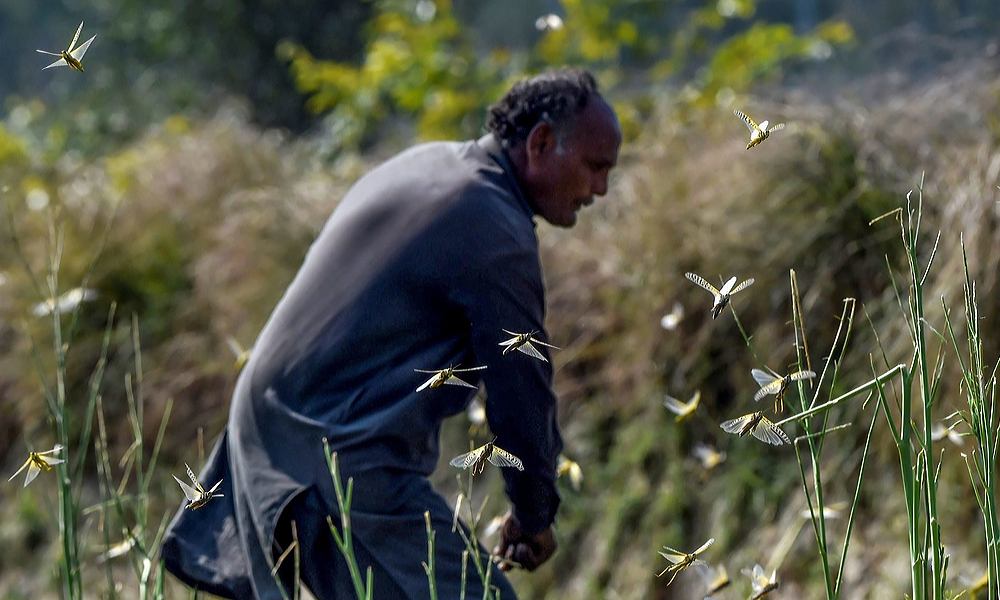
There has been an increased risk along both sides of the India-Pakistan border, the Food and Agriculture Organization of the United Nations (FAO) said Friday.
FAO, in its Friday release, warned, “Despite control operations, recent heavy rains have created ideal conditions for the pest’s reproduction in several countries. Young juveniles will become voracious adults in June just as farmers begin to harvest, compounding an already bleak food security situation.”
Reports indicate that India has reached out to Pakistan to counter a locust invasion which threatens to destroy crops and undermine food security in the south and southwest Asia already threatened by the COVID19 pandemic.
According to Indian news outlets, swarms of desert locusts swept Jaipur on Monday as the insect onslaught spread wider to parts of Rajasthan, Madhya Pradesh, and Uttar Pradesh; while Gujarat and Punjab have warned their farmers of locust attacks.
This is the second round of locust attack in India, the first one having occurred during December-February.
Locust attacks in 12 countries, including Pakistan, Iran, and ten nations in Africa, have damaged crops over millions of hectares.
The World Bank has set up a $500 million program to help countries in Africa and the Middle East combat the impact of locusts.
It is noteworthy that the Locusts can destroy standing crops and devastate livelihoods of people – The desert locust is considered the most destructive migratory pest in the world and a single swarm covering 1 square kilometer can contain up to 80 million locusts.



Business
$30 million pharmaceutical investment launched in Herat as new production line opens
Meanwhile, the newly inaugurated serum and injectable production line is capable of producing up to 100,000 packages of serum per day.
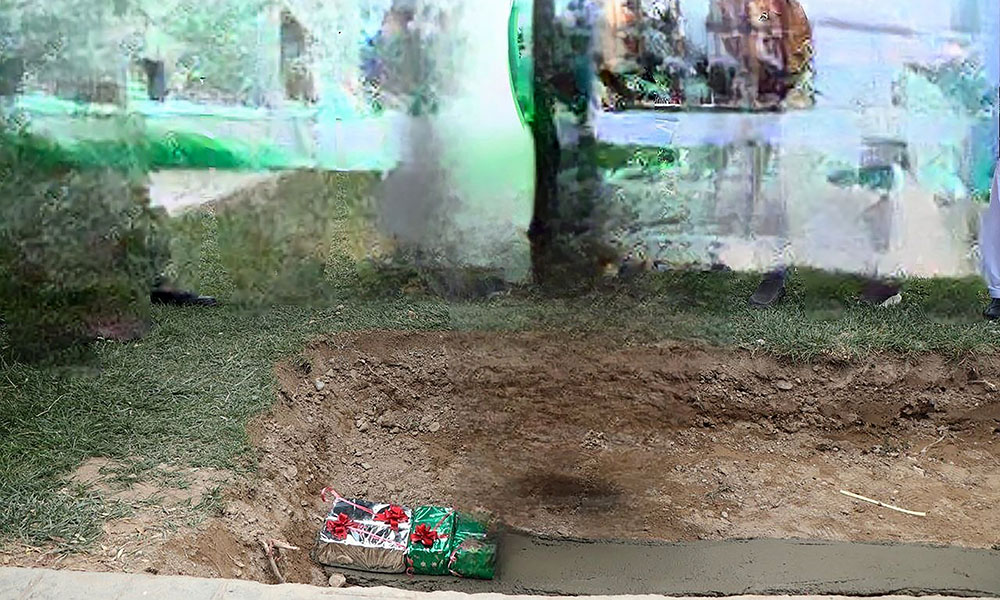
The foundation stone has been laid for three new pharmaceutical production blocks at Ovison Pharma in Herat, with an investment of $30 million, while the factory’s new serum and injectable production line has also been inaugurated.
The new production blocks will be constructed on a 3,000-square-metre site, with each facility planned to have five floors. Equipped with advanced machinery and designed to meet international standards, the expansion is expected to significantly increase the factory’s pharmaceutical production capacity.
Meanwhile, the newly inaugurated serum and injectable production line is capable of producing up to 100,000 packages of serum per day.
The expansion marks a significant step toward strengthening Afghanistan’s pharmaceutical industry, increasing domestic production and reducing the country’s reliance on imported medicines.
The investment is also expected to support the development of local manufacturing capacity and improve access to domestically produced pharmaceutical products.
Business
Afghanistan approves new foreign investment policy in bid to attract international investors
The decisions have been forwarded to the office of the Supreme Leader of the Islamic Emirate for final approval.
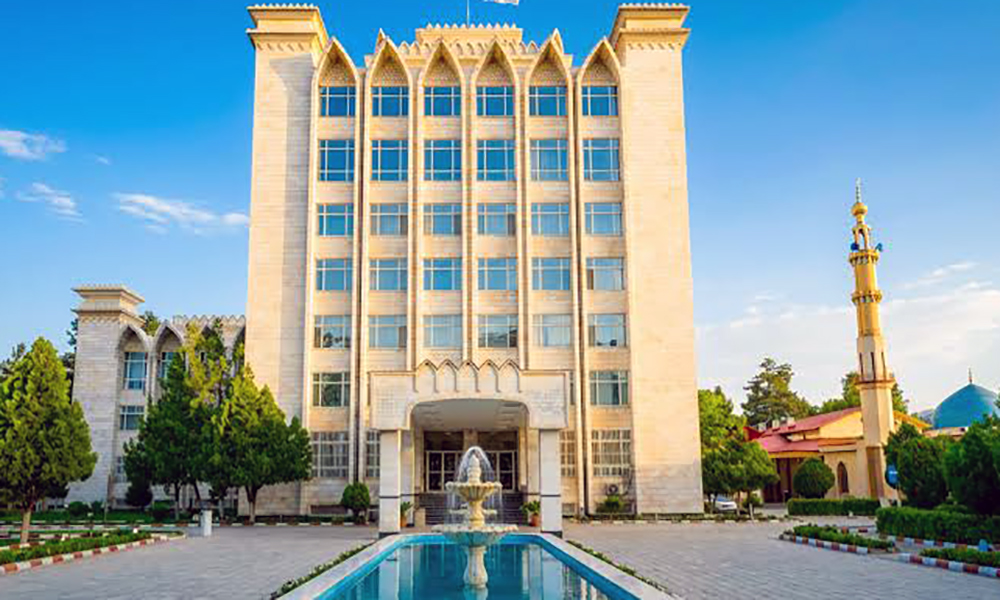
Afghanistan’s Economic Commission has approved a new foreign investment policy aimed at attracting international investors, improving investment opportunities and supporting the country’s economic growth.
The decision was made during the commission’s regular meeting, chaired by Mullah Abdul Ghani Baradar, Deputy Prime Minister for Economic Affairs, at the Marble Palace on Monday.
According to the Deputy Prime Minister’s Office for Economic Affairs, the proposed policy was presented by a committee established under the leadership of the economic deputy office. Following a comprehensive review and consideration of the commission’s recommendations, the policy was approved.
The policy aims to regulate foreign investment activities, facilitate investment procedures, create a favourable environment for investors, ensure investment security and promote Afghanistan’s economic growth and development.
During the meeting, the commission also approved a proposal concerning the payment of fixed taxes by commercial import companies at the country’s customs offices.
Officials said implementing the proposal would create additional facilities and simplify procedures for importing businesses.
The decisions have been forwarded to the office of the Supreme Leader of the Islamic Emirate for final approval.
Business
Afghanistan and Iran discuss boosting trade and investment ties
Both sides agreed to follow up on the issues raised, improve coordination between relevant economic institutions and work towards removing barriers to trade.
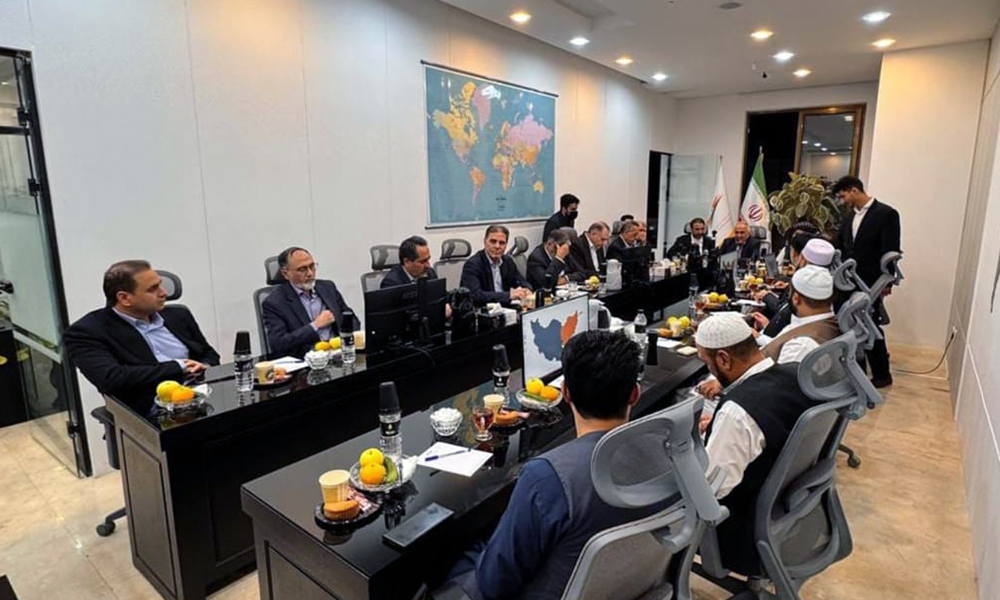
Afghanistan and Iran have held talks on expanding bilateral trade, improving cross-border commerce and creating new investment opportunities for businesses in both countries.
The discussions took place during a meeting between a trade delegation from Afghanistan’s Kandahar province and representatives of the Iran-Afghanistan Joint Chamber of Commerce.
The Afghan delegation was led by Kamaluddin Tawhid, Chairman of the Afghanistan-Iran Joint Chamber of Commerce, who met with his Iranian counterpart, Mahmoud Seyadat, along with members of the chamber’s board of directors. Afghanistan’s Consul General in Mashhad, Noor Mohammad Mutawakkil, also attended.
The talks focused on strengthening economic cooperation, streamlining trade procedures at ports and border crossings, and encouraging joint investment by Afghan and Iranian companies.
Participants also raised several practical obstacles affecting commercial activities, including foreign exchange obligations, visa arrangements for Afghan truck drivers and the movement of Afghan freight vehicles through Iranian territory.
Tawhid highlighted Kandahar’s economic potential and investment opportunities across Afghanistan, urging Iranian businesses to play a greater role in the country’s economy.
He also pointed to investment opportunities identified by Afghanistan’s Ministry of Industry and Commerce, stressing the need for improved facilities for private-sector businesses and closer cooperation between the two countries’ commercial communities.
Both sides agreed to follow up on the issues raised, improve coordination between relevant economic institutions and work towards removing barriers to trade.
The meeting concluded with a commitment to strengthen commercial exchanges and expand trade and investment relations between Afghanistan and Iran.


Tahawol: Efforts to halt deportation of Afghan refugees from US discussed
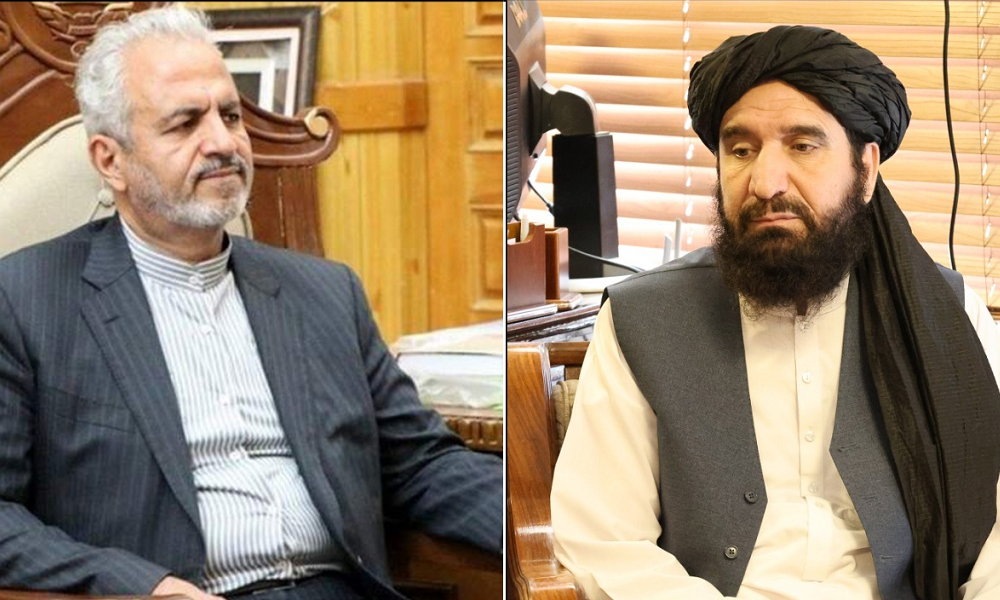
Afghan and Iranian officials discuss expanding economic cooperation
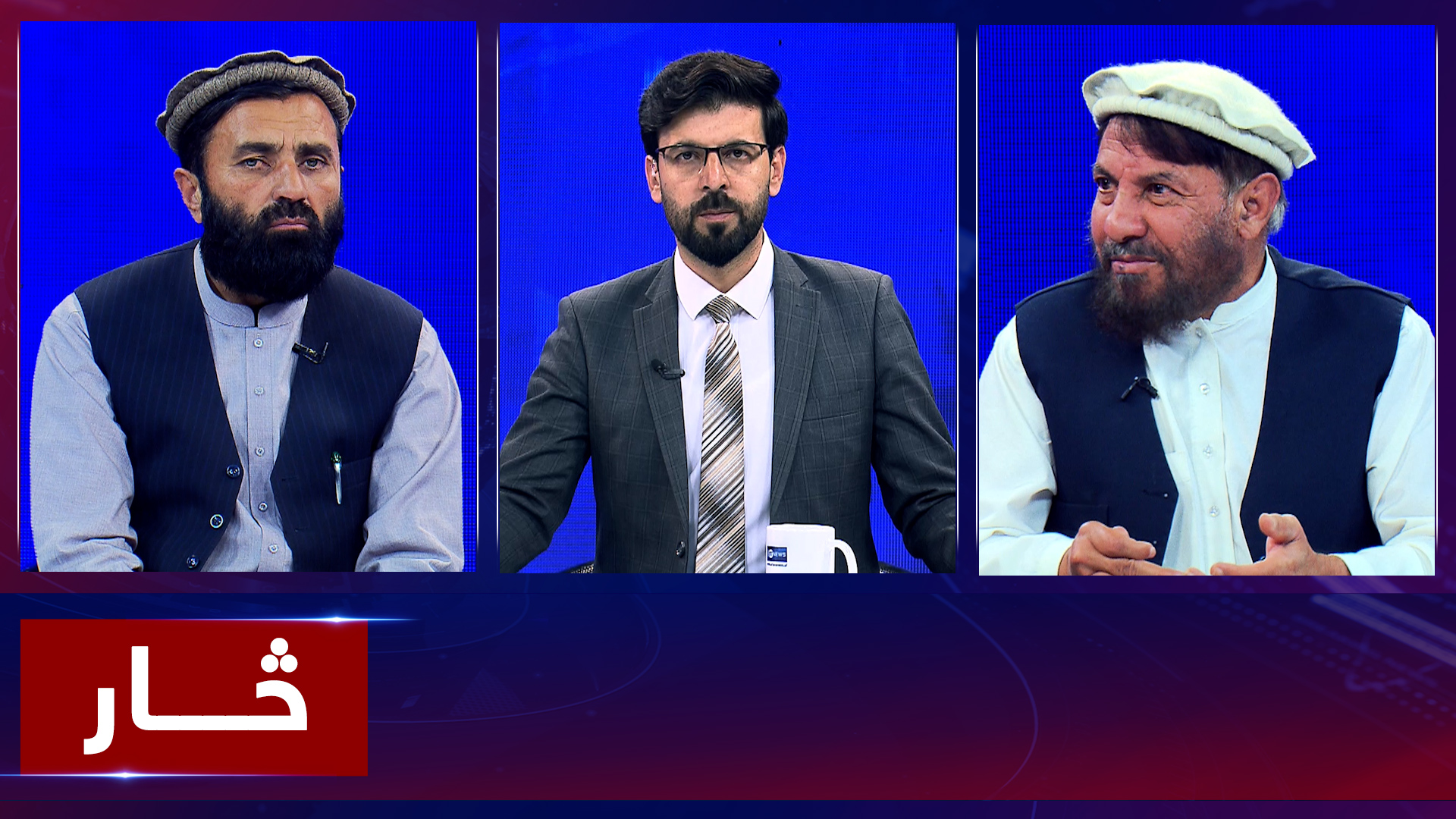
Saar: Russia’s stance on Afghanistan discussed
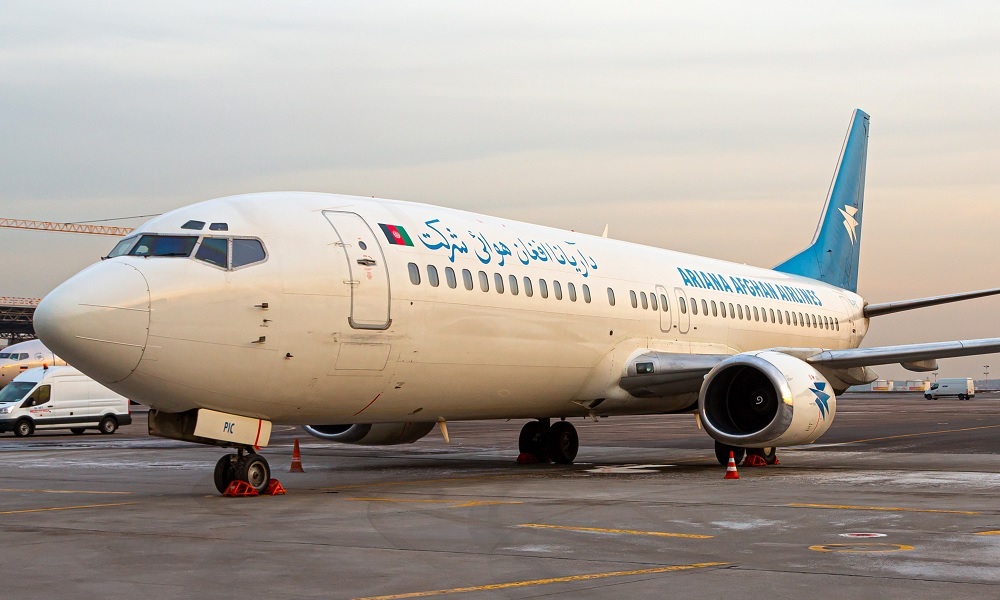
Ariana Airlines reduces Kabul–Islamabad–Kabul airfares by $20
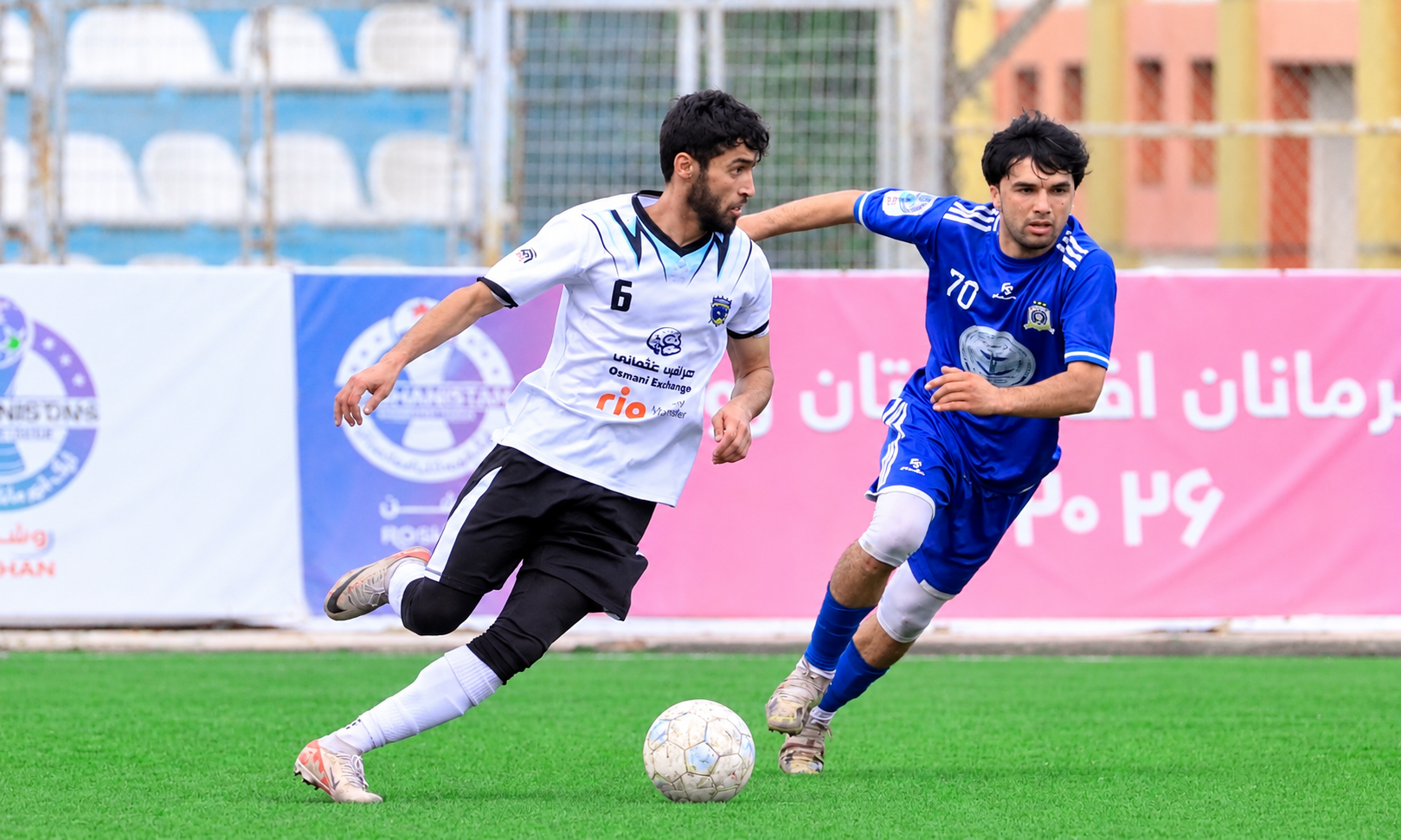
Omar Zawak thrash Istiqlal Kabul 5-1 in ACL

Afghanistan finish runners-up after 6-0 defeat to Brazil in futsal final

Trump says US may strike Iran’s ‘Pickaxe Mountain’ nuclear facility

Afghan futsal coach: Brazil tournament is first step towards new goals and World Cup

Pakistan deploys military to Peshawar after emergency rule declared

Violent protests spread across Europe as Albanian PM blames ‘foreign hand’
Tahawol: Efforts to halt deportation of Afghan refugees from US discussed
Saar: Russia’s stance on Afghanistan discussed

Trump says further US attacks on Iran ‘highly unlikely’ as peace talks gain momentum
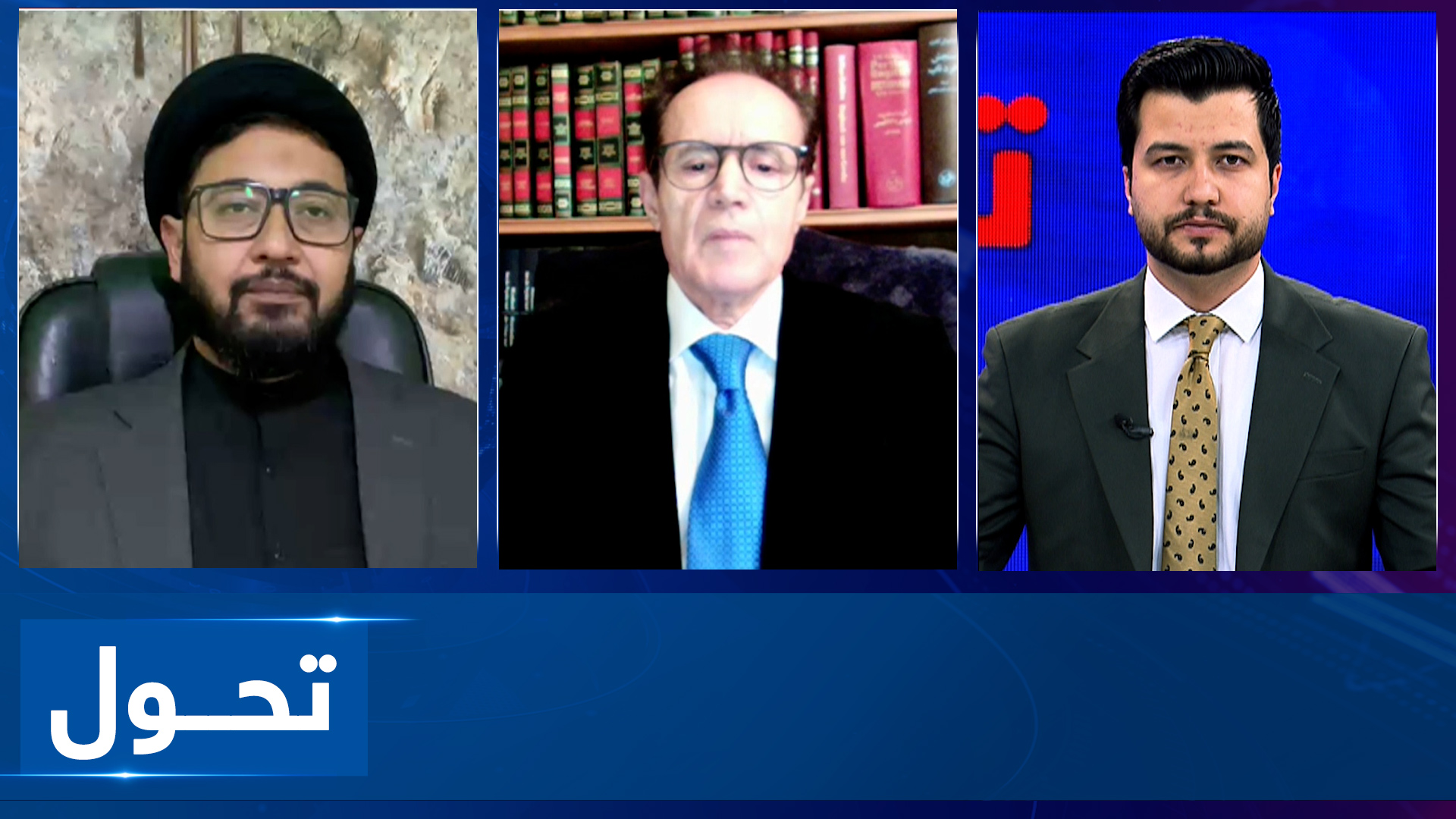
Tahawol: Geopolitical developments in the Middle East
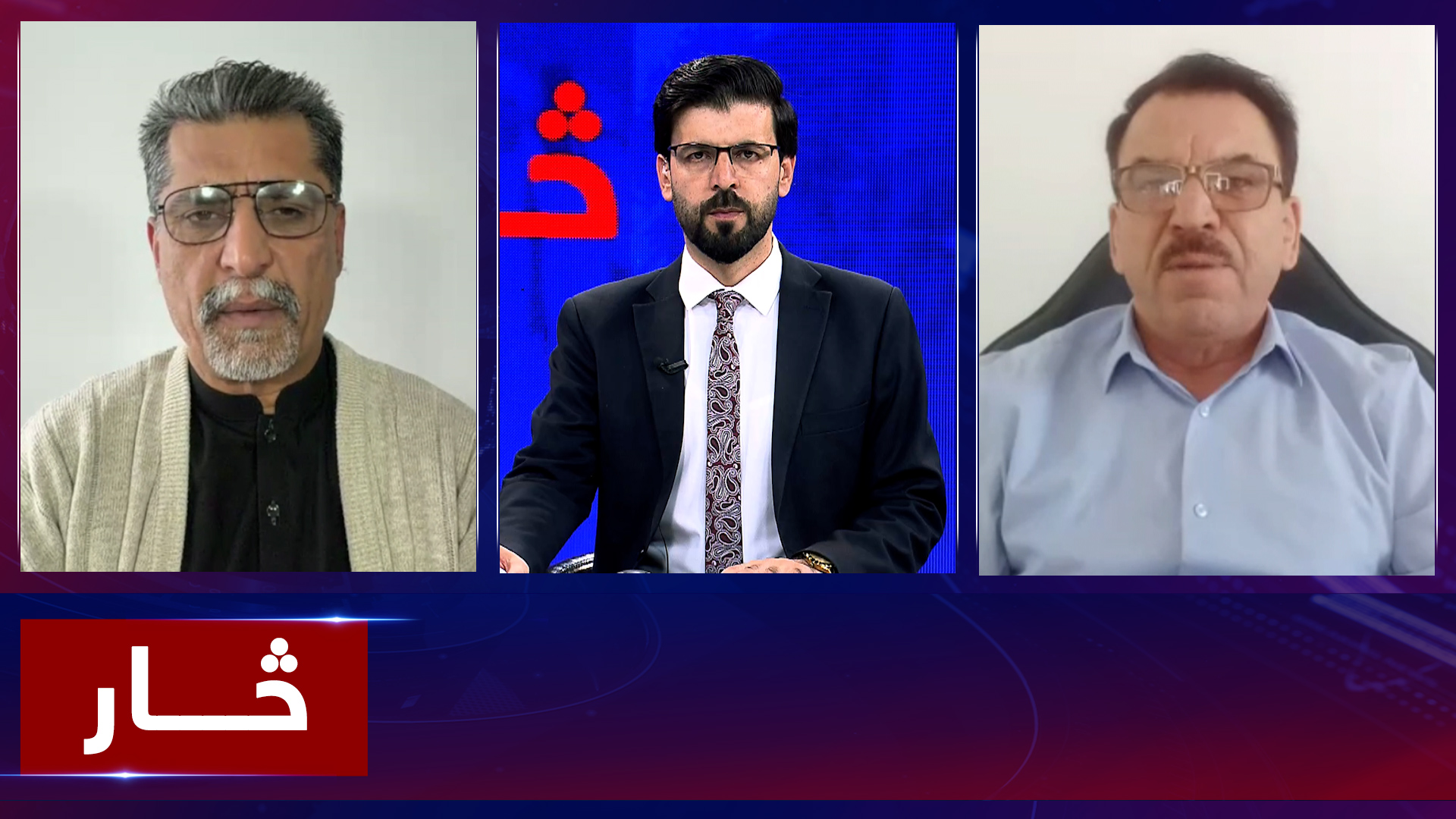
Saar: EU’s engagement with Afghanistan
-
 Regional4 days ago
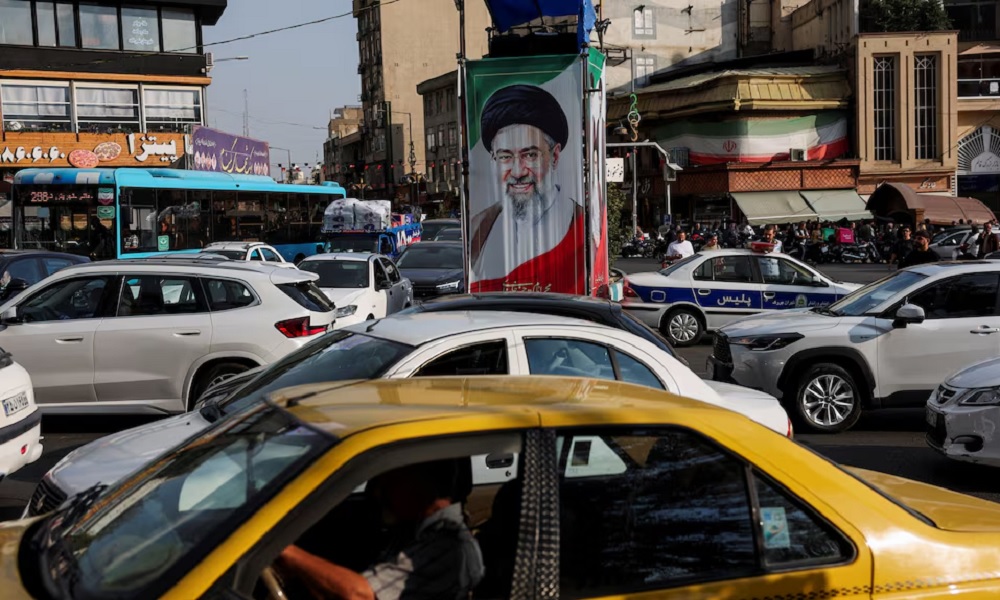
Iran sent nuclear proposal to the US via Qatar, senior Iranian official tells Reuters
-
 Sport2 days ago
Afghanistan’s record partnership highlights fourth day of Test against Zimbabwe
-
 Sport3 days ago
Toofan Herat defeat Arman FC 2–0 in Afghanistan Champions League
-
 World3 days ago
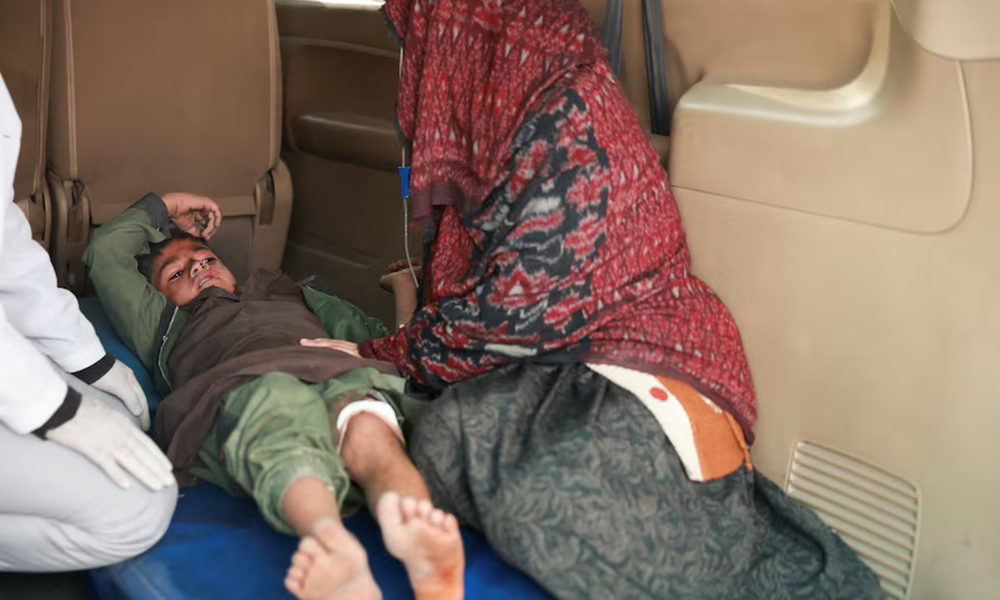
Houthi-run health ministry says airstrikes kill 33 near Yemen capital
-
 Sport4 days ago
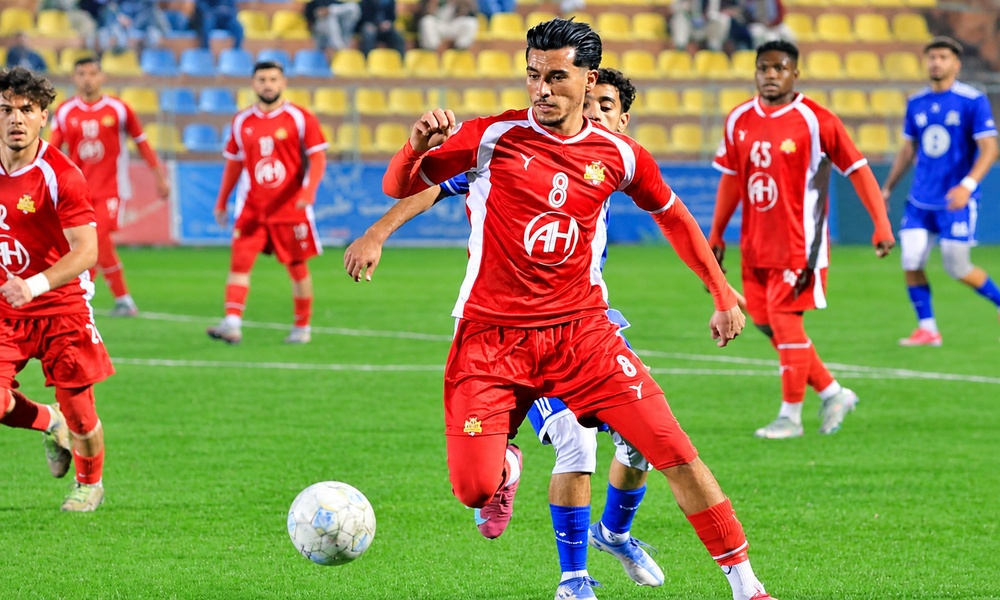
Abu Muslim Farah claim convincing 3-0 win over Omar Zawak in ACL
-
 Regional4 days ago
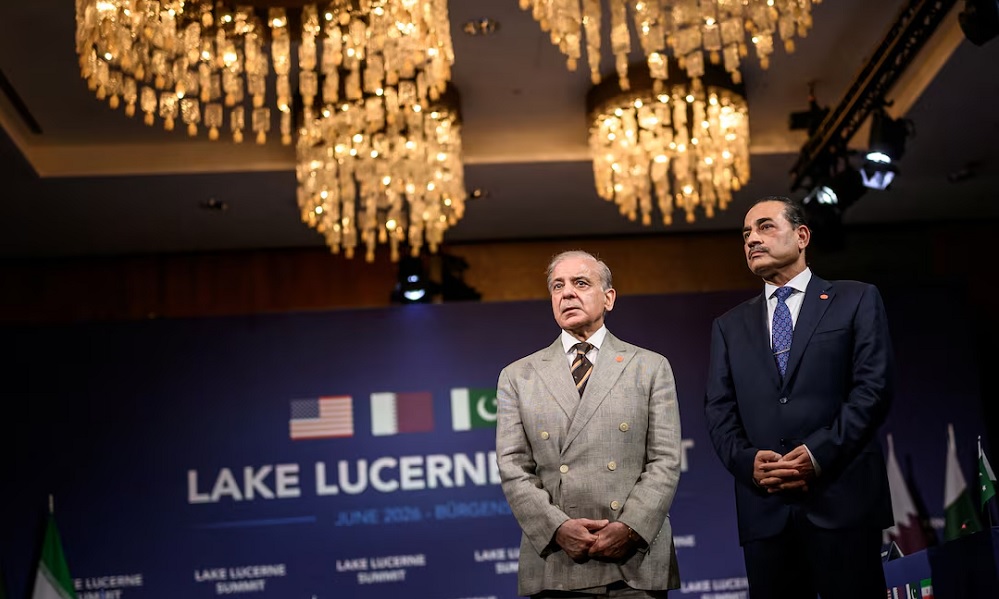
Pakistan’s leaders dread US Democrats’ win but its households are praying for it
-
 Sport2 days ago
Afghanistan thrash Senegal 6-0 to reach Dakar Youth Olympics futsal semi-finals
-
 Sport4 days ago
Afghanistan trail Zimbabwe by 391 runs at stumps on day two of first test