
Morning News Show – Eid Holidays; Don’t let Coronavirus befriend you



Latest News
Afghanistan’s economy grows despite rising food insecurity and water crisis: World Bank
Despite an improved harvest, an estimated 15.9 million people faced acute food insecurity during September and October 2026, according to the Integrated Food Security Phase Classification (IPC).
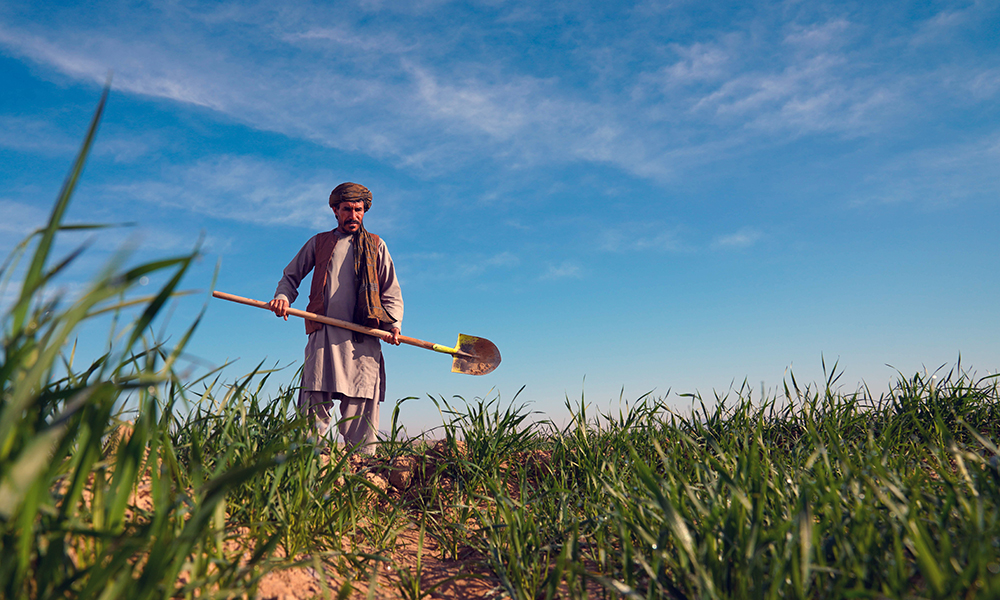
Afghanistan’s economy is projected to expand by three percent in 2026, supported largely by a strong agricultural harvest. However, declining household incomes, rising food prices and worsening water shortages continue to threaten livelihoods, according to the World Bank’s latest economic assessment.
In its Fall 2026 Afghanistan Development Update, released on November 18, the World Bank said economic output per capita is expected to fall by 3.3 percent for the third consecutive year, as population growth is forecast to reach 6.6 percent.
The report highlighted growing pressure on household finances, with fewer employment opportunities and higher food costs reducing purchasing power. In September, casual labourers recorded 14 percent fewer working days than a year earlier, while their weekly earnings could purchase 27 percent less wheat flour.
Despite an improved harvest, an estimated 15.9 million people faced acute food insecurity during September and October 2026, according to the Integrated Food Security Phase Classification (IPC).
The World Bank also reported a 10.2 percent increase in domestic revenue during the first half of 2026, driven by higher tax and non-tax collections despite declining customs duties. However, public investment remains limited, with capital expenditure projected at just 1.3 percent of gross domestic product.
Trade disruptions are adding to the economic challenges. The closure of border crossings with Pakistan has forced around 97 percent of Afghanistan’s imports to be routed through Central Asia and Iran. Exports also fell by 15.1 percent between April and September compared with the same period last year.
The report raised particular concern over Afghanistan’s worsening water crisis, estimating that the country has lost approximately 4.9 billion cubic metres of freshwater reserves annually since 2003.
In Kabul, groundwater extraction is occurring at nearly four times the rate of natural replenishment, placing increasing pressure on already limited water resources.
The crisis also threatens rural livelihoods, with agriculture accounting for 46 percent of employment and approximately 95 percent of the country’s water withdrawals.
Looking ahead, the World Bank forecasts economic growth of 3.3 percent in 2027 and 3.5 percent in 2028. However, despite the projected recovery, output per capita in 2028 is expected to remain around 7 percent below its 2024 level.
The report warned that several risks could undermine the outlook, including a poor harvest, further disruption to trade routes, another large influx of returning Afghans and deeper reductions in international assistance.
It also called for more reliable trade corridors, expanded employment opportunities in provinces receiving large numbers of returnees, and the restoration of access to education and employment for women and girls.
Addressing the water crisis, the World Bank emphasized the need to restore essential water and sanitation services, repair irrigation infrastructure and strengthen the protection of watersheds and groundwater reserves.
Regional
US strikes Iranian military site as Gulf states report fresh attacks
The IRGC claimed earlier it had struck a US military radar system at Bahrain’s Sheikh Isa Air Base using drones.
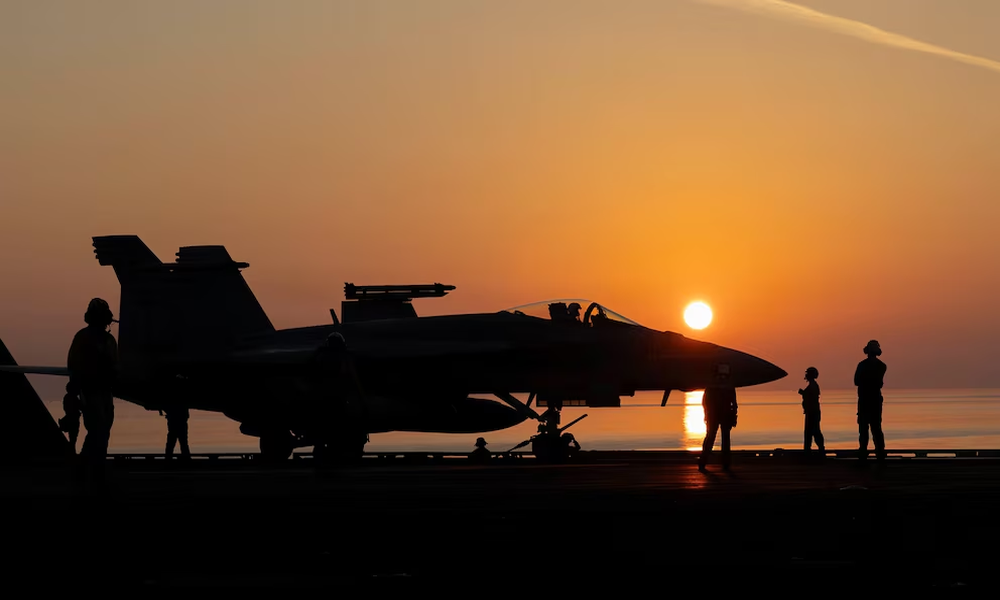
US warplanes struck an Iranian military installation on Qeshm Island in the Strait of Hormuz on November 17, as Bahrain and Kuwait reported fresh aerial attacks and diplomatic efforts continued to prevent further escalation across the Gulf.
A US military official told Reuters that American aircraft targeted a site belonging to Iran’s Islamic Revolutionary Guard Corps (IRGC), in response to attacks on US personnel and military assets.
Ahmad Nafisi, deputy governor of Iran’s Hormozgan province, confirmed the strikes on Qeshm Island but said residential areas, businesses and critical infrastructure had not been damaged. He did not provide details of casualties or damage to military facilities.
Earlier, the IRGC claimed it had struck a US military radar system at Bahrain’s Sheikh Isa Air Base using drones. It described the attack as retaliation for what it called repeated violations of Iranian airspace by American military drones.
However, US Central Command rejected the claim, saying the incoming drones had been intercepted without causing damage to American equipment or injuring US personnel.
Bahrain, which hosts the US Navy’s Fifth Fleet, reported further aerial interceptions in the early hours of November 18, accusing Iran of continuing attacks against the kingdom. The Interior Ministry issued two emergency alerts instructing residents to seek shelter before announcing that the threat had passed.
Kuwait’s military also reported that its air defence systems were engaging hostile drones, although it did not identify their origin or provide details of casualties or damage.
Shipping tensions escalate in Strait of Hormuz
The latest military exchanges coincided with further reports of attacks on commercial shipping in the Strait of Hormuz, a critical international energy and trade route.
Iran’s Revolutionary Guards said a tanker caught fire after striking a mine near Oman’s Ghanam Island while travelling along a route that Tehran had not authorized. The statement did not identify the vessel or provide information about its crew.
Iranian forces also reported fires aboard other vessels in the strait, although Reuters said it could not independently verify the claims.
Separately, the United Kingdom Maritime Trade Operations (UKMTO) agency reported that the crew of a tanker attacked north of Oman’s port of Khasab could not be accounted for.
The vessel, which was first attacked on November 16, reportedly sustained a second strike and caught fire again.
Diplomatic efforts continue
Despite the renewed military activity, diplomatic efforts to contain the conflict continued, with Qatar and Oman maintaining contacts aimed at reducing tensions between Washington and Tehran.
Qatari Foreign Ministry spokesman Majed Al Ansari said on November 17 that mediation efforts to narrow differences between the two sides were ongoing.
He warned that further escalation threatened maritime navigation, the global economy and the prospects of reaching an agreement, urging all parties to exercise restraint.
Iranian Foreign Minister Abbas Araghchi also travelled to Oman, where he met Sultan Haitham bin Tarik and Foreign Minister Badr Albusaidi.
Oman’s Foreign Ministry said the discussions focused on efforts to de-escalate tensions and create conditions for a peaceful resolution to the crisis.
In Ankara, Turkish Foreign Minister Hakan Fidan called for the reopening of the Strait of Hormuz and a swift, positive conclusion to negotiations between the United States and Iran.
Fidan urged Tehran to demonstrate its willingness to resolve the dispute, stressing the importance of restoring safe maritime navigation and addressing the security concerns of neighbouring countries.
The conflict began on February 28 with US-Israeli strikes against Iran. Washington has maintained a blockade of Iranian ports, while Tehran continues to restrict shipping through the Strait of Hormuz.
Disagreements over maritime access and the US blockade remain major obstacles to diplomatic efforts to end the conflict.
Business
Tajikistan seeks to establish joint market along border with Afghanistan
Meanwhile, Hashemi proposed facilitating an initial visit by a delegation of at least 10 Afghan traders to Tajikistan to explore the country’s trade and investment opportunities.
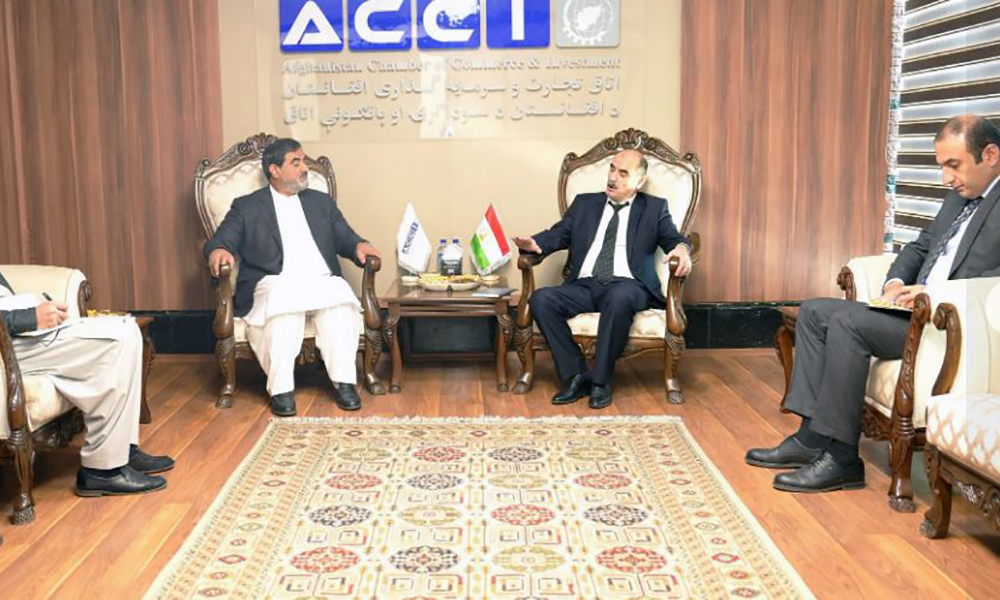
Tajikistan has expressed interest in establishing a joint market along its border with Afghanistan to expand trade and economic cooperation between the two countries.
The proposal was raised by Tajikistan’s Ambassador to Kabul, Saadi Sharifi, during a meeting with Seyed Karim Hashemi, head of the Afghanistan Chamber of Commerce and Investment, according to a statement issued by the chamber.
During the meeting, the two sides discussed strengthening bilateral economic and trade relations, expanding cooperation, and creating new opportunities for traders and investors in both countries.
Sharifi said Tajikistan’s leadership is interested in expanding economic cooperation with Afghanistan and creating opportunities for joint business activities. He added that a joint border market could provide greater opportunities for trade and economic interaction between citizens and business communities on both sides.
Meanwhile, Hashemi proposed facilitating an initial visit by a delegation of at least 10 Afghan traders to Tajikistan to explore the country’s trade and investment opportunities.


Afghanistan’s economy grows despite rising food insecurity and water crisis: World Bank
US strikes Iranian military site as Gulf states report fresh attacks
Tajikistan seeks to establish joint market along border with Afghanistan
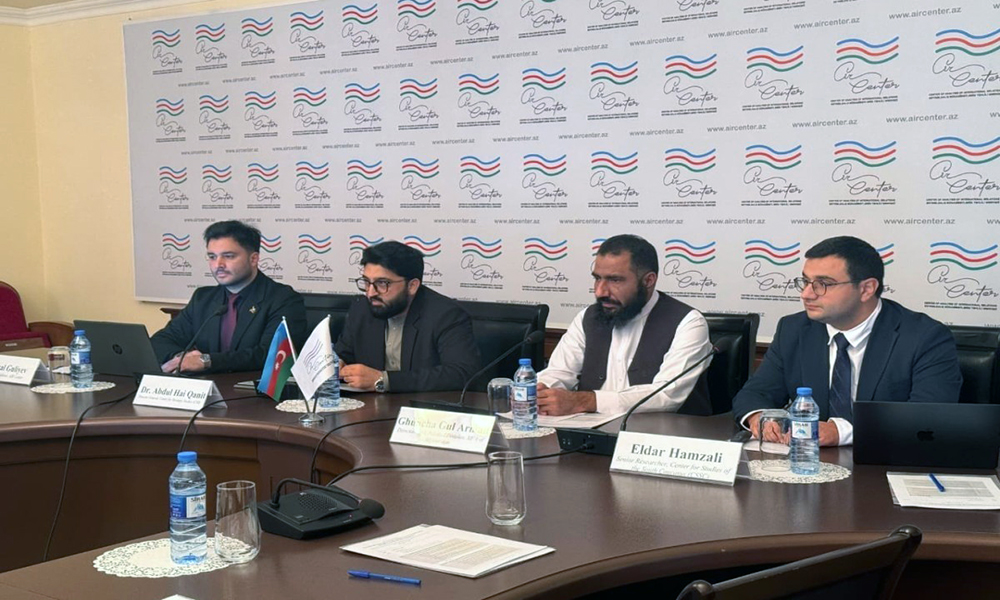
Afghanistan and Azerbaijan discuss expanding regional transport and trade cooperation

Pakistan invites Turkmenistan to join CASA-1,000 power project

Violent protests spread across Europe as Albanian PM blames ‘foreign hand’

Governments take websites offline as critical cyber flaws trigger global alert

Afghanistan’s new Wakhan road to China faces major hurdles

Iran calls for extending Herat railway to Uzbekistan border
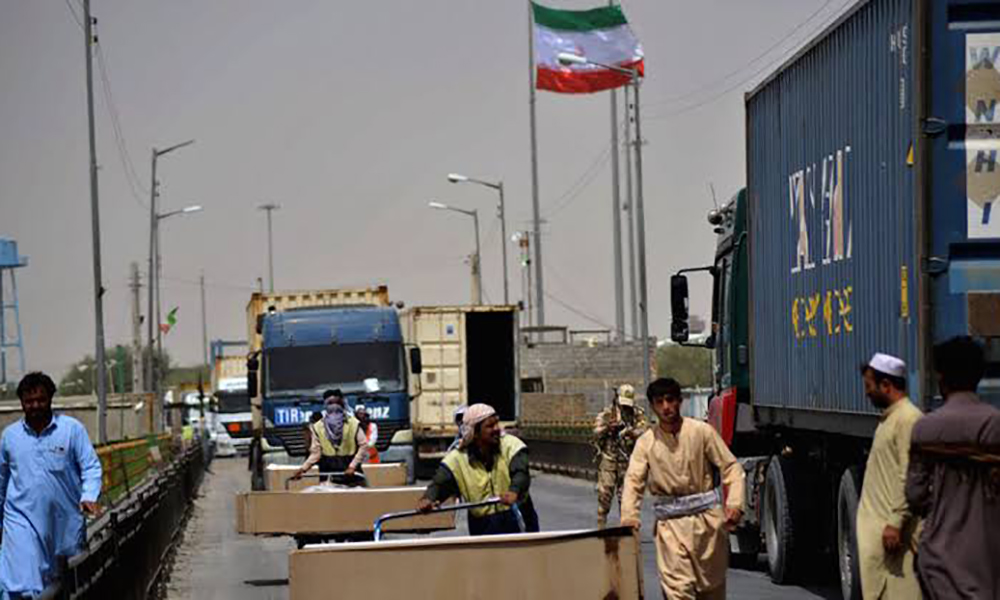
US sanctions and blockade measures disrupt Iran’s trade with Afghanistan and regional neighbors

Tahawol: 80th anniversary of Afghanistan’s UN membership discussed
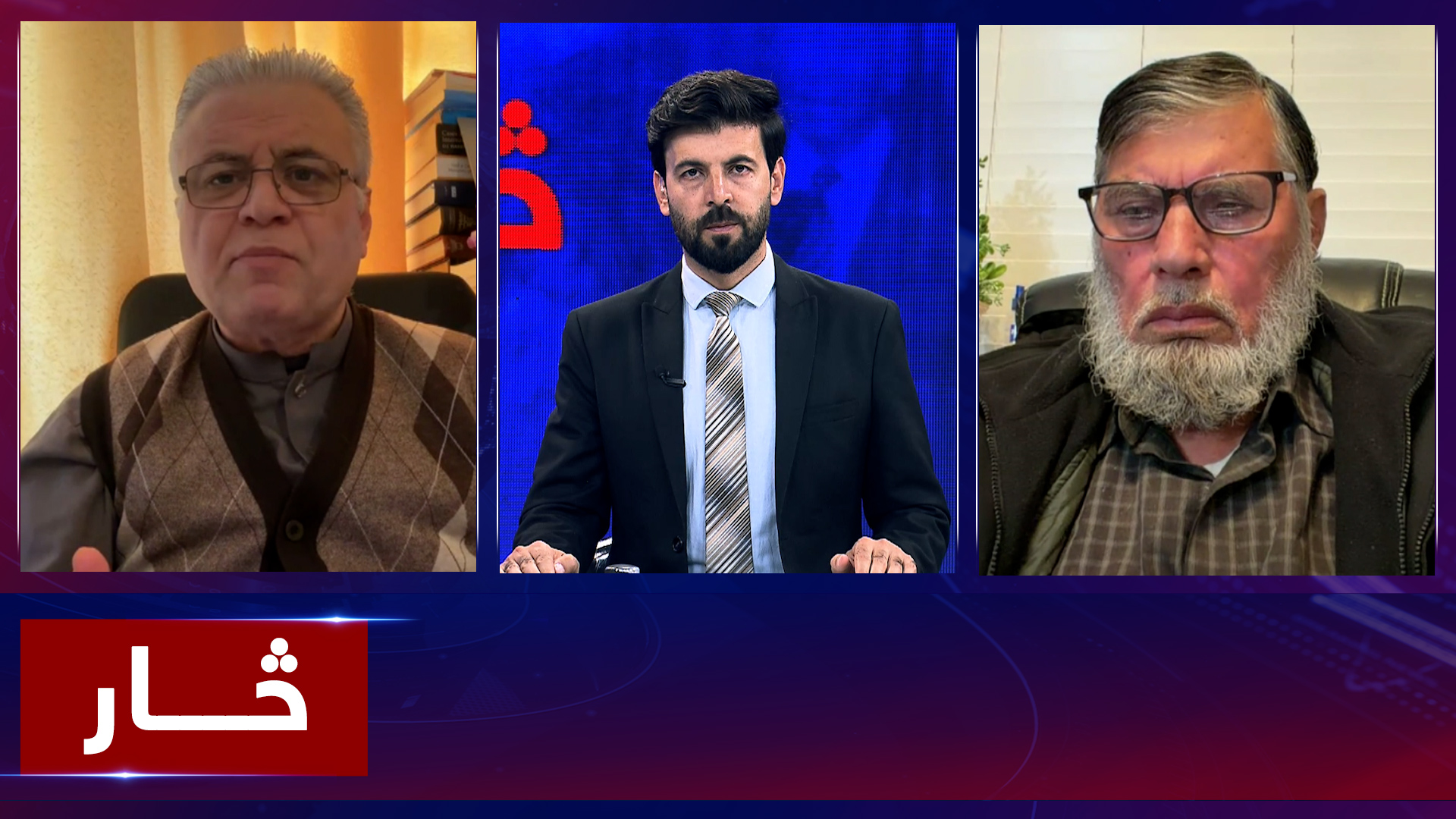
Saar: Europe’s shift toward engagement with the IEA discussed
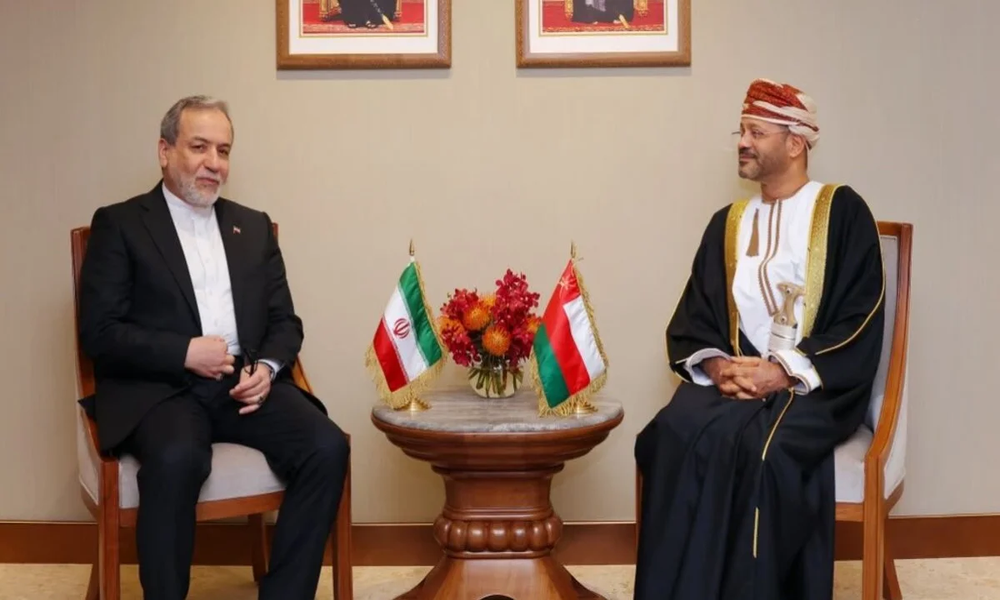
Oman and Iran discuss restoring shipping through Strait of Hormuz
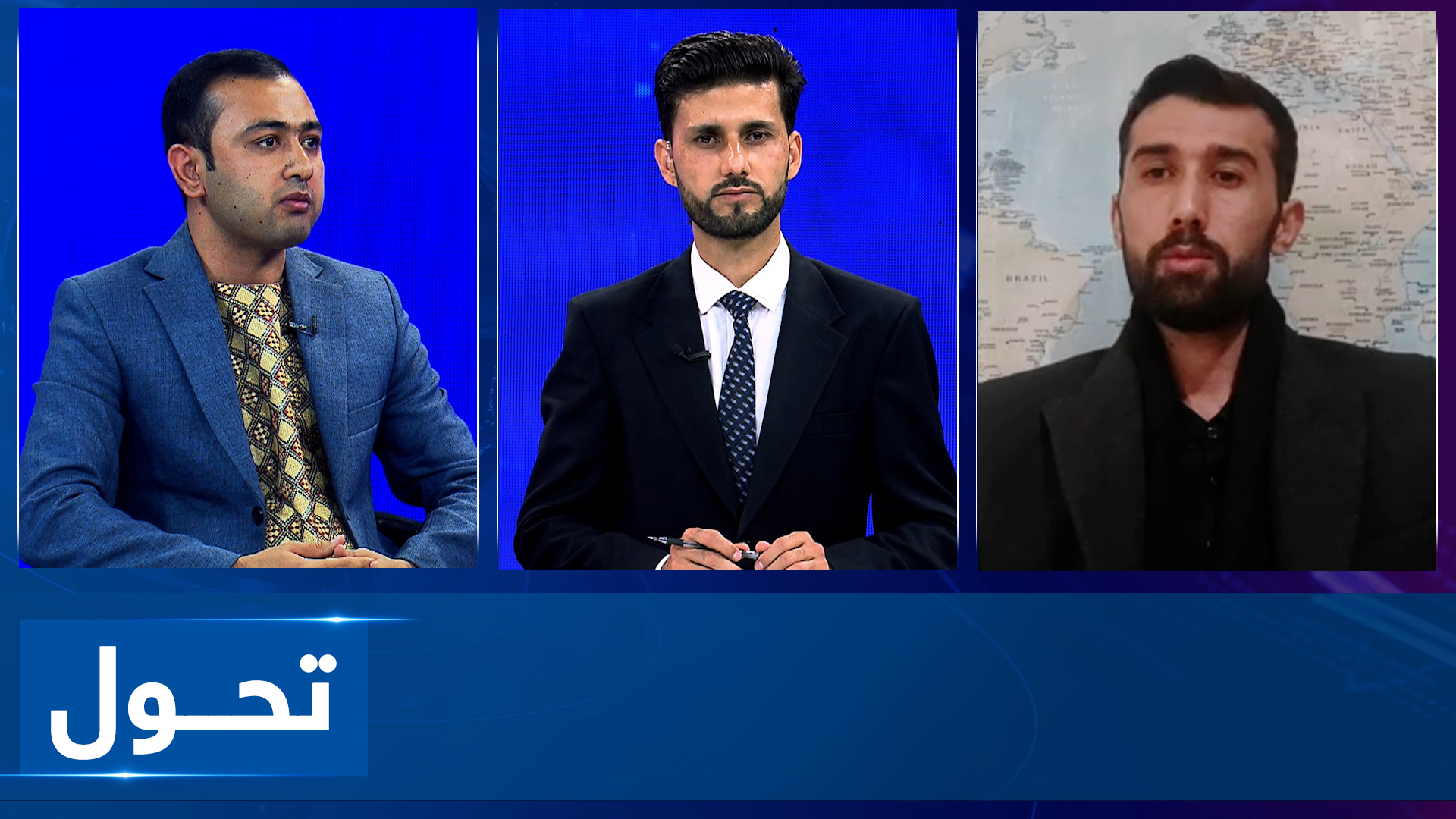
Tahawol: Afghanistan absent from ECO meeting

Saar: ECO meeting kicks off in Islamabad
-
 Business5 days ago
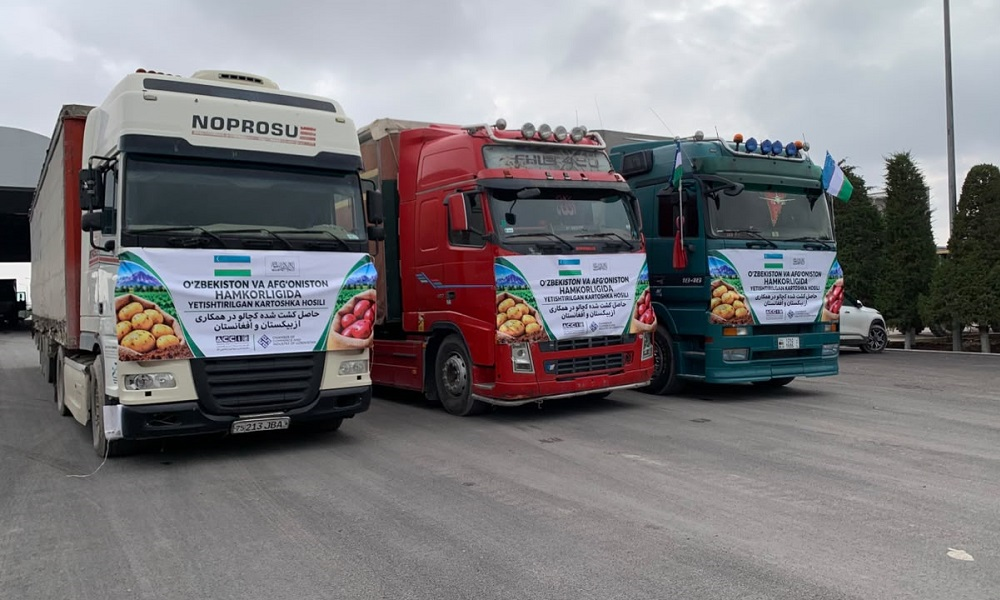
Afghanistan and Uzbekistan agree on export of 100,000 tons of Bamyan potatoes
-
 Latest News4 days ago
ICC halts probe into alleged crimes by US troops in Afghanistan
-
 Sport5 days ago
Debutant Naseer Khan strikes four as Afghanistan fight back against Zimbabwe in second Test
-
 Sport3 days ago
ILT20 teams required to field at least two UAE and Afghanistan players in Season 5
-
 Latest News5 days ago
Russia calls UN report on Afghan opium ‘political propaganda’
-
 World4 days ago
US to resume flights after air traffic network failure sparks chaos
-
 Sport3 days ago
Arman FC cruise to 5-0 victory over Istiqlal Kabul in ACL match
-
 Climate Change5 days ago
Urgent climate finance pleas at COP31 face a non-urgent response