
Latest News
Muttaqi says parallel mechanisms to deal with Afghanistan are not needed


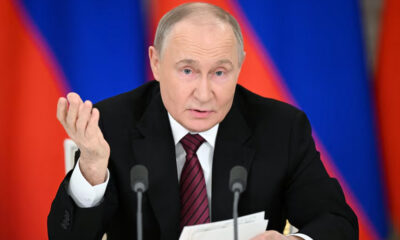
Acting Foreign Minister Amir Khan Muttaqi has said in a meeting with the UN special envoy for Afghanistan that the country has a single, legitimate and authorized venue to discuss any international issue.
During the meeting, the sides discussed deportation of Afghan refugees from Pakistan, assistance to returnees and the recent UN report on Afghanistan, the Ministry of Foreign Affairs said in a statement Sunday.
Muttaqi pointed out that the war in Afghanistan is completely over and therefore it is better for the United Nations and the international community to support the achievements of the Islamic Emirate in the fields of security, governance, counter-narcotics and other areas. He also asked the international community to focus on issues such as economic sanctions, frozen assets and Afghanistan’s self-sufficiency.
Muttaqi said that Afghanistan has a single, legitimate and authorized venue to discuss any kind of international issue, and therefore countries and organizations need to engage with Afghanistan through the official and accepted channels and instead of creating parallel and additional mechanisms, they should strengthen the existing mechanism in Afghanistan.
In the meeting, UN special envoy for Afghanistan, Roza Otunbayeva, appreciated the response of the Islamic Emirate following the Herat earthquakes and the return of refugees and said that the UN agencies are trying to play their role in the fight against drugs, helping farmers and returnees and creating jobs. She said that the UN agencies will also create small loan opportunities.


Latest News
Iraq launches probe into alleged oil smuggling route from Kurdistan to Afghanistan
The intelligence report reportedly includes satellite imagery and information about suspected fuel storage and transportation facilities.
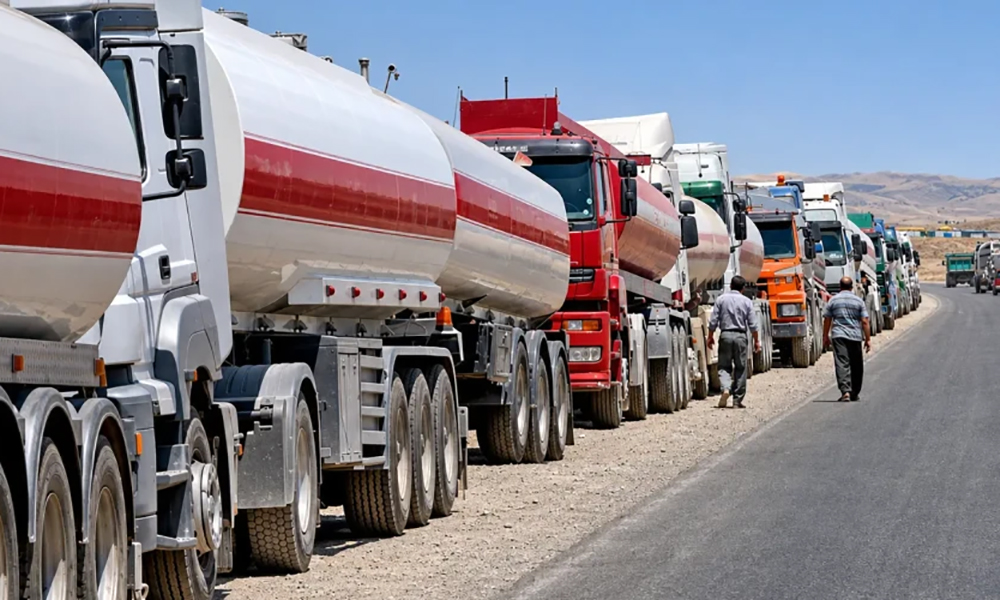
Iraq’s Parliament Speaker Haibat al-Halbousi has ordered an investigation into intelligence reports alleging that petroleum from Kirkuk and the Kurdistan Region is being smuggled through Iran to Afghanistan.
During a parliamentary meeting on Wednesday, al-Halbousi questioned the performance of security agencies and the Oil Ministry, demanding explanations over the alleged illegal transportation of Iraqi petroleum resources across the country’s borders.
“This is a serious matter,” he said, describing the reported activities as a failure by security authorities to protect national resources.
According to an official parliamentary statement, a temporary investigative committee has been established to examine the alleged smuggling route, which reportedly begins in oil-producing areas of Kirkuk and the Kurdistan Region, passes through Iran and extends toward Afghanistan.
The committee will be led by the head of Parliament’s Security and Defense Committee and include representatives from several parliamentary committees, including those responsible for oil and gas, finance, integrity and border crossings. It has been tasked with investigating the allegations and submitting its findings to parliamentary leadership.
Separate investigation into suspected oil theft
The parliamentary inquiry will also examine separate intelligence allegations concerning the suspected theft of petroleum products from government pipelines in Jurf al-Nasr, formerly known as Jurf al-Sakhar, in Babil Province.
The intelligence report reportedly includes satellite imagery and information about suspected fuel storage and transportation facilities.
However, Babil Governor Ali Turki al-Jamali has disputed aspects of the findings, saying that at least one identified location was an established fuel facility serving security forces.
Meanwhile, Iraqi Prime Minister Ali Faleh al-Zaidi has ordered a separate investigation into the suspected petroleum theft in Jurf al-Nasr, involving senior security officials and representatives of relevant government institutions.
The parliamentary committee has also been assigned to examine the recent attack on the Khor Mor gas field in the Kurdistan Region, which disrupted gas production and electricity generation.
Allegations yet to be verified
The alleged smuggling route through the Kurdistan Region and the suspected petroleum theft in Jurf al-Nasr are being investigated as separate cases. Authorities have not established that the incidents are connected.
Investigators have also yet to publicly identify those allegedly responsible for the suspected route to Afghanistan, determine the quantities involved or confirm whether the petroleum reached its reported destination.
Latest News
Olive farming offers new hope to Afghan farmers amid growing climate challenges
Afghanistan’s olive industry dates back to the 1960s, particularly in eastern Nangarhar. However, decades of conflict destroyed nearly half of the country’s olive-growing areas.
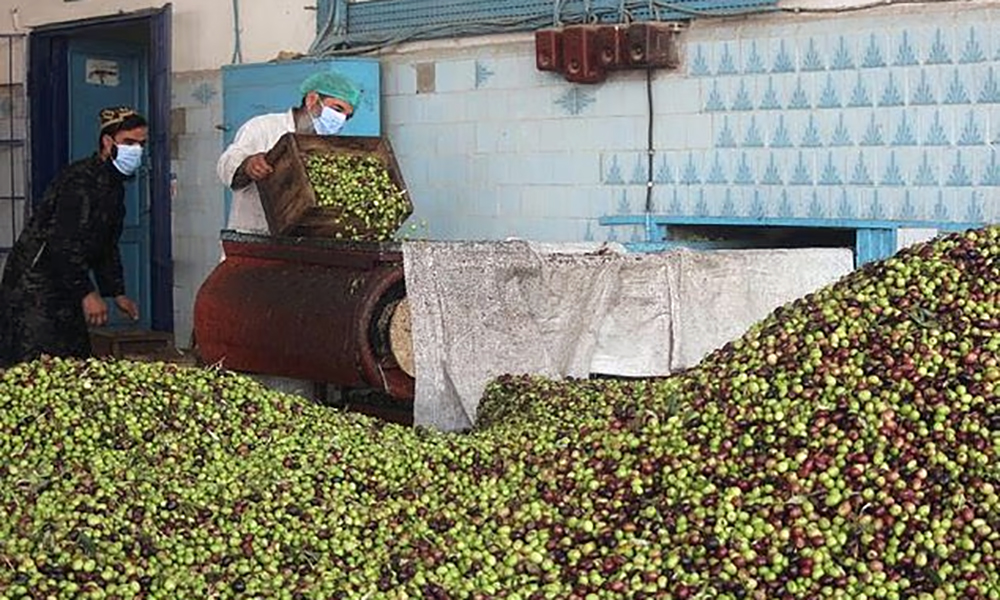
Olive cultivation is emerging as a promising alternative for farmers in eastern Afghanistan, offering a potential source of income while helping rural communities cope with drought and growing water shortages.
According to a report by Agence France-Presse (AFP), farmers in Nangarhar Province are increasingly turning to olive trees because of their ability to survive with relatively little water compared with traditional crops such as wheat, rice and onions.
One example is Abdullah Orzala, who established an olive orchard 15 years ago in Saidan Arabi village. His initiative has since expanded, with thousands of additional olive trees planted in other parts of Nangarhar.
Orzala says adapting agriculture to climate change and protecting limited water resources were among the main reasons behind his decision to invest in olive farming.
Agricultural specialists say olive trees can also improve soil quality and reduce erosion, making them suitable for areas facing environmental challenges.
The olive harvest has created new economic opportunities for local communities. Around 500 villagers in Saidan Arabi participate in harvesting olives, which are processed into oil using a cold-pressing method.
According to production supervisor Sadiqullah Afghan, freshly harvested olives are processed immediately to maintain the quality of the oil. The product is sold in organic shops in Kabul for up to $17 per kilogram.
Orzala’s agricultural activities have also created 16 permanent jobs across two villages in Nangarhar.
Afghanistan’s Olive industry expanding
Afghanistan’s olive industry dates back to the 1960s, particularly in eastern Nangarhar. However, decades of conflict destroyed nearly half of the country’s olive-growing areas.
The sector has gradually recovered in recent years. New equipment was provided to the state-owned olive processing mill in 2019, and production has increased.
According to Akhtar Muhammad Hashimi, director of the state-owned company, the facility produced approximately 135,000 litres of olive oil last year. Production is expected to reach between 143,000 and 165,000 litres this year.
The company currently sells its entire production within Afghanistan but hopes to enter international markets in the future.
Meanwhile, olive cultivation is expanding beyond Nangarhar. The Food and Agriculture Organization (FAO) has supported the planting of 381 hectares of olive trees, highlighting their potential to generate sustainable income for rural families.
Despite these developments, limited access to international banking and markets remains a major obstacle to expanding Afghanistan’s olive exports.
For many farmers in eastern Afghanistan, however, olive trees represent more than an agricultural investment. They offer a potential source of income, employment and resilience against worsening drought conditions.
Latest News
Afghanistan and Uzbekistan agree to expand cooperation in livestock and breeding sector
The two sides agreed to organize advanced training courses and practical workshops, allowing Afghan specialists to receive free training in cattle breeding and artificial insemination.
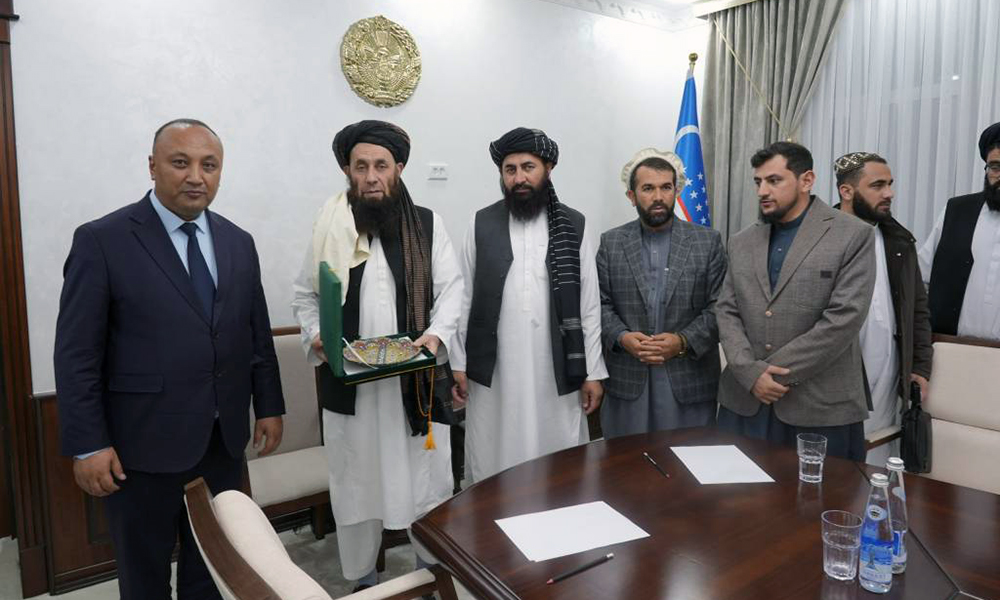
Afghanistan and Uzbekistan have discussed expanding bilateral cooperation in livestock farming, animal breeding and agricultural development, including plans to provide specialized training for Afghan experts.
According to Uzbekistan’s state news agency, UzA, an Afghan delegation led by Sadr Azam Usmani, Deputy Minister of Agriculture, Irrigation and Livestock, visited Uzbekistan’s Livestock and Pasture Development Agency to explore opportunities for strengthening cooperation in the sector.
During the meeting, officials from both sides discussed Uzbekistan’s experience in livestock farming, modern breeding technologies, cattle trade and professional training for agricultural specialists.
The Uzbek side also proposed issuing transit permits for breeding cattle imported from Iran through Afghanistan, creating a potential new opportunity for regional livestock trade.
The two sides agreed to organize advanced training courses and practical workshops, allowing Afghan specialists to receive free training in cattle breeding and artificial insemination.
Other issues discussed included supplying Afghanistan with improved breeding cattle and high-genetic-potential seeds, expanding livestock-related import and export activities, and exchanging technical expertise.
The discussions aim to strengthen agricultural cooperation between the two neighbouring countries and support the development of Afghanistan’s livestock sector through technology transfer, professional training and joint initiatives.

Iraq launches probe into alleged oil smuggling route from Kurdistan to Afghanistan
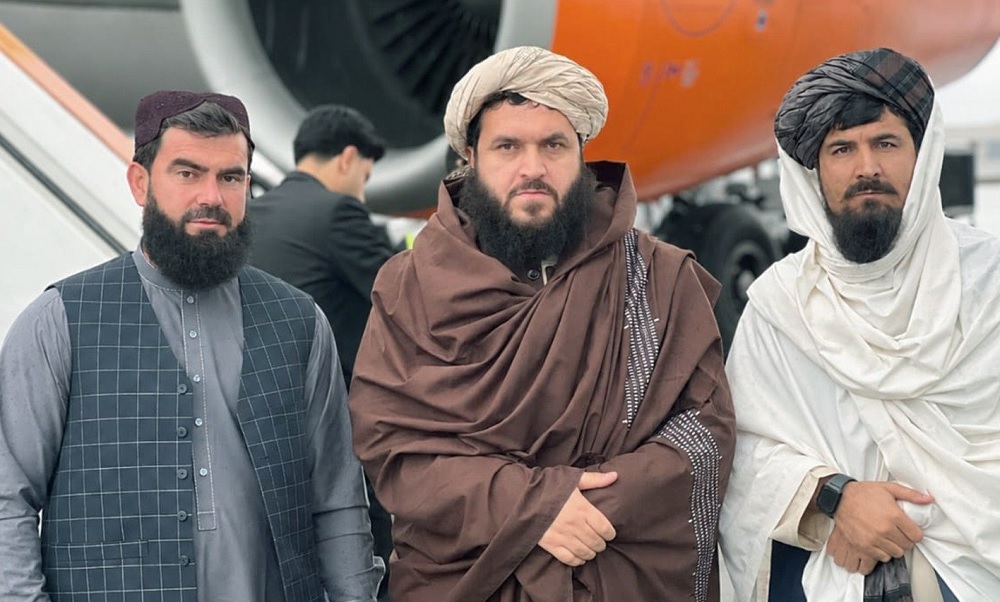
Afghan deputy commerce minister travels to India for trade fair in Delhi
Olive farming offers new hope to Afghan farmers amid growing climate challenges
Afghanistan and Uzbekistan agree to expand cooperation in livestock and breeding sector
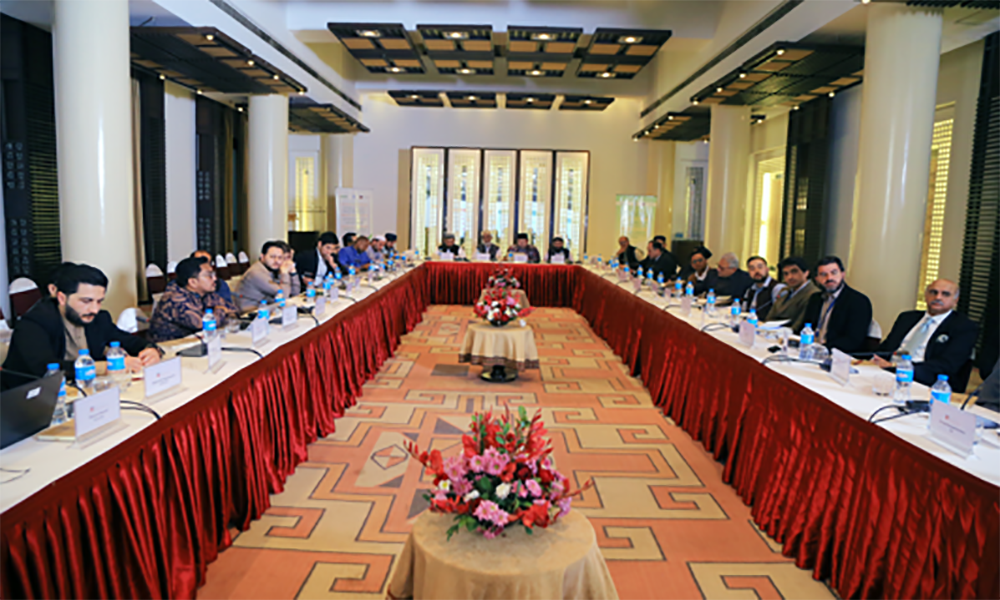
Afghanistan hosts dialogue on Islamic microfinance to expand access to Sharia-compliant financial services

Afghanistan finish runners-up after 6-0 defeat to Brazil in futsal final

Trump says US may strike Iran’s ‘Pickaxe Mountain’ nuclear facility

Afghan futsal coach: Brazil tournament is first step towards new goals and World Cup

Rubio heads to Central Asia while other US officials hit foreign policy hot spots

Violent protests spread across Europe as Albanian PM blames ‘foreign hand’
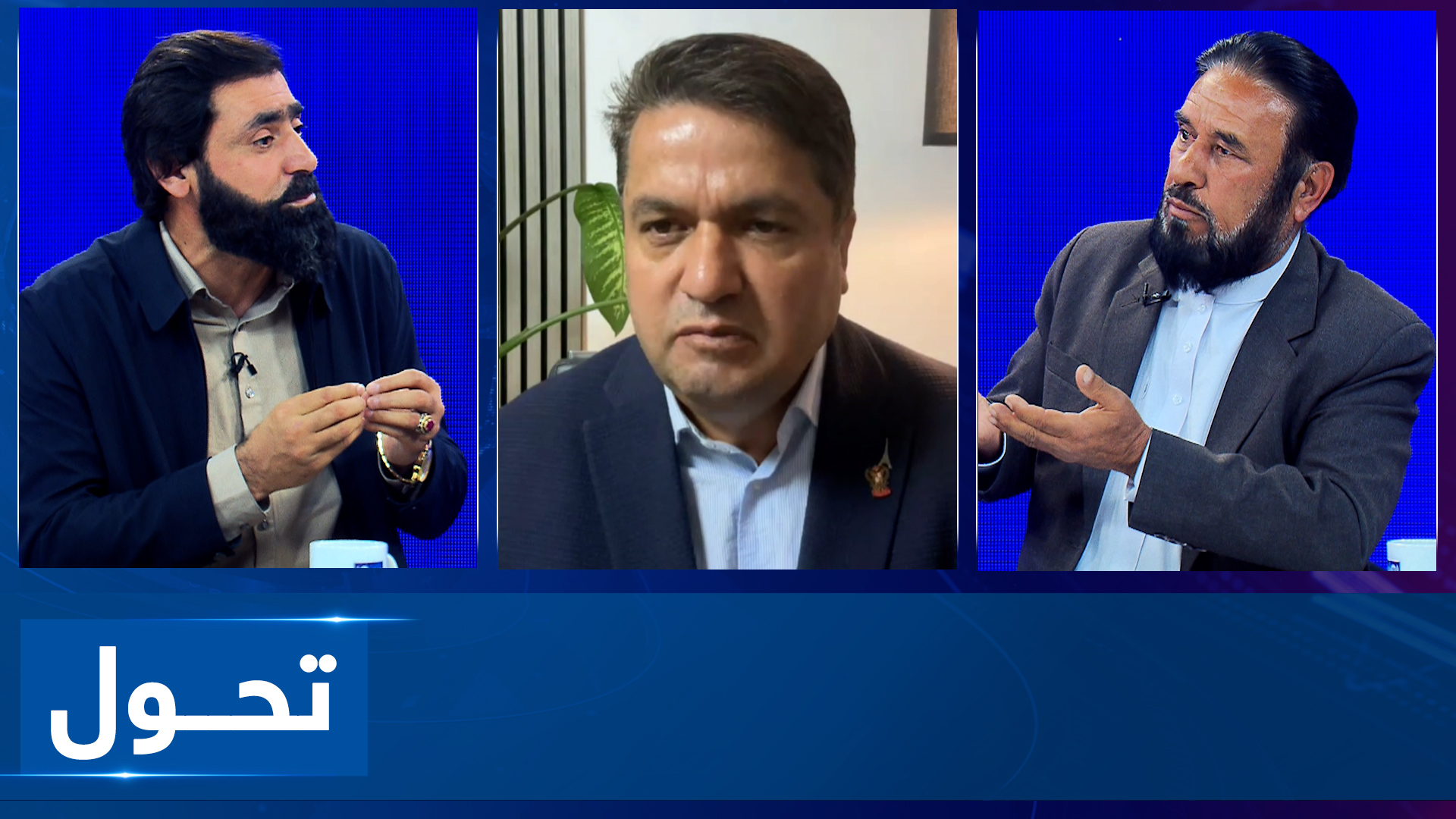
Tahawol: High-level Russian delegation’s visit to Kabul discussed
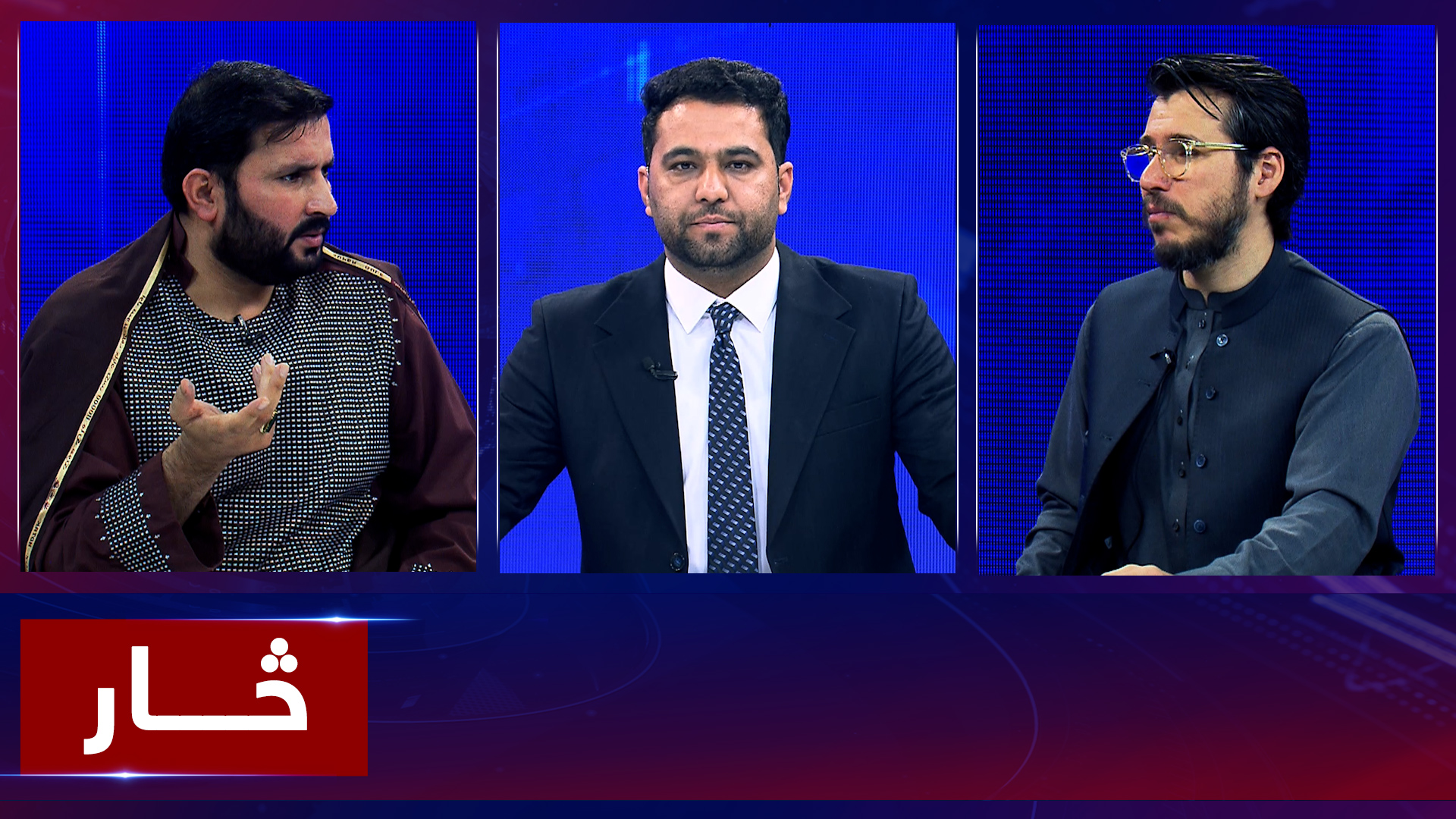
Saar: Afghanistan’s situation in focus at CSTO discussed
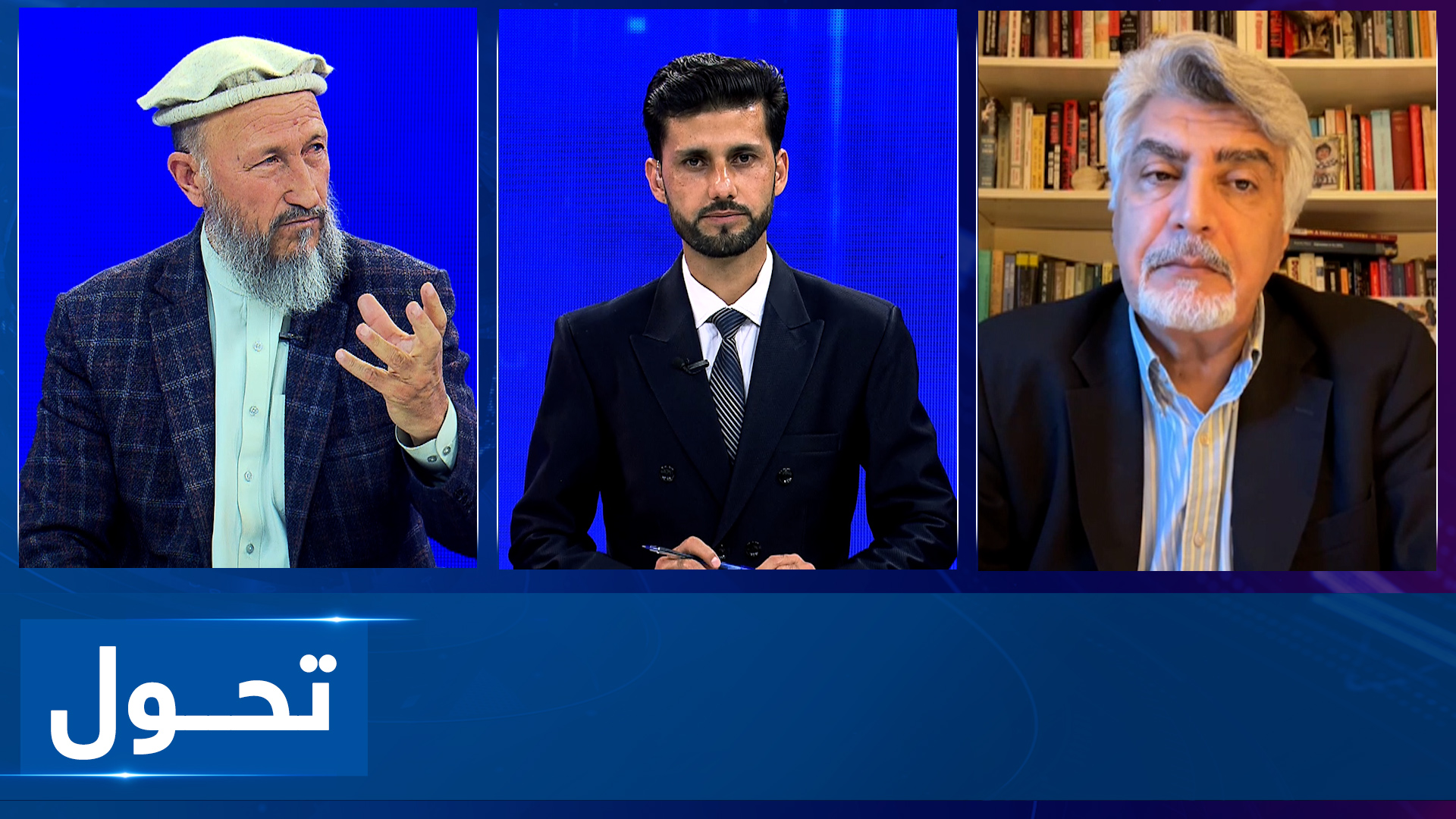
Tahawol: Efforts to halt deportation of Afghan refugees from US discussed
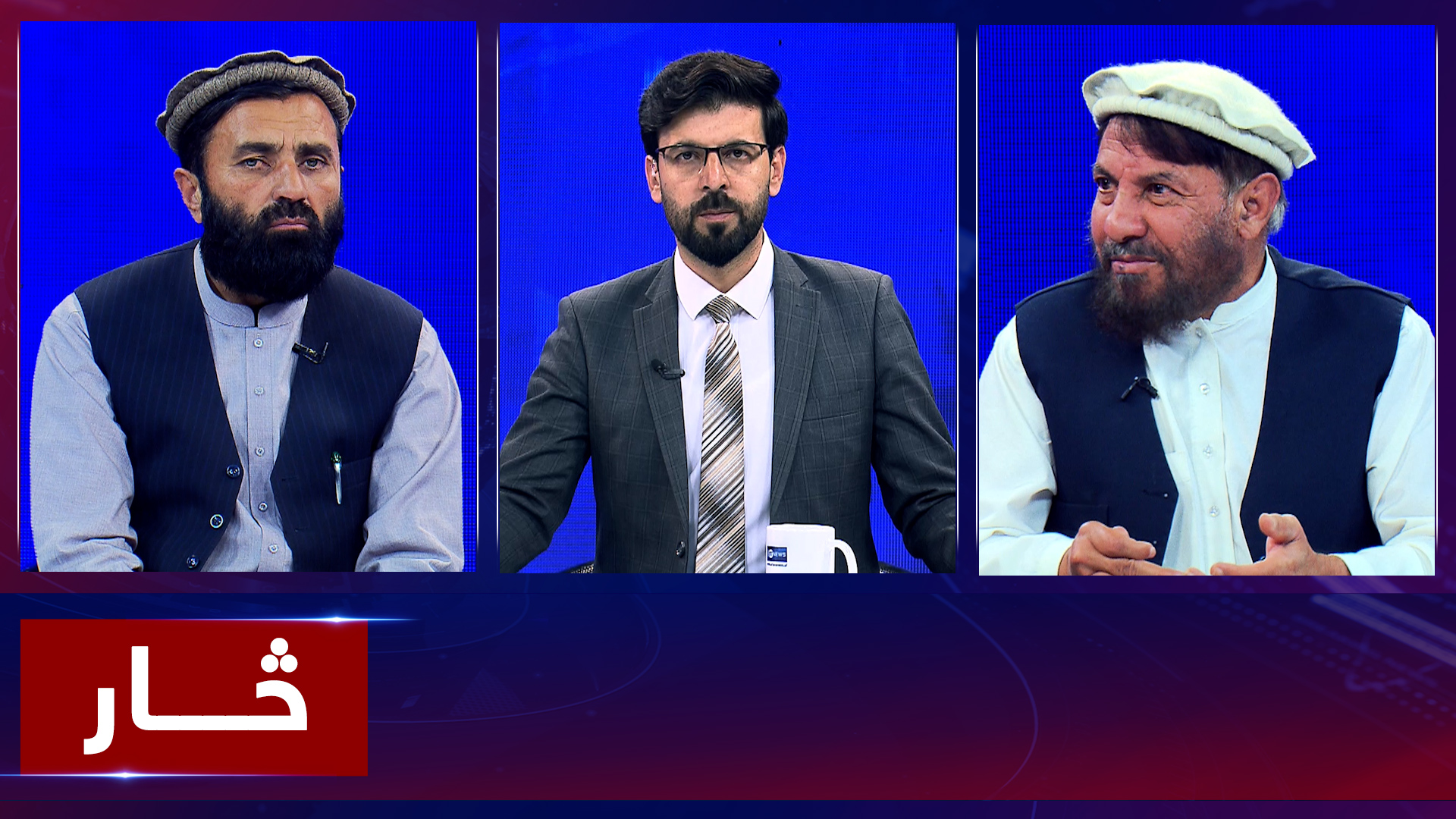
Saar: Russia’s stance on Afghanistan discussed

Trump says further US attacks on Iran ‘highly unlikely’ as peace talks gain momentum
-
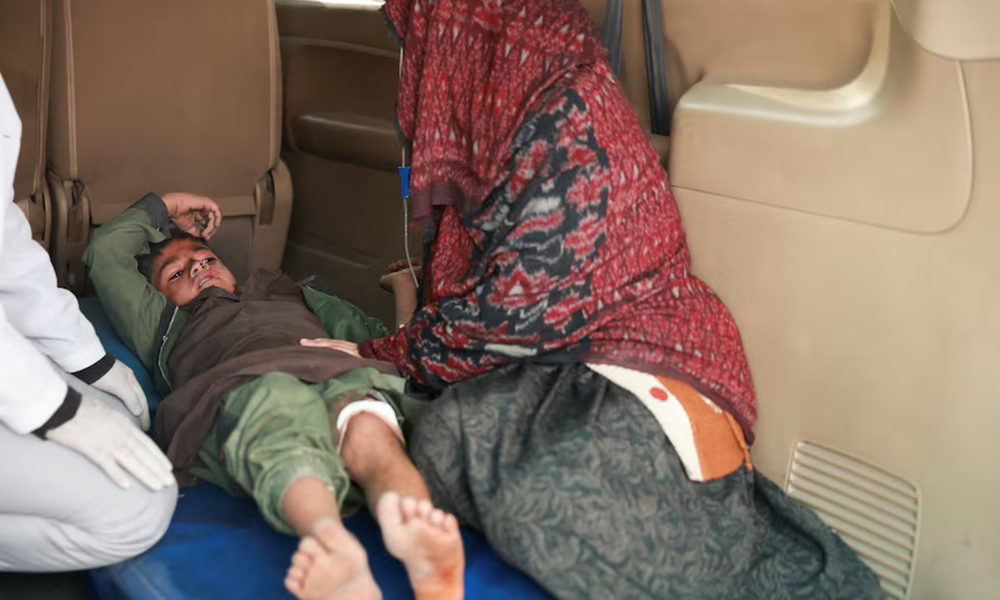 World4 days ago
Houthi-run health ministry says airstrikes kill 33 near Yemen capital
-
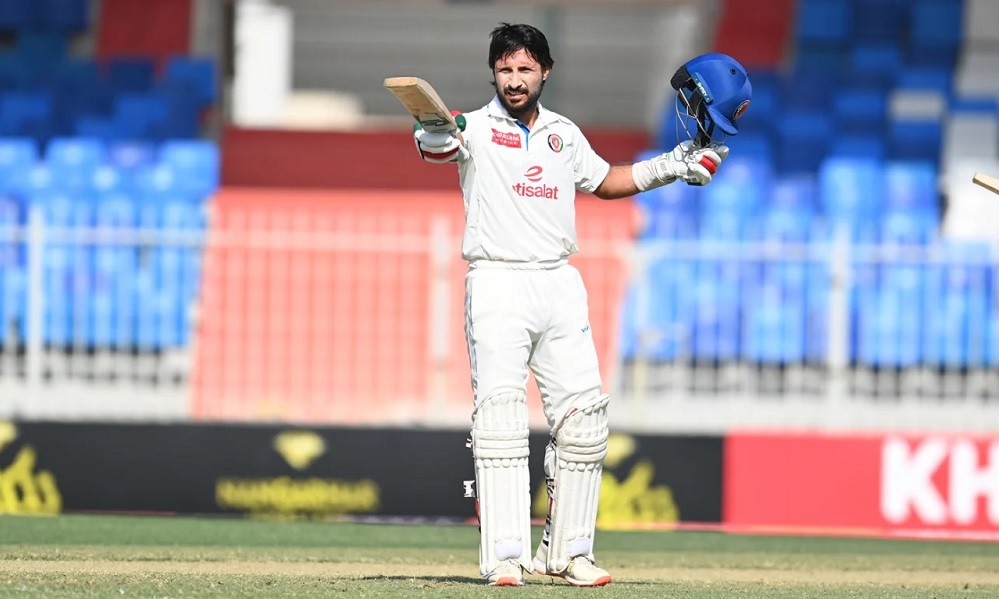 Sport4 days ago
Afghanistan’s record partnership highlights fourth day of Test against Zimbabwe
-
 Sport3 days ago
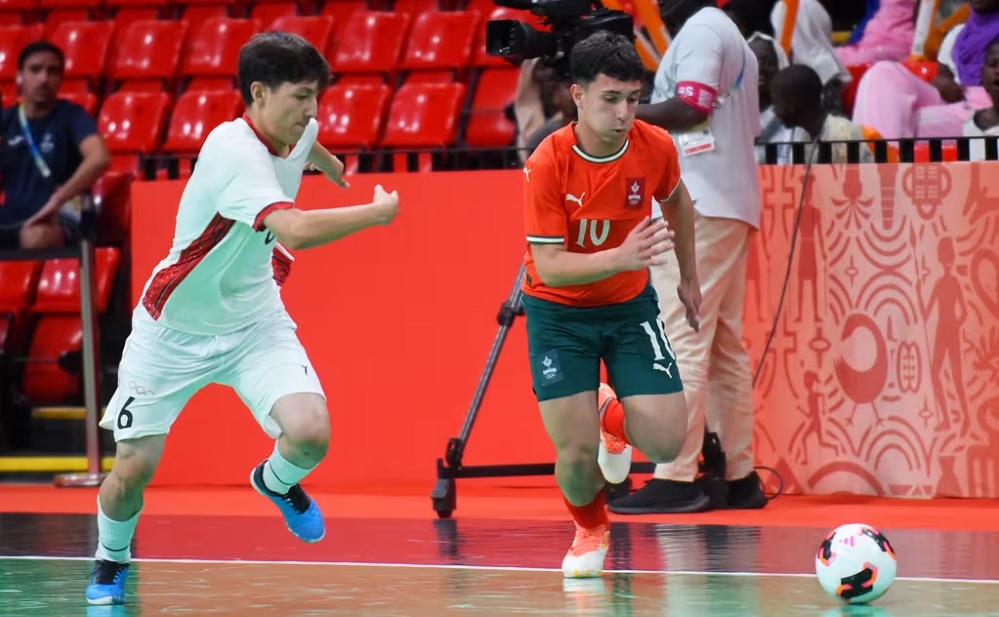
Portugal beat Afghanistan 2-0 in Dakar Youth Olympics futsal semi-finals
-
 Sport5 days ago
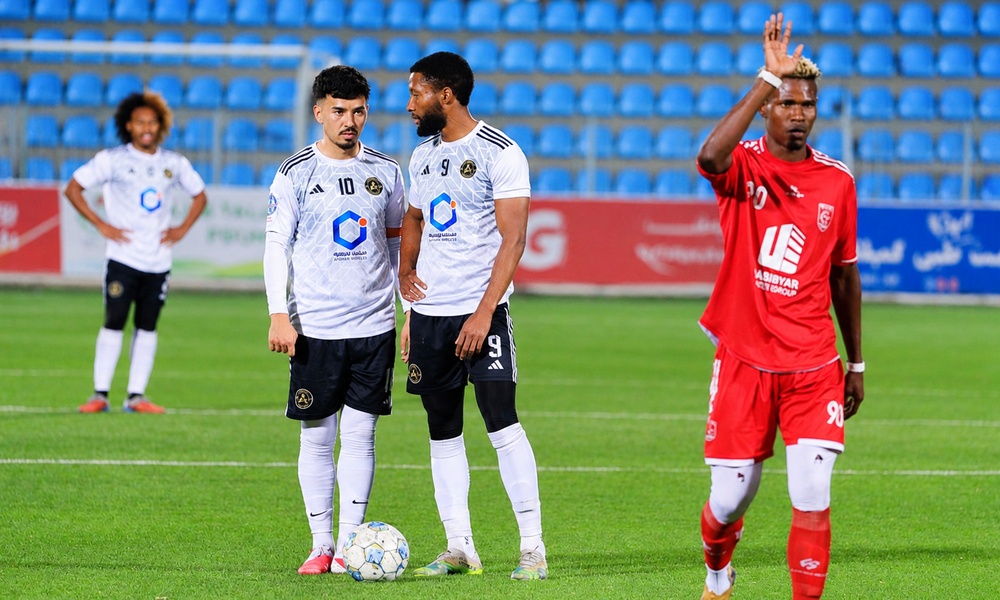
Toofan Herat defeat Arman FC 2–0 in Afghanistan Champions League
-
 Sport4 days ago
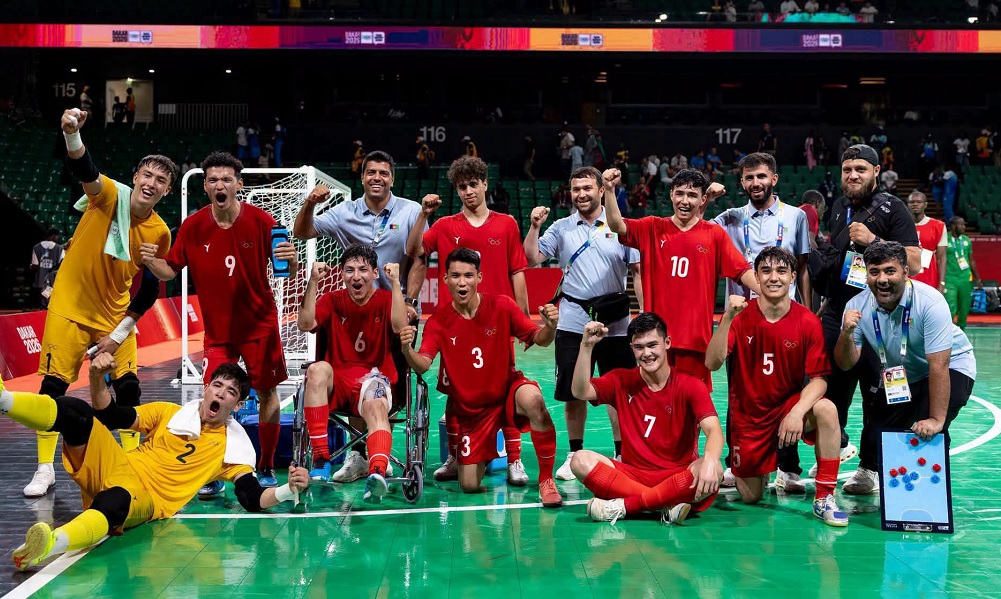
Afghanistan thrash Senegal 6-0 to reach Dakar Youth Olympics futsal semi-finals
-
 World3 days ago
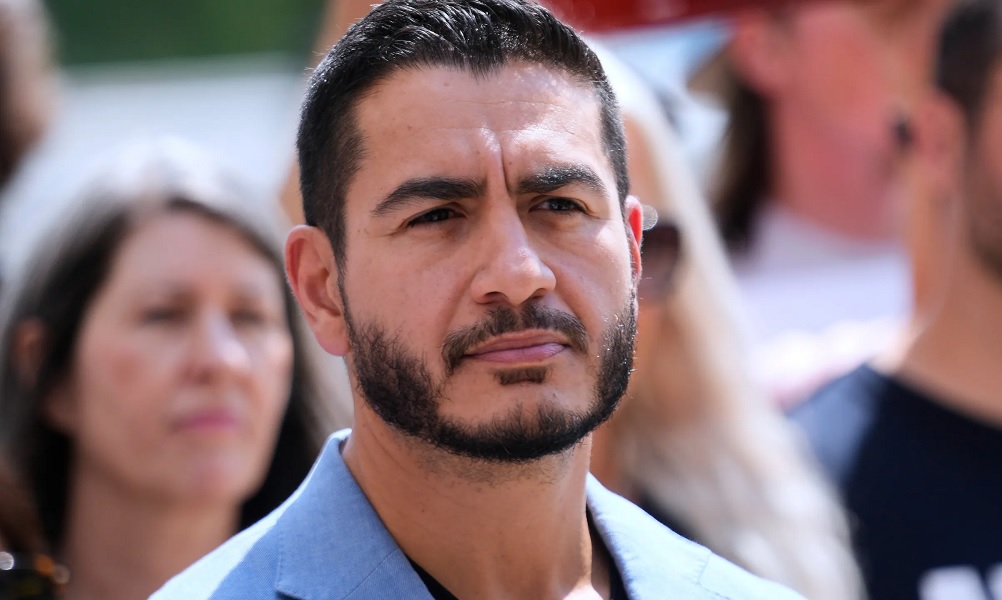
First Muslim US senator-elect El-Sayed calls for review of aid to Pakistan
-
 Regional4 days ago
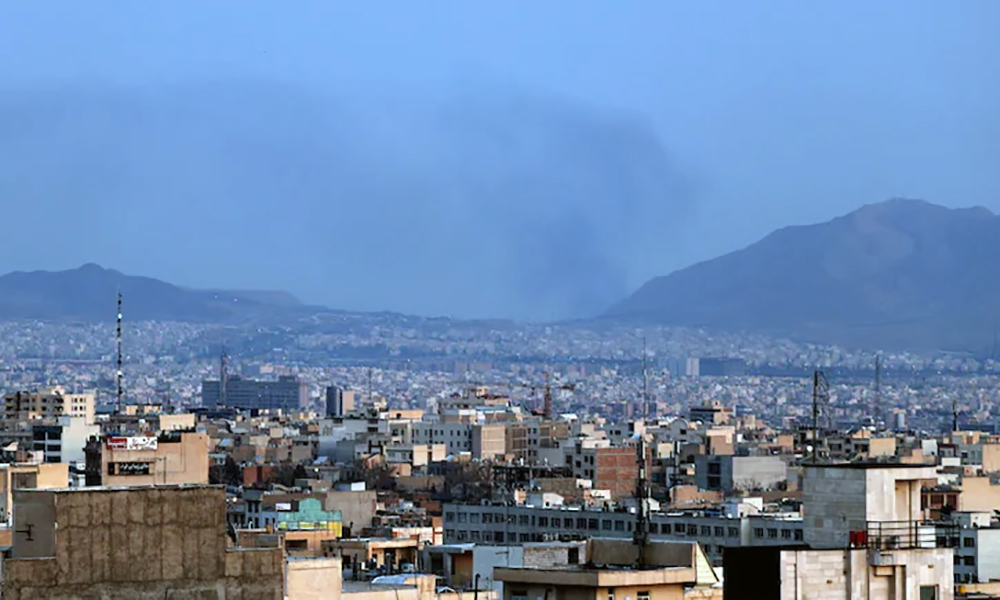
Explosions heard in areas in southern Iran, Iranian media report
-
 Regional3 days ago
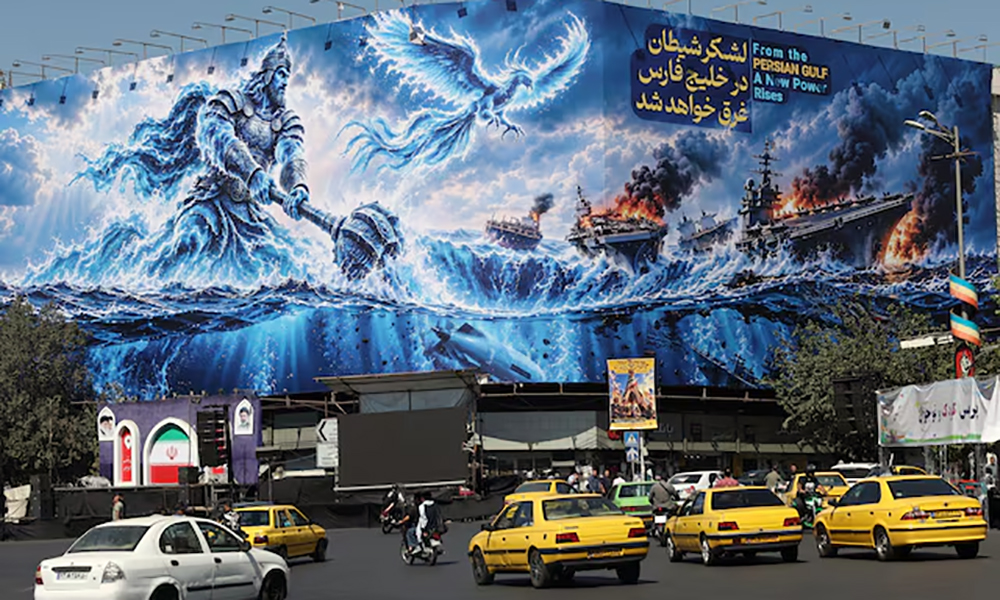
Iran defends two-day proposal for peace talks after US rejects conditions