
Latest News
OIC urges Afghanistan to root out terrorists, cautions against ‘spoilers’

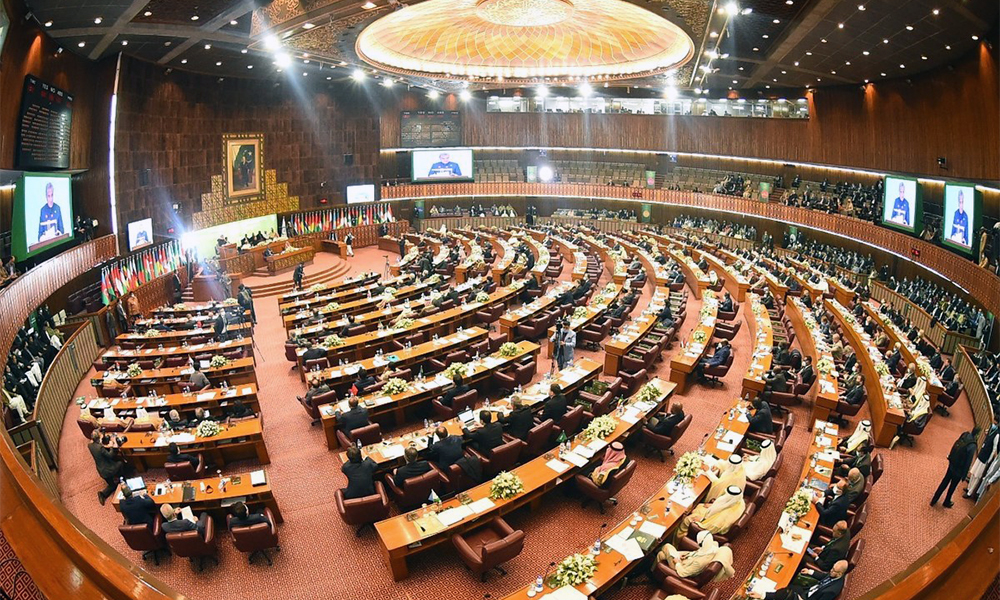
The Organization of Islamic Cooperation (OIC) this weekend put forward a wide range of recommendations during its Extraordinary Session of the Council of Foreign Ministers in Islamabad in a bid to tackle the Afghanistan crisis, noting that a key component was security as well as dealing with the unfolding humanitarian crisis.
In its draft resolution document, drawn up ahead of the summit and of which Ariana News has a copy, the OIC called on Afghanistan to take concrete steps against all terrorist organizations in particular Al-Qaeda, Daesh and its affiliates, ETIM, and TTP.
The OIC also urged “the international community to remain cautious against the possibility of incitement and the role of spoilers, both inside and outside the country, to derail efforts aimed at peace and stability in Afghanistan”.
In addition, the council expressed “deep alarm at the deteriorating humanitarian crisis in Afghanistan,” and noted the need for the continuation of economic cooperation to improve the humanitarian situation in the country.
The OIC also expressed concern at the worsening economic situation in the country, which is “further compounded by the continued freeze of overseas Afghan assets as well as other international assistance, exacerbating the urgent cash-flow problems, including payment of remuneration to public officials, and hindering the provision of essential public and social services to the people of Afghanistan.”
The OIC warned that an economic meltdown in Afghanistan would lead to a mass exodus of refugees, promote extremism, terrorism, and instability, which in turn would have dire consequences for regional and international peace and stability.
The OIC noted 31 points in its draft resolution, which are as follows:
1. Affirms solidarity of the OIC Member States with the Afghan people in their quest for a peaceful, united, stable, sovereign and prosperous Afghanistan.
2. Urges Afghanistan to abide by the principles and purposes enshrined in the UN Charter and the Charter of the OIC and respect its commitments under international agreements and conventions, including its obligations under international human rights covenants, especially with regards to the rights of women, children, youth, elderly and people with special needs as well as the preservation of family values, as enshrined in Islamic teachings and principles.
3. Takes note of the UN system-wide reports that the humanitarian crisis in Afghanistan is unfolding at a pace and scale hitherto unknown in the recent memory.
4. Encourages the United Nations system in particular UN High Commissioner for Refugees (UNHCR), UN Office for Coordination of Humanitarian Affairs (OCHA), World Food Programme (WFP), United Nations International Children’s Emergency Fund (UNICEF), United Nations Development Programme (UNDP), to pursue joint operation with the OIC for the delivery of urgent humanitarian aid.
5. Welcomes the initiative of Uzbekistan to create under the auspices of the United Nations a regional Logistic Hub in Termez City to provide urgent humanitarian assistance to the people of Afghanistan.
6. Calls upon the international community to provide urgent, and sustained humanitarian assistance to Afghanistan as well as to the major Afghan refugee-hosting countries.
7. Urges the international community in general, and the UN Security Council in particular, to ensure that existing targeted sanctions do not impede the provision of humanitarian aid or economic resources to preserve the institutions, schools and hospitals in Afghanistan and to allow multilateral development institutions, United Nations Agencies, Funds and Programmes and other humanitarian organizations to channel existing assistance and assets towards humanitarian assistance.
8. Affirms the importance of sustained engagement of the international community with Afghanistan, especially in supporting humanitarian and development needs of the Afghan people.
9. Decides that the OIC will play a leading role in the delivery of humanitarian and development aid to the people of Afghanistan.
10. Requests the General Secretariat to take immediate steps to reinforce the OIC Mission in Kabul with human, financial and logistical resources, enabling it to forge global partnerships and streamline aid operations on the ground.
11. Acknowledges that Afghanistan is facing serious liquidity challenges, and resolves to continue focusing on measures to ease access to legitimate banking services.
12. Underscores that Afghanistan’s access to its financial resources would be pivotal in preventing a collapse and in reviving the economic activity and in this regard, recognizes the importance of taking related actions such as unlocking the channels of financial and in-kind flow of assistance and resources to the people of Afghanistan, and exploring realistic pathways towards unfreezing Afghanistan’s financial assets.
13. Decides to establish a Humanitarian Trust Fund, under the aegis of the Islamic Development Bank, to serve as a vehicle to channel humanitarian assistance to Afghanistan including in partnership with other international actors.
14. Decides that the OIC General Secretariat, together with the Islamic Development Bank and Humanitarian Trust Fund, shall commence discussions with the UN system organizations to device a road map for mobilizing actions in relevant fora to unlock the financial and banking channels to resume liquidity and flow of financial and humanitarian assistance, and to devise a mechanism for the disbursement of urgent and sustained humanitarian assistance to the people of Afghanistan.
15. Requests the Islamic Development Bank to expeditiously operationalize the Humanitarian Trust Fund by the first quarter of 2022.
16. Calls on the OIC Member States, the Islamic Financial Institutions, donors and other international partners to announce pledges to the Humanitarian Trust Fund for Afghanistan as well as to provide humanitarian assistance to Afghanistan.
17. Decides that OIC General Secretariat shall engage with the World Health Organization and other relevant stakeholders for securing vaccines as well as other medical supplies, technical and related assistance for the people of Afghanistan in context of Covid-19 pandemic and other persistent and emerging health concerns.
18. Decides to launch an Afghanistan Food Security Programme, and requests the Islamic Organization for Food Security (IOFS) to undertake necessary work in this regard using the capacity of the Organization’s Food Security Reserves, when necessary.
19. Encourages OIC Member States, international donors, the UN Funds and Programmes and other international actors to generously contribute to the Afghanistan Food Security Programme.
20. Reiterates its call on the OIC Secretary-General to engage with donor financial institutions to provide necessary humanitarian and economic assistance to Afghanistan as well as Afghan refugees in neighbouring countries.
21. Urgently appeals to OIC member States, international community including the UN system, international organizations, and international financial institutions to continue to provide all possible and necessary recovery, reconstruction, development, financial, educational, technical and material assistance for Afghanistan as policy tools to promote realization and enjoyment of fundamental rights and freedoms by all Afghan citizens.
22. Reaffirms the importance of combating terrorism in Afghanistan and ensuring that the territory of Afghanistan is not used as a platform or safe haven by any terrorist group or organization.
23. Calls upon Afghanistan to take concrete steps against all terrorist organizations in particular Al-Qaeda, Deash and its affiliates, ETIM, and TTP.
24. Reaffirms that peace, security and stability in Afghanistan would also contribute to the safe and dignified return of all Afghan refugees, and internally displaced persons and to play their constructive role in the development of Afghanistan.
25. Urges the international community to remain cautious against the possibility of incitement and the role of spoilers, both inside and outside the country, to derail efforts aimed at peace and stability in Afghanistan.
26. Calls upon the Afghan authorities to continue to work towards greater inclusiveness and including by developing a roadmap to strengthen participation of all Afghans including women and girls to participate in all aspects of the Afghan society.
27. Underscores the need for concerted efforts to rebuild the necessary capacity of the relevant state institutions of Afghanistan to address challenges posed by terrorism, narcotics, smuggling, money laundering, organized crime, and irregular migration.
28. Decides to appoint Ambassador Tarig Ali Bakheet, Assistant Secretary General for Humanitarian, Cultural and Family Affairs at the OIC General Secretariat, as Special Envoy of the Secretary General of the Organization of Islamic Cooperation (OIC) for Afghanistan, supported by a secretariat and the OIC Office in Afghanistan to coordinate aid and assistance efforts, and mandated to pursue economic and political engagement with Afghanistan, and to submit periodic reports.
29. Requests the OIC Secretary General to arrange for a delegation of prominent religious scholars and Ulama led by the International Islamic Fiqh Academy and other relevant religious institutions, to engage with Afghanistan on issues of vital concern, such as, but not limited to, tolerance and moderation in Islam, equal access to education and women’s rights in Islam.
30. Requests the OIC Secretary General to present a report in coordination with the Islamic Development Bank and the Special Envoy of the Secretary General of the Organization Islamic Cooperation for Afghanistan to the 48th session of the Council of Foreign Ministers regarding measures taken to implement this resolution, and the steps taken and resources required to strengthen OIC Mission in Afghanistan.
31. Also requests the OIC Secretary General to present a report to the 48th session which identifies measures to address the humanitarian and economic situation in Afghanistan as well as to highlight any practical difficulties being faced in the provision of humanitarian aid or related funds, financial assets, or economic resources to Afghanistan by the OIC Member States, OIC financial and humanitarian institutions and organizations.



Latest News
Afghanistan and Iran agree to expand trade cooperation and upgrade border infrastructure
Araghchi praised Afghanistan’s efforts to combat narcotics and commended the Islamic Emirate’s role in promoting economic stability in the country.
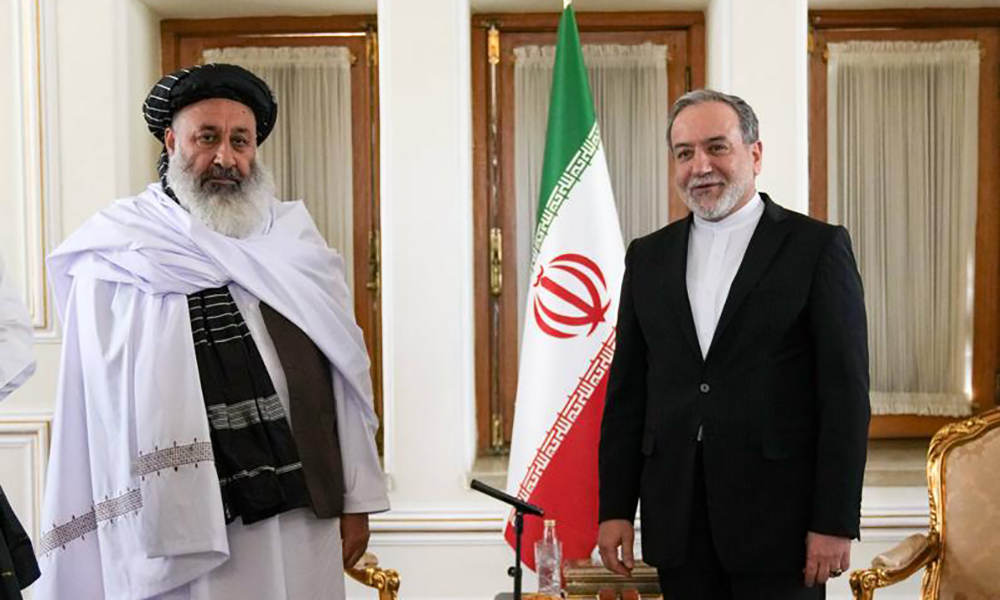
Afghanistan and Iran have agreed to strengthen economic cooperation, expand border infrastructure and improve customs operations during a meeting between their senior officials in Tehran.
According to a statement by Afghanistan’s Ministry of Finance, Minister of Finance Mohammad Nasir Akhund and his accompanying delegation met with Iranian Foreign Minister Seyed Abbas Araghchi at the Iranian Ministry of Foreign Affairs during an official visit to Iran.
The discussions focused on organizing the next meeting of the two countries’ Joint Economic Cooperation Commission, expanding border infrastructure at the Abu Nasr Farahi customs crossing and accelerating its reconstruction process.
Both sides also discussed operating customs facilities around the clock and speeding up efforts to increase the capacity of the Dogharoon, Mahirud and Milak border crossings.
According to the ministry, Araghchi praised Afghanistan’s efforts to combat narcotics and commended the Islamic Emirate’s role in promoting economic stability in the country.
The Iranian foreign minister also assured Afghanistan of Tehran’s full cooperation in economic and political affairs.
The meeting comes as Afghanistan and Iran seek to strengthen cross-border trade, improve transit facilities and expand bilateral economic relations.
Latest News
Afghanistan’s absence from ECO foreign ministers’ meeting raises questions
Afghanistan’s absence comes despite its ECO membership and its strategic geographical position as a major transit corridor linking Central Asia with South Asia and the Middle East.
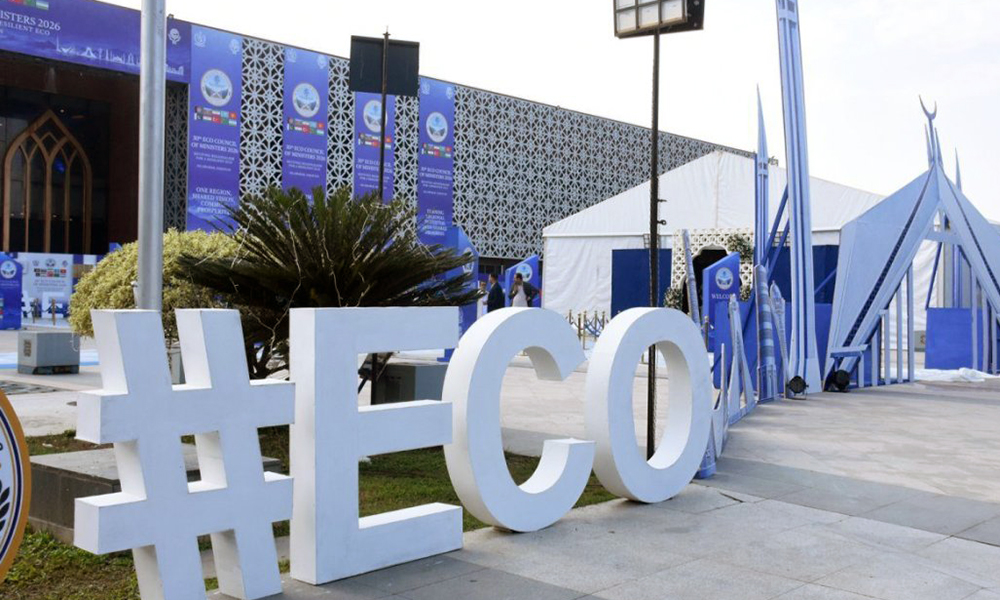
The two-day meeting of foreign ministers of the Economic Cooperation Organization (ECO) began in Islamabad, Pakistan, on Sunday, without the participation of a delegation from the Islamic Emirate of Afghanistan.
Representatives from the organization’s 10 member states are discussing ways to expand economic cooperation, boost regional trade and strengthen connectivity. Pakistan, which currently holds the organization’s rotating chairmanship, has identified stronger trade and transit relations among member states as a key priority.
Afghanistan’s absence comes despite its ECO membership and its strategic geographical position as a major transit corridor linking Central Asia with South Asia and the Middle East.
Central Asian countries can use Afghanistan’s territory to access Pakistani and Iranian ports, as well as wider regional markets, making the country an important part of regional trade and connectivity initiatives.
Economic analysts say political differences should not prevent member states from pursuing economic cooperation. They warn that excluding or sidelining Afghanistan from such regional meetings could undermine ECO’s economic and transit objectives.
ECO was established in 1985 by Iran, Türkiye and Pakistan. In 1992, the organization expanded with the admission of Afghanistan and six other countries, bringing its membership to 10 states.
The combined gross domestic product of ECO member countries is estimated at around $3 trillion.
Experts say that without Afghanistan’s active participation, regional connectivity projects may struggle to achieve their full economic and transit potential.
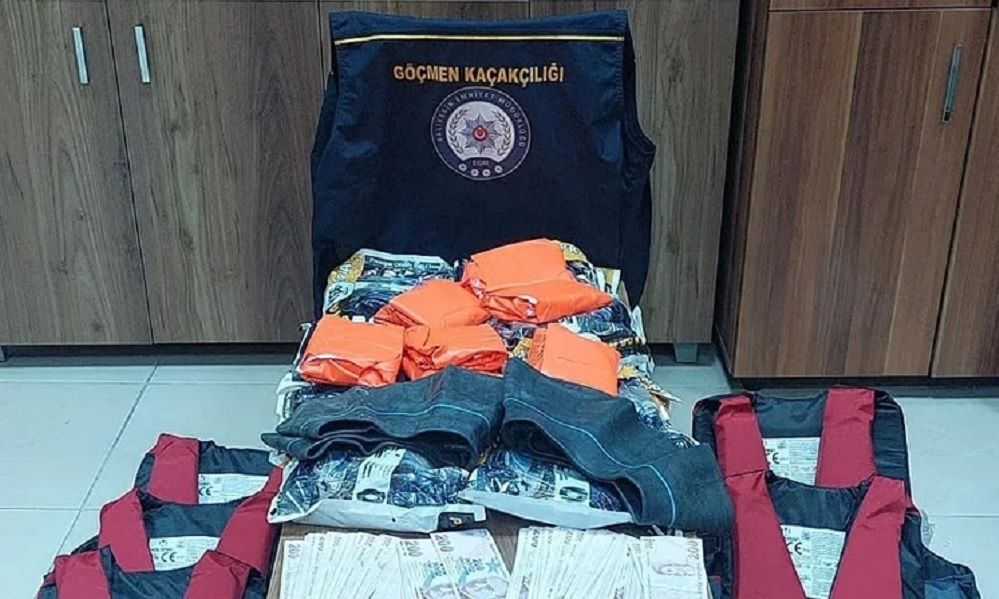
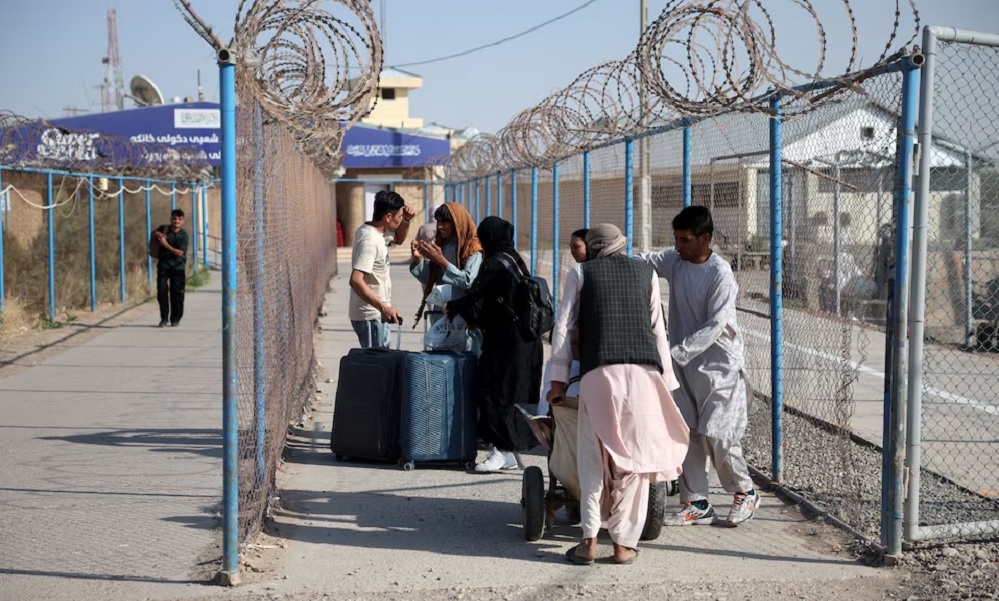
Turkish police have detained 35 Afghan migrants attempting to cross into Greece by sea in the northwestern province of Balikesir, while four suspects accused of migrant smuggling were also apprehended.
Police seized 12 life jackets, lifebuoys and three pumps during the operation.
Following police procedures, three of the four suspects were remanded in custody by a court, while the fourth was released under judicial supervision.
The 35 Afghan migrants were transferred to an Irregular Migrant Pre-Reception and Referral Center.

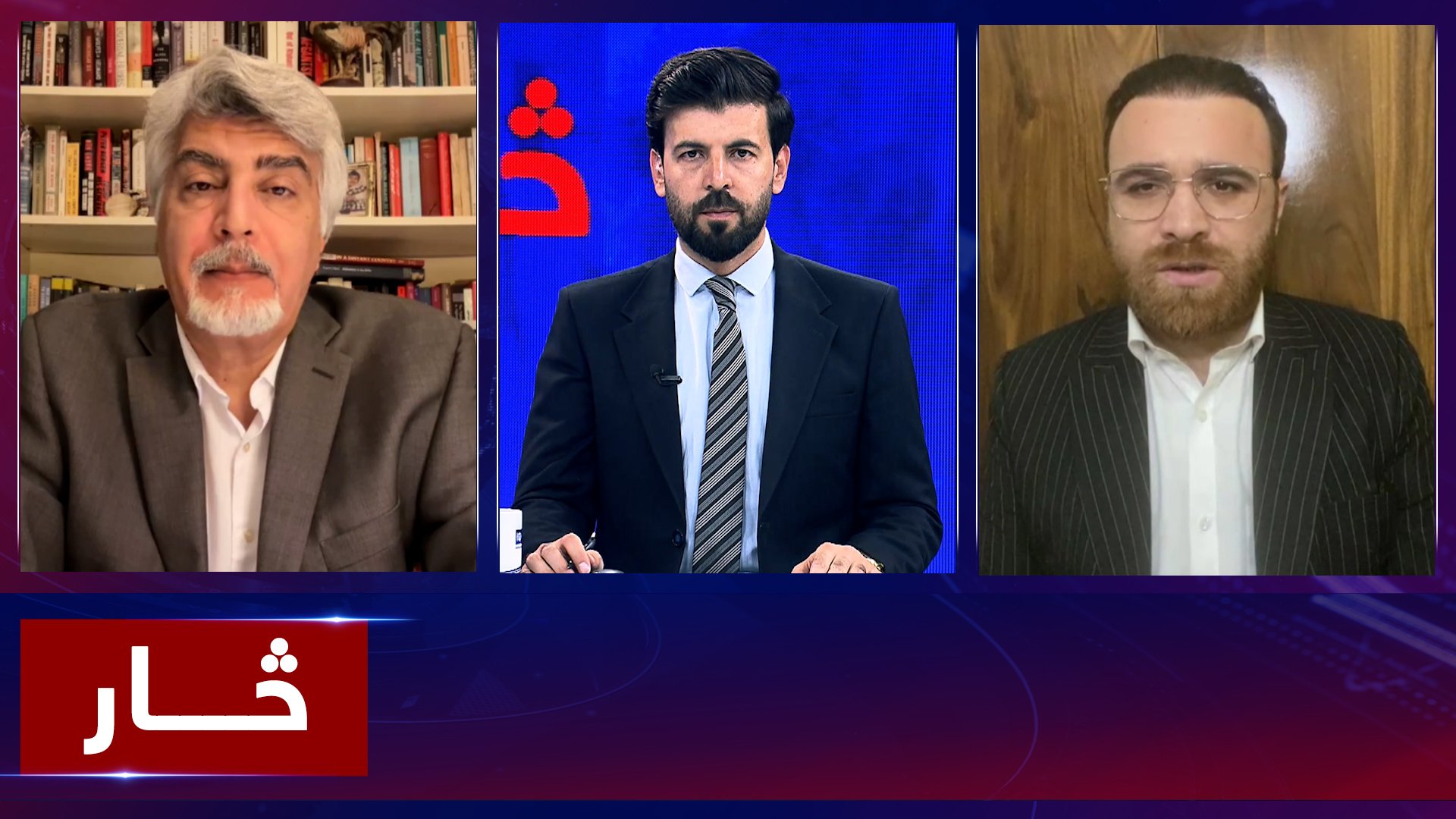
Saar: Iran–US tensions: an uncertain future
Afghanistan and Iran agree to expand trade cooperation and upgrade border infrastructure
Afghanistan’s absence from ECO foreign ministers’ meeting raises questions

ILT20 teams required to field at least two UAE and Afghanistan players in Season 5
Turkey detains 35 Afghan migrants attempting to reach Greece

Afghanistan finish runners-up after 6-0 defeat to Brazil in futsal final

Trump says US may strike Iran’s ‘Pickaxe Mountain’ nuclear facility

Rubio heads to Central Asia while other US officials hit foreign policy hot spots

Violent protests spread across Europe as Albanian PM blames ‘foreign hand’

Governments take websites offline as critical cyber flaws trigger global alert
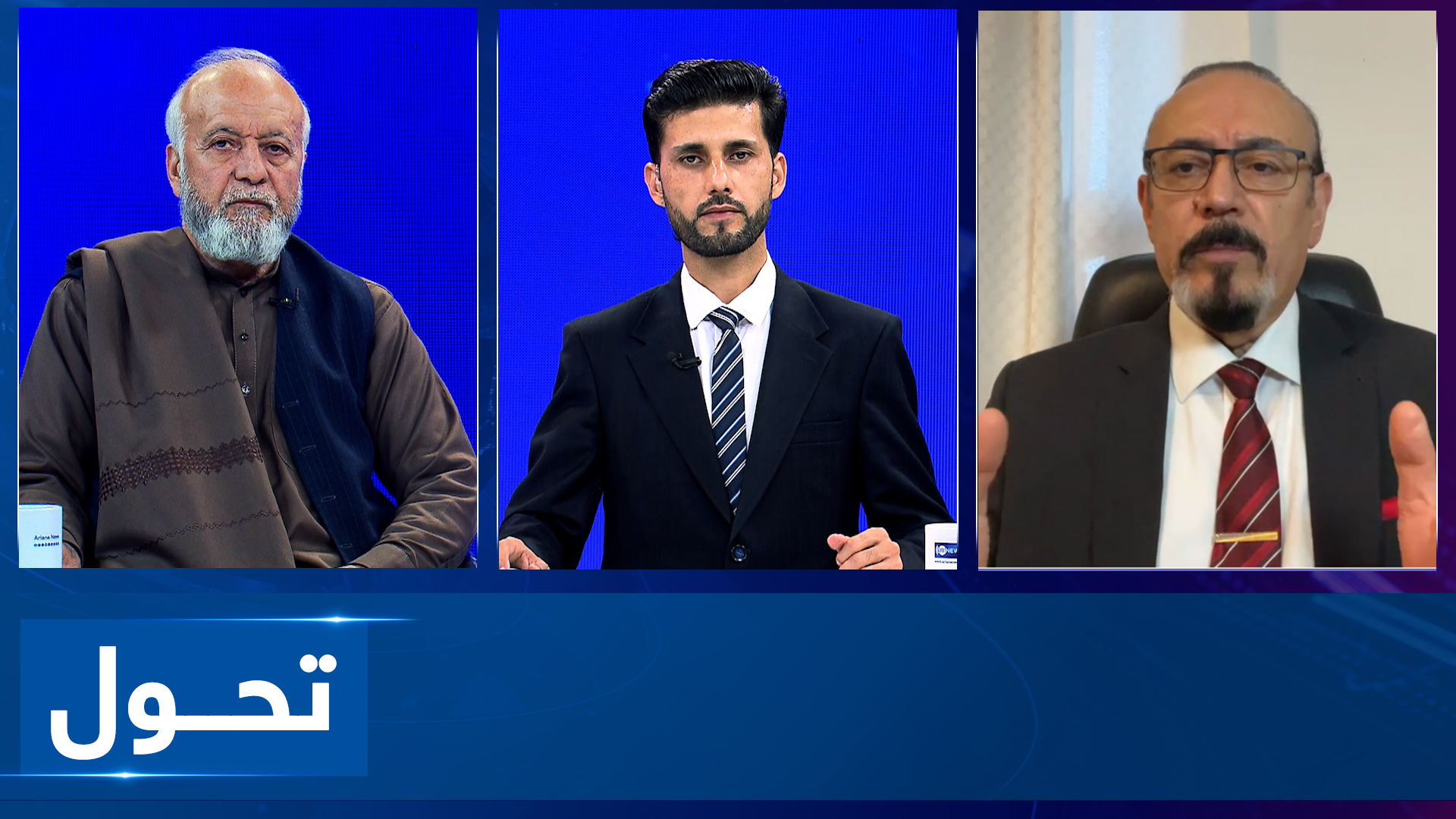
Tahawol: Concerns grow over worsening regional humanitarian crises discussed
Saar: Forced deportation of Afghan refugees from Iran and Pakistan discussed
Tahawol: Russia’s special attention to situation in Afghanistan discussed
Saar: Discussion on US’s humiliating defeat in Afghanistan
Tahawol: High-level Russian delegation’s visit to Kabul discussed
-
 Latest News4 days ago
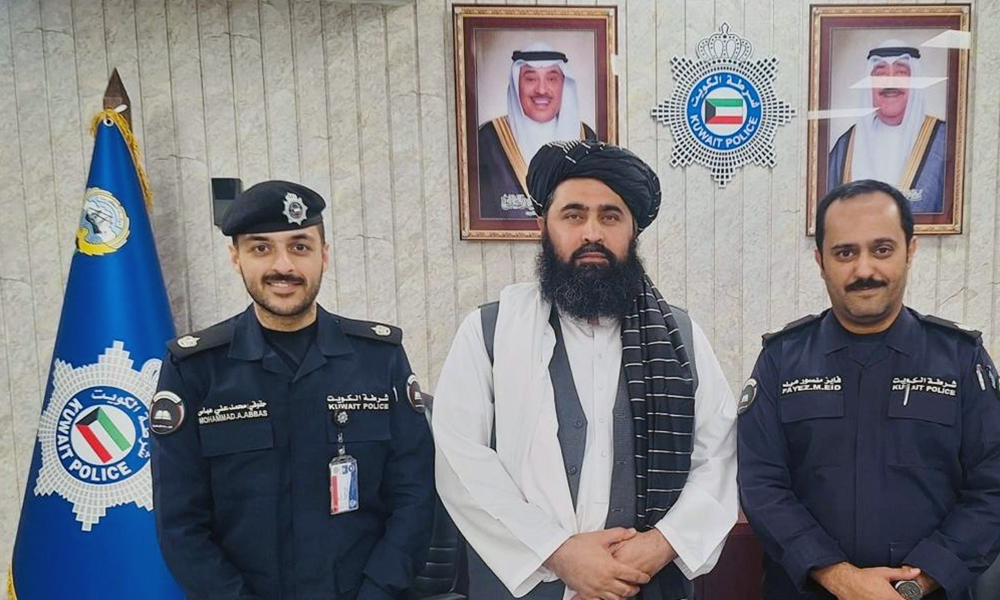
Afghan embassy in Kuwait discusses situation of Afghan prisoners with Kuwaiti officials
-
 Business4 days ago
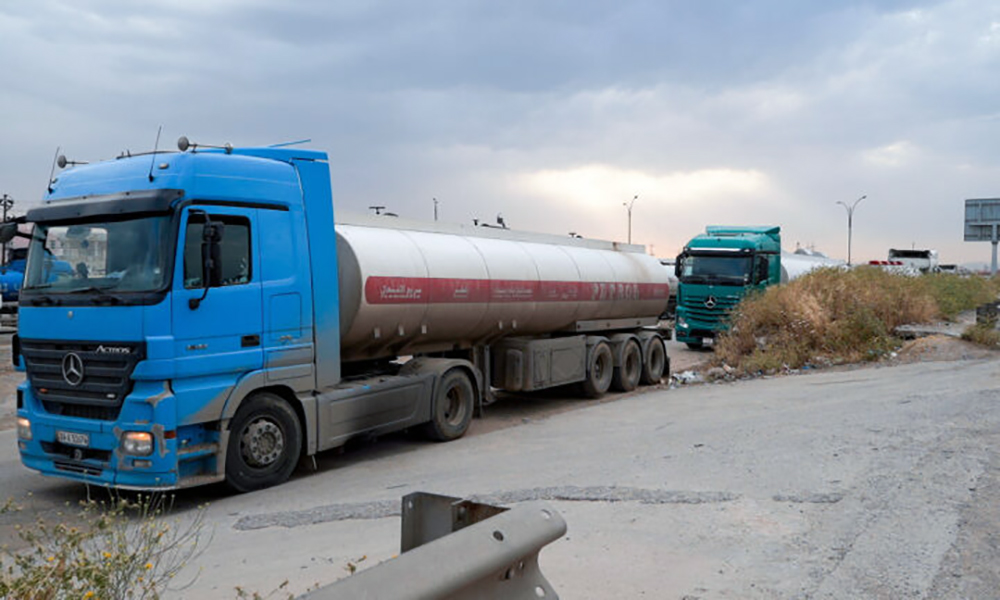
Iraqi intelligence report alleges oil smuggling network supplying Afghanistan and Turkey through Iran
-
 Tahawol5 days ago
Tahawol: Efforts to halt deportation of Afghan refugees from US discussed
-
 Latest News4 days ago
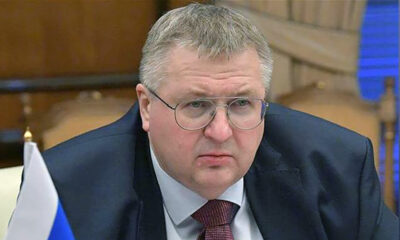
Russian deputy prime minister to visit Kabul with high-level economic delegation
-
 Latest News3 days ago
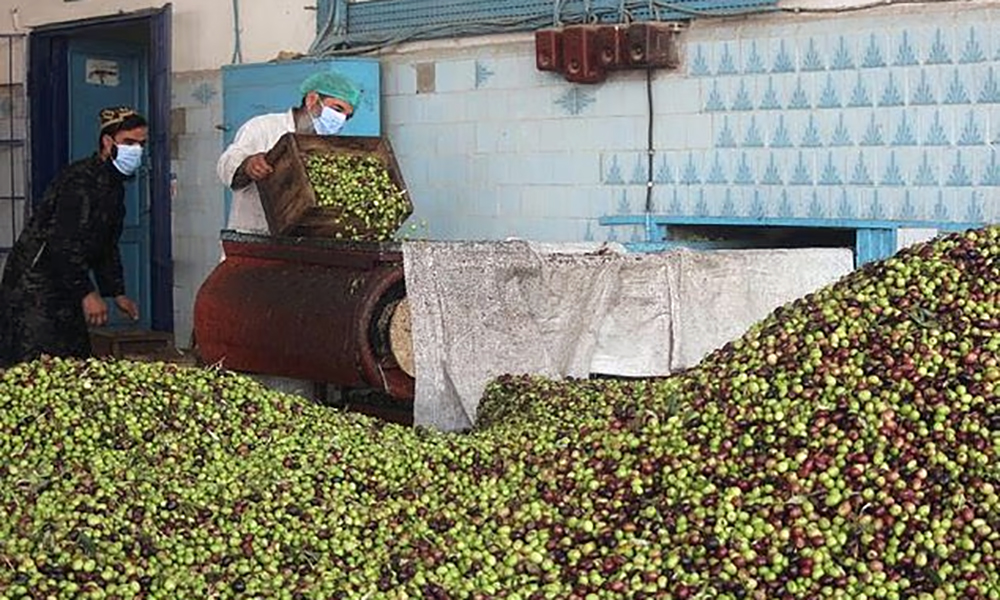
Olive farming offers new hope to Afghan farmers amid growing climate challenges
-
 Latest News4 days ago
Ancient treasures unearthed at Kabul’s historic Bala Hissar
-
 Sport4 days ago
Historic first for Rahmat Shah after ICC rankings update
-
 Latest News4 days ago
UNESCO warns Afghanistan risks losing an entire generation of professionals as girls’ education ban continues