
Latest News
Pakistan’s human rights minister does not see Afghan involvement in cross border attacks

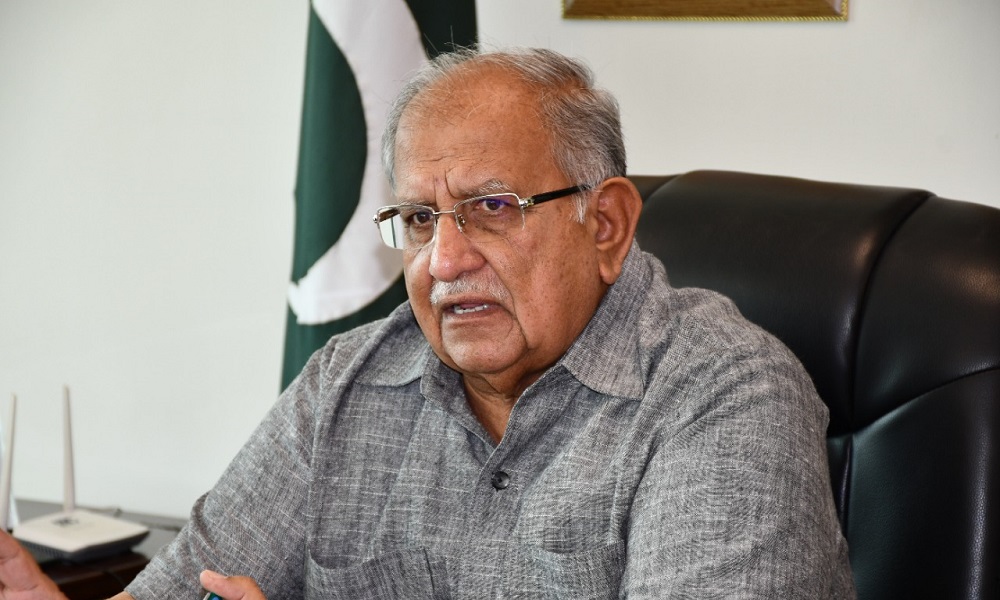
Pakistan’s Human Rights Minister Riaz Pirzada has said that he does not see the Islamic Emirate of Afghanistan’s (IEA) involvement in recent terror incidents across Pakistan, adding that there are misunderstandings between the two countries.
The minister’s remarks come as a stark contradiction to recent statements issued by the government and the army who have repeatedly raised concerns over the use of Afghan soil by militants for cross-border terrorism.
Recently, an attack on a military installation in Balochistan’s Zhob Cantt, and another attack on security forces in Balochistan’s Sui resulted in the deaths of 12 soldiers. Pakistani government claimed that the perpetrators of the Zhob attack were Afghan nationals.
Last week, Prime Minister Shehbaz Sharif had also urged the Afghan government to take “concrete measures” towards denying the use of its soil for terrorism.
In an interview with Dawn News, Pakistan’s human rights minister recalled the Afghan authorities’ statement forbidding attacks in Pakistan.
“A few things are taking place beyond [their knowledge] but as far as the Taliban (IEA) … even today, their defence minister’s statement has come that they would not allow any person to commit any act against Pakistan and that this is not jihad.”
When asked about the increase in the number of Afghan nationals in Swat and Khyber Pakhtunkhwa, the minister said they were allowed into the country by the previous PTI government.
“They were the ones who were brought by your own people, who gave permission during the previous tenure to bring them in the [mainstream],” he said.
When asked if he thought there were “misunderstandings” between Afghanistan and Pakistan, Pirzada concurred. He went on to say that in his opinion, the Afghan leadership was being “quite honest with Iran, Saudi Arabia, China and Pakistan”.
The minister further said the blood of Pakistanis and Afghans was “the same”, highlighting the socio-cultural as well as linguistic ties between the two countries.
“So, I do not think that Afghanistan would be this disloyal to Pakistan. I do not accept this,” he said.

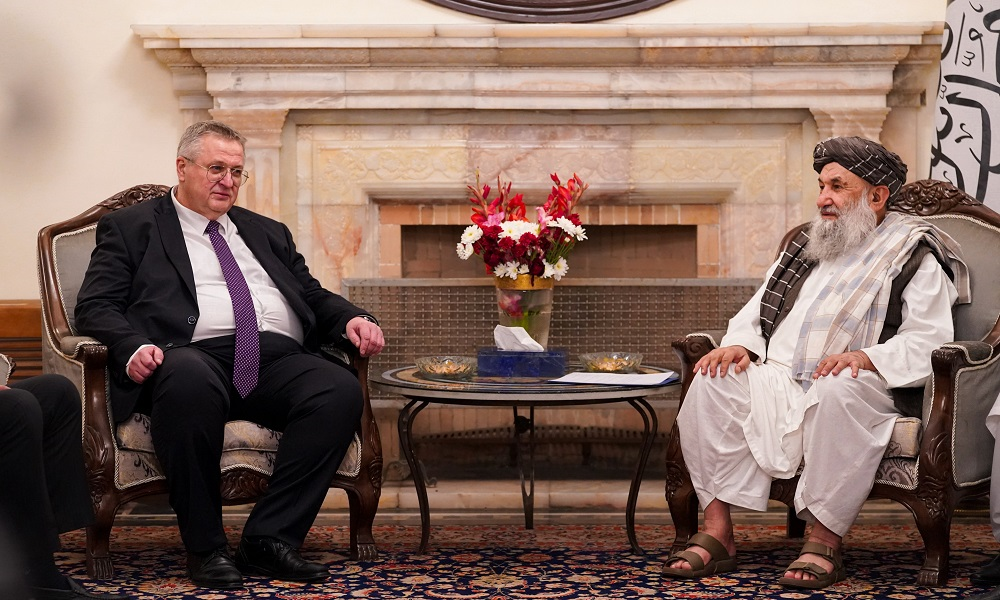
Afghanistan’s Prime Minister, Mullah Mohammad Hassan Akhund, met with Russian Deputy Prime Minister Alexey Overchuk in Kabul on Thursday evening, emphasizing the need to strengthen bilateral relations and expand economic cooperation between the two countries.
According to a statement from the Presidential Palace, several senior officials from both countries attended the meeting, including Afghanistan’s Foreign Minister Amir Khan Muttaqi and representatives of Russia’s political and economic sectors.
Akhund described Afghanistan’s security and stability as favourable conditions for foreign investment and thanked Moscow for recognizing the Islamic Emirate and supporting Afghanistan in international forums.
Meanwhile, Overchuk praised the security situation and developments in Afghanistan, expressing Russia’s interest in investing in various sectors of the country.
He said around 70 representatives of Russia’s private sector were accompanying the delegation and were expected to hold discussions with relevant ministries and institutions of the Islamic Emirate on trade and investment agreements, as well as ways to address existing obstacles.
The Russian deputy prime minister reaffirmed his country’s support for Afghanistan in various fields.
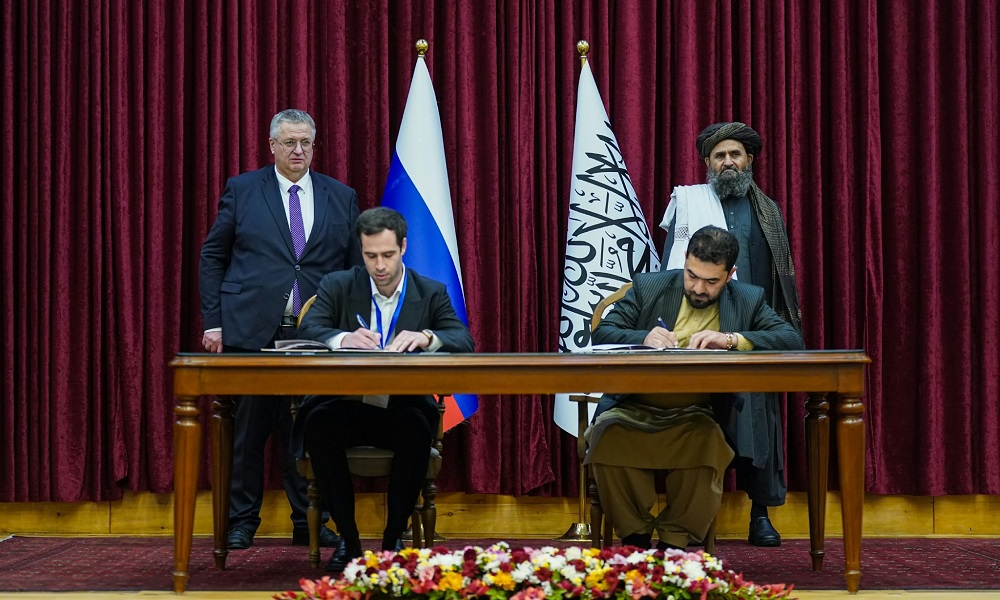
Afghanistan’s private sector and the Russian Federation have signed 15 economic cooperation agreements worth a total of $103 million.
The agreements were signed in the presence of Mullah Abdul Ghani Baradar, Deputy Prime Minister for Economic Affairs, and Alexey Overchuk, Russia’s Deputy Prime Minister.
Under the agreements, the two sides will cooperate in importing medicines, wheat, flour, and cooking oil into Afghanistan, as well as exporting fresh Afghan fruits, particularly pomegranates, to Russia.
Expanding bilateral trade relations and developing economic cooperation in various sectors are also among the key areas covered by the agreements.
According to officials, the agreements will facilitate two-way exports and imports between the two countries.
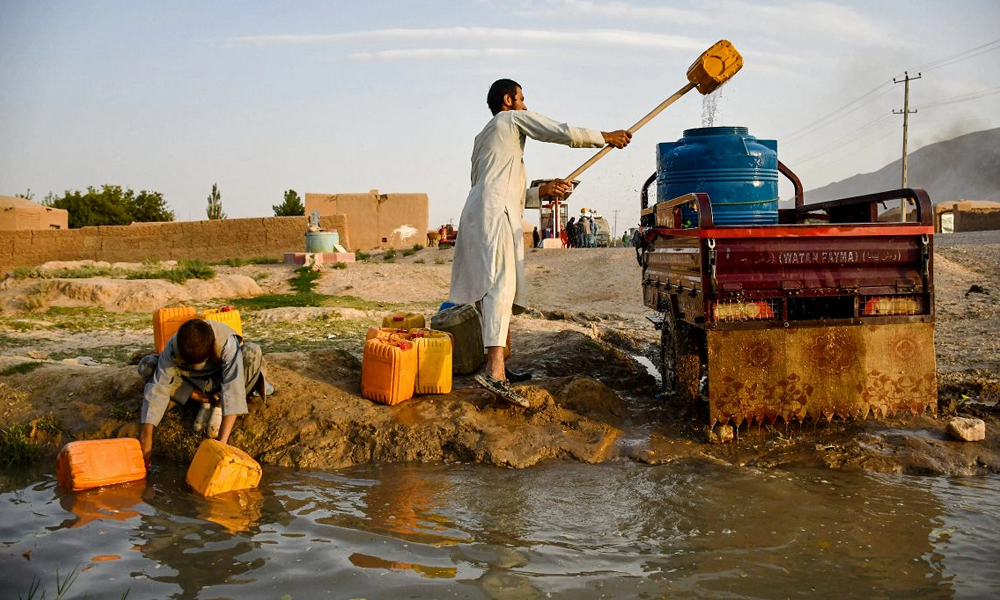
The United Nations has warned of worsening water shortages, the impacts of climate change and inadequate infrastructure in Afghanistan’s central highland regions, highlighting growing challenges facing communities in remote areas.
Rabab Fatima, the UN Secretary-General’s Special Representative in Afghanistan, raised the concerns during a visit to Bamyan province, where she assessed the living conditions and challenges facing local communities.
Fatima said poor road networks and inadequate infrastructure in remote areas have made it increasingly difficult for residents to access essential services, including healthcare and education.
During her visit to the mountainous central regions of Afghanistan from November 2 to 4, she met with local communities to discuss their daily challenges, as well as opportunities for improving livelihoods and access to basic services.
She also stressed the need to expand healthcare services, establish more medical facilities in underserved areas and strengthen support for girls’ education.
Fatima praised the enthusiasm of students in Bamyan for education and highlighted the growing participation of women in business, describing these developments as encouraging signs for the region’s future.
She called for equal educational and economic opportunities for girls and women, emphasizing the importance of ensuring that remote communities are not left behind.
The visit comes as Afghanistan’s central highlands continue to face significant challenges linked to climate change, water scarcity and limited infrastructure, underscoring the need for sustained support and investment in essential services.

Afghanistan and Russia discuss expanding economic cooperation and boosting investment

Argentina clinch futsal gold after defeating Portugal in Dakar 2026 final
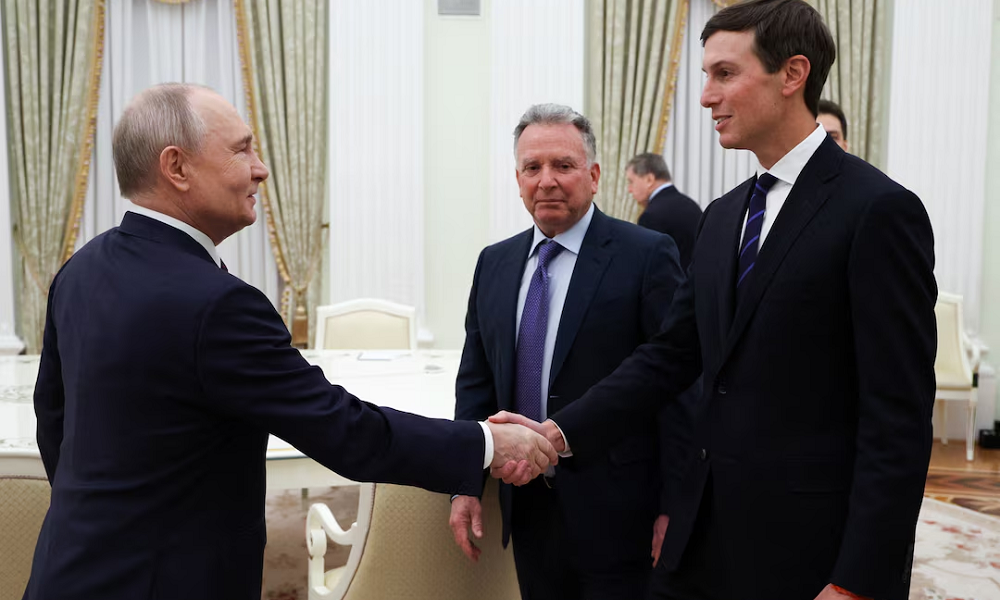
Putin agrees to European role in Ukraine peace talks as Zelenskiy welcomes move
Afghanistan and Russia sign 15 economic cooperation agreements worth $103 million
UN warns of deepening water crisis in central Afghanistan amid climate change

Afghanistan finish runners-up after 6-0 defeat to Brazil in futsal final

Trump says US may strike Iran’s ‘Pickaxe Mountain’ nuclear facility

Afghan futsal coach: Brazil tournament is first step towards new goals and World Cup

Rubio heads to Central Asia while other US officials hit foreign policy hot spots

Violent protests spread across Europe as Albanian PM blames ‘foreign hand’
Tahawol: Russia’s special attention to situation in Afghanistan discussed
Saar: Discussion on US’s humiliating defeat in Afghanistan
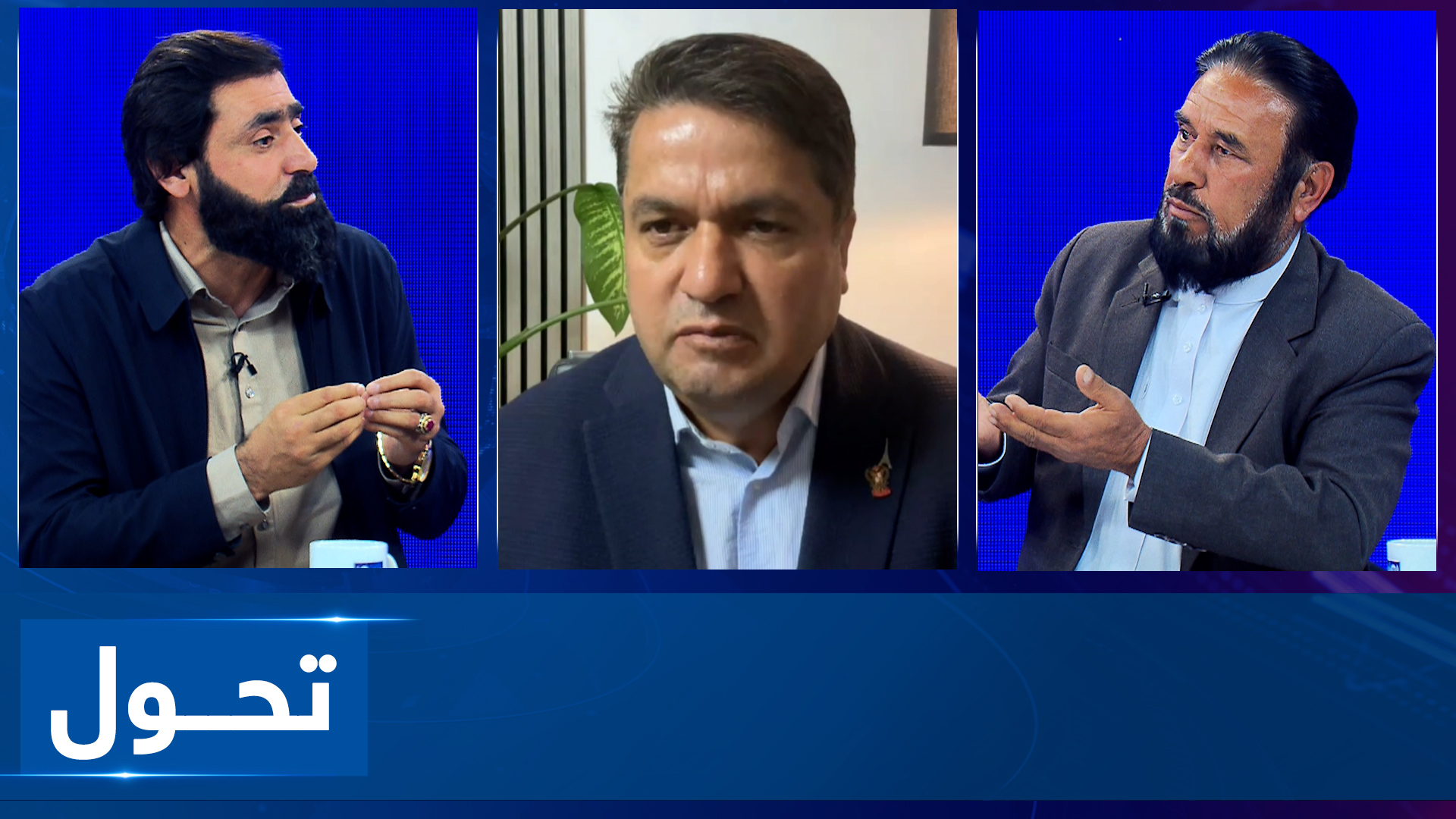
Tahawol: High-level Russian delegation’s visit to Kabul discussed
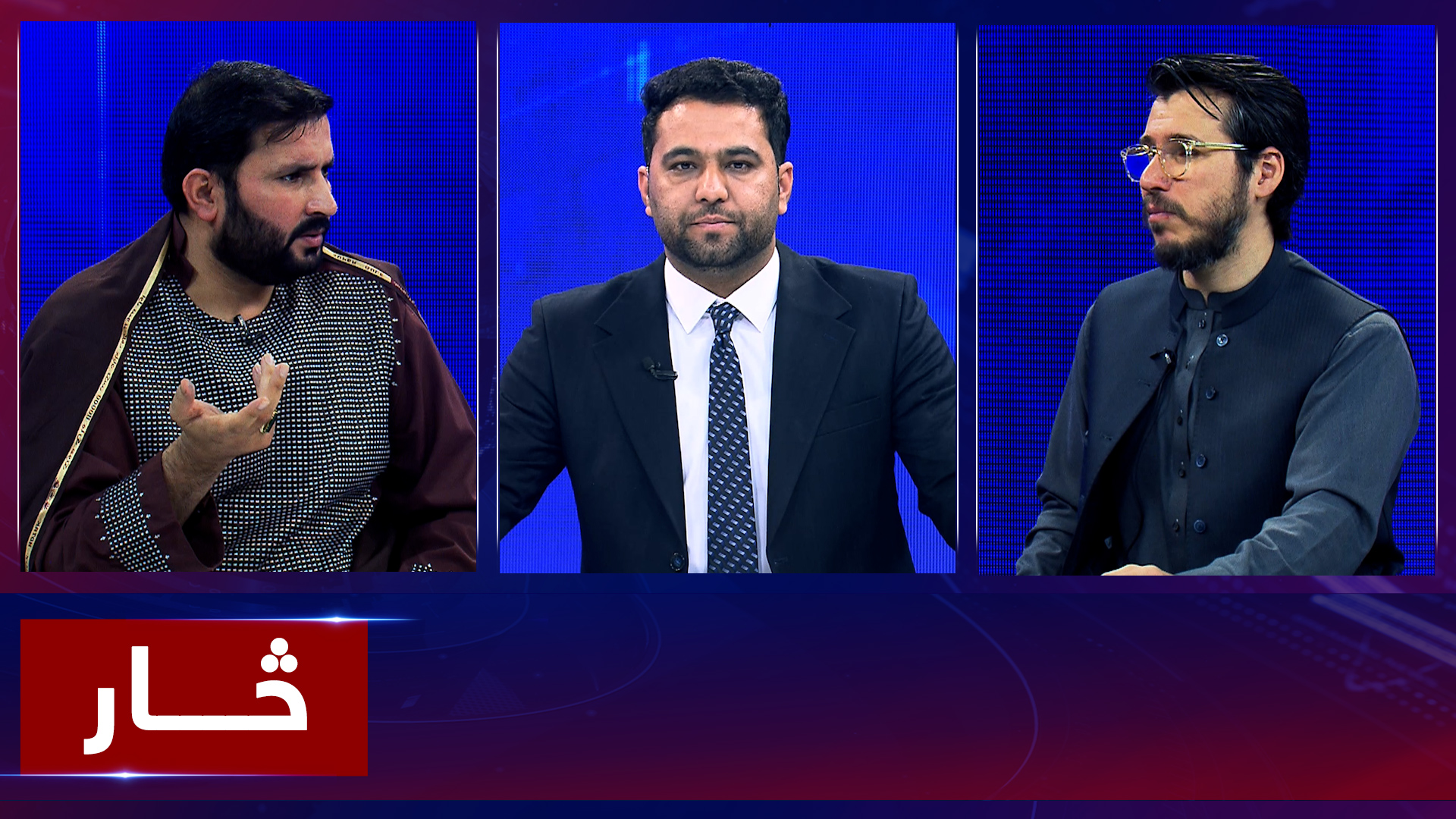
Saar: Afghanistan’s situation in focus at CSTO discussed

Tahawol: Efforts to halt deportation of Afghan refugees from US discussed
-
 Sport4 days ago
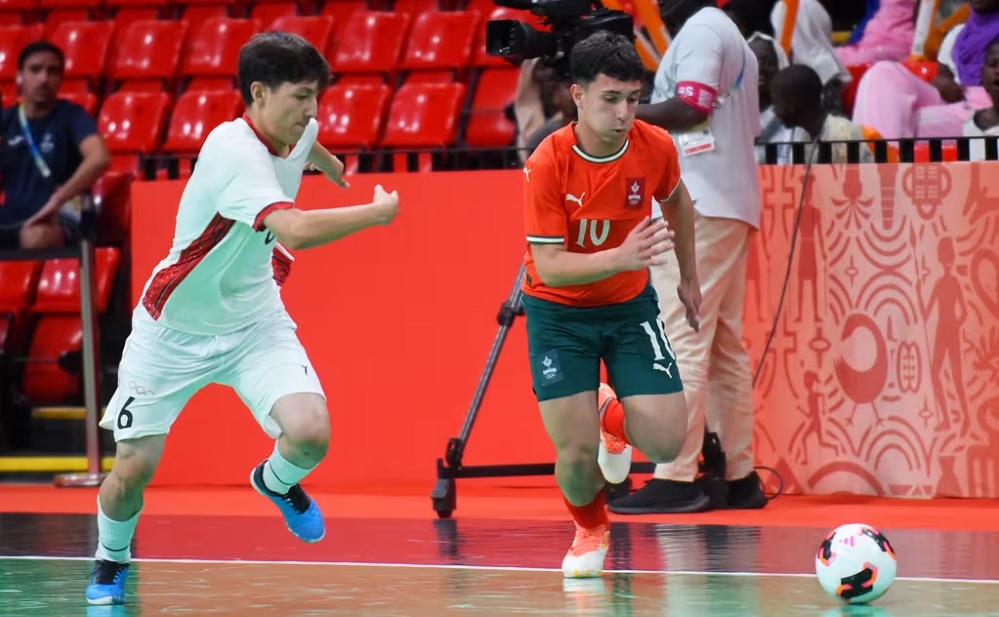
Portugal beat Afghanistan 2-0 in Dakar Youth Olympics futsal semi-finals
-
 Sport5 days ago
Afghanistan’s record partnership highlights fourth day of Test against Zimbabwe
-
 Sport5 days ago
Afghanistan thrash Senegal 6-0 to reach Dakar Youth Olympics futsal semi-finals
-
 World4 days ago
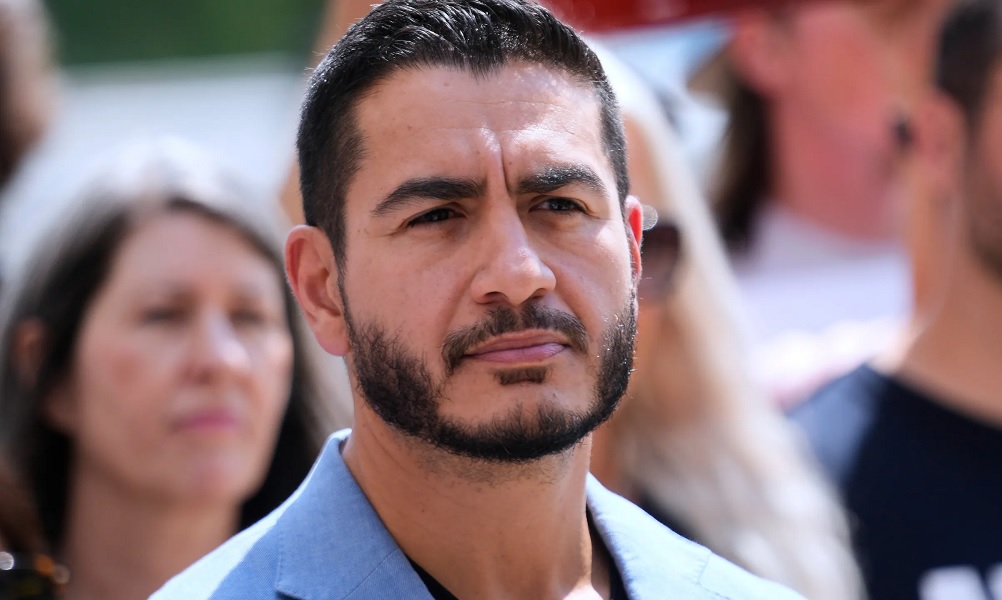
First Muslim US senator-elect El-Sayed calls for review of aid to Pakistan
-
 Regional4 days ago
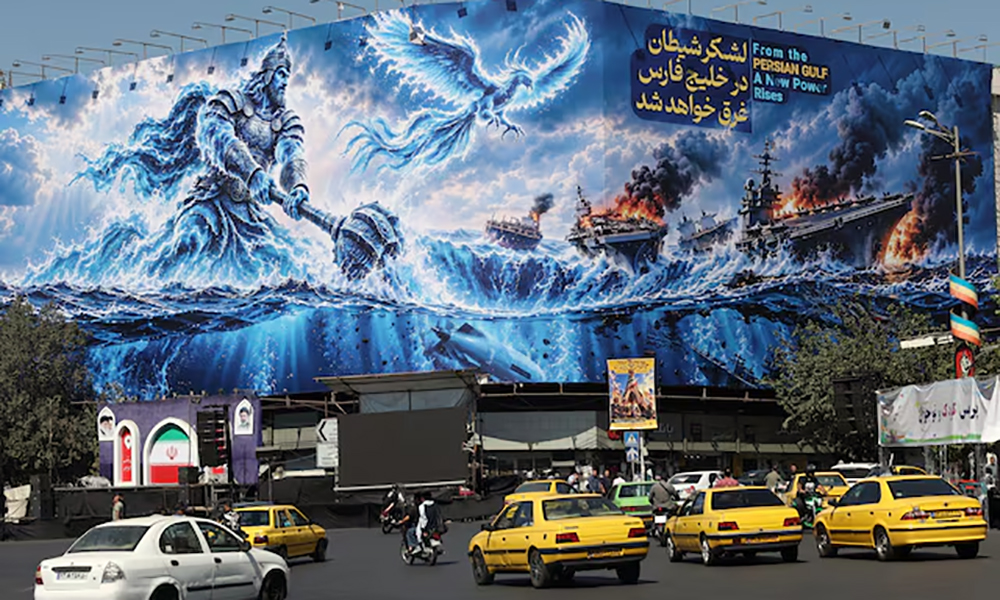
Iran defends two-day proposal for peace talks after US rejects conditions
-
 Business4 days ago
Afghanistan approves new foreign investment policy in bid to attract international investors
-
 Climate Change5 days ago
Afghanistan among world’s five most climate-vulnerable countries
-
 Latest News5 days ago
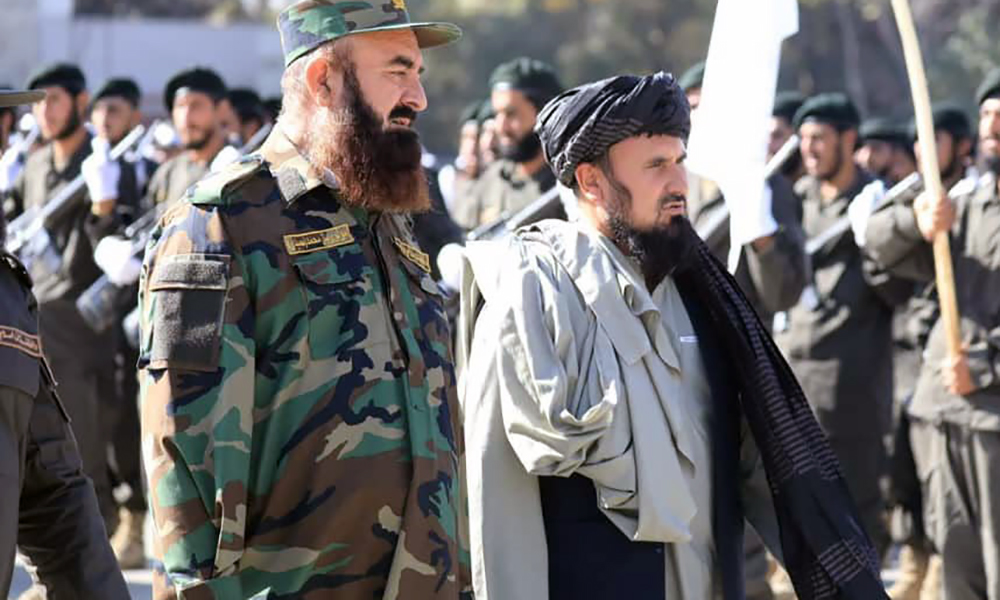
Afghanistan needs strong, modern and independent army, says defence chief