
Regional
Refugees return to Syria as caretaker prime minister appointed
Rebuilding Syria will be a colossal task following a civil war that killed hundreds of thousands of people

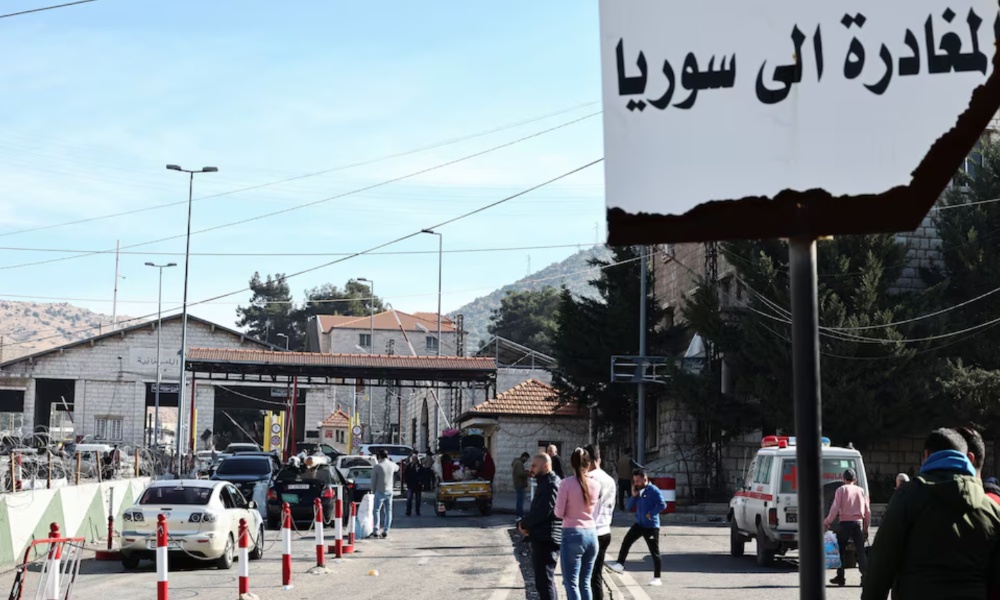
Refugees from Syria’s long civil war were making their way home on Wednesday, as a new interim prime minister said he had been appointed with the backing of the rebels who toppled President Bashar al-Assad.
U.S. officials, engaging with rebels led by Hayat Tahrir al-Sham (HTS), urged them not to assume automatic leadership of the country but instead run an inclusive process to form a transitional government.
The new government must “uphold clear commitments to fully respect the rights of minorities, facilitate the flow of humanitarian assistance to all in need, prevent Syria from being used as a base for terrorism or posing a threat to its neighbours,” U.S. Secretary of State Antony Blinken said in a statement.
HTS is a former al Qaeda affiliate that led the anti-Assad revolt and has lately downplayed its jihadist roots, Reuters reported.
In a brief address on state television on Tuesday, Mohammed al-Bashir, a figure little known across most of Syria, said he would lead the interim authority until March 1.
“Today we held a cabinet meeting that included a team from the Salvation Government that was working in Idlib and its vicinity, and the government of the ousted regime,” he said.
Bashir ran the rebel-led Salvation Government before the 12-day lightning rebel offensive swept into Damascus.
Rebuilding Syria will be a colossal task following a civil war that killed hundreds of thousands of people. Cities have been bombed to ruins, swathes of countryside depopulated, the economy gutted by international sanctions and millions of refugees still live in camps after one of the biggest displacements of modern times.
With European countries pausing asylum applications from Syrians, some refugees from Turkey and elsewhere began making their way home.
Ala Jabeer cried as he prepared to cross from Turkey into Syria with his 10-year-old daughter on Tuesday, 13 years after the war forced him to flee his home.
He returns without his wife and three of his children who died in devastating earthquakes that struck the region last year.
“God willing, things will be better than under Assad’s government. We’ve already seen that his oppression is over,” he said.
“The most important reason for me to return is that my mother lives in Latakia. She can take care of my daughter, so I can work,” Jabeer said.
In the Syrian capital Damascus, banks reopened for the first time since Assad’s overthrow on Tuesday. Shops also opened again, traffic returned to the roads, cleaners were out sweeping the streets and there were fewer armed men about.




Regional
Aimal Wali Khan calls Dera Ismail Khan attack a ‘state failure’
Khan called on the federal and Khyber Pakhtunkhwa governments to take greater responsibility for protecting citizens and addressing the deteriorating security situation in the province.
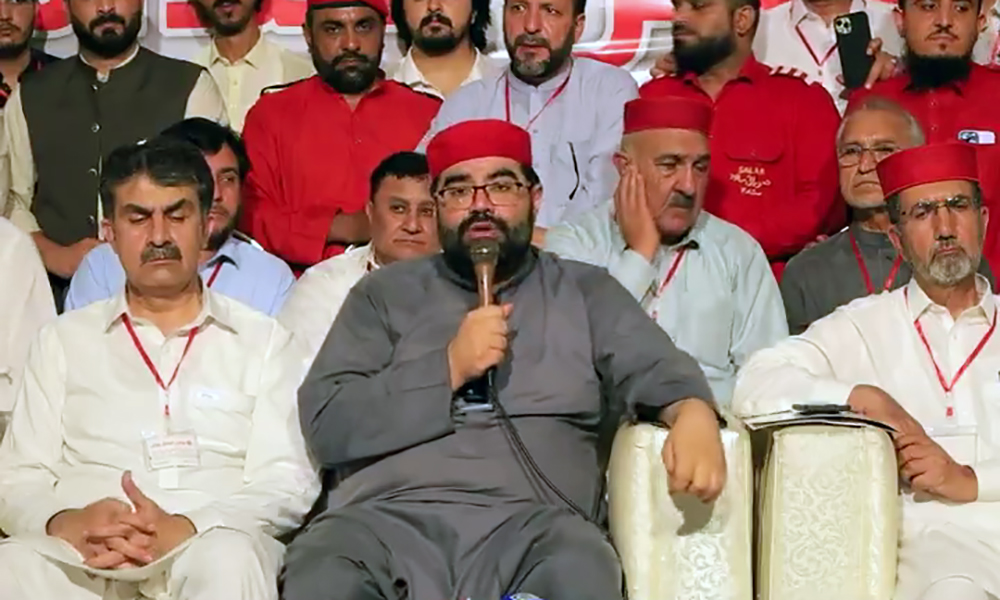
Awami National Party (ANP) President and Senator Aimal Wali Khan has condemned the suicide attack on the Aman Mela checkpoint in the Darazinda area of Pakistan’s Dera Ismail Khan district, describing it as a failure by the state to ensure the security of citizens.
According to Dawn, Khan called on the federal and Khyber Pakhtunkhwa governments to take greater responsibility for protecting citizens and addressing the deteriorating security situation in the province.
In a statement, Khan said Khyber Pakhtunkhwa is experiencing one of the darkest periods in its history. He alleged that the Pashtun population is facing systematic violence and said prolonged insecurity has left the province deeply affected by terrorism.
Khan also condemned an attack on an ambulance reportedly carrying the body of a person killed in the blast, describing it as an “inhumane act.”
The ANP leader questioned the government’s response to the worsening security situation, saying that blaming groups referred to by authorities as “Fitna al-Khawarij” and “Fitna al-Hindustan” does not absolve the state of its responsibility to protect citizens.
He urged the federal and provincial governments to stop blaming each other and instead focus on restoring peace and strengthening security across Khyber Pakhtunkhwa.
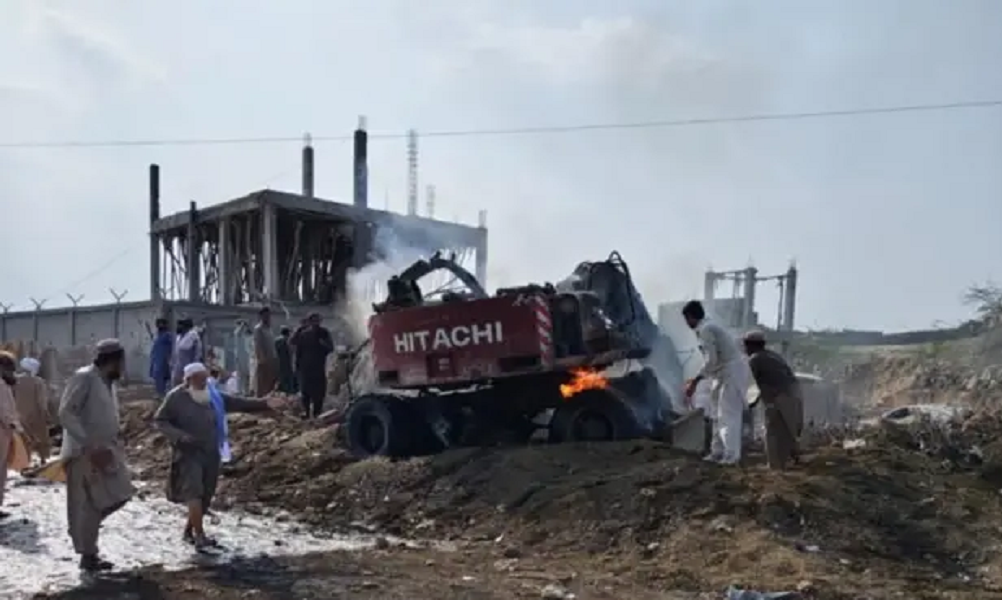
Eleven people were killed and 30 injured in a blast in Dera Ismail Khan in northwestern Pakistan on Saturday, emergency service Rescue 1122 said.
The Tehreek-e-Taliban Pakistan claimed responsibility for Saturday’s attack.
The blast occurred near Aman Mela in the Darazinda area of the district, Rescue 1122 said in a statement.
Rescue teams from the Darazinda station reached the scene and began relief operations, providing medical assistance to the wounded and taking them to hospital, the service said.
Security incidents have continued in the district this month, including attacks involving the Pakistani Taliban.
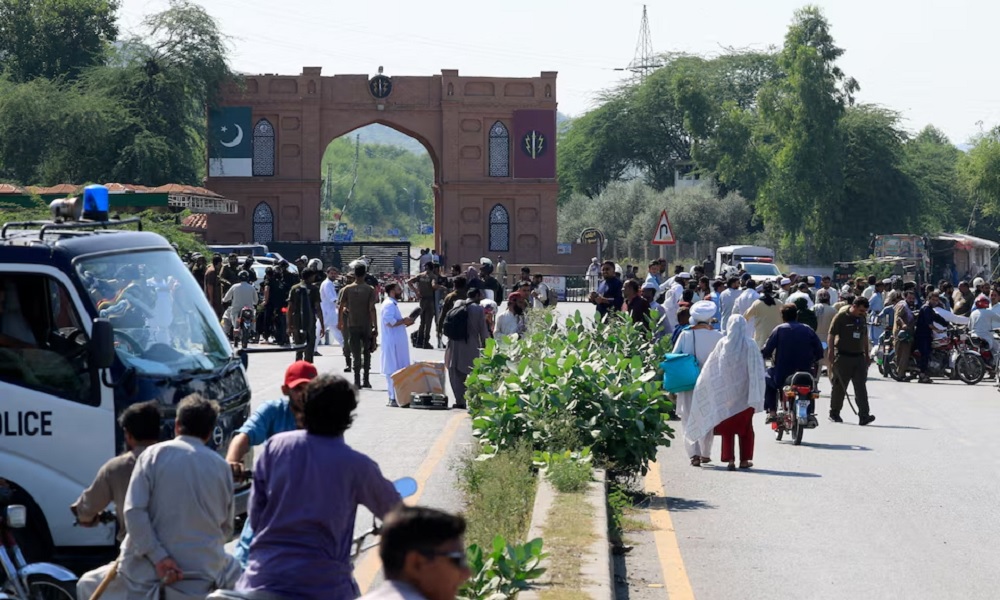
Jailed former prime minister Imran Khan’s Pakistan Tehreek-e-Insaf party has postponed a planned long march from Peshawar to Islamabad until October 4, the chief minister of the PTI-ruled Khyber Pakhtunkhwa province, Sohail Afridi, told reporters on Friday.
PTI had planned to begin the march on September 27 to press for the release of Khan, who has been in jail since 2023. The PTI’s last large-scale protest two years ago ended in deadly clashes with security forces, Reuters reported.
Earlier this week, Pakistan curbed access to its capital, Islamabad, by blocking major highways with shipping containers and deploying tens of thousands of security forces, ahead of the march planned by Khan’s supporters.
Party spokesperson Zulfi Bukhari, however, told Reuters that although they had moved the planned date to October 4, they could launch the march earlier.
“We can now do it whenever we deem fit. The question is to the government, as to how long they’re willing to keep the country closed off?”, Bukhari said.
Authorities have detained three of Khan’s sisters and hundreds of party activists in recent days, citing a need to maintain public order.
Khan, 73, a former cricket star ousted by parliament in a 2022 no-confidence vote, has claimed to be a political prisoner.


Afghanistan central bank and ACGF sign cooperation agreement

Saar: Afghanistan’s image at UNGA

Tajikistan reaffirms support for peace and stability in Afghanistan

Germany reports 488 Afghans for possible deportation, 267 have no criminal convictions

Afghanistan says 28 killed, 32 captured in Nuristan operation

Saudi energy group signs major Afghanistan deals covering gas exploration and pipeline plans

Trump floats idea of renaming Atlantic or Pacific Ocean

Nepal flood rescue mission enters critical phase as thousands remain missing

US hits Egyptian bank branches with Iran sanctions as war marks six months

Iranian clubs to face Gulf opponents at neutral venues in Asian Champions League Elite
Saar: Afghanistan’s image at UNGA

Saar: Concerns over Pakistan’s political crisis discussed

Exclusive interview with Abdul Latif Mansoor, Minister of MRRD

Tawsia: Overview of Afghanistan’s iron mines

Tahawol: Discussion on fresh Pakistani airstrikes on Afghanistan
-

 Latest News4 days ago
Ariana Afghan Airlines ranks seventh among 45 Central Asian airlines
-

 Regional4 days ago
US and Iran hold first talks since June after Trump’s ‘annihilation’ threat
-

 Regional4 days ago
Iran airlines cancel flights as US sanctions hit
-

 Latest News4 days ago
Silk Road highway in Wakhan corridor now reaches the China border
-

 Business4 days ago
Afghanistan, Turkmenistan agree to establish joint road transport commission
-

 Latest News5 days ago
India condemns Pakistani airstrikes on Afghanistan
-

 Sport3 days ago
Afghanistan open Asian Games cricket campaign with win over Japan
-
 World3 days ago
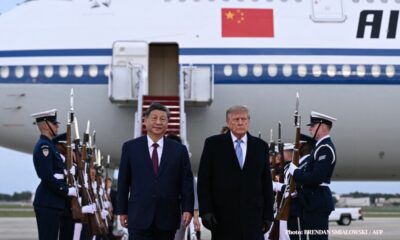
Trump welcomes Chinese President Xi as US-China summit gets underway