
Health
Smartphone addiction and nomophobia widespread among Afghans, study says
The findings show that men experience moderate to severe nomophobia (93%) slightly more than women (88%), challenging previous studies that suggested differing vulnerabilities based on gender.


The level of smartphone addiction is widespread among Afghans who exhibit symptoms of nomophobia, the fear and anxiety of being without a mobile phone, the UK-based University of Surrey said in a study report released on Thursday.
The study, conducted by a team of international researchers, surveyed 754 undergraduate medical students, predominantly aged between 18 and 29 at the Kabul University of Medical Sciences.
The findings show that men experience moderate to severe nomophobia (93%) slightly more than women (88%), challenging previous studies that suggested differing vulnerabilities based on gender.
According to the report, 54% of the participants reported moderate nomophobia, while 35% exhibited severe symptoms.
“The overwhelming prevalence of nomophobia among Afghan students is not just a personal issue for the individuals; it is a reflection of the socio-political crisis in Afghanistan,” said Suleman Lazarus, lead author of the study and cybercrime expert at the University of Surrey. “In a nation where communication and connection are increasingly restricted, the smartphone becomes a lifeline, leading to heightened dependence and anxiety when separated from it.”
The study also highlights the impact of marital status on nomophobia levels, with married individuals showing higher mean scores compared to their single counterparts. This unexpected finding suggests that the dynamics of personal relationships and societal expectations in Afghanistan play a significant role in shaping individuals’ experiences of anxiety related to smartphone use, according to the report.
The research presents a unique lens through which to view the intersection of technology, mental health, and socio-political context in Afghanistan. With a mere 18.4% of the population actually having access to the internet, combined with a stark gender divide in access to technology itself, understanding nomophobia in this landscape is crucial for addressing mental health and societal well-being, it said.
“This study is a crucial step toward understanding the mental health implications of our technology-dependent society, particularly in regions where access to education and basic rights is severely restricted. The data we have gathered paints a vivid picture of the psychological landscape of Afghanistan today,” Lazarus said.



Health
German medical team launches free surgical mission at Bamiyan provincial hospital
The mission is funded by volunteer doctors and partner organisations, with essential medicines and medical equipment also brought into the country.
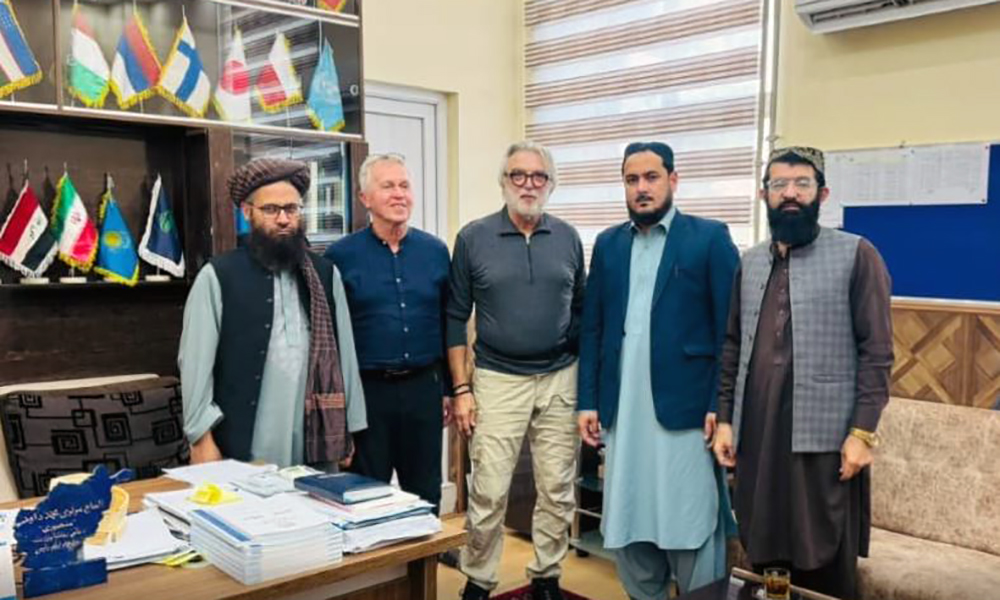
A nine-member medical team from Germany has begun a two-week medical and surgical mission at Bamiyan Provincial Hospital, offering free specialised treatment to patients in need.
According to the Ministry of Public Health, the team arrived in Afghanistan in coordination with the ministry and in partnership with Aga Khan Health Services (AKHS).
During the mission, the specialists will provide diagnostic and surgical services, including plastic surgery, burn treatment, correction of congenital deformities, war-related injuries and other complex medical conditions.
The team is expected to examine around 200 patients, with between 100 and 150 selected for surgical procedures.
In addition to treating patients, the German specialists will conduct theoretical and practical training sessions for Afghan doctors, surgeons and medical students to strengthen local medical expertise.
The ministry said the mission is funded by volunteer doctors and partner organisations, with essential medicines and medical equipment also brought into the country.
The initiative aims to improve access to free specialised healthcare, enhance the skills of Afghan medical professionals and strengthen surgical services in Afghanistan.
Health
Afghanistan to launch nationwide polio vaccination campaign
UNICEF said that 12.7 million children in Afghanistan have been vaccinated against polio through ongoing immunization campaigns.
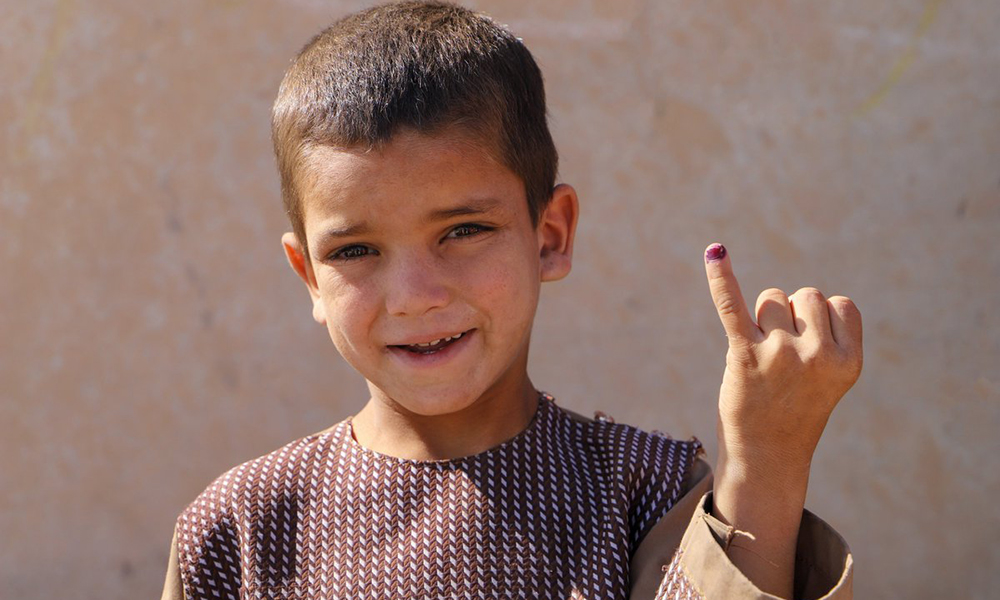
Afghanistan is set to launch a new nationwide polio vaccination campaign on Monday, November 2, as health authorities continue efforts to eradicate the disease, following the vaccination of 12.7 million children across the country.
Afghanistan’s Polio-Free Initiative announced that the campaign will begin nationwide on Monday, while vaccination activities in the southern zone will start a day later, on Tuesday, November 3.
Meanwhile, the United Nations Children’s Fund (UNICEF) said that 12.7 million children in Afghanistan have been vaccinated against polio through ongoing immunization campaigns.
The UN agency noted that despite progress in vaccination coverage, efforts to completely eliminate polio in Afghanistan are continuing.
Polio is a highly infectious viral disease that mainly affects children under the age of five and can cause permanent paralysis.
Health organizations have urged families to cooperate with vaccination teams and ensure that all eligible children receive the required vaccine doses to protect them against the disease.
Health
Afghanistan urges polio vaccination as cases reach 42
World Polio Day is observed annually on October 24 to raise awareness and strengthen global efforts to eliminate the disease.
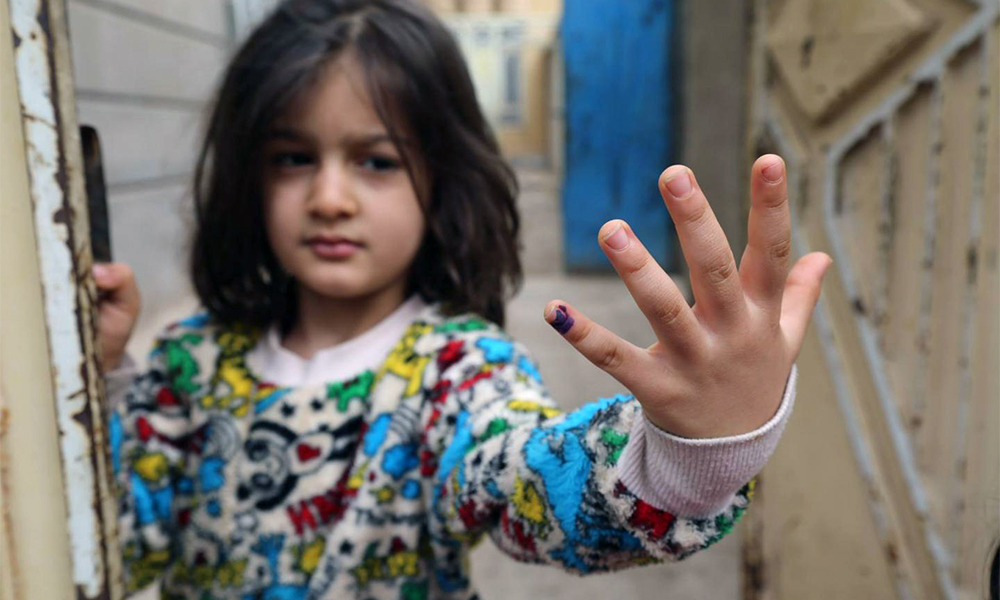
Afghanistan Free Polio has urged parents and caregivers to vaccinate their children against polio, warning of the continued need for vaccination efforts as the country marks World Polio Day on October 24.
In a message issued on Saturday, the organization called on families to ensure their children receive polio vaccines, stressing that every child has the right to grow up free from the disease.
The organization also emphasized the role of families and communities in preventing the spread of the virus and achieving a polio-free Afghanistan.
According to a previous report by the World Health Organization (WHO), six new polio cases had been recorded in Afghanistan, bringing the total number of cases reported since the beginning of 2026 to 42.
Afghanistan and Pakistan remain the only countries where polio has not been eradicated.
World Polio Day is observed annually on October 24 to raise awareness and strengthen global efforts to eliminate the disease.
Health authorities and public health organizations continue to stress that vaccination and community participation are essential to protecting children and preventing further transmission of the virus.

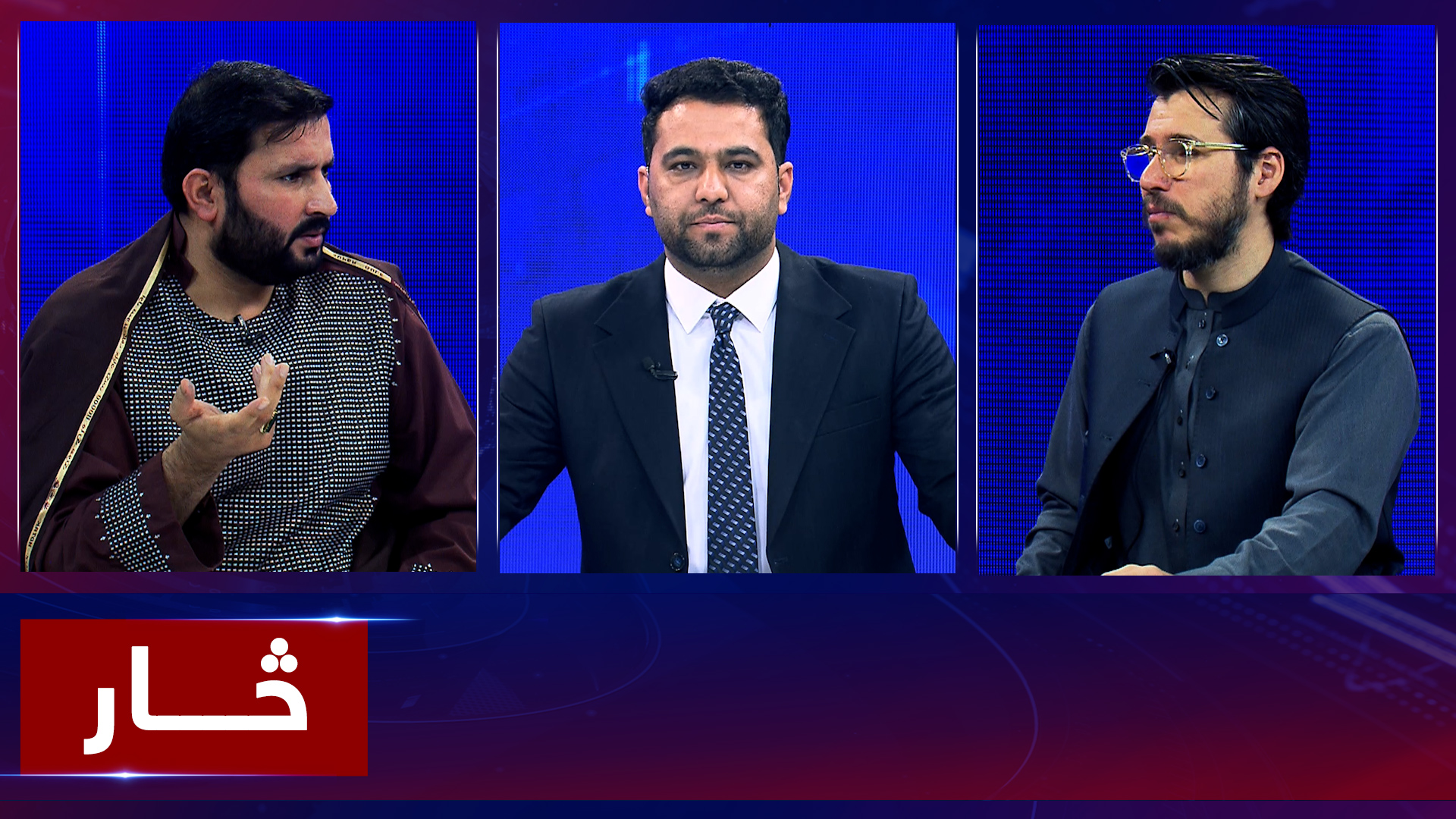
Saar: Afghanistan’s situation in focus at CSTO discussed
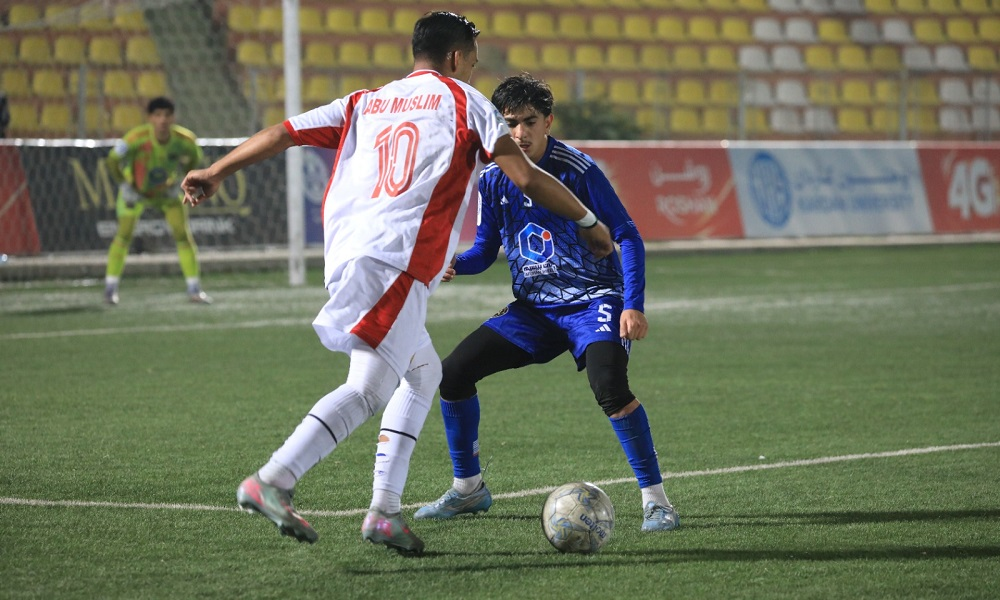
Abu Muslim Farah edge Arman FC with 1-0 victory in ACL match
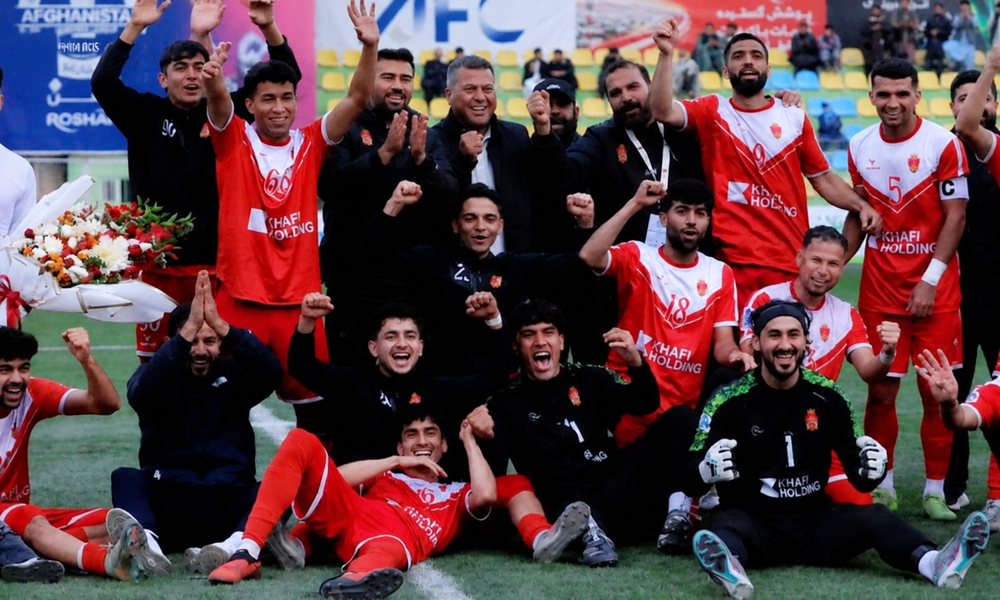
Sorkh Poshan Khafi secures ACL title with crushing 7-0 win over Khurasan Faryab
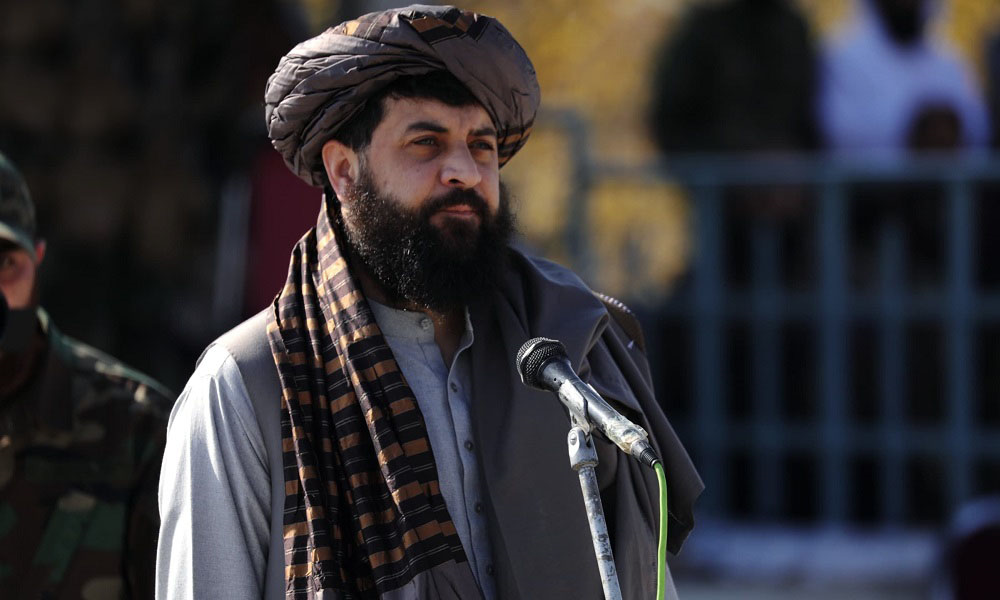
Afghanistan now has unified central government: IEA defense minister

Baradar approves action plan for establishing special economic zones

Afghanistan finish runners-up after 6-0 defeat to Brazil in futsal final

Trump says US may strike Iran’s ‘Pickaxe Mountain’ nuclear facility

Afghan futsal coach: Brazil tournament is first step towards new goals and World Cup

Violent protests spread across Europe as Albanian PM blames ‘foreign hand’

Rubio heads to Central Asia while other US officials hit foreign policy hot spots
Saar: Afghanistan’s situation in focus at CSTO discussed

Tahawol: Efforts to halt deportation of Afghan refugees from US discussed
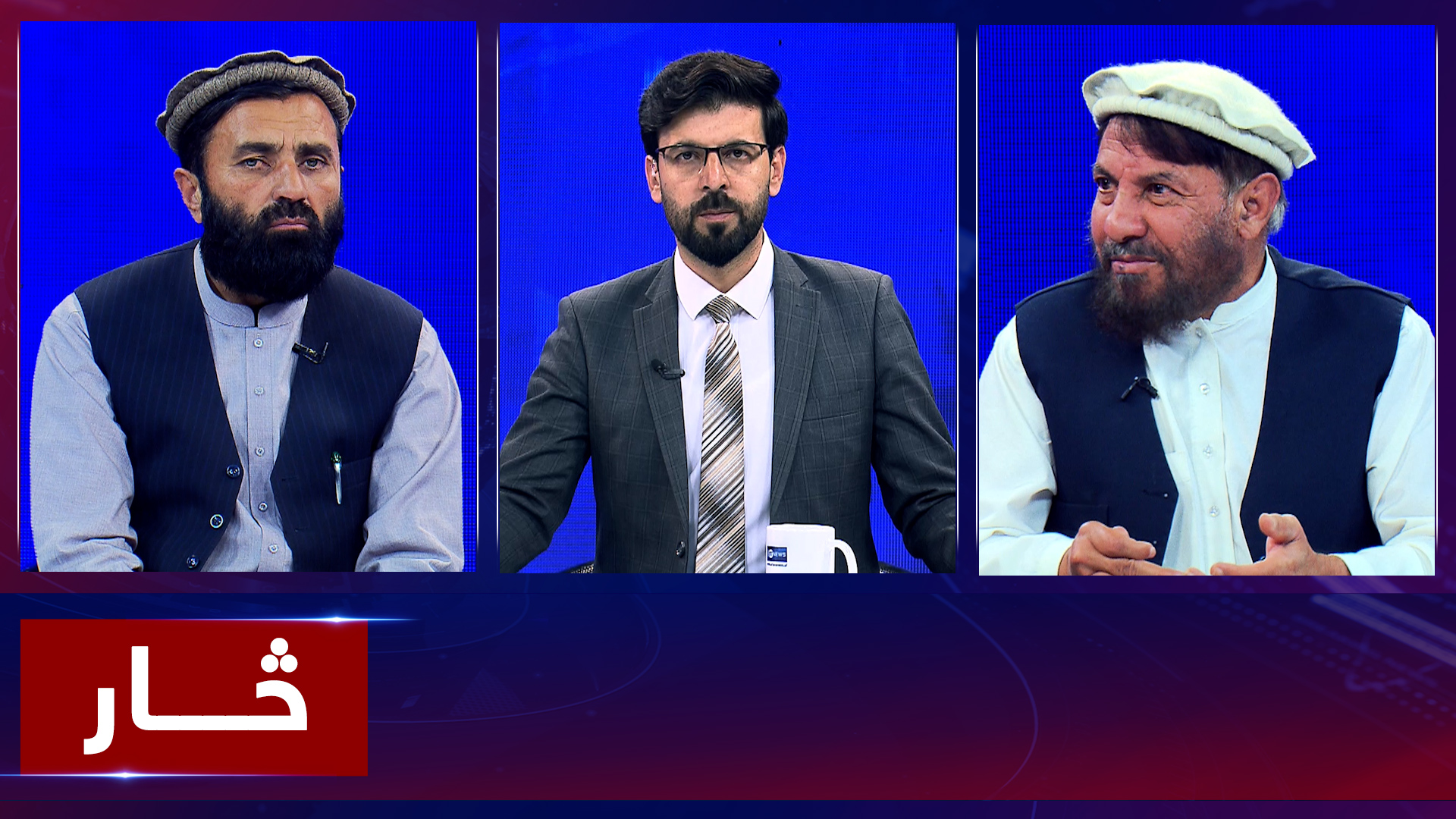
Saar: Russia’s stance on Afghanistan discussed

Trump says further US attacks on Iran ‘highly unlikely’ as peace talks gain momentum
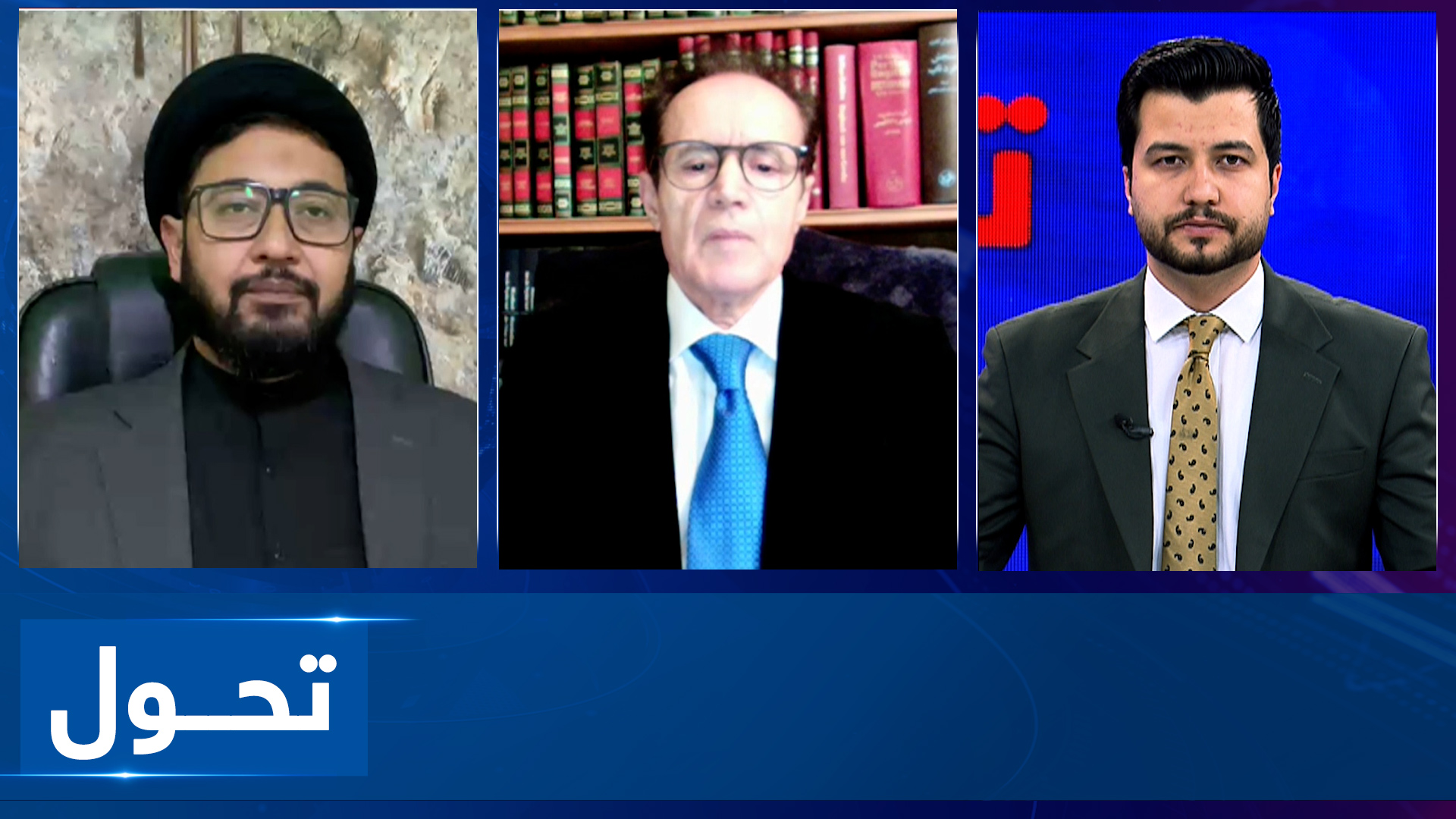
Tahawol: Geopolitical developments in the Middle East
-
 Sport3 days ago
Afghanistan’s record partnership highlights fourth day of Test against Zimbabwe
-
 World3 days ago
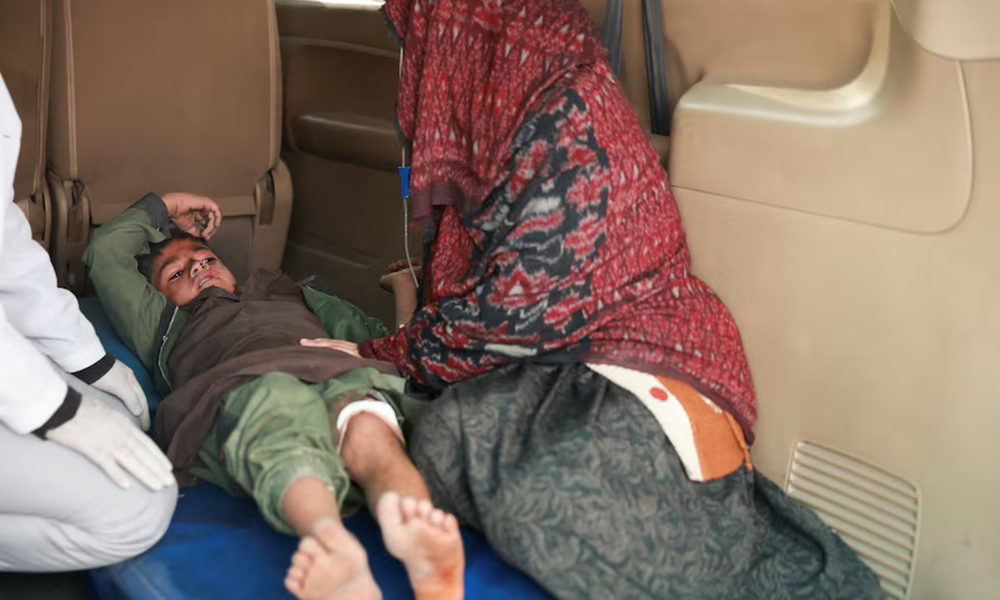
Houthi-run health ministry says airstrikes kill 33 near Yemen capital
-
 Sport4 days ago
Toofan Herat defeat Arman FC 2–0 in Afghanistan Champions League
-
 Sport3 days ago
Afghanistan thrash Senegal 6-0 to reach Dakar Youth Olympics futsal semi-finals
-
 Regional5 days ago
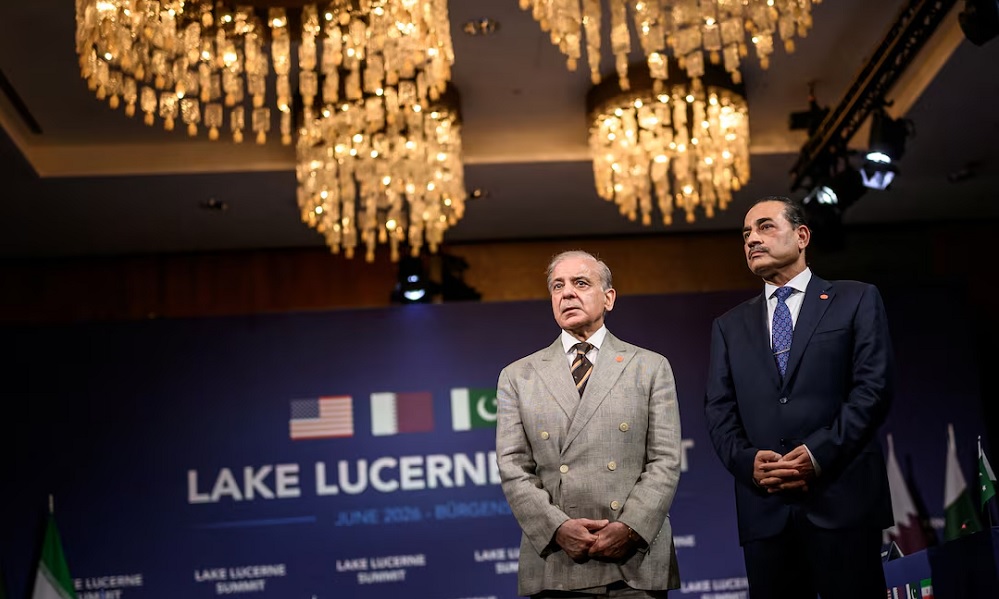
Pakistan’s leaders dread US Democrats’ win but its households are praying for it
-
 Sport2 days ago
Portugal beat Afghanistan 2-0 in Dakar Youth Olympics futsal semi-finals
-
 Business4 days ago
UK-Afghanistan trade falls 16.7% to £70 million over 12 months
-
 Regional4 days ago
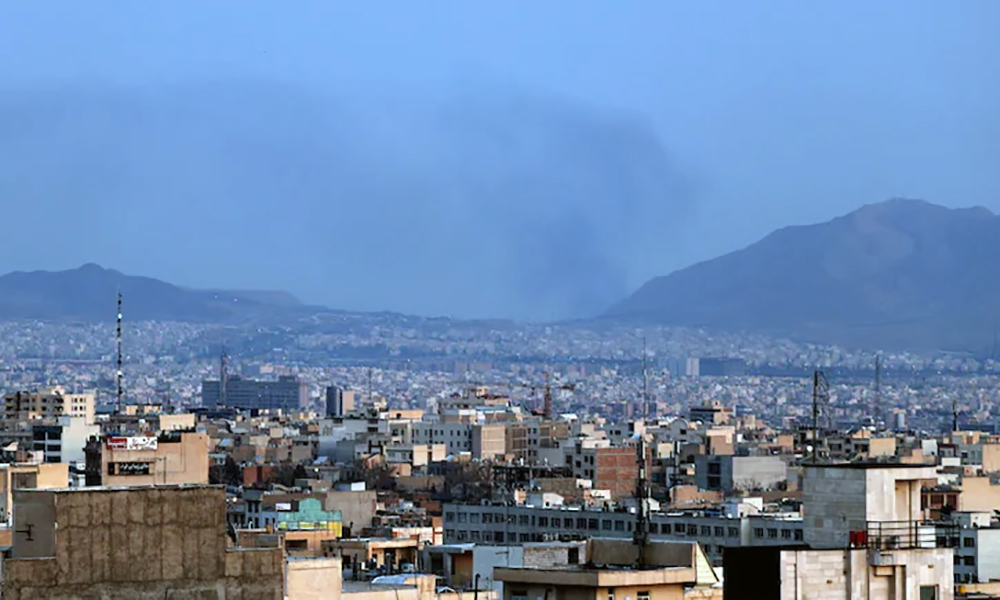
Explosions heard in areas in southern Iran, Iranian media report