
World
Trump says US could restart Iran strikes ‘if they misbehave’
Iran has been blocking nearly all shipping from the Gulf apart from its own for more than two months. Last month, the U.S. imposed its own blockade of ships from Iranian ports.

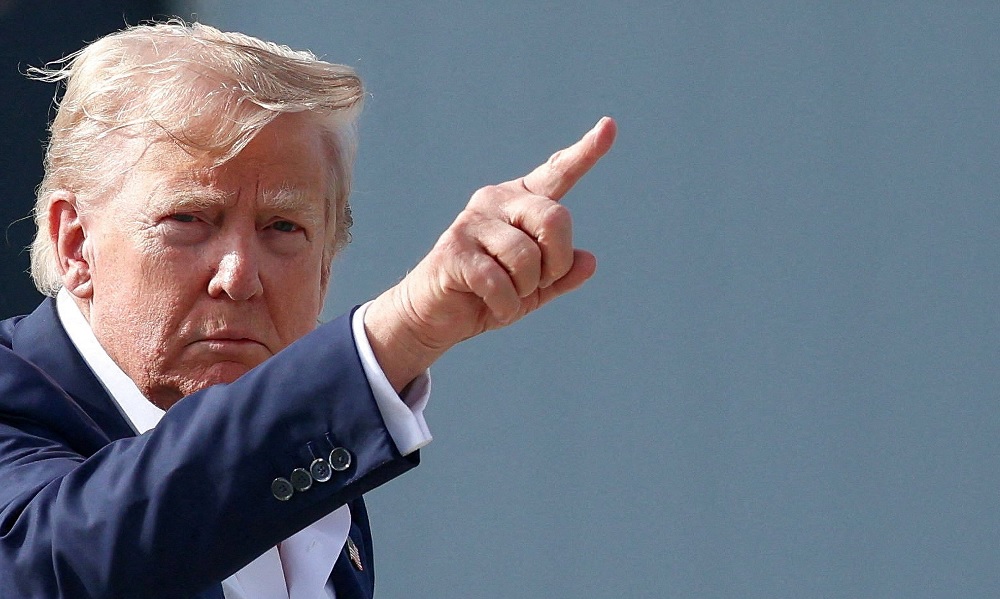
U.S. President Donald Trump said on Saturday he had been told about the concept of a deal with Iran, but was waiting for the exact wording, while warning there was still the possibility of restarting strikes on the country if Tehran misbehaves, Reuters reported.
A senior Iranian official said on Saturday that an Iranian proposal so far rejected by Trump would open shipping in the Strait of Hormuz and end the U.S. blockade of Iran while leaving talks on Iran’s nuclear program for later.
When asked about Iran’s proposal before boarding a flight to Miami at West Palm Beach, Florida, Trump replied: “They told me about the concept of the deal. They’re going to give me the exact wording now.”
He added on his social media channel that he could not imagine the proposals would be acceptable and that Iran had not paid a big enough price for what it had done.
Asked if he might restart strikes on Iran, Trump replied: “I don’t want to say that. I mean, I can’t tell that to a reporter. If they misbehave, if they do something bad, right now we’ll see. But it’s a possibility that could happen.”
Trump has said repeatedly that Iran can never have a nuclear weapon and said on Friday he was not satisfied with the latest Iranian proposal, while Iran’s foreign minister said Tehran was ready for diplomacy if the U.S. changes its approach, read the report.
Reuters and other news organizations reported over the past week that Tehran was proposing to reopen the strait before nuclear issues were resolved. The official confirmed that this new timeline had now been spelled out in a formal proposal conveyed to the United States through mediators.
Trump also said on Friday that “on a human basis,” he did not prefer the military course of action and told congressional leaders he did not need their permission to extend the war beyond a deadline set by law for that day because the ceasefire had “terminated” hostilities.
While saying repeatedly he is in no hurry, Trump is under domestic pressure to break Iran’s hold on the strait, which has choked off 20% of the world’s oil and gas supplies and pushed up U.S. gasoline prices. Trump’s Republican Party faces the risk of a voter backlash over higher prices when the country votes in midterm congressional elections in November.
Iranian media said Tehran’s 14-point proposal included the withdrawal of U.S. forces from areas surrounding Iran, lifting the blockade, releasing Iran’s frozen assets, payment of compensation, lifting sanctions and ending the war on all fronts, including Lebanon, as well as a new control mechanism for the strait.
The United States and Israel suspended their bombing campaign against Iran four weeks ago, but appear no closer to a deal to end a war that has caused the biggest disruption ever to global energy supplies, roiled global markets and raised worries about the possibility of a wider global economic downturn.
Iran has been blocking nearly all shipping from the Gulf apart from its own for more than two months. Last month, the U.S. imposed its own blockade of ships from Iranian ports.
Washington has repeatedly said it will not end the war, which has led to the deaths of thousands of people, without a deal that prevents Iran from obtaining a nuclear weapon, the primary aim Trump cited when he launched strikes in February in the midst of nuclear talks. Iran says its nuclear program is peaceful.
Speaking on condition of anonymity to discuss confidential diplomacy, the senior Iranian official said Tehran believed its latest proposal to shelve nuclear talks for a later stage was a significant shift aimed at facilitating an agreement, Reuters reported.
Under the proposal, the war would end with a guarantee that Israel and the United States would not attack again. Iran would open the strait, and the United States would lift its blockade.
Future talks would then be held on curbs to Iran’s nuclear program in return for the lifting of sanctions, with Iran demanding Washington recognize its right to enrich uranium for peaceful purposes, even if it agrees to suspend its nuclear program.
“Under this framework, negotiations over the more complicated nuclear issue have been moved to the final stage to create a more conducive atmosphere,” the official said.






World
US floated idea of Ukraine ceding Donbas for NATO membership, Zelenskiy says
Zelenskiy reiterated his position that Kyiv was not ready to concede territory but said that if it received a comprehensive package including security guarantees, the right to a strong and well-funded Ukrainian army and funds to rebuild, he would put the question to a national referendum.
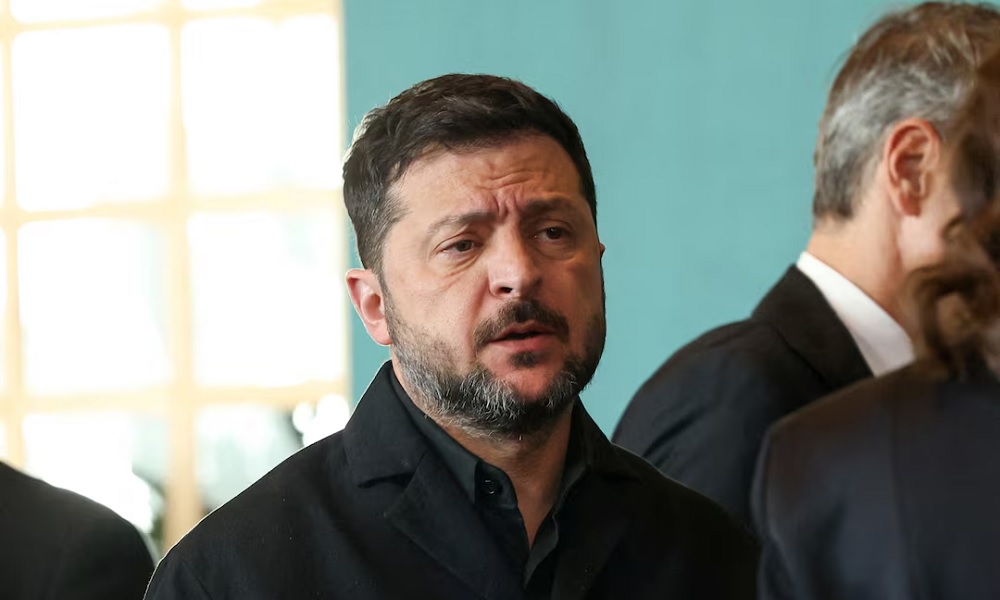
US negotiators have floated the idea of Ukraine’s potential withdrawal from its eastern region of Donbas in exchange for joining NATO, President Volodymyr Zelenskiy said, following the latest round of peace talks with Russia in Abu Dhabi.
This is the first time the question of linking NATO membership to territorial concessions has been raised during the talks, Zelenskiy said in remarks to reporters released by his office on Saturday, Reuters reported.
“The Americans raised a question: ‘What if Ukraine joins NATO? Would Ukraine withdraw from Donbas?” he said.
“That is why I believe NATO is back on the agenda. But you have also heard (Russian President Vladimir) Putin’s signals, and this is an extremely difficult conversation.”
Putin has long said Ukrainian membership of NATO is a red line for Moscow, citing the issue as one reason for launching Russia’s full-blown invasion in 2022.
Zelenskiy reiterated his position that Kyiv was not ready to concede territory but said that if it received a comprehensive package including security guarantees, the right to a strong and well-funded Ukrainian army and funds to rebuild, he would put the question to a national referendum.
‘THIS WAR MUST BE ENDED FIRST’
Echoing comments made by European leaders at a summit in Dublin on Friday, Zelenskiy dismissed Russia’s call for a broad agreement on European security architecture to be reached before the specifics are agreed on how to end the war in Ukraine.
“We cannot turn everything upside down and start by talking about changing the security framework in the world or across the continent overall, and only then talk about ending this war. This war must be ended first,” he said.
US President Donald Trump’s envoy and son-in-law Jared Kushner said on Saturday that the two sides had set out “maximalist positions” in the talks this week, but in private discussions both “understand that practical compromises will be necessary to end this war.”
“Serious and constructive work continues among those of us committed to finding solutions,” Kushner said in a social media post.
Zelenskiy also dismissed Putin’s suggestion for a local humanitarian ceasefire in Kostiantynivka, a hotly contested city in Ukraine’s eastern Donetsk region, saying it reflected Moscow’s inability to take the city by force. Civilians there have already had the opportunity to evacuate, he added.
“Putin simply wants us to leave Kostiantynivka so that they can move in and occupy the entire city that way,” he said.
Ukraine has given a list of seven or eight other frontline settlements where civilians, including children, are trapped for a potential humanitarian truce but Russia prefers to use them as military targets, Zelenskiy said.
Moscow denies deliberately targeting civilians in the war.
LARGE PRISONER EXCHANGE AGREED
The two days of US-brokered talks between Ukraine and Russia concluded on Wednesday in the Emirati capital without a major breakthrough, though the sides agreed to a prisoner exchange that will involve more than 1,000 people, Zelenskiy said.
The final numbers for the prisoner swap were still under discussion, he added.
Kushner and fellow US envoy Steve Witkoff had pledged to raise an energy ceasefire with Putin at a meeting in Moscow on Thursday, Zelenskiy said, but there was no news of any progress after their talks.
“Putin personally does not support a ceasefire,” he said.
Zelenskiy met Witkoff and Kushner on Thursday in Ireland after their talks in Moscow. He said the US negotiators had told him that all sides had agreed for Europe to have a seat at the negotiating table in forthcoming peace talks.
In Abu Dhabi, delegates from Europe — which is now Ukraine’s largest financial and military backer — had talks with US and Ukrainian officials but did not sit at the table with Russia.
At the summit in Ireland, EU leaders agreed that Europe’s team for any Ukraine peace talks would comprise five major military powers — non-EU member Britain plus France, Germany, Italy and Poland — as well as EU officials.
Kushner said the US focus was now on “facilitating direct engagement between Moscow and European partners and preparing the agenda for the next round of trilateral talks.”
World
US to resume flights after air traffic network failure sparks chaos
More than 6,600 flights were canceled and 8,600 delayed, with another 1,500 already canceled for Sunday, according to FlightRadar24. Aviation analysts said the four-hour nationwide grounding could disrupt airline schedules for days.
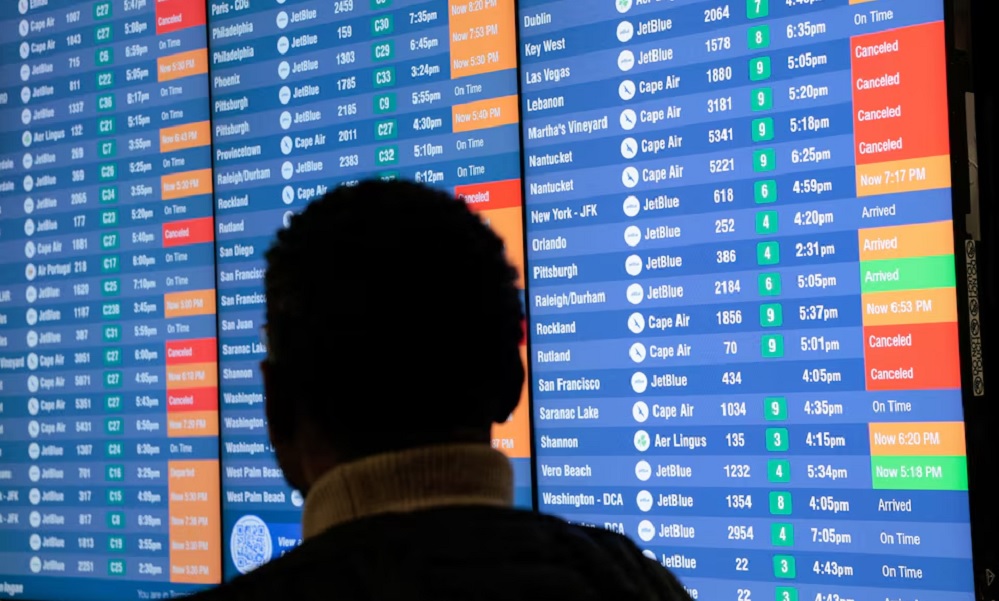
The FAA lifted a nationwide ground stop on Friday after a communications failure at air traffic control centers caused chaos at US airports and triggered the longest shutdown since the September 11, 2001, attacks.
Transportation Secretary Sean Duffy said US airspace reopened at 8:15 p.m. Eastern Time (0115 GMT), but warned that departures would resume gradually and it would take time for airlines to restore normal operations, Reuters reported.
“It’s going to be slow,” Duffy told reporters at the White House.
More than 6,600 flights were canceled and 8,600 delayed, with another 1,500 already canceled for Sunday, according to FlightRadar24. Aviation analysts said the four-hour nationwide grounding could disrupt airline schedules for days.
Duffy said tens of thousands of passengers were stranded at airports around the country. Duffy said he and Homeland Security Secretary Markwayne Mullin had met with President Donald Trump in the Oval Office to discuss the outage.
The failure is the latest and most dramatic sign of strain on a US air traffic control system beset by aging technology, equipment and communications problems and a shortage of several thousand controllers.
Duffy said the trouble began at 3:36 p.m., when air traffic control centers experienced instability in radar and communications systems.
“Our switches, our routers actually got overloaded with data and they started to give us inconsistencies in the data from those routers and because of that we shut the system down,” Duffy said, adding that at no stage did they completely lose radar or communications and they were able to safely land thousands of planes.
Duffy said the immediate problem had been fixed and that flying was safe, but warned that a broader overhaul of the aging air traffic control system was needed to prevent similar failures.
$50 BILLION AVIATION OVERHAUL
Duffy blamed Congress for failing to fund a new system that he said could prevent such outages, and called for $50 billion to modernize it.
Earlier on Friday, before the outage, the White House and Department of Transportation had urged Congress to approve $30.1 billion to upgrade the nation’s aging airports and air traffic control infrastructure.
“What we have is an incredibly old air traffic control system,” Duffy said.
“Give us the money to fix it.”
Homeland Security Secretary Mullin said there was “zero evidence” so far that the outage resulted from a cyberattack or a rogue AI system, though investigators had not ruled out either possibility.
“It appears this was mechanically driven, however, we’re still looking,” Mullin said.
The National Security Agency was working with the Department of Homeland Security on the investigation, he added.
The outage appeared to be affecting a telecommunications network overseen by L3Harris Technologies, according to two airline officials. The network handles critical radio frequencies used by air traffic controllers to communicate with pilots. L3Harris did not respond to a request for comment.
PAIN NOT OVER FOR PASSENGERS
Though the ground stop was lifted, the disruption for passengers was far from over. From Boston to Seattle and New York to Los Angeles, passengers crowded departure halls and airline desks as delays and cancellations mounted and aircraft remained parked at gates.
Thousands of passengers faced being stranded overnight. Edward Kargbo, 50, from West Chester, Pennsylvania, had been scheduled to take a 9 p.m. Ethiopian Airlines flight to Lomé, Togo. Instead, he planned to spend the night at the airport before a rescheduled flight at 6 a.m. on Saturday.
“I have to squat the night here,” he said. “I’m stranded.”
Louise Maher, 47, was also caught up in the disruption at Newark after her British Airways flight to London was caught up in the aviation meltdown.
“I might cry at some point but not yet,” she said.
US airlines will not be required to provide compensation to stranded passengers because the carriers were not responsible for the FAA system failures.
The only other nationwide ground stop since the September 11 attacks came in January 2023, when the FAA halted domestic departures for about 90 minutes.
Investors were already pricing in a financial hit to airlines. Shares of American Airlines (AAL.O), opens new tab, United Airlines (UAL.O), opens new tab and Delta Air Lines fell between 1% and 2% in after-hours trading, while JetBlue Airways dropped about 3%.
American Airlines said it was prioritizing flights to smaller cities outside its major hubs and international destinations to position aircraft and crews for a faster recovery.
World
Rubio assails international court in speech to conservative legal group
The US, Rubio said, would not “submit to the sterile vision of radical judges or soulless global bureaucrats,” repeating his assertion that the court would try to prosecute US officials or service members that he used to justify sanctions against the ICC announced last month.
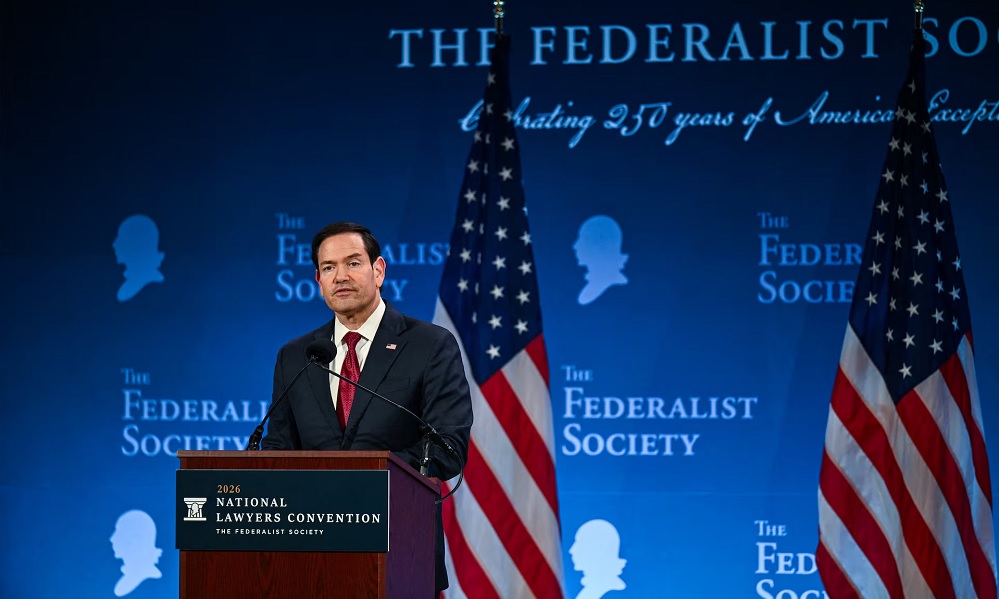
Secretary of State Marco Rubio attacked the International Criminal Court in a speech to a conservative legal group on Friday, arguing for a muscular foreign policy and against international law restraining US actions.
Rubio’s speech to the Federalist Society in Washington, his first prepared remarks since Republicans were routed in the midterm elections on November 3, heightens speculation over whether he will leave his roles as national security adviser and top US diplomat to run for president in 2028, Reuters reported.
Rubio, who has at times sought to provide an intellectual justification for President Donald Trump’s “America First” foreign policy, has firmly denied reports he will soon embark on a presidential campaign, but the Federalist Society is an occasional stop for Republican hopefuls.
He has dismissed criticisms that the Trump administration has broken international law by such actions as seizing Venezuelan then-President Nicolas Maduro and striking boats in the Caribbean and Eastern Pacific that it says were carrying drugs.
In his speech, Rubio said the goal of the US-Israeli war against Iran was to prevent Tehran from ever developing a nuclear weapon, which he said was particularly urgent because the Islamic Republic’s “radical Shia clerics” had an “expansionist mentality.”
He contrasted this with the government of North Korea’s Kim Jong Un, whom Trump has met three times. “I’m not excusing the terrible things that have happened there,” Rubio said of North Korea. “I’m just saying he (Kim) is not expansionist. He’s not trying to invade Japan or, you know, China or whatever.”
The US, Rubio said, would not “submit to the sterile vision of radical judges or soulless global bureaucrats,” repeating his assertion that the court would try to prosecute US officials or service members that he used to justify sanctions against the ICC announced last month.
“Americans have never agreed to submit to the ICC’s authority, but that court and its allies in the global bureaucracy have appointed themselves judge and jury and executioner of the international order,” Rubio said.
The Trump administration has long been hostile to the Netherlands-based court, founded in 2002 to prosecute war crimes, crimes against humanity and genocide, and has previously imposed sanctions on its prosecutors and judges. The ICC has received strong backing from most member states, which include all EU countries and all members of the NATO alliance apart from the United States and Turkey.
Washington has denounced the court over arrest warrants issued for Israeli officials including Prime Minister Benjamin Netanyahu, and an investigation into actions of US soldiers in Afghanistan, which the ICC says is “deprioritized.”
The US sanctions, designed to stifle the ICC’s ability to operate, will take effect in April unless supporters of the Netherlands-based court can reach an agreement with the US to avert them.
Rubio suggested that if the court tried to enforce its rulings against Americans, Washington would respond with force. Quoting the Roman general Pompey, Rubio said the US response would be: “Stop quoting laws to men with swords.”


Sorkh Poshan Khafi crowned ACL champions after unbeaten campaign
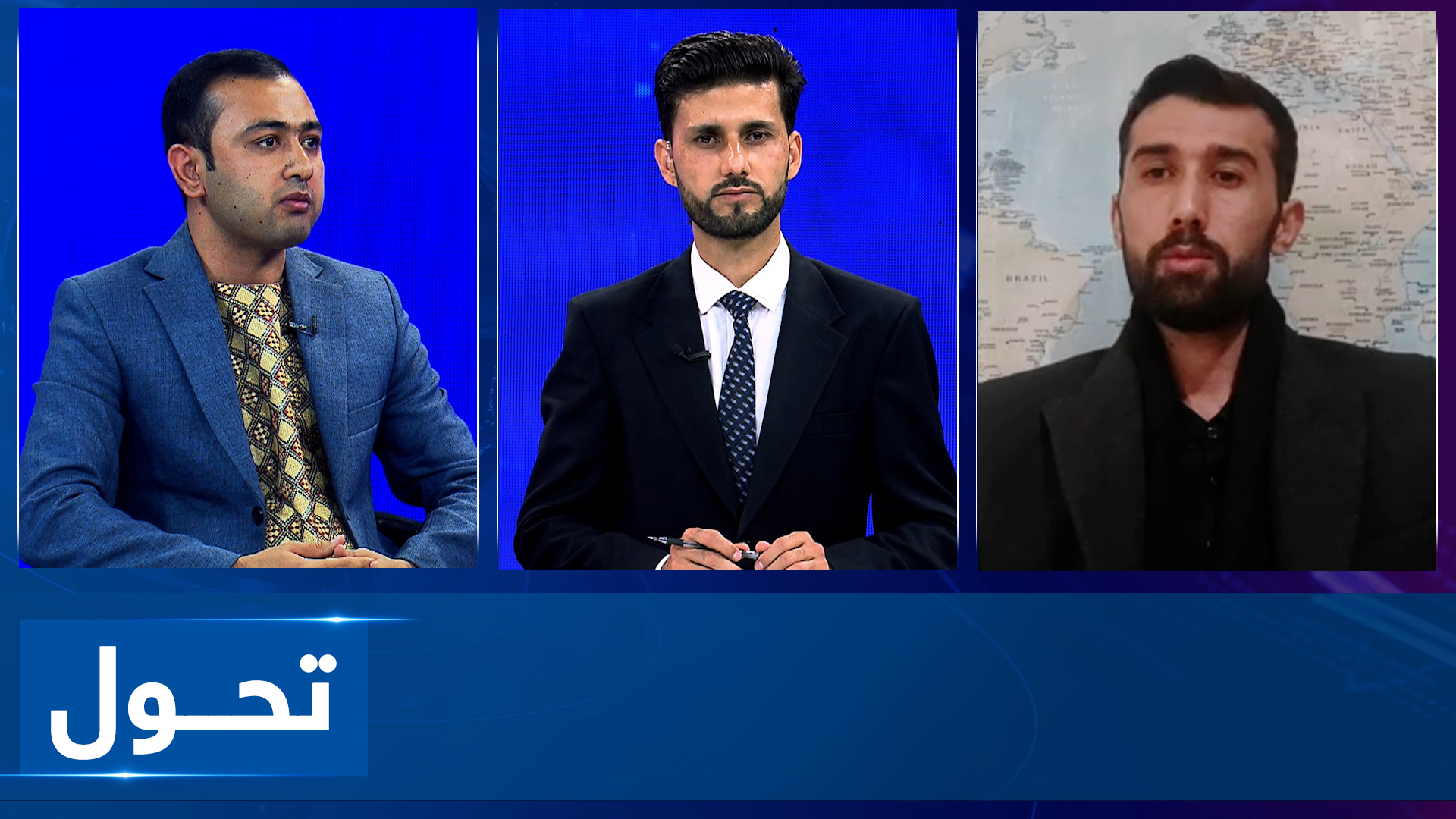
Tahawol: Afghanistan absent from ECO meeting
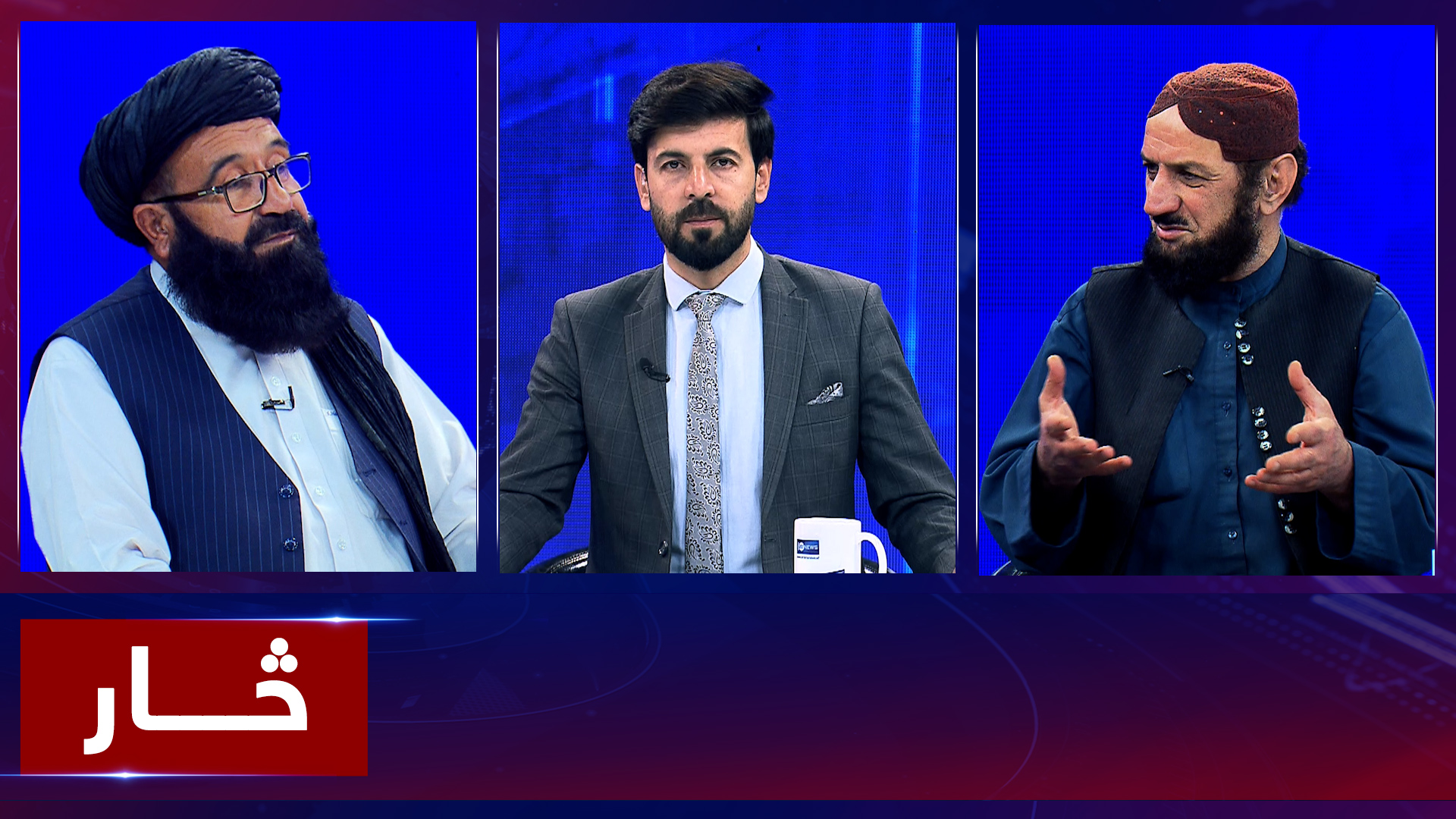
Saar: ECO meeting kicks off in Islamabad

IEA intelligence officials highlight Sharia-based operations at research conference
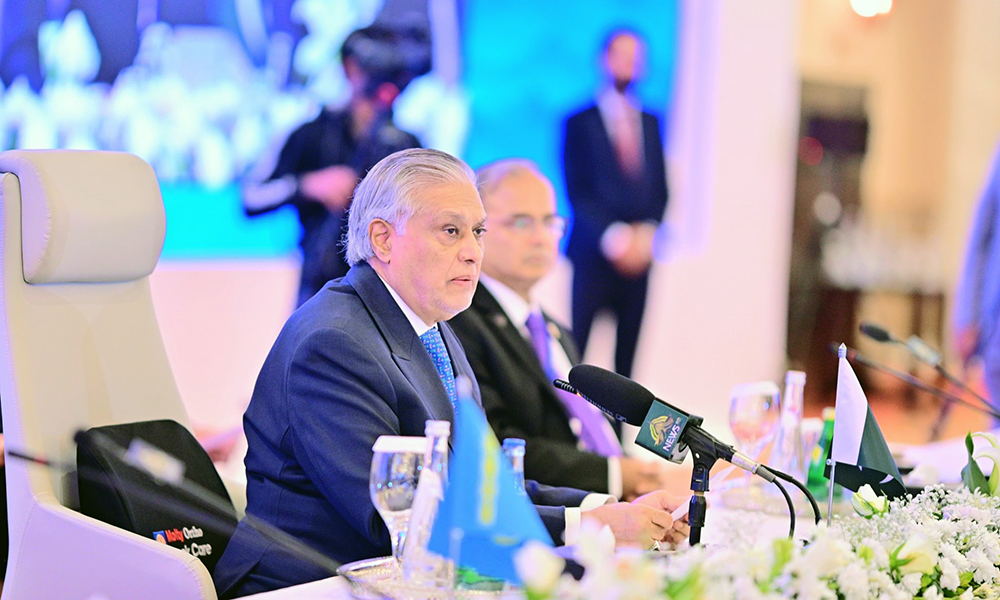
Pakistan FM urges Afghanistan to address security concerns of neighbors

Afghanistan finish runners-up after 6-0 defeat to Brazil in futsal final

Rubio heads to Central Asia while other US officials hit foreign policy hot spots

Violent protests spread across Europe as Albanian PM blames ‘foreign hand’

Governments take websites offline as critical cyber flaws trigger global alert

Afghanistan reach Brazil futsal tournament final after beating Cape Verde 4-2
Tahawol: Afghanistan absent from ECO meeting
Saar: ECO meeting kicks off in Islamabad
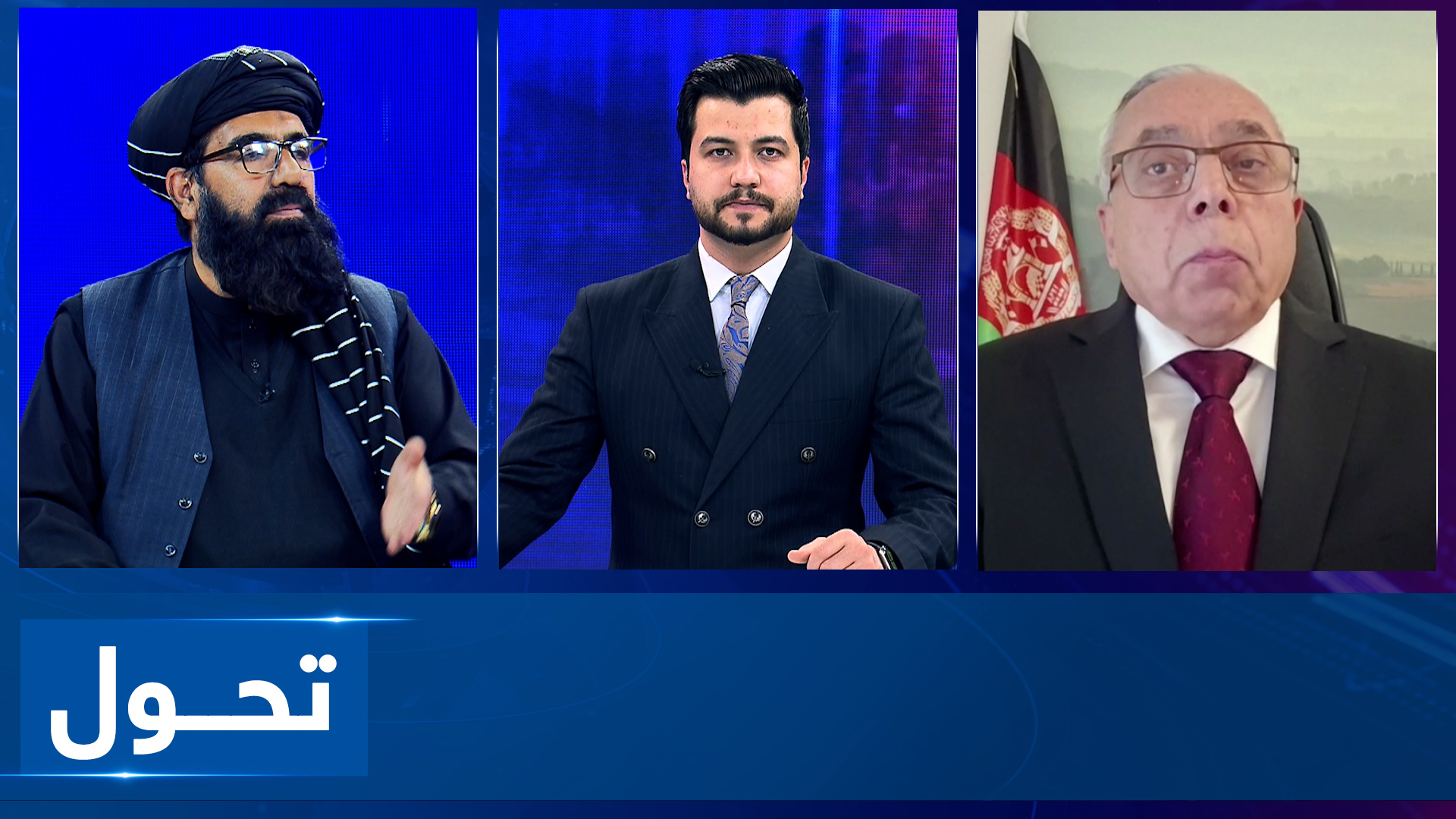
Tahawol: UK seeks to ease Kabul–Islamabad tensions
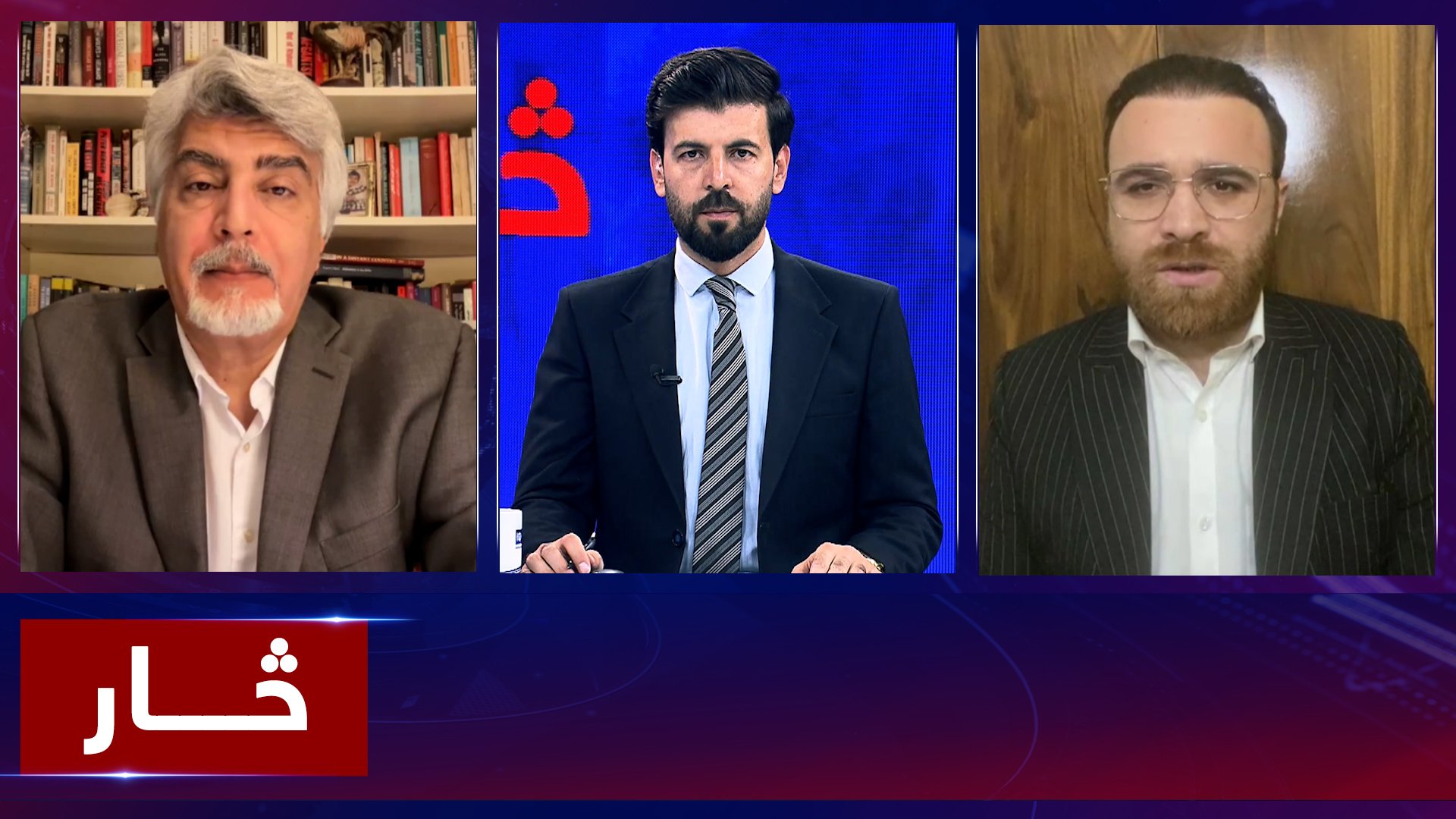
Saar: Iran–US tensions: an uncertain future
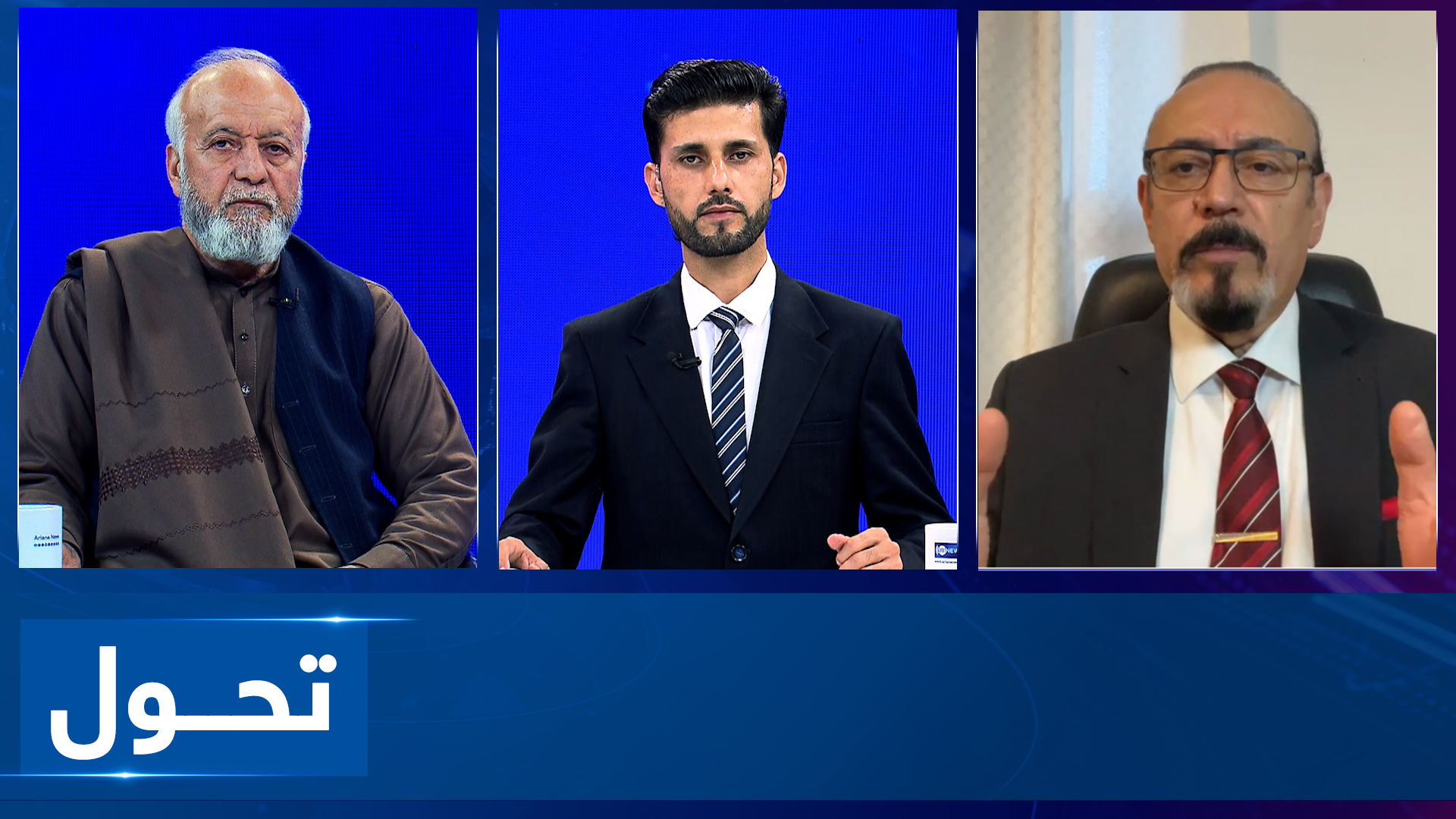
Tahawol: Concerns grow over worsening regional humanitarian crises discussed
-
 Business4 days ago
Afghanistan and Uzbekistan agree on export of 100,000 tons of Bamyan potatoes
-
 Latest News5 days ago
Olive farming offers new hope to Afghan farmers amid growing climate challenges
-
 Sport5 days ago
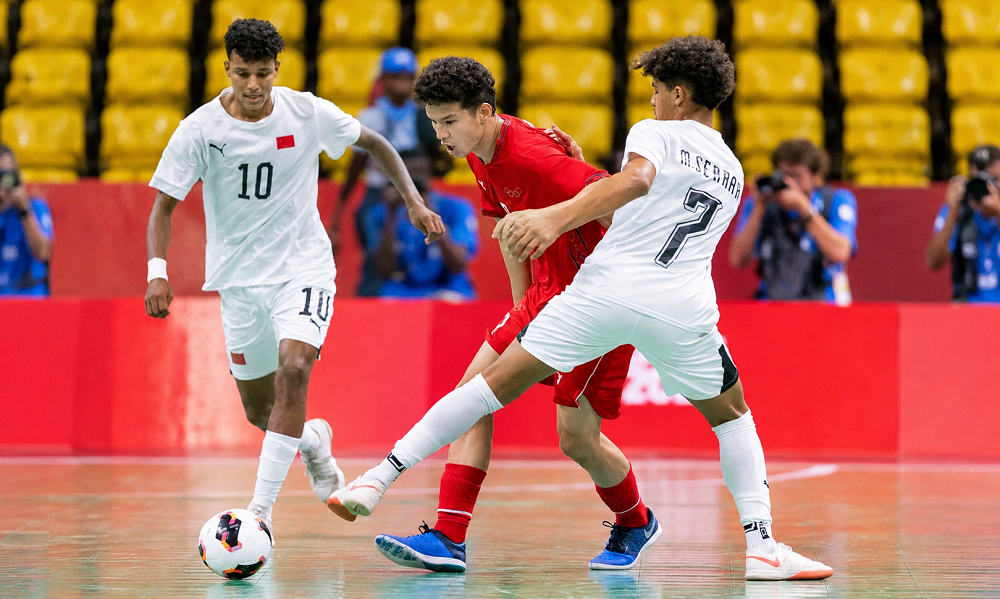
Afghanistan falls just short of Bronze at Dakar 2026 Youth Olympic Games
-
 Latest News3 days ago
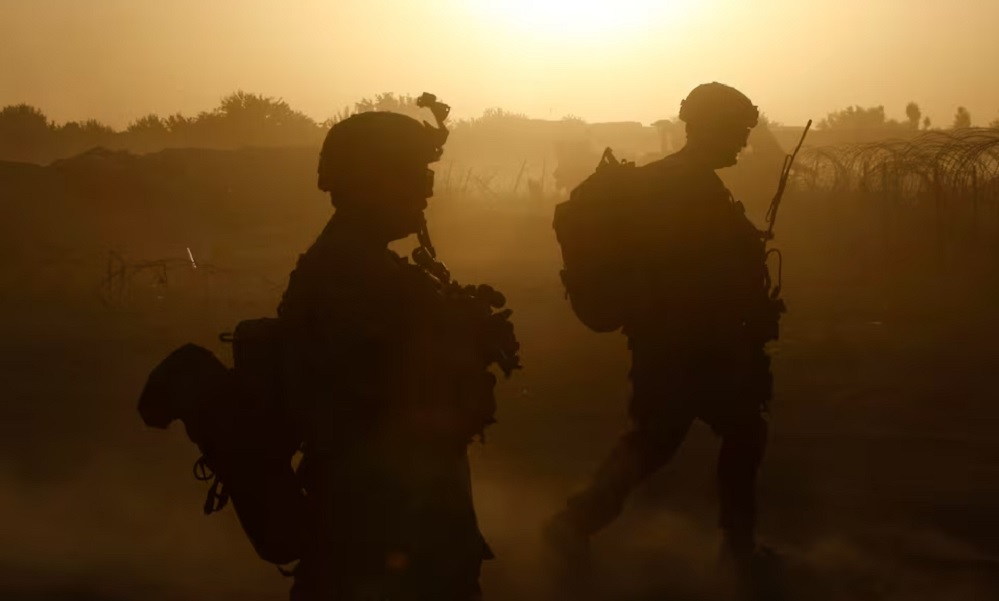
ICC halts probe into alleged crimes by US troops in Afghanistan
-
 Sport4 days ago
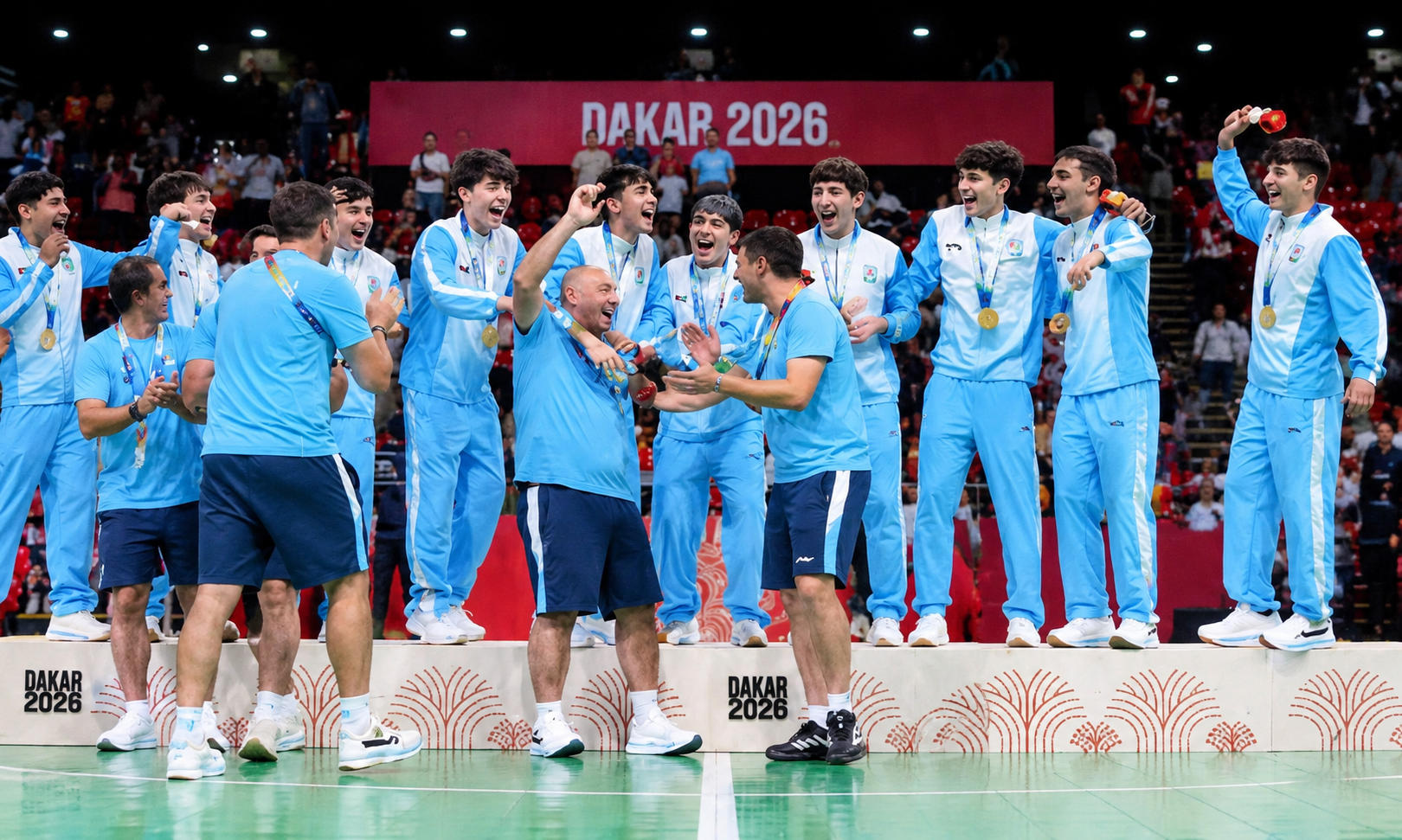
Argentina clinch futsal gold after defeating Portugal in Dakar 2026 final
-
 Sport4 days ago
Debutant Naseer Khan strikes four as Afghanistan fight back against Zimbabwe in second Test
-
 Business5 days ago
Afghan deputy commerce minister travels to India for trade fair in Delhi
-
 Latest News5 days ago
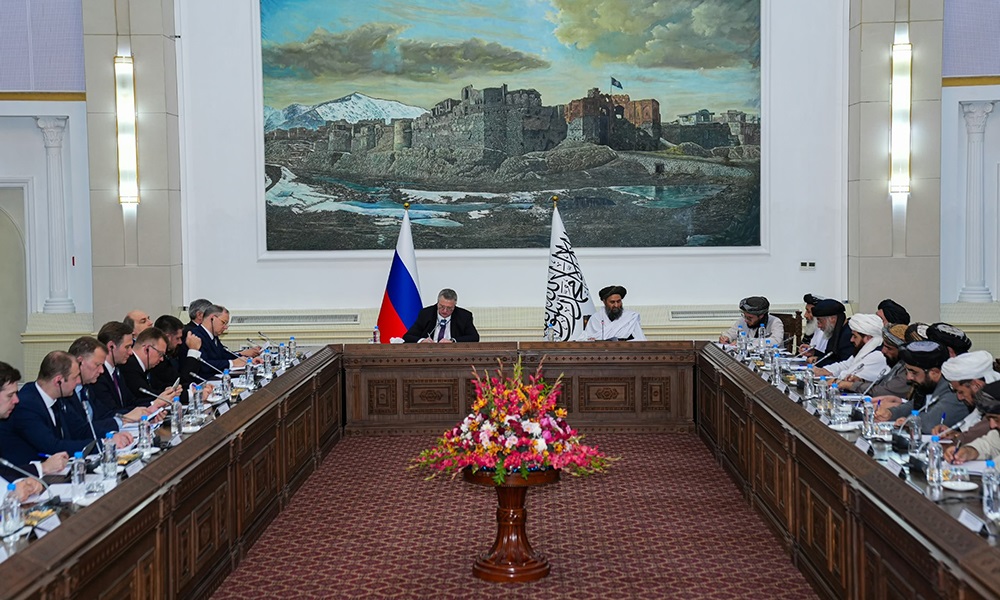
Afghanistan invites Russian companies to invest in mining, industry and infrastructure