
Climate Change
UN urges the world to ready for extreme heat risk from El Nino
The weather pattern is known to disrupt regional climates, potentially bringing warmer temperatures across the globe, while increasing rainfall to the southern parts of South America and the United States, parts of the Horn of Africa and central Asia.

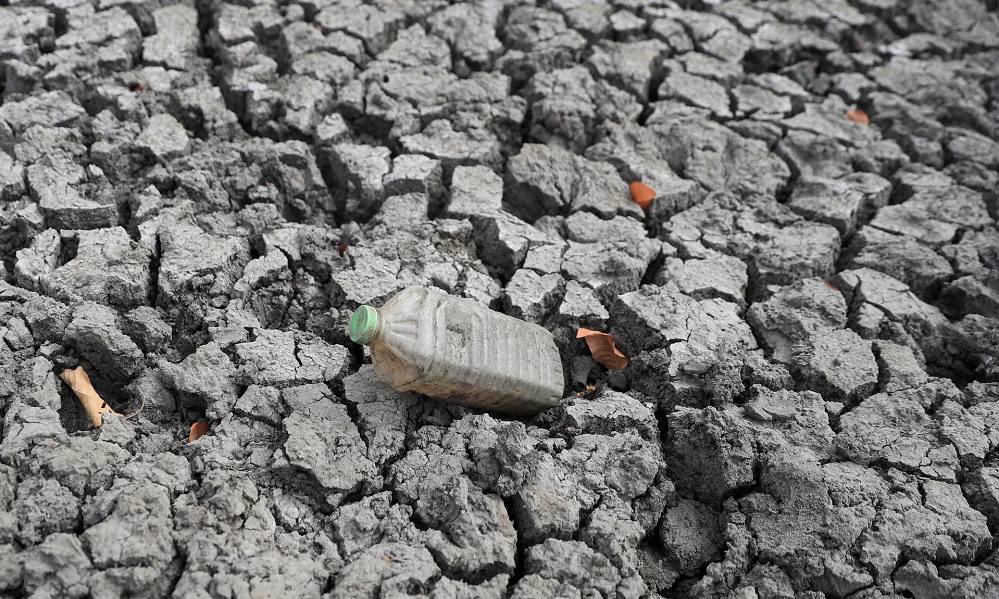
The United Nations weather agency forecast on Tuesday a moderate or possibly a strong El Nino that could drive up global temperatures and increase the risk of extreme weather over the coming months.
El Nino is a periodic warming of sea surface temperatures in the central and eastern Pacific Ocean, which typically lasts between nine and 12 months, according to the World Meteorological Organization.
The WMO said warm ocean waters were driving El Nino’s development and predicted above-average temperatures in most parts of the world from June to August. The WMO said it is likely El Nino will continue until November.
It also said it remained uncertain how strong El Nino will be as models differ on its severity, but officials warned of the need to be ready.
“We need to prepare for a potentially strong El Nino event – which will exacerbate drought and heavy rainfall and increase the risk of heatwaves both on land and in the ocean,” said WMO Secretary-General Celeste Saulo.
MORE DROUGHTS, HURRICANES AND HEAT?
The weather pattern is known to disrupt regional climates, potentially bringing warmer temperatures across the globe, while increasing rainfall to the southern parts of South America and the United States, parts of the Horn of Africa and central Asia.
El Nino can also cause drought in Australia, Central America, Indonesia, and parts of south Asia, and spur hurricane formation in the central and eastern Pacific, the WMO said.
The last El Nino, which meteorologists said was strong, in 2023 to 2024 contributed to making 2024 the hottest year on record, Saulo said.
Saulo said other risks associated with extreme heat included a wider spread of diseases borne by vectors such as mosquitoes and ticks and reduced food and water supplies.
“Communities that were already struggling will be pushed farther beyond their limits,” she said.
For consumers, facing inflation because of the Iran war, food prices may rise further because of El Nino.
Hein Schumacher, CEO of Barry Callebaut, one of the world’s biggest cocoa processors, warned crops in the growing regions of Ecuador and West Africa that account for 60% of global output could be reduced.
“This is something that we are very cautiously observing,” he told media on a call on Tuesday. “El Nino could have an effect that could lead to, you know, a few thousands per ton.”
London cocoa futures are trading at £2,944 ($3,964.10) per metric ton, down from more than 9,000 in April 2024.
Some national weather agencies have forecast the strongest El Nino in a decade.
The WMO is more circumspect but said it had observed unusually warm subsurface conditions across the tropical Pacific with temperatures exceeding 6 degrees Celsius (10.8 degrees Fahrenheit) above average, creating a reservoir of heat that is driving surface warming.
U.N. Secretary-General António Guterres said it was a reminder of the need for a shift away from fossil fuels towards renewable energy.
“The world must treat it as the urgent climate warning it is. El Nino conditions will pour fuel on the fire of a warming world,” he said.







Climate Change
Afghanistan climate and housing challenges highlighted at World Urban Forum in Baku
Speakers also urged developed nations to expand support for vulnerable countries dealing with climate change, rapid urbanization and housing shortages.

The World Urban Forum, which opened Sunday in Baku, Azerbaijan, continued Tuesday with a special session focused on Afghanistan and the country’s growing urban and environmental challenges.
Ariana News correspondent Naweed Bahar, reporting from Baku, said the panel is expected to feature remarks from the head of UN-Habitat in Afghanistan and will examine key issues affecting the country.
According to forum reports, discussions will focus on the impact of climate change in Afghanistan, the social and economic pressures caused by the return of millions of migrants, and the country’s worsening housing crisis.
An Afghan delegation led by officials from the National Environmental Protection Agency is also participating in the forum and is expected to hold meetings with representatives of several countries and international organizations.
Talks are expected to include environmental projects, international assistance for climate-related challenges, and possible cooperation to help address Afghanistan’s housing and urban development needs.
During the forum’s general session on Monday, several world leaders called on the United Nations to strengthen efforts toward creating safe, sustainable and accessible cities around the world.
Speakers also urged developed nations to expand support for vulnerable countries dealing with climate change, rapid urbanization and housing shortages.
The World Urban Forum will continue through May 23, with a series of sessions dedicated to climate change, urban development and housing issues affecting vulnerable nations globally.
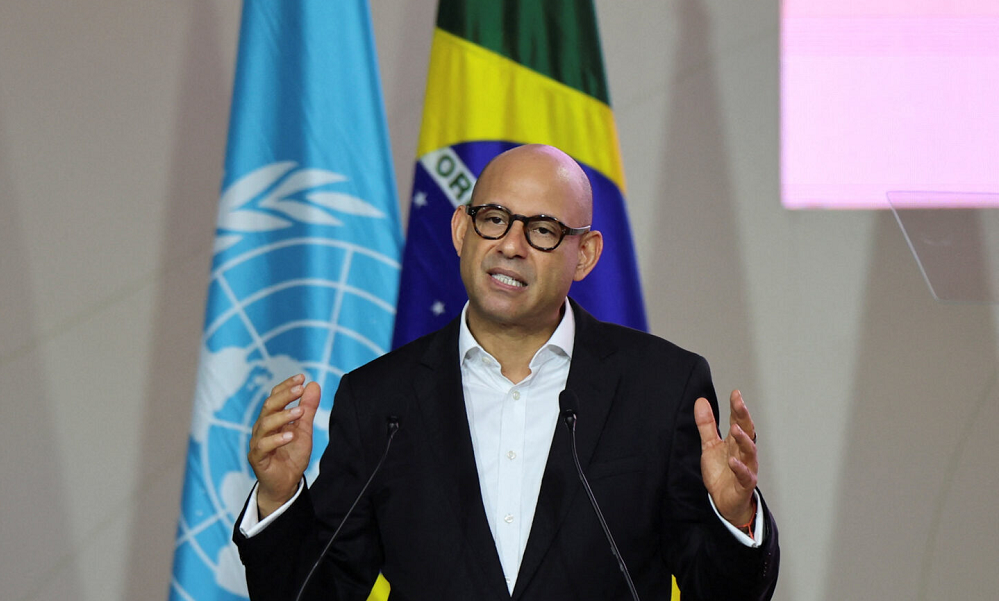
The Iran war is “supercharging” the world’s shift to renewable energy, as countries scramble to reduce their exposure to volatile oil and gas markets, the U.N. climate secretary said on Thursday.
The U.S.-Israeli war with Iran has upended oil and gas supplies, prompting some countries to ration fuel and others to roll out subsidies and tax cuts to shield consumers from surging prices, Reuters reported.
Early signs indicate the war, which began two months ago, is speeding up some countries’ low-carbon transition.
Demand for rooftop solar systems across Europe has surged, while countries including Pakistan have reported a jump in electric vehicle sales.
Chinese President Xi Jinping called this month to speed up the construction of a new energy system to safeguard energy security, emphasising hydropower development and the expansion of nuclear power.
“Those who’ve fought to keep the world hooked on fossil fuels are inadvertently supercharging the global renewables boom,” said Simon Stiell, Executive Secretary of the U.N.’s climate secretariat UNFCCC.
“Renewables offer safer, cheaper, cleaner energy that can’t be held captive by narrow shipping straits, or global conflicts,” Stiell told a meeting of government officials at the International Energy Agency in Paris.
However, the war has also prompted some nations to increase the use of highly polluting coal or furnace oil-based power generation as they struggle to replace gas from the Middle East.
Turkey’s Climate Minister Murat Kurum – who will preside over the U.N.’s COP31 climate summit this year – said fossil fuel dependency now topped the global political agenda.
“The best way to protect citizens from the violent convulsions of global energy markets is to accelerate the clean-energy transition,” he said in a statement after the IEA event.
Around 60 governments including Brazil, Germany, Canada and Nigeria, met in Colombia this week for a summit to discuss how to phase out fossil fuels.
Conference hosts Colombia and the Netherlands said on Thursday countries had agreed to continue working, over the next year, on how to do this in their trade systems.
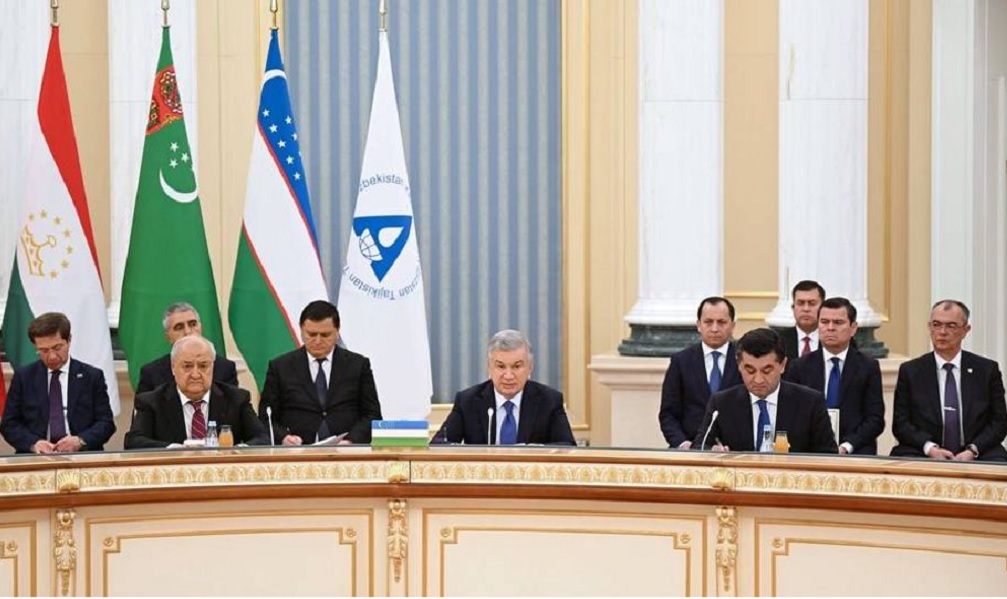
At a regional water summit in Astana on Wednesday, Uzbekistan’s President Shavkat Mirziyoyev emphasized the importance of involving Afghanistan in broader regional cooperation on water, climate, and environmental issues.
He underlined that Afghanistan’s participation is essential for effective management of shared water resources in Central Asia, particularly in the Aral Sea basin, where upstream and downstream countries are closely interconnected.
The Uzbek president also called for increased international support for environmental protection and land reclamation projects inside Afghanistan.
He further stressed that long-term stability in the region will depend on the development of a legal framework governing water allocation that clearly defines the rights and obligations of all countries in the basin.
Uzbekistan’s authorities have expressed concern over the construction of the Qosh Tepa canal in Afghanistan, saying it could “radically change the water regime and balance” in Central Asia.
The Islamic Emirate of Afghanistan (IEA), however, has said that Uzbekistan will not be harmed by the canal.


Rubio says at least five countries willing to accept stranded Afghans in Qatar

Qatar highlights Afghanistan mediation efforts at UN General Assembly

Three Afghans among four farmworkers burned alive in Italy; two Pakistanis arrested

UN urges the world to ready for extreme heat risk from El Nino

Tahawol: China’s efforts to host next round of Urumqi talks

New Afghanistan-China transport corridor launched via Turkmenistan

Afghanistan signs $46 million deal to develop standard laboratory complexes

Large blast near Beit Shemesh part of pre-planned test: Israeli defense firm

Trump returns from China with stability but little progress

Afghanistan announce squad for India series
Tahawol: China’s efforts to host next round of Urumqi talks

Saar: Upcoming UNSC meeting on Afghanistan situation discussed

Tahawol: US and Iran trading attacks

Saar: Calls for Afghanistan-Pakistan mutual respect

Tahawol: Review of Afghanistan-Russia military agreement
-
 Latest News5 days ago
Work on TAPI project in Afghanistan ongoing and accelerating: Mujahid
-

 Sport3 days ago
Afghanistan to play in Diamond Jubilee Tournament opener against Maldives
-

 Latest News5 days ago
Afghanistan drawn in challenging group for AFC U-20 Asian Cup 2027 qualifiers
-

 Latest News5 days ago
Afghanistan signs $5 million deal to import medicines from Uzbekistan
-

 Latest News4 days ago
Defense minister: Russia military-technical cooperation deal aims to strengthen Afghanistan’s defense capabilities
-

 Sport5 days ago
Messi headlines Argentina squad for World Cup title defence
-

 World4 days ago
Pentagon chief sounds ‘alarm’ over China’s buildup, urges allies to boost defence spend
-
 Regional4 days ago
Iran’s strongest card in nuclear talks: its highly enriched uranium