
Latest News
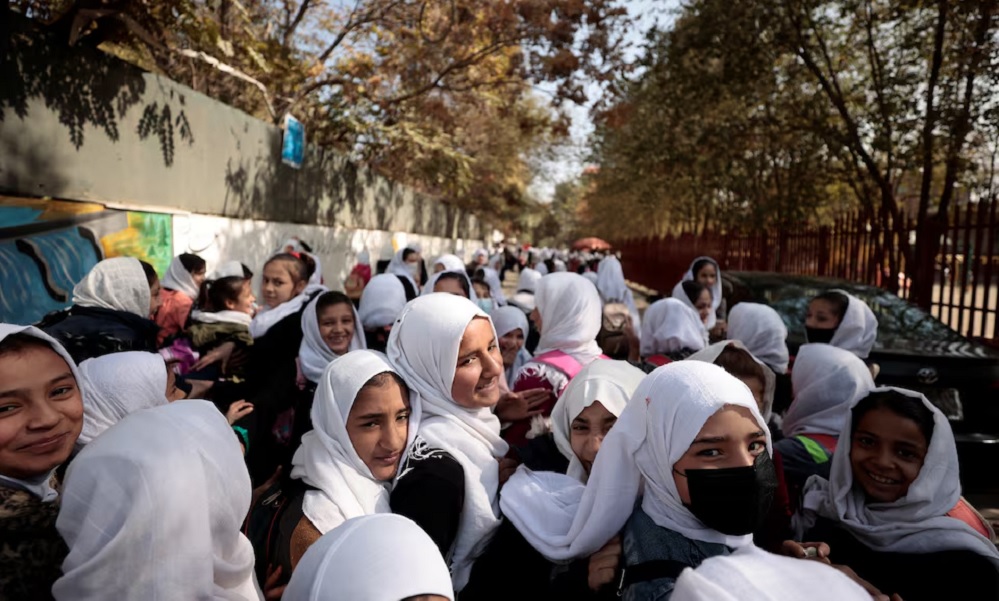
UNESCO: 2.4 million Afghan girls denied education since 2021
UNESCO estimates that the ban could force around 600,000 Afghan women out of the workforce by 2066 and cause $9.6 billion in lost income. It could also increase the risk of early marriage.





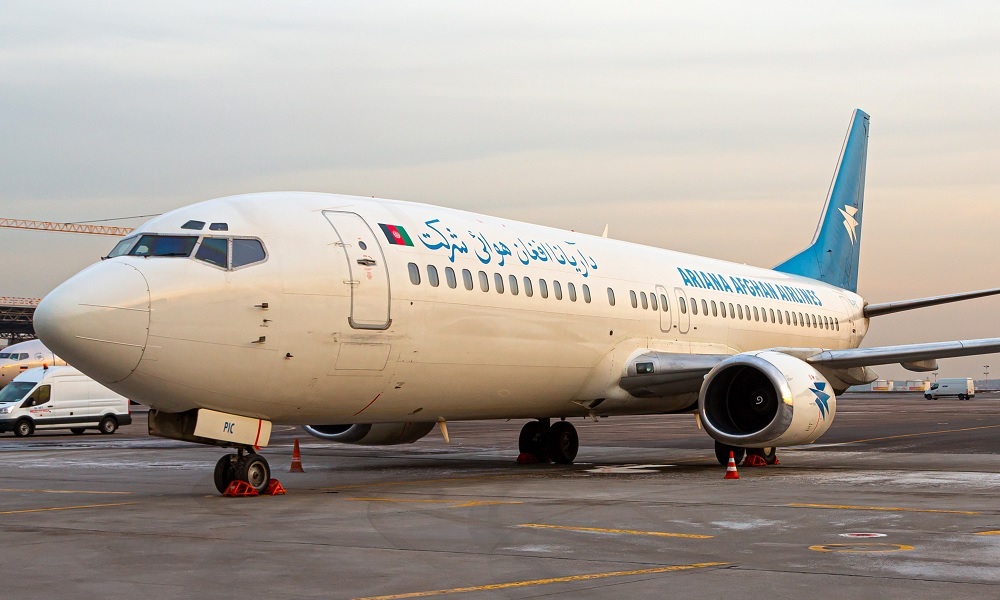
Ariana Afghan Airlines announced on Tuesday a reduction in ticket prices for flights on the Kabul–Islamabad–Kabul route from $190 to $170.
According to the airline, passengers can now purchase tickets for this route at $20 less than the previous fare.
The airline has also set a special fare of $150 for students travelling on this route.
Ariana Afghan Airlines said the move aims to reduce travel costs and make air travel more affordable and accessible for passengers and students.
Latest News
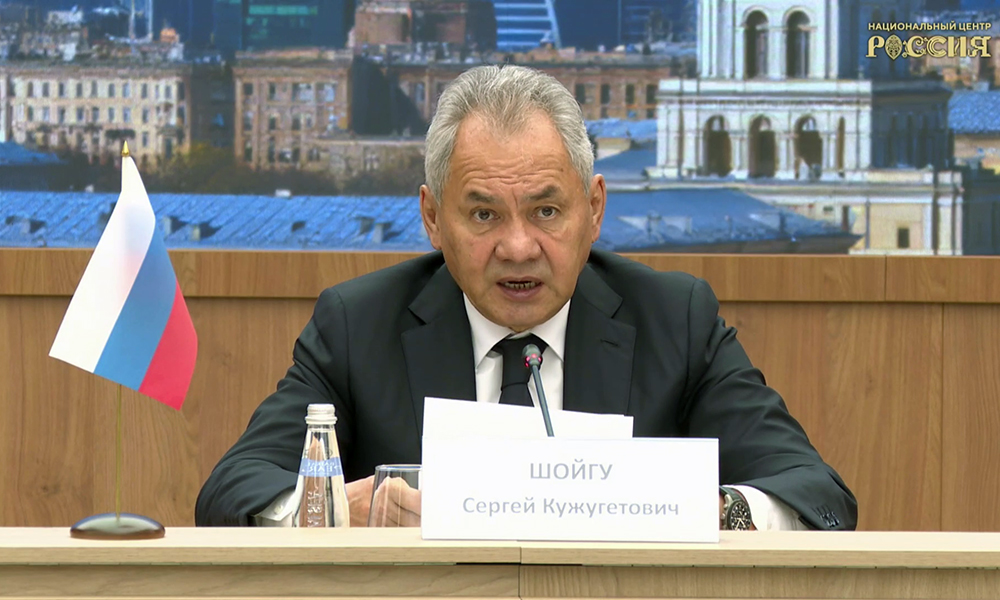
Afghanistan and Russia discuss expanding economic ties and boosting bilateral trade
During the meeting, Muttaqi stressed that Afghanistan and Russia should expand economic cooperation based on shared interests and mutual benefits.
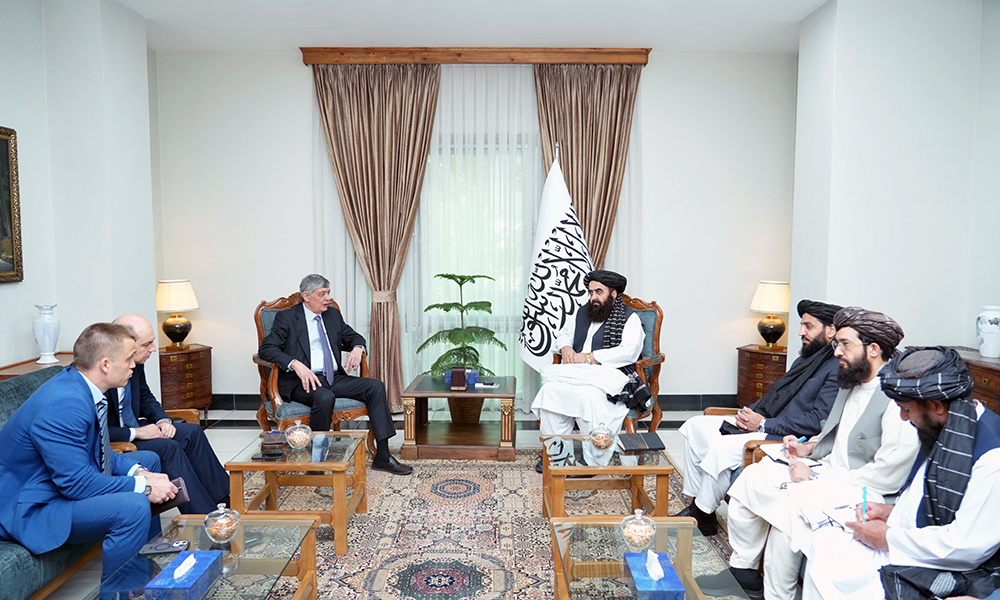
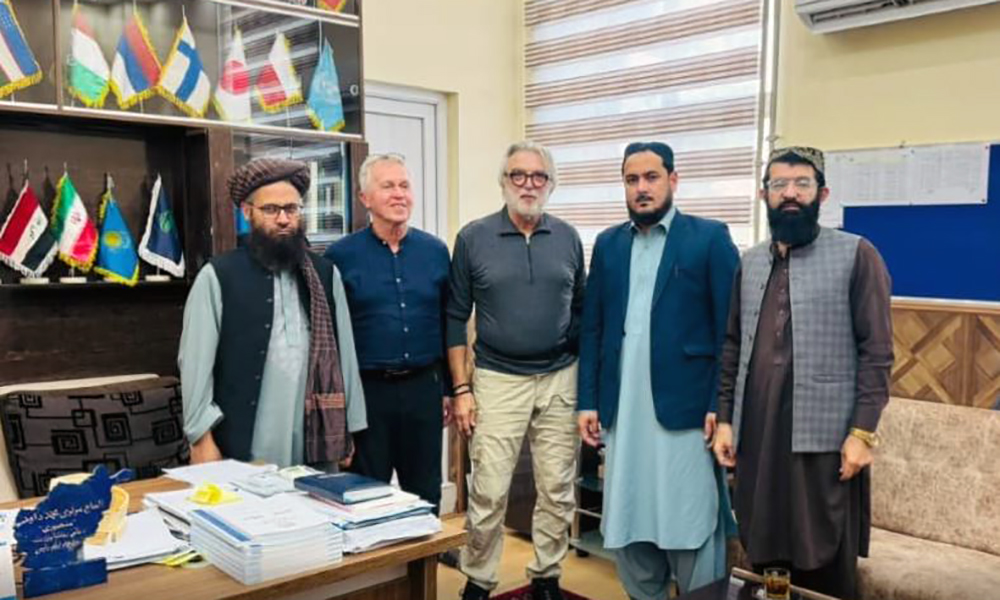
Afghanistan’s Foreign Minister Amir Khan Muttaqi has met with Zamir Kabulov, Russian President’s Special Representative for Afghanistan, to discuss strengthening bilateral relations, expanding economic cooperation and increasing trade between the two countries.
During the meeting, Muttaqi stressed that Afghanistan and Russia should expand economic cooperation based on shared interests and mutual benefits.
Kabulov, meanwhile, praised the Islamic Emirate’s efforts to combat drug trafficking and cultivation, saying reports by some international organisations on the issue do not reflect the realities on the ground.
Muttaqi reiterated that the Islamic Emirate remains committed to combating drug cultivation, production and trafficking, describing these efforts as important for the security and stability of both Afghanistan and the wider region.
The meeting comes amid continued efforts by Kabul and Moscow to strengthen diplomatic and economic engagement and explore opportunities for broader bilateral cooperation.
Latest News
US officials revisit Afghanistan war failures
The renewed scrutiny comes as Washington continues to maintain its highest travel warning for Afghanistan, advising American citizens against visiting the country.
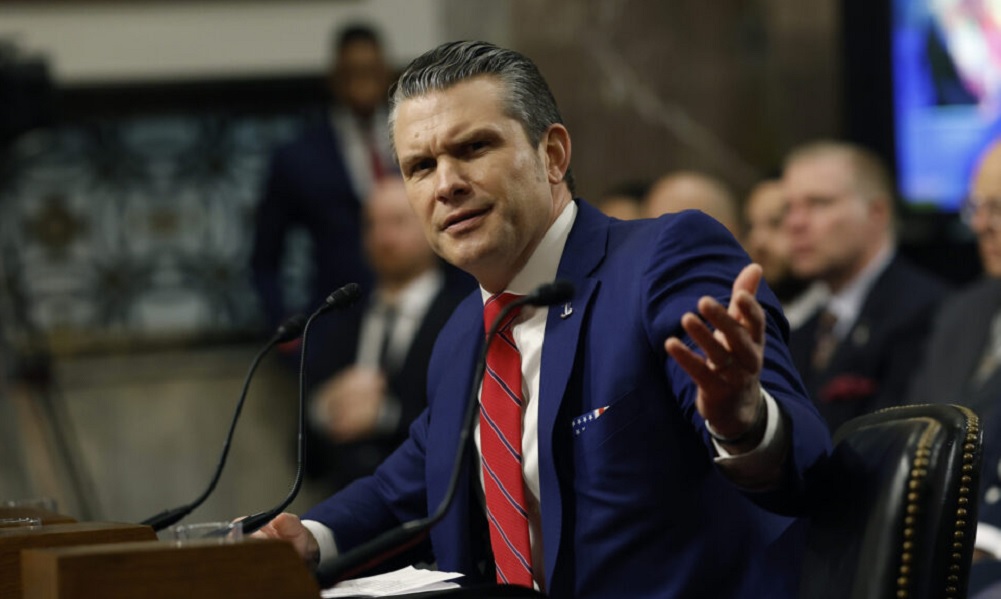
Senior US officials have renewed criticism of America’s 20-year military campaign in Afghanistan, questioning the strategy behind the intervention, the billions of dollars spent and the chaotic withdrawal of international forces in August 2021.
The latest remarks have reopened debate over one of the most costly and controversial chapters in recent US military history, with officials acknowledging serious failures in planning, leadership and the long-term objectives of the mission.
US Defence Secretary Pete Hegseth has criticised the American military establishment for failing to conduct a comprehensive examination of the Afghanistan withdrawal, arguing that the lessons of the campaign cannot be properly understood without an honest assessment of what went wrong.
He also pointed to the August 2021 suicide bombing at Kabul airport’s Abbey Gate, which killed 13 US service members, describing the incident as evidence of major operational, strategic and political failures.
Hegseth said the disorderly conclusion of America’s military involvement had also damaged the country’s international credibility.
Criticism has also come from John Sopko, the former Special Inspector General for Afghanistan Reconstruction (SIGAR), who questioned whether Washington ever had a coherent strategy for its involvement in Afghanistan.
Sopko said successive US administrations repeatedly changed the mission’s objectives without establishing a clear understanding of what they ultimately wanted to achieve.
He also raised questions about the enormous financial cost of the intervention, pointing to the collapse of the Afghan government shortly after international forces withdrew, despite years of extensive financial and military support.
The renewed scrutiny comes as Washington continues to maintain its highest travel warning for Afghanistan, advising American citizens against visiting the country.
Relations between Washington and Kabul also remain strained. The United States has not formally recognised the Islamic Emirate of Afghanistan, while Afghan authorities have repeatedly urged Washington to move beyond the legacy of the war and pursue a more constructive relationship based on diplomatic engagement and cooperation.
The latest criticism highlights continuing questions in Washington over whether the Afghanistan intervention achieved its objectives, why the Afghan government collapsed so rapidly and what lessons the United States has drawn from two decades of military involvement.

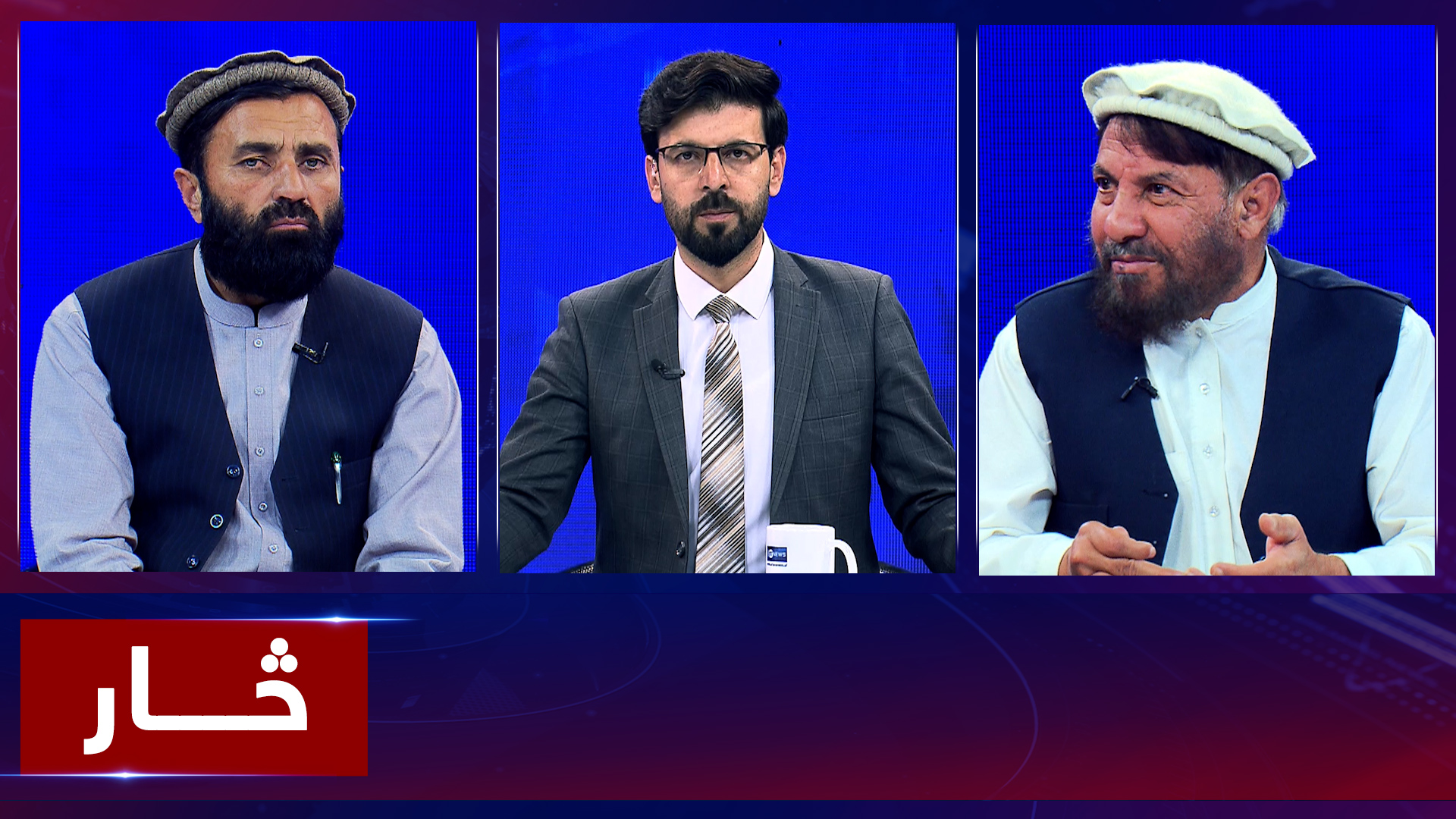
Saar: Russia’s stance on Afghanistan discussed
Ariana Airlines reduces Kabul–Islamabad–Kabul airfares by $20
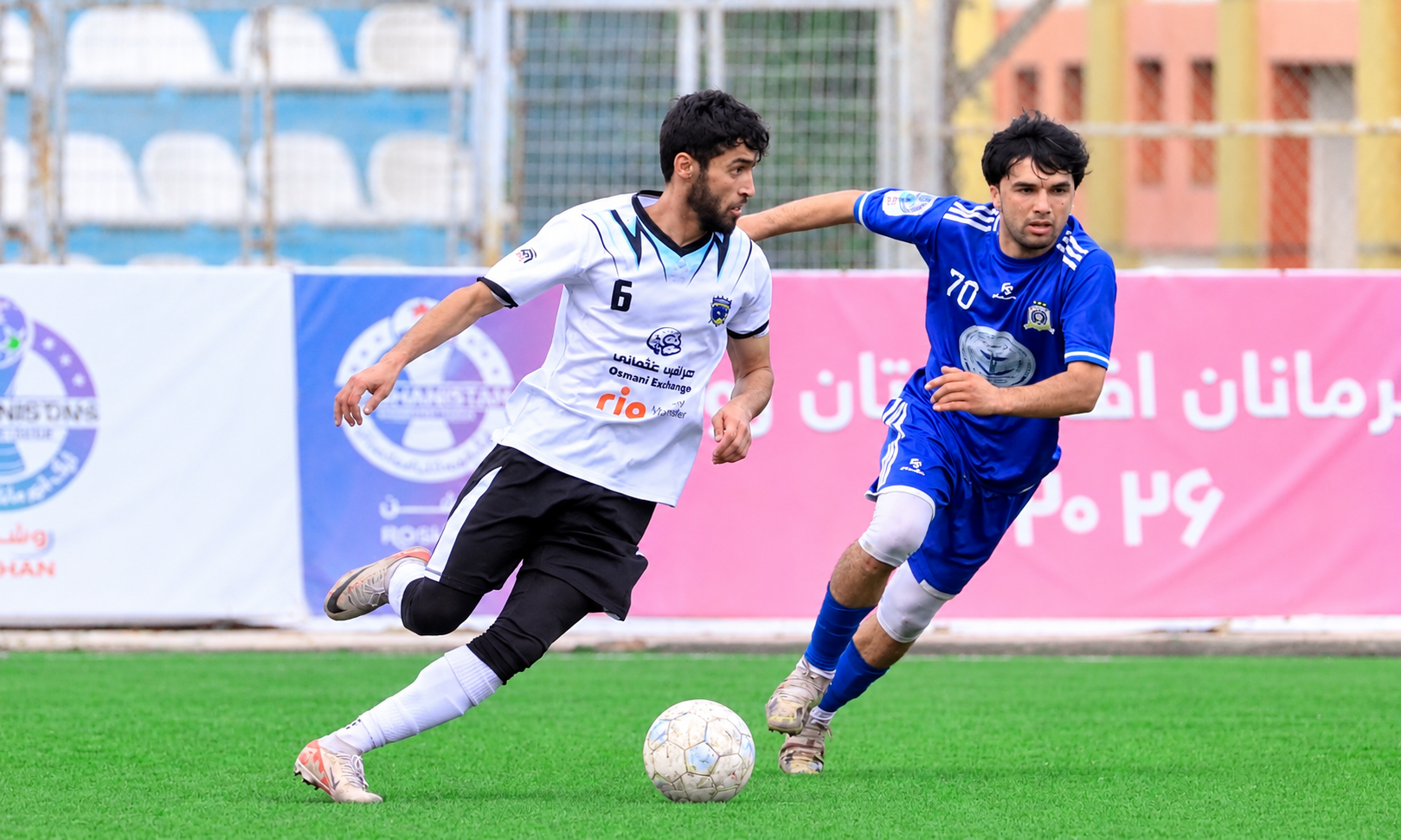
Omar Zawak thrash Istiqlal Kabul 5-1 in ACL
Afghanistan and Russia discuss expanding economic ties and boosting bilateral trade

US officials revisit Afghanistan war failures

Afghanistan finish runners-up after 6-0 defeat to Brazil in futsal final

Trump says US may strike Iran’s ‘Pickaxe Mountain’ nuclear facility

Afghan futsal coach: Brazil tournament is first step towards new goals and World Cup

Pakistan deploys military to Peshawar after emergency rule declared

Violent protests spread across Europe as Albanian PM blames ‘foreign hand’
Saar: Russia’s stance on Afghanistan discussed

Trump says further US attacks on Iran ‘highly unlikely’ as peace talks gain momentum
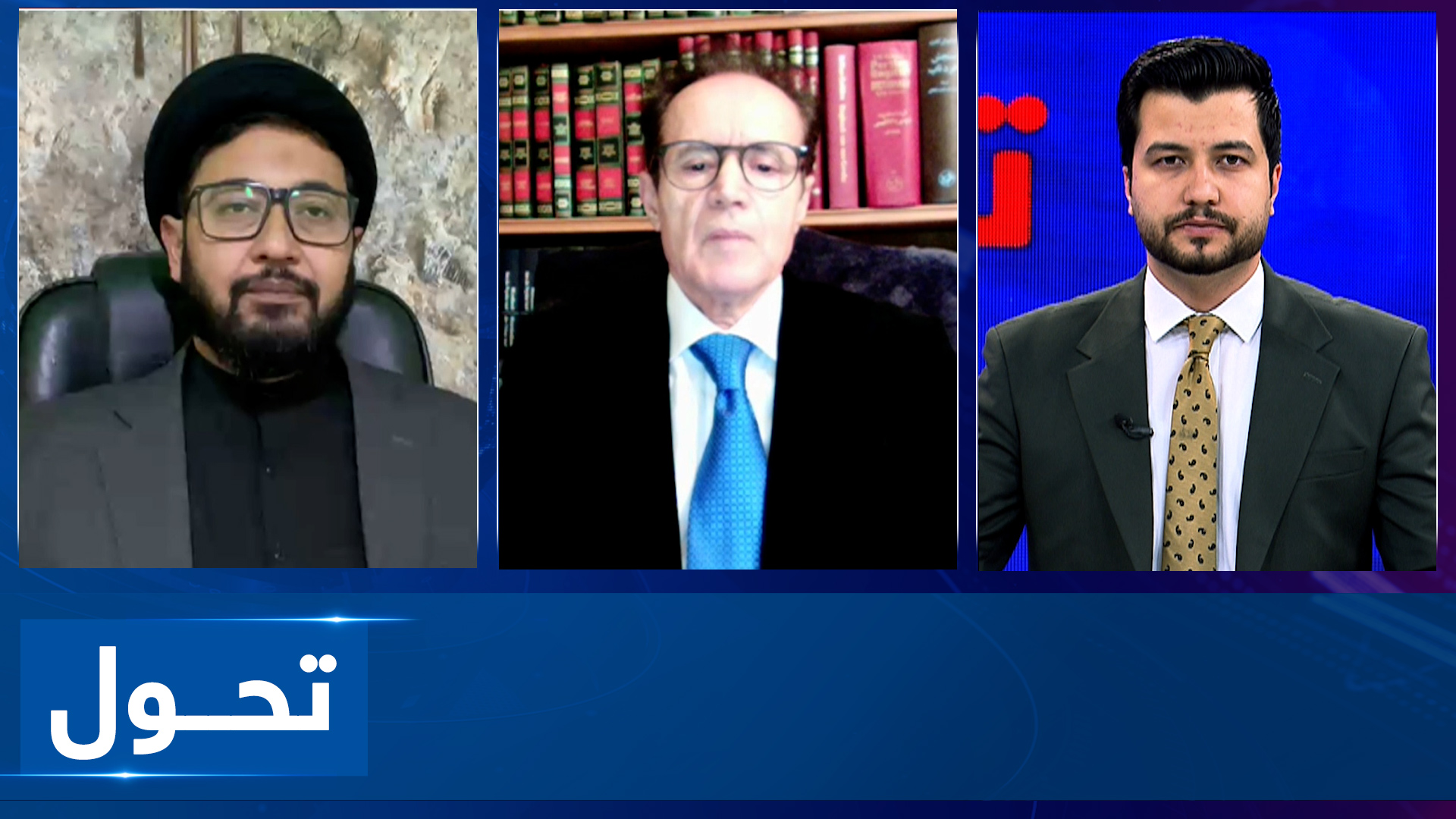
Tahawol: Geopolitical developments in the Middle East
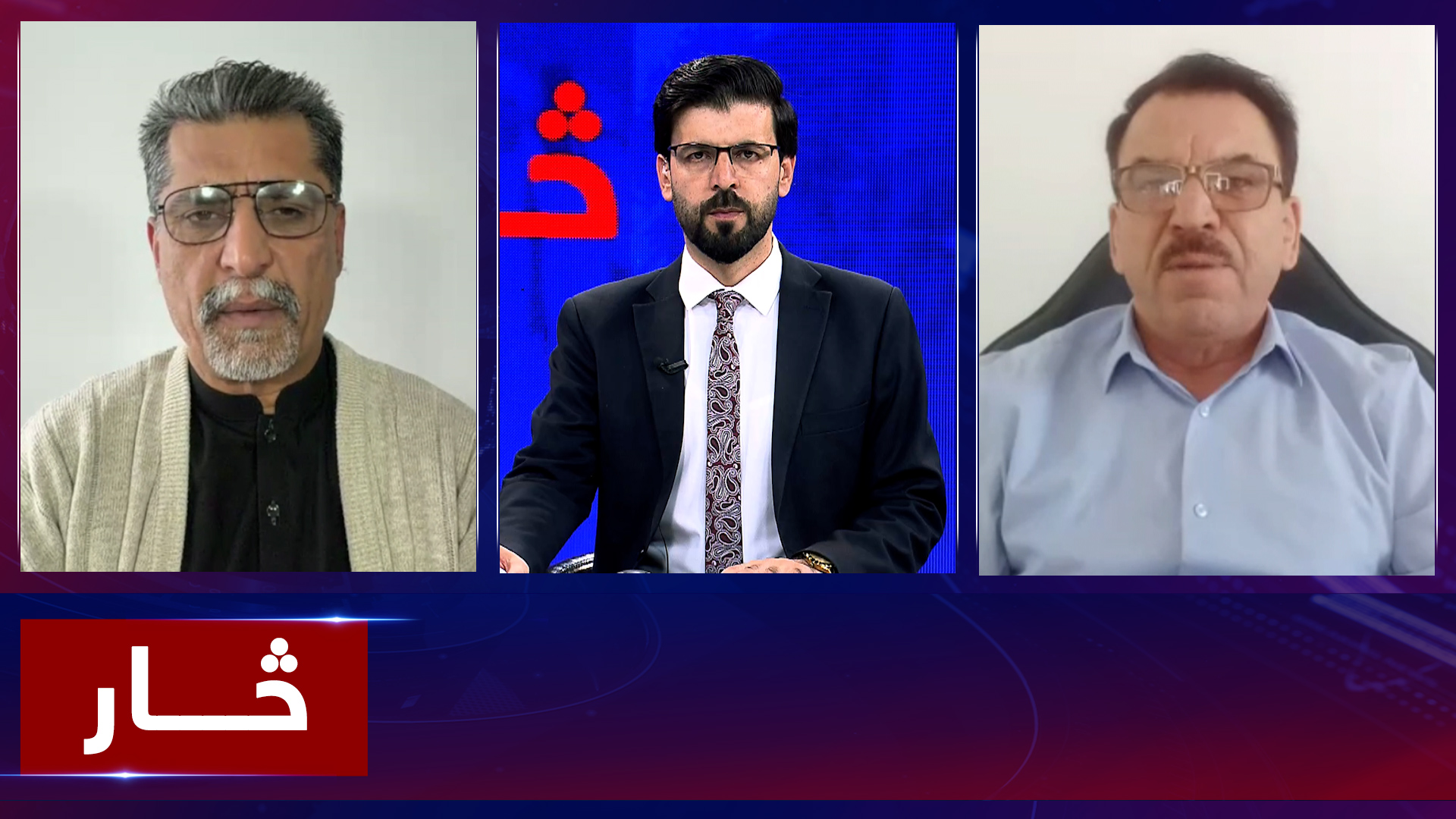
Saar: EU’s engagement with Afghanistan
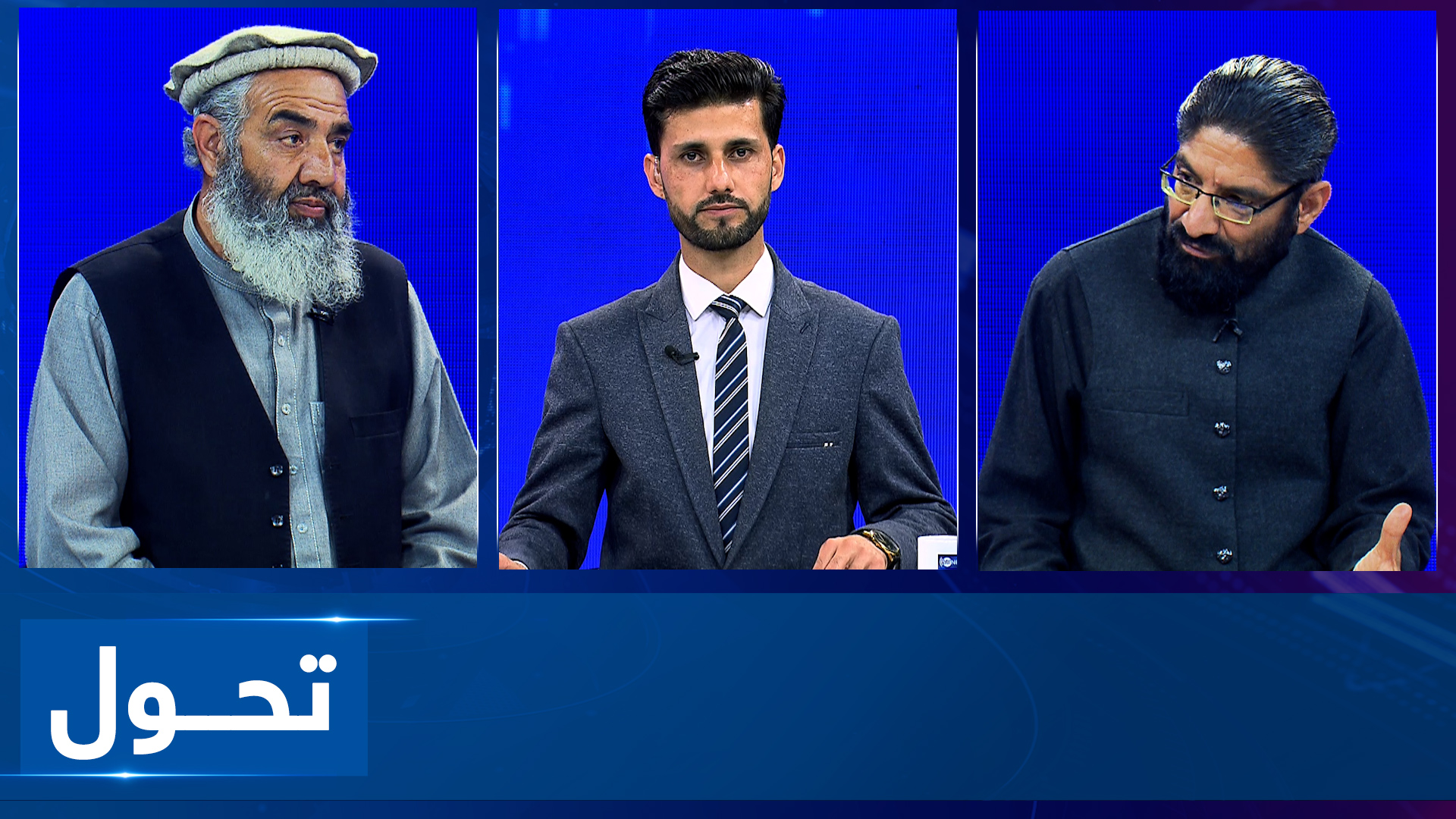
Tahawol: Afghanistan’s participation in Shanghai Plus security meeting discussed
-
 Regional4 days ago
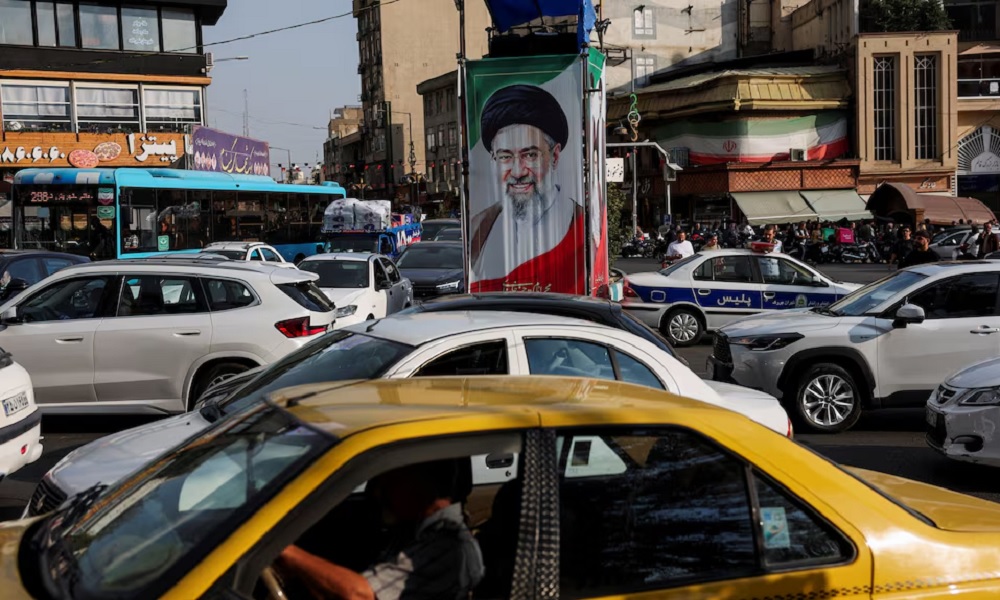
Iran sent nuclear proposal to the US via Qatar, senior Iranian official tells Reuters
-
 Tahawol5 days ago
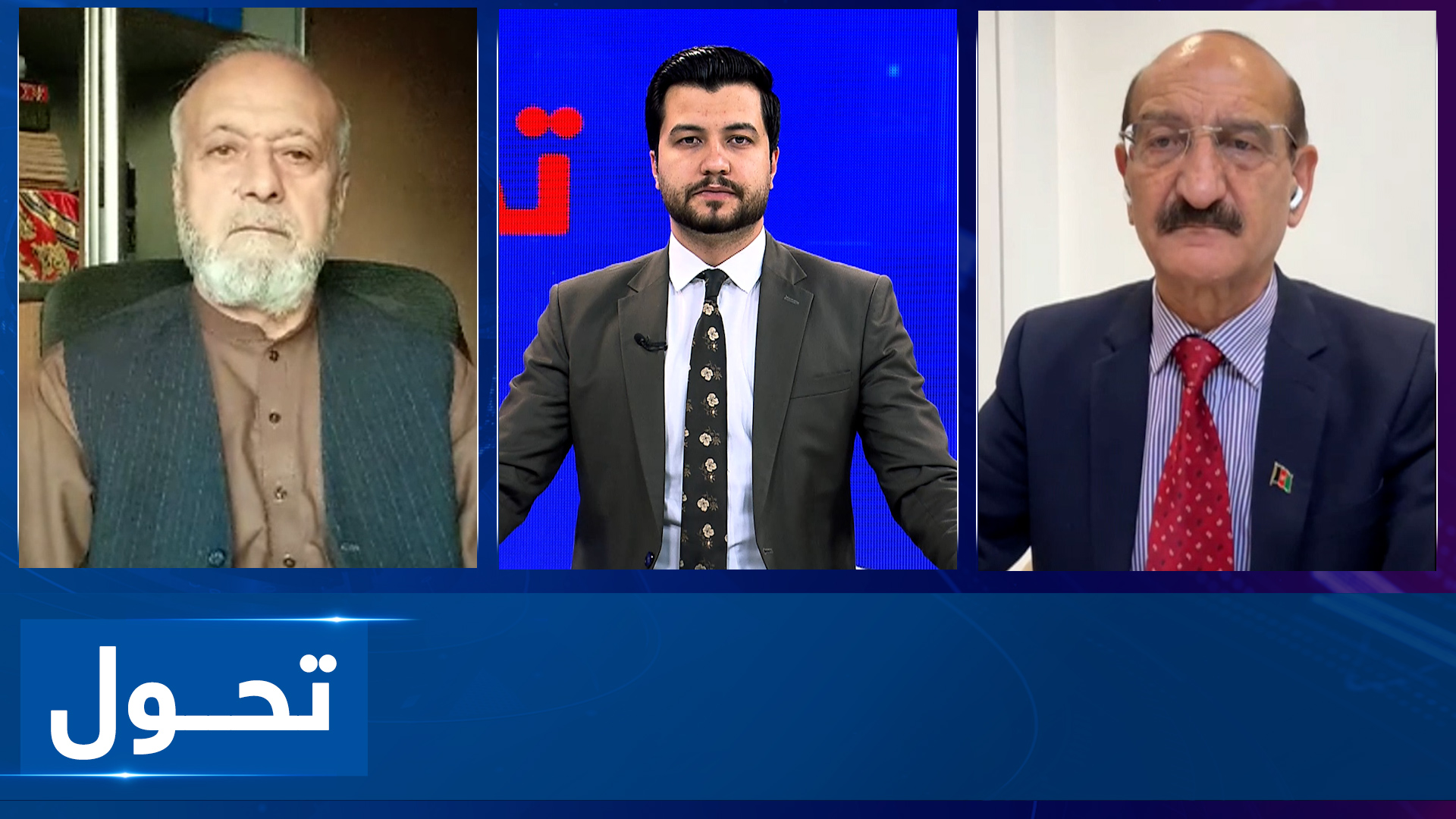
Tahawol: Calls for stronger joint action against terrorism discussed
-
 Sport2 days ago
Afghanistan’s record partnership highlights fourth day of Test against Zimbabwe
-
 Sport4 days ago
Abu Muslim Farah claim convincing 3-0 win over Omar Zawak in ACL
-
 World2 days ago
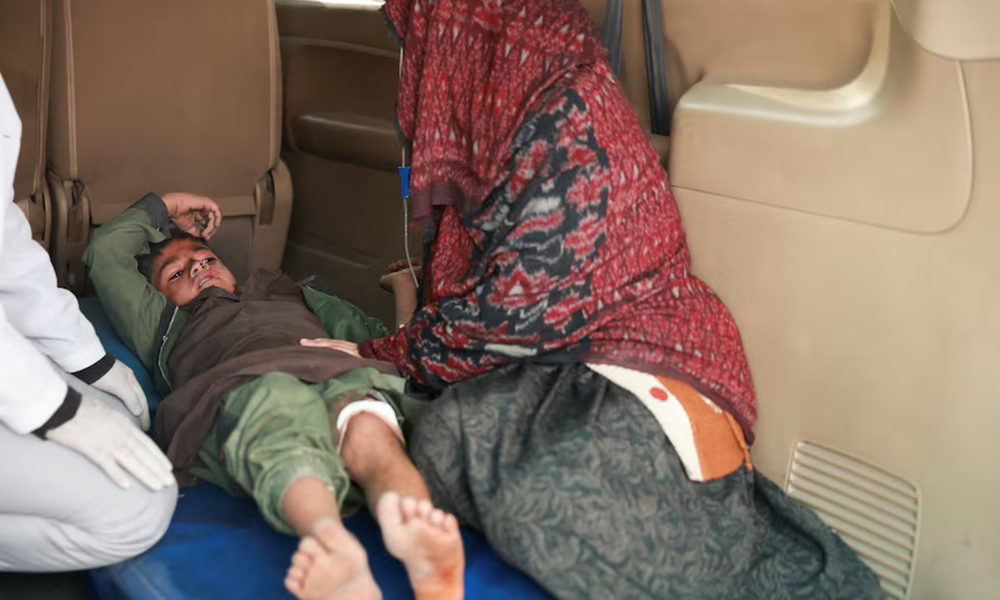
Houthi-run health ministry says airstrikes kill 33 near Yemen capital
-
 Regional3 days ago
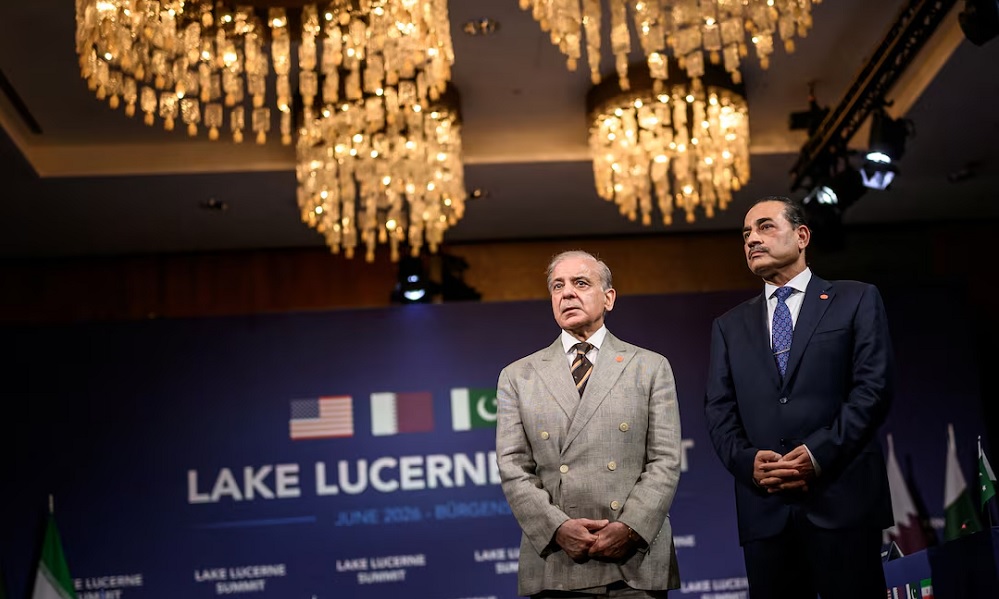
Pakistan’s leaders dread US Democrats’ win but its households are praying for it
-
 Sport3 days ago
Toofan Herat defeat Arman FC 2–0 in Afghanistan Champions League
-
 Sport2 days ago
Afghanistan thrash Senegal 6-0 to reach Dakar Youth Olympics futsal semi-finals