
Science & Technology
United Airlines warns 5G plan would impact 1.25 mln passengers a year


United Airlines said late on Monday the current U.S. 5G wireless rollout plan would negatively impact an estimated 1.25 million United passengers and at least 15,000 flights annually and urged President Joe Biden’s administration to take action, Reuters reported.
According to the report U.S. airlines warn 5G interference could compromise key safety systems and result in suspended passenger and cargo flights. They want some 5G deployment set for Wednesday delayed around key U.S. airports.
United said the current rules “will result in significant restrictions on 787s, 777s, 737s and regional aircraft in major cities like Houston, Newark, Los Angeles, San Francisco and Chicago.”






Science & Technology
South Korea to inspect glasses worn by exam candidates after AI cheating scandal
Smart glasses have raised concern globally because they can be used to photograph, film or audio-record confidential material or people without their knowledge.
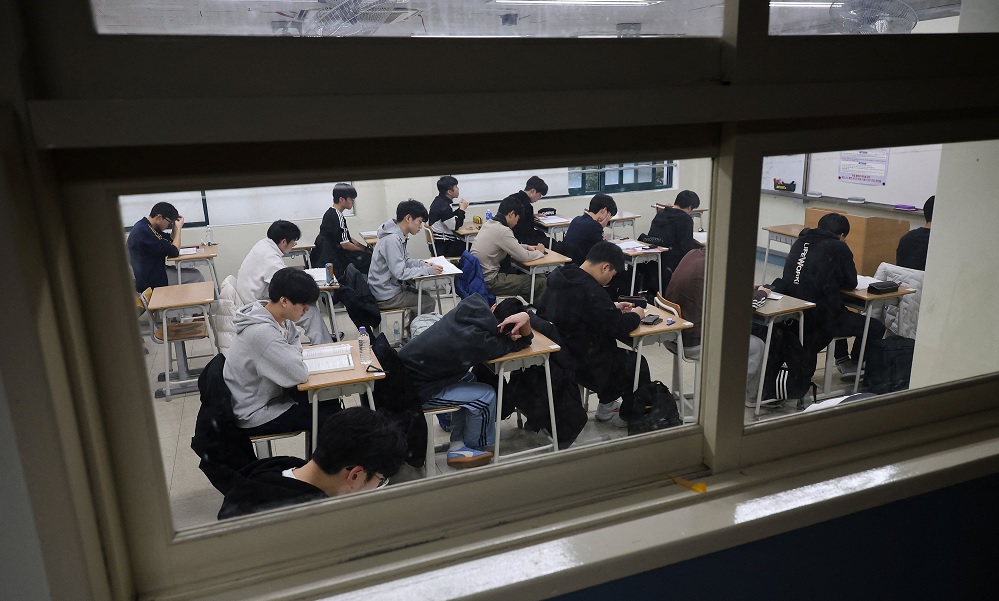
South Korea will inspect every pair of glasses worn by students taking this week’s national college entrance exam to prevent AI-assisted cheating, after cheating in the tax accountant exam shook public confidence in the country’s high-stakes testing system.
There have even been calls to postpone the university entrance exam to ensure a fair test after the scandal, although the Education Ministry has ruled out a delay to an exam seen as crucial to success in South Korea’s hyper-competitive society, Reuters reported.
Here are some details:
Education Minister Choi Kyo-jin told a parliamentary hearing on Monday the ministry would inspect all glasses worn by candidates in every session of the College Scholastic Ability Test (CSAT). Smart devices were added to the list of banned items in July.
Smart glasses have raised concern globally because they can be used to photograph, film or audio-record confidential material or people without their knowledge.
Notices posted outside every exam room will warn of exam bans and criminal penalties if anyone is found to be cheating, Choi said.
Every exam centre will have at least one member of staff dedicated to monitoring smart devices.
A hotline will link the centres, local education offices and the ministry’s control room for any cases that are hard to judge on the spot.
Choi said the ministry would consult specialists on technology such as radio-signal detectors and consider introducing them for next year’s test.
Anyone caught wearing or using a smart device during the exams will have that year’s results invalidated and will be barred from sitting them the following year.
Choi said the ministry would work with parliament to lengthen the ban from 1 year to between 3 and 10 years. Offenders may also be reported to police for obstructing official duties.
The response follows Sunday’s confession by a person who placed first in this year’s tax accountant exam after cheating. He admitted photographing exam questions with a microcamera, sending them to an AI tool and checking the answers on a smartphone.
Prime Minister Han Seong-sook said on Monday the government would form an emergency team to prepare measures to safeguard the CSAT. She also urged officials to develop AI-based detection technology and called for strengthened penalties for cheating.

Astronomers have discovered a white dwarf star surrounded by two distinct rings of planetary debris, offering new insights into what may happen to planetary systems, including our own, when their host stars reach the end of their lives.
The star, identified as J1328−1450, is located about 1,600 light-years from Earth in the constellation Virgo. Observations made using the European Southern Observatory’s Very Large Telescope in Chile revealed an unusual arrangement of dust and gas around the star.
According to researchers, the debris appears to form two separate rings, a structure not previously observed around any of the 21 white dwarfs known to have surrounding planetary debris.
The scientists believe that two relatively large rocky bodies may have survived the star’s transformation into a white dwarf and could be responsible for shaping the surrounding material. One of these objects may be roughly the size of Pluto, while the other is smaller.
Researchers say the discovery provides further evidence that some rocky planetary bodies can survive the dramatic changes that occur when a star exhausts its fuel and expands into a red giant.
The findings, published in the journal *Nature Astronomy*, suggest that the original star may once have hosted a planetary system. During its expansion, it likely engulfed some of its innermost planets, while more distant objects survived.
Over time, gravitational forces may have pulled some of these surviving bodies closer to the white dwarf, tearing them apart and scattering their material into surrounding rings of dust and gas.
Astronomers also found differences in the chemical composition of the two rings, particularly in their magnesium content, suggesting that they may have originated from different rocky bodies or from different layers of a disrupted object.
The discovery could offer a glimpse into the distant future of our own solar system. Scientists estimate that in about five billion years, the Sun will expand into a red giant before shedding its outer layers and becoming a white dwarf.
During this process, Mercury and Venus are expected to be engulfed, while the fate of Earth remains uncertain. More distant planets, including Jupiter and Saturn, are expected to have a greater chance of surviving.
Researchers say that, after the Sun becomes a white dwarf, surviving planets, moons and asteroids could also be pulled towards it and broken apart by its intense gravitational force.
They suggest that the newly observed system may represent one possible stage in the far-distant future of our solar system.
Science & Technology
Binance says it has covered $6 billion of $6.3 billion stolen in hack
The US Federal Bureau of Investigation (FBI) said on Saturday the North Korean state-sponsored unit known as TraderTraitor was responsible for the attack.

Binance, the world’s biggest cryptocurrency exchange, said it has covered $6 billion of the $6.3 billion stolen from its platform by using company money to buy replacement tokens, after a hack that US officials said was carried out by a North Korean state-sponsored unit known as TraderTraitor.
“We had already covered $6B of the impacted amount of the hacked loss,” Binance said on X on Saturday, after saying earlier that it had covered 90% of the stolen funds, Reuters reported.
The remaining amount, now less than 10%, consists of assets that are less liquid and may take longer to source in the required amounts, according to Binance.
The US Federal Bureau of Investigation (FBI) said on Saturday the North Korean state-sponsored unit known as TraderTraitor was responsible for the attack.
North Korea has for years denied using state-linked cyber units for espionage, financial theft and revenue. Its mission in Geneva and embassy in China did not respond to requests for comment.
Members of the unit were observed by law enforcement converting stolen assets into the cryptocurrency ethereum, the FBI said in a statement, adding that it expects “further laundering” of the assets through the use of related technology.
Analysts had previously blamed North Korea and said it could be the largest financial heist of all time.
Binance has been working with industry partners to freeze some of the affected assets, with about $3 billion located as of Friday.
The company has repeatedly said it would bear the financial impact of the funds stolen in the hack.
The money spent re-buying tokens came from using part of its $1 billion Secure Asset Fund for Users (SAFU), a bitcoin reserve it holds to protect customers in the event of security breaches, as well as some of its Futures Insurance Fund, and the company’s own corporate treasury, it said on X.
Co-CEO Yi He said on Saturday that 50% of its SAFU funds would be used, while the company said it was committing to replenishing the fund to return it to about $1 billion.
Crypto prices fell on Friday, while Binance sought to reassure customers that their funds were safe after the hack.
Co-CEO Richard Teng had said that the breach was a “complex attack” involving a compromised laptop and malicious software designed to delete evidence of its activity, making it harder to trace and investigate.
After the hack, the exchange stopped allowing customers to withdraw their funds, but it said on Saturday it was still on track to reopen withdrawals on Sunday.
Withdrawals were not open as of 02:50 GMT on Sunday.
Binance said it has set aside around $6.34 billion of company funds internally to cover the losses.
Binance also said it had taken a new snapshot of assets held on its platform as of 0000 GMT on October 31, as part of its proof-of-reserves process.
Users holding the 10 listed tokens — BTC, ETH, USDT, BNB, SOL, USDC, XRP, USD1, RLUSD, and ZEC — would be able to verify that their assets were backed at a minimum ratio of 1:1 once the full proof was available, it said.


Sorkh Poshan Khafi crowned ACL champions after unbeaten campaign
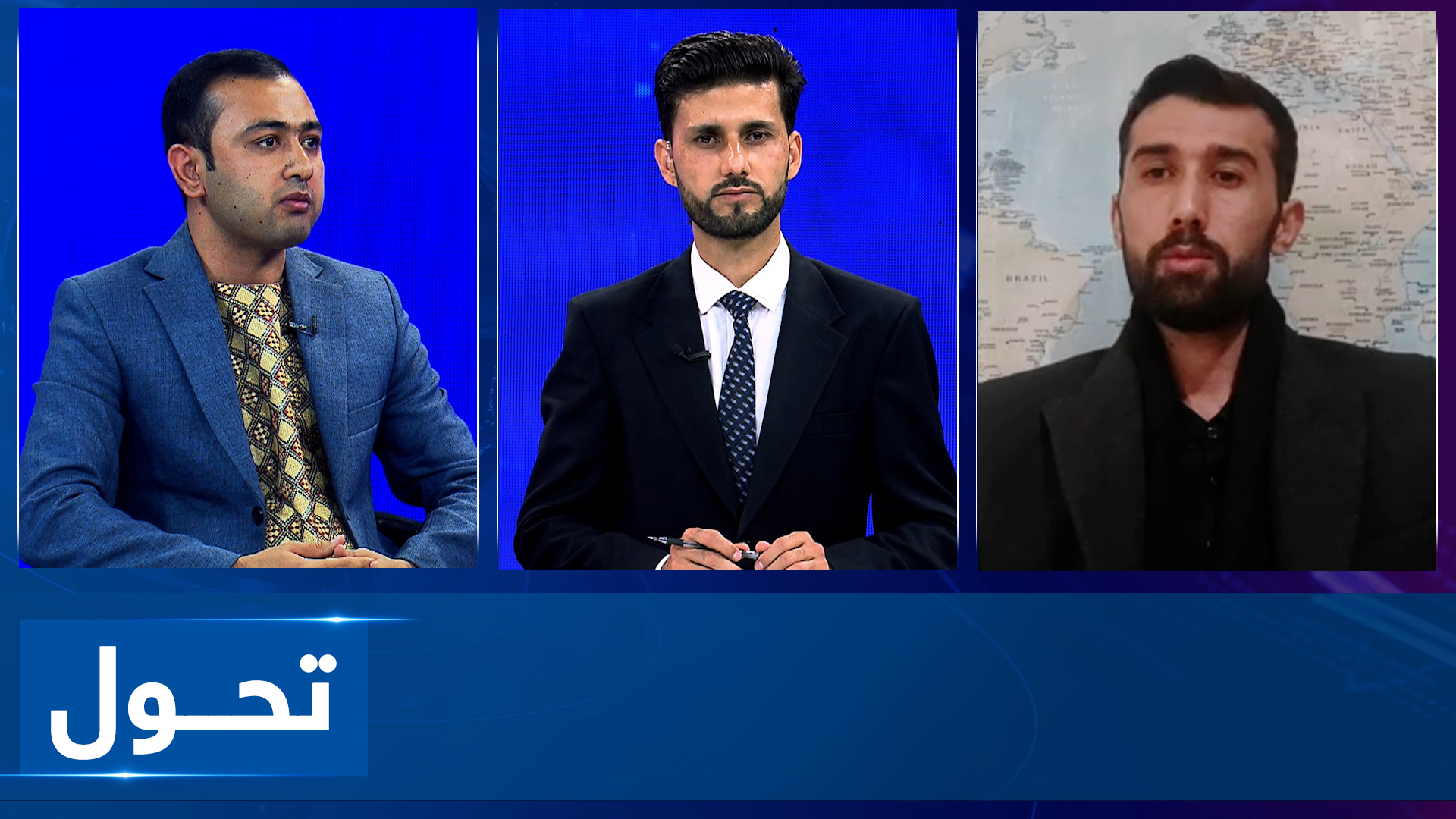
Tahawol: Afghanistan absent from ECO meeting
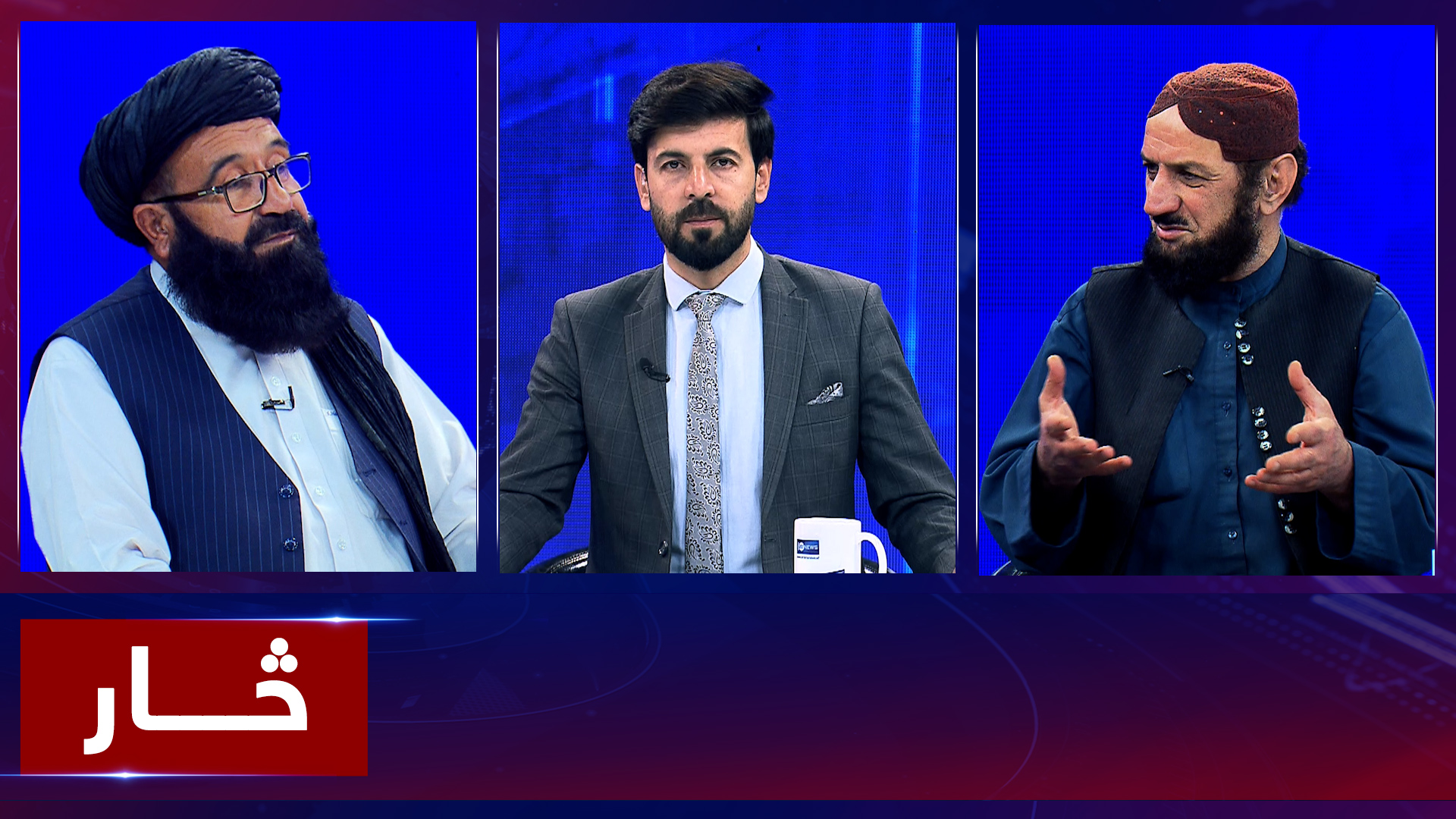
Saar: ECO meeting kicks off in Islamabad

IEA intelligence officials highlight Sharia-based operations at research conference
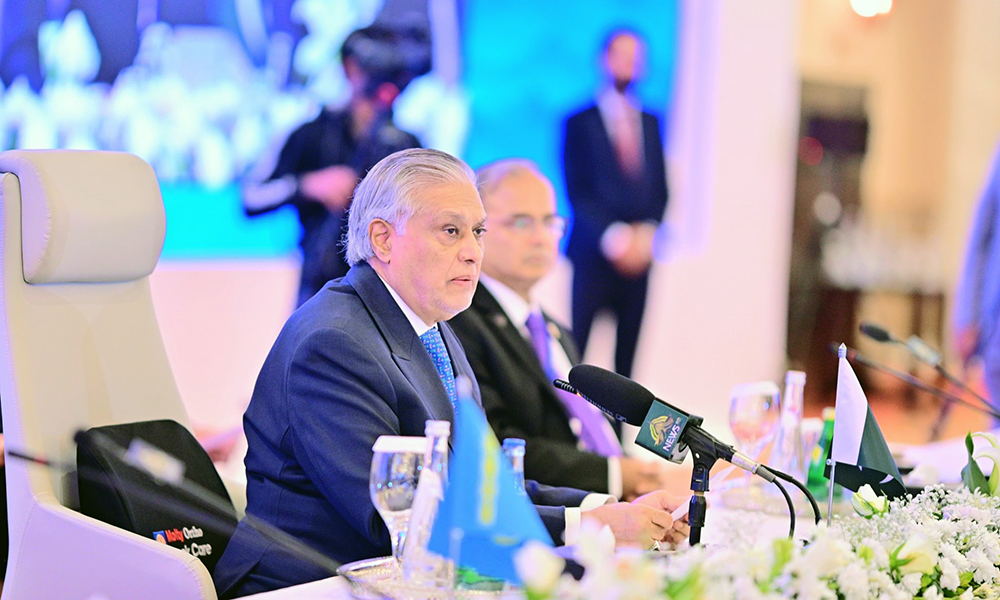
Pakistan FM urges Afghanistan to address security concerns of neighbors

Afghanistan finish runners-up after 6-0 defeat to Brazil in futsal final

Rubio heads to Central Asia while other US officials hit foreign policy hot spots

Violent protests spread across Europe as Albanian PM blames ‘foreign hand’

Governments take websites offline as critical cyber flaws trigger global alert

Afghanistan reach Brazil futsal tournament final after beating Cape Verde 4-2
Tahawol: Afghanistan absent from ECO meeting
Saar: ECO meeting kicks off in Islamabad
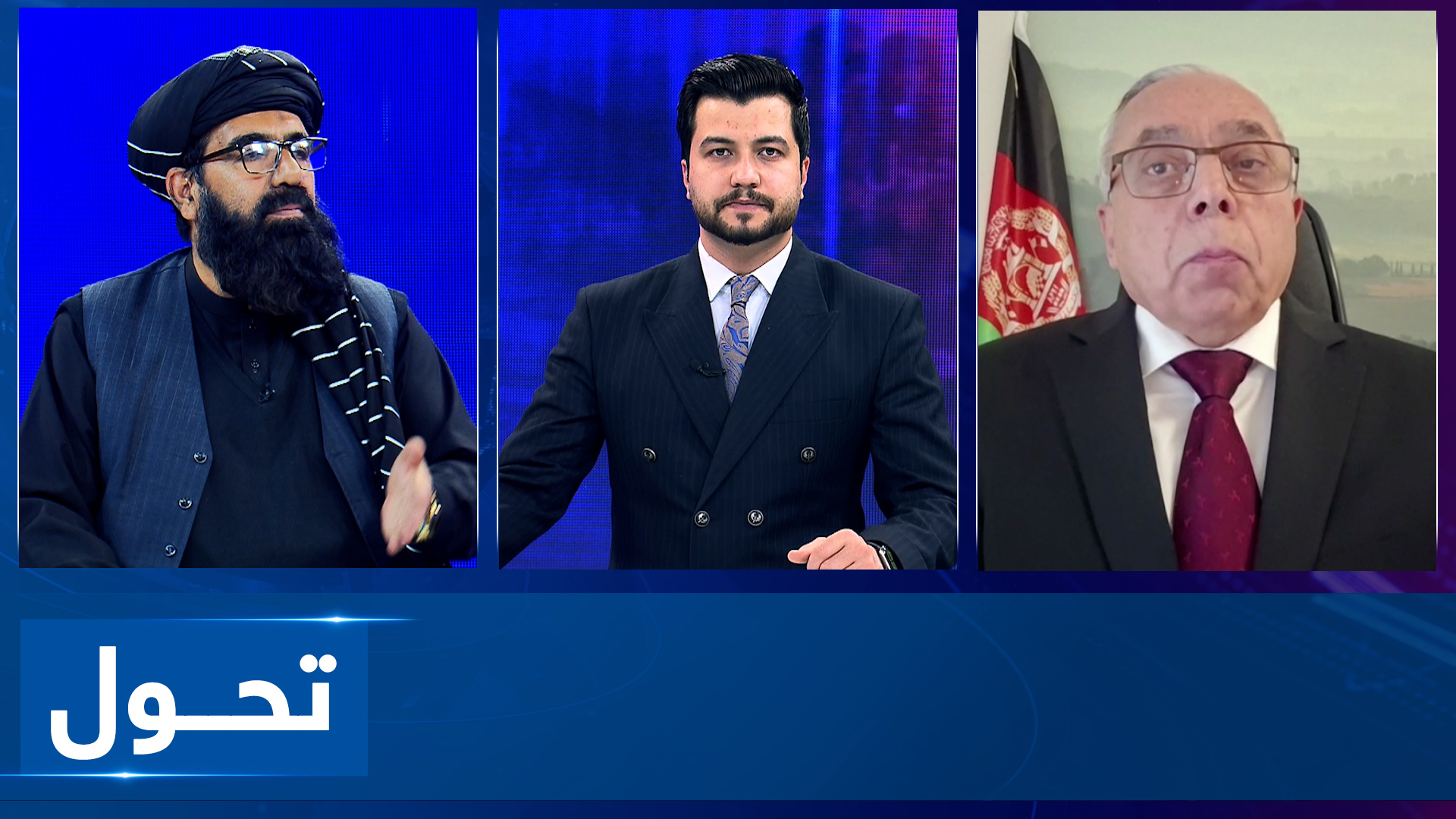
Tahawol: UK seeks to ease Kabul–Islamabad tensions
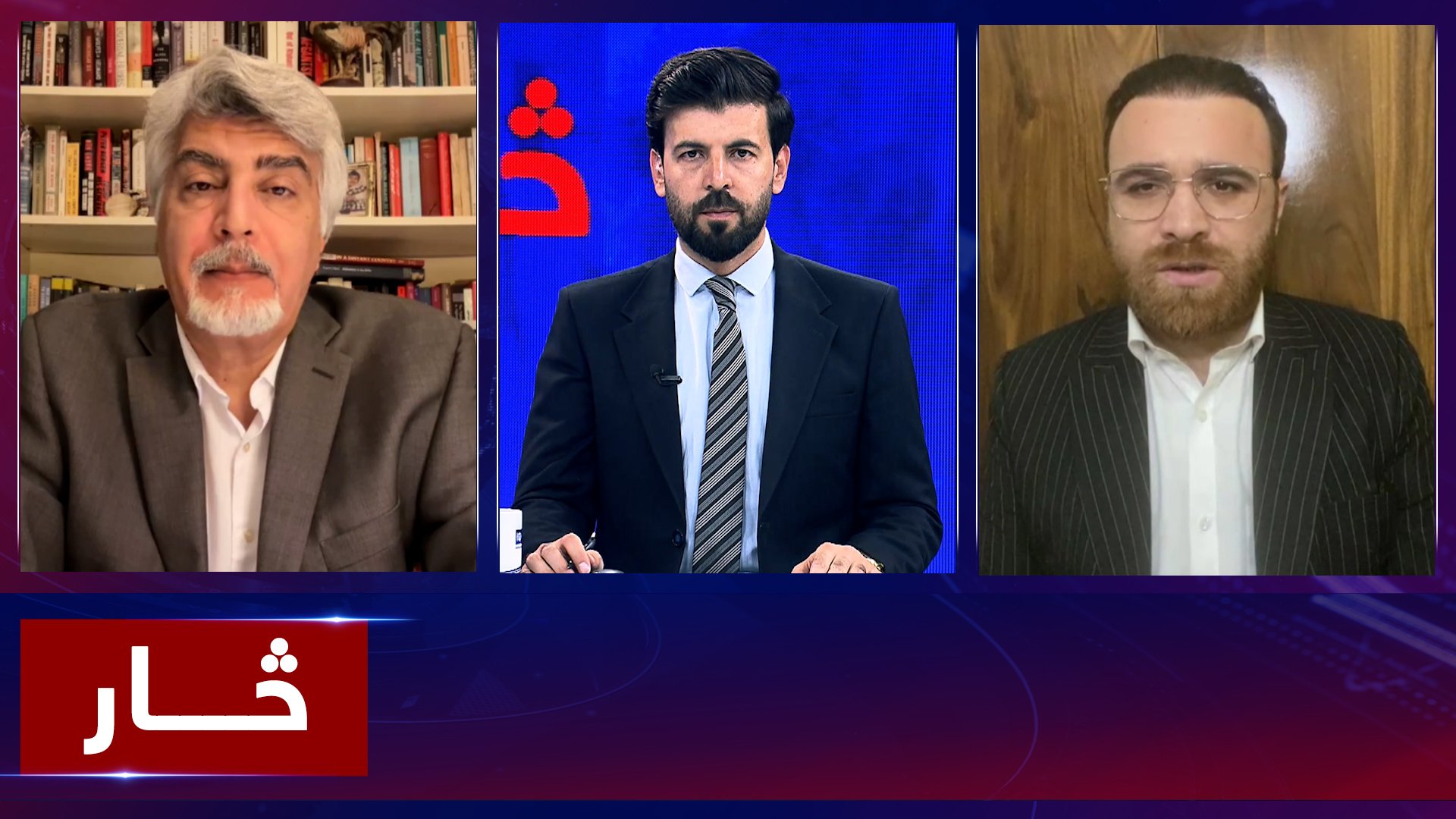
Saar: Iran–US tensions: an uncertain future
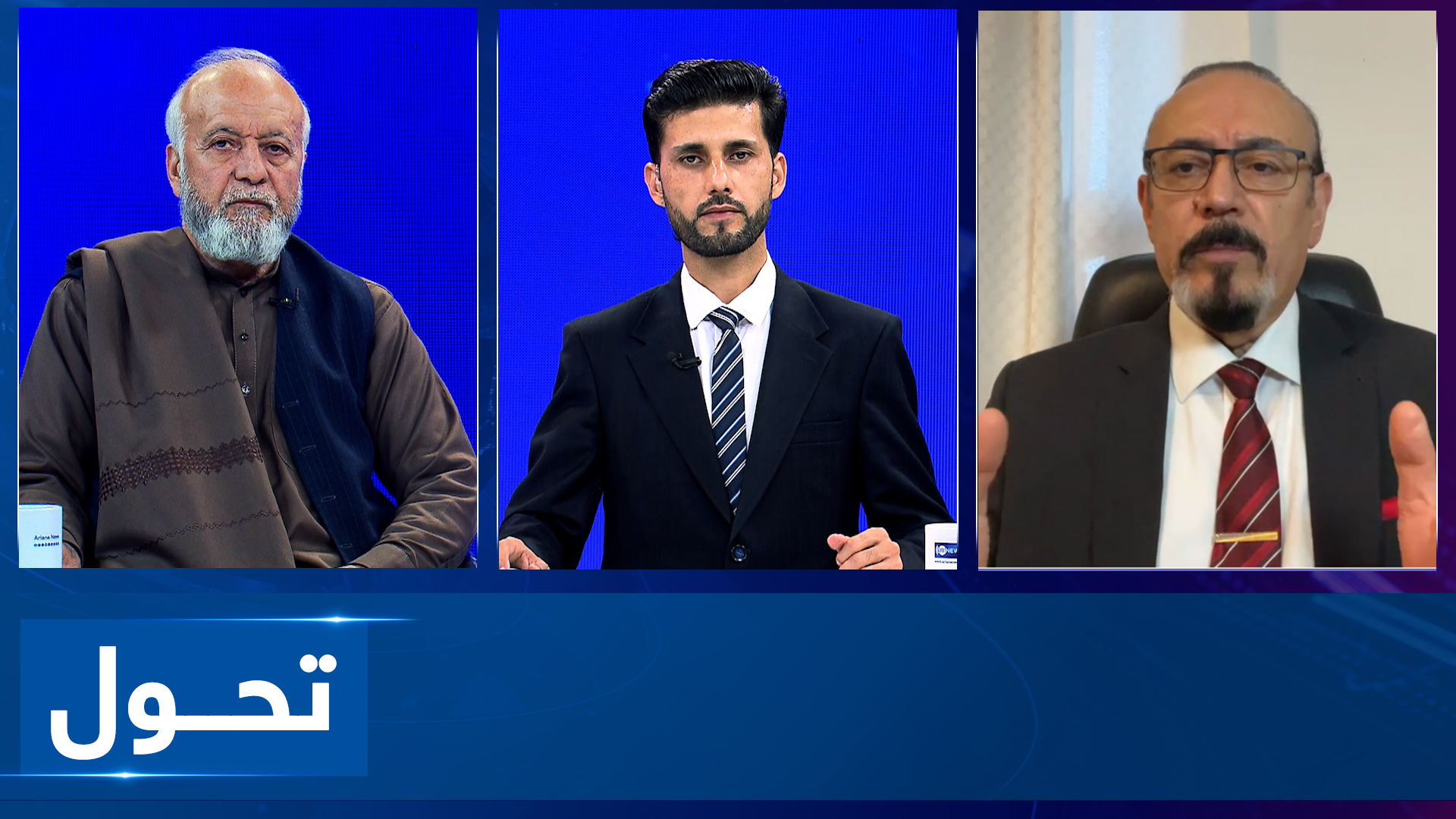
Tahawol: Concerns grow over worsening regional humanitarian crises discussed
-
 Business3 days ago
Afghanistan and Uzbekistan agree on export of 100,000 tons of Bamyan potatoes
-
 Latest News4 days ago
Olive farming offers new hope to Afghan farmers amid growing climate challenges
-
 Sport4 days ago
Afghanistan falls just short of Bronze at Dakar 2026 Youth Olympic Games
-
 Latest News5 days ago
Putin says CSTO closely monitoring Afghanistan’s security situation
-
 Latest News3 days ago
ICC halts probe into alleged crimes by US troops in Afghanistan
-
 Regional5 days ago
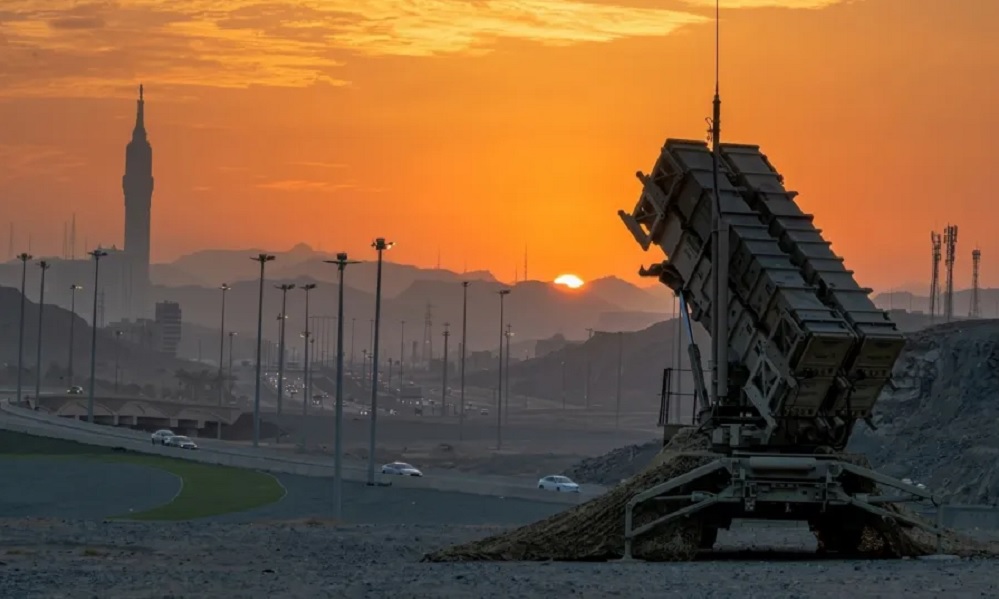
Saudi Arabia says debris from intercepted missiles falls in Mecca region
-
 Business4 days ago
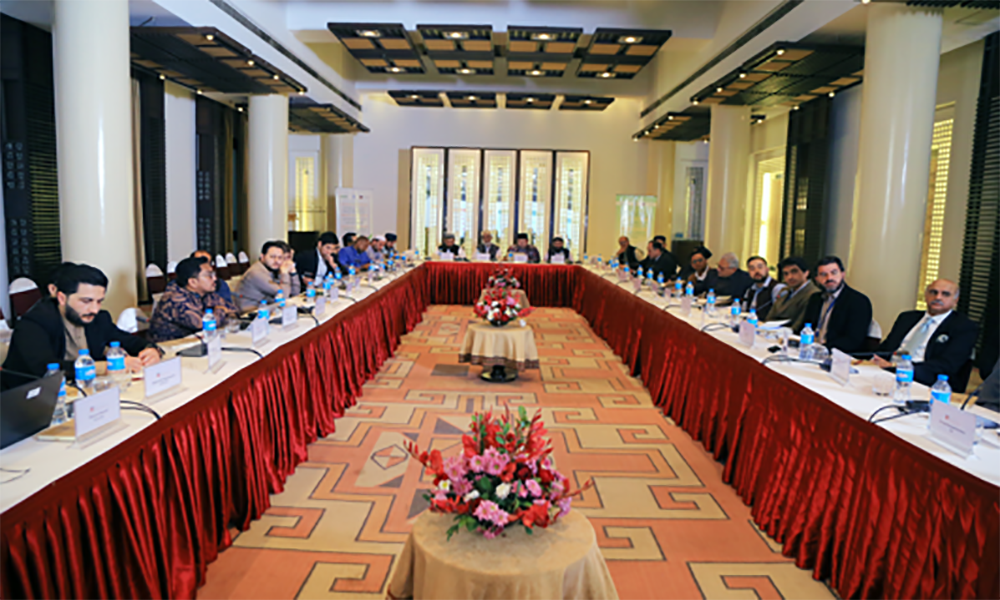
Afghanistan hosts dialogue on Islamic microfinance to expand access to Sharia-compliant financial services
-
 Sport3 days ago
Argentina clinch futsal gold after defeating Portugal in Dakar 2026 final