
World
US prepares $8 billion in arms aid packages for Zelenskiy visit, sources say
That aid will include munitions, weapons to combat drones and material to support munitions production in Ukraine, one of the U.S. officials said.


The United States plans to announce more than $8 billion worth of military assistance for Ukraine on Thursday during Ukrainian President Volodymyr Zelenskiy’s visit to Washington, two U.S. officials said on Wednesday.
President Joe Biden’s administration has been engaged in urgent discussions with Congress to allow it to use up $5.6 billion in military aid for Ukraine before Sept. 30 – the end of the federal fiscal year – when the authority was set to expire, Reuters reported.
On Thursday, U.S. officials said, the White House intends to notify Congress it will move forward with the announcement of a $5.6 billion drawdown from U.S. weapons stocks. The contents of that package are still in flux, the officials said.
Reuters reported this month that the Biden administration was considering a backup plan under which it would announce plans for shipments for Ukraine, but with an extended delivery timeline for the weapons and equipment, allowing for a more gradual transfer of resources to Ukraine without missing the Sept. 30 deadline.
A second announcement slated for Thursday will be for $2.4 billion worth of aid under the Ukraine Security Assistance Initiative program, which allows the administration to buy weapons for Ukraine from companies rather than pull them from U.S. stocks.
That aid will include munitions, weapons to combat drones and material to support munitions production in Ukraine, one of the U.S. officials said.
In addition, the U.S. announced on Wednesday $375 million worth of Presidential Drawdown Authority for Ukraine. The package will include the first shipment of a precision-guided glide bomb with a range of up to 81 miles (130 km) called the Joint Standoff Weapon, two U.S. officials said. The inclusion of that weapon was not disclosed in the announcement, read the report.
The package, which Reuters first reported on last week, includes patrol boats, additional ammunition for high-mobility artillery rocket systems (HIMARS), 155mm and 105mm artillery ammunition, spare parts and other weapons.
The Joint Standoff Weapon would be dropped from fighter jets, and is capable of striking targets with high accuracy. Ukraine has been largely prohibited from using U.S.-supplied weapons in strikes into Russia.
Presidential Drawdown Authority allows the president to draw from current weapons stocks to help allies in an emergency. In August, as Ukraine was pressing an incursion into Russia and losing territory in its east to Russian advances, Washington announced two packages, both for $125 million each.
Congress has approved nearly $175 billion of aid and military assistance for Ukraine and allied nations in the 2-1/2 years since Russia’s full-scale invasion, and many lawmakers say they expect Washington will need to approve more money to help the government in Kyiv in the next several months.
U.S. companies that might benefit from increased weapons shipments to Ukraine include arms makers like RTX, Lockheed Martin, General Dynamics, and Northrop Grumman, Reuters reported.


World
Trump says further US attacks on Iran ‘highly unlikely’ as peace talks gain momentum
Although Trump played down the prospect of renewed attacks, he warned that US forces remained prepared to respond if circumstances changed.

US President Donald Trump has said further American military strikes against Iran are “highly unlikely”, signalling a possible shift towards de-escalation as diplomatic efforts to end the conflict gather momentum.
Speaking to reporters at the White House on Monday, Trump said Iran was effectively defeated militarily and suggested Washington was prepared to maintain the current situation while negotiations continued.
“Iran militarily is effectively over,” Trump said, adding that there was “positive momentum” behind efforts to reach an agreement.
“We’re just keeping it the status quo,” he said, explaining that the decision was largely being taken at the request of neighbouring countries.
Although Trump played down the prospect of renewed attacks, he warned that US forces remained prepared to respond if circumstances changed.
“We’re locked and loaded,” he said, while describing further strikes as “highly unlikely”.
The comments come amid growing pressure on the Trump administration to bring the conflict to an end, following bruising midterm election results for Republicans last week.
Several senior party figures, including Vice-President JD Vance, have pointed to the war as a factor behind the party’s poor performance.
Trump had previously indicated that US forces carried out what he described as limited strikes on an Iranian island near the strategically important Strait of Hormuz.
However, in a television interview broadcast on Sunday, he said he currently saw no reason to escalate the military campaign.
He also stopped short of formally declaring the war over, arguing that Washington still had to protect its Gulf allies from possible Iranian attacks.
The US naval blockade of Iranian ports, he suggested, was helping maintain security across the region.
Global oil prices fell further following Trump’s latest remarks, with Brent crude dropping more than 1% to around $91.50 a barrel, while US crude also declined.
Gulf diplomacy intensifies
Trump’s comments followed a meeting with Qatari Prime Minister Sheikh Mohammed bin Abdul Rahman Al Thani at the White House on Monday.
The US president described their discussions as excellent, while the Qatari leader said he had held positive talks with Trump and Vance on reaching an agreement and restoring regional peace.
Diplomatic efforts to end the conflict have largely been conducted through intermediaries since the war erupted following joint US-Israeli strikes against Iran in February.
Saudi Arabia, Qatar and the United Arab Emirates are among Washington’s Gulf partners that have been targeted by Iranian attacks during the conflict, while security concerns have also caused significant disruption to regional air travel.
Political pressure mounts in Washington
Meanwhile, the war is generating further political tensions in Washington.
Republican Congressman Thomas Massie on Monday announced plans to force a House of Representatives vote this week on impeaching Defence Secretary Pete Hegseth over his handling of the conflict.
Hegseth, who has received Trump’s backing, dismissed the threat, describing Massie’s effort as a “sham”.
The impeachment initiative is unlikely to succeed while Republicans retain control of Congress. However, Democrats have indicated they could pursue the matter when the new congressional session begins in January.
For Trump, the challenge is increasingly twofold: finding a diplomatic exit from the conflict while managing mounting political pressure at home and reassuring US allies across the Gulf.
World
First Muslim US senator-elect El-Sayed calls for review of aid to Pakistan
He also called for restrictions on US arms sales to Israel, alleging that some American-supplied weapons were being used in actions involving what he described as genocide and apartheid.
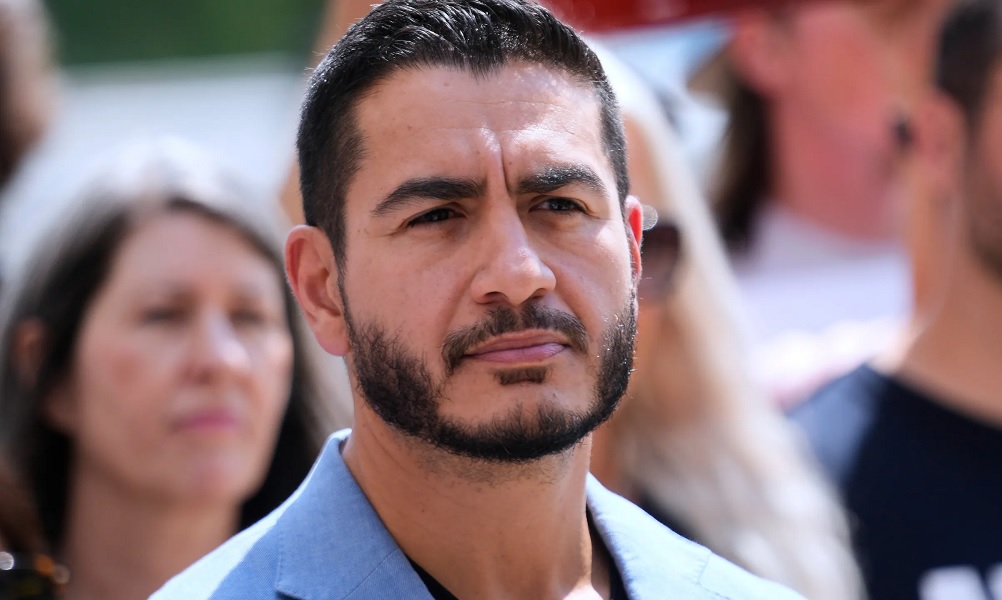
Abdul El-Sayed, the first Muslim elected to the US Senate, has called on Washington to reconsider its financial and military assistance to Pakistan and several other countries, arguing that American taxpayer money should not be used to support violations of international law.
El-Sayed, a Democrat who recently defeated Republican candidate Mike Rogers in Michigan, said the United States must ensure that its foreign assistance policies are consistent with international law.
In an interview with ABC, he stressed that the issue should not be limited to Israel, but should also include Pakistan, Egypt and Jordan.
“When we are giving money to a country that is using our money to violate international law, that seems to me a good place to start,” El-Sayed said.
His remarks come after US President Donald Trump announced plans to end approximately $4 billion in annual military assistance to Israel by the end of the year.
El-Sayed welcomed Trump’s proposal to reduce military aid to Israel, saying he agreed with the president’s approach.
He also called for restrictions on US arms sales to Israel, alleging that some American-supplied weapons were being used in actions involving what he described as genocide and apartheid.
The United States currently provides Israel with $3.8 billion in annual military assistance under an agreement that remains in effect until 2028.
However, El-Sayed’s criticism extends beyond Israel. He has also questioned US military assistance to Egypt, Saudi Arabia, Jordan and Pakistan, arguing that American taxpayer money should instead be directed towards domestic priorities.
World
Houthi-run health ministry says airstrikes kill 33 near Yemen capital
The ministry said the strikes hit homes in the town of Bani Hushaysh, a Houthi stronghold east of Sanaa, and that most of those killed were women and children.
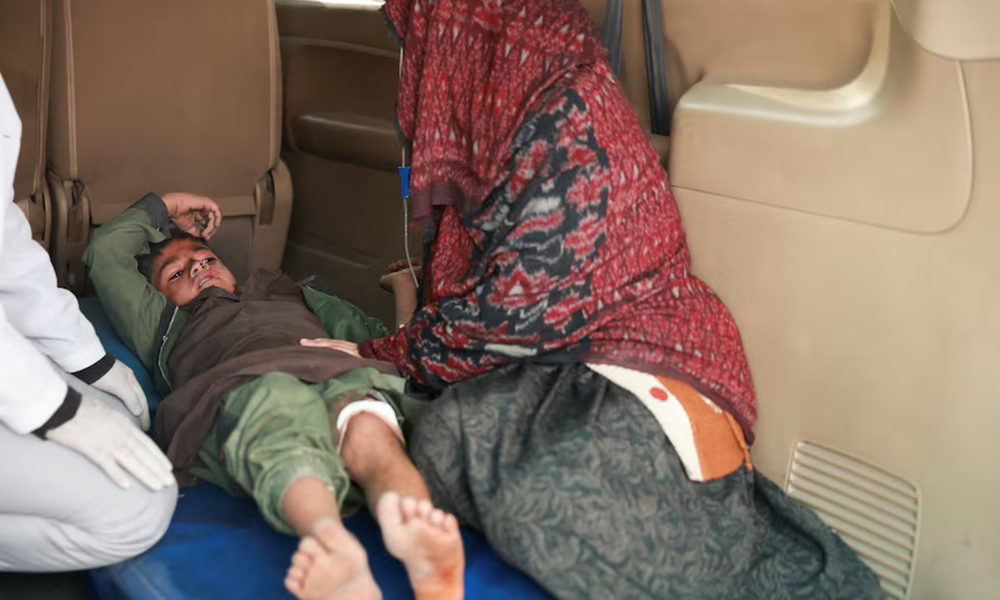
At least 33 people were killed and 39 wounded in what the Houthi-run Saba news agency said were Saudi airstrikes on a village near Yemen’s capital Sanaa on Saturday, in one of the deadliest reported attacks since fighting between Saudi Arabia and the Iran-aligned group resumed in July.
Reuters could not independently verify the account. Saudi Arabia’s Center for International Communication said it was investigating the report.
The renewed fighting between Saudi Arabia and the Houthis has shattered a 2022 UN-brokered truce that largely halted attacks between the Saudi-led coalition and the group, which controls Sanaa. The Houthis have since launched missile and drone attacks on Saudi airports and oil facilities, while Riyadh has carried out airstrikes in Yemen in support of its Yemeni allies.
The ministry said the strikes hit homes in the town of Bani Hushaysh, a Houthi stronghold east of Sanaa, and that most of those killed were women and children.
Abdul-Aziz al-Dailami, director of Sehatuna Hospital in Sanaa, said many victims remained trapped under the rubble, including first responders.
“The strikes keep coming. Just as rescuers arrive, another strike hits. We have even lost some of our own medical responders, who have been martyred,” he told Reuters.
“We received a number of wounded individuals in very critical condition, with injuries to the head, chest and legs, as well as fractures,” al-Dailami added.
The fighting, a spillover from the wider US-Iran conflict, has revived a complex 12-year war in Yemen that has caused one of the worst humanitarian crises globally and fragmented the Arab world’s most impoverished country.
The number of people displaced since the latest round of fighting began has climbed to more than 200,000, the International Organization for Migration said in October.

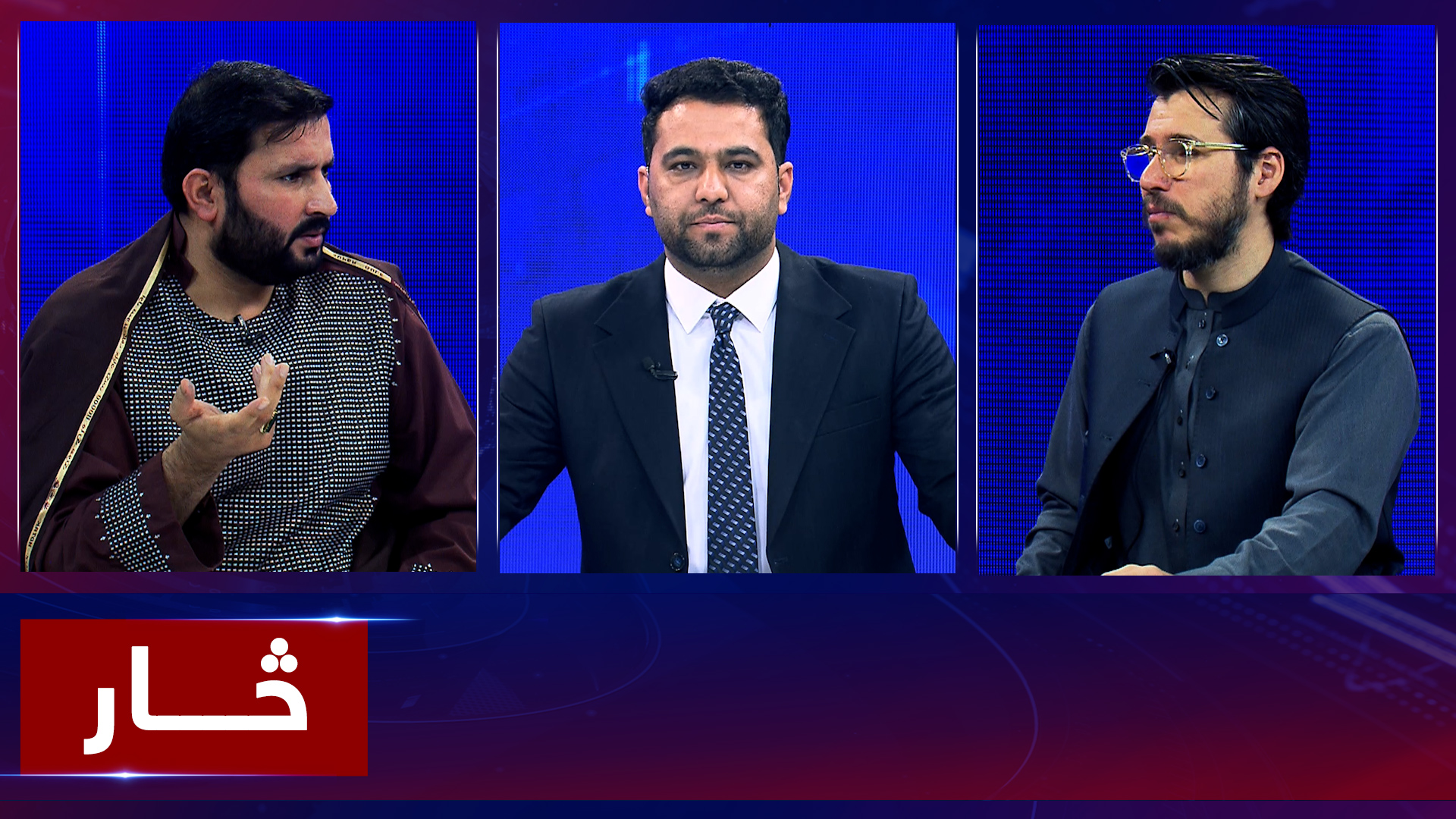
Saar: Afghanistan’s situation in focus at CSTO discussed

Abu Muslim Farah edge Arman FC with 1-0 victory in ACL match
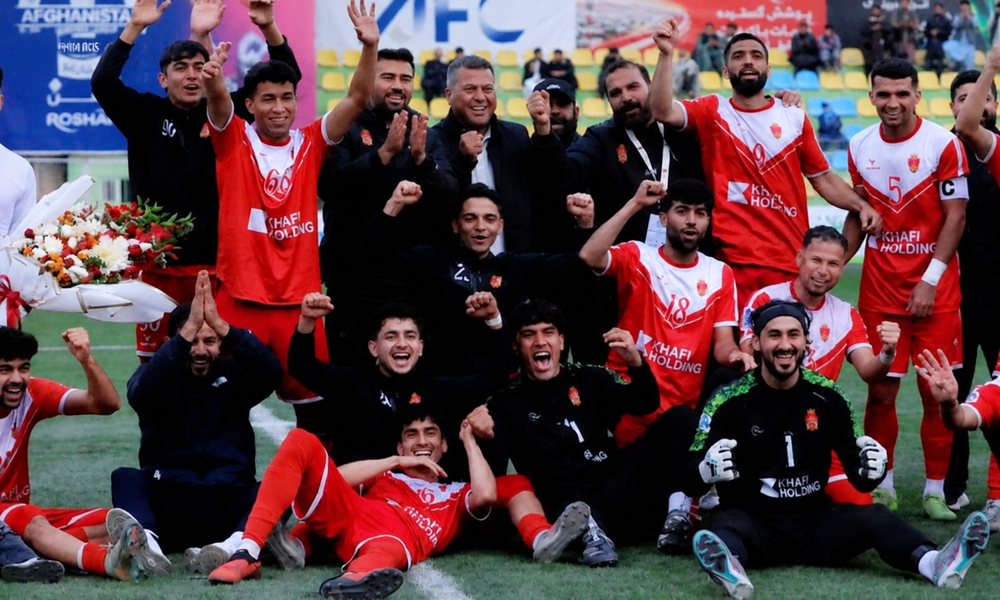
Sorkh Poshan Khafi secures ACL title with crushing 7-0 win over Khurasan Faryab
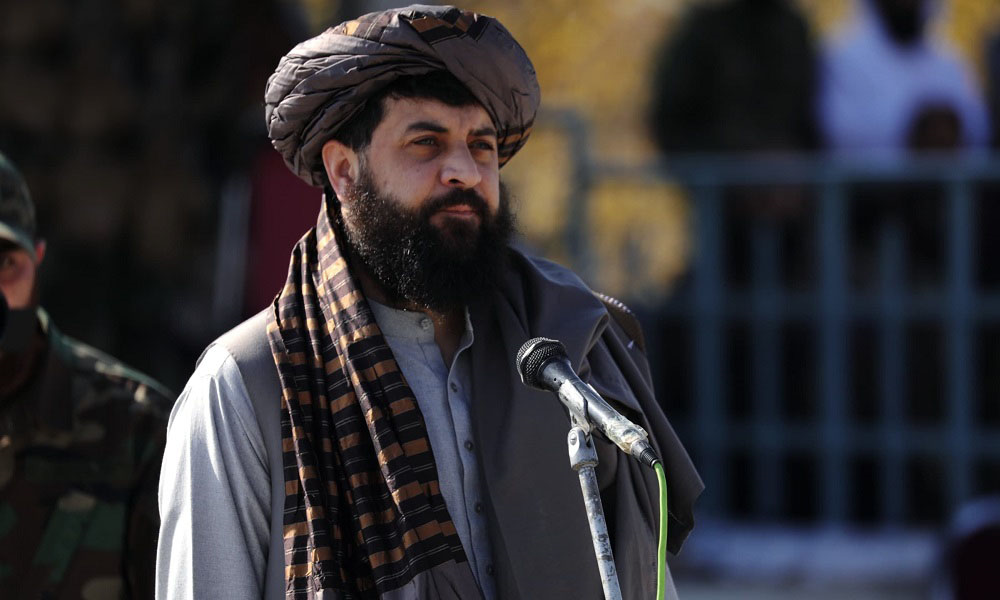
Afghanistan now has unified central government: IEA defense minister

Baradar approves action plan for establishing special economic zones

Afghanistan finish runners-up after 6-0 defeat to Brazil in futsal final

Trump says US may strike Iran’s ‘Pickaxe Mountain’ nuclear facility

Afghan futsal coach: Brazil tournament is first step towards new goals and World Cup

Violent protests spread across Europe as Albanian PM blames ‘foreign hand’

Rubio heads to Central Asia while other US officials hit foreign policy hot spots
Saar: Afghanistan’s situation in focus at CSTO discussed

Tahawol: Efforts to halt deportation of Afghan refugees from US discussed
Saar: Russia’s stance on Afghanistan discussed

Trump says further US attacks on Iran ‘highly unlikely’ as peace talks gain momentum
Tahawol: Geopolitical developments in the Middle East
-
 Sport3 days ago
Afghanistan’s record partnership highlights fourth day of Test against Zimbabwe
-
World3 days ago
Houthi-run health ministry says airstrikes kill 33 near Yemen capital
-
 Sport4 days ago
Toofan Herat defeat Arman FC 2–0 in Afghanistan Champions League
-
 Sport3 days ago
Afghanistan thrash Senegal 6-0 to reach Dakar Youth Olympics futsal semi-finals
-
 Regional5 days ago
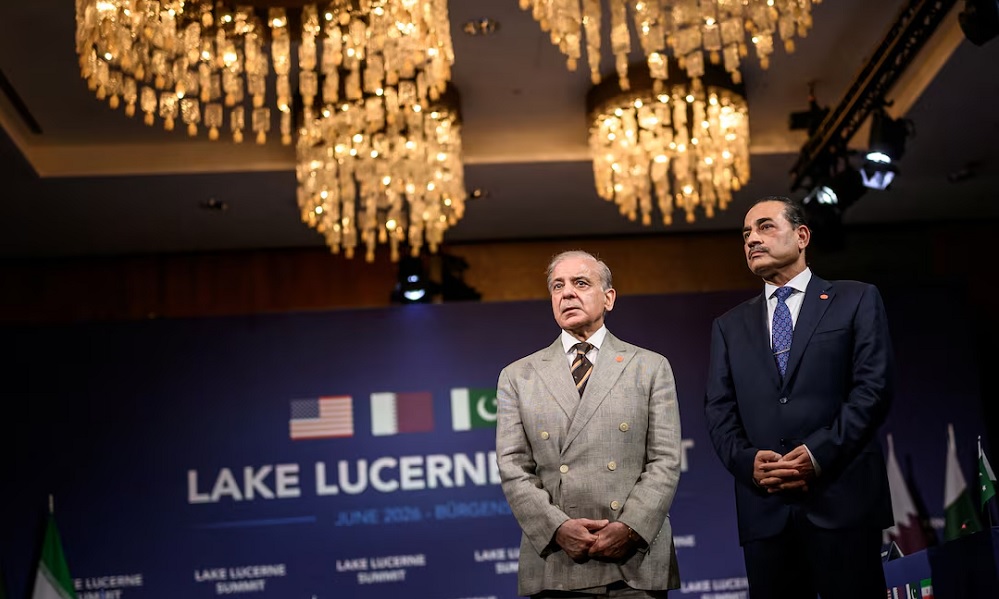
Pakistan’s leaders dread US Democrats’ win but its households are praying for it
-
 Sport2 days ago
Portugal beat Afghanistan 2-0 in Dakar Youth Olympics futsal semi-finals
-
 Business4 days ago
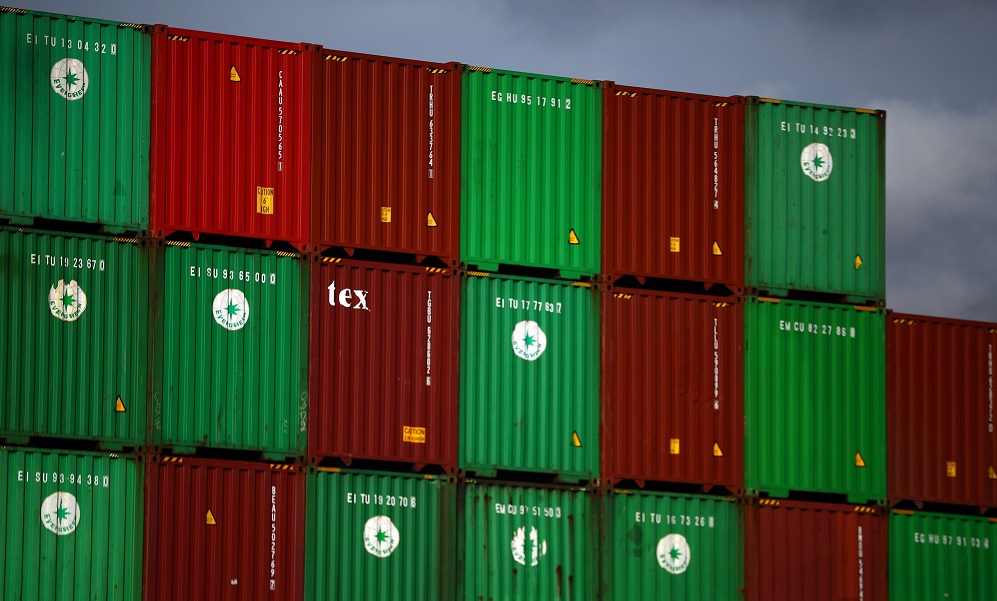
UK-Afghanistan trade falls 16.7% to £70 million over 12 months
-
 Regional4 days ago
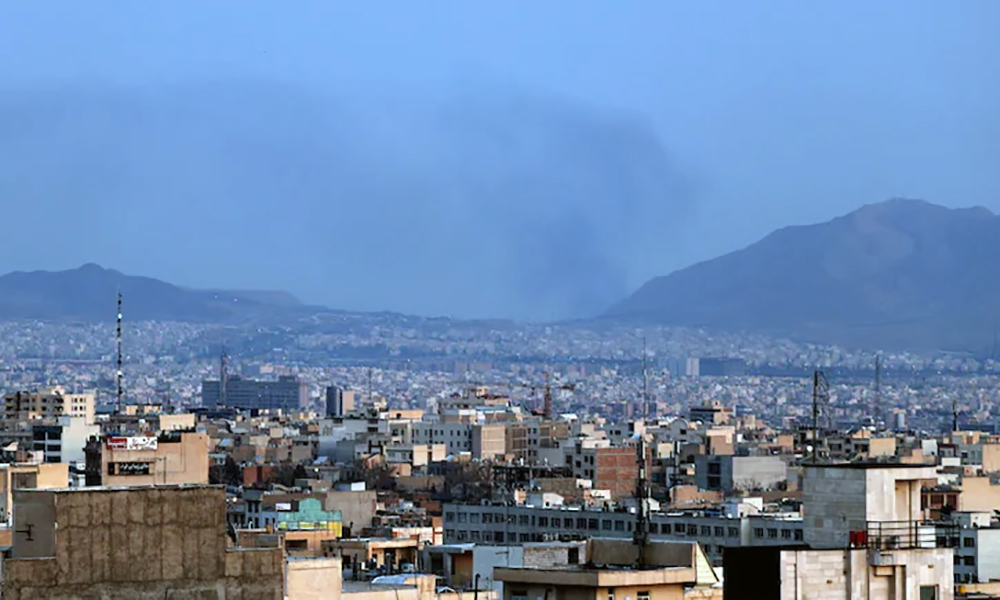
Explosions heard in areas in southern Iran, Iranian media report