
Latest News
2023 marred by ‘tremendous challenges’ for Afghanistan

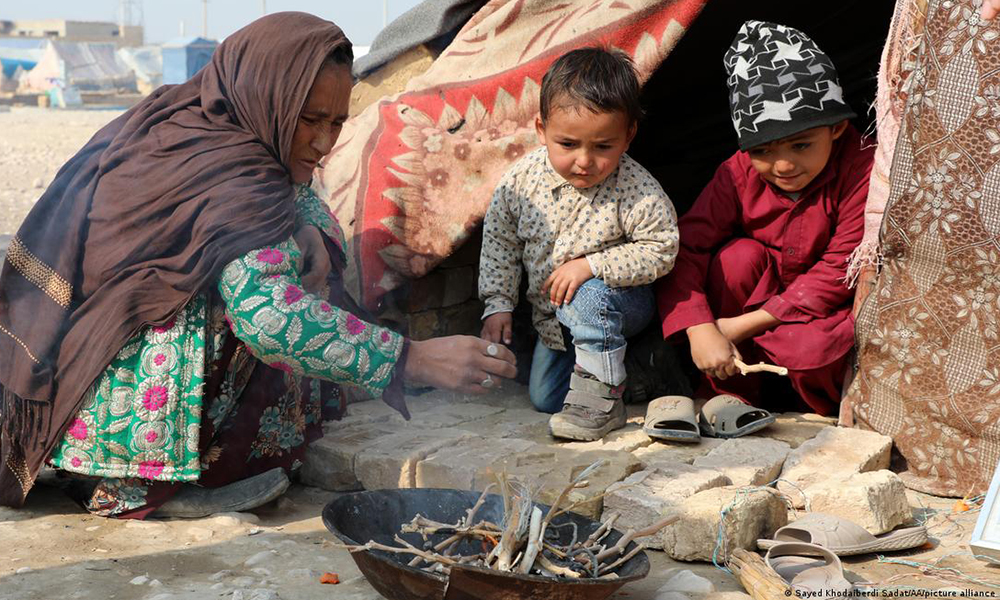
Last year, 2023, was a year of “tremendous challenges” for the people of Afghanistan, but it was also a year marked by resilience and determination, the Deputy Special Representative of the Secretary-General, Resident and Humanitarian Coordinator, Indrika Ratwatte, said in the UN’s annual report on Afghanistan that was published this week.
Ratwatte said: “In the face of adversity and multiple concurrent shocks, the people of Afghanistan have demonstrated remarkable courage and strength.”
Afghans now mention access to food as their most pressing need, he said adding that “unable to pay for or produce basic sustenance, millions face hunger and malnutrition.”
In 2024, an estimated 15.8 million people will experience crisis and emergency levels of food insecurity.
The majority of the population is unable to procure basic needs such as healthcare, food, livelihoods, and housing, the report stated.
The UN found that the country also remains vulnerable to climate change.
Following the worst drought in three decades, emerging El Niño conditions now threaten a new cycle of flooding and crop pests. In this context, lifesaving humanitarian aid has been crucial in preventing the collapse of the social fabric. It has also served to underpin the stability of the economy. Despite growing humanitarian needs, relevant funding cuts have forced humanitarian actors to prioritize the most vulnerable further, the report stated.
A Gallup poll found that 95 percent of the population consider themselves to be suffering. In addition to living in poverty, the average life expectancy in Afghanistan has been falling for the past five years.
The Herat earthquakes and unprecedented large-scale returns of refugees from neighbouring countries, including Pakistan and Iran, have shown the disruptive impact of recurrent shocks and underscored the need for sustained international engagement and support, the UN stated.
“As we embark on the next chapter, in 2024, it is imperative that we remain steadfast in our commitment to the principles of human rights, gender equality, and women’s Empowerment,” Ratwatte said.
“We will continue to include women as key partners in our work, to provide assistance ‘by women, for women’, and to tirelessly work for equal access to education in line with the demands we hear from Afghans in all areas of the country,” he said.
However, from an economic point of view, Afghanistan’s economy appears to be stabilizing at a low equilibrium level following a period of significant contraction since 2021.
The UN said in the report that growth barriers include severely restricted operations in the banking sector (including microfinance institutions), trade disruptions, and institutional issues hindering service delivery, including in the private sector.
“The sudden cessation of a significant amount of international aid and grants, which had accounted for 40 percent of the country’s Gross Domestic Product (GDP), along with a freeze on international reserves amounting to about US$9 billion and the imposition of international sanctions, caused a severe balance of payments, banking and payment systems crisis.
“Notably, financial restrictions have removed liquidity from the banking system,” the report stated.
Despite the crisis and a period of devaluation towards the end of the year, the AFN is 20 percent stronger than it was in 2021 due to currency export controls, UN cash shipments of US dollars into Afghanistan, and personalremittances.
Imports continued to surpass exports through 2023 and increased as the economy contracted.
“This appears to be a paradox: the currency appreciated while the trade deficit widened, suggesting that there might be other unidentified sources of financing besides US dollar cash shipments and remittances to support the account deficits,” the report read.
The UN also said that with its partners, it will work to initiate a dialogue with the Islamic Emirate on adjustments to regulatory frameworks and sustained public service delivery with the aim of creating a long-term and sustainable pathway to reduce aid dependency and put Afghanistan back on a path towards development
“In this regard, we reiterate our offer to the DFA for a dialogue and will work jointly with international partners, donors, and Afghans on how such engagement can be structured in a most productive way.”






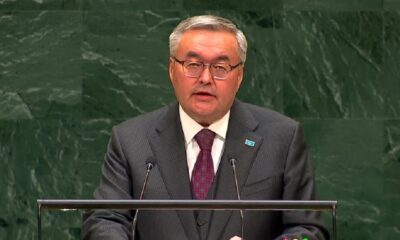

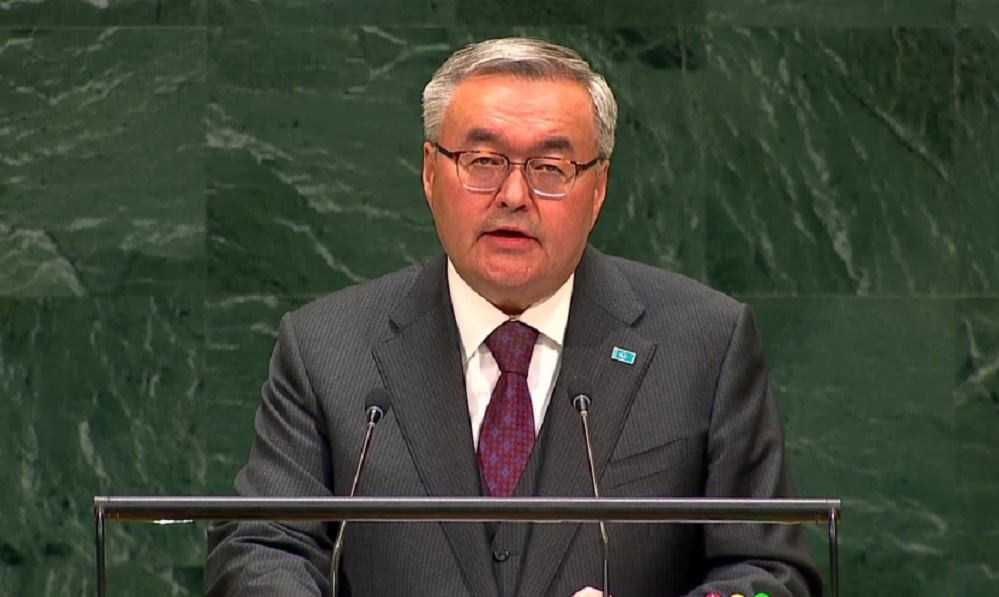
Kazakhstan’s Foreign Minister Mukhtar Tileuberdi has called for pragmatic and coordinated international engagement with Afghanistan, saying the country’s long-term stability is closely linked to the security and sustainable development of Central Asia.
Speaking during the general debate of the 81st session of the United Nations General Assembly in New York on Friday, Tileuberdi said humanitarian assistance to Afghanistan remains essential but alone cannot break the cycle of poverty, displacement and dependency.
He said Kazakhstan supports a “pragmatic, coordinated and step-by-step” approach to international engagement with Afghanistan, with the United Nations playing a central role.
Tileuberdi also said Kazakhstan is working with the UN to operationalize the United Nations Regional Centre for the Sustainable Development Goals for Central Asia and Afghanistan in Almaty.
He said the success of the centre should be measured by the results and assistance it delivers to the region.


Saar: Concerns over Pakistan’s political crisis discussed

Afghanistan Champions League: Omar Zawak Herat beat Toofan Herat 1-0

Blast in Pakistan’s Dera Ismail Khan kills 11, injures 30

Ariana Afghan Airlines increases Kabul-Delhi cargo flights

Khalilzad questions Pakistan’s commitment to Afghan welfare

Saudi energy group signs major Afghanistan deals covering gas exploration and pipeline plans

Trump floats idea of renaming Atlantic or Pacific Ocean

US hits Egyptian bank branches with Iran sanctions as war marks six months

Nepal flood rescue mission enters critical phase as thousands remain missing

Iranian clubs to face Gulf opponents at neutral venues in Asian Champions League Elite
Saar: Concerns over Pakistan’s political crisis discussed

Exclusive interview with Abdul Latif Mansoor, Minister of MRRD

Tawsia: Overview of Afghanistan’s iron mines

Tahawol: Discussion on fresh Pakistani airstrikes on Afghanistan

Saar: Calls for international support for Afghanistan discussed
-

 World5 days ago
CNN, MS NOW and Politico sue Trump, challenging White House ban
-

 Latest News3 days ago
Ariana Afghan Airlines ranks seventh among 45 Central Asian airlines
-

 Latest News4 days ago
UN reiterates call for respect for international law after Kunar airstrikes
-
 Latest News5 days ago
Khalilzad condemns Pakistan airstrikes, says current strategy is not working
-

 Regional3 days ago
US and Iran hold first talks since June after Trump’s ‘annihilation’ threat
-

 Latest News3 days ago
Silk Road highway in Wakhan corridor now reaches the China border
-

 Latest News4 days ago
Afghan Official: Pakistan’s airstrikes will not go unanswered
-

 Sport4 days ago
Afghan boxing referee heads to China for international festival