
Latest News
West claims IEA letter to US Congress ‘misconstrued the facts’

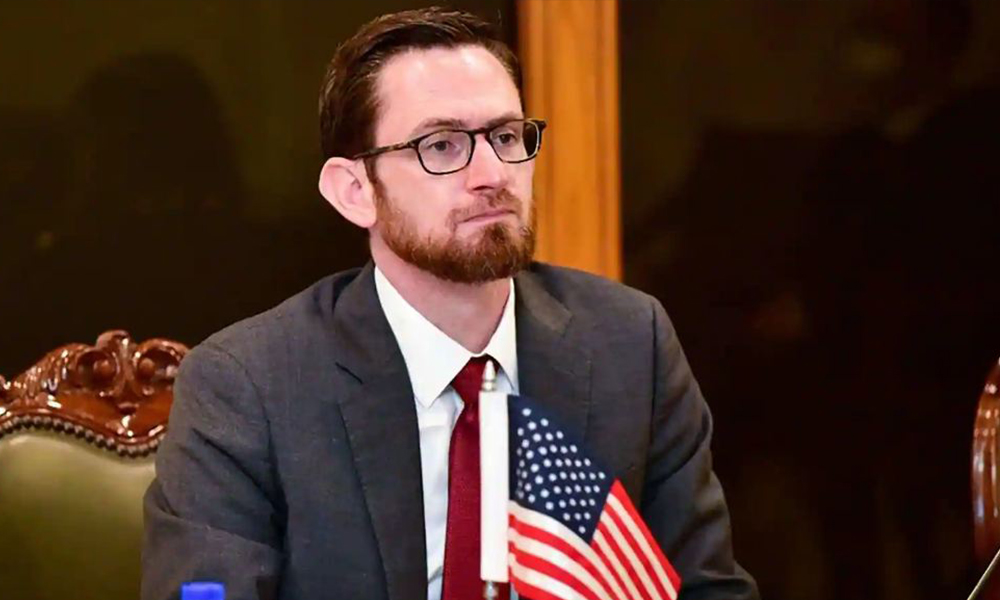
US Special Representative for Afghanistan Thomas West said on Friday the Islamic Emirate of Afghanistan’s (IEA) letter to Congress this week “misconstrued the facts” about the country’s economic and humanitarian crises.
In a series of tweets, West said: “The Taliban’s (IEA) letter to Congress earlier this week misconstrued the facts re Afghanistan’s economic & humanitarian crisis. Afghanistan was unfortunately already suffering a terrible humanitarian crisis before mid-August, made worse by war, years of drought, & the pandemic.”
This comes after Afghanistan’s acting foreign minister Mawlawi Amir Khan Muttaqi warned Wednesday that continued “sanctions” will not help the current situation and could instead lead to a major crisis including a mass migration.
In a letter addressed to the United States Congress, Muttaqi said after suffering decades of war, the Afghan people now “have a right to financial security.”
“Currently the fundamental challenge of our people is financial security and the roots of this concern lead back to the freezing of assets of our people by the American government,” he said.
He also said that following the signing of the Doha Agreement in February last year, the Islamic Emirate of Afghanistan (IEA) “no longer find ourselves in direct conflict with one another nor are we a military opposition, what logic could possibly exist behind the freezing of our assets?”
However, West said on Friday that “U.S. officials made clear to the Taliban (IEA) for years that if they pursued a military takeover rather than a negotiated settlement with fellow Afghans…then critical non-humanitarian aid provided by the international community – in an economy enormously dependent on aid, including for basic services – would all but cease. That is what occurred.”
He said the U.S. would “continue clear-eyed, candid diplomacy with the Taliban (IEA). Legitimacy and support must be earned by actions to address terrorism, establish an inclusive government, and respect the rights of minorities, women and girls – including equal access to education and employment.”
West also stated that the U.S. will continue to support the Afghan people with humanitarian aid. “We’ve provided $474 million this year, applaud the robust efforts of Allies and partners in this space, and are making every effort to help the UN and humanitarian actors scale up to meet needs this winter,” he said.


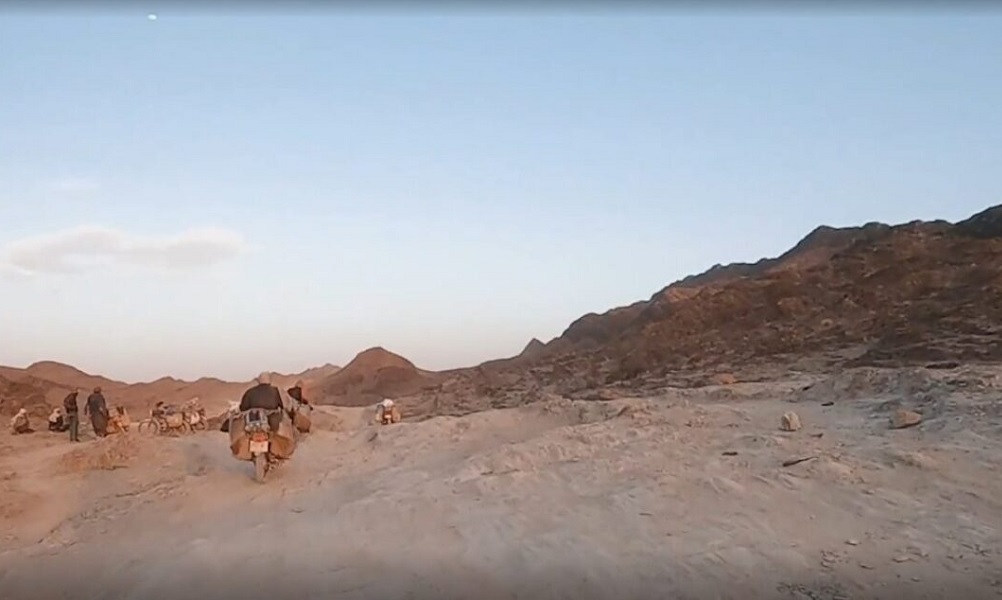
Three Afghan migrants, including a woman and a child, have been killed in a shooting by Iranian forces in Iran’s southeastern Sistan and Baluchestan province, according to the human rights organization Haalvsh.
The incident took place on Friday, November 20, in the Kalleh-Gan area of Saravan. Haalvsh said all three victims were shot in the head.
Citing local sources and eyewitnesses, the organization reported that the bodies were covered with a pile of stones after the shooting. Other Afghan migrants passing through the area later discovered the bodies.
The identities of the victims have not yet been established.
Latest News
OIC contact group discusses roadmap for phased engagement with Afghanistan’s authorities
Participants further discussed the importance of maintaining direct and constructive dialogue with Afghanistan’s authorities on issues of shared interest.
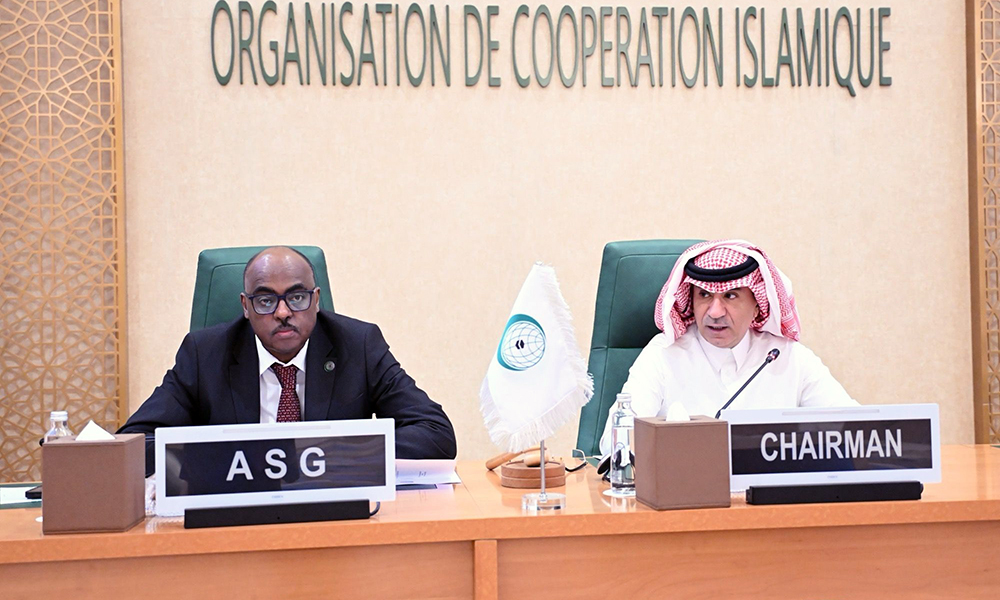
The Ministerial Contact Group of the Organization of Islamic Cooperation (OIC) on Afghanistan has held a preparatory technical meeting in Jeddah to discuss a roadmap outlining a structured and phased approach to engagement with Afghanistan’s authorities.
During the meeting, participants reviewed key issues concerning the OIC’s position on Afghanistan’s evolving political and humanitarian situation and explored ways to establish a systematic framework for communication and engagement with the country’s current authorities.
According to the OIC, the proposed roadmap is intended to guide the Contact Group’s engagement in a manner that serves the interests of the Afghan people while contributing to stability and development in the country.
The meeting also focused on identifying priority areas for the Group’s work, particularly the implementation of relevant resolutions adopted by the OIC Council of Foreign Ministers.
Participants further discussed the importance of maintaining direct and constructive dialogue with Afghanistan’s authorities on issues of shared interest.
The meeting forms part of the OIC’s efforts to establish a coordinated approach to its engagement with Afghanistan amid ongoing political and humanitarian challenges.
Latest News
Islamic Emirate disputes UN report on Afghanistan opium cultivation
The Islamic Emirate has repeatedly maintained that its ban on narcotics remains in force and that counter-narcotics operations are continuing across the country.
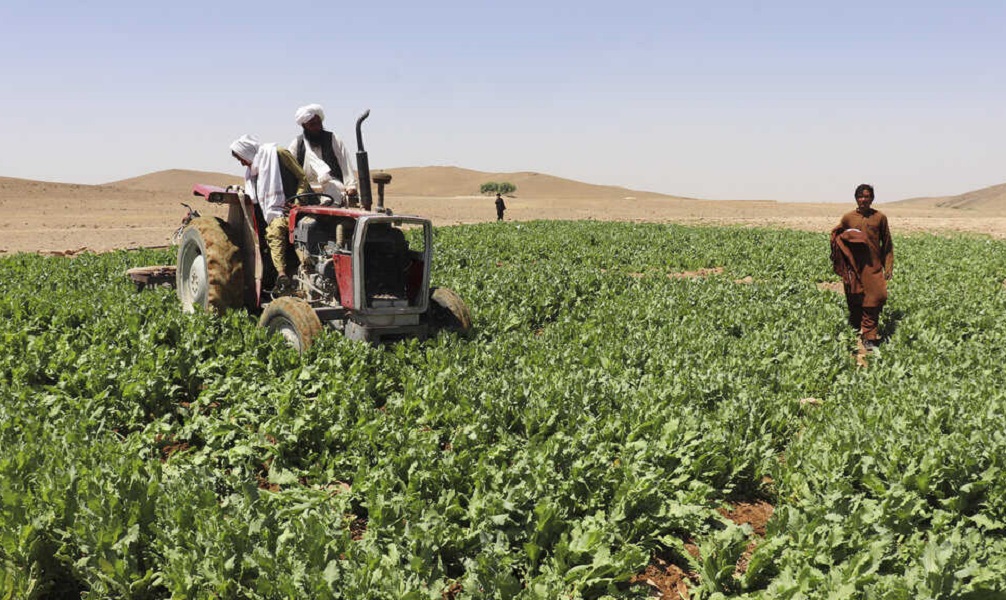
The Islamic Emirate of Afghanistan has disputed a new United Nations report estimating a sharp increase in opium poppy cultivation in 2026, saying the findings do not accurately reflect the results of its nationwide counter-narcotics operations.
The Afghanistan Opium Survey 2026, published by the United Nations Office on Drugs and Crime (UNODC), estimates that poppy cultivation has increased to more than 43,000 hectares, compared with approximately 10,000 hectares in 2025.
The report also estimates that opium production has risen to nearly 1,500 tonnes, up from around 300 tonnes last year. It identifies northeastern Afghanistan, particularly Badakhshan and Takhar, as major cultivation centres.
However, the Ministry of Interior has challenged the figures, arguing that the survey does not adequately account for eradication operations carried out by Afghan authorities.
The ministry said its counter-narcotics campaign had resulted in the destruction of poppy cultivation across approximately 23,000 hectares of land during 2026, maintaining that its own assessments show cultivation has been reduced to almost zero.
The UNODC report attributes the reported increase partly to economic pressures on farming communities and limited alternative livelihood opportunities. It also notes that cultivation remains significantly below pre-ban levels, when more than 200,000 hectares were planted with opium poppy.
The Islamic Emirate has repeatedly maintained that its ban on narcotics remains in force and that counter-narcotics operations are continuing across the country.
The differing assessments highlight a gap between the UN’s estimates and the figures presented by Afghan authorities, as Afghanistan continues its efforts to eliminate narcotics cultivation while addressing the economic challenges facing rural communities.

Three Afghan migrants, including woman and child, killed in Iran border shooting

Saar: Pakistan FM’s remarks on Afghanistan
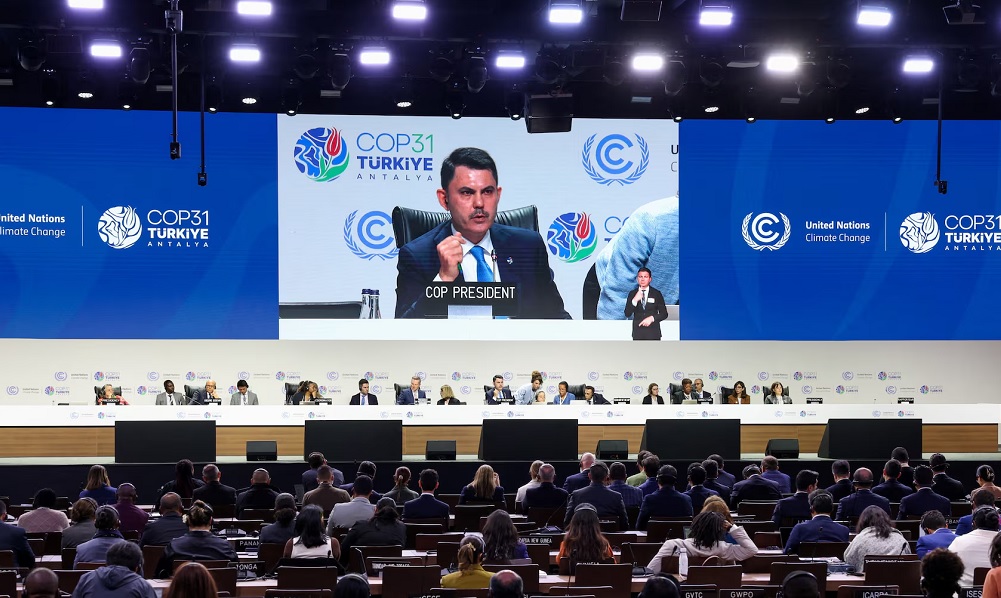
COP31 climate talks collapse as EU and others reject deal
OIC contact group discusses roadmap for phased engagement with Afghanistan’s authorities
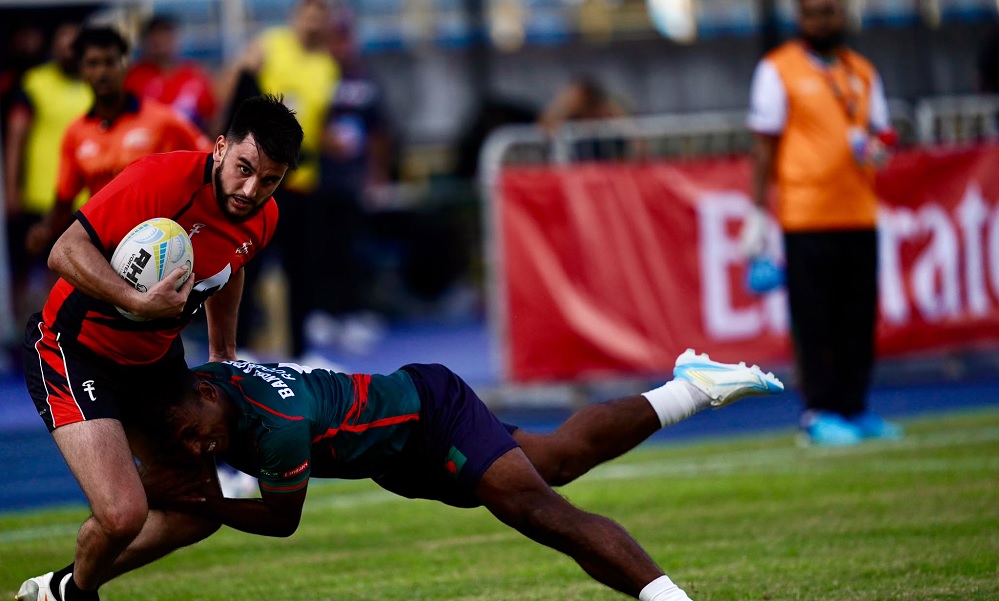
Afghanistan wins bronze at Asia Rugby Sevens Trophy 2026

US sanctions and blockade measures disrupt Iran’s trade with Afghanistan and regional neighbors
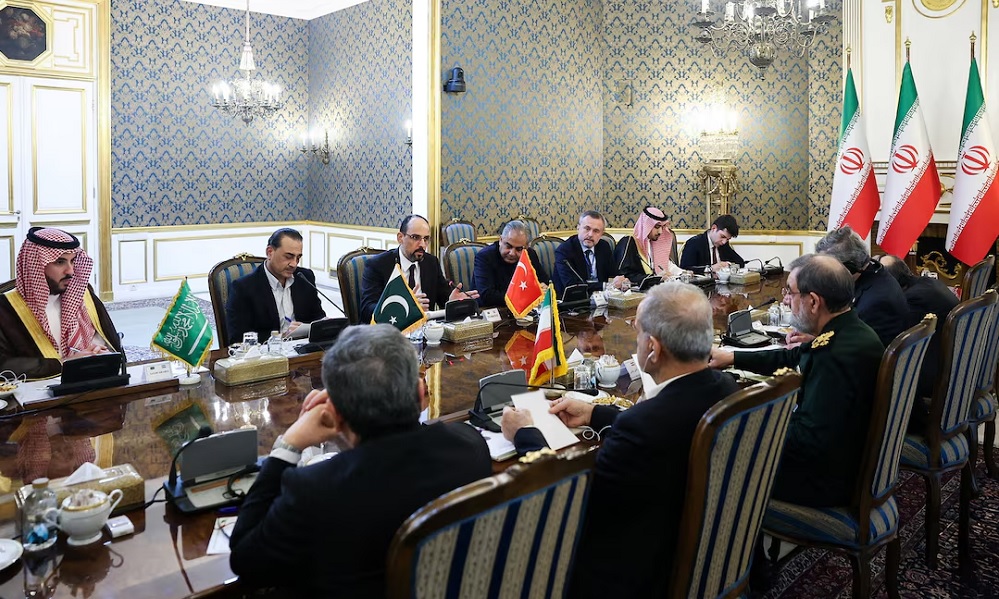
Saudi defence pact countries push for peace in Tehran as Houthis launch more attacks

England forward Kane crowned Ballon d’Or winner

Afghanistan to launch nationwide polio vaccination campaign

Afghanistan urges polio vaccination as cases reach 42
Saar: Pakistan FM’s remarks on Afghanistan
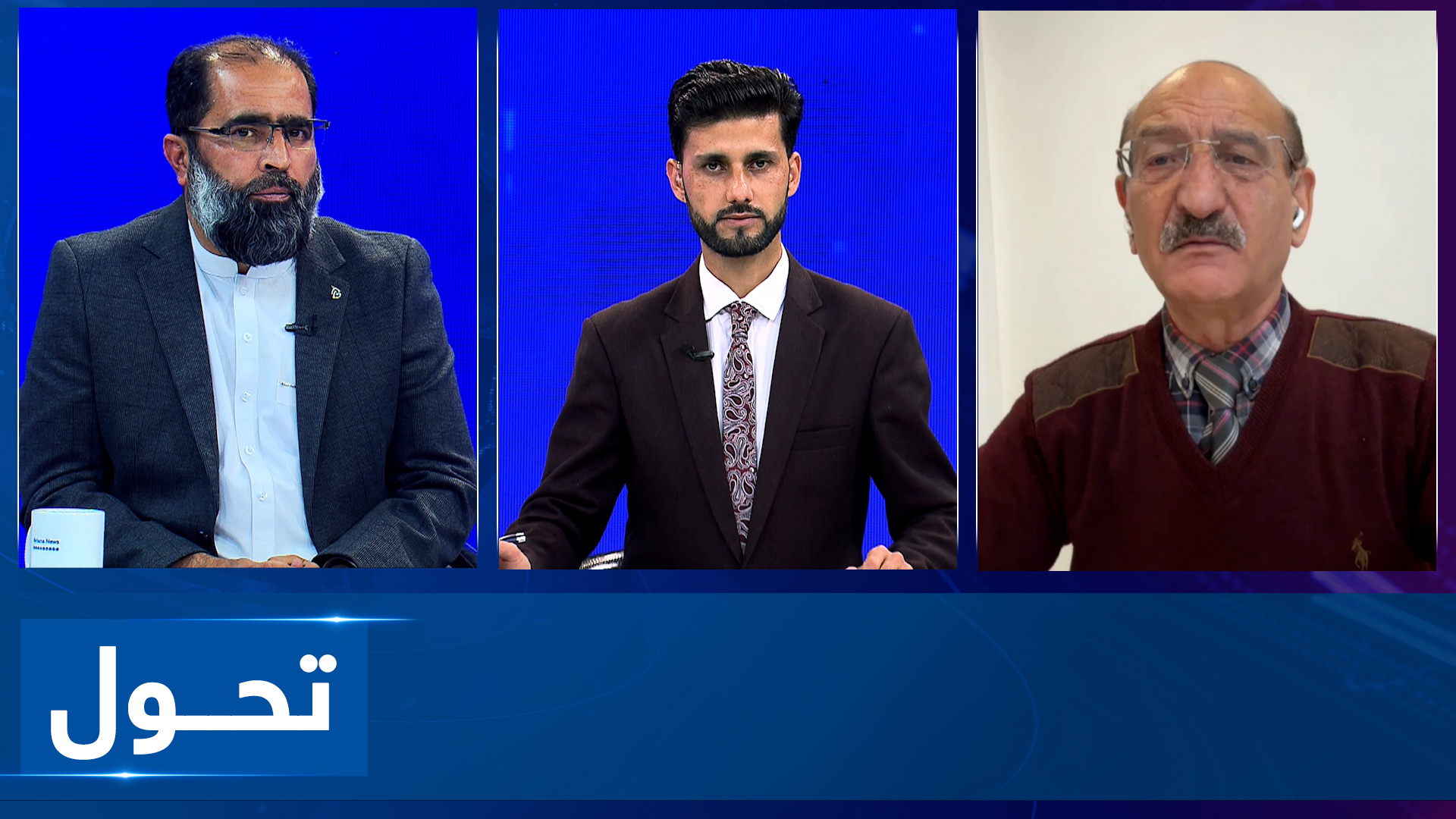
Tahawol: World Television Day discussed
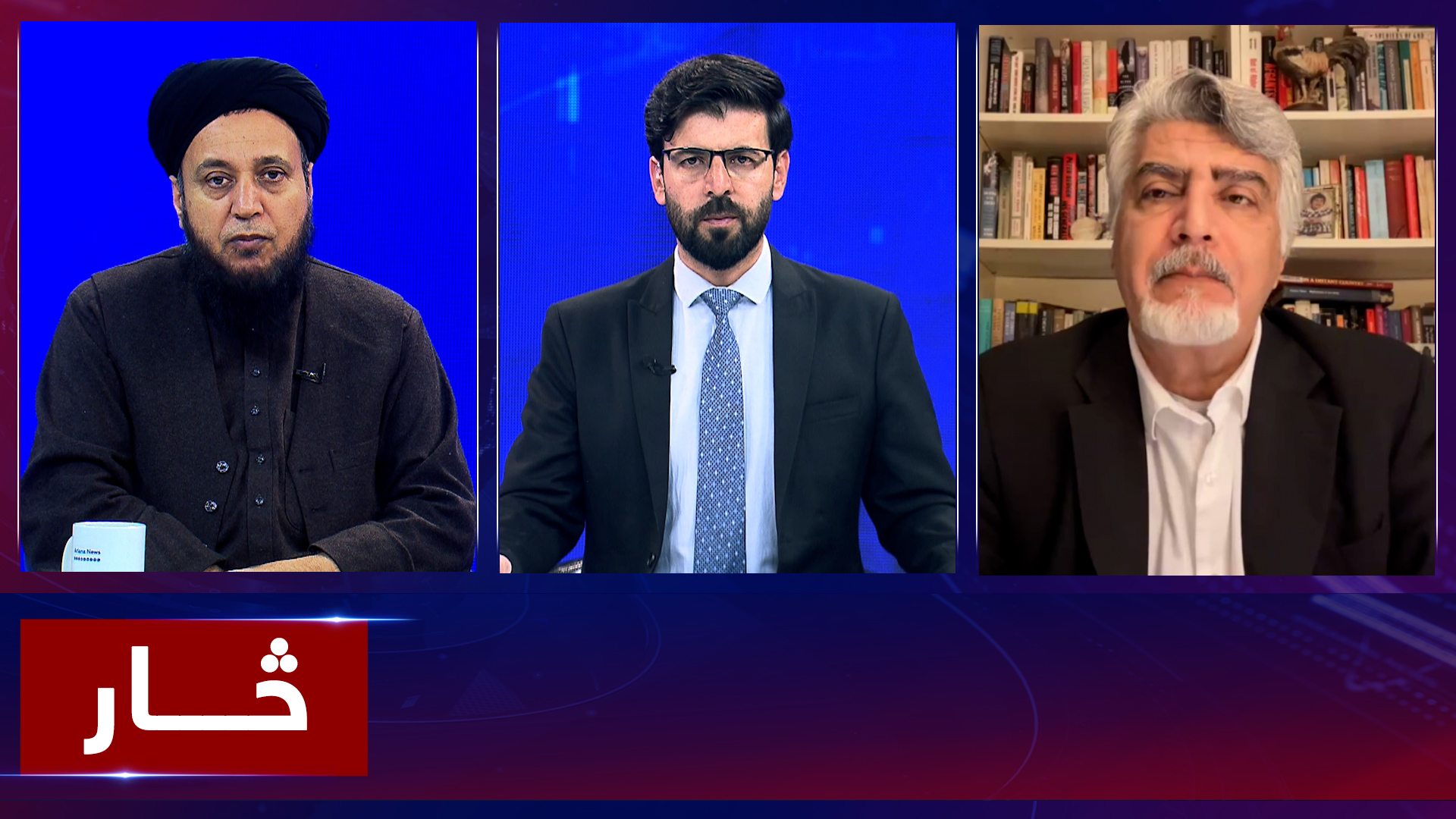
Saar: Efforts to resolve Afghanistan-Pakistan tensions in Moscow reviewed
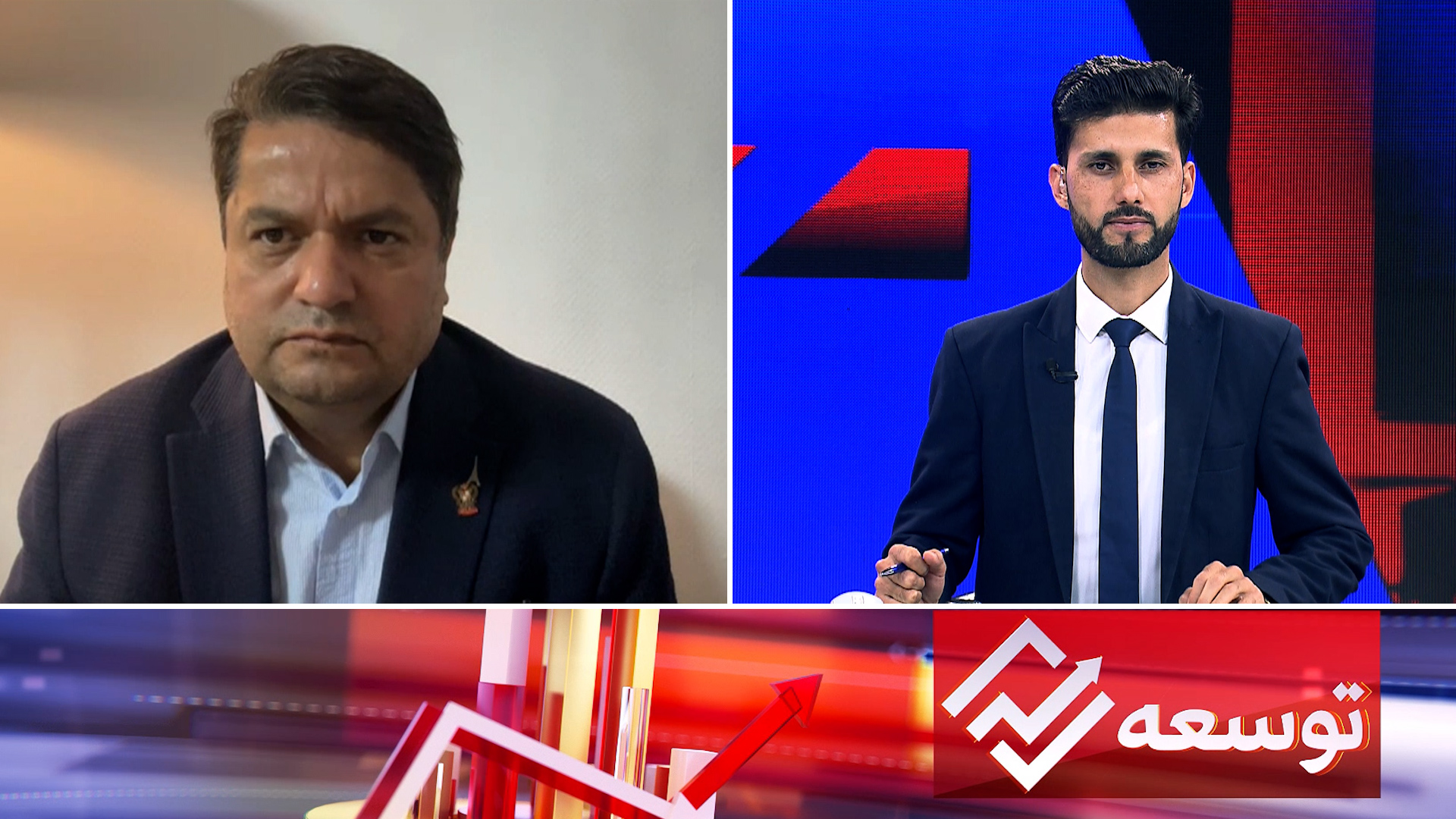
Tawsia: Afghanistan’s key economic highlights of the week discussed
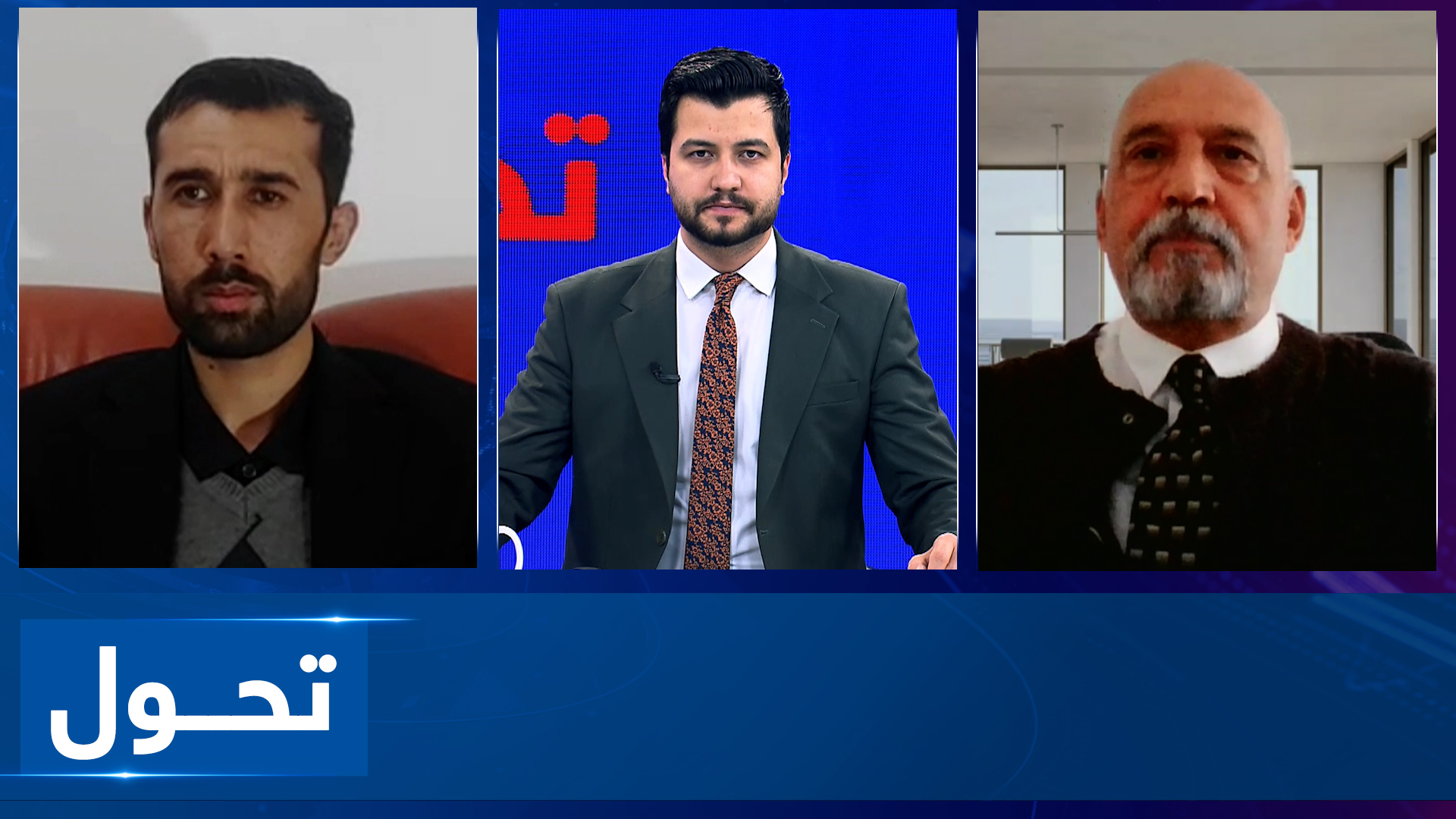
Tahawol: Kazakhstan’s call for practical international engagement with Afghanistan
-
 Sport4 days ago
ATN to broadcast AFC Awards honoring Asia’s football stars
-
 Regional5 days ago
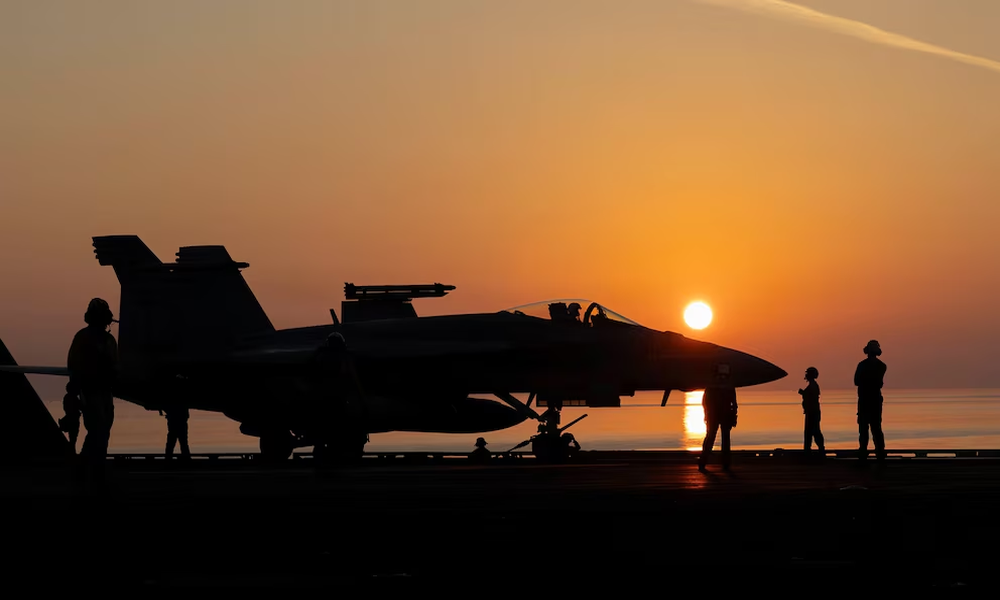
US strikes Iranian military site as Gulf states report fresh attacks
-
 Latest News5 days ago
Afghanistan’s economy grows despite rising food insecurity and water crisis: World Bank
-
 Latest News4 days ago
Two Afghan nationals convicted over sexual assault of 14-year-old girl on UK train
-
 Business5 days ago
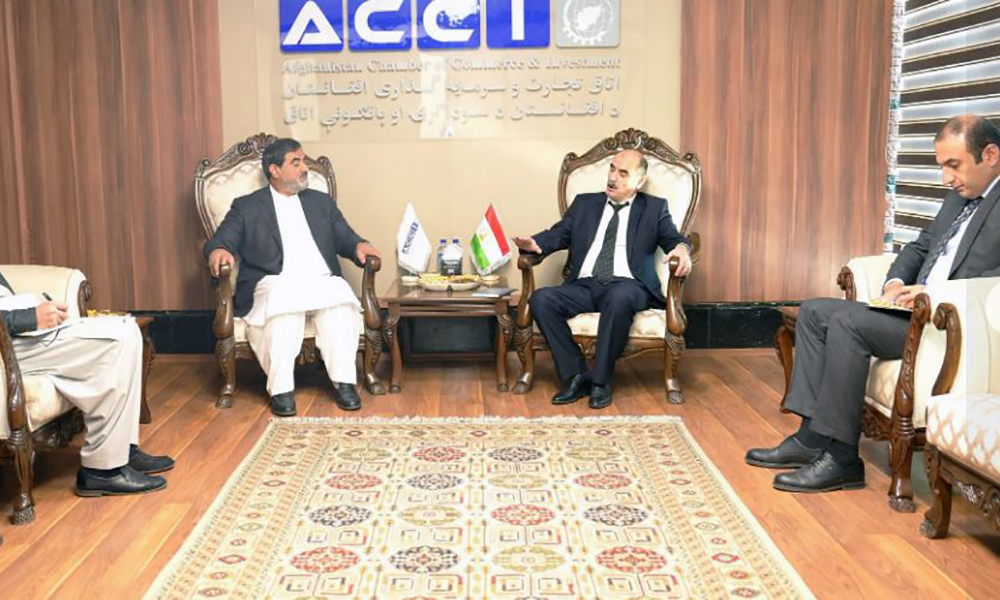
Tajikistan seeks to establish joint market along border with Afghanistan
-
 Latest News5 days ago
Pakistan invites Turkmenistan to join CASA-1,000 power project
-
 Sport4 days ago
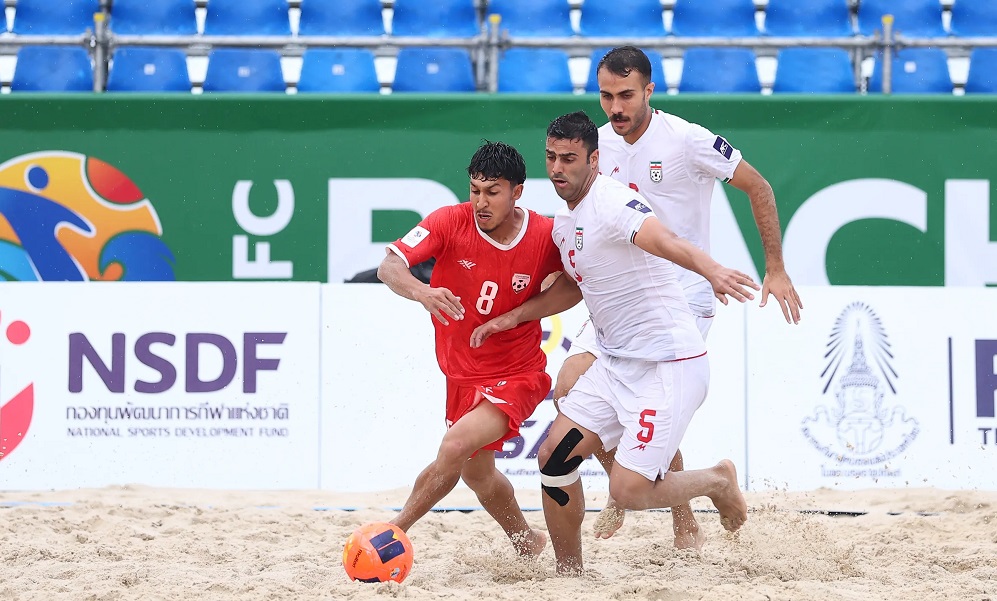
Afghanistan suffer 9-2 defeat to Iran in Beach Soccer Asian Cup opener
-
 Science & Technology4 days ago
North Korea shows off AI chatbot at IT exhibition