
World
Malaysia says it will resettle 10,000 Rohingya refugees in Turkey

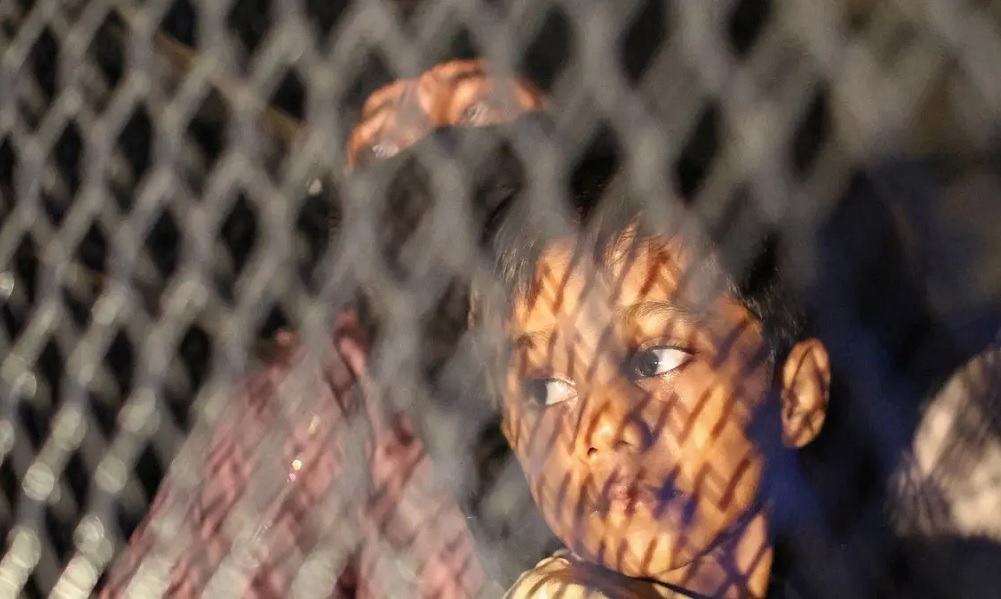
Malaysia said on Friday that it will resettle 10,000 Rohingya refugees in Turkey through a structured skills training programme, in what would be one of the biggest resettlement initiatives involving the Rohingya since a military crackdown on their native Rakhine state in 2017.
The plan announced by Malaysian Deputy Prime Minister Ahmad Zahid Hamidi came a day after the International Court of Justice ruled that the killings and widespread sexual violence against the Rohingya people by Myanmar’s security forces in 2017 amounted to state-sponsored genocide, Reuters reported.
The proposal is part of the government’s efforts to address the Rohingya refugee situation in Malaysia in a more “coordinated, effective and humane manner”, Ahmad Zahid said in a statement.
“I welcome the government of Turkey’s agreement to receive 10,000 Rohingya refugees. This marks an important step in Malaysia’s efforts to find a long-term solution to an issue that has long posed challenges for migration management and national security,” he said.
Ahmad Zahid said the initiative with Turkey could serve as a model for how countries can work together to manage refugee resettlement.
“The Government will work with the Turkish authorities, UNHCR and relevant agencies to coordinate participant selection, training, documentation and resettlement. Implementation will take into account industry needs, the consent of the individuals concerned and applicable international rules,” he said.
The Turkish foreign ministry did not immediately respond to a request for comment.
Malaysia has come under pressure to send Rohingya refugees back to Myanmar amid rising tensions with local communities. According to UNHCR, Malaysia had about 193,000 registered refugees from Myanmar at the end of February, around two-thirds of them Rohingya.
Malaysia has sent more than 10,000 Myanmar nationals back to their country since January.

World
Trump, Xi and Putin release ‘peace declaration’ from unprecedented summit
Trump greeted Putin as “my friend” and received a hug from Xi in the latest of the diplomatic spectacles he favors.
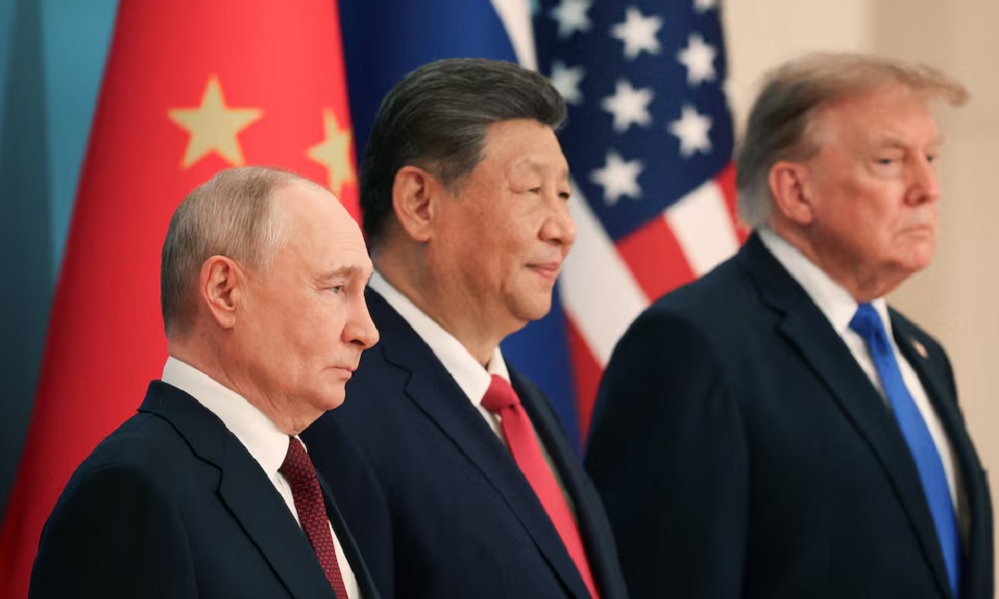
China, the United States and Russia agreed on a symbolic “peace declaration” at an unprecedented three-way summit on Thursday and reaffirmed that nuclear war should never be fought, but announced no plans for arms control talks long sought by Trump.
A joint declaration released by Chinese President Xi Jinping, US President Donald Trump and Russian President Vladimir Putin capped a three-day diplomatic swing by Trump through Asia that produced few tangible victories, despite his repeated boasts about making history and brokering peace, Reuters reported.
Instead, the trip raised fresh questions among US allies about his increasingly close relationships with Xi and with Putin, who continues to wage war against Ukraine.
Trump greeted Putin as “my friend” and received a hug from Xi in the latest of the diplomatic spectacles he favors.
Those meetings, which have included discussions with North Korean leader Kim Jong Un and summits with Putin, have drawn praise from some for his willingness to engage directly with US adversaries and criticism from others for giving autocrats a global stage.
The leaders pledged to advance reforms of the United Nations, to increase supplies of fuel products for all countries and to uphold the immunity enjoyed by state officials in international courts.
The declaration did not mention Russia’s war in Ukraine or the US conflict with Iran, and in a press conference afterwards, Putin acknowledged it did not set ambitious goals and added that nobody would be forced to comply with its decisions.
The powers “reaffirmed that a nuclear war cannot be won and must never be fought” and added that they would “conduct a dialogue on reducing nuclear risks and preventing proliferation of nuclear weapons,” without giving a time frame.
But the statement made no mention of negotiations on a trilateral nuclear arms reduction treaty, something Trump has pushed since his first term and that China has consistently rejected, arguing that its arsenal is much smaller than those of the other powers.
Trump referred to nuclear weapons at the start of the meeting, saying: “It’s not an easy thing to do – give them up.”
He told NBC afterwards that it “went great.”
“On a scale of zero to 10, I think it was a 12,” he said. “Fantastic relationships built.”
In a post on his Truth Social platform, Trump said he would hold a news conference in Washington at noon (1700 GMT) on Friday.
China’s Foreign Minister Wang Yi said the countries would maintain coordination at working level after the “peace summit.”
Analysts said Trump came to Shenzhen seeking to bolster his standing after his Republican Party lost control of Congress in midterm elections this month.
Trump told Reuters the Shenzhen summit was “bigger than Yalta,” referring to the 1945 conference between the US, Britain and the Soviet Union, which became shorthand for great-power deals.
He defended calling Putin a friend, saying that “it’s nice to have people that have 4,000 nuclear weapons as a friend as opposed to an enemy.”
He also called Xi a friend and “an amazing leader,” but acknowledged the difficulty of achieving nuclear-arms cuts, saying it was “psychologically very difficult” for leaders.
Charles Schumer, who leads Democrats in the US Senate, called the trilateral summit “a historic embarrassment that people will remember long into the future.”
“It’s a betrayal of the United States by a president who loves nothing more than to bow down to our adversaries for a photo op,” he said.
Daryl Kimball, executive director of the US-based Arms Control Association, called the reaffirmation that a nuclear war should not be fought “positive,” but said, “We need much more than rhetoric. We need action on disarmament diplomacy.”
The reference to immunity of state officials came more than three years after the International Criminal Court issued arrest warrants for Putin and other Russian officials over alleged war crimes in Ukraine. Moscow rejects the allegations.
“The pushback against international norms and courts is the most interesting aspect,” said Jonathan Eyal, international director at the Royal United Services Institute think-tank in London. “The big powers dictate, the small powers suffer.”
Eyal said Putin had been a winner from the summit and “gained credibility and escape from pariah status”, while Trump “gained a photo opportunity he didn’t need.”
VILLA BY A LAKE
The leaders met in a villa in wooded hills beside a lake in the southern Chinese city of Shenzhen.
“We are really making history,” Trump told Xi and Putin at the start of the meeting. “No peace was ever forged by declining opportunities for engagement.”
Xi in his turn said: “History tells us that when major powers live in harmony, the world is at peace. When major powers clash, the world falls into turmoil.”
European allies met in Berlin on Thursday to back Ukraine and warned against deciding peace terms over their heads.
“A ‘Yalta’ format will not bring peace,” German Chancellor Friedrich Merz told reporters, adding that leaders would not allow Europe to be divided up. He sought to downplay the Shenzhen summit as “a photo opportunity.”
“The US understands that there can be no peace without us,” he said.
Standing alongside Merz, Trump’s son-in-law and special envoy Jared Kushner stressed that Trump wanted a peace deal with Europe at his side and that Russia had agreed to engage in multilateral talks with Europe. He said Trump had dialled into the Berlin summit and came away from his meeting with Putin and Xi believing “peace is achievable.”
The US and Europe, close allies for decades after the end of World War Two, have moved apart as Trump has scaled back support for Ukraine and insisted NATO partners pay more for their own defence.
Asked by a reporter about Trump greeting Putin as “my friend” in Shenzhen, Ukraine’s President Volodymyr Zelenskiy simply shrugged and walked on.
The trilateral meeting was a diplomatic coup for Putin, with Russia’s economy barely a tenth the size of China’s and most of its businesses barred from trading with the West by sanctions.
Putin said the three countries had “numerous shared interests in the settlement of regional conflicts, including obviously the conflict in Ukraine.”
He rejected criticism comparing the summit to Yalta, saying that summit had not divided the world into spheres of influence but “codified the existing reality.”
Underlying diplomatic tensions could resurface in a few weeks when Trump hosts the Group of 20 summit at his golf resort in Florida, where he is expected to meet Xi again and potentially Putin.
Putin, whose presence would likely anger the US allies, said he would consider attending, having discussed it with Trump, but would need to take the situation in Russia into account.
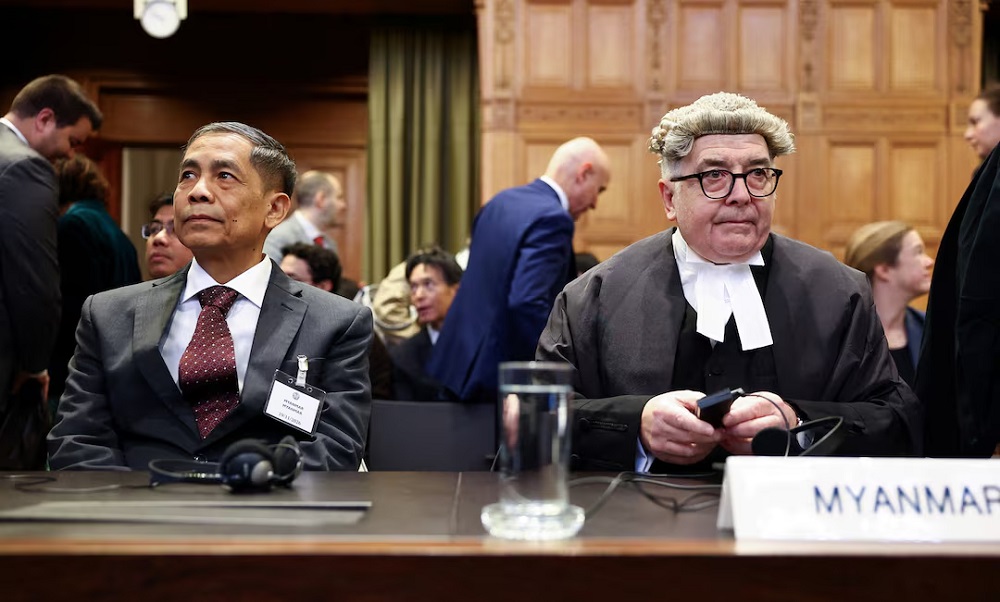
Myanmar’s security forces killed thousands of members of the Rohingya minority Muslim population and committed widespread sexual violence, judges at the World Court ruled on Thursday.
A reading of the verdict was ongoing, Reuters reported.
“The Court finds that Myanmar’s security forces killed thousands of Rohingya civilians, perpetrated widespread acts of sexual violence as well as acts of extreme violence against children and attacked fleeing Rohingya as they sought to flee in large numbers to Bangladesh,” the court said.
World
Islam forecast to soon exceed Christianity as world’s biggest faith
The study attributes the shift mostly to higher fertility rates in the Islamic world, averaging 3.1 children for each Muslim woman, compared with 2.5 children per Christian woman during the period 2020-2025.
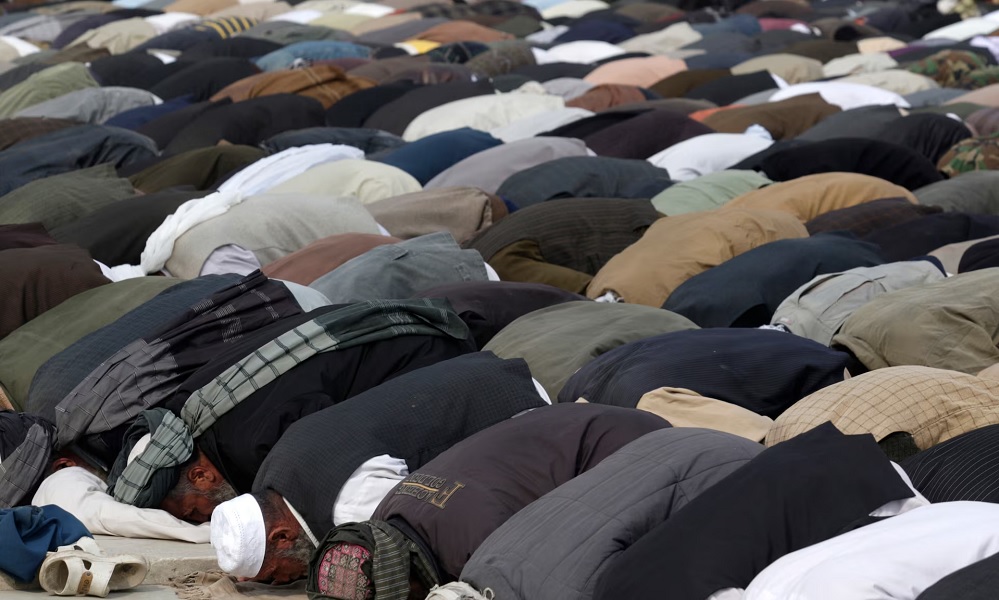
Islam is expected to surpass Christianity as the world’s biggest religion by the middle of the next decade as the birth rate among Muslims outpaces the number of babies born to women of any other faith, the Pew Research Center projected on Wednesday.
While Christianity has ranked as humanity’s largest religion for centuries, the global Muslim population has grown much faster and is forecast to reach 2.57 billion by 2035, compared with a projected tally of 2.52 billion Christians in that year, the Pew study found, Reuters reported.
If recent trends hold, Muslims will outnumber Christians 3.6 billion to 3 billion worldwide by 2070, and Islam will also then account for the largest portion of the global population – 37%, up from 26% in 2020, Pew said. Christianity, meanwhile, is expected to hold steady at around 29%, ranking No. 2 in global proportion.
The study attributes the shift mostly to higher fertility rates in the Islamic world, averaging 3.1 children for each Muslim woman, compared with 2.5 children per Christian woman during the period 2020-2025.
In all other religious categories combined, the birth rate in that period averaged 1.6 children per woman, below the minimum rate of 2.1 considered necessary for a generation to replace itself.
While natural population growth – births exceeding deaths – remains the biggest factor in the changing face of Muslim and Christian demographics, religious switching will also play a role, said Pew, a non-partisan, Washington-based think tank.
SWITCHING FAITHS
Based on past trends, according to Pew, both Islam and Christianity will lose more adherents from switching than they gain, but Muslims are expected to lose far fewer – 8 million between 2020 and 2070, compared with 105 million for Christians.
The world’s overall population is projected to increase 29% between 2020 and 2070, with Islam and Christianity the only two religious groups forecast to keep pace with or exceed that growth rate, expanding by 80% and 30%, respectively.
Hindus are growing in absolute numbers but are expected to shrink slightly as a share of the world’s population (13.6% in 2070), with Jews projected to follow a similar pattern (0.17% in 2070). Buddhists, meanwhile, are forecast to decline in numbers and as a percentage of global population (2.5% in 2070).
SMALLER FAITHS, NON-BELIEVERS
All other faiths combined – including Baha’is, Daoists, Jains, Sikhs and followers of various folk religions – are expected to see a modest rise in numbers, while collectively slipping below 2% of all humanity by 2070, according to Pew.
Moreover, people with no religious affiliation, a category that includes those identifying as atheist or agnostic, are expected to decline sharply as a proportion of the global whole, from 24% in 2020 to 17% in 2070, the study found.
The geographic distribution among religions is also shifting dramatically.
By 2070, for instance, Christianity will rank as the largest religion in the United States but not its majority faith, and the Democratic Republic of Congo will surpass the US as the country with the greatest concentration of Christians.
The numbers of religiously unaffiliated people will grow in most countries in the coming decades, but those increases will be entirely outweighed by the dwindling population forecast for China, where most of the world’s non-believers currently reside.

Malaysia says it will resettle 10,000 Rohingya refugees in Turkey

Afghanistan cannot prosper without girls’ education: Karzai
Kazakhstan increases grain exports to Afghanistan by 1.6 times
Geopolitical interests, not 9/11, drove US war in Afghanistan: Balkhi
Trump, Xi and Putin release ‘peace declaration’ from unprecedented summit

Governments take websites offline as critical cyber flaws trigger global alert

Afghanistan’s new Wakhan road to China faces major hurdles
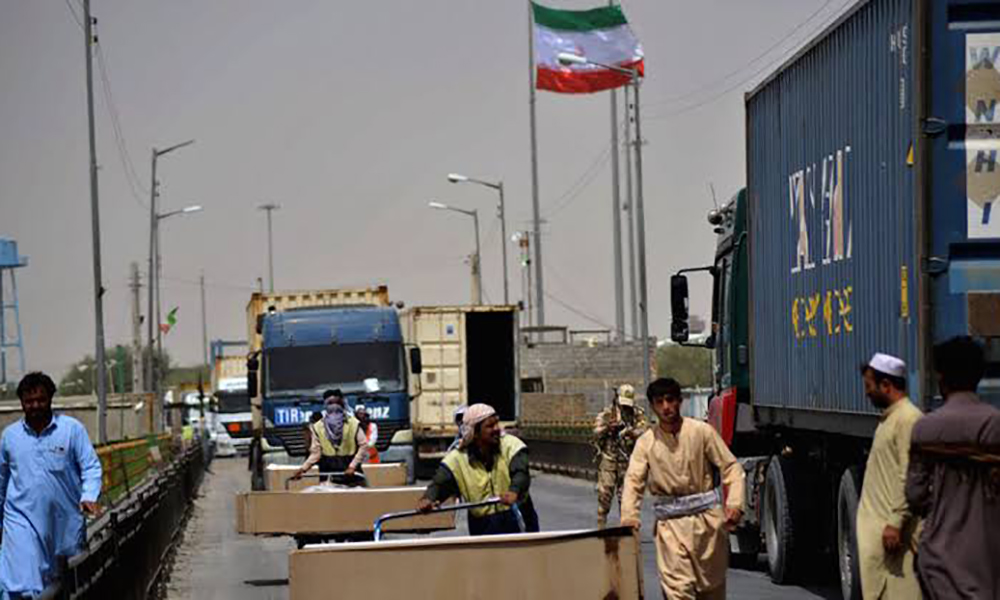
US sanctions and blockade measures disrupt Iran’s trade with Afghanistan and regional neighbors

Pakistan exporters suffer billions in losses as Afghanistan trade halt continues
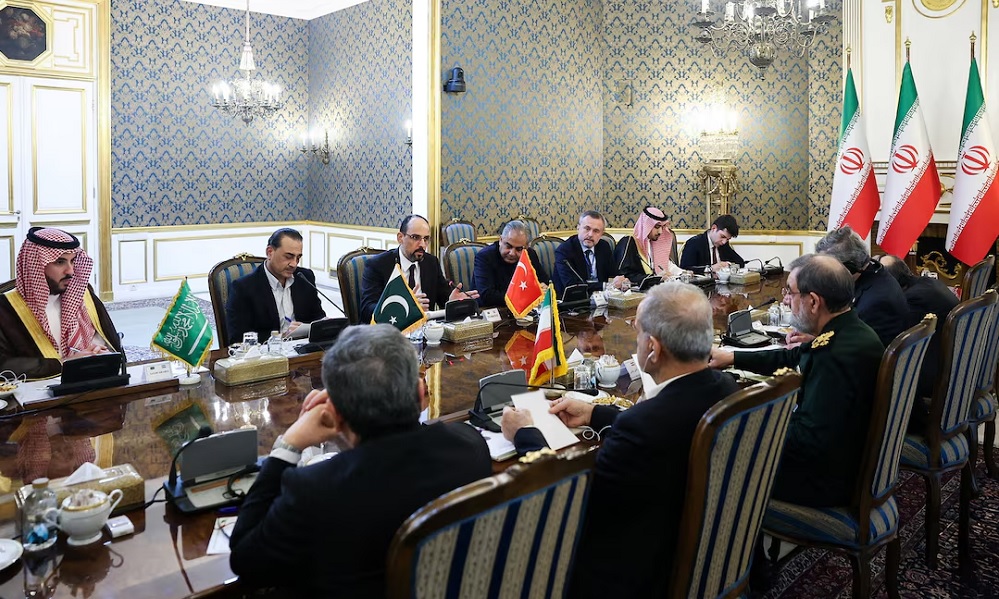
Saudi defence pact countries push for peace in Tehran as Houthis launch more attacks
Tahawol: Kazakhstan’s call for practical international engagement with Afghanistan
Saar: Afghanistan and UN: 80 years of diplomatic relations discussed
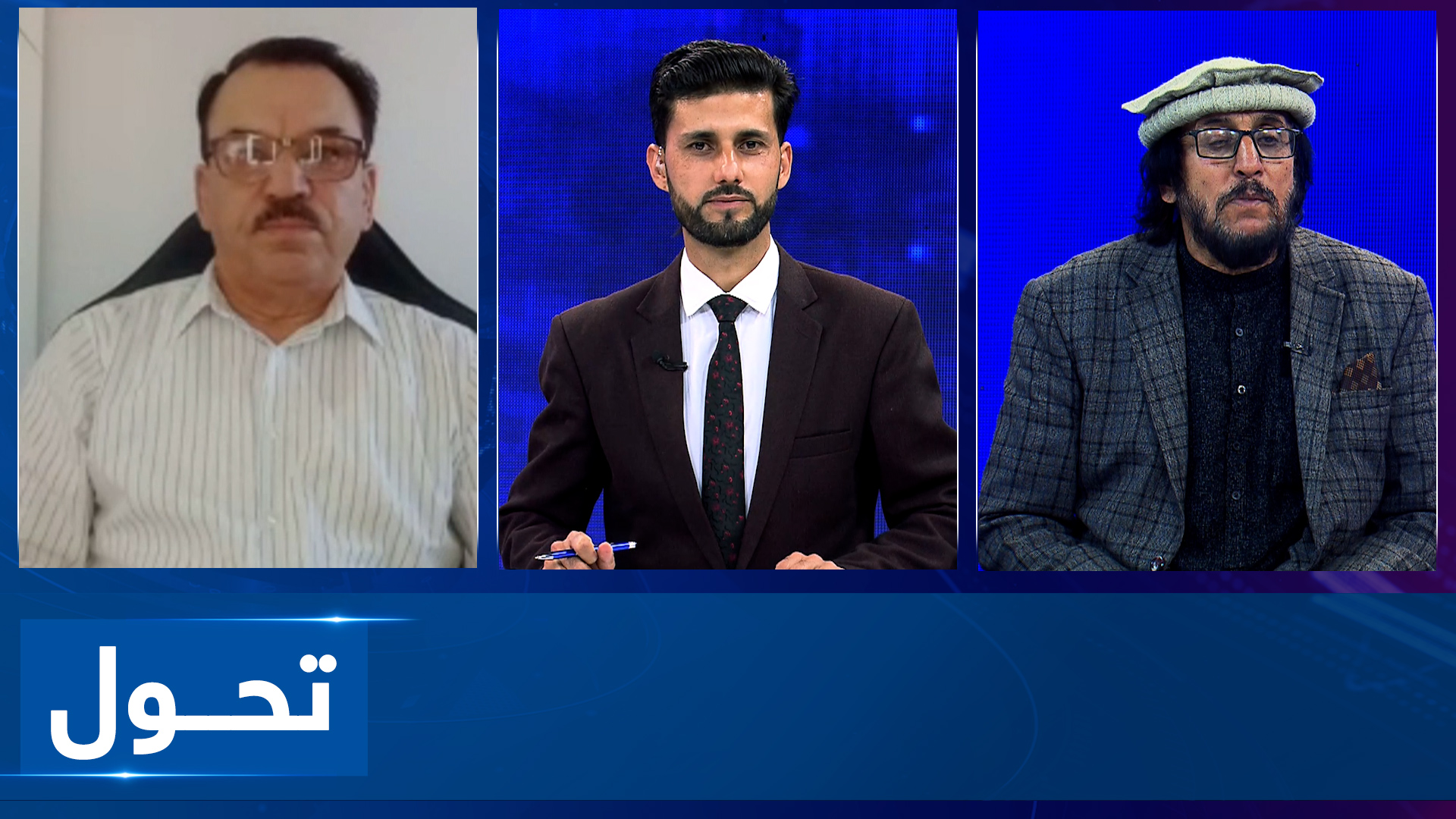
Tahawol: Qatar-UK consultations on Afghanistan discussed
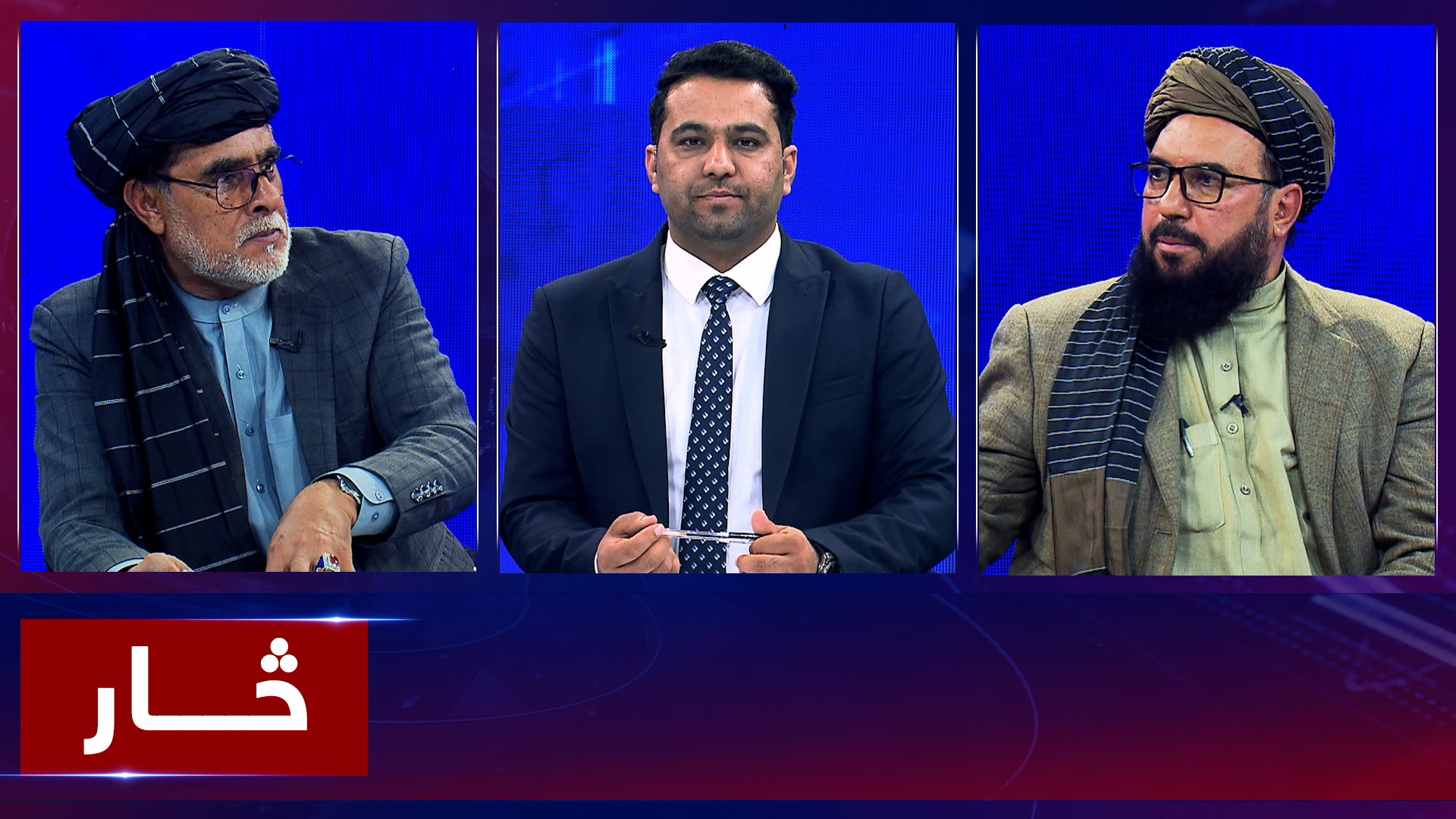
Saar: Efforts to deliver urgent humanitarian aid to needy Afghans
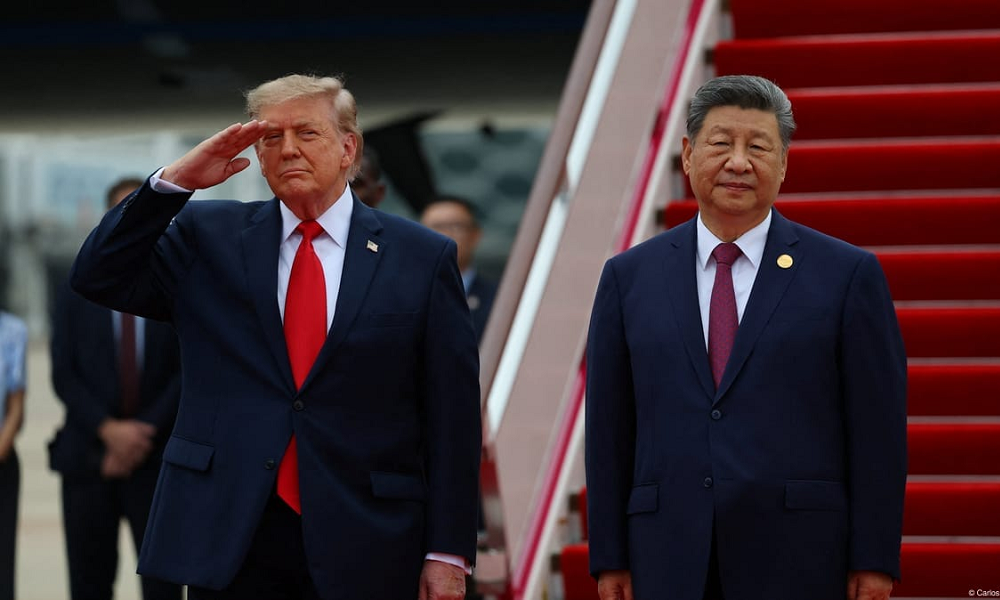
Xi welcomes Trump to China ahead of highly anticipated summit with Putin
-
 Sport5 days ago
ILT20 teams required to field at least two UAE and Afghanistan players in Season 5
-
 Sport5 days ago
Arman FC cruise to 5-0 victory over Istiqlal Kabul in ACL match
-
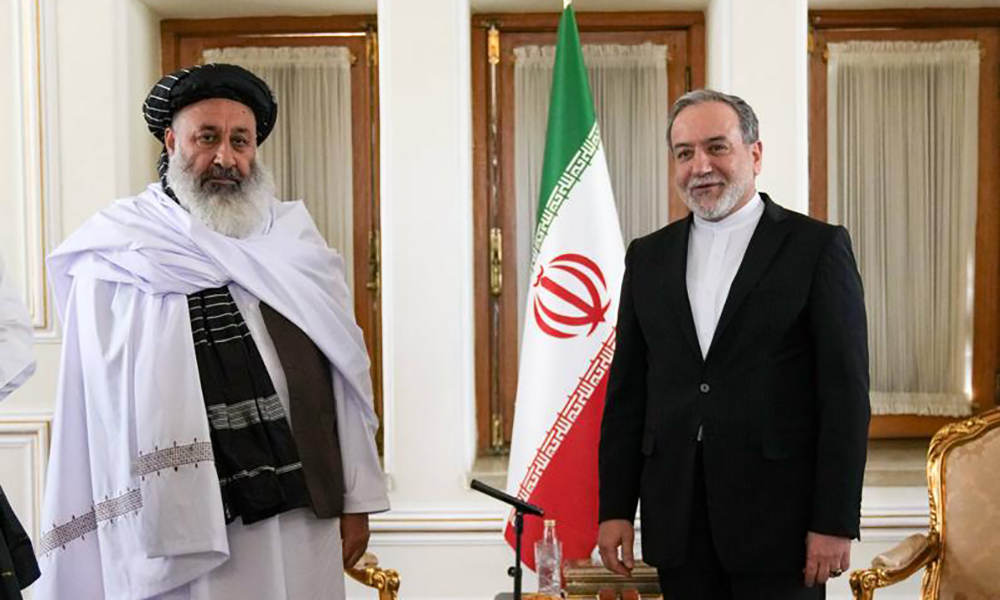 Latest News5 days ago
Afghanistan and Iran agree to expand trade cooperation and upgrade border infrastructure
-
 Sport4 days ago
25 Afghan cricketers secure contracts for ILT20 Season 5
-
 Sport2 days ago
ATN to broadcast AFC Awards honoring Asia’s football stars
-
 Latest News5 days ago
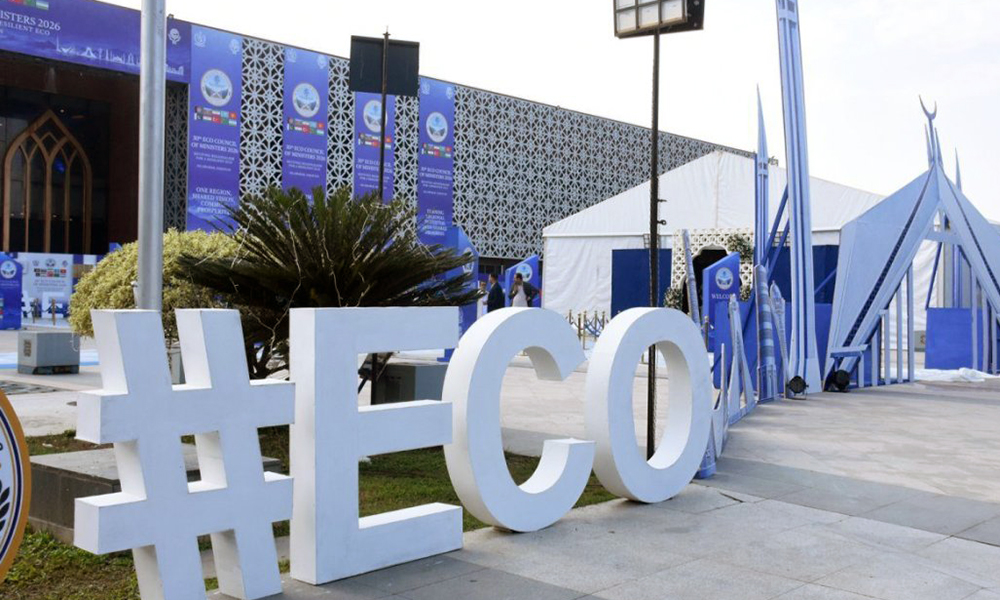
Afghanistan’s absence from ECO foreign ministers’ meeting raises questions
-
 Sport4 days ago
Sorkh Poshan Khafi crowned ACL champions after unbeaten campaign
-
 Tahawol5 days ago
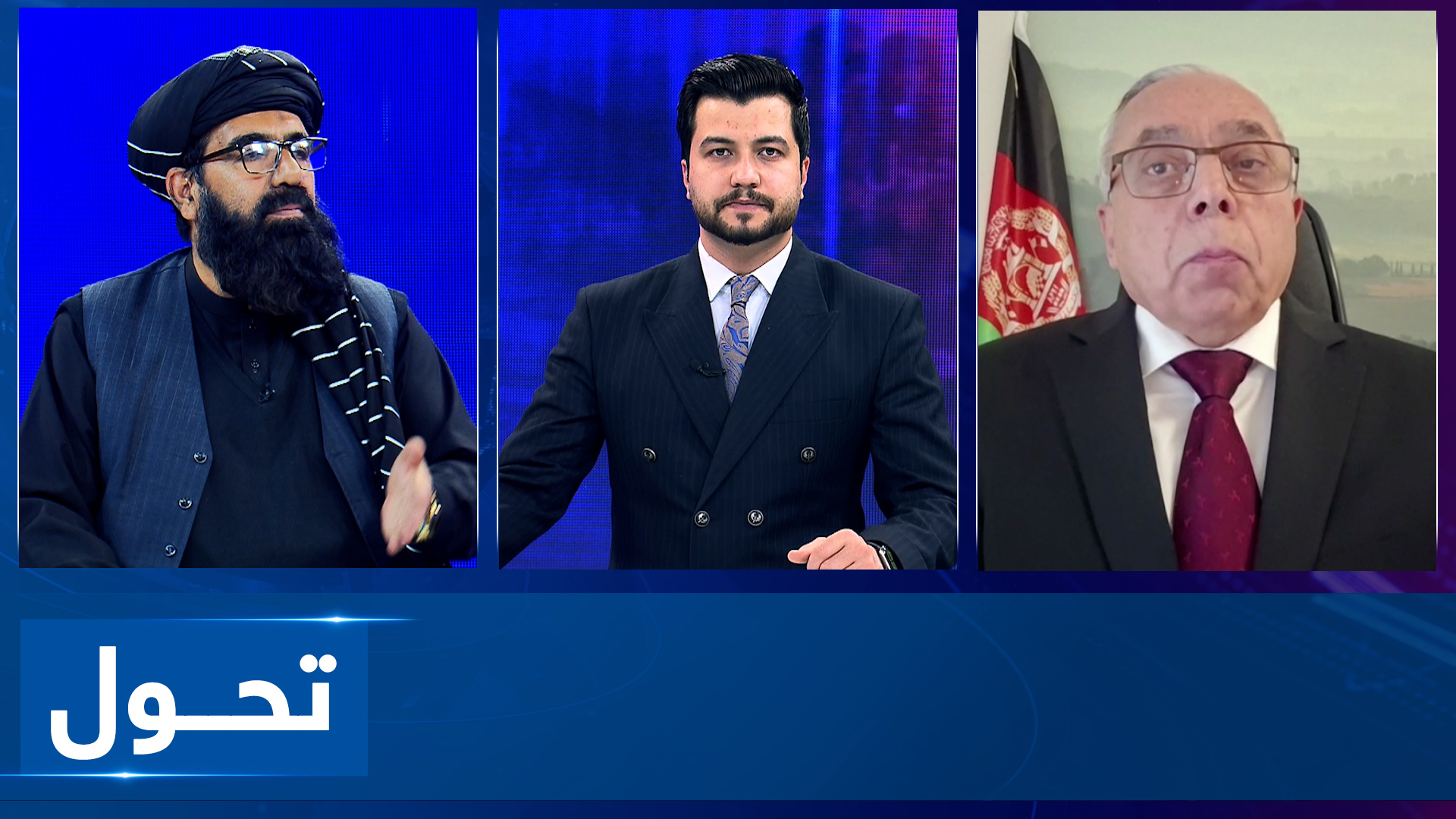
Tahawol: UK seeks to ease Kabul–Islamabad tensions