
Latest News
Turkey, Qatar might ‘act together’ to reopen Kabul airport


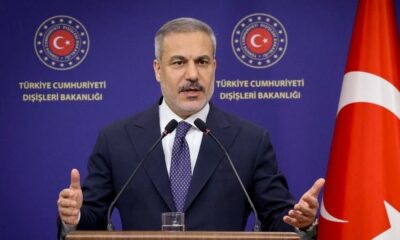
Turkey’s Foreign Minister Mevlut Cavusoglu and his Qatari counterpart Sheikh Mohammed bin Abdulrahman al Thani have raised the possibility of jointly operating Kabul’s international airport.
Addressing a joint press conference on Monday, Cavusoglu that they would “act together” in Kabul, TRT World reported.
“Qatar and Turkey are continuously working with the interim government in Afghanistan to reach an agreement to open the airport (so it can function) normally,” Thani said.
Cavusoglu is accompanying Turkish President Recep Tayyip Erdogan on a two-day visit to Doha.
According to Turkish media, Erdogan’s visit comes as Turkey seeks to rebuild relations with former rivals in the energy-rich Gulf region, including the United Arab Emirates.
Cavusoglu also said Turkey and Qatar should set an example to the international community in delivering humanitarian aid to the Afghan people.
“The international community needs to deliver this humanitarian aid to the Afghan people, regardless of political motives,” he said.
Meanwhile, Germany’s special envoy to Afghanistan, Jasper Wieck, has said that his country is likely to send some of its diplomats to Afghanistan early next year.
While speaking at the 35th summit of the Protestant Academy he mentioned that the return of German diplomats does not mean that Germany recognizes the Islamic Emirate.


Latest News
OIC contact group discusses roadmap for phased engagement with Afghanistan’s authorities
Participants further discussed the importance of maintaining direct and constructive dialogue with Afghanistan’s authorities on issues of shared interest.
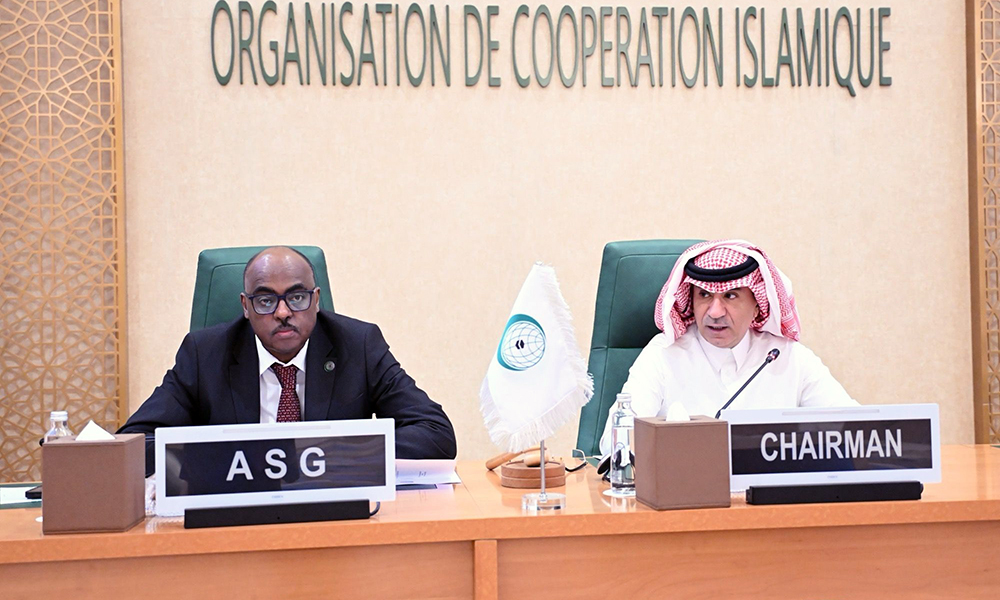
The Ministerial Contact Group of the Organization of Islamic Cooperation (OIC) on Afghanistan has held a preparatory technical meeting in Jeddah to discuss a roadmap outlining a structured and phased approach to engagement with Afghanistan’s authorities.
During the meeting, participants reviewed key issues concerning the OIC’s position on Afghanistan’s evolving political and humanitarian situation and explored ways to establish a systematic framework for communication and engagement with the country’s current authorities.
According to the OIC, the proposed roadmap is intended to guide the Contact Group’s engagement in a manner that serves the interests of the Afghan people while contributing to stability and development in the country.
The meeting also focused on identifying priority areas for the Group’s work, particularly the implementation of relevant resolutions adopted by the OIC Council of Foreign Ministers.
Participants further discussed the importance of maintaining direct and constructive dialogue with Afghanistan’s authorities on issues of shared interest.
The meeting forms part of the OIC’s efforts to establish a coordinated approach to its engagement with Afghanistan amid ongoing political and humanitarian challenges.
Latest News
Islamic Emirate disputes UN report on Afghanistan opium cultivation
The Islamic Emirate has repeatedly maintained that its ban on narcotics remains in force and that counter-narcotics operations are continuing across the country.
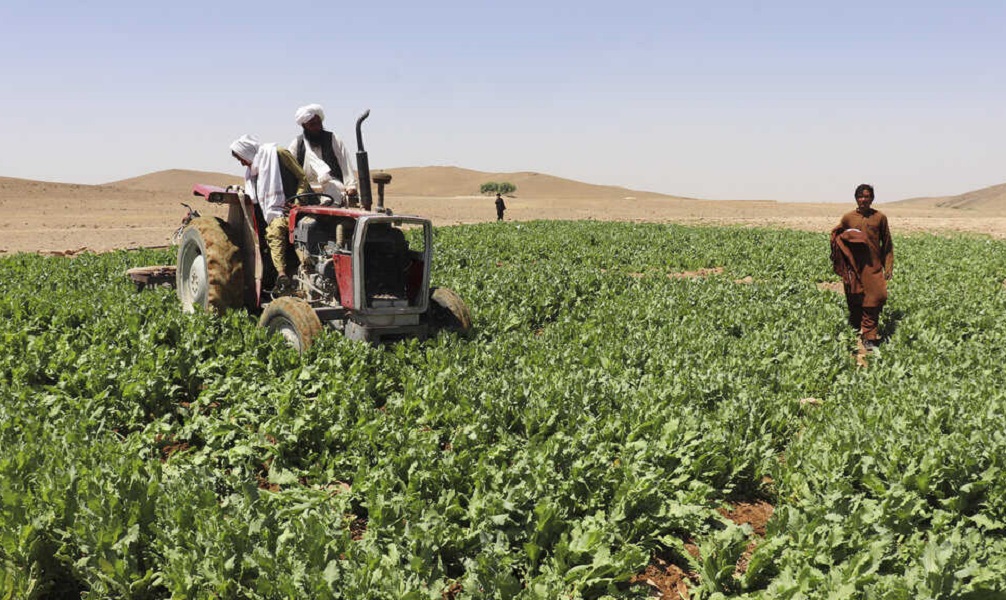
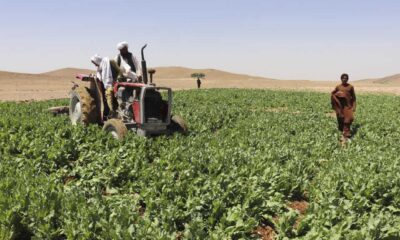
The Islamic Emirate of Afghanistan has disputed a new United Nations report estimating a sharp increase in opium poppy cultivation in 2026, saying the findings do not accurately reflect the results of its nationwide counter-narcotics operations.
The Afghanistan Opium Survey 2026, published by the United Nations Office on Drugs and Crime (UNODC), estimates that poppy cultivation has increased to more than 43,000 hectares, compared with approximately 10,000 hectares in 2025.
The report also estimates that opium production has risen to nearly 1,500 tonnes, up from around 300 tonnes last year. It identifies northeastern Afghanistan, particularly Badakhshan and Takhar, as major cultivation centres.
However, the Ministry of Interior has challenged the figures, arguing that the survey does not adequately account for eradication operations carried out by Afghan authorities.
The ministry said its counter-narcotics campaign had resulted in the destruction of poppy cultivation across approximately 23,000 hectares of land during 2026, maintaining that its own assessments show cultivation has been reduced to almost zero.
The UNODC report attributes the reported increase partly to economic pressures on farming communities and limited alternative livelihood opportunities. It also notes that cultivation remains significantly below pre-ban levels, when more than 200,000 hectares were planted with opium poppy.
The Islamic Emirate has repeatedly maintained that its ban on narcotics remains in force and that counter-narcotics operations are continuing across the country.
The differing assessments highlight a gap between the UN’s estimates and the figures presented by Afghan authorities, as Afghanistan continues its efforts to eliminate narcotics cultivation while addressing the economic challenges facing rural communities.
Latest News
Afghanistan to attend Tehran ECO summit after exclusion from Islamabad meeting
The delegation would represent the Islamic Emirate of Afghanistan at the summit, scheduled for December 3 and 4.
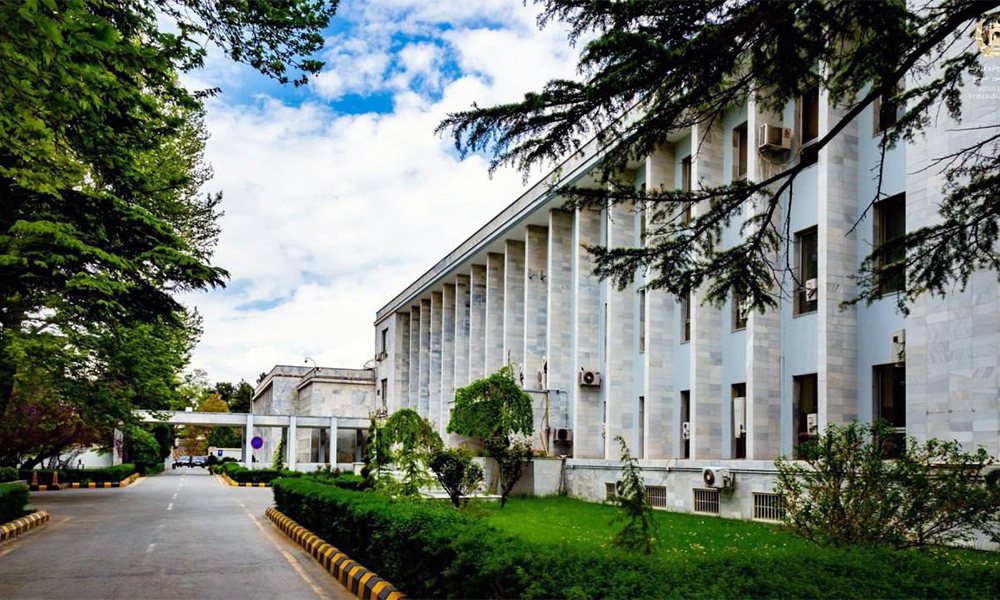
Afghanistan will participate in the upcoming 18th summit of the Economic Cooperation Organization (ECO) in Tehran, with Foreign Minister Amir Khan Muttaqi leading the delegation, the Ministry of Foreign Affairs has announced.
Hafiz Zia Ahmad Takal, head of the ministry’s Information and Public Relations Department, said the delegation would represent the Islamic Emirate of Afghanistan at the summit, scheduled for December 3 and 4. The meeting is expected to bring together leaders and senior officials from ECO member states to discuss regional cooperation.
The announcement follows Afghanistan’s exclusion from the 30th meeting of the ECO Council of Foreign Ministers, hosted by Pakistan in Islamabad on November 15 and 16, despite Afghanistan being a member of the regional organisation.
Pakistan’s Foreign Office said Kabul was not invited because Islamabad does not recognise the current Afghan administration. Pakistani officials also claimed that Afghanistan’s membership had been suspended by the ECO Secretariat.
The decision prompted criticism from Afghan officials, who argued that political differences should not prevent Afghanistan from participating in regional economic initiatives and cooperation.
Afghanistan’s attendance at the Tehran summit is expected to provide an opportunity for Kabul to re-engage with regional partners on issues including trade, economic development, transport connectivity and regional cooperation.

OIC contact group discusses roadmap for phased engagement with Afghanistan’s authorities
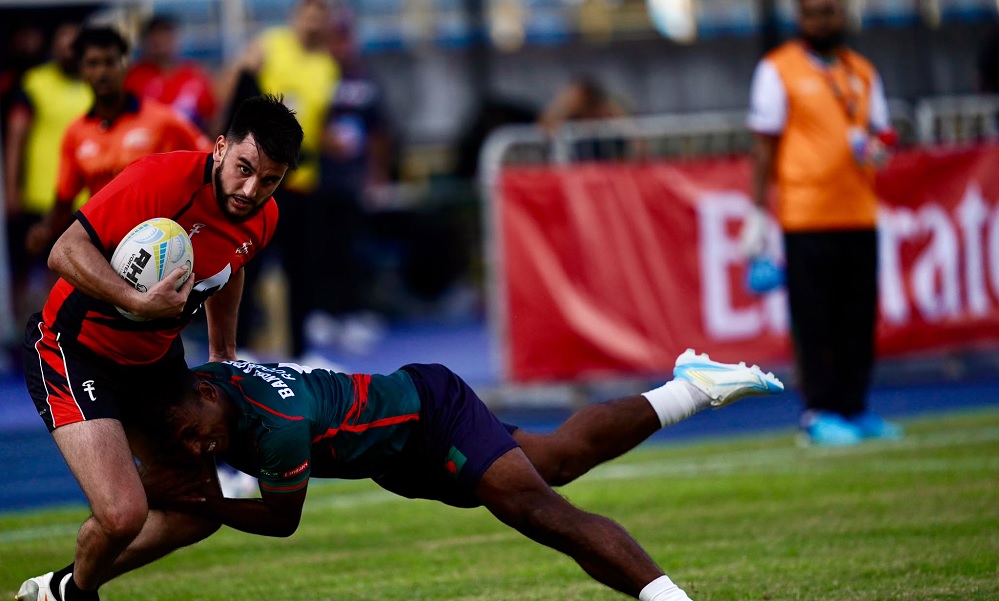
Afghanistan wins bronze at Asia Rugby Sevens Trophy 2026
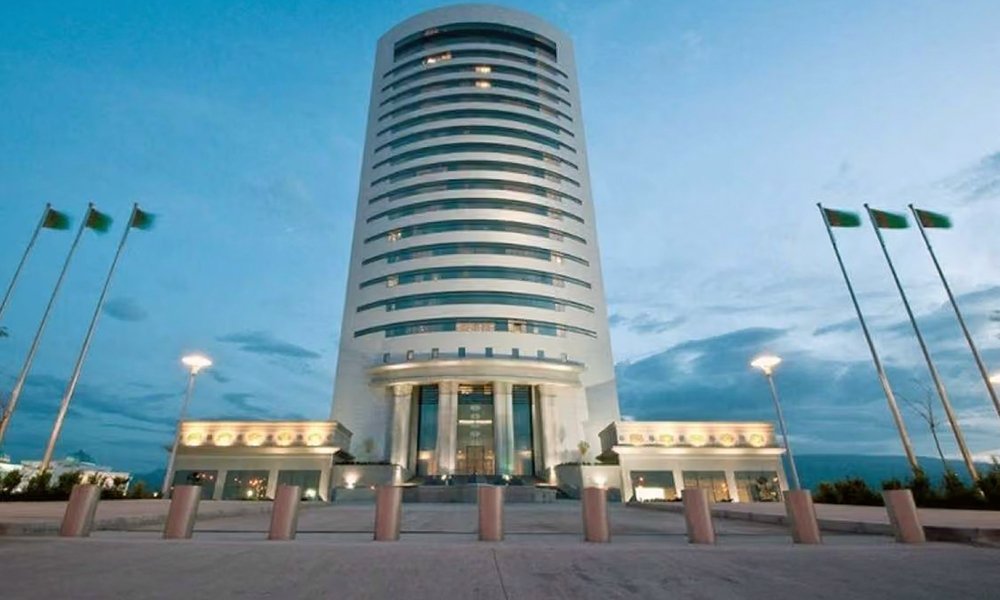
Turkmenistan records nearly $100 million in trade deals with Afghan, UAE buyers

Islamic Emirate disputes UN report on Afghanistan opium cultivation

Afghanistan to attend Tehran ECO summit after exclusion from Islamabad meeting
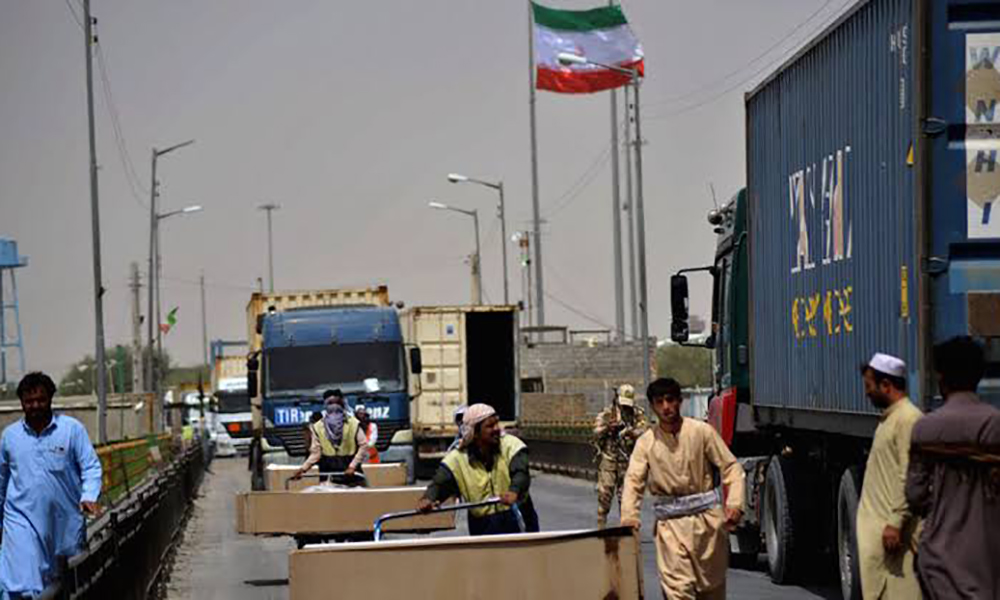
US sanctions and blockade measures disrupt Iran’s trade with Afghanistan and regional neighbors
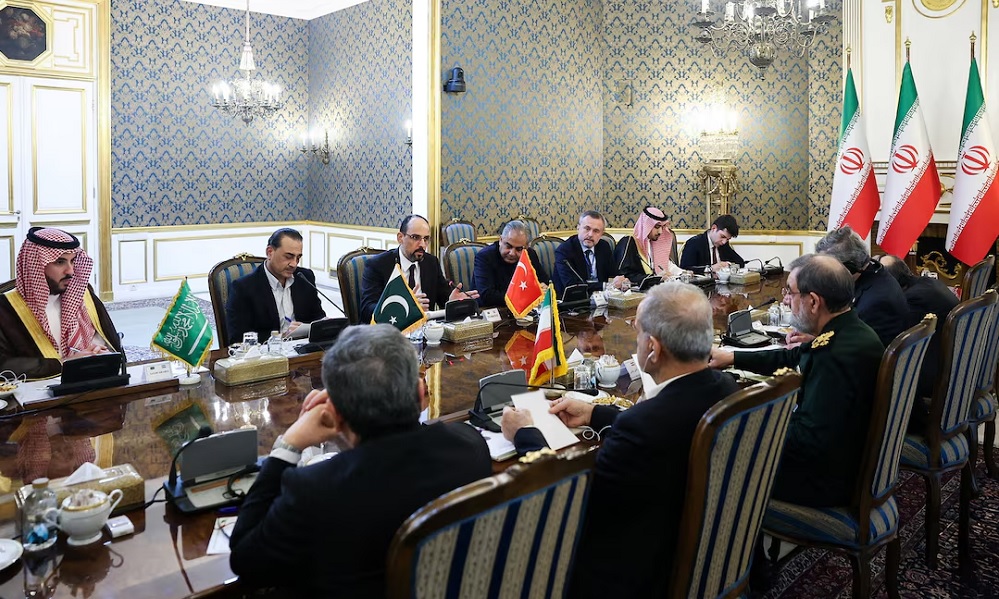
Saudi defence pact countries push for peace in Tehran as Houthis launch more attacks

England forward Kane crowned Ballon d’Or winner
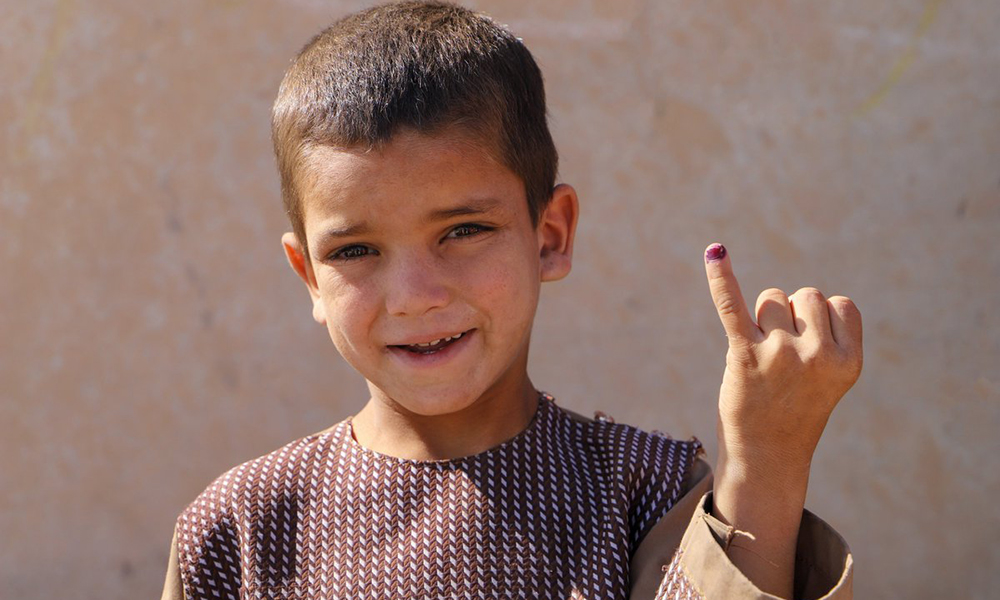
Afghanistan to launch nationwide polio vaccination campaign

Afghanistan urges polio vaccination as cases reach 42
Tahawol: World Television Day discussed
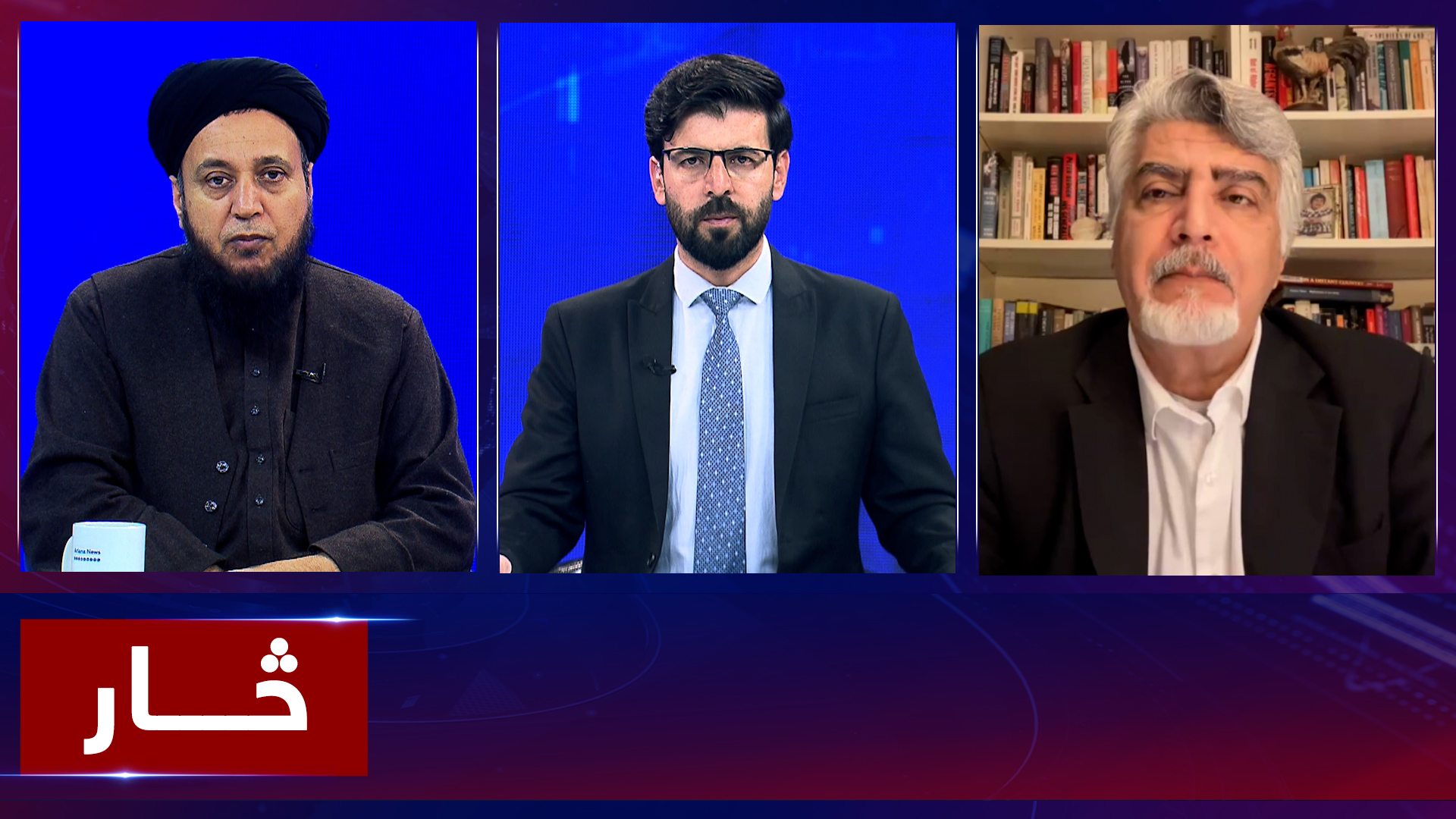
Saar: Efforts to resolve Afghanistan-Pakistan tensions in Moscow reviewed
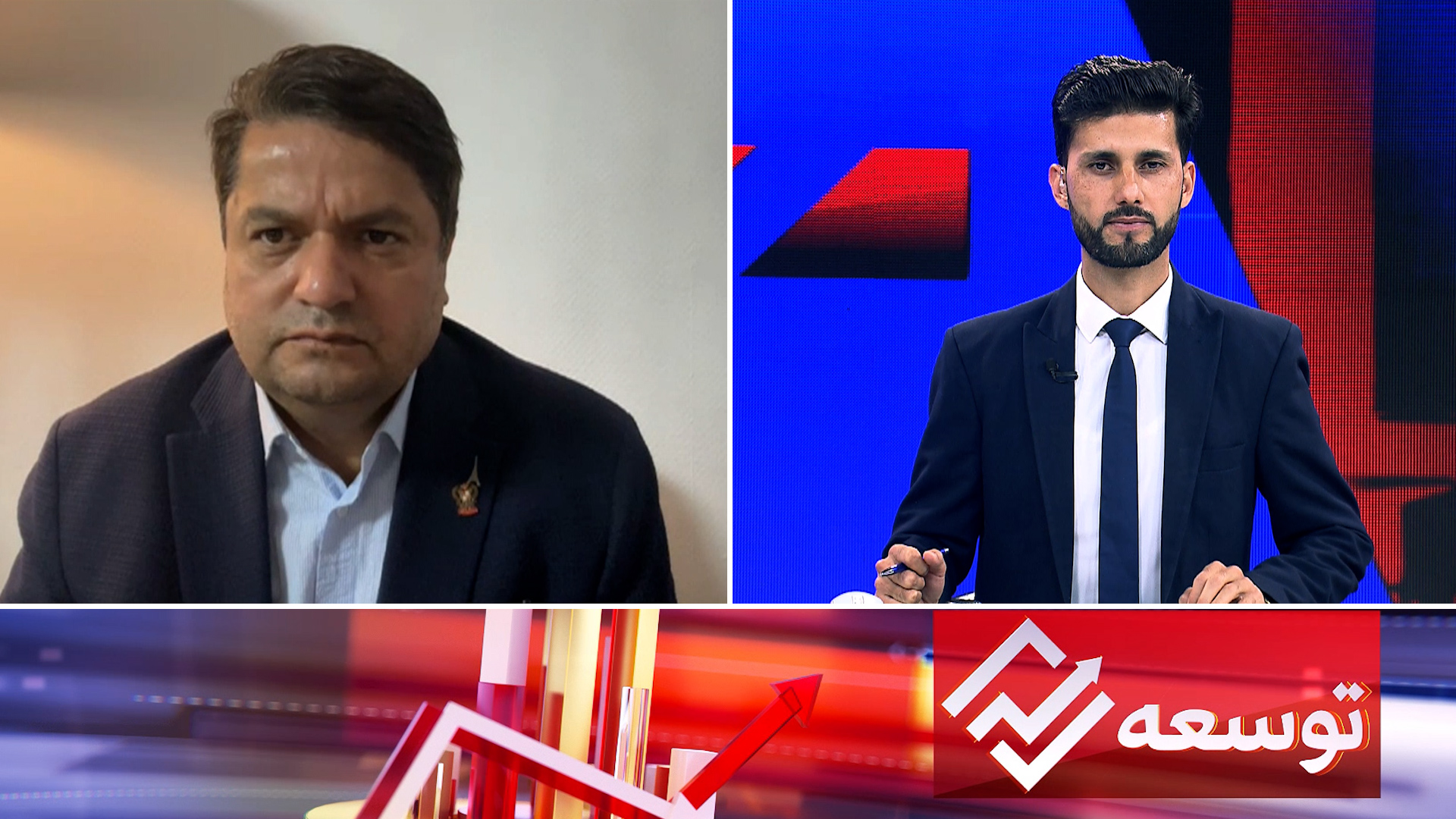
Tawsia: Afghanistan’s key economic highlights of the week discussed
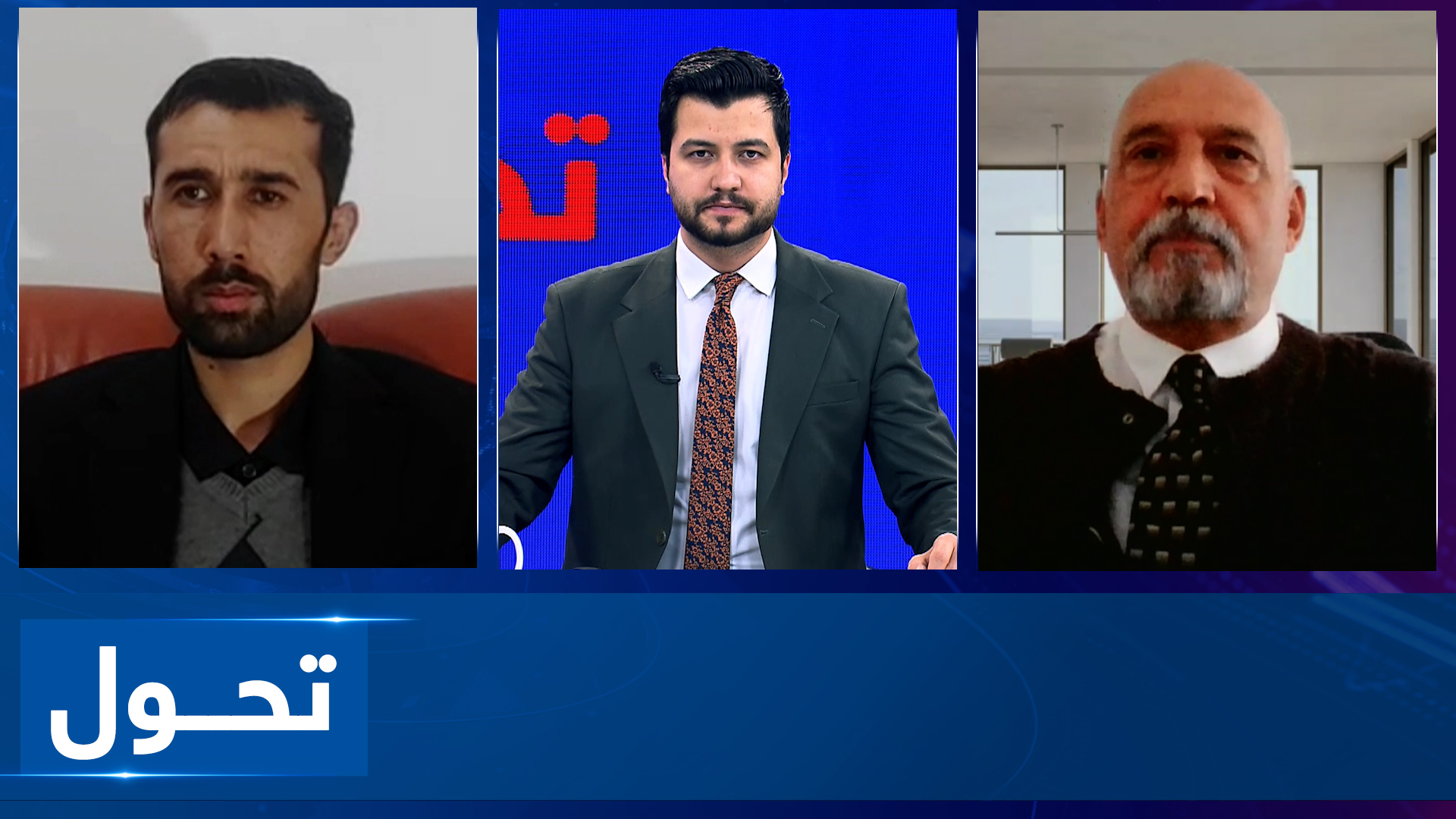
Tahawol: Kazakhstan’s call for practical international engagement with Afghanistan
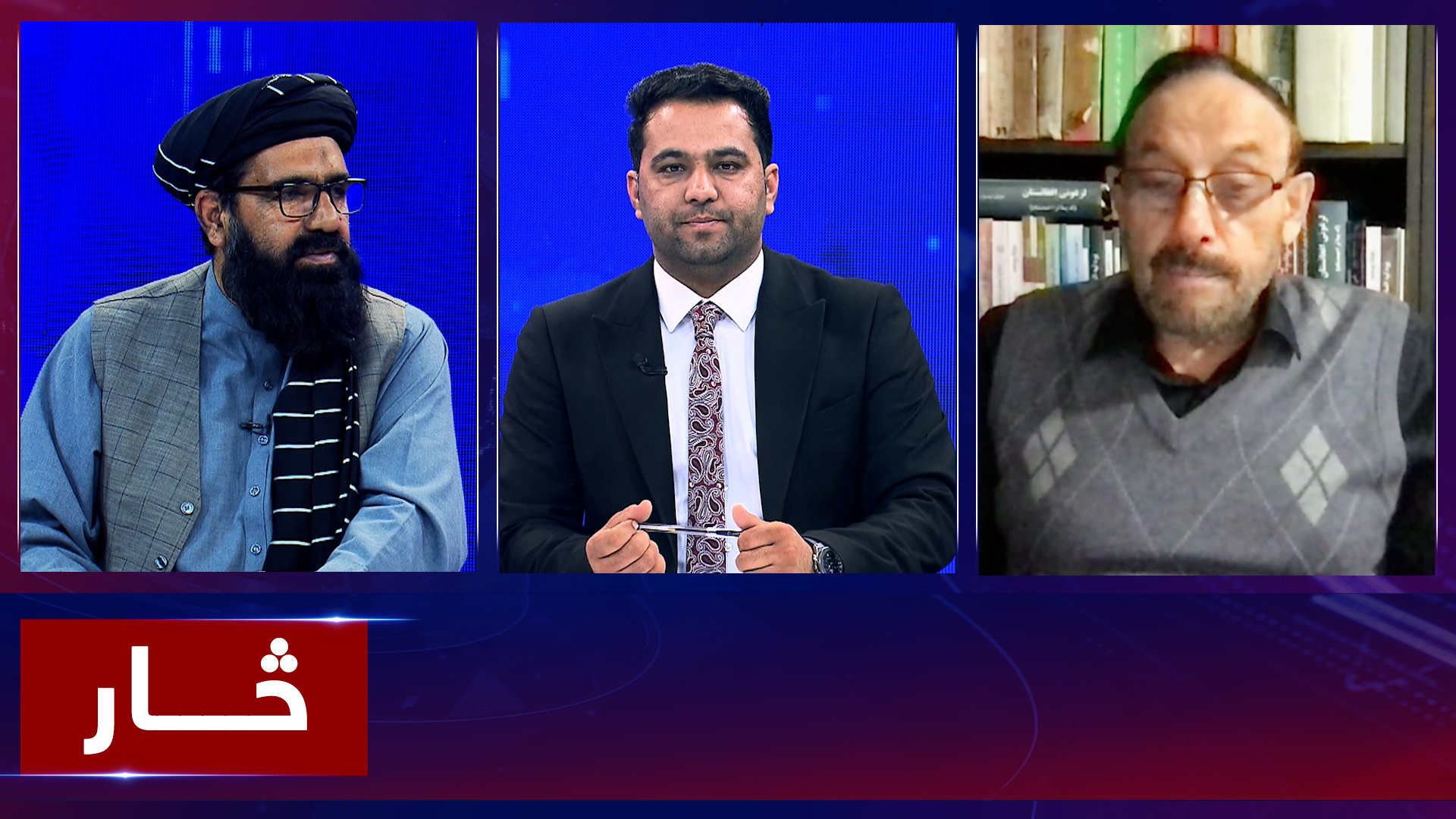
Saar: Afghanistan and UN: 80 years of diplomatic relations discussed
-
 Sport4 days ago
ATN to broadcast AFC Awards honoring Asia’s football stars
-
 Regional4 days ago
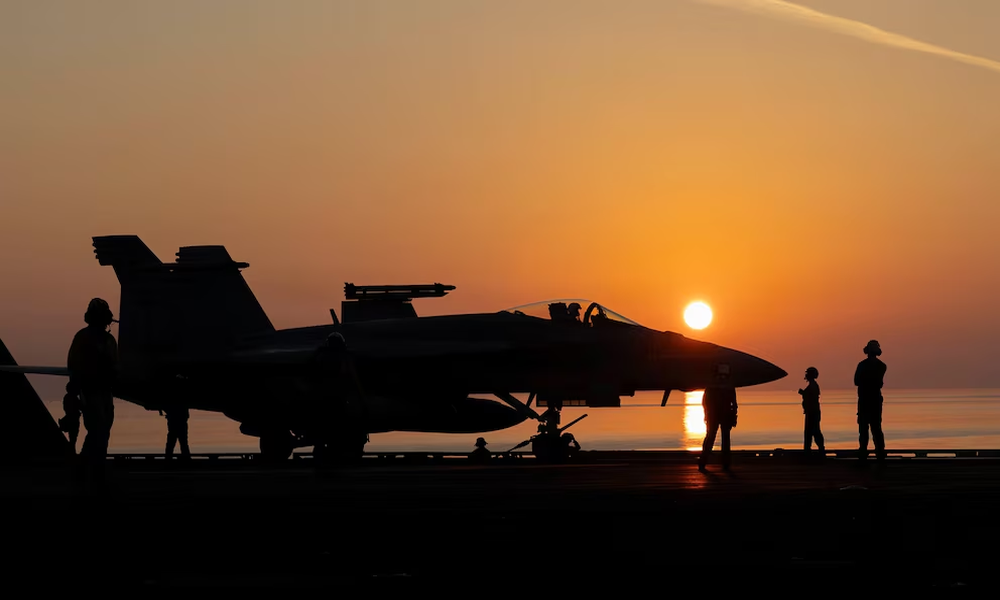
US strikes Iranian military site as Gulf states report fresh attacks
-
 Latest News4 days ago
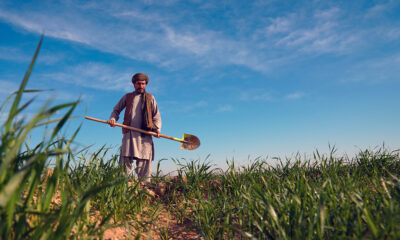
Afghanistan’s economy grows despite rising food insecurity and water crisis: World Bank
-
 Sport5 days ago
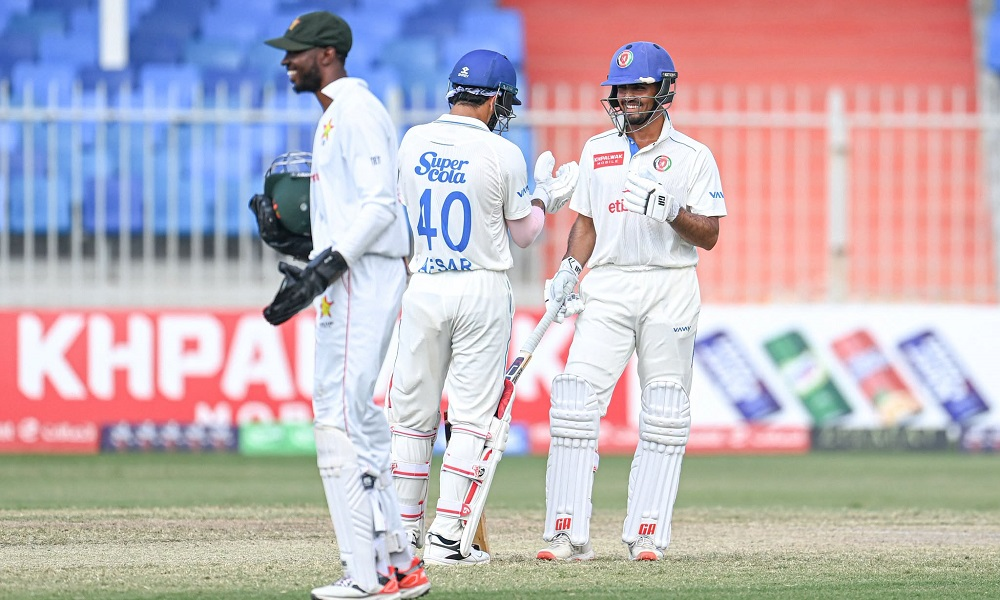
Zimbabwe beat Afghanistan by 57 runs in second Test
-
 Business4 days ago
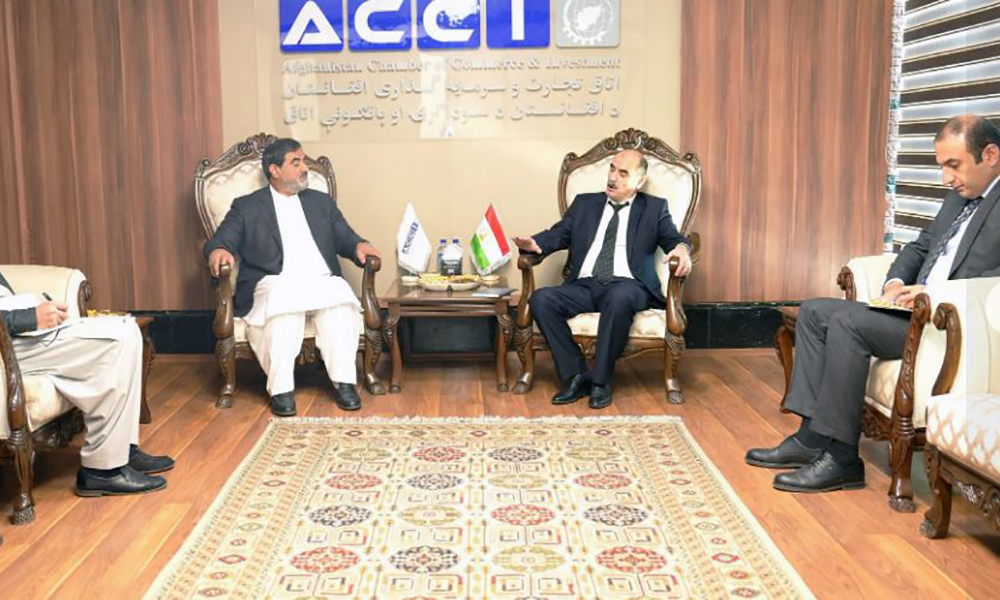
Tajikistan seeks to establish joint market along border with Afghanistan
-
 Latest News3 days ago
Two Afghan nationals convicted over sexual assault of 14-year-old girl on UK train
-

 Latest News4 days ago
Pakistan invites Turkmenistan to join CASA-1,000 power project
-
 Sport3 days ago
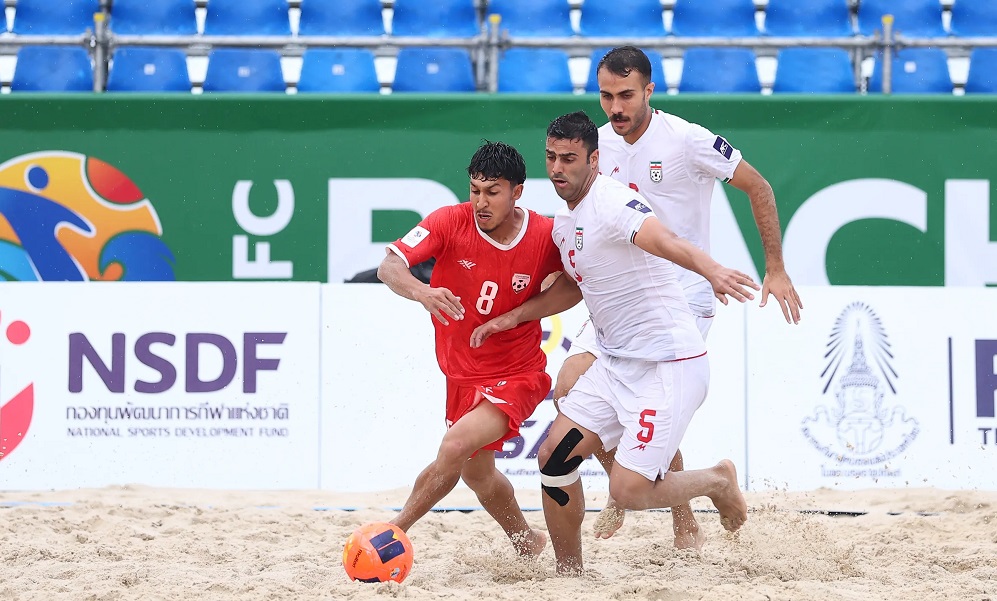
Afghanistan suffer 9-2 defeat to Iran in Beach Soccer Asian Cup opener